The 9 Best Low-Growing Plants For California Walkways That Stay Tidy
Be honest. How many times have you walked up to someone’s house and immediately judged the landscaping before you even knocked on the door?
Everyone does it. And nothing makes a stronger first impression than a walkway that looks like it was actually, intentionally designed by someone with taste.
The secret weapon more often than not? Low-growing plants doing quiet, tidy, beautiful work right along the path.
But here’s where so many California gardeners go wrong. They grab whatever ground cover looks cute at the nursery, plant it along the walkway, and then spend the next two summers hacking it back every few weeks like it’s their part-time job.
Not fun. Not the dream. The plants lining a walkway need to be compact, heat-tough, and genuinely committed to staying in their lane. Is that too much to ask?
Absolutely not. California has some incredible low-growing options that look polished, handle the sun like champs, and never once make you regret planting them.
1. Elfin Thyme
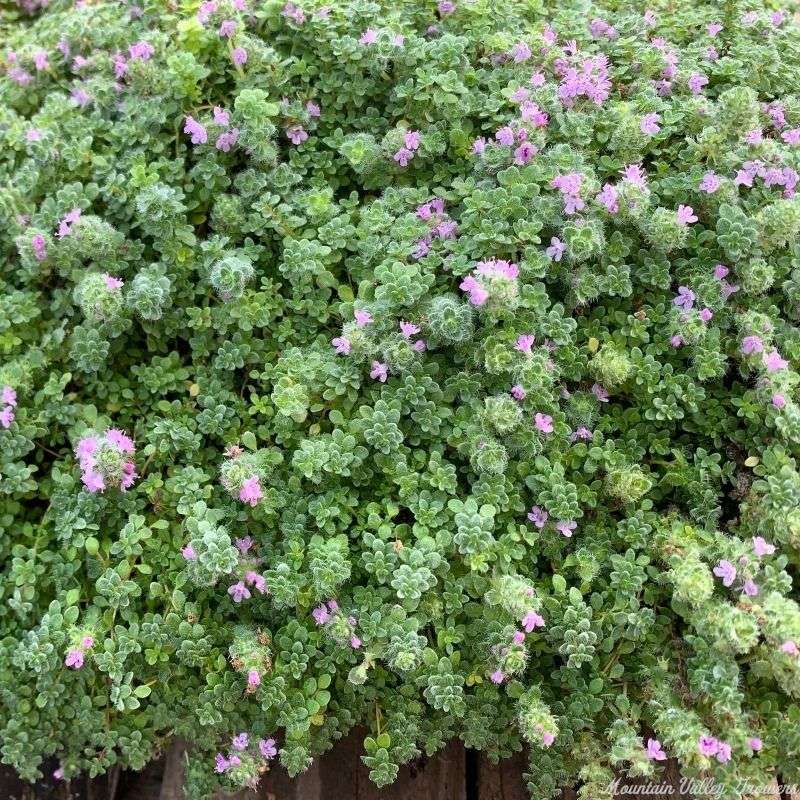
Tiny but mighty, elfin thyme is one of the most popular walkway plants in California gardens. It forms a dense, flat mat that rarely grows taller than two inches.
That makes it a smart pick for paths where you want greenery without the fuss of constant trimming.
Elfin thyme thrives in full sun and handles dry conditions like a champ. California gardeners love it because it fits right into drought-tolerant landscapes.
Once established, it needs very little water, which is a huge bonus in areas with water restrictions.
The plant produces tiny lavender-pink flowers in summer that attract bees and butterflies. It smells faintly herby when brushed, giving your walkway a pleasant scent on warm days.
Plant it between stepping stones or along the edges of a path for a clean, finished look.
Elfin thyme handles light foot traffic surprisingly well. It bounces back quickly after being stepped on.
Just give it well-drained soil and plenty of sunshine, and it will reward you with years of low-maintenance beauty along your California walkway.
2. Corsican Mint
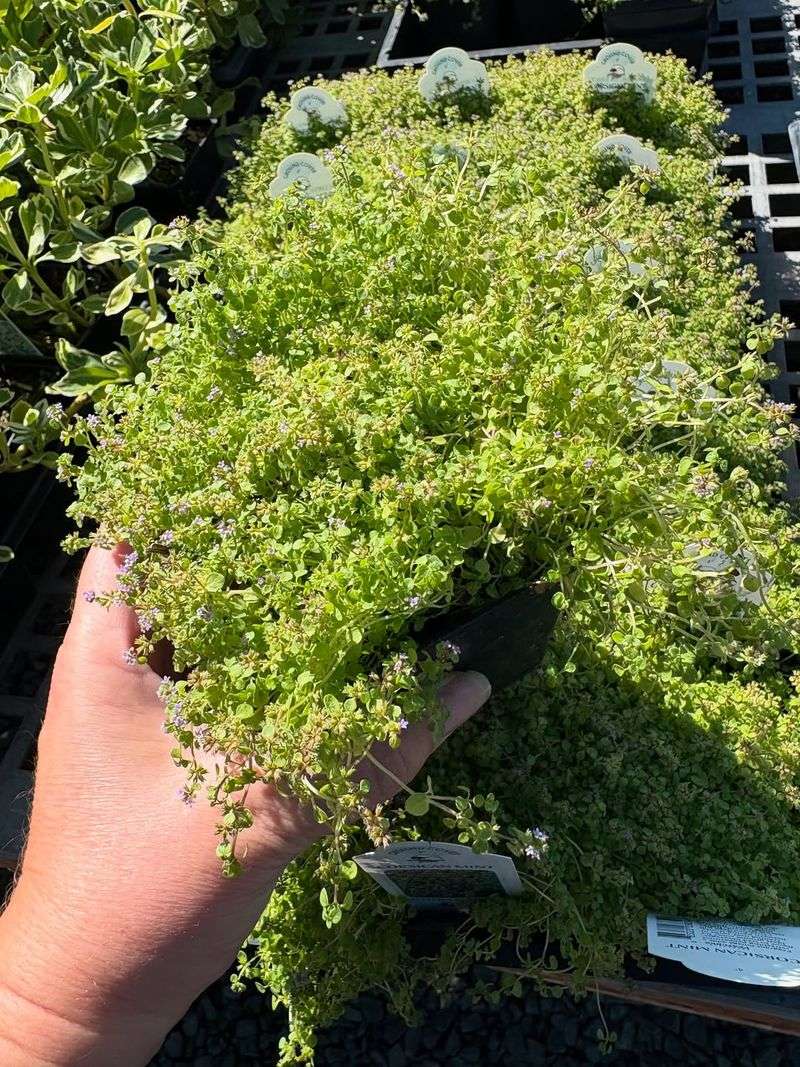
If you want a ground cover that smells amazing every time you walk past, Corsican mint might be your new favorite plant. It releases a fresh, cool peppermint scent when touched or lightly stepped on.
That alone makes it one of the most enjoyable plants to have along a California walkway.
Corsican mint grows incredibly low, usually under half an inch tall. It spreads slowly and forms a tight, bright green carpet that looks neat and tidy without much effort.
It works beautifully between flagstones or stepping stones where other plants struggle to fit.
This plant prefers partial shade and moist, well-drained soil. In warmer parts of California, it benefits from afternoon shade to keep it looking its best.
Regular watering helps it stay lush, especially during hot summers.
One thing to know is that Corsican mint is not built for heavy foot traffic. It handles light stepping just fine, but too much pressure can damage it.
Your California Garden Changes Every Week. Your Plan Should Too.
Gardening in California changes quickly throughout the season. Every Friday you’ll receive a simple weekly plan showing exactly what to plant, prune, fertilize, harvest, and protect so you never miss the right timing.
Use it in spots where people walk occasionally rather than constantly. With the right placement, it adds charm and fragrance to any California garden path.
3. Irish Moss
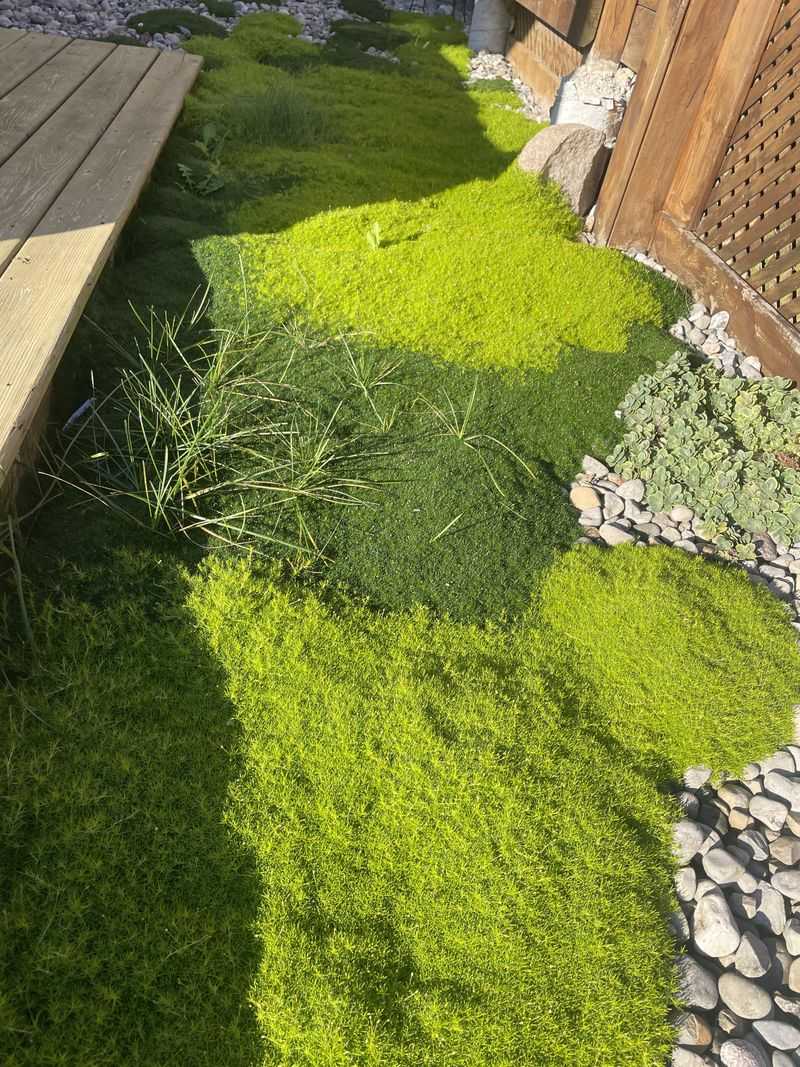
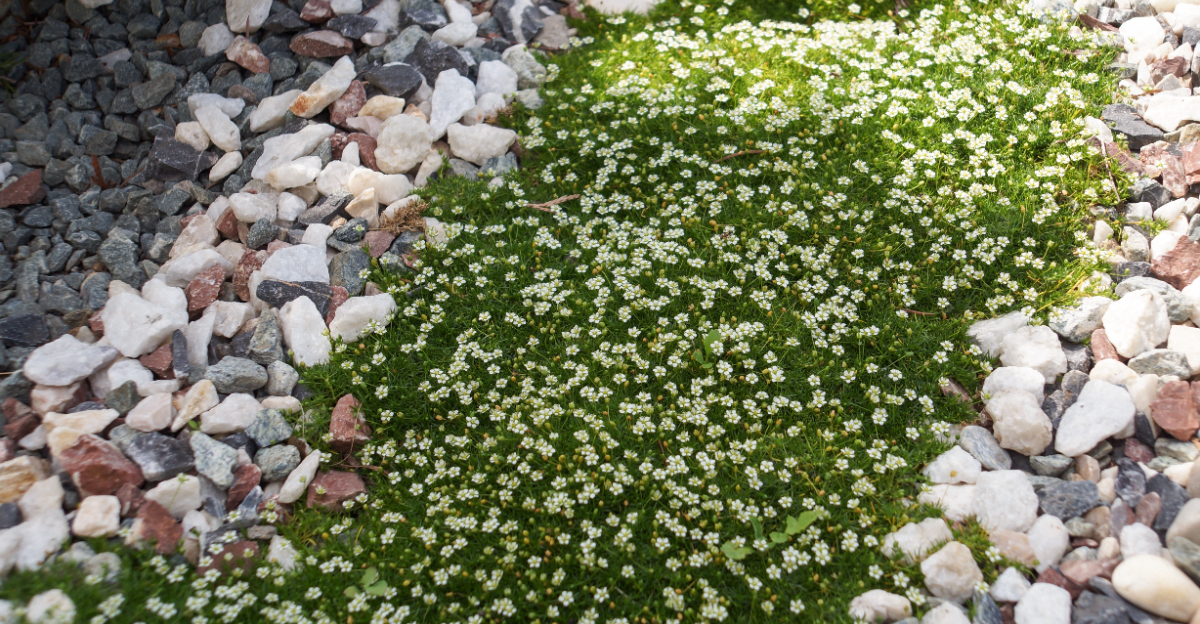
Looking like something straight out of a fairy tale, Irish moss creates a soft, velvety green carpet that makes any walkway look like a work of art. It stays very low to the ground, usually under an inch tall, and spreads gently outward over time.
It is one of those plants that makes a big visual impact without taking up much space.
Irish moss works well in coastal California gardens where the air is cool and a little moist. It loves partial shade and regular watering, which helps it keep that rich, emerald green color.
In hotter inland areas, it needs extra shade and consistent moisture to stay looking its best.
The plant produces tiny white flowers in spring, adding a delicate touch to your path. Those little blooms are small but charming, and they give the whole walkway a whimsical feel.
Pollinators enjoy visiting them too.
Plant Irish moss between pavers or stepping stones for the best results. It fills gaps beautifully and creates a smooth, unified look along your California garden path.
It handles light foot traffic well and bounces back quickly, making it a reliable and attractive walkway plant.
4. Woolly Thyme
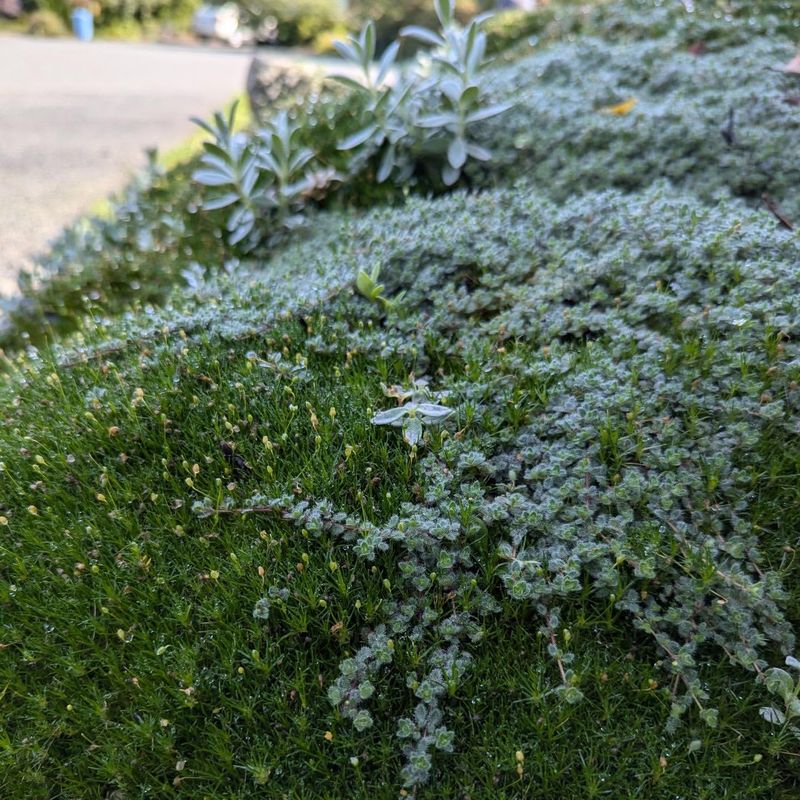
There is something almost touchable about woolly thyme. Its leaves have a soft, fuzzy texture that feels velvety between your fingers.
That unique look sets it apart from other ground covers and gives California walkways a distinctive, slightly wild charm.
Woolly thyme grows flat and wide, staying under three inches tall. It spreads steadily to fill gaps between stones and along path edges.
Because it stays so low, it never blocks the walkway or looks overgrown, even when it has been growing for years without a trim.
This plant is a star performer in hot, dry California climates. It loves full sun and handles drought conditions very well once established.
That makes it an excellent choice for water-conscious gardeners in places like the Inland Empire or Central Valley.
Woolly thyme is also surprisingly tough underfoot. It tolerates moderate foot traffic without losing its shape.
In summer, it produces small pink or purple flowers that add a soft pop of color to your path. Plant it along sunny California walkways and enjoy a ground cover that looks great, holds its shape, and practically takes care of itself through the warm season.
5. Chamomile
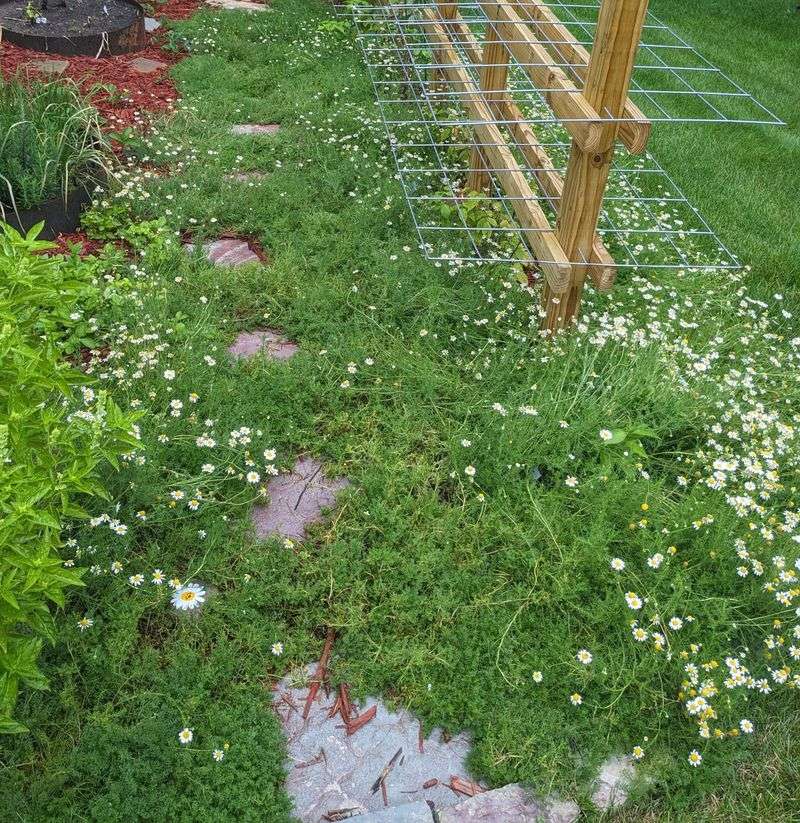
Most people know chamomile as a tea ingredient, but it is also a lovely low-growing plant for California garden paths. Roman chamomile, in particular, stays compact and forms a soft, feathery mat close to the ground.
It smells like fresh apples when you brush against it, which makes walking down a garden path feel like a real treat.
Chamomile grows well in California’s mild and sunny climate. It prefers full sun and well-drained soil, and it handles dry spells reasonably well once it gets settled in.
Coastal and inland California gardens both suit it nicely, though it may need extra water during peak summer heat.
The plant produces cheerful little daisy-like flowers with white petals and yellow centers. These blooms appear in late spring and early summer and give the walkway a bright, cottage-garden feel.
Bees absolutely love the flowers, so expect some friendly visitors.
Chamomile handles light foot traffic, making it a good fit between stepping stones or along low-traffic path edges. It does need occasional trimming after flowering to keep it looking tidy.
But overall, it is a charming, fragrant, and easygoing plant that brings personality and sweetness to any California walkway.
6. Creeping Jenny
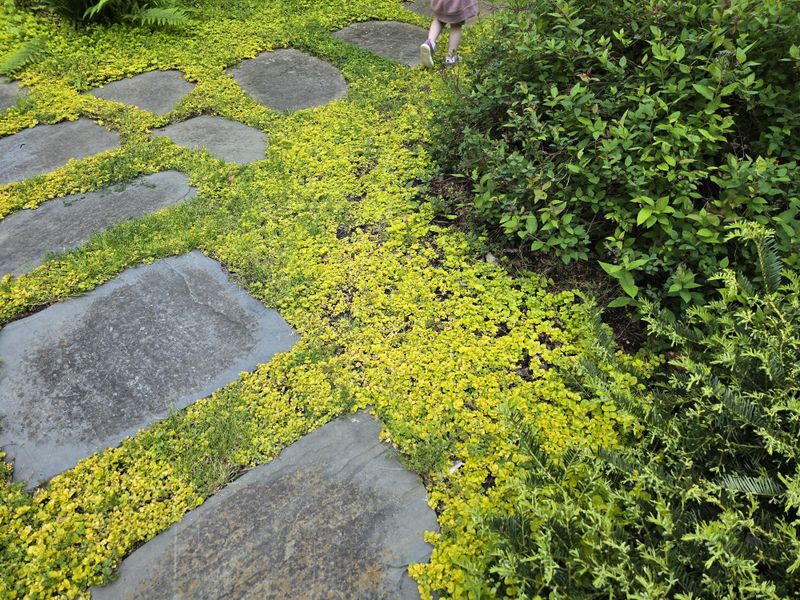
Few ground covers can match the eye-catching brightness of creeping Jenny. Its round, coin-shaped leaves come in a vivid chartreuse green that practically glows in the garden.
Along a California walkway, it acts like a living highlight, drawing the eye and making the whole path look more vibrant and intentional.
Creeping Jenny grows quickly and spreads in a trailing, low-flowing style. It stays close to the ground, rarely reaching more than four inches in height.
That makes it easy to manage and perfect for softening the hard edges of stone or concrete walkways.
This plant loves moisture and does best in partial shade to full sun depending on your location. In warmer parts of California, afternoon shade helps keep those bright leaves from scorching.
Near the coast, it often thrives in full sun with regular watering.
Creeping Jenny is not meant for heavy foot traffic, so use it along the sides of your path or between widely spaced pavers. It produces small yellow flowers in summer that complement its golden foliage beautifully.
For California gardeners who want a walkway that feels lush, colorful, and alive, creeping Jenny delivers that in a big way.
7. Baby Tears
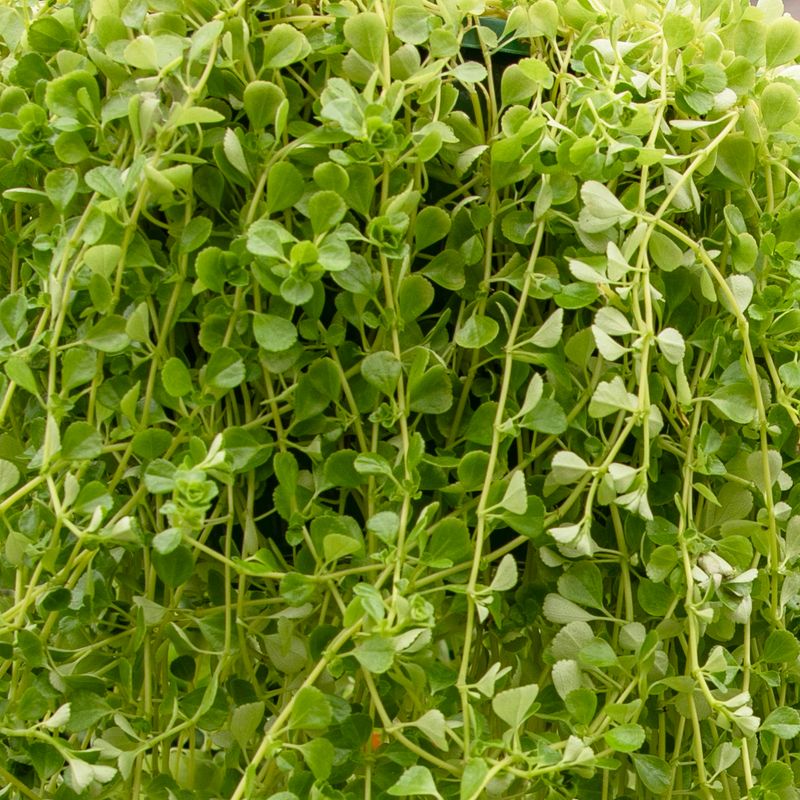
Baby tears earns its name with the tiniest, most delicate-looking leaves you will ever see on a ground cover. Each leaf is barely the size of a pinhead, yet together they form a lush, thick carpet that looks incredibly soft and full.
It is one of those plants that makes a California garden path look carefully designed and beautifully maintained.
This plant thrives in shady or partially shaded spots, which makes it a great option for walkways that run alongside buildings, fences, or under trees. In coastal California, where fog and shade are common, baby tears can do remarkably well.
It needs consistent moisture to stay looking its best.
Baby tears spreads steadily but stays very low, usually under two inches tall. It fills in gaps between stones with ease and creates a seamless, carpet-like effect along the path.
The texture and color it adds are hard to replicate with any other plant.
Keep in mind that baby tears is not built for heavy foot traffic. It works best in spots where people walk lightly or not at all.
Use it as a border plant or between decorative pavers to get the most out of its unique, fine-textured beauty in your California walkway garden.
8. Sedum
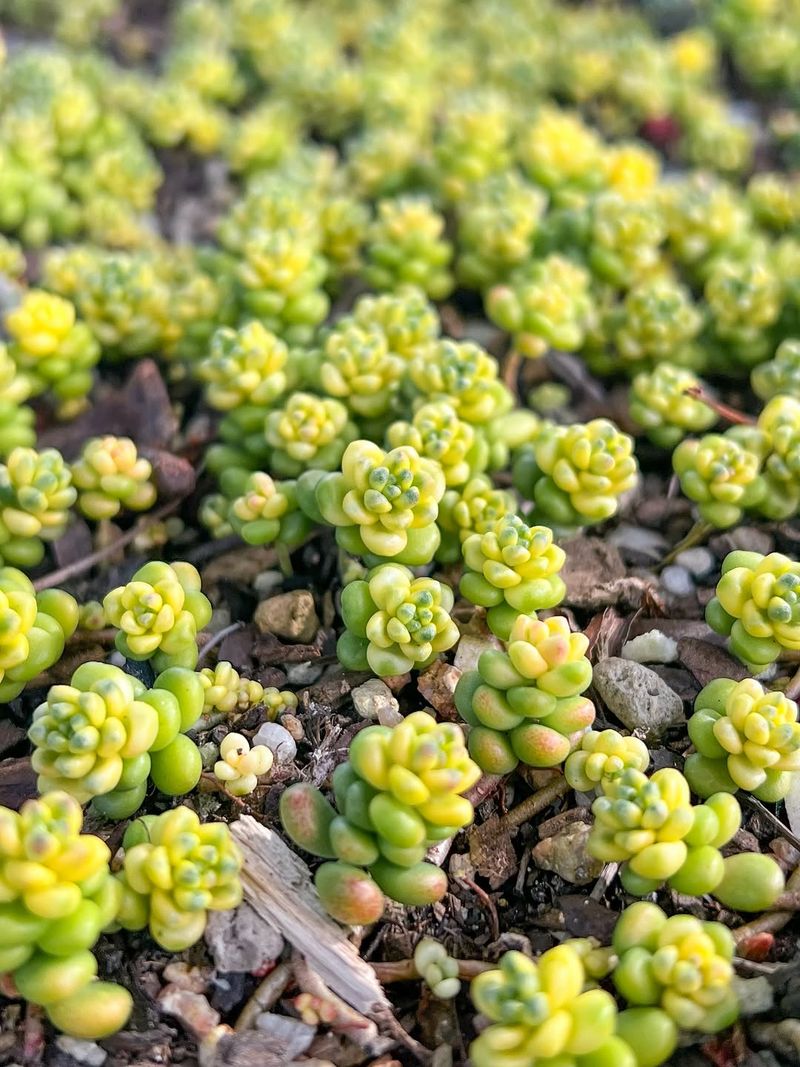
Sedum is basically the superhero of low-growing walkway plants in California. It is tough, drought-resistant, and comes in dozens of varieties that all stay close to the ground.
Whether you pick a creeping green type or one with reddish, fleshy leaves, sedum always looks neat and purposeful along a garden path.
California’s warm, dry climate suits sedum perfectly. It stores water in its thick leaves, which means it can handle weeks without rain without looking stressed.
That makes it a top pick for Southern California and other areas where water conservation is a priority.
Sedum thrives in full sun and well-drained or even rocky soil. It does not need rich soil or frequent fertilizing to look good.
In fact, sedum often does better when left alone rather than fussed over too much.
Some sedum varieties produce clusters of star-shaped flowers in late summer or fall, adding seasonal color to your walkway. The flowers range from yellow to pink to red, depending on the variety you choose.
Sedum handles moderate foot traffic well, especially the low, mat-forming types. For California gardeners who want a tough, good-looking, and nearly self-sufficient walkway plant, sedum is hard to beat.
9. Mazus
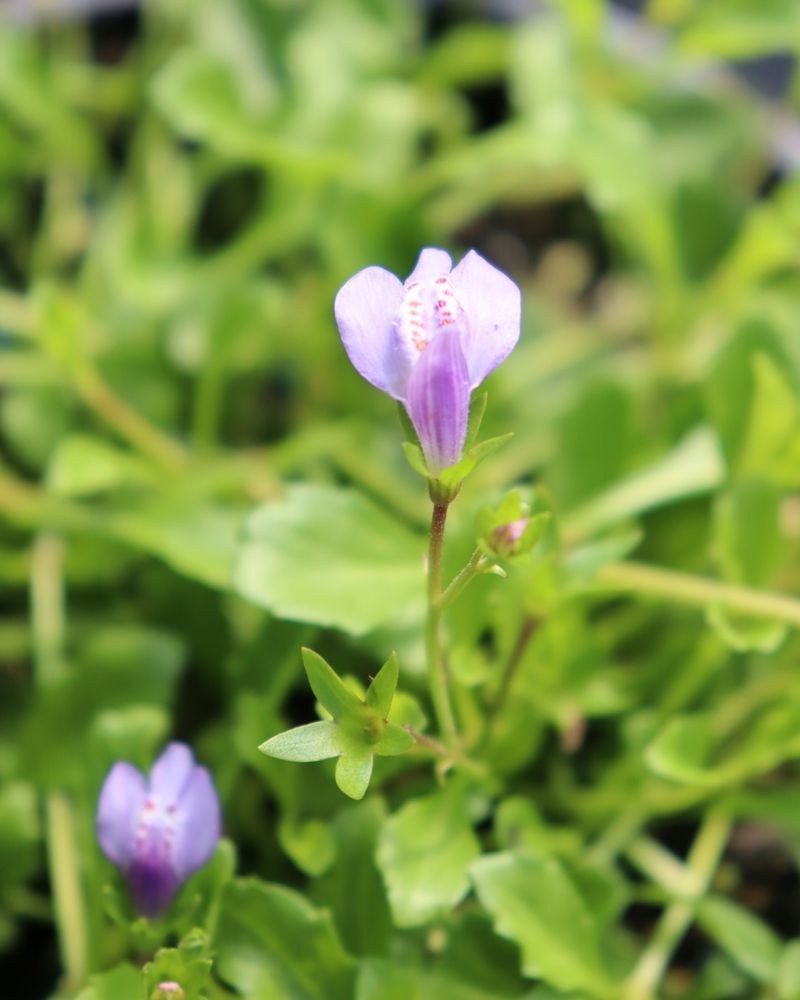
Mazus might not be the most famous name in gardening, but once you see it in bloom, you will not forget it. This low-growing plant bursts into a carpet of small, tubular purple or white flowers in spring.
Along a California walkway, it creates a stunning floral display that looks like it took serious effort, even though the plant practically takes care of itself.
Mazus stays very flat, growing only about two inches tall. It spreads outward in a tidy, even pattern that works beautifully between stepping stones and pavers.
The dense growth also helps crowd out weeds, which is a huge bonus for busy California homeowners.
This plant handles a range of light conditions, from full sun to partial shade. It prefers moist, well-drained soil and does especially well in mild coastal California climates.
Inland gardeners can grow it successfully too, as long as they keep up with regular watering during hot spells.
One of the best things about mazus is that it handles foot traffic better than most low-growing flowering plants. You can walk across it without worrying too much about damage.
For California gardeners who want flowers, tidiness, and toughness all in one walkway plant, mazus checks every single box.