7 Reasons Blackfoot Daisy Belongs In Pennsylvania Front Yard Beds
Finding a plant that genuinely delivers in a Pennsylvania front yard across multiple seasons without demanding constant attention is harder than it sounds.
Most plants that look great in spring start showing their limitations by midsummer, and the ones that handle heat well often aren’t much to look at during the cooler months when curb appeal still matters.
Getting both in the same plant is the goal, and it’s not always easy to find. Blackfoot Daisy is one of those finds that surprises Pennsylvania gardeners the first time they grow it.
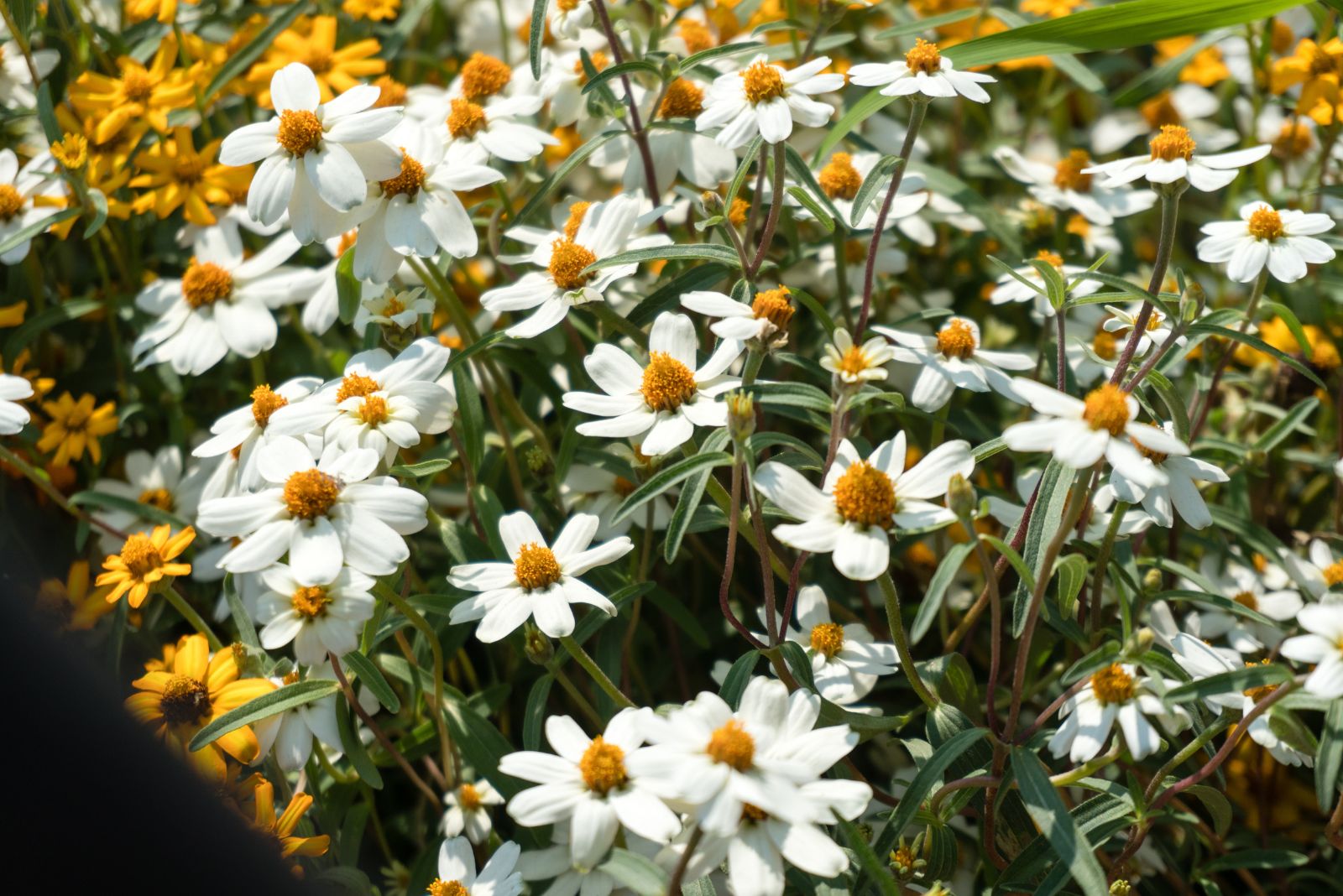
Native to the Southwest but remarkably adaptable to Pennsylvania conditions, this cheerful white and yellow bloomer brings a clean, classic look to front yard beds while performing with a toughness that most similarly styled flowers simply don’t have.
It stays compact, it attracts pollinators, and it blooms with a consistency through summer heat that makes it genuinely hard to leave out of a well-planned front yard.
1. Blackfoot Daisy Blooms For Months
Some flowers show up for a few weeks and then disappear, leaving your front yard looking bare and boring. Blackfoot daisy does the opposite.
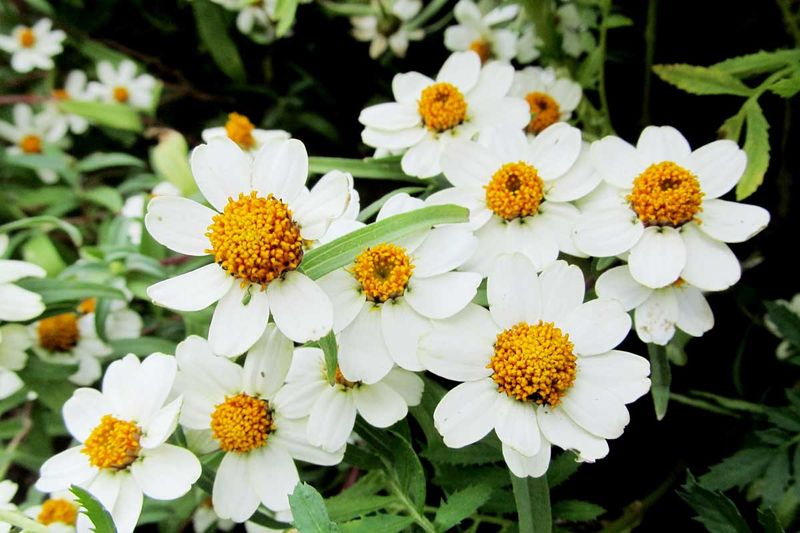
It keeps producing cheerful white flowers with sunny yellow centers from late spring all the way into fall, giving Pennsylvania homeowners months of reliable color without much effort.
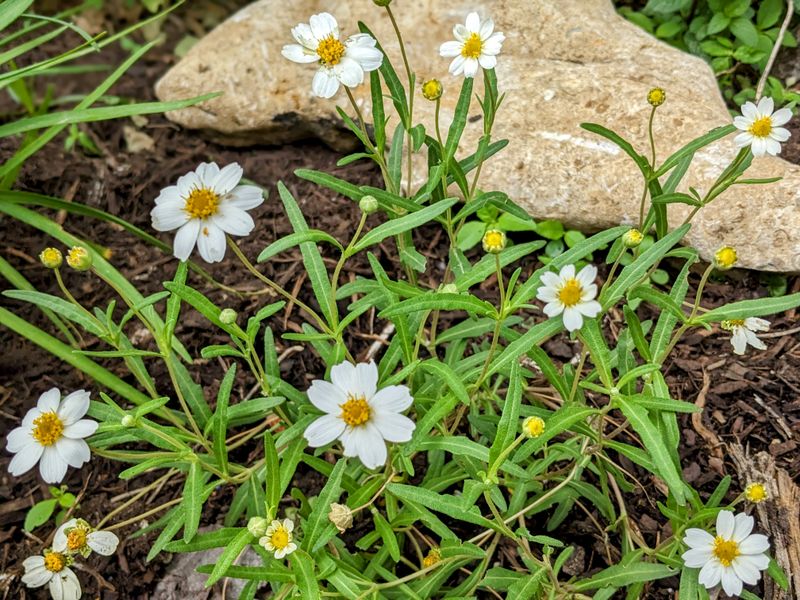
The blooms are small but eye-catching. Each flower looks like a tiny daisy, fresh and bright against the plant’s fine, gray-green foliage.
Planted along a walkway or at the edge of a front bed in Pennsylvania, a cluster of blackfoot daisies creates a welcoming, cottage-style look that neighbors will notice.
What makes the long bloom season even better is that the plant does not need deadheading to keep flowering. Many garden plants stop blooming if you do not remove spent flowers regularly.
Blackfoot daisy handles that job mostly on its own, dropping old blooms and pushing out new ones with very little help from you.
Pennsylvania gardeners who want continuous color without replanting every few weeks will find blackfoot daisy to be a reliable solution. It pairs nicely with ornamental grasses, lavender, or coneflowers for a mixed bed that stays colorful for most of the growing season.
The long bloom window also means pollinators have a consistent food source right outside your front door. For a plant that gives so much with so little asked in return, the blooming season alone makes blackfoot daisy worth every bit of garden space.
2. It Handles Summer Heat Surprisingly Well
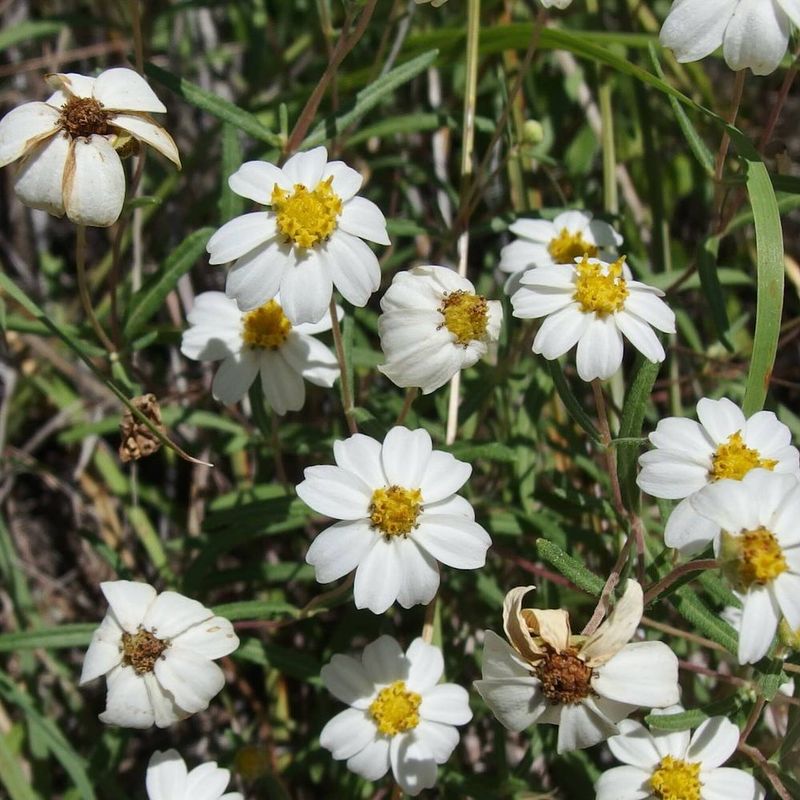
Pennsylvania summers can get seriously hot. July and August bring stretches of blazing sunshine that leave many popular bedding plants wilted, scorched, or completely worn out. Blackfoot daisy, however, seems to thrive right when other flowers are struggling the most.
Native to the southwestern United States and northern Mexico, blackfoot daisy evolved in some of the hottest, driest conditions imaginable. That tough background means it carries built-in heat tolerance that most garden-center flowers simply do not have.
When temperatures climb in Pennsylvania and the sun beats down on your front beds all afternoon, this plant stays upright and keeps blooming like nothing happened.
Your Pennsylvania Garden Changes Every Week. Your Plan Should Too.
Gardening in Pennsylvania changes quickly throughout the season. Every Friday you’ll receive a simple weekly plan showing exactly what to plant, prune, fertilize, harvest, and protect so you never miss the right timing.
One reason it handles heat so well is its fine, narrow leaves. Unlike broad-leafed plants that lose moisture quickly in hot weather, blackfoot daisy’s slender foliage reduces water loss and helps the plant stay cool.
It is a clever natural design that works in your favor as a gardener. Placing blackfoot daisy in the sunniest part of your Pennsylvania front yard is actually encouraged. South-facing beds that get full sun from morning to evening are ideal.
The more sun it gets, the better it tends to perform. You do not need to worry about afternoon shade or moving pots around to protect it.
Just plant it in a bright spot, give it decent drainage, and let it do its thing. For Pennsylvania gardeners tired of replacing heat-stressed annuals every summer, blackfoot daisy is a refreshing, resilient alternative that earns its spot every single season.
3. Needs Less Water Than Many Traditional Flowers
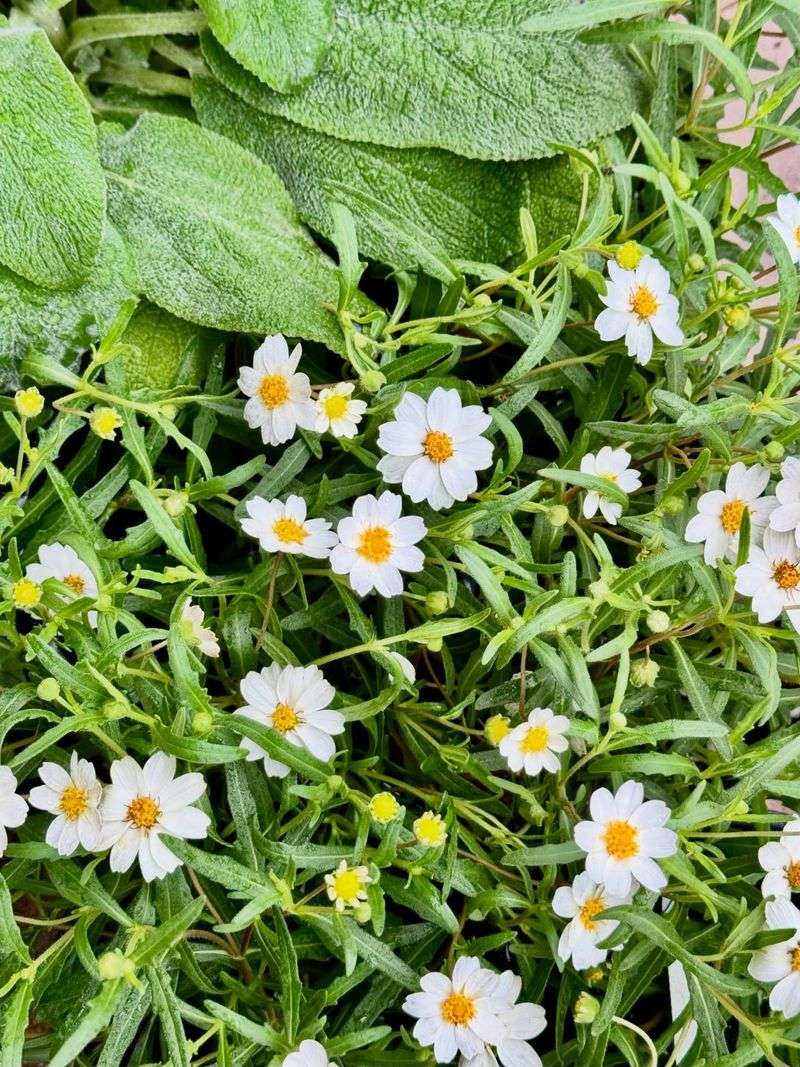
Watering the garden every day gets old fast, especially during a busy Pennsylvania summer. The good news is that blackfoot daisy was practically built for dry conditions.
Once it settles into your front yard bed and gets established, it can go stretches without rain and still look perfectly fine.
Most traditional bedding plants like impatiens, petunias, or begonias need consistent moisture to stay healthy. Skip a few days of watering and they start to droop.
Blackfoot daisy works differently. Its deep root system reaches down into the soil to find moisture that shallow-rooted plants cannot access, giving it a natural advantage during dry spells.
Did you know that overwatering is actually one of the few things that can seriously harm blackfoot daisy? Too much moisture, especially in poorly drained soil, can cause root problems.
In Pennsylvania, where summer thunderstorms can dump a lot of rain quickly, choosing a spot with fast-draining soil or a slight slope helps keep the roots healthy and happy.
For homeowners in Pennsylvania who want a front yard that looks great without a daily watering routine, blackfoot daisy fits the bill perfectly. It is an excellent choice for beds near driveways or sidewalks where the soil tends to dry out faster.
Pair it with other drought-tolerant plants like sedum, salvia, or Russian sage for a water-smart front bed that stays colorful all season long. Cutting back on watering chores while keeping your yard looking sharp is a win you will appreciate all summer.
4. Its Compact Shape Looks Neat Naturally
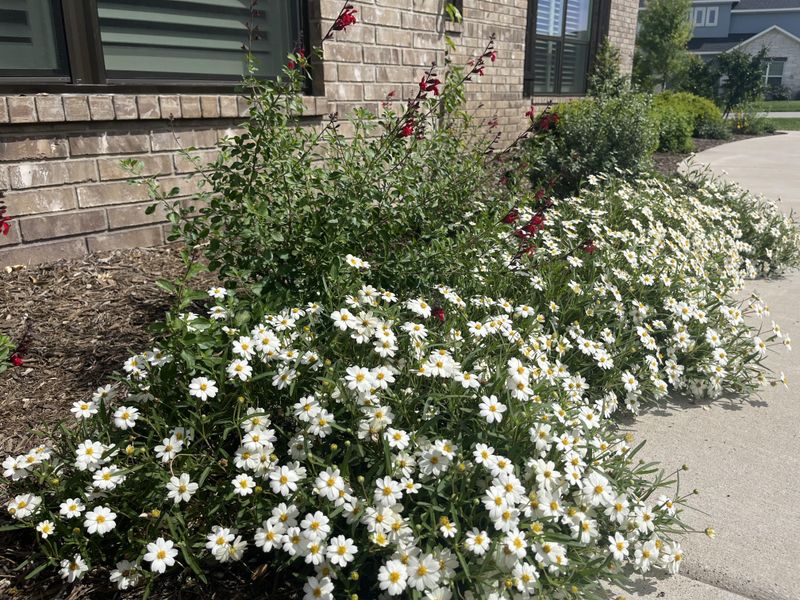
Walk past a front yard where every plant is sprawling, flopping, or growing in random directions, and you quickly notice how messy it feels. A tidy garden bed sends a completely different message.
Blackfoot daisy naturally grows in a neat, rounded mound that looks like someone shaped it on purpose, even when no one has touched it in weeks.
The plant typically stays between one and two feet tall and wide, making it easy to fit into almost any front bed layout in Pennsylvania.
It does not crowd out neighboring plants, and it does not flop over the way some perennials do after a heavy rain. The compact habit keeps it looking intentional and well-placed all season long.
For Pennsylvania homeowners who want curb appeal without spending every weekend trimming and shaping their plants, this natural tidiness is a real advantage. Blackfoot daisy holds its form through heat, rain, and wind without needing constant correction.
You might do a light trim once or twice a season just to freshen it up, but it is not something you have to schedule around.
Designers and garden enthusiasts in Pennsylvania often use blackfoot daisy as an edging plant along walkways and driveways because its shape creates clean visual lines. It also works well as a filler plant between taller specimens like ornamental grasses or salvia.
The naturally mounded growth habit means less maintenance work and a more polished-looking front yard, all without reaching for the pruning shears every other week. That kind of effortless neatness is genuinely hard to beat.
5. Pollinators Love It
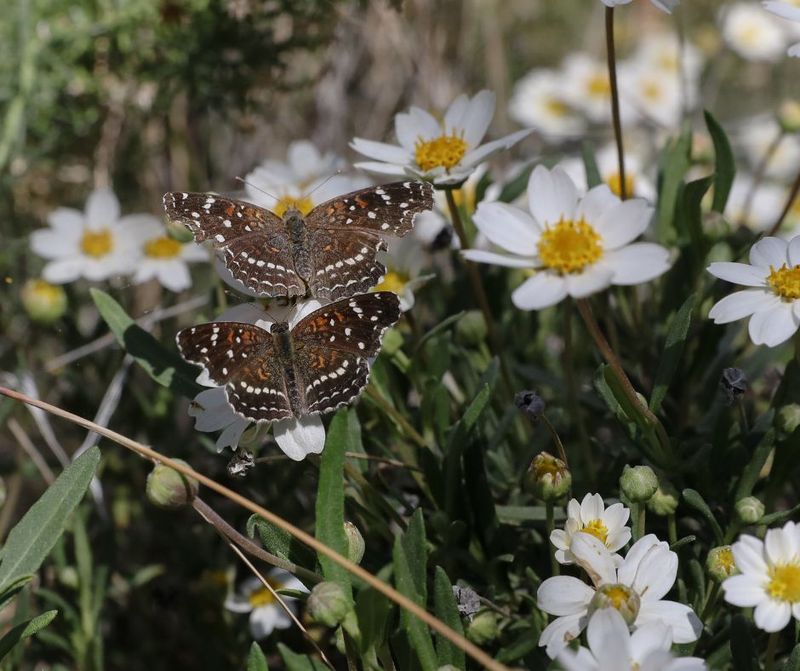
There is something genuinely exciting about watching a butterfly land on a flower right outside your front door.
Blackfoot daisy has a way of turning your Pennsylvania front yard into a busy little hub of pollinator activity, drawing in bees, butterflies, and other beneficial insects throughout the blooming season.
The small, daisy-shaped flowers are perfectly designed for pollinators. The open, flat center makes it easy for bees to access nectar and pollen without any obstacles.
Butterflies can land on the petals and feed comfortably. Unlike some ornamental flowers that have been bred to look showy but offer very little food for wildlife, blackfoot daisy keeps its natural, functional design.
Supporting pollinators in Pennsylvania is more important than many people realize. Bees and butterflies help pollinate gardens, wild plants, and local food crops.
When you plant blackfoot daisy in your front yard, you are doing a small but meaningful thing for the local ecosystem. It is a simple way to make your outdoor space more alive and connected to nature.
Because blackfoot daisy blooms for such a long stretch of the season, pollinators can rely on it as a consistent food source from late spring through fall.
Pairing it with other pollinator-friendly plants like coneflowers, black-eyed Susans, or native asters creates a front yard that buzzes with life all season.
Your Pennsylvania neighbors might even start asking what your secret is for attracting so many butterflies. The answer is simpler than they would expect.
6. Great For Rocky Or Fast-Draining Soil
Not every Pennsylvania front yard has rich, fluffy garden soil. Some homes sit on ground that is full of rocks, clay patches, or areas where water drains so fast that most plants barely survive. Blackfoot daisy was made for exactly those kinds of challenging spots.
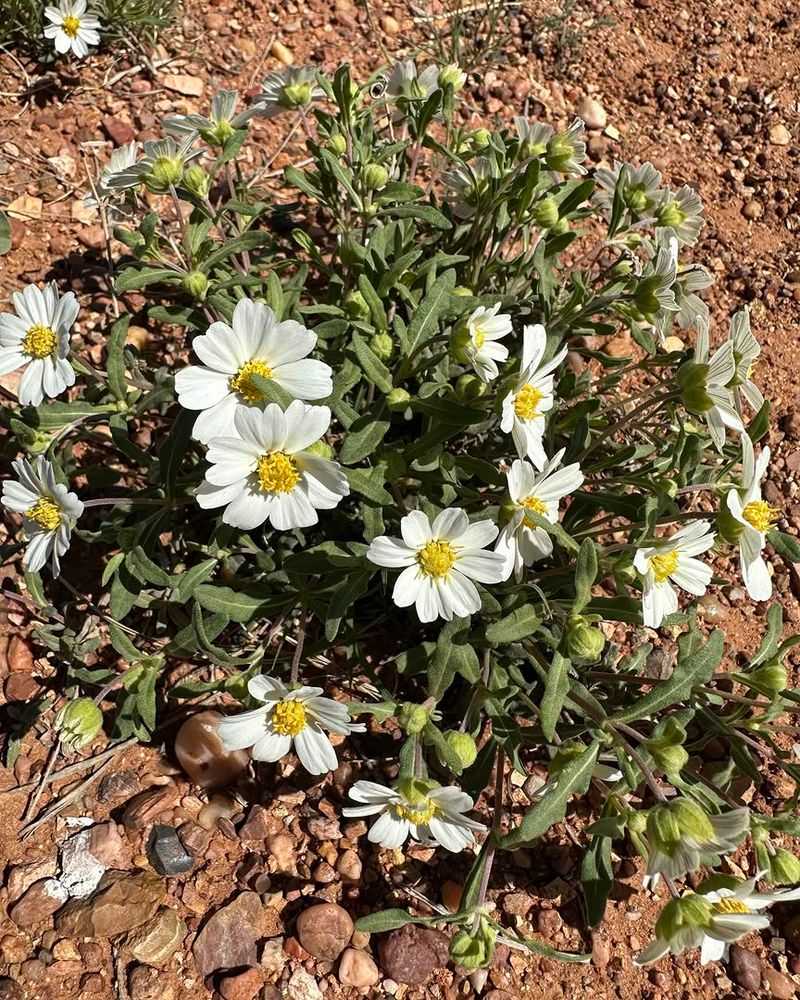
Rocky and fast-draining soils are actually where blackfoot daisy performs best. In its native habitat across the Southwest, it grows naturally in gravelly desert soils with almost no organic matter.
That background makes it unusually well-suited for the difficult corners of Pennsylvania yards where other plants struggle or simply refuse to grow at all.
If your front bed has a slope that sheds water quickly after rain, or if there is a strip near the driveway where the soil is thin and dry, blackfoot daisy is worth trying. It will not sulk or stall the way fussier perennials sometimes do when the soil is less than perfect.
Give it sun, decent drainage, and a little patience while it gets established, and it will reward you.
One helpful tip for Pennsylvania gardeners: avoid amending the soil with too much compost or fertilizer when planting blackfoot daisy.
Rich, heavily amended soil can actually make the plant grow too fast and become floppy, which works against its naturally tidy shape. Lean soil is not a problem here. It is an advantage.
For those tricky spots in your Pennsylvania front yard where nothing else seems to work, blackfoot daisy might just be the answer you have been looking for all along.
7. Low Maintenance From Spring Through Fall
Gardening should be enjoyable, not a second job. If you have ever planted flowers that demanded constant feeding, trimming, staking, and spraying just to stay alive, you know how exhausting that gets.
Blackfoot daisy takes a completely different approach. It asks for very little and gives back a lot.
From the moment it gets established in your Pennsylvania front yard, blackfoot daisy mostly takes care of itself. It does not need regular fertilizing because it actually prefers lean soil.
Heavy feeding can make it grow too large and lose its tidy shape. Watering is minimal once the roots are settled in. And as mentioned, it handles heat and drought without complaints.
Pruning is about as simple as it gets with this plant. A light trim in early spring to remove any winter-damaged stems is usually all it needs.
Some Pennsylvania gardeners also do a quick shaping mid-season to encourage fresh growth and more blooms, but even that is optional. The plant is genuinely forgiving and does not punish you for occasional neglect.
Pest and disease problems are rare with blackfoot daisy. It does not tend to attract the aphids, spider mites, or fungal issues that plague many popular garden flowers.
That means fewer trips to the garden center for sprays and treatments. For busy Pennsylvania homeowners who want a beautiful front yard without spending every free weekend maintaining it, blackfoot daisy is a breath of fresh air.
Plant it once, enjoy it for seasons to come, and spend your extra time doing something you actually love.