Native Wildflowers Colorado Bees Are Looking For In May
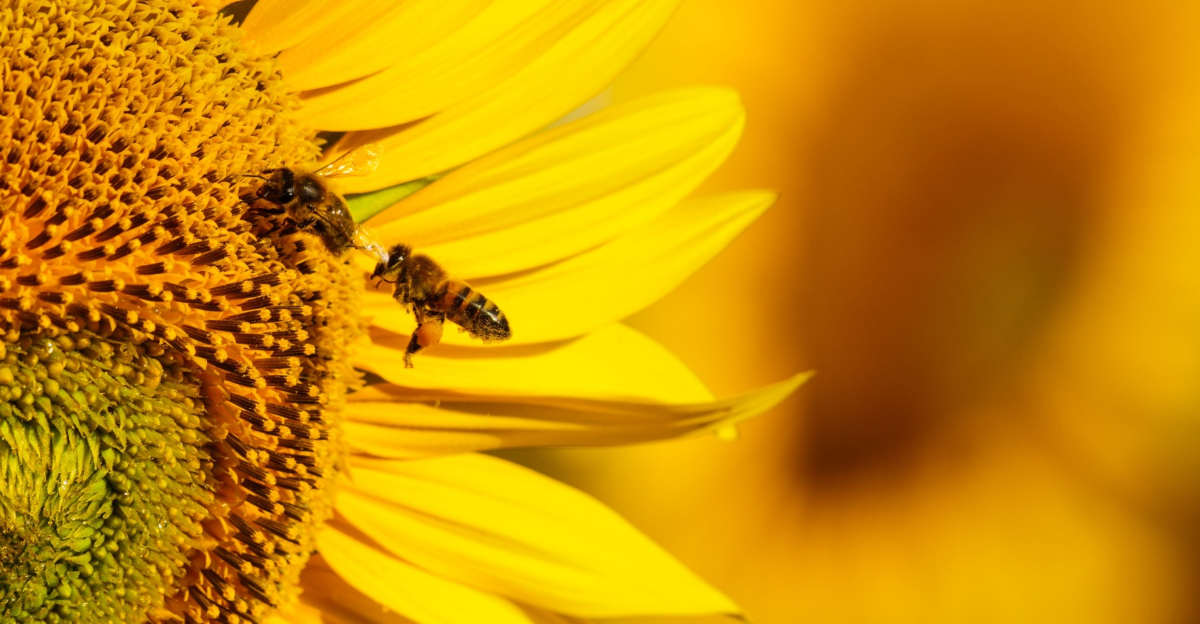
Nobody told the bees that Colorado’s wildflowers were getting harder to find, but they figured it out. Native pollinators across the state are working harder than ever to find reliable blooms.
Ground that used to be meadow is now a parking lot. From the rolling Front Range prairies to the high Rockies, every patch of native flowers counts more than it used to.
The good news is: your garden has more power than you think. A few well-chosen native wildflowers in a Denver backyard or a sunny Pueblo plot can become a genuine lifeline for local pollinators.
And right now, Colorado’s bees need all the support they can get.
1. Rocky Mountain Bee Plant Lives Up To Its Name
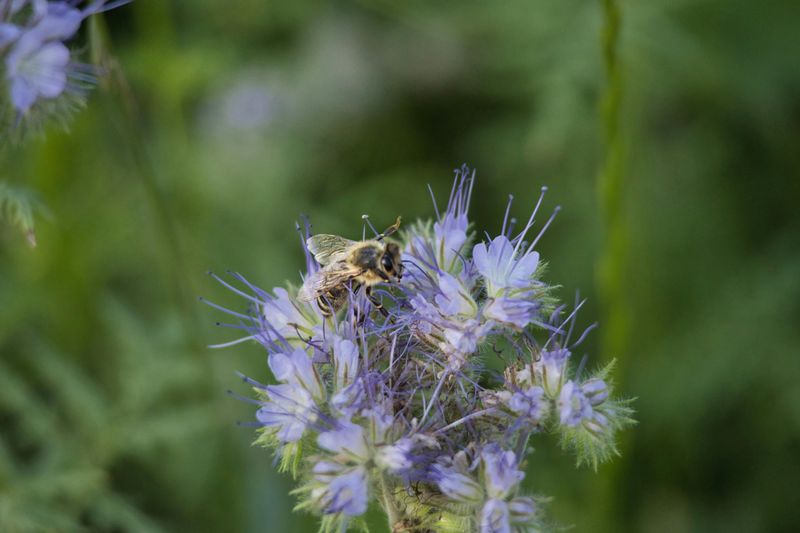
Few wildflowers anywhere have a name as fitting as the Rocky Mountain Bee Plant.
This tall, wispy bloomer is practically irresistible to bees. Once you see a patch of it covered in pollinators, you will understand why.
Native to the western United States, it thrives across the plains, foothills, and even dry, sandy areas.
The flowers bloom in clusters of bright pink to lavender-purple, creating a striking display from midsummer through early fall.
Bees are drawn to the rich nectar and abundant pollen, making this plant a top food source during the busiest foraging season.
Bumblebees, sweat bees, and even honeybees visit it regularly throughout the warm months.
Rocky Mountain Bee Plant grows quickly from seed and can reach up to five feet tall in a single season.
It does best in full sun and well-drained soil, which is great news for gardeners dealing with dry conditions.
Planting it along fence lines or in pollinator gardens gives bees a reliable buffet right in your own backyard.
For local bee populations, this one is a fantastic place to start.
2. Blanket Flower Looks Painted And Pollinators Know It
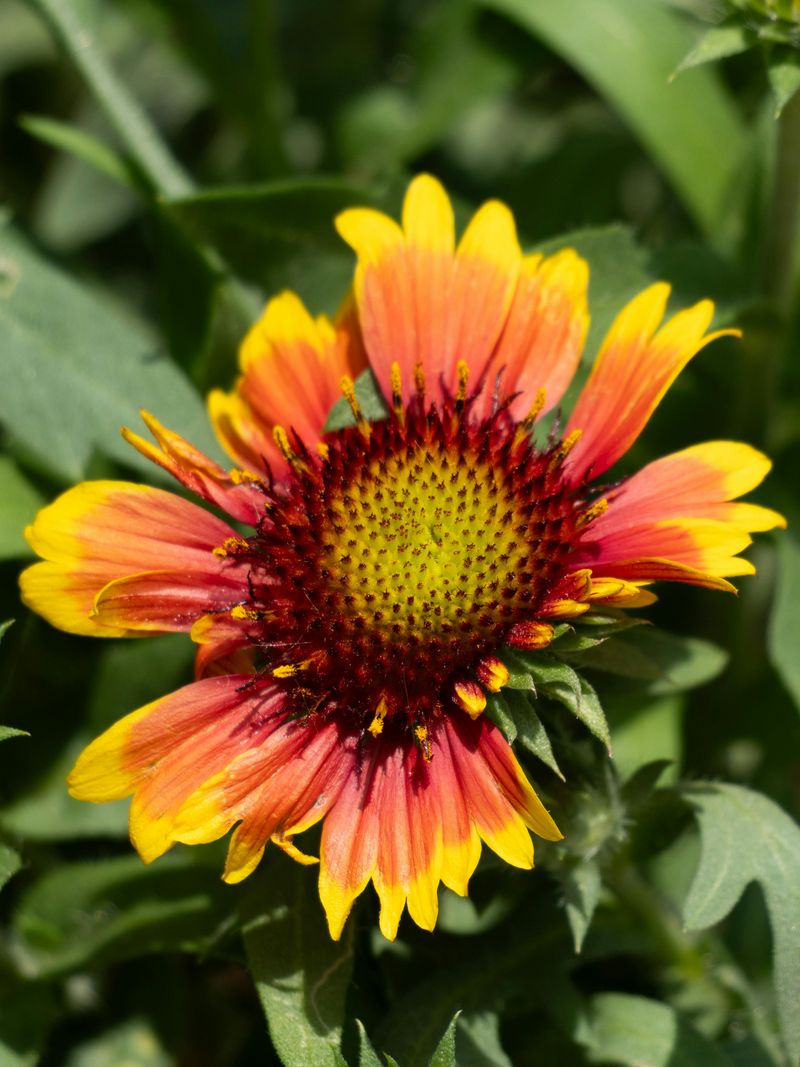
It’s bright, bold, and nearly impossible to ignore! The Blanket Flower is one of the most cheerful native wildflowers in the state.
Its fiery red and golden-yellow petals radiate outward like a tiny sunburst, and bees cannot seem to get enough of it.
Native across much of the Great Plains and into the Rocky Mountain region, this flower feels right at home in sunny, dry landscapes.
Blanket Flower blooms from late spring through the first frost, an unusually long window for bees.
That extended bloom time makes it especially valuable in gardens and natural areas where other flowers may come and go quickly.
Long-tongued bees like bumblebees are particularly fond of the large, open flower heads. Nectar is easy to reach.
Growing Blanket Flower is surprisingly simple, even for beginner gardeners.
It thrives in poor, dry soil and full sun, making it one of the most low-maintenance options for the state’s semi-arid climate.
Once established, it spreads naturally and returns year after year without much fuss.
Planted in groups, it adds bold color and keeps your local bee community well fed.
3. Blue Flax Is Small But Bees Have Strong Opinions About It
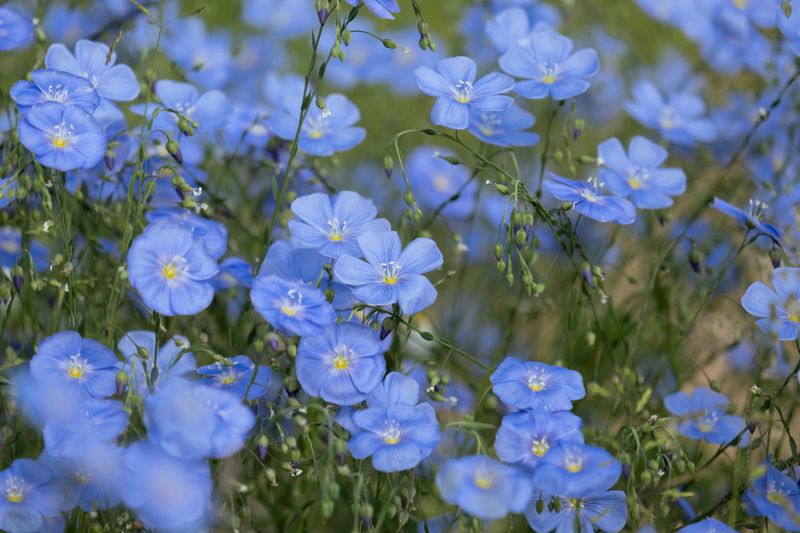
Try walking past a field of Blue Flax on a clear Colorado morning without stopping. I dare you.
Your Colorado Garden Changes Every Week. Your Plan Should Too.
Gardening in Colorado changes quickly throughout the season. Every Friday you’ll receive a simple weekly plan showing exactly what to plant, prune, fertilize, harvest, and protect so you never miss the right timing.
The sky-blue petals open fresh each day and are gone by afternoon, but new blooms keep appearing for weeks on end.
This delicate-looking plant is actually quite tough, growing naturally across mountain slopes, roadsides, and open meadows.
Native bees love Blue Flax, especially smaller species like mining bees and sweat bees that can easily access its open, bowl-shaped flowers.
The blooms are rich in pollen, which bees collect and carry back to their nests to feed developing larvae.
Since the flowers open early in the morning, bees that start foraging at sunrise get first pick of the freshest blooms.
Blue Flax is one of the easiest native wildflowers to grow from seed.
Scatter seeds in fall or early spring in a sunny, well-drained spot, and the plants will establish themselves with minimal watering.
Once they get going, they self-seed readily and naturalize beautifully across open spaces.
For gardeners who want beauty without a lot of maintenance, Blue Flax is a reliable choice that keeps performing season after season.
4. Prairie Coneflower Did Not Come Here To Blend In
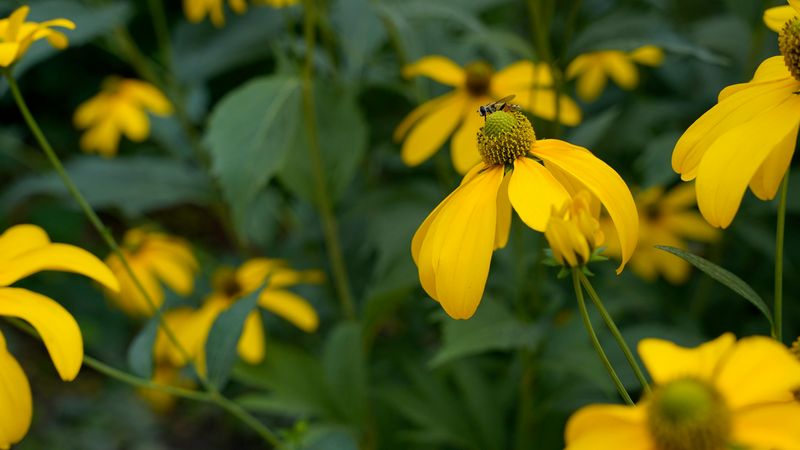
With its drooping yellow petals and elongated cone center, the Prairie Coneflower is a wildflower with real personality.
Did you know it’s also called Mexican Hat because of its sombrero-like shape?
Bees have had a long time to figure out just how good this flower is, and they show up in impressive numbers to prove it.
The cone is packed with tiny florets that open gradually from bottom to top, giving bees a fresh food source over weeks.
Bumblebees, sweat bees, and native solitary bees all visit regularly, drawn in by both nectar and pollen.
The plant blooms from early summer into fall, covering open spaces with waves of golden color.
Prairie Coneflower is extremely drought-tolerant, which makes it perfectly suited to the region’s often dry and unpredictable climate.
It grows well in disturbed soils and is commonly used in roadside restoration projects and native seed mixes throughout the state.
Home gardeners can easily start it from seed, and once established, it spreads steadily without becoming invasive.
Adding Prairie Coneflower to a pollinator garden brings striking visual interest and serious ecological value to any local landscape.
5. Bees Smell Wild Bergamot Before They Even See It
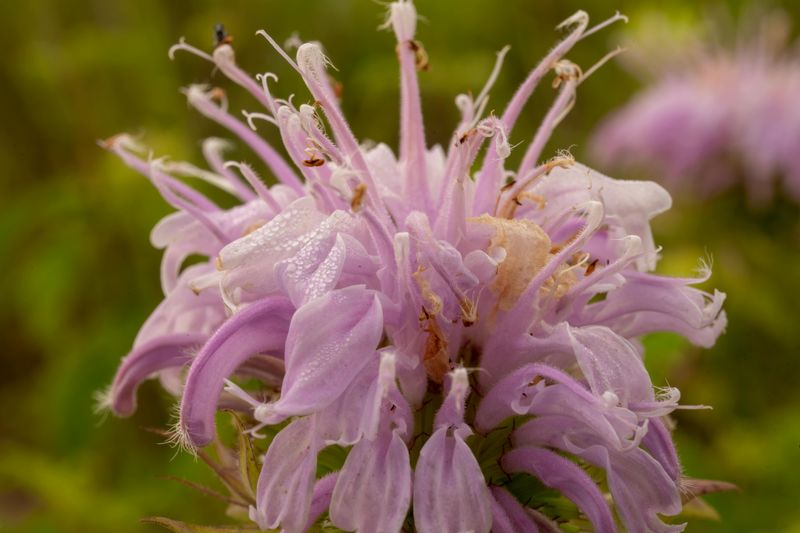
Lean close to a patch of Wild Bergamot on a warm afternoon and you will catch a faint, pleasant herbal scent. It explains why bees and gardeners both adore this plant.
A member of the mint family, Wild Bergamot produces rounded clusters of lavender-pink flowers that bloom from midsummer into early fall.
Native across much of North America, it is especially well-suited to the state’s grasslands and open woodlands.
Bumblebees are among the most devoted visitors to Wild Bergamot, hovering from flower cluster to flower cluster with obvious enthusiasm.
Butterflies and hummingbirds also stop by, but bees tend to dominate the scene.
The tubular flowers are perfectly shaped for long-tongued bee species to reach the nectar tucked deep inside each bloom.
Wild Bergamot is a reliable, medium-height perennial that comes back stronger each year once it settles into the garden.
It handles dry spells well and grows in a range of soil types, from sandy plains soil to the heavier clay found in many local yards.
Dividing clumps every few years keeps the plant vigorous and encourages even more blooming.
Wild Bergamot brings beauty, fragrance, and buzzing visitors all season long.
6. Showy Milkweed Delivers Every Time
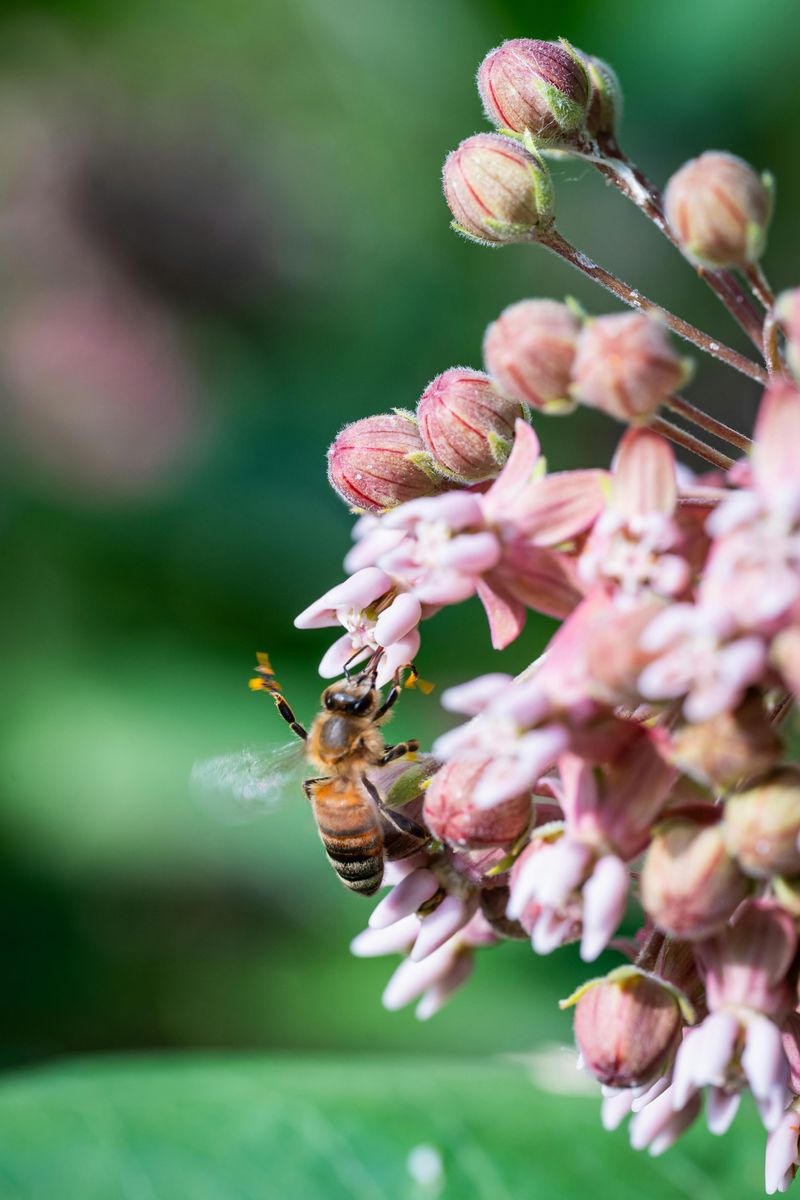
Showy Milkweed lives up to its name in the most spectacular way possible.
The rosy-pink flower clusters are large, fragrant, and irresistible to bees across the state.
While milkweed is often celebrated for supporting monarch butterflies, the bee community benefits just as much from this native plant’s generous nectar production.
Bumblebees, longhorn bees, and sweat bees all visit Showy Milkweed in large numbers from early to midsummer.
The flowers produce generous amounts of nectar that pollinators return to again and again, a high-value stop during the busy summer months.
You can often spot multiple bee species foraging on a single plant at the same time.
Showy Milkweed grows naturally along roadsides, stream banks, and open meadows, often forming large colonies that become pollinator hotspots.
It spreads through underground rhizomes, so giving it a bit of space in the garden is a smart move.
In dry summers, established plants need very little supplemental watering once their root systems are in place.
Plant it in a sunny corner and it will become a reliable gathering spot for bees and other beneficial insects.
7. Colorado Sunflower Is Where The Bees Always End Up
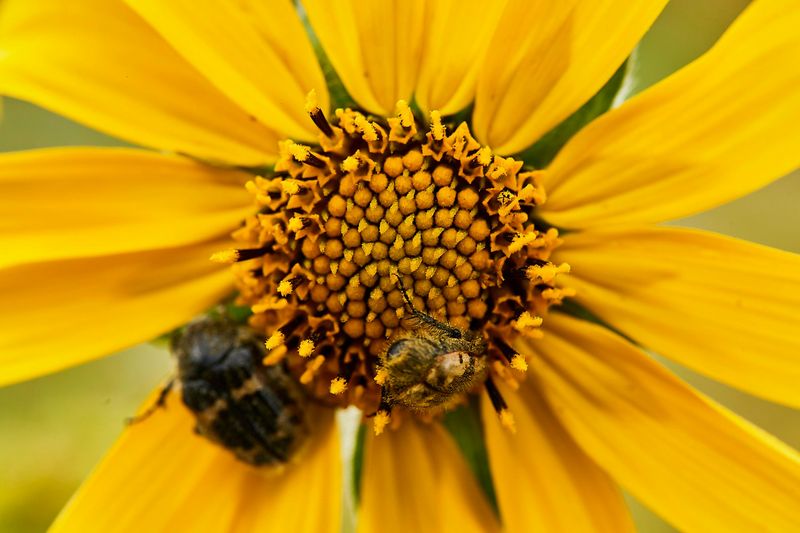
Not every sunflower towers over your head, and the Colorado Sunflower proves that small can be mighty.
Helianthus pumilus, also sometimes called the plains sunflower, grows low and compact across rocky hillsides and dry grasslands, often going unnoticed by people but never by bees.
This plant is native specifically to Colorado and a few neighboring states. Talk about a true local treasure worth celebrating!
The bright yellow flowers bloom in midsummer and are loaded with pollen, which bee species of all sizes eagerly collect.
Leafcutter bees and bumblebees are frequent visitors, along with a variety of smaller native bee species that nest in the surrounding soil.
The open, daisy-like flower heads make pollen easy to access, a real advantage for bees that cannot reach into tubular flowers.
Colorado Sunflower thrives in lean, rocky soil with full sun exposure, which means it fits naturally into many of the state’s most challenging growing conditions.
Gardeners in the drier regions of the state, including the Front Range and the Western Slope, will find this plant remarkably easy to establish.
Starting from seed sown directly in fall or early spring gives the best results.
Growing it supports local bees and helps preserve a small but meaningful piece of the state’s native ecology.
8. There Is A Reason Purple Coneflower Never Goes Out Of Style
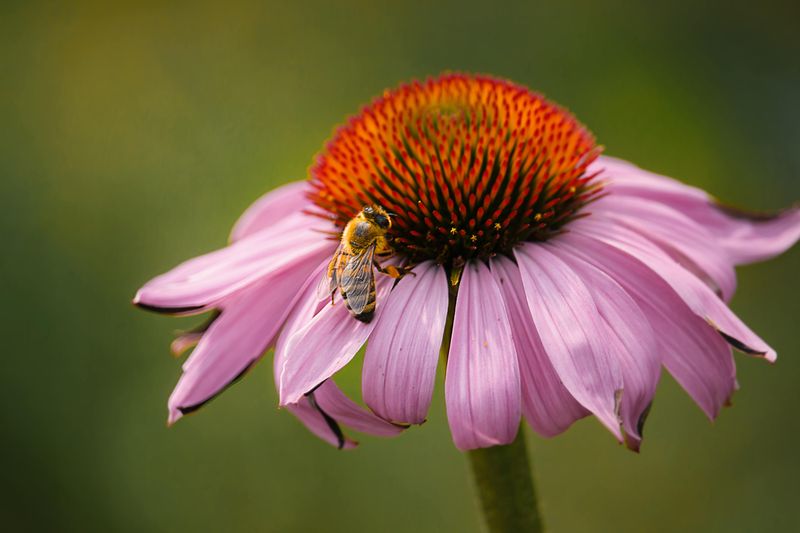
Most people know Echinacea as a supplement. Long before it showed up in health food stores, it was blooming across native grasslands, feeding generations of bees.
Echinacea angustifolia, the narrow-leaved purple coneflower, is native to the eastern plains and foothills. It has supported local pollinators for as long as anyone has been paying attention.
Its rosy-pink petals and spiky orange-brown center cone are instantly recognizable and genuinely beautiful.
Bees are especially drawn to the pollen-rich central cone, which remains available even after the petals have dropped.
Bumblebees, sweat bees, and native bee species with a strong preference for Echinacea all visit regularly, drawn to both the pollen and the nectar the cone provides.
The blooms appear in early to midsummer and can last for several weeks, giving pollinators a long and reliable food window.
Growing Purple Coneflower does require a bit of patience since plants take a couple of years to reach full blooming potential from seed.
Once established, though, they are tough, drought-tolerant, and long-lived perennials that reward your patience year after year.
Leaving the seed heads standing through winter also provides food for birds like goldfinches.
Few native plants offer such a complete package of beauty, ecological value, and low-maintenance performance across the state’s varied growing conditions.
9. Penstemon Is The Kind Of Flower Bees Tell Other Bees About
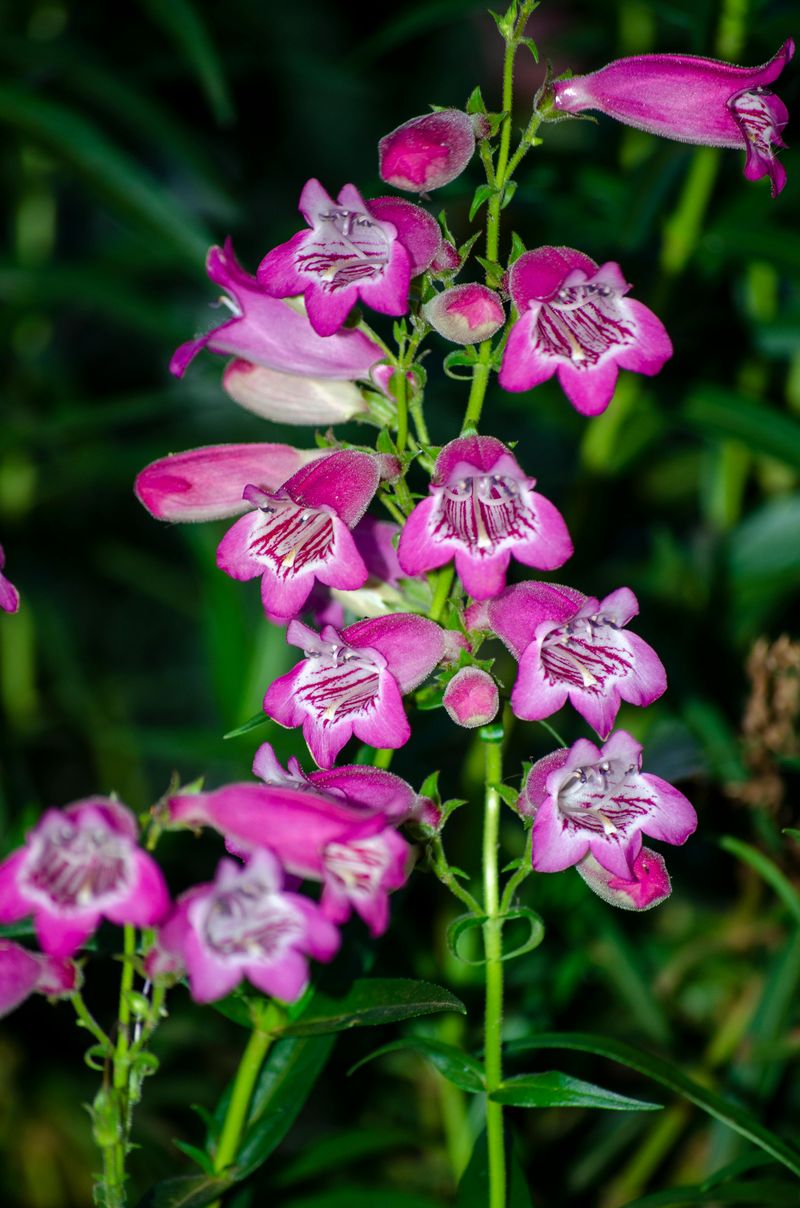
Colorado has a remarkable number of native Penstemon species, and the bees here have evolved right alongside them.
Commonly called Beardtongue, Penstemon comes in a dazzling range of colors, deep purple, royal blue, scarlet red, soft pink, with different species blooming at different elevations.
This diversity means bees can find Penstemon blooms from spring all the way into late summer depending on where they are foraging.
Bumblebees are the primary pollinators for most Penstemon species. Their bodies are the right size and shape to squeeze inside the tubular flowers and reach the pollen.
Some species are so specialized that only certain bees can pollinate them, a surprisingly intimate relationship between plant and pollinator.
Hummingbirds also visit, but bees tend to be the most important partners for successful seed production.
Planting a mix of Penstemon varieties creates a blooming relay that supports bees across multiple months.
Many varieties are extremely drought-tolerant and thrive in rocky, well-drained soils, making them ideal for the region’s often challenging conditions.
Starting with nursery-grown plants tends to produce faster results than direct seeding.
Once established, Penstemon is one of the most rewarding native plants any gardener here can grow, offering season-long beauty and serious pollinator support.
10. Goldenrod Is The Real Gold Rush Of The Colorado Garden
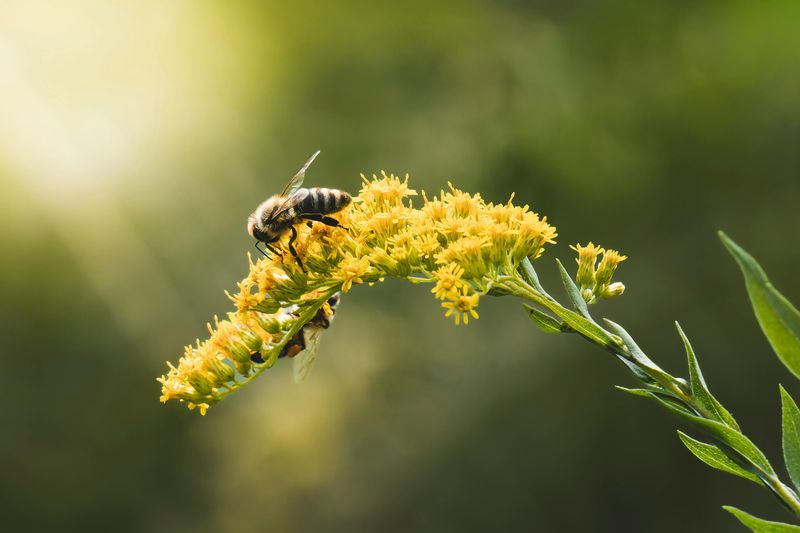
Goldenrod gets a bad reputation among allergy sufferers, but here is the truth: it is not the plant causing the sneezing.
Ragweed blooms at the same time and its pollen is wind-carried, while Goldenrod’s pollen is heavy and sticky, designed to be carried by bees rather than the breeze.
Once you clear up that misunderstanding, it becomes much easier to appreciate just how extraordinary this plant is for local bee populations.
Goldenrod blooms in late summer and fall when most other wildflowers are done, a critical food source for bees preparing for winter.
The dense, golden-yellow flower plumes are packed with nectar and pollen, attracting an almost overwhelming variety of bee species on warm autumn days.
Bumblebee queens rely heavily on Goldenrod to build up fat reserves before overwintering.
Several Solidago species are native to Colorado, growing in meadows, along streams, and at the edges of forests throughout the state.
Goldenrod spreads readily through rhizomes and self-seeding, so giving it a defined space in the garden helps keep it manageable.
Its bright golden color adds warmth and cheer to fall landscapes just when other plants are fading.
For anyone who wants to support bees through the very end of the season, Goldenrod belongs in the garden.