These Native Pennsylvania Plants Give You Lush Foliage Without The Fuss
There’s a version of the Pennsylvania garden that looks rich, full, and layered without anyone spending their weekends keeping it that way, and native plants are almost always the reason it works.
The difference between a garden that requires constant intervention to look presentable and one that just looks good on its own comes down to whether the plants in it are actually suited to the place they’re growing.
Native Pennsylvania plants spent thousands of years adapting to exactly the conditions your yard provides. The rainfall patterns, the soil chemistry, the temperature swings between seasons – these plants know all of it without being taught.
That deep compatibility is what allows them to produce genuinely lush, impressive foliage without the fertilizing schedule, the supplemental watering, and the ongoing troubleshooting that non-native plants often demand just to stay healthy through a full Pennsylvania growing season.
The plants on this list bring serious foliage impact to Pennsylvania gardens while asking remarkably little in return.
1. Wild Ginger
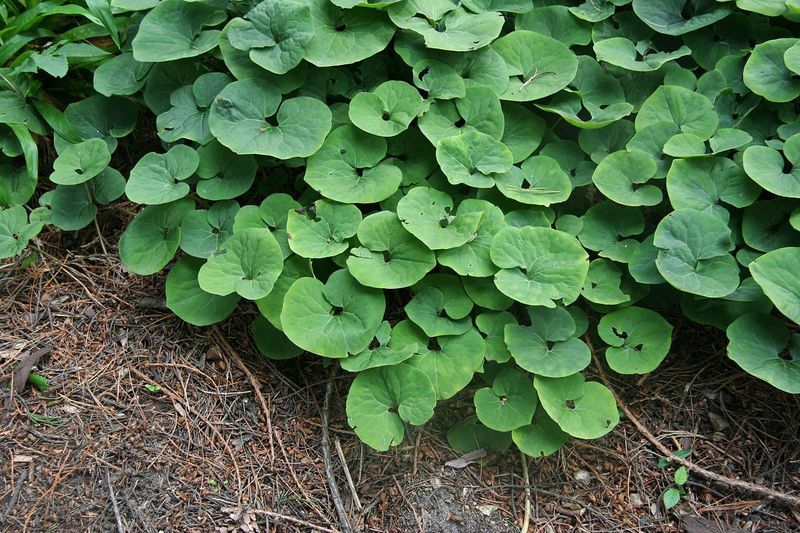
Walk through almost any shady Pennsylvania forest and you might spot wild ginger creeping quietly across the ground. Its thick, heart-shaped leaves overlap each other so well that weeds barely get a chance to push through.
That makes it one of the most practical ground covers you can plant in a shaded garden bed.
Wild ginger spreads slowly but steadily by underground rhizomes, forming a dense mat of rich green foliage over time. You do not need to water it much once it is established.
It prefers moist, well-drained soil with plenty of organic matter, which is easy to find in most Pennsylvania backyards.
One thing that surprises many gardeners is that wild ginger produces a small, hidden flower in spring. It blooms right at soil level, tucked beneath the leaves, so most people never even notice it.
The real showstopper is the foliage, which stays lush and full from spring all the way through fall.
Planting wild ginger under trees or along shaded pathways gives your garden a woodland charm that feels natural and effortless. It pairs beautifully with ferns and foamflower for a layered look.
Since it is native to Pennsylvania, it supports local wildlife and fits right into the ecosystem without becoming invasive. If you want low-maintenance beauty in a shady spot, wild ginger is hard to beat.
2. Pennsylvania Sedge
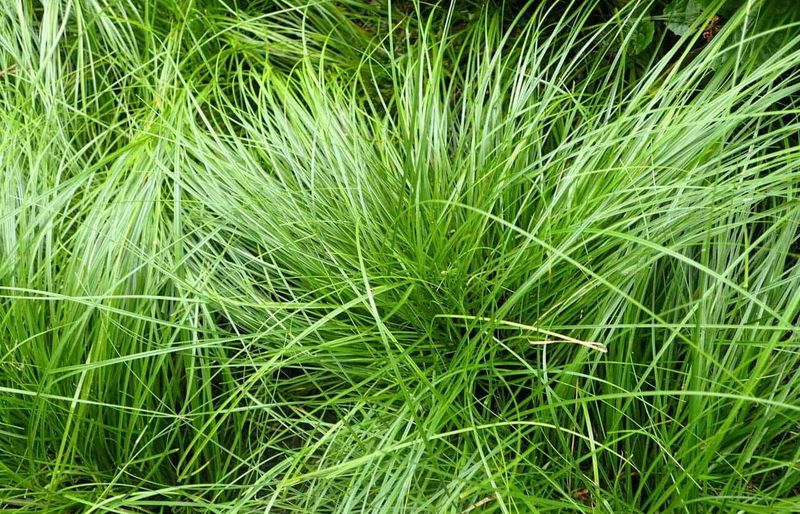
Forget mowing every week. Pennsylvania sedge is one of the best-kept secrets for homeowners across the state who want a green, grass-like lawn without all the maintenance.
It grows in low, soft tufts that arch gracefully, giving any yard a natural, relaxed look that actually gets better with less attention.
This plant thrives in shade and partial shade, which makes it perfect for those tricky spots under trees where regular grass just refuses to grow.
Pennsylvania sedge stays relatively short on its own, usually reaching only six to twelve inches tall. That means you can skip most of the mowing and still have a tidy, attractive yard.
Your Pennsylvania Garden Changes Every Week. Your Plan Should Too.
Gardening in Pennsylvania changes quickly throughout the season. Every Friday you’ll receive a simple weekly plan showing exactly what to plant, prune, fertilize, harvest, and protect so you never miss the right timing.
One of its best qualities is drought tolerance once it gets established. In Pennsylvania’s variable climate, summers can get dry fast, and plants that cannot handle that stress tend to look rough by August.
Pennsylvania sedge holds its color and form much better than many traditional lawn grasses during dry stretches.
It also works well as a border plant, edging garden beds, or filling in slopes where erosion can be a problem. Since it is a true native, it supports the local food web by providing habitat for insects and small ground-dwelling creatures.
Planting it in masses creates a flowing, meadow-like texture that looks stunning in both formal and casual garden settings. If you are ready to rethink what a lawn can look like in Pennsylvania, this sedge is a great place to start.
3. Foamflower
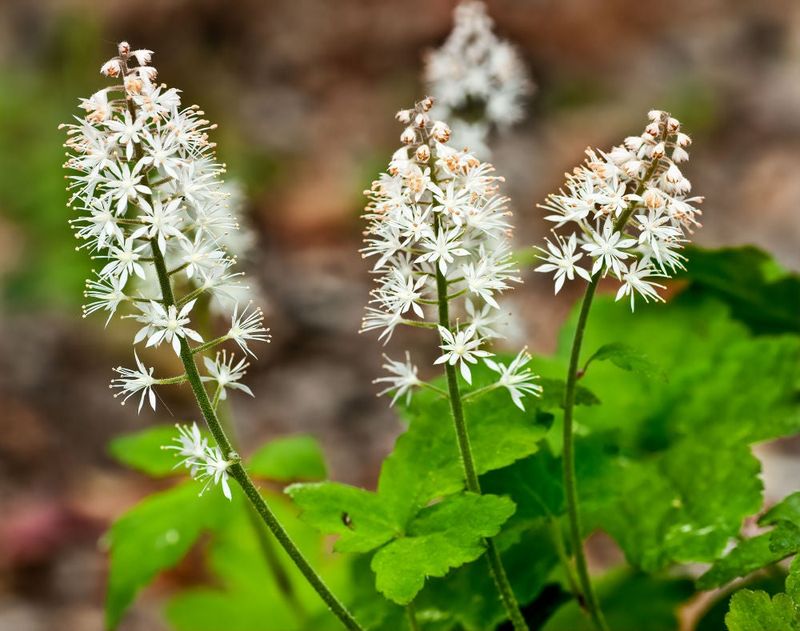
Named for the frothy clusters of tiny white flowers it sends up each spring, foamflower is a plant that earns its keep in shady Pennsylvania gardens. But even after the blooms fade, the real value shows up in the foliage.
The leaves are bold, lobed, and often marked with deep burgundy patterns that make them look almost like artwork.
Foamflower spreads gently by runners, slowly filling in empty shady spaces without taking over aggressively. That measured growth makes it easy to manage, and it plays nicely with neighboring plants like wild ginger and ferns.
Once established in rich, moist soil, it needs very little attention to stay healthy and full-looking.
Gardeners in Pennsylvania who have tried foamflower often say it transformed the dark corners of their yards into something worth showing off.
It does especially well along shaded pathways, under large deciduous trees, or in woodland garden beds where light is limited. The layered texture of its leaves adds visual depth even without flowers present.
There are several cultivated varieties available that offer different leaf colors and patterns, so you have options to match your style. The straight native species is still the best choice for supporting pollinators and local insects, though.
Bees visit the flowers in spring, and the dense leaf cover provides shelter for small ground insects throughout the growing season. In Pennsylvania landscapes, foamflower is one of those plants that makes you look like a skilled gardener without requiring much work at all.
4. Ostrich Fern
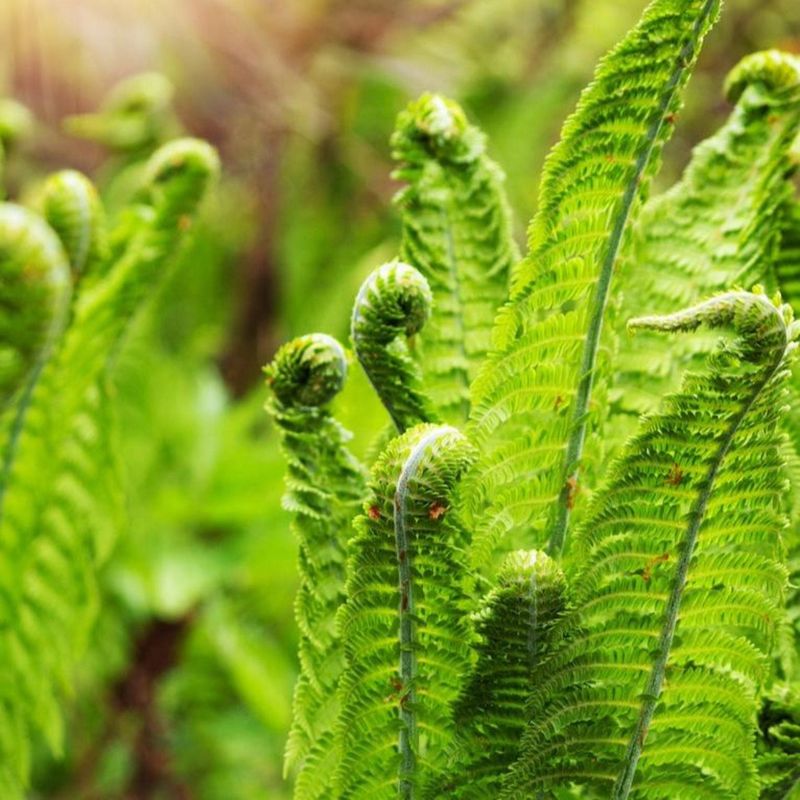
Few plants make a statement quite like the ostrich fern. Its fronds can reach five to six feet tall, arching outward in a perfect vase shape that looks almost too dramatic to be real.
In moist, shaded spots across Pennsylvania, this fern is an absolute showstopper that requires almost no coaxing to perform beautifully.
The ostrich fern loves wet feet. It thrives along stream banks, in rain gardens, and in low-lying areas of the yard where water tends to collect.
If you have a soggy corner that nothing else seems to want to grow in, this fern might be exactly what you need. It handles standing water far better than most garden plants.
In spring, the fiddleheads emerge from the ground in tight, silvery coils before unfurling into those magnificent fronds. Watching them come up is one of the most exciting signs of the season for Pennsylvania gardeners.
The fronds stay lush and full through summer, then turn golden yellow in fall before going dormant for winter.
Ostrich fern spreads by underground rhizomes and can form large colonies over time, which is great if you want to fill a large shaded area quickly. Just give it enough space and keep it away from smaller, more delicate plants that it might crowd out.
Planted in groups along a fence line or behind shorter plants, ostrich fern creates a dramatic green backdrop that gives any Pennsylvania garden a sense of wild, natural abundance. It is bold, reliable, and genuinely impressive.
5. Golden Ragwort
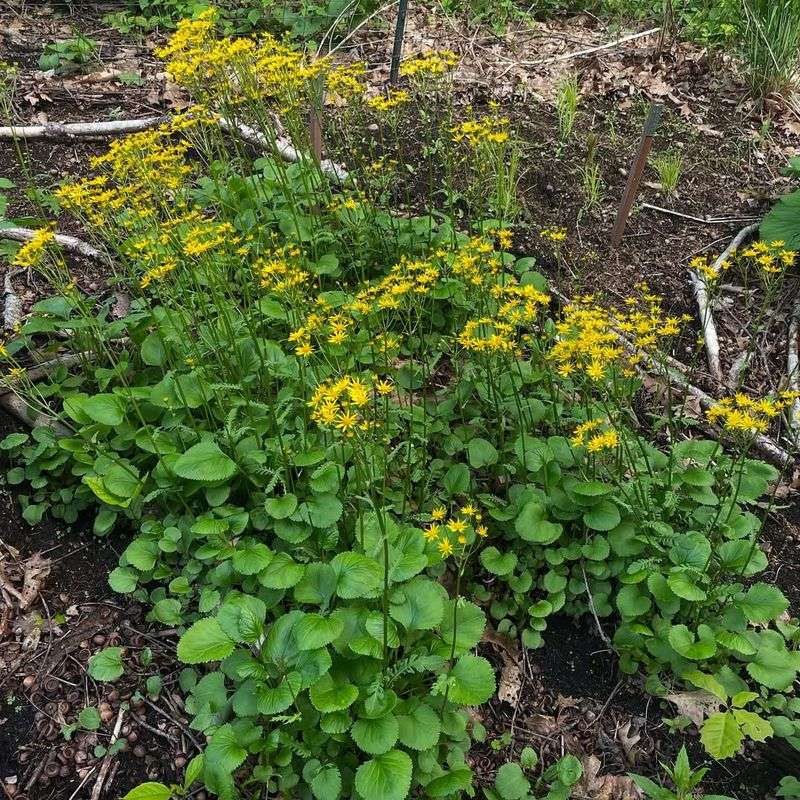
Golden ragwort might not be the most famous plant at the garden center, but gardeners who discover it tend to become instant fans. It forms a thick, ground-hugging rosette of deep green leaves that looks attractive from the moment it emerges in early spring.
Then, in mid-spring, it sends up cheerful yellow daisy-like flowers that brighten up any shady or partly shaded spot.
What makes golden ragwort especially appealing in Pennsylvania landscapes is its ability to form dense ground coverage that suppresses weeds naturally.
Once a colony gets going, it fills space quickly and keeps the soil covered throughout most of the growing season. That means less weeding and more time to enjoy your yard.
It handles a wide range of conditions surprisingly well, tolerating both dry shade and moist soil with equal ease. That flexibility makes it one of the more adaptable native plants you can choose for a Pennsylvania garden.
It works in woodland settings, along shaded borders, and even in open areas with partial sun.
Golden ragwort is also an excellent early-season resource for native bees and other pollinators that are just waking up in spring. The flowers appear early enough to help insects that are searching for food before many other plants have bloomed.
After flowering, the foliage remains attractive and full, keeping your garden looking put-together even in the quiet summer months. For a plant that gives so much with so little in return, golden ragwort deserves far more recognition than it typically gets.
6. Christmas Fern
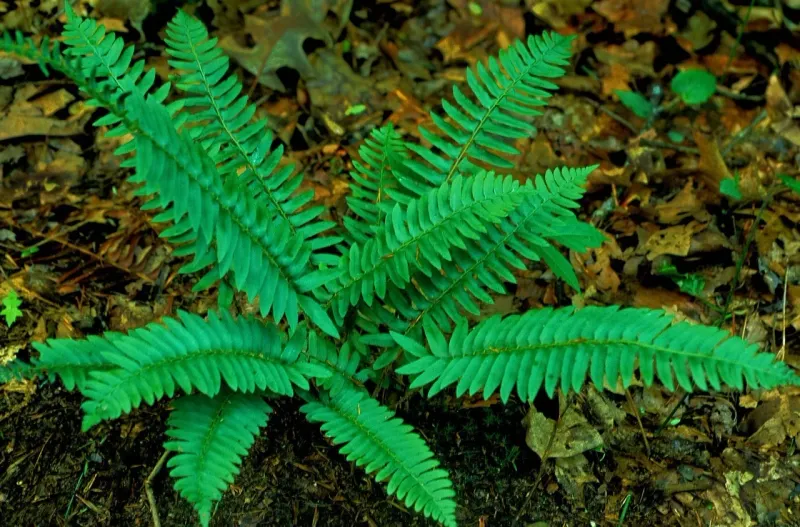
There is something deeply satisfying about a plant that keeps your garden looking full and green even in the middle of a Pennsylvania winter. Christmas fern does exactly that.
Its dark, leathery fronds stay green all year long, holding their color through frost, snow, and cold winds when most other plants have long gone dormant.
The name comes from the fact that early settlers used to gather the evergreen fronds for holiday decorations in December. Each leaflet on the frond is said to resemble a tiny Christmas stocking, which is a fun detail to share with curious visitors to your garden.
Beyond the folklore, this fern is simply one of the toughest and most reliable native plants Pennsylvania has to offer.
Christmas fern grows well in dry to medium-moisture shade, making it a great choice for slopes, hillsides, and areas under dense tree canopies where other plants struggle. Its root system holds soil firmly in place, which helps prevent erosion on slanted ground.
That practical benefit makes it popular along wooded paths and garden edges throughout the state.
New fronds emerge in spring in the classic fiddlehead form, adding a fresh, bright green flush to the garden before maturing into the darker, glossy foliage that lasts all year. It grows in tidy clumps that rarely need dividing or cutting back.
For Pennsylvania gardeners who want a dependable, year-round presence in shaded beds, Christmas fern is one of the smartest choices available. It simply never lets you down.
7. Solomon’s Seal
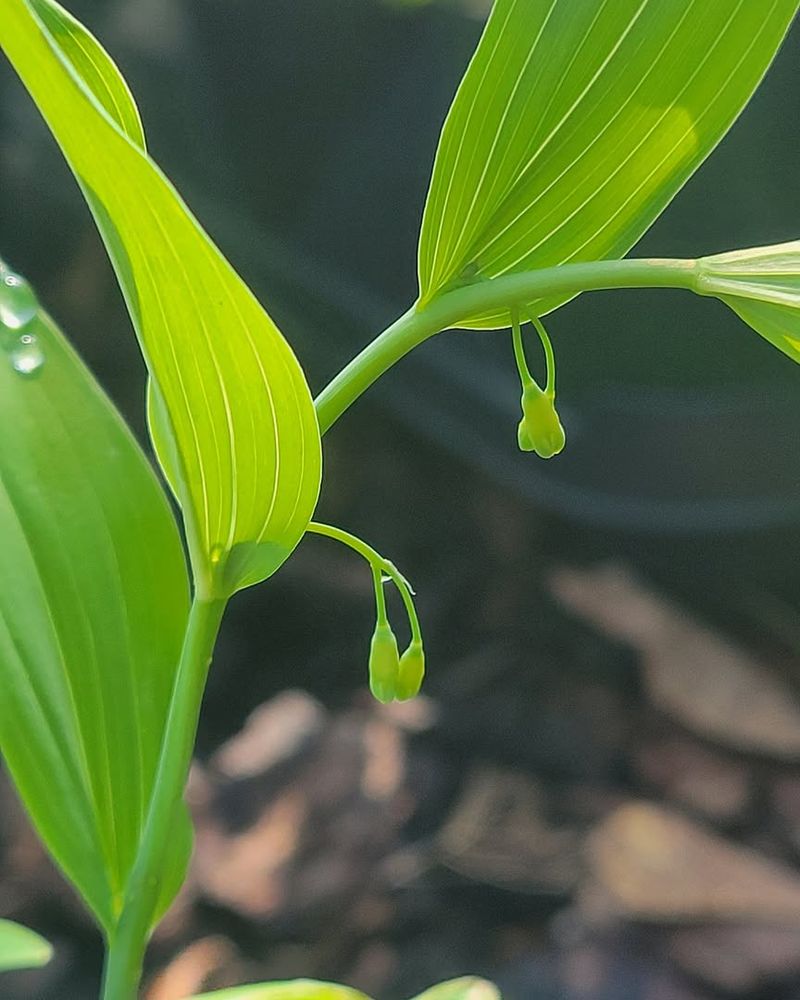
Solomon’s seal has an elegance that most garden plants simply cannot match. Its long, arching stems curve gently outward, lined on each side with smooth, oval leaves that catch and reflect light in a way that makes the whole plant glow.
In shaded Pennsylvania gardens, it brings a refined, airy quality that feels both wild and intentionally designed.
In late spring, small white bell-shaped flowers dangle beneath the stems like tiny lanterns. They are subtle but charming, and they attract native bees and hummingbirds that appreciate the nectar.
By late summer, the flowers give way to dark blue-black berries that birds enjoy, adding another layer of wildlife value to this already impressive plant.
Solomon’s seal grows from slowly spreading rhizomes, forming graceful colonies over several years without becoming aggressive.
It is a patient plant, content to expand gradually and share space with other shade lovers like wild ginger, foamflower, and Christmas fern. That cooperative nature makes it an ideal teammate in a layered woodland garden design.
Fall brings one last show from Solomon’s seal, when the leaves turn a warm golden yellow before the stems fall back to the ground for winter.
That seasonal arc, from fresh spring green to glowing autumn gold, gives it year-round interest that keeps gardeners coming back to admire it.
Pennsylvania’s shaded landscapes are genuinely made better by this plant. If you have a wooded corner that needs something graceful and low-maintenance, Solomon’s seal is the answer you have been looking for.