If You See This Bug In Georgia Do Not Touch It
Some bugs in Georgia look harmless enough to ignore at first glance, especially around porches, garden beds, outdoor lights, and wood piles during warmer months.
Problems can start quickly though when the insect turns out to be a kissing bug instead of one of the many harmless species commonly found around yards.
Confusion happens often because several outdoor insects found in Georgia can look similar at first glance. Quick reactions usually happen before proper identification, which is why kissing bugs keep catching homeowners off guard.
Awareness around kissing bugs has grown much more in recent years as sightings continue getting noticed across Georgia, especially during warmer parts of the year when outdoor insect activity increases.
1. Kissing Bugs Sometimes Appear Around Outdoor Lights At Night
Flip on your porch light after dark in Georgia, and you might attract more than moths. Kissing bugs are nocturnal insects, which means they do most of their moving around once the sun goes down.
Outdoor lights are a major draw for them, and many Georgia homeowners spot these bugs without even realizing what they are looking at.
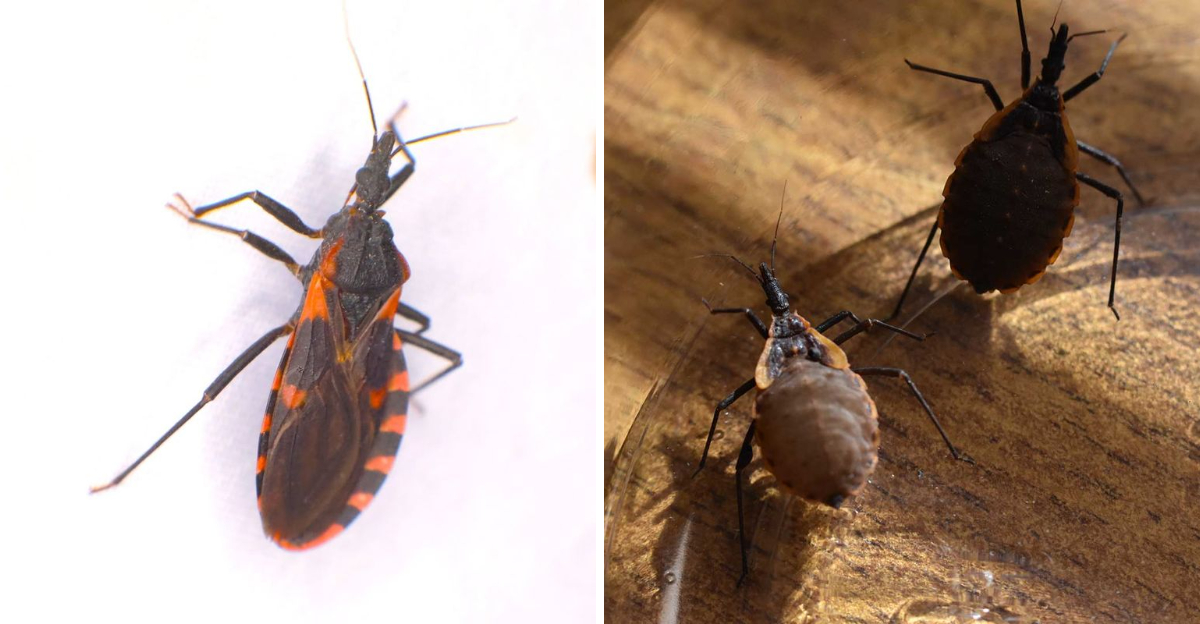
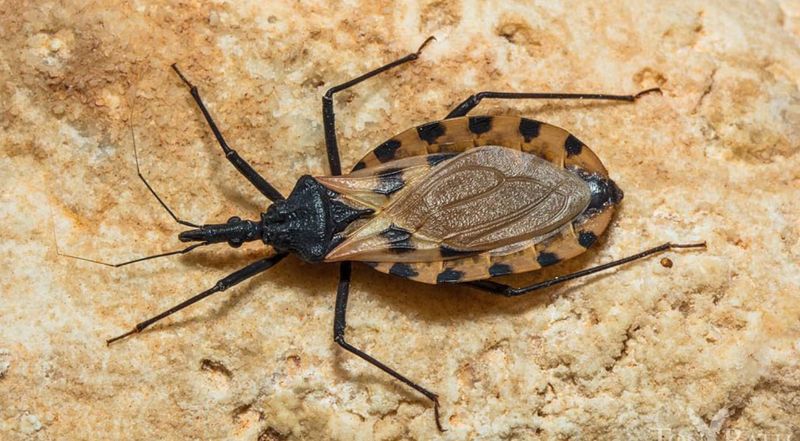
Kissing bugs belong to a group called triatomine bugs. They are typically dark brown or black, about three-quarters of an inch long, and have a distinctly oval, flat shape.
What makes them stand out is the pattern of orange or red stripes running along the outer edges of their abdomen. Spot those colors near your porch light, and it is worth stepping back before getting closer.
Bug zappers and bright white lights tend to attract insects from a wider area, so switching to yellow or amber-toned bulbs can reduce the number of bugs drawn to your home at night. Motion-sensor lights that stay off unless needed are another practical option.
Fewer hours of light means fewer insects gathering near your doors and windows.
Keeping your screen doors in good repair matters too. Kissing bugs that gather near lights will eventually look for a way inside, especially if temperatures drop.
2. Orange Or Red Markings Help Identify Kissing Bugs
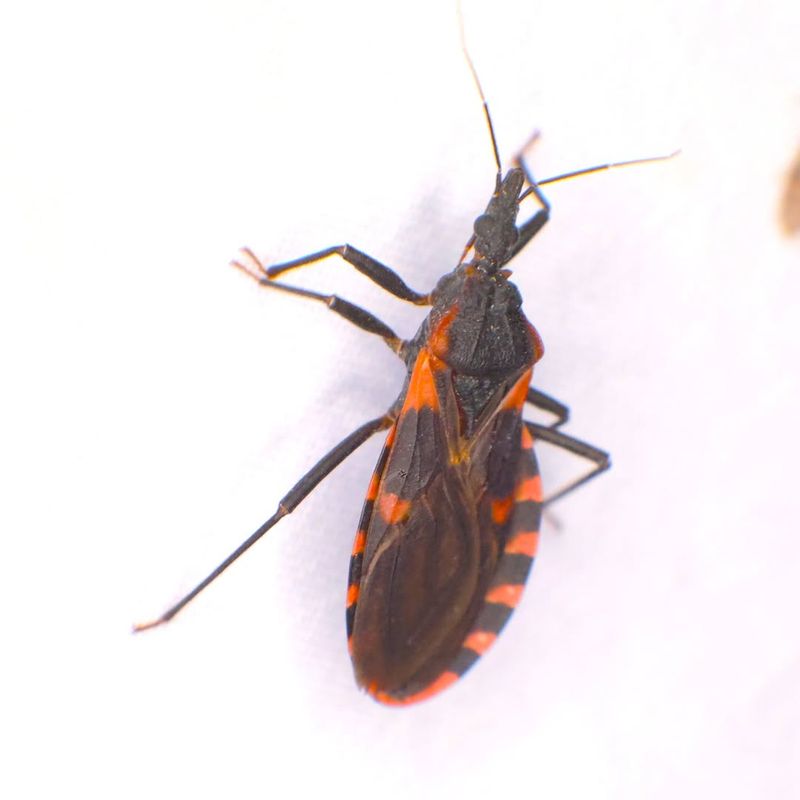
Not every dark bug you find outside is a kissing bug, but orange or red markings are often one of the easiest ways to identify them.
Knowing what to look for puts you in a much better position, especially during Georgia’s warmer months when these insects are most active. The color pattern is one of the clearest visual clues available to someone without an entomology degree.
Kissing bugs have alternating bands of orange or red and black along the sides of their flattened abdomen. Up close, the pattern almost looks like a tiny warning sign, which is fitting.
Their heads are narrow and elongated, almost cone-shaped, which gives them a distinct look compared to similar beetles or stink bugs. The beak-like mouthpart, used for feeding, points downward and is another detail that separates them from lookalikes.
Georgia has several species of triatomine bugs, and the markings can vary slightly between them. Some have brighter orange bands while others lean more toward a rust-red tone.
Your Georgia Garden Changes Every Week. Your Plan Should Too.
Gardening in Georgia changes quickly throughout the season. Every Friday you’ll receive a simple weekly plan showing exactly what to plant, prune, fertilize, harvest, and protect so you never miss the right timing.
Regardless of the exact shade, the banded pattern around the body edges is consistent enough to serve as a reliable identification feature in most cases.
Photographs can be really helpful here. If you spot a bug and are not sure what it is, take a photo from a safe distance rather than picking it up.
3. Cracks Near Homes Create Easy Hiding Spots For These Insects
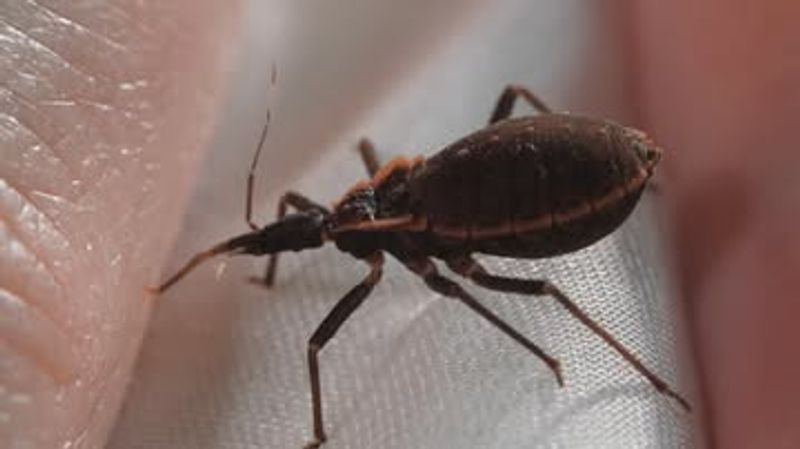
Cracks in your foundation are not just an eyesore. For kissing bugs, a gap near the base of a Georgia home is basically a welcome mat.
These insects love tight, dark spaces where they can rest during the day without being disturbed, and the average older home in Georgia offers plenty of those spots.
Common hiding places include gaps around window frames, spaces beneath exterior siding, cracks in stone or brick walls, and openings around utility pipes that run into the house.
Piles of firewood stacked against the house, cluttered storage areas near the foundation, and thick ground cover plants near exterior walls are all attractive to kissing bugs looking for shelter.
A practical first step is walking the perimeter of your home and looking for any openings larger than a quarter of an inch. Caulking those gaps takes less than an afternoon and removes a significant number of potential entry points.
Weather stripping around doors and windows is another inexpensive fix that helps seal the home against insects of all kinds, not just kissing bugs.
4. Pets Sleeping Outside May Attract Kissing Bugs Closer
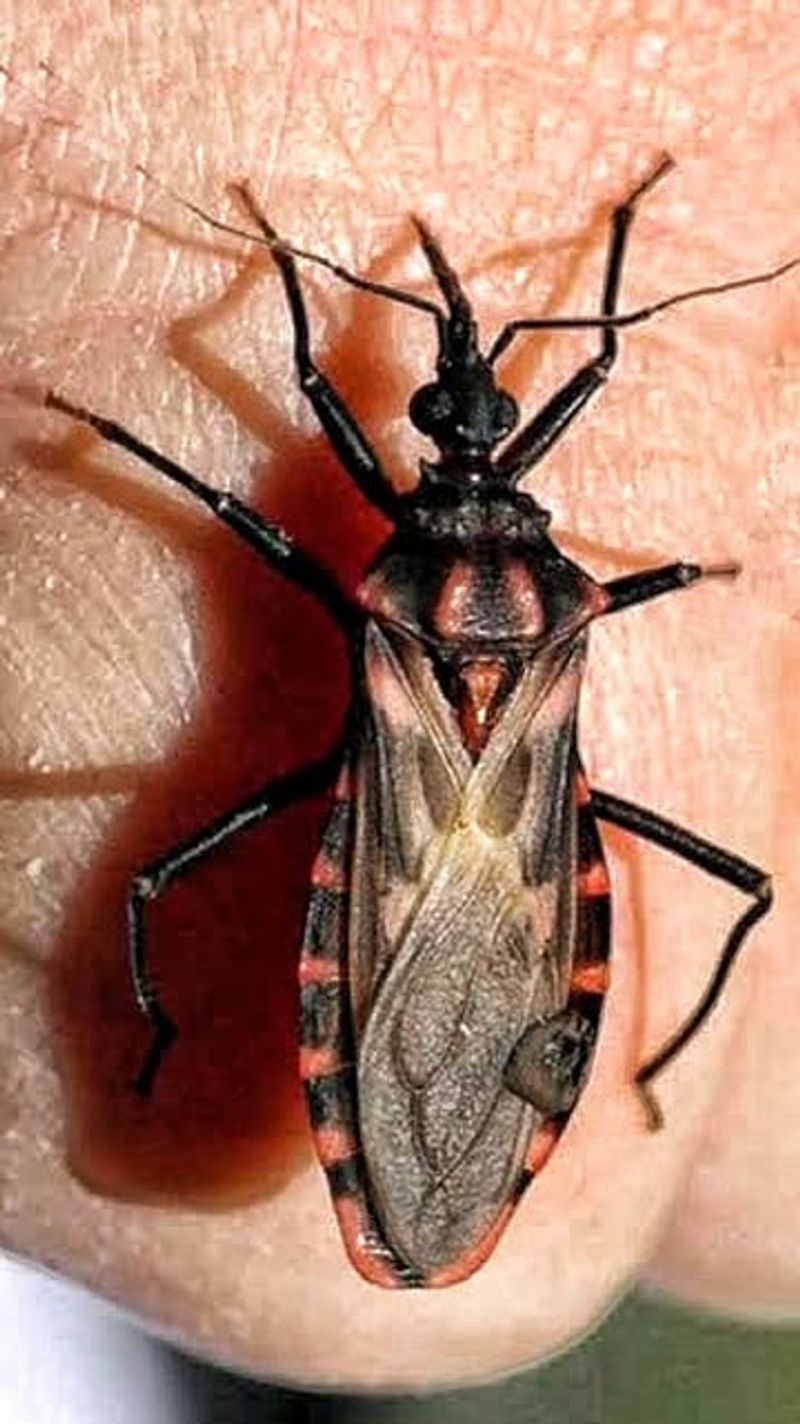
Your dog’s outdoor sleeping spot might be one of the biggest attractants for kissing bugs on your entire property. Kissing bugs are drawn to the carbon dioxide that mammals exhale, and a warm animal sleeping outside overnight is essentially a beacon for these insects.
In Georgia, where mild temperatures allow pets to stay outside for much of the year, this is a real concern worth addressing.
Outdoor dog kennels, dog houses, and even just a spot where a pet regularly rests can accumulate the scent and warmth that kissing bugs follow.
Once a kissing bug feeds on an animal, there is a potential risk of transmitting Chagas disease, caused by the parasite Trypanosoma cruzi.
Dogs in particular can develop serious heart and digestive complications from Chagas infection, and cases have been documented in the southeastern United States, including Georgia.
Bringing pets inside at night is one of the most straightforward ways to reduce their exposure. If a dog must stay outside, elevating the sleeping area off the ground and cleaning bedding regularly reduces the chance of bugs nesting nearby.
Avoiding wood piles or brush near the kennel area also helps since those are prime kissing bug resting spots during daylight hours.
5. Warm Summer Nights Increase Kissing Bug Activity
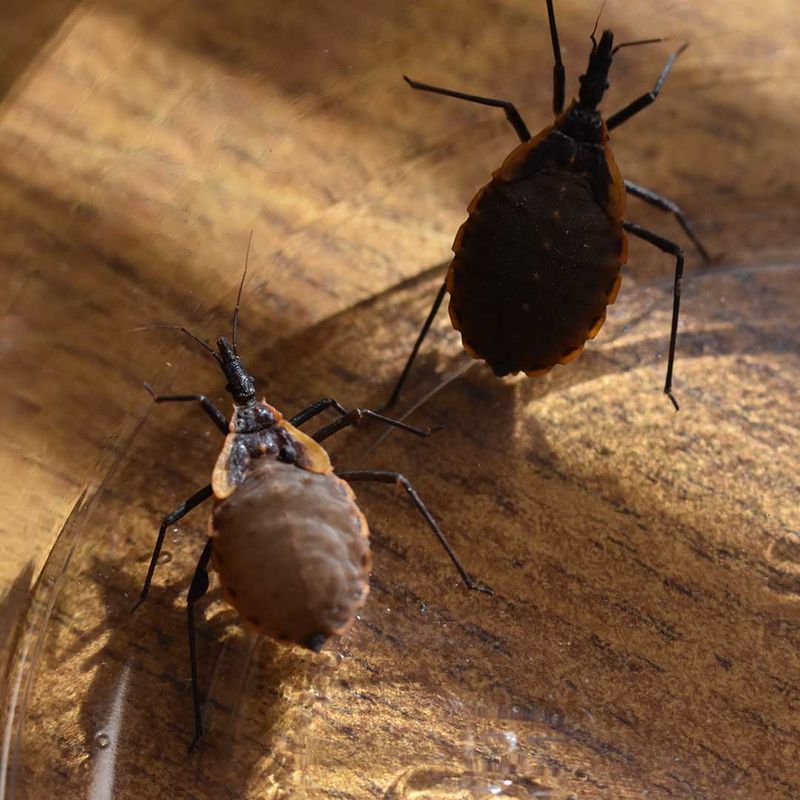
Georgia summers are brutally hot, and that heat is exactly what kissing bugs thrive in.
Activity levels for these insects spike significantly once nighttime temperatures stay consistently above 70 degrees Fahrenheit, which in Georgia can happen as early as late May and stretch all the way into October.
Humidity plays a role too, since kissing bugs prefer warm, moist environments over dry ones.
During peak summer months, kissing bugs become more mobile, traveling farther from their daytime hiding spots to search for a host. Wooded areas, tall grass, and brushy zones near homes are common launching points for their nightly movement.
Suburban and rural parts of Georgia where natural habitat sits close to residential areas tend to see higher activity than dense urban neighborhoods.
Spending time outdoors after dark during summer is totally fine, but being aware of your surroundings matters. Avoid sitting directly on the ground near brush or wood piles at night.
If you are camping or spending extended time outside in Georgia’s wooded areas, checking your clothing and gear before coming inside is a simple habit that catches more than just kissing bugs.
Pest control professionals in Georgia often recommend treating the perimeter of a home with appropriate insecticides during late spring as a preventive measure.
While no spray eliminates every risk, reducing the overall insect population near entry points lowers the chances of a kissing bug encounter.
6. Many Harmless Insects Are Mistaken For Kissing Bugs
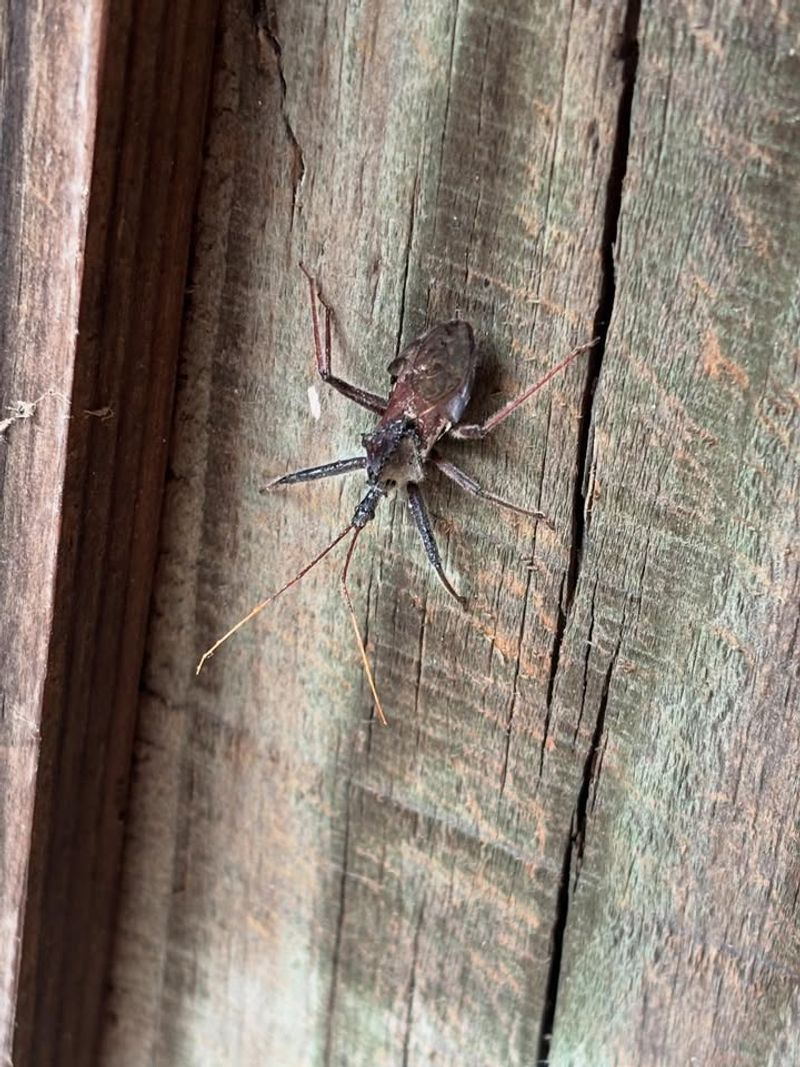
Panic is understandable when someone thinks they have spotted a kissing bug, but the truth is that most bugs that look like kissing bugs in Georgia are completely harmless.
Misidentification happens constantly, and knowing the common lookalikes can save a lot of unnecessary worry.
Several insects share a similar dark, oval shape that causes confusion at first glance.
Wheel bugs are one of the most frequent cases of mistaken identity in Georgia. They are large, dark, and have a beak-like mouthpart similar to kissing bugs, but they have a distinctive gear-shaped crest on their thorax that kissing bugs lack entirely.
Squash bugs and leaf-footed bugs are also commonly misidentified, especially since some have similar coloring and a flattened body shape.
Boxelder bugs, with their red and black patterning, sometimes get flagged as kissing bugs too, though their markings are quite different up close.
A few key differences help separate kissing bugs from the lookalikes. Kissing bugs have a smooth, cone-shaped head with no obvious crest or bumps.
Their legs are uniformly thin and unremarkable. The banded orange or red markings specifically on the outer abdomen edges, combined with that cone-shaped head, are the most reliable combination of features to confirm what you are actually looking at.
7. Avoid Handling Unknown Bugs With Bare Hands
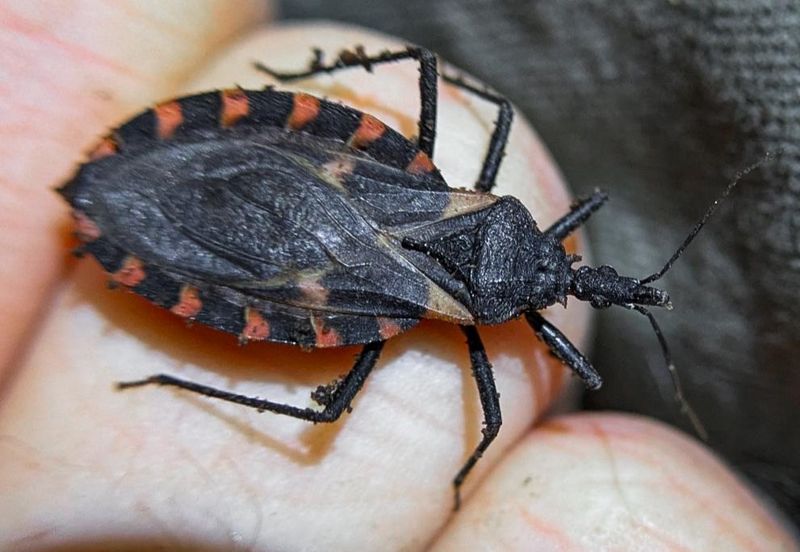
Bare hands and unknown insects are a combination worth avoiding every single time, no exceptions. Even bugs that turn out to be completely harmless can bite, sting, or release irritating chemicals when handled.
With kissing bugs specifically, the risk goes beyond a simple bite, since contact with their feces near a wound or mucous membrane is how Chagas disease transmission most commonly occurs in humans.
Keeping a pair of disposable gloves in a garage or storage area makes it easy to handle any bug safely without thinking twice. A pair of tweezers or a small sealed container also works well for capturing a bug you want to identify without direct contact.
Photographing the insect from a few inches away with a smartphone camera is often all you need for a solid identification without touching anything at all.
Children are especially prone to picking up interesting-looking insects out of curiosity, which is completely natural at that age. Teaching kids in Georgia to look but not touch unknown bugs is a simple habit that prevents most accidental exposures.
A quick explanation about why some bugs can cause problems tends to stick better than just saying no without context.
If a kissing bug or any suspect insect does make contact with your skin, washing the area thoroughly with soap and water right away is the immediate response. Avoid rubbing your eyes or touching your mouth before washing up.