8 Plants That Benefit From Eggshells In Georgia Gardens
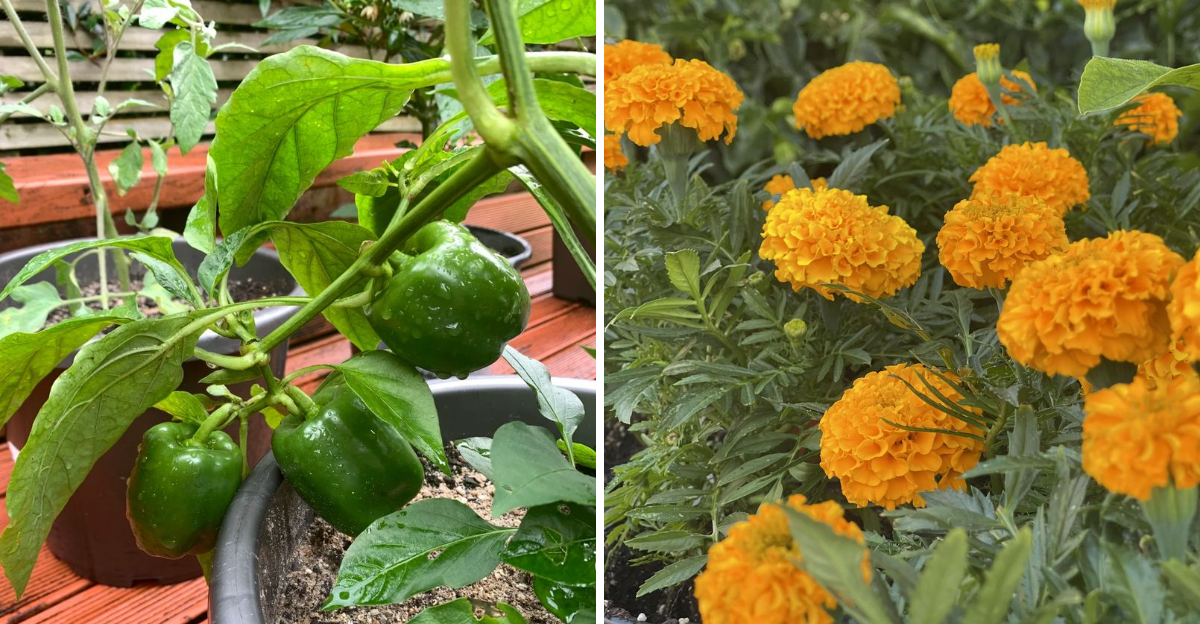
Eggshells keep showing up in Georgia gardens for a reason. Plenty of gardeners save them through the season, crush them up, and work them into the soil around certain plants that seem to respond especially well over time.
Results usually do not happen overnight, which is why many people overlook how useful eggshells can actually become in the garden.
Soil conditions, plant type, and the way eggshells break down all play a role in how much difference they make once temperatures warm up and growth speeds up across Georgia gardens.
Some plants seem to appreciate those extra nutrients far more than others, especially during active growth when strong roots, healthy leaves, and steady development matter much more through the season.
1. Tomatoes Benefit From Added Calcium In Garden Soil
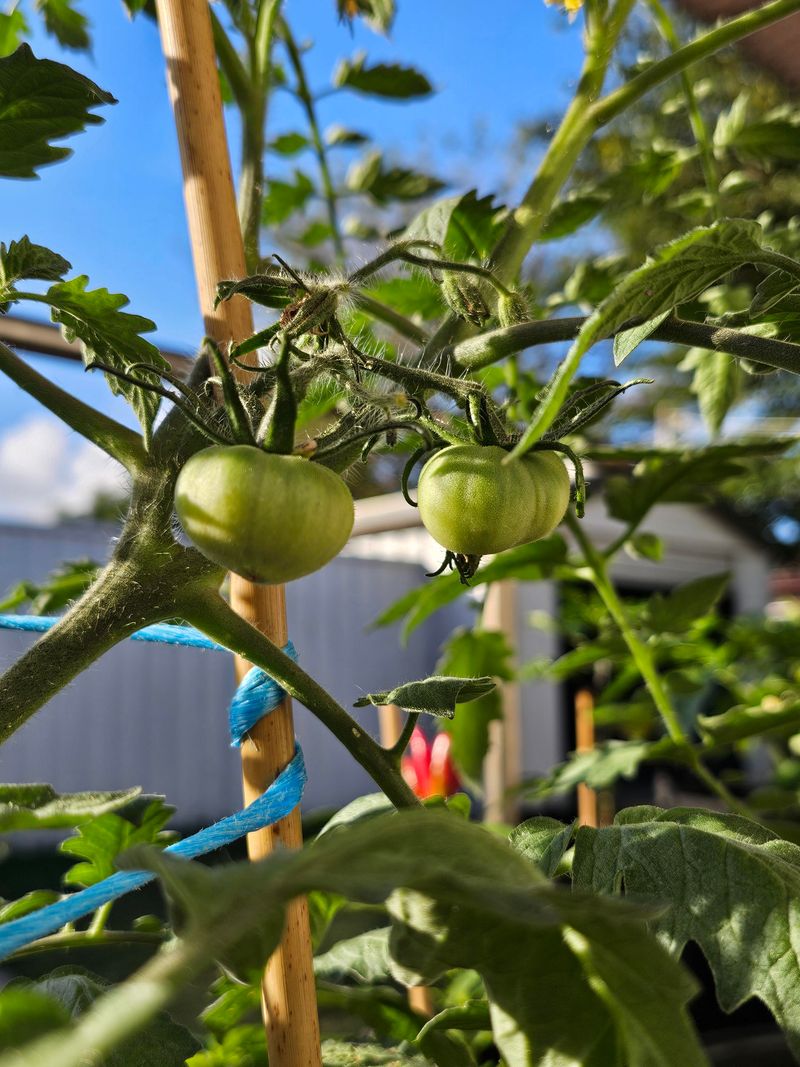
Blossom end rot is the nightmare of every tomato grower in Georgia, and calcium deficiency is usually the reason it shows up. That dark, sunken spot on the bottom of your tomatoes is not caused by a bug or a disease.
It happens when the plant cannot pull enough calcium from the soil fast enough during fruit development.
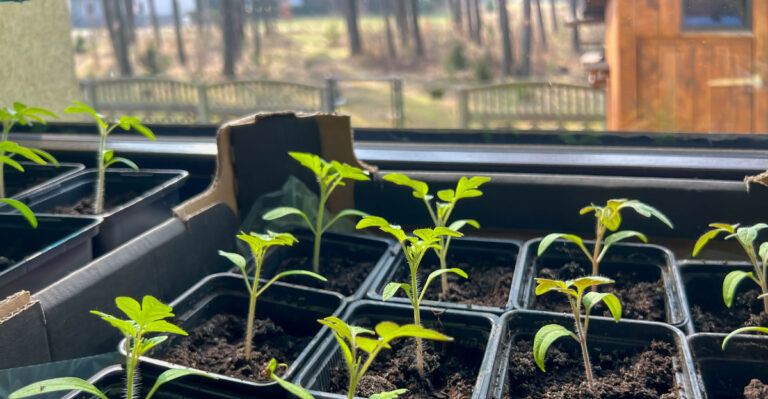
Crushed eggshells worked into the planting hole before you set your transplants in the ground can help build a steady calcium reserve.
Georgia summers hit hard and fast, so tomatoes under heat stress need consistent soil nutrients to keep fruit development on track.
Eggshells do not replace a balanced fertilizer routine, but they add long-term calcium that slowly becomes available as they break down.
Grinding your eggshells into a coarse powder before adding them to the soil helps them break down faster than whole shells. A good handful worked around the base of each plant at the start of the season is a practical starting point.
Pair that with consistent watering, because calcium uptake depends heavily on moisture levels. Dry spells, which are common in Georgia from July through August, can interrupt calcium movement even when the soil has plenty available.
Keeping your tomatoes mulched and watered on a regular schedule gives eggshells the best chance to actually do their job.
Soil testing also helps because overly acidic or imbalanced Georgia soil can limit how well tomato roots absorb calcium in the first place.
2. Peppers Grow Better With Balanced Soil Calcium Levels
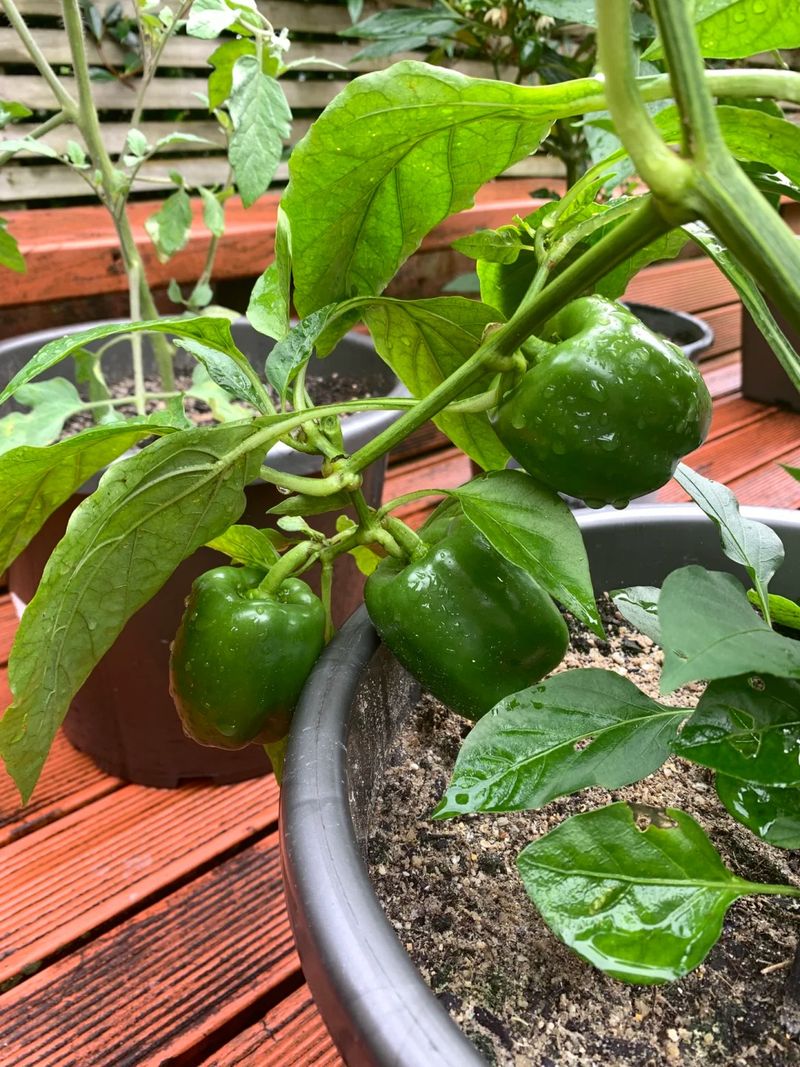
Peppers are pickier than most gardeners expect. They look tough, but the fruit can develop the same blossom end rot that plagues tomatoes when calcium levels in the soil are off.
Georgia’s warm growing season is actually perfect for peppers, but that long season also means the plants are pulling nutrients from the soil for a longer stretch of time.
Working crushed eggshells into your pepper beds before transplanting is an easy step that costs nothing extra if you already cook at home.
Calcium supports healthy cell walls in the developing fruit, which helps peppers hold their shape and resist cracking during sudden rain events.
Georgia gardeners know how unpredictable summer storms can be, and that kind of rapid soil moisture change stresses pepper plants quickly.
Your Georgia Garden Changes Every Week. Your Plan Should Too.
Gardening in Georgia changes quickly throughout the season. Every Friday you’ll receive a simple weekly plan showing exactly what to plant, prune, fertilize, harvest, and protect so you never miss the right timing.
Eggshells alone will not solve every pepper problem. Soil pH matters a lot, and in many parts of Georgia, soil can lean slightly acidic.
Calcium from eggshells can gently nudge pH upward over time, which may actually improve nutrient availability overall. Getting a basic soil test through your local county extension office is worth doing before you assume calcium is the only issue.
Once you know your baseline, eggshells become one useful tool in a broader care routine that keeps your pepper plants producing from early summer well into fall across Georgia.
3. Eggplants Benefit From Steady Calcium During Fruit Growth
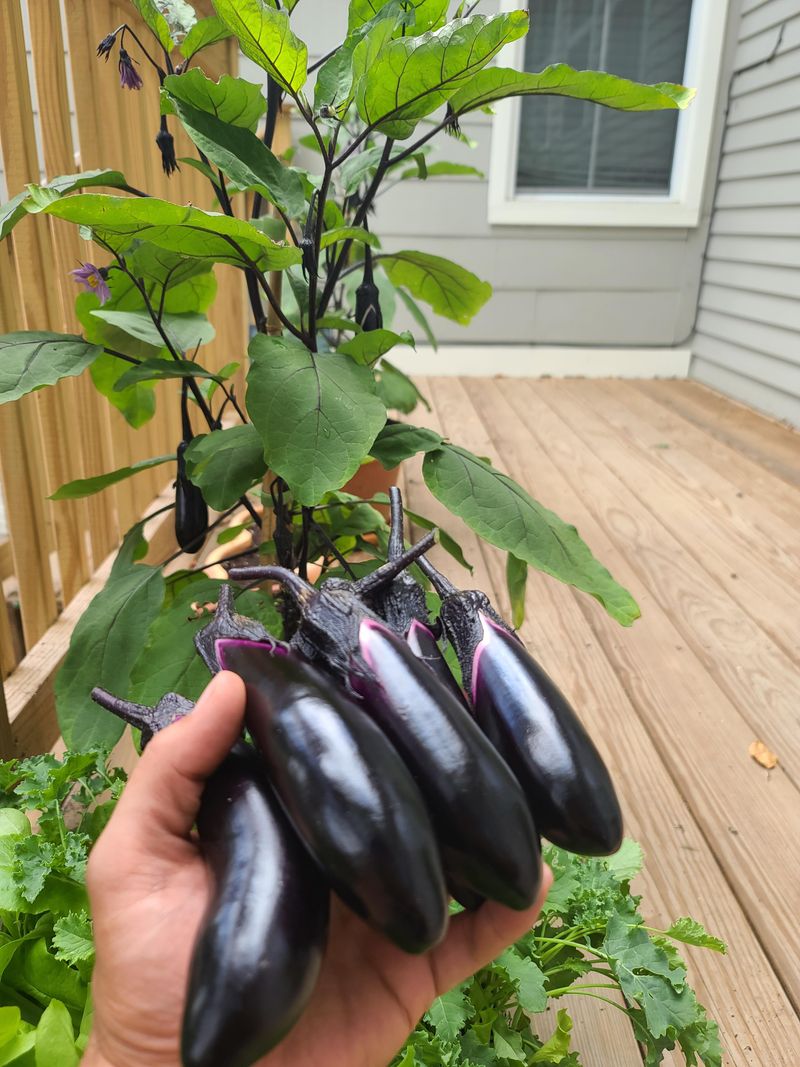
Eggplant is one of those vegetables that absolutely loves a Georgia summer. Heat does not slow it down the way it does lettuce or spinach.
What does slow it down is inconsistent soil nutrition, especially calcium, during the weeks when fruit is swelling and forming its thick skin.
Calcium plays a structural role in eggplant fruit development. Without enough of it moving through the plant at the right time, you can end up with soft spots or misshapen fruit that looks fine on the outside but disappoints when you cut into it.
Mixing crushed eggshells into the soil a few weeks before transplanting gives them time to start breaking down before the plant even goes in the ground.
Eggplants in Georgia typically hit their stride in late June and July, and that is exactly when consistent soil nutrition matters most.
Sandy soils in south Georgia drain nutrients faster than the red clay soils found further north, so the benefit of slow-release calcium from eggshells can vary depending on where you garden.
Mulching around eggplant bases helps retain moisture, which in turn helps calcium move through the plant more efficiently. Pairing eggshells with regular watering and a balanced organic fertilizer gives you the best shot at a steady harvest.
Eggplants reward consistent care with heavy, reliable production all the way into early fall in Georgia.
4. Squash Uses Calcium During Heavy Summer Production
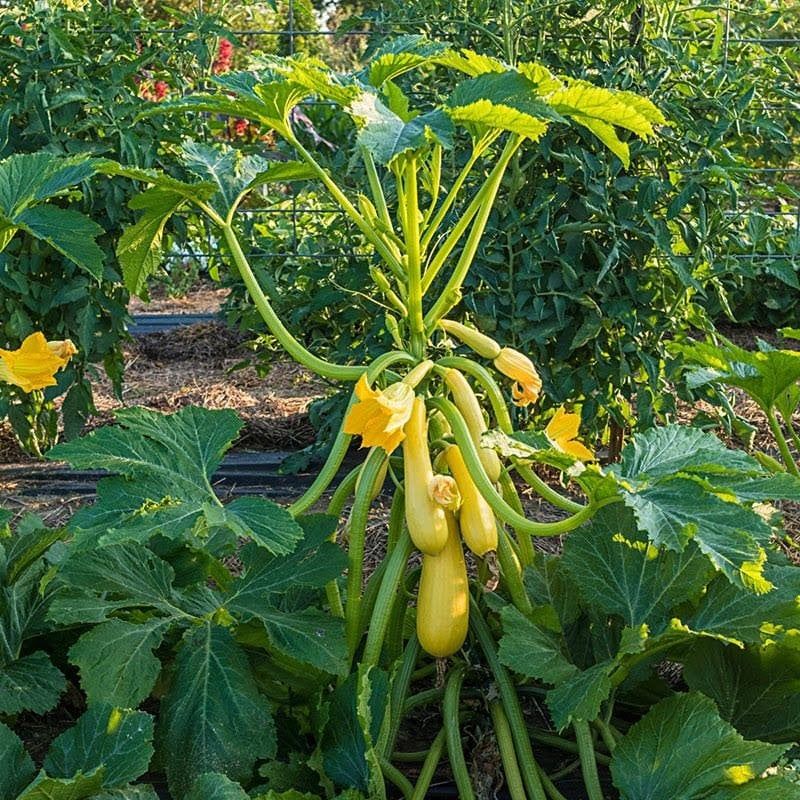
Squash grows fast and produces heavily, which means it burns through soil nutrients at a pace that surprises a lot of first-time gardeners. Georgia summers are long enough that a single squash plant can produce fruit for weeks on end if conditions stay favorable.
All that production puts a real demand on the soil.
Calcium is one of the nutrients squash pulls in consistently throughout the growing season. Without enough available in the soil, blossom end rot can show up on zucchini just as easily as it does on tomatoes.
Crushed eggshells worked into the bed before planting give squash a calcium source that releases gradually rather than all at once, which suits the long production window these plants have in Georgia.
Squash also tends to struggle with powdery mildew toward the end of summer when nights start cooling and humidity stays high. While eggshells will not prevent fungal issues, keeping the plant well-nourished overall helps it stay resilient longer into the season.
Spacing your squash plants properly and keeping the soil moist but not waterlogged makes the biggest difference in overall health. Adding a cup of crushed shells to each planting hole, then topping off with compost, gives the roots a solid foundation.
Across Georgia, squash planted in late April through May has the best chance of a long, productive run before heat peaks.
5. Broccoli Grows Best In Nutrient Rich Garden Soil
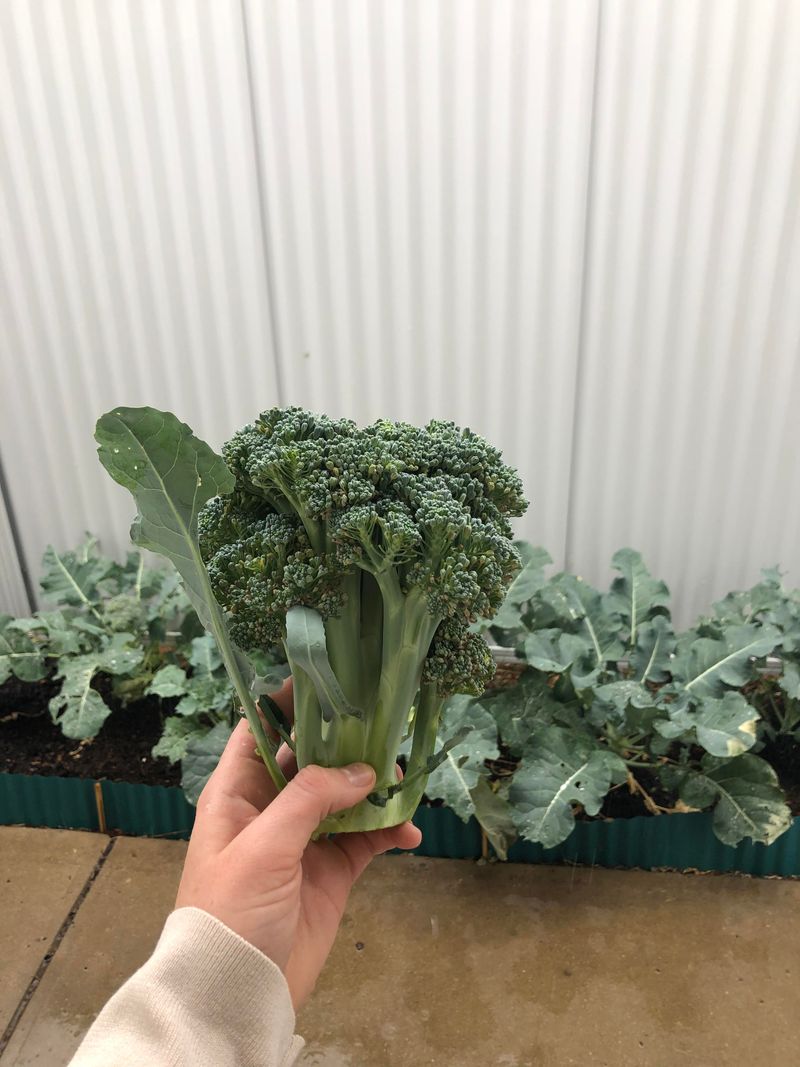
Broccoli is a cool-season crop, which means Georgia gardeners are usually planting it in late summer for a fall harvest or very early spring before temperatures climb.
That narrow growing window makes soil preparation even more important, because the plant does not have the luxury of a long, slow start.
Calcium supports broccoli in a specific way that many gardeners overlook. It helps prevent a condition called tip burn, where the edges of inner leaves turn brown and papery.
Tip burn is often linked to calcium deficiency combined with inconsistent watering, both of which are easy to run into during Georgia’s unpredictable shoulder seasons.
Crushing eggshells finely and mixing them into your broccoli bed before fall planting gives them a few weeks to start breaking down before transplants go in.
Broccoli also appreciates a slightly higher soil pH than what Georgia’s naturally acidic soils tend to offer, so eggshells can provide a small but real benefit on that front as well.
Pairing shells with a nitrogen-rich amendment like composted manure sets the stage for strong leafy growth, which is what broccoli needs before it puts energy into forming heads.
Raised beds in Georgia tend to drain better and warm up faster in spring, making them a solid option for broccoli growers who want more control over their soil conditions throughout the season.
6. Cabbage Benefits From Healthy Calcium Levels In Soil
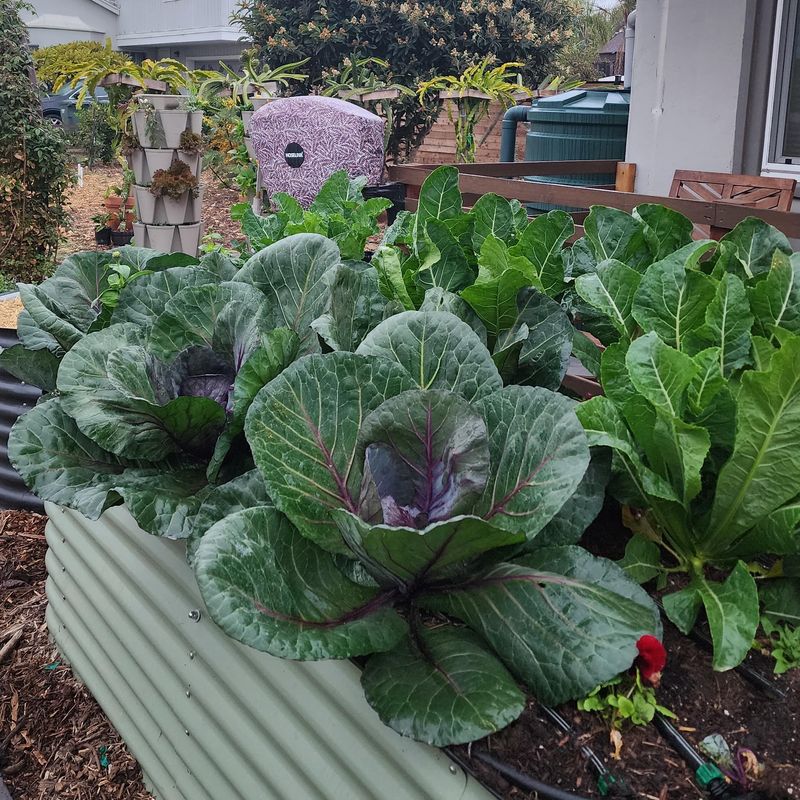
Cabbage is tougher than it looks, but it has specific soil needs that make or break a harvest. Georgia gardeners who grow cabbage in the fall often get beautiful, dense heads when the soil is well-prepared.
Skip the prep work and you end up with loose, leafy plants that never really form a proper head.
Calcium is critical for cabbage head formation. It helps the inner leaves compact tightly and supports the overall structure of the head as it develops.
When calcium is lacking, cabbage heads can split or fail to close properly, which is frustrating after months of tending the plants.
Crushed eggshells added to the bed at least three to four weeks before transplanting give the soil a head start on building available calcium.
Cabbage grown in Georgia also benefits from consistent moisture, and calcium uptake is directly tied to how steadily water moves through the root zone. Dry spells interrupt that process even when calcium is present in the soil.
Drip irrigation or a soaker hose setup helps cabbage stay hydrated without the foliar disease risks that overhead watering can create.
Eggshells are not a miracle cure for every cabbage challenge, but combined with good watering habits and a soil test to confirm pH is in the right range, they become a practical part of a reliable fall gardening routine across Georgia.
7. Marigolds Grow Well In Soil Amended With Eggshells
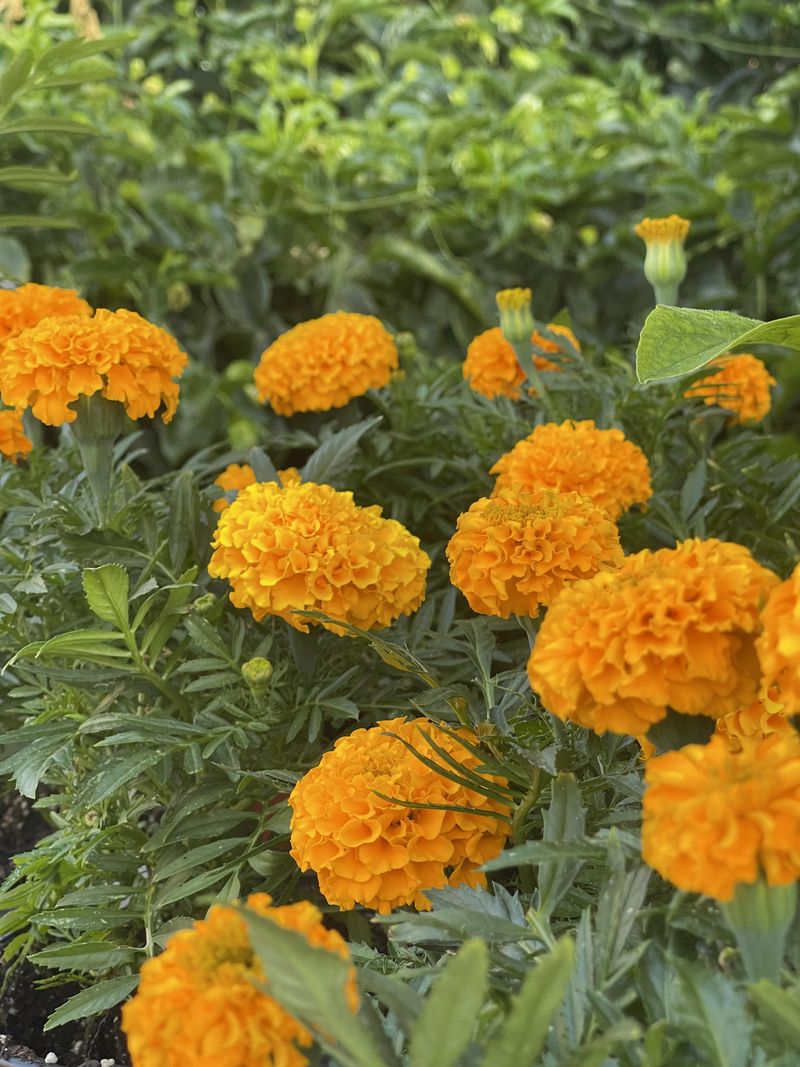
Marigolds are a Georgia garden staple for good reason. They bloom through intense summer heat, they repel certain pests, and they look great lining vegetable beds or filling border areas with color.
What a lot of gardeners do not realize is that marigolds respond noticeably well to calcium-amended soil.
Calcium helps marigolds develop strong stems and healthy root systems, which matters more than most people think. A marigold with weak stems flops over in summer thunderstorms, and Georgia gets plenty of those from June through September.
Eggshells worked into the planting area before setting out transplants or sowing seeds give marigolds a slow calcium source that supports steady, upright growth through the whole season.
Marigolds are not heavy feeders the way tomatoes or squash are, so you do not need a massive amount of shells to see a difference. A light handful mixed into each planting hole is plenty.
What matters more is the consistency of the soil environment overall. Marigolds prefer well-drained soil, and Georgia’s clay can hold water longer than these plants like after heavy rain.
Mixing in eggshells along with compost or coarse sand improves drainage slightly while adding nutrients at the same time.
For Georgia gardeners who want low-maintenance color that also benefits the vegetable garden nearby, marigolds with a little eggshell amendment are a practical, cheerful choice worth making every season.
8. Roses Benefit From Slow Release Calcium In Garden Beds
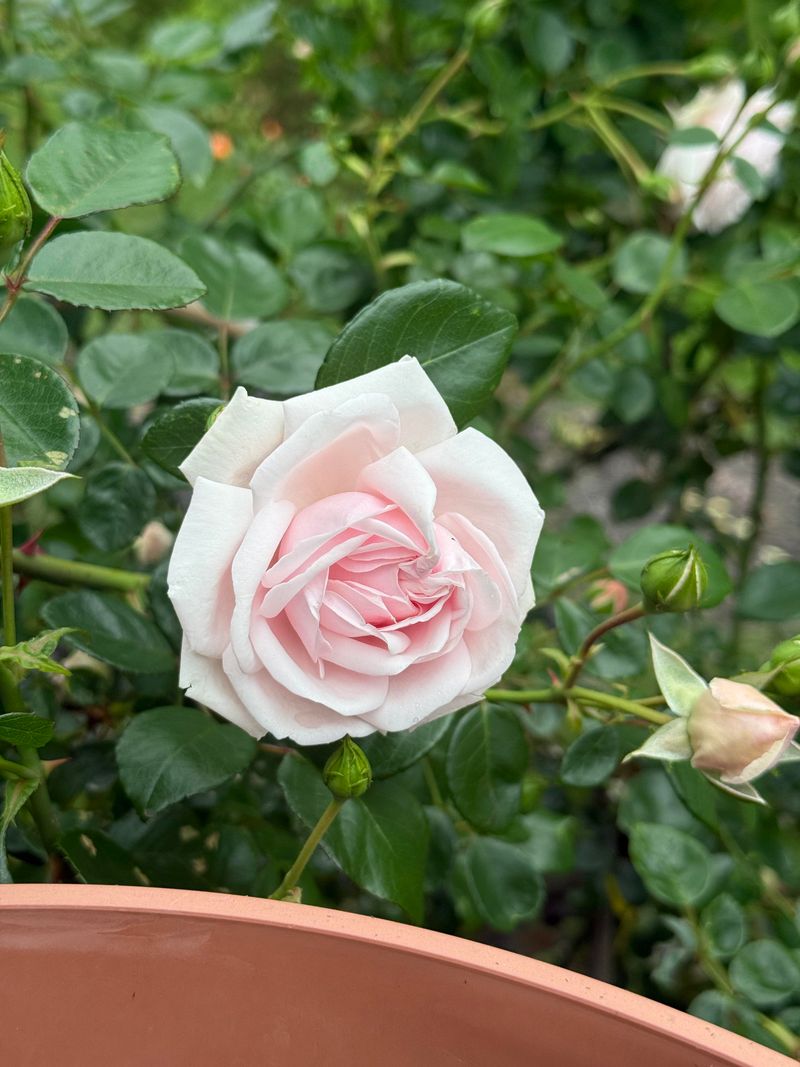
Roses have a reputation for being demanding, and in Georgia’s heat and humidity, that reputation is at least partly earned. Fungal issues, heat stress, and nutrient imbalances all show up more quickly in the South than they do in cooler climates.
Getting the soil right from the start gives Georgia rose growers a real advantage.
Calcium supports rose canes in a structural way, helping them stay firm and resist physical damage. Strong cane walls also hold up better against the kind of fungal pressure that comes with Georgia’s humid summers.
Eggshells added to rose beds do not replace a dedicated rose fertilizer program, but they contribute slow-release calcium that builds up in the soil over multiple seasons, which is exactly the kind of long-term benefit perennial plantings need.
Scratch a small amount of crushed eggshells into the soil around established rose bushes each spring before new growth flushes out. For new plantings, mix shells into the backfill soil when you dig the planting hole.
Roses also appreciate a slightly higher soil pH than Georgia’s native soils often provide, and eggshells can nudge that number in the right direction over time.
Consistent mulching around rose beds helps retain moisture and moderates soil temperature, both of which support calcium uptake.
Across Georgia, roses planted in spots with morning sun and afternoon shade tend to perform best and make the most of every soil improvement you invest in.