What To Do With Your Arizona Bougainvillea In May Before Heat Turns Brutal
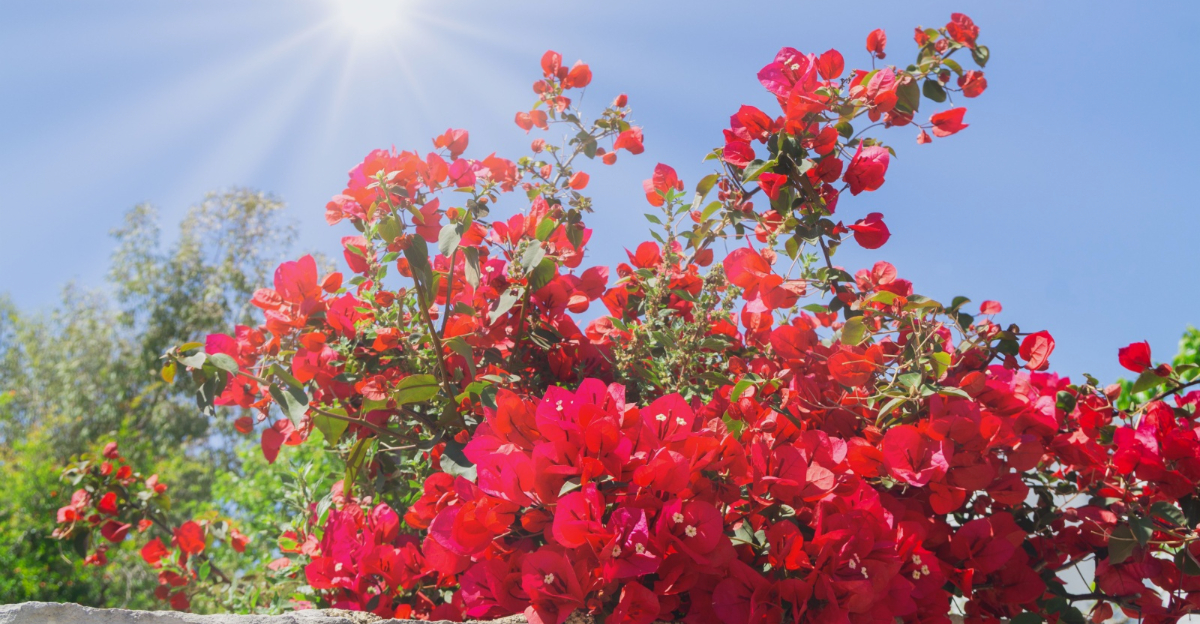
Bougainvillea seems to have two modes in Arizona: completely unimpressed by the heat or suddenly exploding with color like it is trying to outshine the sunset.
By May, these vibrant plants are waking up fast, climbing walls, spilling over patios, and turning gravel yards into something far more exciting than a sea of beige rock.
This is also the moment when a little attention goes a long way.
A quick pruning touch-up, smarter watering, or checking drainage before the brutal summer stretch can help bougainvillea stay fuller and more colorful through the hottest months ahead.
Arizona heat can be intense, but bougainvillea is one of the few plants that seems to look at triple digits and think, “Finally, my season has arrived.”
1. Full Sun Keeps Bougainvillea Blooming Strong
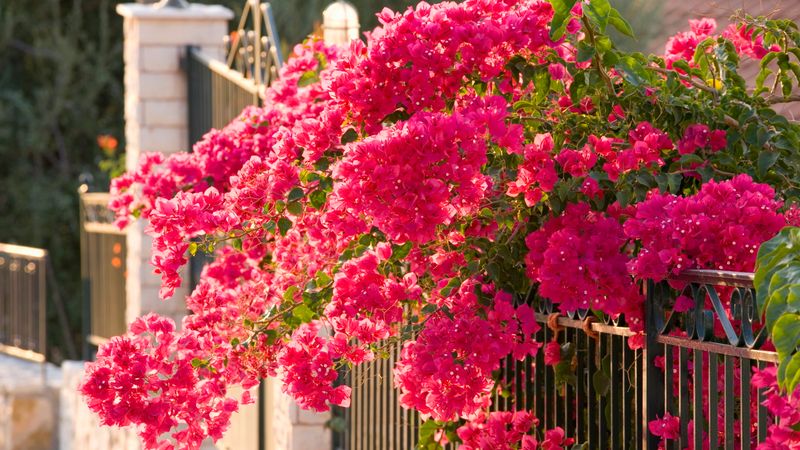
Sunny walls and south-facing fences in Arizona are some of the best spots for bougainvillea to produce its showiest color. The plant is built for full sun exposure, and May is when that relationship between sun and blooms really starts to pay off.
Bracts, which are the colorful leaf-like parts that most people call flowers, develop their richest color when the plant receives at least six hours of direct sunlight daily.
In Arizona, many homes have west and south-facing walls that reflect heat and light directly onto nearby plants. Bougainvillea placed near those surfaces tends to respond well, producing dense clusters of color through late spring.
If your plant is growing in a shadier spot, May is a good time to evaluate whether it is getting enough light before summer fully sets in.
Shifting a container plant into a sunnier location while temperatures are still manageable is much easier than trying to make adjustments once triple-digit heat arrives.
Full sun placement in Arizona supports stronger blooming and helps the plant build the energy reserves it needs to push through the most intense summer months with color still showing.
2. Deep Watering Helps During Hot May Weather
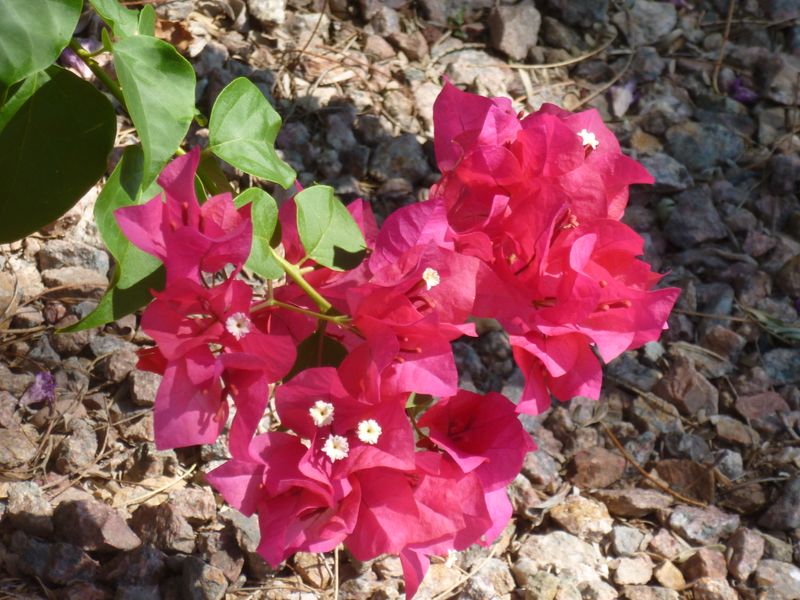
Watering bougainvillea correctly in May takes a little more thought than simply turning on a drip line.
As Arizona temperatures push into the 90s and beyond, the soil around established plants dries out faster, and the plant’s water needs shift noticeably compared to cooler months.
Deep, infrequent watering encourages roots to grow downward, which helps the plant stay more stable and resilient when extreme heat arrives.
Shallow watering tends to keep roots near the surface, where soil temperatures can get very high in Arizona’s summer conditions.
Watering deeply and then allowing the soil to dry slightly between sessions gives bougainvillea the kind of moisture cycle it naturally thrives in.
For in-ground plants, a slow, deep soak every week or so in May is often more beneficial than frequent light watering.
Container plants dry out faster than in-ground plants, especially when placed on a hot Arizona patio where pots absorb heat from all sides. Checking soil moisture with a finger or a simple moisture meter helps avoid both overwatering and underwatering.
Your Arizona Garden Changes Every Week. Your Plan Should Too.
Gardening in Arizona changes quickly throughout the season. Every Friday you’ll receive a simple weekly plan showing exactly what to plant, prune, fertilize, harvest, and protect so you never miss the right timing.
Getting the watering rhythm right before peak summer heat arrives sets the plant up for a much stronger season overall.
3. Good Drainage Keeps Roots Healthier
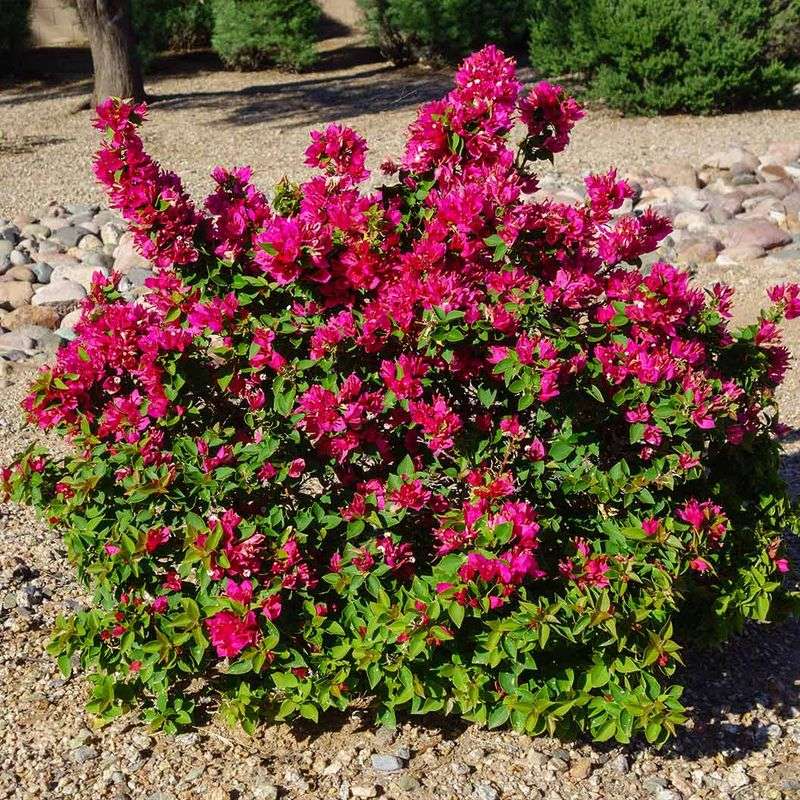
Bougainvillea roots are not fans of sitting in wet soil, and in Arizona, where heavy monsoon rains can follow long dry stretches, drainage matters more than many gardeners realize.
Even before the summer monsoon season begins, May rains or heavy irrigation can create soggy conditions that stress the root system.
A plant with healthy drainage is far better prepared to handle the weather swings that Arizona summers bring.
For in-ground plantings along patios, trellises, or courtyard walls, check that water is not pooling near the base of the plant after watering. If it is, adding coarse gravel or amending the soil with sand or perlite can help water move through more freely.
Raised planting areas naturally drain better and are worth considering if your yard has heavy clay-like soil that holds moisture too long.
Container drainage is equally important. Pots should have at least one large drainage hole, and saucers left full of standing water under containers can cause root problems even in dry Arizona conditions.
Elevating containers slightly on pot feet allows excess water to escape freely. Taking time in May to confirm that drainage is working well protects the root system before the most stressful part of the Arizona growing season begins.
4. Containers Need Closer Moisture Checks
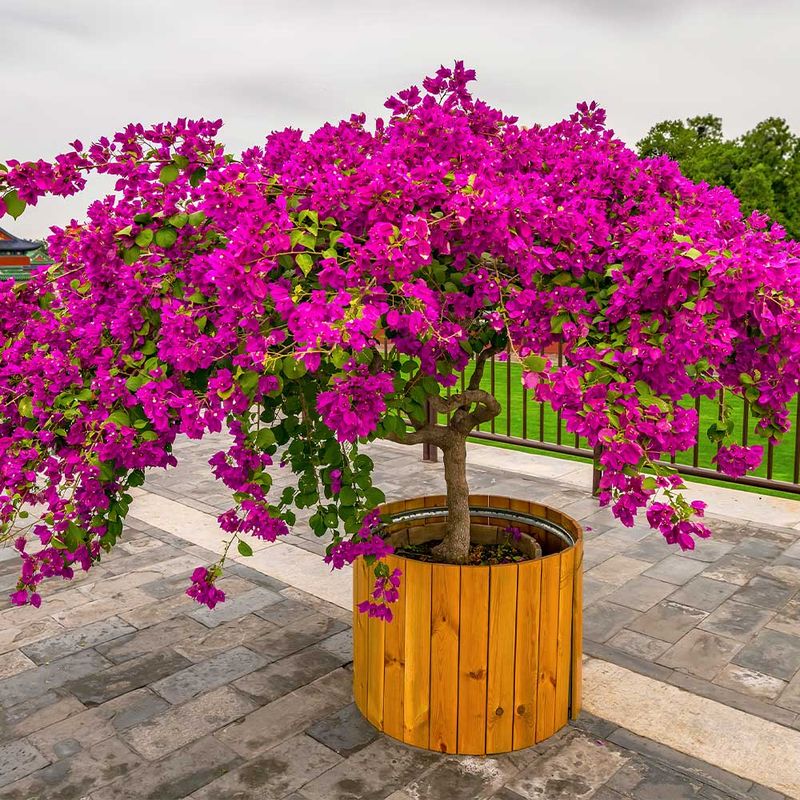
Container-grown bougainvillea in Arizona faces a unique challenge in May.
Pots heat up quickly in direct sun, and the combination of warm air, intense sunlight, and dry desert conditions causes soil moisture to evaporate much faster than most gardeners expect.
A container that feels moist in the morning can be bone dry by late afternoon on a hot Arizona day.
Checking moisture levels at least once a day becomes more important as May temperatures rise. Pushing a finger two inches into the soil gives a reliable sense of whether the plant needs water.
If the soil feels dry at that depth, it is time to water thoroughly until water drains out of the bottom of the pot. Lightweight or small pots tend to dry out the fastest and may need more frequent attention.
Choosing larger containers made from materials that do not absorb heat as quickly, such as thick ceramic or resin, can help slow moisture loss on hot Arizona patios.
Grouping containers together also creates a slightly more humid microclimate around the plants.
Staying on top of moisture checks in May, before the most intense Arizona heat arrives, helps container bougainvillea stay hydrated and continue producing colorful bracts through the warm season.
5. Light Pruning Helps Shape Spring Growth
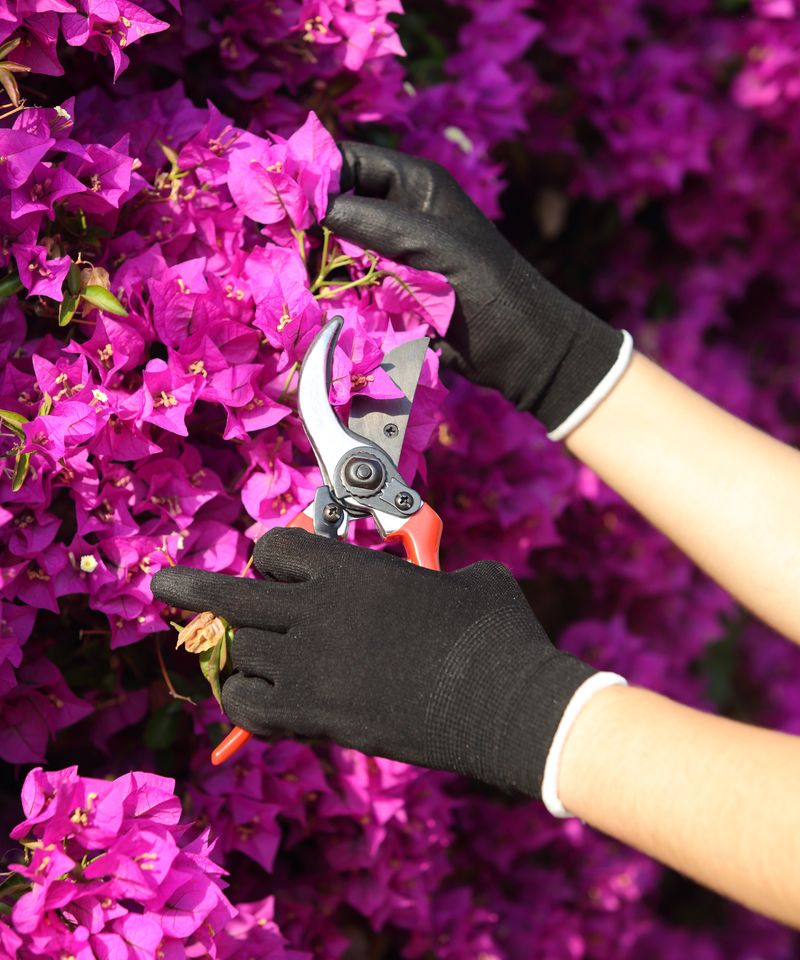
Spring growth on bougainvillea can be fast and a little unpredictable, especially in Arizona where mild winter temperatures allow some plants to keep growing year-round.
By May, many bougainvillea plants have sent out long new stems that reach in multiple directions, sometimes crossing walkways, brushing against walls, or growing away from a trellis or support structure.
Light pruning in May helps tidy up that growth before it becomes harder to manage.
The goal is not a heavy cutback but rather a gentle shaping that encourages the plant to put energy into flower production rather than long, leafy stems.
Removing the tips of new growth can trigger the plant to branch out and produce more bloom-covered stems.
Cutting back to just above a leaf node is a simple technique that helps guide the direction of new growth.
Using clean, sharp pruning shears reduces the chance of rough cuts that can stress the plant. Thick gloves are helpful since bougainvillea stems have sharp thorns that can catch skin unexpectedly.
May is a good window for light pruning in Arizona because temperatures are still manageable for working outdoors, and the plant has enough time to recover and push new growth before the hottest weeks arrive.
6. Strong Support Helps Vining Stems Stay Managed
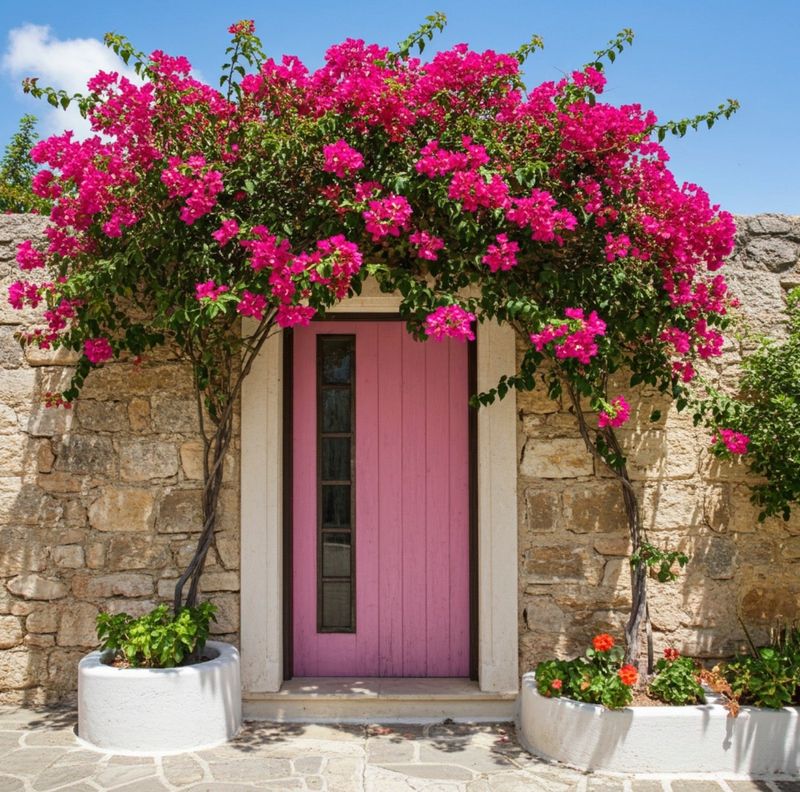
Bougainvillea grown as a vine can cover a lot of ground quickly, and without a reliable support structure, stems tend to sprawl across pathways, lean against windows, or pile up on each other in a tangled mass.
In Arizona, where these plants grow vigorously during the warm season, having solid support in place before May heat accelerates growth makes management much easier throughout the summer.
Trellises, wire frames, and sturdy wooden or metal structures all work well for guiding bougainvillea stems.
Attaching new growth loosely to the support with soft plant ties or garden tape encourages the vine to grow in the desired direction without cutting into the stems.
Checking existing ties from earlier in the season is also worthwhile since older ties can become tight as stems thicken over time.
For plants growing along Arizona courtyard walls or sunny fences, training stems horizontally rather than straight up tends to encourage more blooming along the length of the vine.
This is a technique used in many warm-climate garden designs and works especially well when the goal is a long, colorful display across a wall or patio edge.
Getting the support structure right in May means less corrective work once the plant is in full summer growth mode.
7. Low Water Use Makes Bougainvillea Desert Friendly
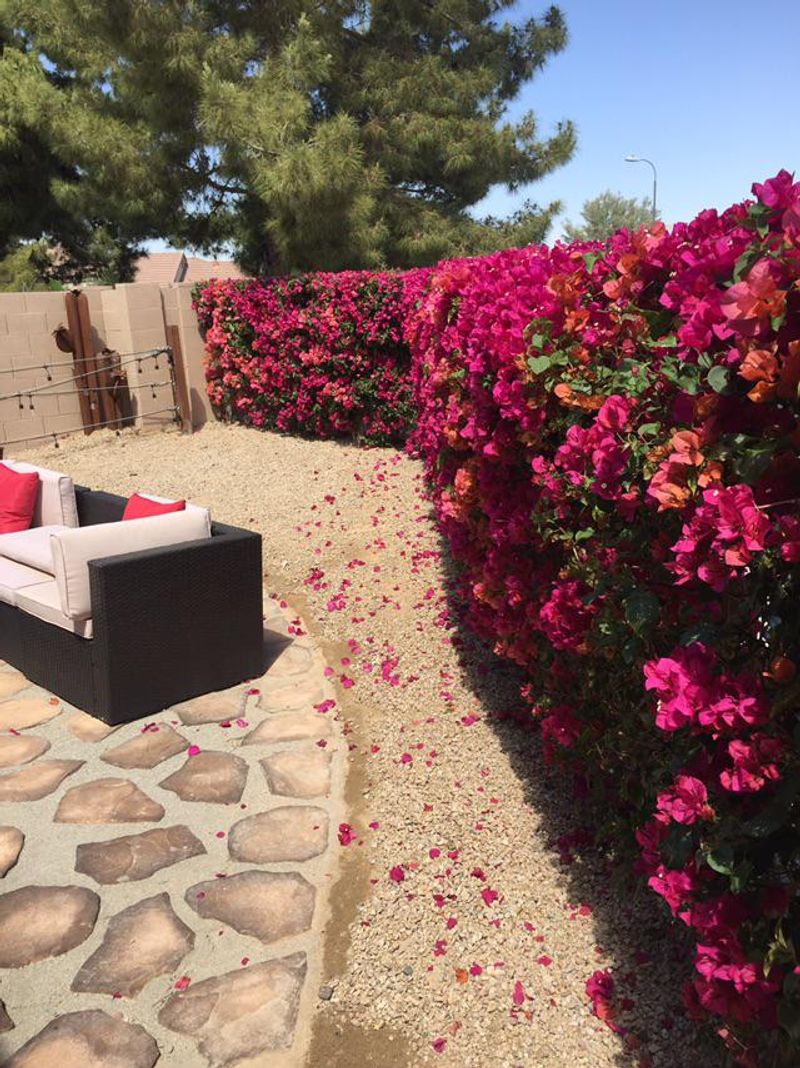
One of the reasons bougainvillea fits so naturally into Arizona landscapes is its ability to thrive with relatively modest water once it has had time to establish.
In a state where water conservation is a real and ongoing concern, choosing plants that deliver high visual impact without demanding heavy irrigation is a smart and practical approach to landscaping.
Bougainvillea checks both of those boxes in a satisfying way.
Established in-ground bougainvillea plants in Arizona can often get by with deep watering every one to two weeks during May, depending on temperatures and soil type.
Reducing irrigation slightly compared to more water-hungry plants does not mean neglecting the plant.
It means working with the plant’s natural drought tolerance rather than against it. Overwatering is actually one of the more common mistakes made with bougainvillea in desert gardens.
Pairing bougainvillea with other low-water plants, gravel mulch, and decomposed granite in an Arizona xeriscape design creates a landscape that looks rich in color while using water thoughtfully.
The vivid pinks, oranges, reds, and purples that bougainvillea produces make it one of the most visually striking choices for water-wise Arizona gardens.
May is a great time to review your irrigation schedule and make sure it aligns with the plant’s actual needs rather than a one-size-fits-all approach.
8. Reflected Heat Works For Established Plants
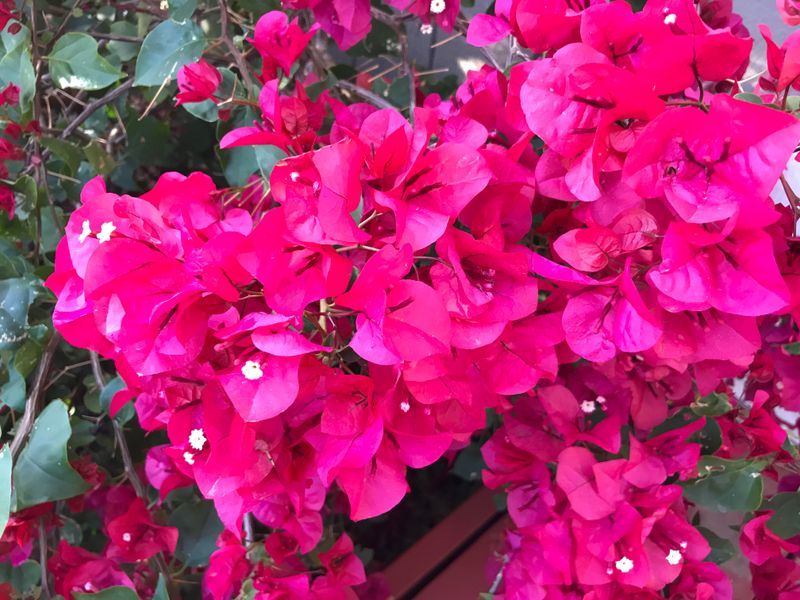
Walls, fences, and paved surfaces in Arizona absorb heat throughout the day and radiate it back toward nearby plants during the evening hours. For many plants, this kind of reflected heat is stressful and damaging.
Bougainvillea, once it has settled in and developed a strong root system, tends to handle reflected heat surprisingly well and may even respond with more intense bract color when grown near a warm masonry wall.
South and west-facing walls in Arizona are especially prone to collecting and reflecting heat, and bougainvillea planted nearby can take advantage of that warmth to extend its blooming season.
The key is making sure the plant is truly established before it faces the most intense heat exposure.
A newly planted bougainvillea placed against a blazing west wall in June without adequate root development may struggle, but one that has been in the ground for a full season or more is in a much better position.
May is still early enough to make smart placement decisions before the harshest heat sets in. If you are considering moving a container bougainvillea closer to a warm wall, doing it now gives the plant time to adjust gradually.
Established plants near reflective Arizona surfaces often reward gardeners with especially vivid color through the long, hot summer months ahead.