7 Tips To Keep Your Oxalis Plants Blooming In Texas
Have you ever grown a plant that looked absolutely perfect for about three weeks and then spent the rest of the season making you question every decision you made in the garden?
For a lot of Texas gardeners, Oxalis fits that description more often than it should, not because it’s a difficult plant by nature, but because keeping it blooming consistently in Texas conditions requires a few specific adjustments that most people never figure out.
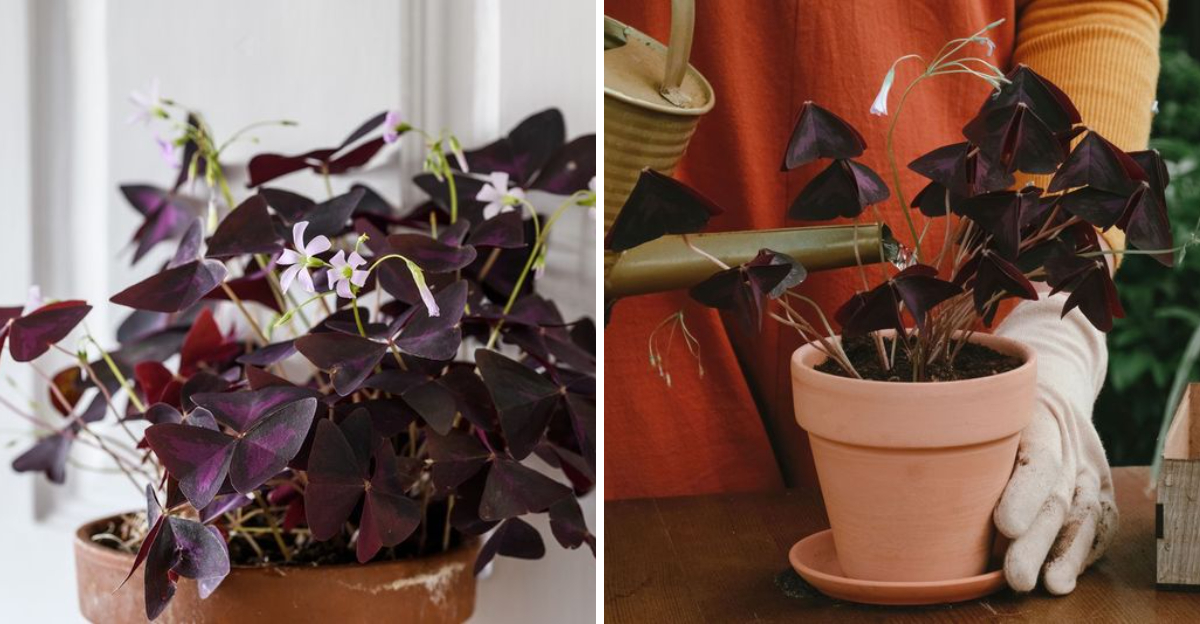
Oxalis has real potential in Texas gardens and indoor spaces. The foliage alone is worth growing it for, with those distinctive clover-shaped leaves in deep purples, greens, and variegated patterns that look genuinely interesting year-round.
The flowers, when they show up reliably, take the whole plant to another level entirely. Getting those blooms to keep coming rather than showing up sporadically takes understanding what this plant actually needs in Texas’s specific climate, and the answers are more straightforward than most people expect.
1. Give Them Bright Indirect Light
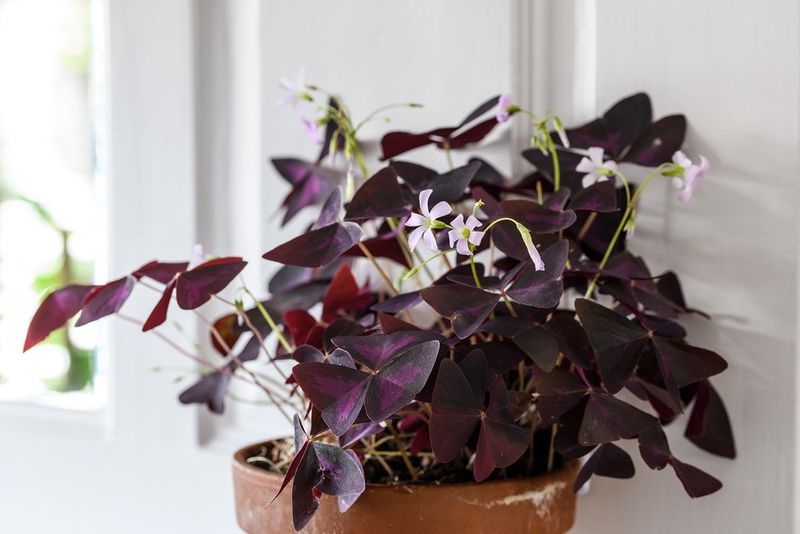
Sunlight is everything for oxalis, but too much of the wrong kind can actually slow down blooming instead of boosting it. In Texas, the afternoon sun can be incredibly intense, especially during the warmer months.
Placing your oxalis where it gets morning light and afternoon shade is one of the smartest moves you can make.
A spot near an east-facing window works beautifully for indoor plants. Outside, look for a location that gets dappled light or is shaded by a tree or structure after noon.
This balance gives the plant enough energy to produce flowers without getting scorched or stressed.
Many Texas gardeners have found success growing oxalis on covered patios or porches where bright, indirect light filters through. The plant thrives when it gets around four to six hours of gentle light each day.
Too little light, and the flowers become sparse. Too much harsh direct sun, and the leaves may curl or fade.
Oxalis plants are surprisingly sensitive to light changes. If you notice your plant leaning toward a window or the flowers closing up during the day, it might be signaling that it needs a better light position.
Rotating the pot every week or two helps ensure even growth on all sides. Getting the lighting right in Texas is truly the foundation of a blooming oxalis.
Once you find that sweet spot of bright but gentle light, you will notice more buds, stronger stems, and leaves that stay lush and full of color throughout the season.
2. Avoid Overwatering
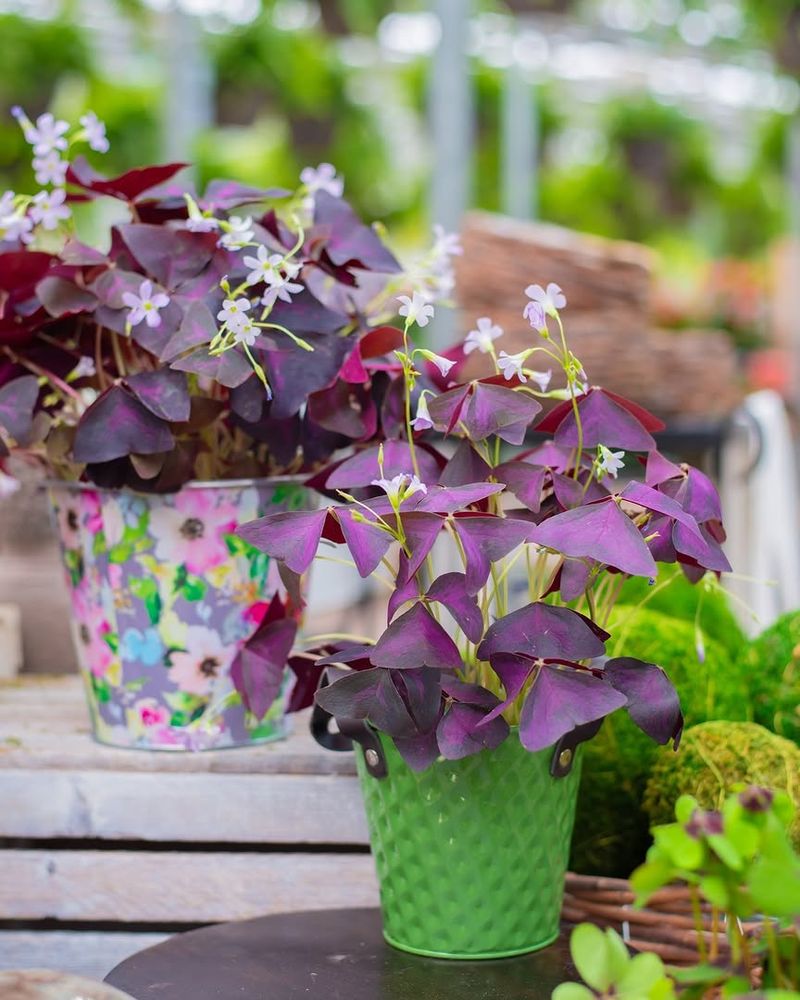
Watering mistakes are one of the most common reasons oxalis plants stop blooming in Texas. It is easy to assume that more water equals more flowers, but oxalis actually prefers a bit of dryness between drinks.
Overwatering leads to soggy roots, bulb rot, and a plant that struggles to produce any blooms at all.
The best rule of thumb is to let the top inch or two of soil dry out before watering again. Stick your finger into the soil up to the second knuckle.
Your Texas Garden Changes Every Week. Your Plan Should Too.
Gardening in Texas changes quickly throughout the season. Every Friday you’ll receive a simple weekly plan showing exactly what to plant, prune, fertilize, harvest, and protect so you never miss the right timing.
If it still feels damp, wait another day or two before adding more water. This simple check takes only a few seconds and can save your plant from serious trouble.
Texas weather adds another layer of complexity. During hot and dry spells, the soil dries out faster, so you may need to water more often.
But during cooler or humid stretches, the soil holds moisture longer. Always base your watering schedule on what the soil actually feels like, not on a fixed calendar routine.
Using pots with drainage holes is also a must. Standing water at the bottom of a pot creates the perfect environment for root problems and fungal issues. Empty saucers after watering so excess moisture does not linger beneath the pot.
Getting your watering rhythm right makes a noticeable difference. A well-hydrated but not waterlogged oxalis plant will reward you with stronger stems, brighter leaves, and a steady stream of colorful blooms throughout the growing season in Texas.
3. Use Well-Draining Soil
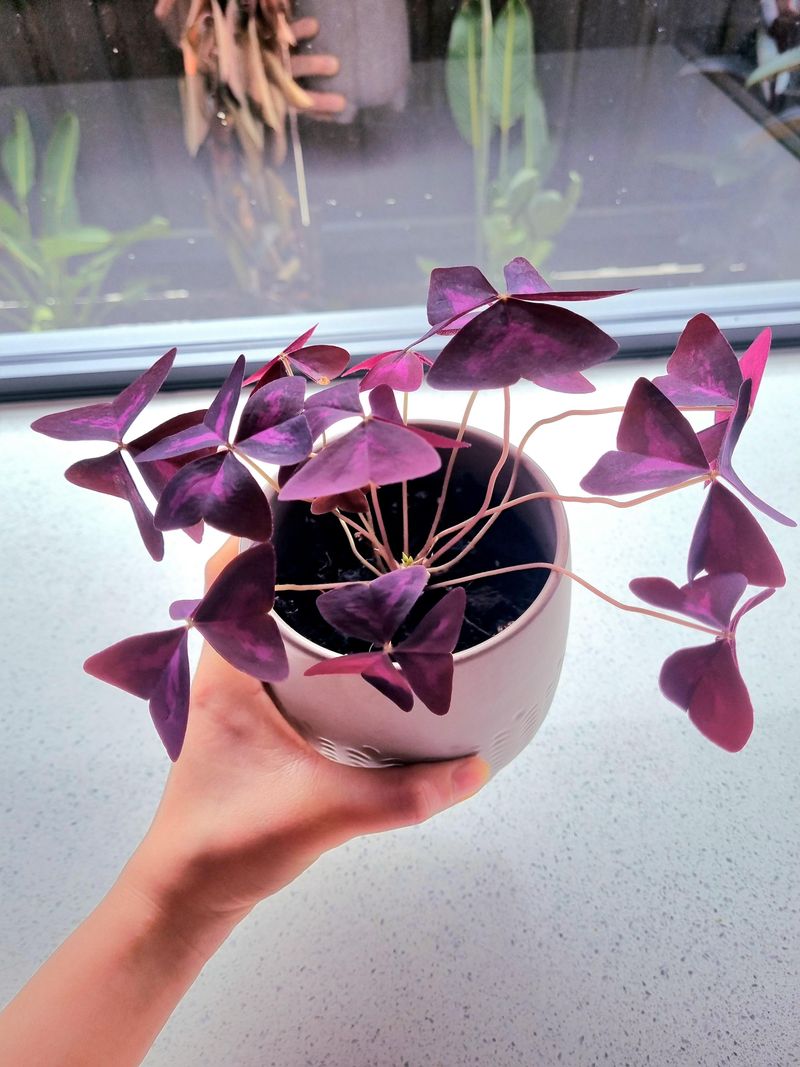
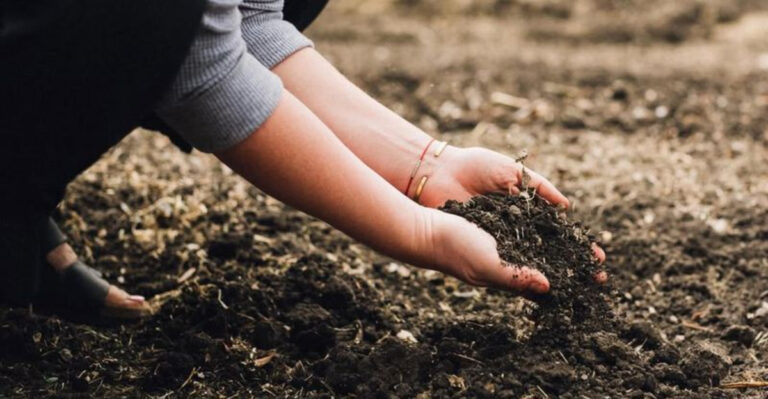
Soil might not be the most exciting topic in gardening, but it plays a huge role in whether your oxalis plants bloom or not. Heavy, compact soil holds too much water and suffocates the roots.
Oxalis bulbs need room to breathe, and they do best in a loose, fast-draining mix that lets water move through quickly.
A good potting mix for oxalis often includes a blend of standard potting soil, perlite, and coarse sand.
This combination keeps the soil light and airy while still holding just enough moisture for the roots to absorb what they need. You can find these materials at most garden centers across Texas.
If you are planting oxalis directly in the ground in Texas, amend your native soil before planting. Many Texas soils, especially clay-heavy ones in areas like Houston or DFW, drain poorly and can cause root problems.
Mix in compost and coarse sand to improve drainage before adding your bulbs. Raised beds are another excellent option for Texas gardeners.
They give you full control over the soil composition and naturally improve drainage since water flows downward and away from the roots. Many oxalis growers in Texas swear by raised beds for getting the best blooms.
Choosing the right soil from the start sets your plant up for long-term success. When the roots are comfortable and the drainage is spot on, oxalis can focus all its energy on what it does best, which is pushing out those beautiful, cheerful flowers that brighten up any Texas garden or porch.
4. Protect Plants From Extreme Heat
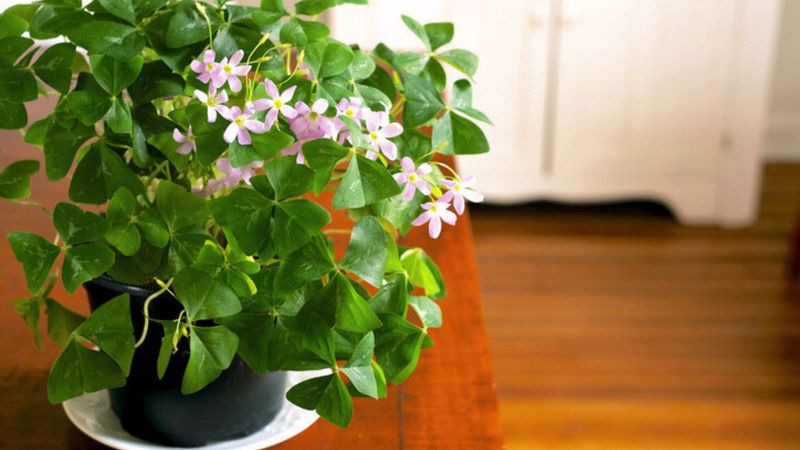
Anyone who has spent a summer in Texas knows just how brutal the heat can get. Temperatures regularly climb above 100 degrees Fahrenheit, and that kind of intense heat is tough on oxalis plants.
When temperatures soar, oxalis often slows its growth and may stop producing flowers altogether as a way of protecting itself.
Moving potted oxalis to a cooler, shaded spot during peak summer heat is one of the easiest ways to protect it. A covered porch, a spot under a large tree, or even bringing it indoors near an air-conditioned room can make a real difference.
The goal is to shield the plant from the harshest part of the day, which is usually between noon and four in the afternoon.
For oxalis planted in the ground across Texas, consider using shade cloth during the hottest weeks of summer. This lightweight fabric filters sunlight and reduces the temperature around the plant without blocking airflow.
It is an affordable and effective solution that many Texas gardeners use throughout July and August.
Mulching around the base of outdoor oxalis plants also helps regulate soil temperature. A two to three inch layer of mulch keeps the roots cooler and holds in moisture, which reduces heat stress on the plant during scorching Texas afternoons.
Protecting your oxalis from extreme heat does not have to be complicated. Small, thoughtful adjustments to its environment during the hottest months can mean the difference between a plant that struggles and one that bounces back quickly, ready to bloom again when temperatures cool down.
5. Feed Monthly During Active Growth
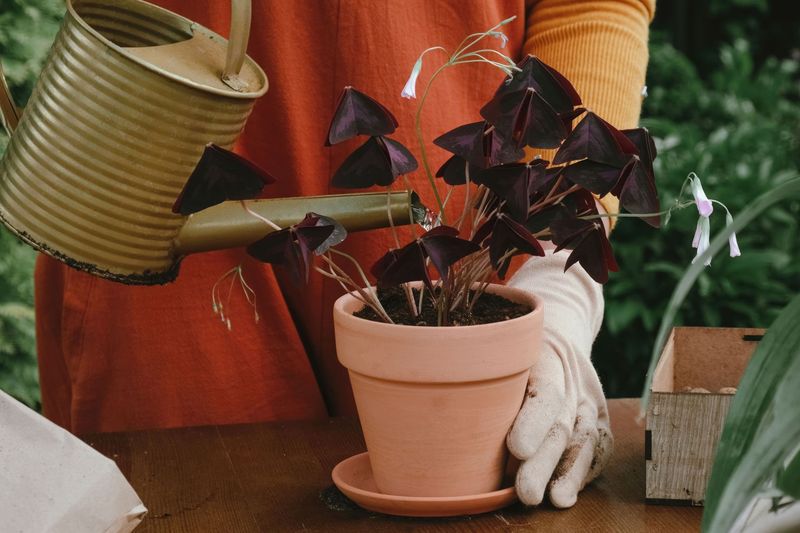
Picture your oxalis plant as a marathon runner gearing up for a long race. It needs the right fuel to keep going strong and producing those bright, cheerful blooms.
Monthly fertilizing during the active growing season gives oxalis exactly what it needs to perform at its best in the Texas climate.
A balanced liquid fertilizer, something like a 10-10-10 or 20-20-20 formula, works well for oxalis. These numbers refer to the ratio of nitrogen, phosphorus, and potassium in the fertilizer.
Nitrogen supports leafy green growth, phosphorus encourages strong roots and flower production, and potassium helps the overall health of the plant.
Apply fertilizer once a month during spring and fall, which are the main active growing periods for oxalis in Texas. Avoid feeding heavily during the peak of summer heat when the plant is stressed or slowing down.
Fertilizing a stressed plant can actually make things worse by burning the roots. Always dilute liquid fertilizer to half the recommended strength when feeding oxalis. This plant is not a heavy feeder, and too much fertilizer can lead to lush leaves but fewer flowers.
A lighter, consistent approach works far better than large, infrequent doses. After a few weeks of monthly feeding, you will likely start to notice more buds forming and the foliage looking greener and more vibrant.
Consistent nutrition is one of the quieter secrets behind a truly stunning oxalis display, and Texas gardeners who fertilize regularly tend to enjoy far more blooms throughout the season.
6. Remove Spent Blooms Regularly
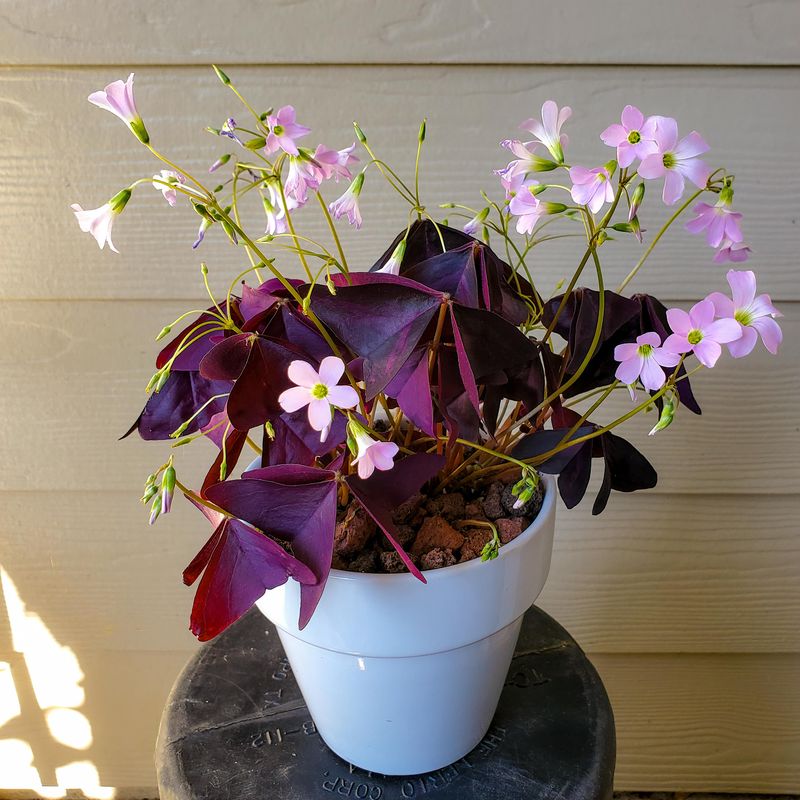
There is something almost meditative about walking through your garden and snipping off faded flowers. With oxalis, this practice, known as deadheading, is more than just tidying up.
It is one of the most effective ways to keep the plant blooming longer and more abundantly throughout the Texas growing season.
When a flower fades, the plant naturally shifts its energy toward producing seeds. Seeds are the plant’s way of reproducing, but for a gardener who wants continuous color, that energy is better spent making new flowers.
By removing spent blooms before they go to seed, you redirect the plant’s resources back into flower production.
Deadheading oxalis is simple and requires no special tools. You can pinch off faded flowers with your fingers or use a small pair of clean scissors or pruning snips.
Try to remove the spent flower along with its stem down to the base of the plant. This keeps things looking tidy and prevents any rotting material from sitting on the soil surface.
Make it a habit to check your oxalis every few days, especially during active blooming periods in spring and fall here in Texas. A quick five-minute inspection and cleanup session can make a big difference in how long your plant keeps producing flowers.
Regular deadheading also improves airflow around the plant, which reduces the risk of fungal issues in Texas’s sometimes humid conditions. It is one of those small gardening habits that takes almost no time but delivers impressive results season after season.
7. Allow A Natural Dormancy Period
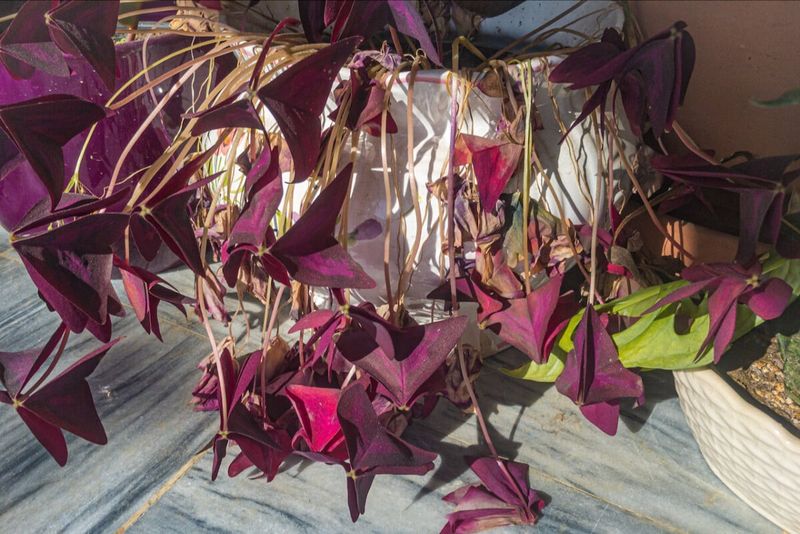
Here is something that surprises many first-time oxalis growers in Texas: the plant sometimes appears to stop growing or even looks like it is fading away entirely. Before you panic or toss the pot, know that this is completely normal.
Oxalis goes through a natural dormancy period, usually triggered by intense summer heat or shorter winter days.
During dormancy, the leaves may yellow, droop, or disappear altogether. The bulbs beneath the soil are still alive and resting, storing up energy for the next growing season.
The key is to resist the urge to overwater or fertilize a dormant plant, as that can actually harm the resting bulbs.
When your oxalis enters dormancy in Texas, especially during the brutal summer months, move the pot to a cool, dry spot out of direct sun.
Cut back on watering significantly, giving just enough moisture to prevent the soil from becoming bone dry. Let the plant rest quietly until conditions improve.
Once temperatures drop and the weather becomes more comfortable, usually in early fall across much of Texas, you will start to see new growth emerging from the soil. This is your signal to gradually resume regular watering and begin monthly fertilizing again.
Dormancy is not something to fight against. Accepting this natural cycle and working with it, rather than against it, is one of the most important things you can do as an oxalis grower in Texas.
Plants that are allowed to rest properly almost always come back stronger, with more vigorous growth and a fresh burst of beautiful blooms.