This May Be Florida Gardeners’ Last Easy Chance To Plant Annuals Before June Heat
There’s a narrow window right now and it’s closing faster than most Florida gardeners realize. The kind of planting window that feels open and generous until one week it simply isn’t, and the heat that follows makes the decision for you whether you’re ready or not.
June in Florida does not ease in gradually.
It arrives with humidity that sits on everything, soil temperatures that climb well past comfortable, and afternoon heat that turns a newly planted annual into a lost cause before it ever gets established.
What thrives in May can barely survive in June, and the gap between those two months is smaller on the calendar than it feels in the garden. Annuals planted right now still have just enough time to root in, settle, and put on a real show before summer tightens its grip.
Wait another few weeks and the selection narrows, the stress on young plants multiplies, and the results reflect it.
This is the window. It’s worth using it well.
1. May Is The Last Easy Planting Window
Gardening in Florida has its own rhythm, and May is one of the last months where that rhythm still feels manageable.
Temperatures are warm but not yet brutal, afternoon rains are starting to build, and the soil is moist enough to welcome new transplants without cooking them on contact.
For many warm-season annuals, May is one of the last easy planting windows before summer conditions make establishment more demanding.
South Florida gardeners should be honest with themselves right now. By mid-May, Miami-Dade, Broward, and Palm Beach County gardens are already brushing up against early summer heat and rainfall patterns.
Many annuals that thrive in spring are already fading there, and the focus should shift toward proven heat performers only.
North Florida, including Tallahassee and Pensacola, still has a slightly more forgiving window, but June can arrive fast and without much warning.
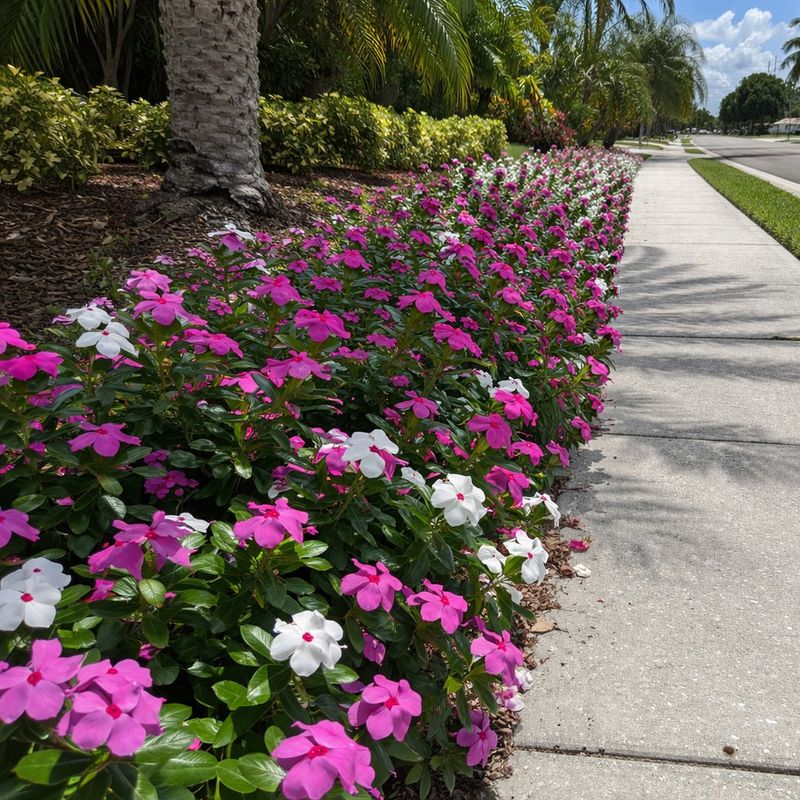
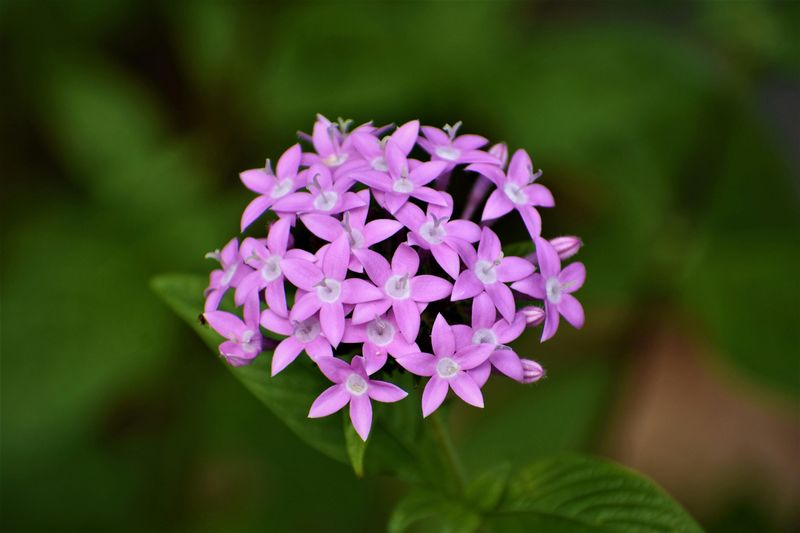
Central Florida sits in between, where plant choice and timing together determine success. Good options for this window include pentas, salvia, vinca, zinnias, melampodium, and torenia for shaded or partly shaded beds.
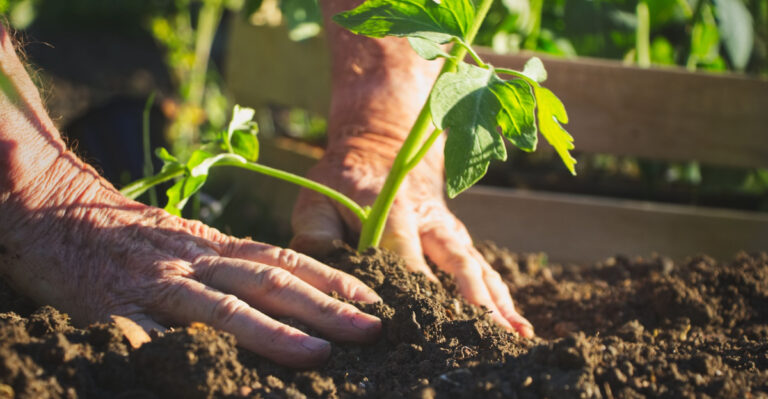
These plants have the best chance of rooting in before summer stress peaks. Planting early in the morning, watering right away, and adding a layer of mulch immediately after planting can give each transplant a real head start.
UF/IFAS Extension recommends choosing plants suited to your specific region and microclimate rather than following a one-size-fits-all calendar.
The goal is to get roots established while conditions are still on your side, because a well-rooted plant handles heat, rain, and humidity far better than one still struggling to settle in.
2. June Heat Changes The Rules Fast
Anyone who has gardened through a Florida June knows exactly what that first real heat spike feels like. The air gets thick, the sun feels closer, and afternoon storms roll in with almost no warning.
For annuals still trying to put down roots, those conditions create serious stress that even tough plants can struggle through.
Your Florida Garden Changes Every Week. Your Plan Should Too.
Gardening in Florida changes quickly throughout the season. Every Friday you’ll receive a simple weekly plan showing exactly what to plant, prune, fertilize, harvest, and protect so you never miss the right timing.
Hot soil is one of the biggest problems late planters face. When soil temperatures climb above 90 degrees Fahrenheit, root development slows down and transplant shock becomes much more likely.
Add heavy afternoon downpours that can waterlog roots, followed by blazing sun that dries the surface out again, and you have conditions that test even the hardiest annuals.
Pest pressure also increases in June, with aphids, whiteflies, and fungal issues becoming more common as humidity builds.
Practical timing can help. Planting in the early morning, when temperatures are lower and the soil has had the night to cool slightly, gives transplants a gentler start than midday or afternoon planting.
Avoid buying stressed nursery plants that are already wilting, root-bound, or showing yellow leaves. A plant that arrives stressed will have a much harder time recovering under June conditions.
South Florida gardeners at this point should focus mainly on annuals with proven heat and heavy rain tolerance, such as pentas and vinca.
North Florida gardeners may still have a short but real window for careful planting through early June if temperatures have not yet spiked.
Watching your local forecast rather than the calendar alone is always the smarter approach across the state.
3. Warm Season Annuals Need A Head Start
Even plants that love heat still need time to settle before the hardest part of summer arrives.
A vinca or pentas dropped into the ground in late May has a few precious weeks to push out new roots before June storms and triple-digit heat indexes become the daily reality.
That head start makes a measurable difference in how well the plant blooms and holds up through the season.
Late planting often means more work for the gardener, not just the plant. Transplants that have not rooted in fully need more frequent watering, more attention after storms, and more monitoring for wilting or disease.
Blooms may also come later or be fewer in number if the plant spends its early energy surviving rather than flowering. Getting plants in the ground now, rather than waiting another week or two, can shift that equation in your favor.
Regionally, the choices that make the most sense are plants with a reputation for heat tolerance and fast establishment. Pentas are a Florida standout, attracting butterflies while handling heat and humidity with ease.
Vinca thrives in full sun and bounces back quickly after storms. Salvia comes in many varieties and performs well across North, Central, and South Florida.
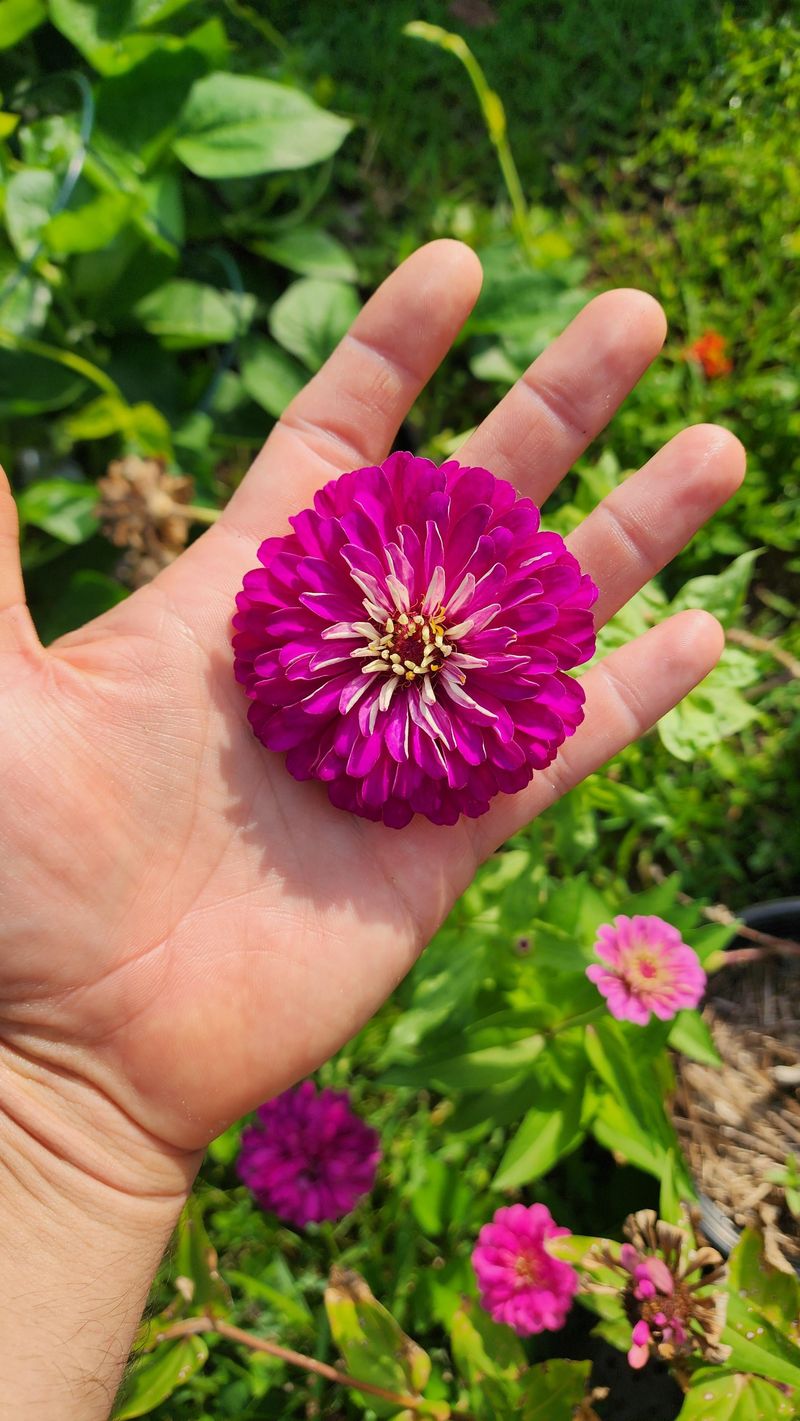
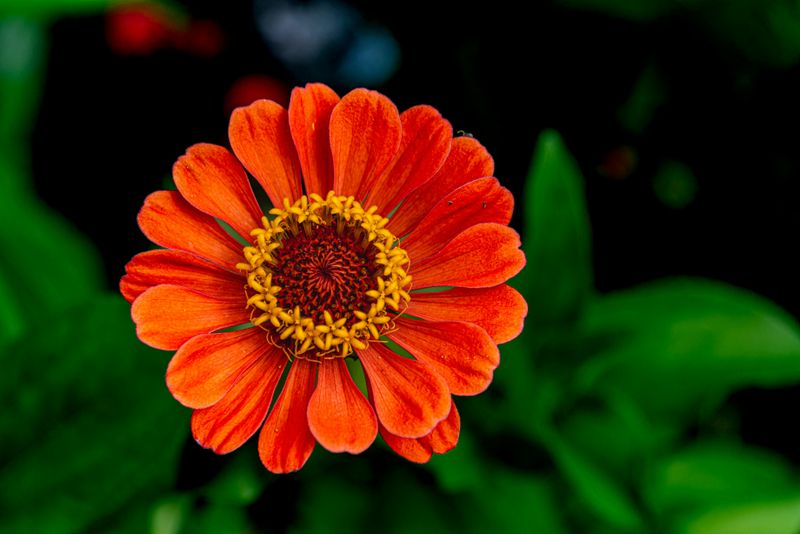
Zinnias add bold color and do well where air circulation is good. Melampodium is low-maintenance and surprisingly tough.
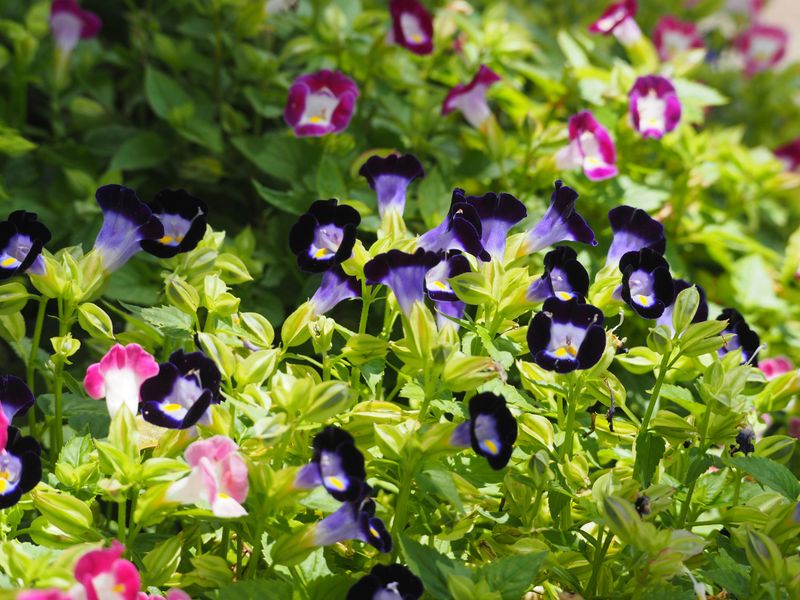
Coleus brings foliage color to shadier spots without needing blooms to look impressive. Torenia is a smart pick for part-shade beds where other annuals tend to fade.
Each of these gives Florida gardeners a realistic shot at summer color when planted soon.
4. Transplants Beat Seeds Before Summer Heat
Starting from seed sounds satisfying, and in the right season it absolutely is. But planting annual seeds this close to Florida’s summer is a gamble that rarely pays off.
Most warm-season annuals need several weeks just to germinate and push out their first true leaves, and by the time a seed-started plant is anywhere close to transplant size, June heat will already be doing its worst.
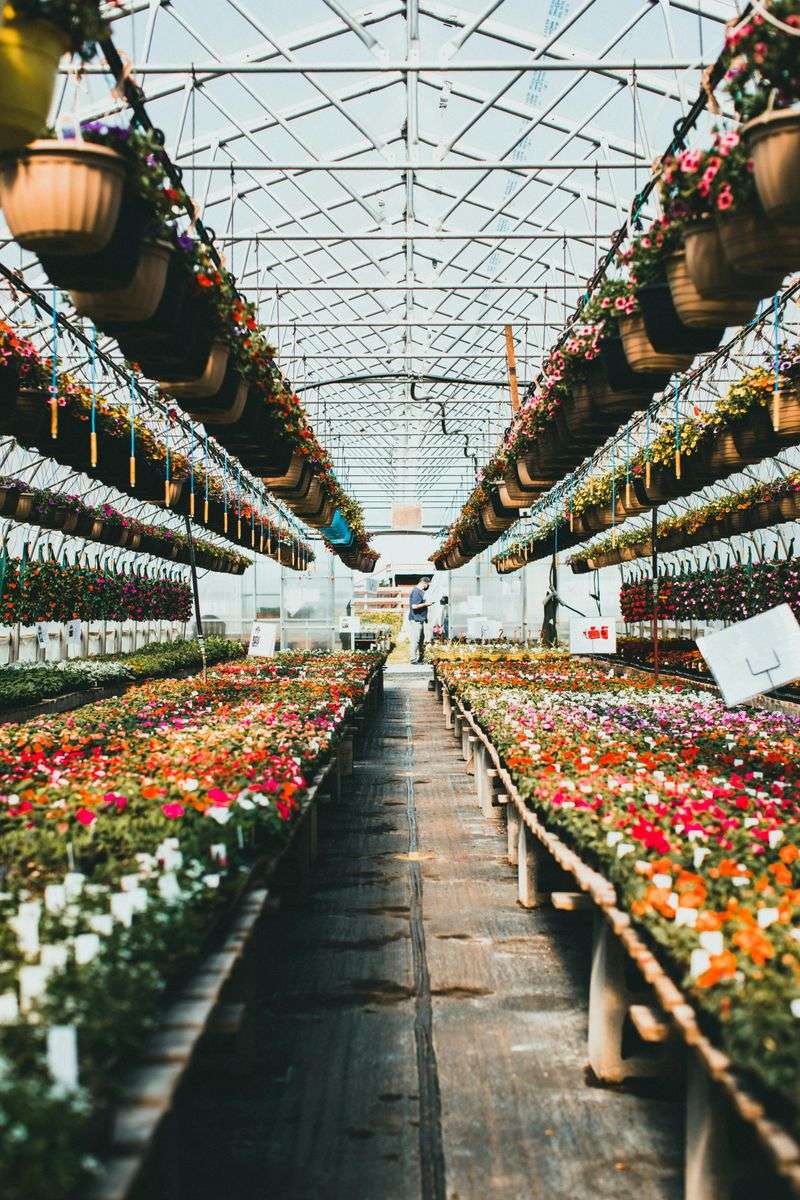
Transplants skip that waiting period entirely. A healthy transplant from a local nursery already has a root system, a stem, and sometimes even a few buds ready to open.
It just needs a good hole, some water, and a little mulch to get moving. For gardeners working against the calendar right now, that faster start is not just convenient, it is genuinely important for getting plants established before summer stress peaks.
Choosing the right transplant matters just as much as choosing the right plant. Look for compact, bushy plants with deep green leaves and no signs of wilting, yellowing, or root crowding.
Avoid anything that looks leggy, stretched, or pot-bound, because those plants are already stressed before they even hit your garden soil.
South Florida gardeners especially should skip seed-starting entirely at this point unless the variety is extremely fast and specifically bred for heat tolerance.
Zinnias are one of the few annuals that can germinate and establish quickly enough to make direct seeding worth considering in early May, but even then, transplants are safer.
Spending a few extra dollars on healthy nursery starts now is almost always a better investment than gambling on seeds this late in the season.
5. Choose Annuals That Can Handle Florida Humidity
Humidity in Florida is not just uncomfortable for people. It creates real challenges for plants too, especially annuals that were bred for drier climates or cooler summers.
Choosing the wrong annual for Florida’s wet season is a fast way to end up with rotted stems, fungal leaf spots, or plants that simply melt away after the first few heavy rains roll through.
Plant selection should always account for sun exposure, drainage, and regional location. A zinnia that thrives in a breezy, well-drained North Florida raised bed may rot in a low-lying Central Florida yard that collects water after storms.
Torenia loves humidity and does beautifully in part-shade spots where other annuals struggle. Coleus is another shade-friendly option that brings rich foliage color without needing full sun to look its best.
Melampodium handles both heat and moisture better than many gardeners expect, making it a reliable filler for sunny beds across the state.
Pentas, vinca, and salvia remain top recommendations from UF/IFAS Extension for Florida’s summer conditions because they have proven track records across all three regions of the state.
Vinca in particular has excellent tolerance for both heat and moderate drought once established, which makes it a smart choice for spots that dry out between rain events.
Air circulation matters too, especially for zinnias, which can develop powdery mildew in still, humid air. Spacing plants properly and avoiding overcrowding helps reduce fungal pressure through the wet season.
Matching the right plant to the right spot, based on your actual yard conditions rather than what looks pretty at the nursery, is the key to real summer success in Florida.
6. North Florida Still Has A Short Window
There is a common misconception that North Florida gardeners have the same long, forgiving planting window as gardeners in the Southeast or Mid-Atlantic.
In reality, North Florida does experience a genuine seasonal shift from spring to summer, and once that shift happens, it moves fast.
Pensacola, Tallahassee, Gainesville, and Jacksonville all see heat and humidity ramp up as summer arrives, so annuals planted later may need more careful watering, mulching, and plant selection.
The good news is that late May still offers North Florida gardeners a real opportunity. Soil temperatures are warm enough to encourage root growth, but afternoon highs have not yet reached the punishing levels that July and August bring.
Quick-establishing transplants are the smartest move right now, paired with consistent watering and a good layer of mulch to keep roots cooler during the hottest parts of the day.
Zinnias, pentas, salvia, and melampodium all perform well in North Florida’s summer conditions when given enough time to root in before peak heat arrives.
Watching local temperatures is smarter than following a fixed calendar date. Some years, North Florida’s heat arrives earlier than expected, while other years a cooler, wetter late spring can extend the comfortable planting window by a week or two.
Local UF/IFAS Extension offices in North Florida, including the Leon County and Alachua County offices, publish timely gardening guides that reflect current conditions rather than general statewide averages.
Checking those resources regularly gives North Florida gardeners the most accurate picture of when to plant, what to plant, and how to care for new transplants as summer conditions build.
Acting now, rather than waiting for the perfect moment, is almost always the right call.
7. Water Deeply Before The Heat Spikes
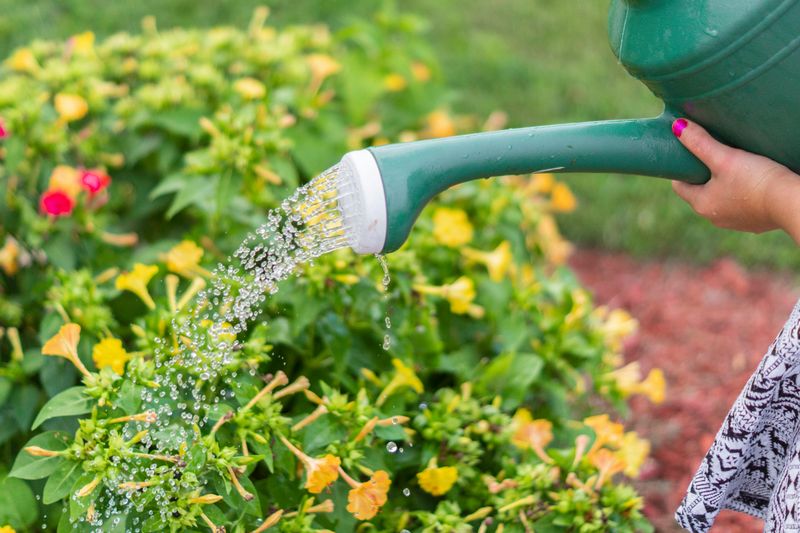
Getting plants in the ground is only half the job. What happens in the first two to three weeks after planting is just as important as the planting itself, especially when summer heat is closing in fast.
Annuals planted close to Florida’s wet season need consistent moisture to push out new roots, but they should never sit in soggy soil that cuts off oxygen and invites root problems.
Deep watering is more effective than frequent shallow watering. Wetting just the top inch of soil encourages roots to stay near the surface, where they are most vulnerable to heat and drying out.
Watering deeply and less often trains roots to grow downward, where soil stays cooler and holds moisture longer between rain events. Morning is the best time to water because it gives foliage time to dry before nightfall, which reduces fungal pressure in Florida’s humid air.
Mulch is one of the most underrated tools a Florida gardener has. A two-to-three-inch layer of organic mulch around new transplants helps hold soil moisture, moderate soil temperature, and suppress weeds that compete for water and nutrients.
Containers dry out much faster than in-ground beds and may need daily watering during hot, dry stretches before the summer rains fully establish their pattern.
South Florida gardeners should be prepared for heavy afternoon downpours that can temporarily waterlog beds, making good drainage just as important as regular watering.
Central Florida’s storm cycles can be unpredictable, swinging between dry spells and flooding rains within the same week. Grouping plants with similar water needs together makes aftercare simpler and more consistent across all Florida regions.