Native Ohio Plants To Grow Instead Of Petunias This May
We have all been there. You walk into the garden center in May and practically go into a petunia-induced trance.
They are bright, they are cheap, and they are everywhere! But honestly, your Ohio yard might be craving a little more local flavor this year.
While petunias are the ultimate classic choice for a quick pop of color, they are basically just pretty tourists in our Buckeye soil.
If you want a garden that actually does some heavy lifting for our local bees and butterflies, it is time to look at some homegrown heroes.
These native Ohio beauties bring serious curb appeal and way more personality than a standard flat of annuals.
They settle into our climate like they own the place (because they do!).
1. Butterfly Weed Brings Bright Color And Pollinator Appeal
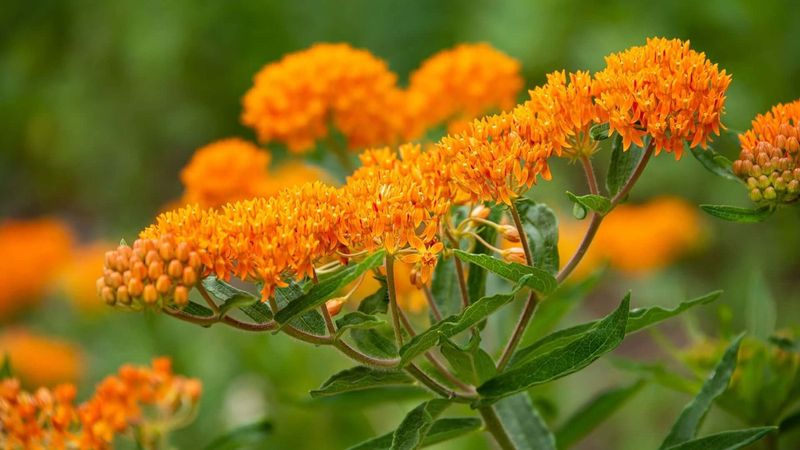
Few native Ohio plants match the visual punch of butterfly weed when it blooms in a sunny garden bed.
The flowers are a vivid, warm orange that stands out from almost any distance, and they arrive in late spring through midsummer, giving Ohio gardens a reliable burst of color right when petunias are usually planted.
Unlike petunias, butterfly weed is a true Ohio native that belongs to the milkweed family, making it one of the most important plants a home gardener can grow for monarch butterflies.
Butterfly weed thrives in full sun and well-drained soil, which makes it a natural fit for sunny Ohio flower beds that tend to dry out in summer.
It does not need rich soil or heavy watering once it settles in, and it tends to get stronger each season as its deep taproot establishes.
That low-maintenance quality is genuinely appealing for gardeners who want color without constant upkeep.
In a home landscape, butterfly weed works well in mixed borders, pollinator gardens, and sunny foundation beds. It pairs nicely with black-eyed Susans and purple coneflowers for a layered native planting that carries color from June into fall.
While it will not spill over a container edge the way petunias do, its upright shape and vivid flowers give Ohio gardens a bold, locally grounded look that is hard to find in any annual bedding plant.
2. Purple Coneflower Adds Strong Summer Interest
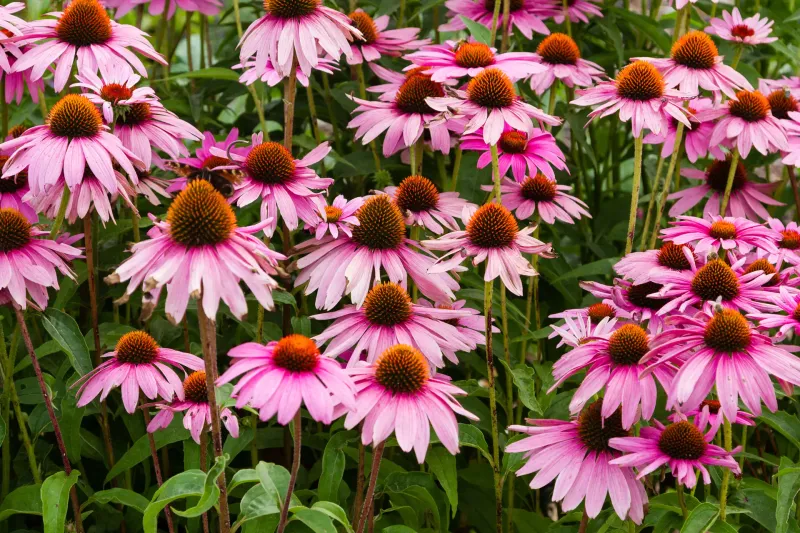
Walk through almost any Ohio native plant garden in summer and you will likely spot purple coneflower holding its own against the heat.
Known botanically as Echinacea purpurea, this plant produces rosy purple petals that sweep back from a raised, spiky center cone, creating a bold flower shape that petunias simply cannot replicate.
It blooms from midsummer into early fall, which means Ohio gardeners get a long window of color from a single planting.
Purple coneflower grows well in full sun to light shade and handles Ohio summers with ease. It is not fussy about soil quality, tolerates dry spells once established, and tends to multiply gradually over the years as a self-seeding perennial.
That long-term quality is one of the clearest differences between a native perennial and an annual like a petunia, which needs to be replanted each season.
Your Ohio Garden Changes Every Week. Your Plan Should Too.
Gardening in Ohio changes quickly throughout the season. Every Friday you’ll receive a simple weekly plan showing exactly what to plant, prune, fertilize, harvest, and protect so you never miss the right timing.
For home landscapes, purple coneflower fits well in mixed borders, pollinator strips, and open garden beds where it can be seen from a distance.
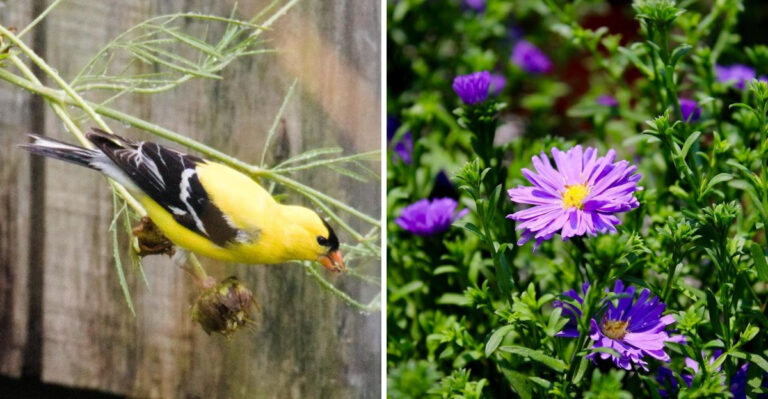
Goldfinches are known to visit the seed heads in late summer and fall, which adds another layer of wildlife value beyond the bees and butterflies that visit the blooms.
It is not a container plant in the traditional sense, but in the ground it brings structure, seasonal staying power, and a genuinely native Ohio character that makes it a meaningful May planting choice.
3. Black-Eyed Susan Brings Easy Color To Sunny Beds
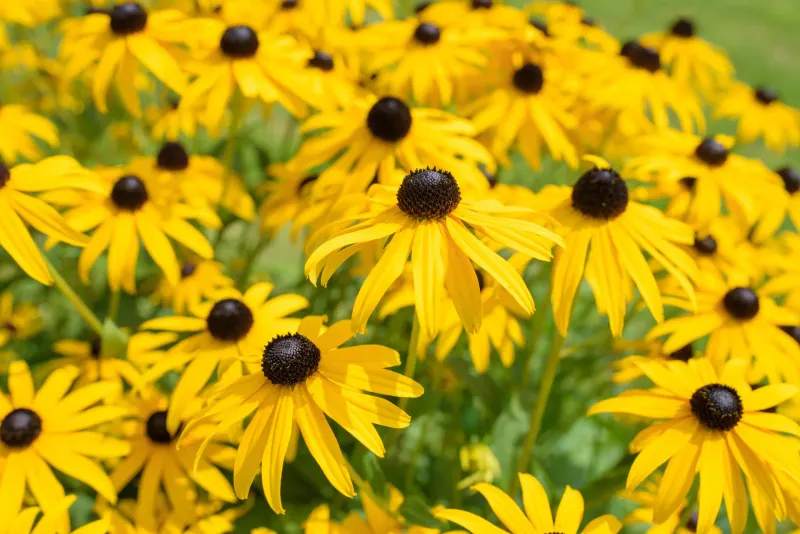
Sunny Ohio flower beds in May are practically made for black-eyed Susans.
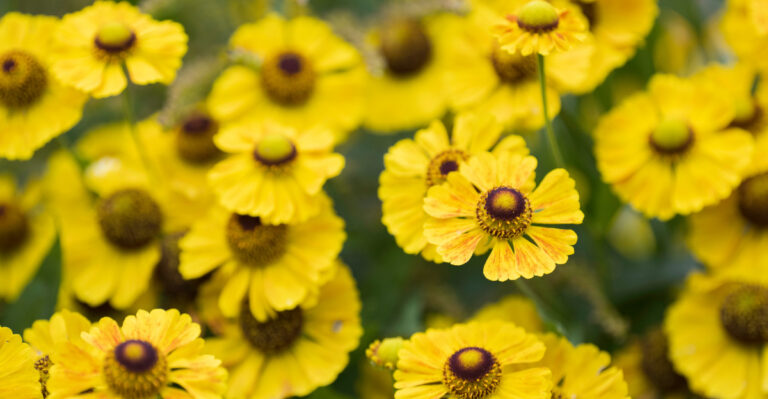
The golden-yellow petals and deep brown centers are cheerful, easy to love, and familiar enough that many Ohio gardeners already grow them without realizing how well they fit into a native planting plan.
Black-eyed Susan, known as Rudbeckia hirta, is a native Ohio wildflower that blooms from early summer well into fall, offering a long season of color that rivals most annuals.
One of the most practical things about black-eyed Susan is how little it asks of the gardener. It grows in full sun and handles average to dry Ohio soils without a lot of extra attention.
Younger plants started from transplants in May can begin blooming by midsummer, giving the garden a quick payoff. It also self-seeds freely, which means a small planting can fill in over time without much effort from the gardener.
In a home landscape, black-eyed Susan works well in sunny borders, pollinator gardens, and casual cottage-style beds. It pairs naturally with butterfly weed and purple coneflower, creating a warm-toned native planting that bees and butterflies find genuinely attractive.
While it will not trail over a pot the way a petunia does, its upright stems and cheerful flowers give Ohio gardens a bright, open quality that feels at home in the Ohio countryside.
For gardeners trying native plants for the first time, this is often the easiest starting point.
4. Blue Wild Indigo Adds Bold Shape And Spring Beauty
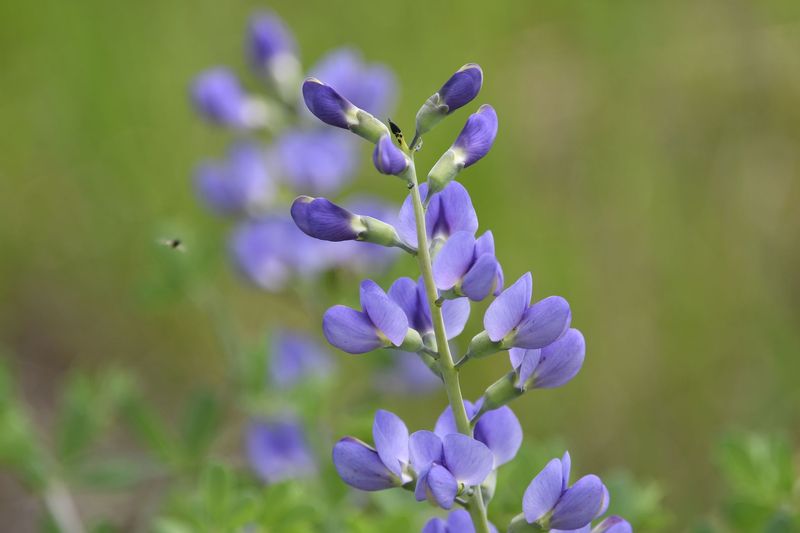
Spring planting season in Ohio brings plenty of yellow and orange flowers to garden centers, which makes blue wild indigo feel like a refreshing change of pace.
Baptisia australis is a native Ohio perennial that sends up tall, upright spikes of deep blue-purple flowers in May and early June, giving gardens a strong vertical element and a cool color tone that petunias rarely deliver in the same natural, unforced way.
Blue wild indigo is a slow starter, but once it establishes over a few seasons, it becomes a dependable and long-lived garden plant.
The foliage is attractive on its own, forming a rounded blue-green mound that stays tidy through much of the summer after the blooms fade.
The inflated seed pods that follow the flowers add textural interest and are sometimes used in dried arrangements. It grows best in full sun to light shade and tolerates Ohio clay soils reasonably well.
For home landscapes, blue wild indigo fits well in mixed borders, foundation plantings, and open beds where its upright bloom spikes can be appreciated. It is not a plant that fills a space quickly, but its long-term value is hard to argue with once it matures.
Bumblebees visit the flowers regularly, and the plant rarely needs dividing or heavy maintenance.
For Ohio gardeners who want a native perennial with strong structure and a distinctive spring bloom, blue wild indigo is a genuinely rewarding May planting choice.
5. Button Blazing Star Brings Height And Native Color
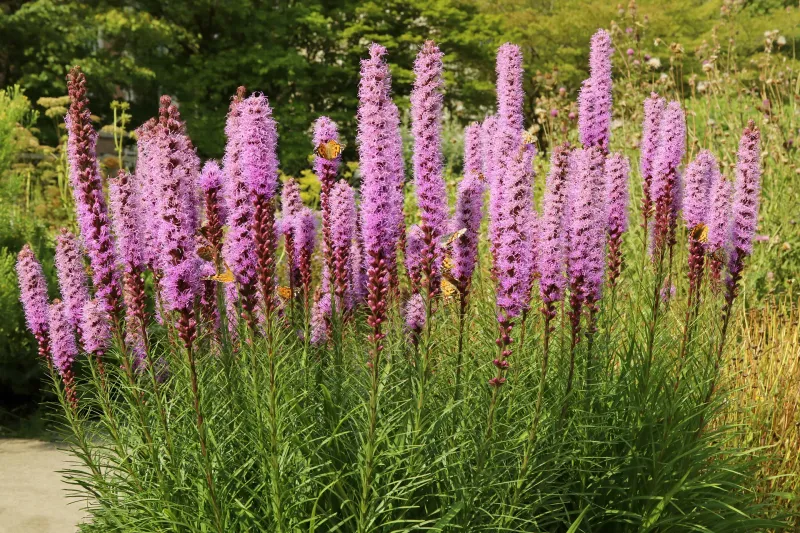
Rosy purple flower spikes rising above narrow, grassy foliage are a reliable sign that blazing star has hit its stride in an Ohio garden.
Liatris spicata, sometimes called spike blazing star or button blazing star, is a native Ohio perennial that blooms from the top of each spike downward, creating a long-lasting display of color that draws in butterflies and bees with impressive regularity.
It is not a typical substitute for petunias, but in a sunny Ohio bed, it adds a height and texture that no annual can quite replicate.
Blazing star grows well in full sun and prefers well-drained to average Ohio soils. It handles summer heat and dry spells without much trouble once established, and it tends to multiply slowly over the years through self-seeding and corm division.
Starting transplants in May gives the plant a full growing season to settle in before its midsummer bloom period, which typically runs from July into August.
In a home landscape, blazing star works well at the back or middle of a mixed border, where its vertical spikes add structure and lift the eye upward. It also fits naturally in pollinator strips and meadow-style plantings.
Monarch butterflies are especially fond of the blooms during their late summer migration, which adds a meaningful wildlife connection to any Ohio garden.
For gardeners looking for a native plant with real vertical presence and strong pollinator value, blazing star is a standout May planting option.
6. Wild Blue Phlox Freshens Beds With Spring Color
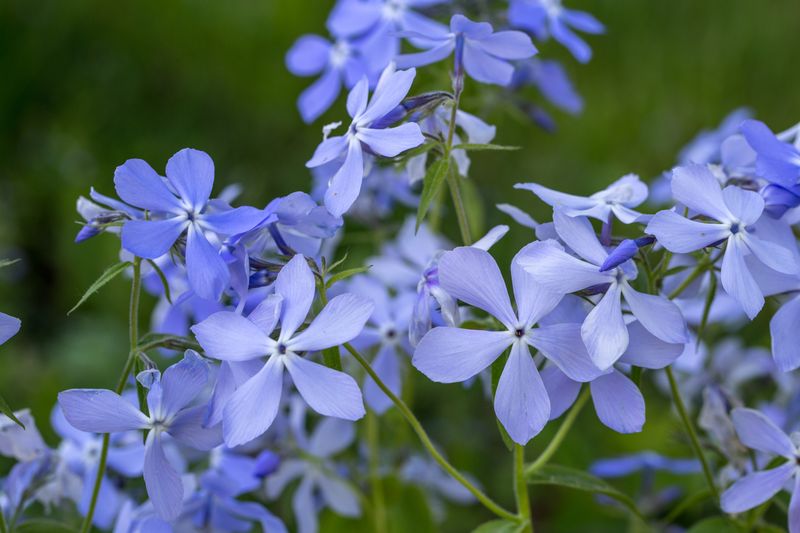
Shaded spots in Ohio gardens can be tricky to fill with color in May, and that is exactly where wild blue phlox earns its place.
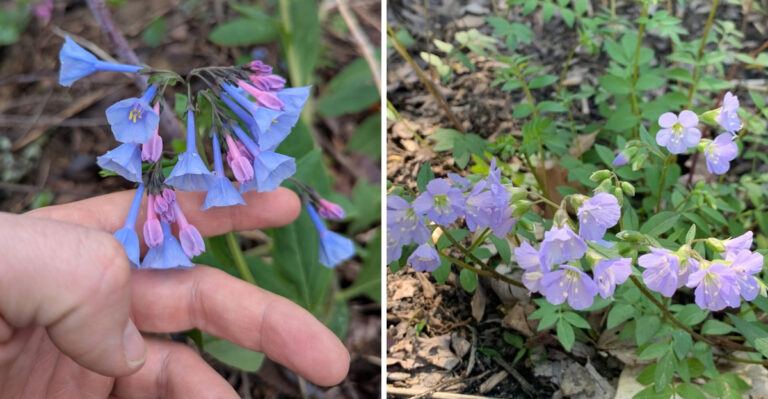
Phlox divaricata is a native Ohio woodland plant that produces loose clusters of soft lavender-blue flowers in spring, typically from late April through May, filling partly shaded beds with a gentle, fragrant color that petunias rarely reach in lower-light conditions.
The blooms are delicate but plentiful, and the overall effect is quietly beautiful in a way that feels naturally at home under Ohio tree canopies.
Wild blue phlox grows best in part shade to full shade with moist, well-drained soil that has some organic matter worked in. It spreads gradually to form a low mat of foliage, making it useful as a ground cover in shaded borders or along woodland edges.
After the spring blooms fade, the foliage stays relatively tidy through the season and provides a soft green backdrop for summer shade plants.
For home landscapes, wild blue phlox works well under deciduous trees, along shaded foundation beds, and in naturalized garden areas where a softer, more relaxed aesthetic fits the setting.
Native bees and early-season butterflies visit the flowers for nectar, adding pollinator value to spots where most annuals struggle.
It is not a sun-loving bedding plant, but for Ohio gardeners with partly shaded spaces, wild blue phlox brings a genuine spring freshness that is both native and genuinely lovely to look at in May.
7. Wild Columbine Brings Soft Color And Woodland Charm
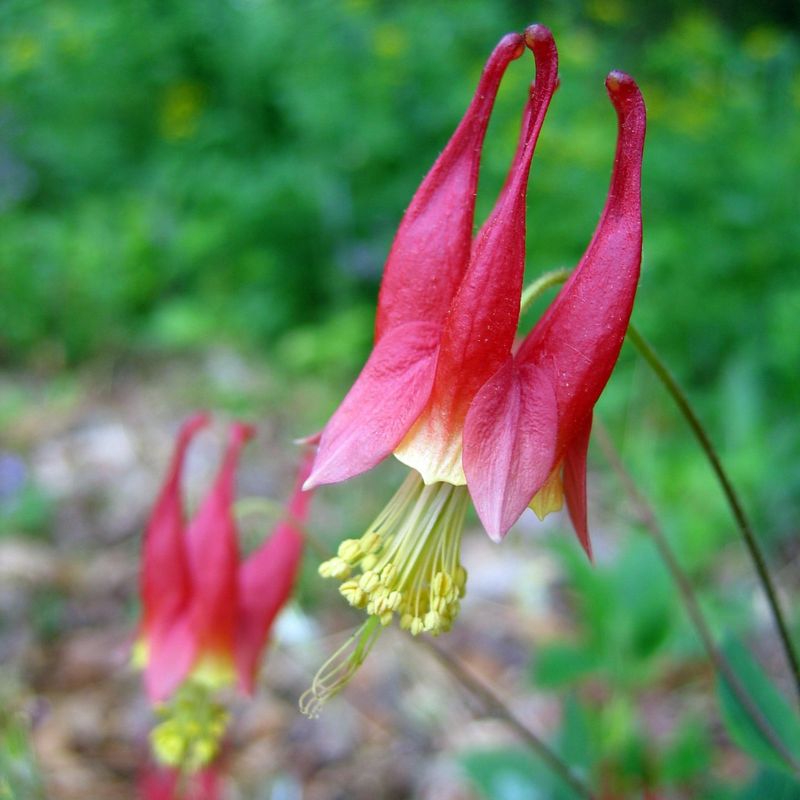
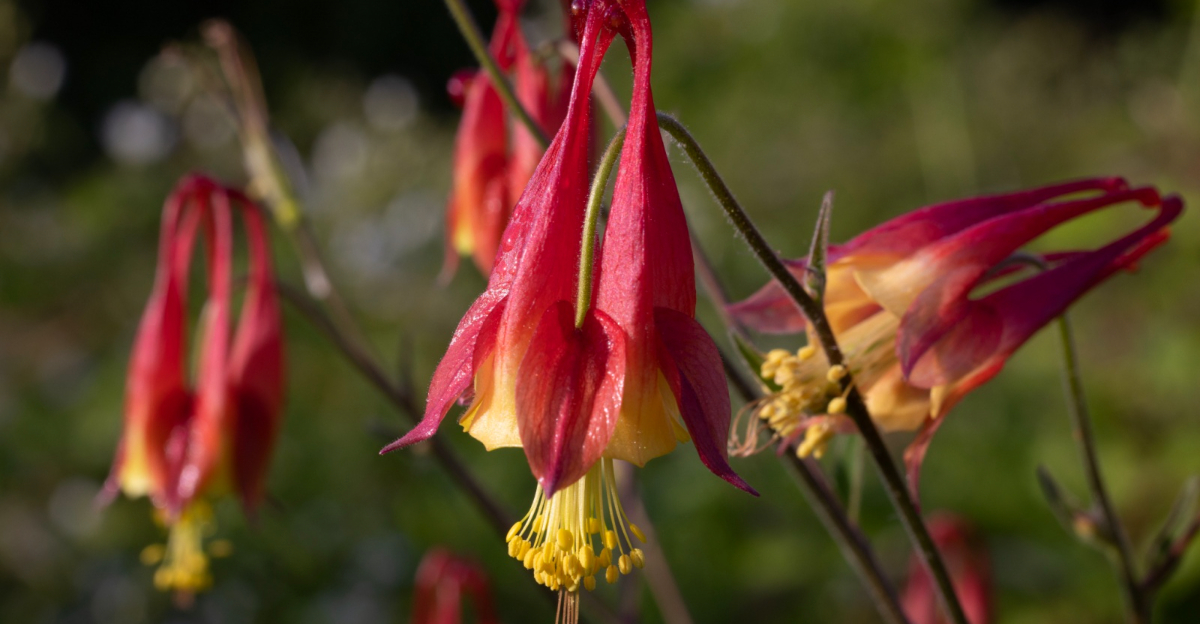
There is something almost whimsical about wild columbine hanging its nodding red and yellow flowers over a shaded Ohio garden bed in May.
Aquilegia canadensis is a native Ohio wildflower that blooms in mid to late spring, producing slender, spurred flowers in a warm red and yellow combination that hummingbirds find especially attractive.
It is one of the few native Ohio plants that brings reliable spring color to partly shaded spots, which makes it a useful option for beds where petunias would not thrive anyway.
Wild columbine grows in part shade to full shade and adapts to a fairly wide range of soil conditions, though it does best in well-drained soil with some organic content.
It is a short-lived perennial in most Ohio gardens, but it self-seeds freely and tends to naturalize into a loose, relaxed colony over time.
Starting plants in May gives them a chance to establish before summer heat sets in, and they often reward the gardener with blooms the following spring.
In a home landscape, wild columbine fits naturally in woodland gardens, shaded borders, and mixed native plantings under trees or along the north side of structures.
The combination of hummingbird appeal, early bloom timing, and graceful flower shape gives it a charm that is genuinely hard to replicate with annual bedding plants.
For Ohio gardeners wanting to bring a soft, woodland-inspired character to May beds, wild columbine is a rewarding and ecologically meaningful choice worth planting this season.