Ohio Plants That Often Perform Better In Pots Than In The Ground
Ohio gardeners get a little tough love from the weather, don’t they? One season brings sticky summer heat, the next brings a winter that seems determined to test every root in the yard.
That is part of the fun, of course, but it also means some plants are much easier to handle in pots than in the ground.
A container can give you better drainage, more control over watering, and the freedom to shift plants around when the light or temperature starts acting up.
Pretty handy. It can also help rein in enthusiastic spreaders that would otherwise turn one tidy planting into a full-blown backyard takeover.
For patios, porches, entryways, and small Ohio gardens, potted plants can solve a surprising number of problems while still bringing plenty of color, texture, and personality.
Sometimes the smartest place for a plant is not in the garden bed at all.
1. Rosemary Stays Neat And Handy In A Pot
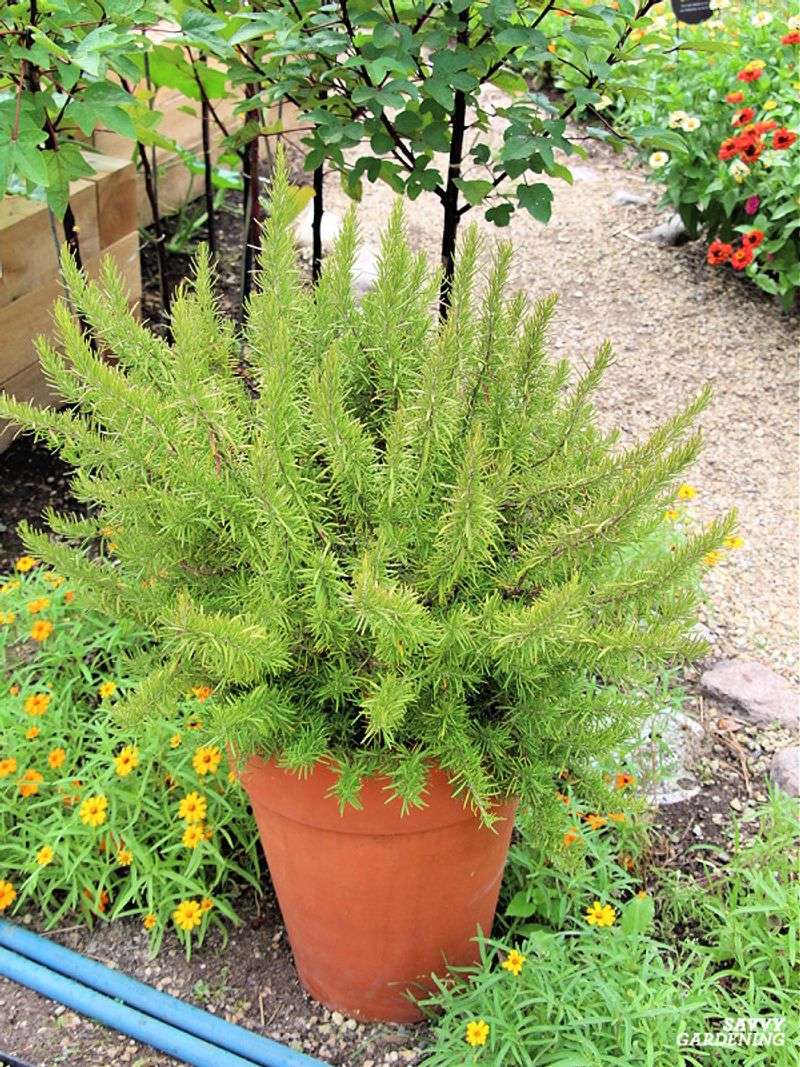
Keeping rosemary in a container on your porch or patio means you can snip a sprig whenever you need it for cooking without trudging through a garden bed.
In Ohio, rosemary is a tender perennial that struggles to survive winters outdoors when temperatures drop well below freezing.
Planted directly in the ground, it often does not make it through a typical Ohio winter without significant protection or loss.
A pot changes that situation considerably. When cold weather arrives, you can move the container indoors to a sunny window or a garage with good light, giving the plant a much better chance of surviving until spring.
Clay or well-draining potting mix works well, and containers with drainage holes help prevent the soggy roots that rosemary dislikes.
Ohio summers give rosemary plenty of sunshine and warmth to grow strong and fragrant. Container growing also lets you place it exactly where it gets the most heat and light, like a south-facing patio or a sunny doorstep.
The plant stays compact and manageable in a pot rather than sprawling unpredictably in open soil.
For Ohio gardeners who cook with fresh herbs or simply enjoy the piney scent near an entryway, a potted rosemary plant offers both beauty and practical everyday use throughout the growing season.
2. Mint Brings Fresh Growth Without Taking Over
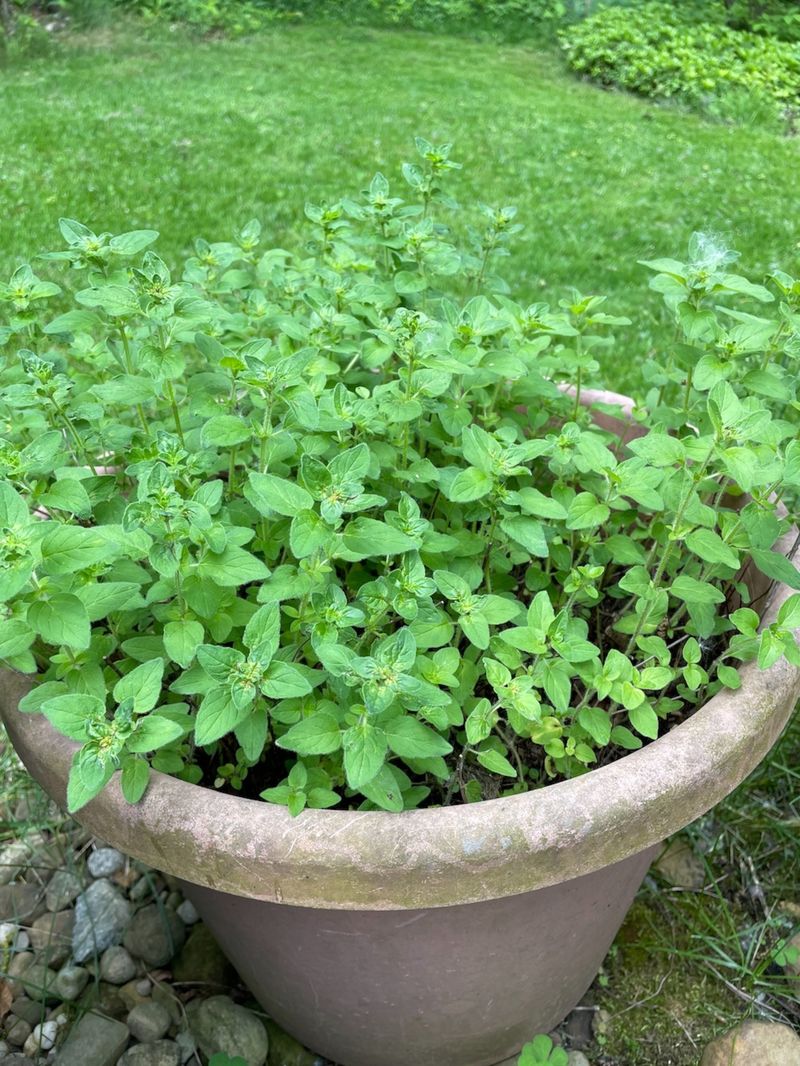
Few plants spread as enthusiastically as mint, and anyone who has planted it directly in the ground knows how quickly it can take over a garden bed.
Mint sends out underground runners that travel far and wide, popping up in unexpected places and crowding out neighboring plants.
Ohio gardeners who have experienced this firsthand tend to reach for a container the next time they want fresh mint on hand.
Growing mint in a pot keeps those runners contained and your garden beds clean. You can place the pot near your kitchen door, on a deck railing shelf, or anywhere convenient for harvesting.
The plant still grows vigorously in a container, producing plenty of leaves for teas, mojitos, salads, and cooking throughout the warm months.
Your Ohio Garden Changes Every Week. Your Plan Should Too.
Gardening in Ohio changes quickly throughout the season. Every Friday you’ll receive a simple weekly plan showing exactly what to plant, prune, fertilize, harvest, and protect so you never miss the right timing.
Ohio’s warm summers suit mint well, and the plant bounces back quickly after cutting. Containers dry out faster than garden soil, so checking moisture regularly during hot spells keeps the plant at its best.
A medium-sized pot with drainage works well, and you can divide the plant every season or two to keep it from becoming too root-bound. Bringing it indoors before the first hard frost can extend your harvest even further into the fall.
For flavor, fragrance, and ease, a potted mint plant earns its spot on any Ohio porch or patio.
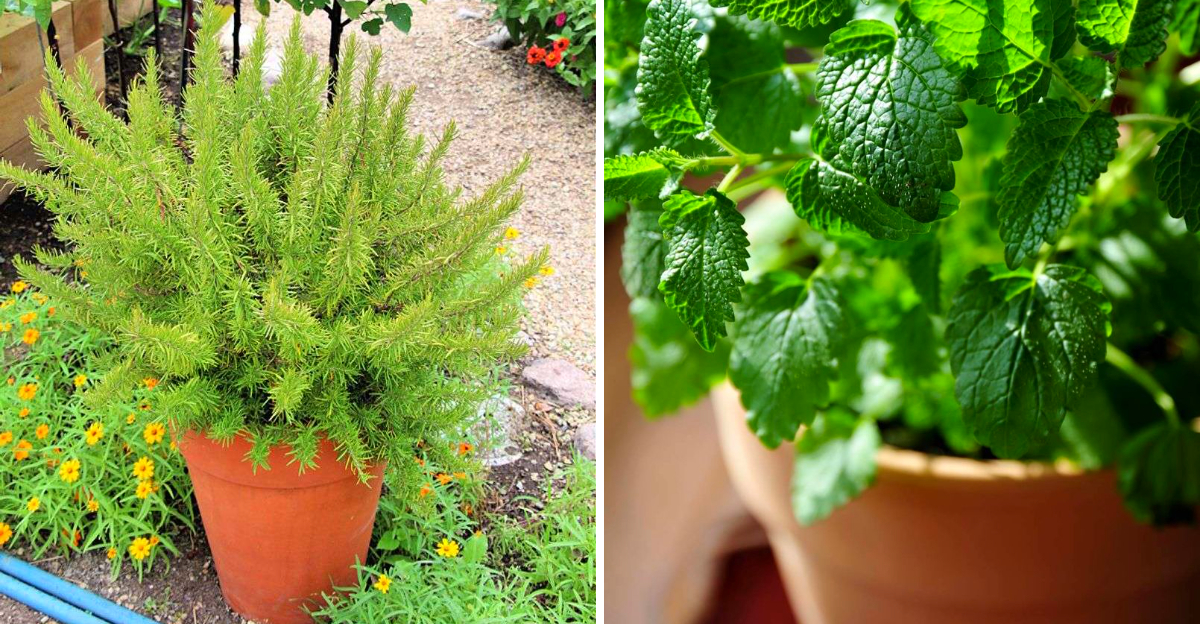
3. Lemon Balm Offers Easy Flavor In A Contained Space
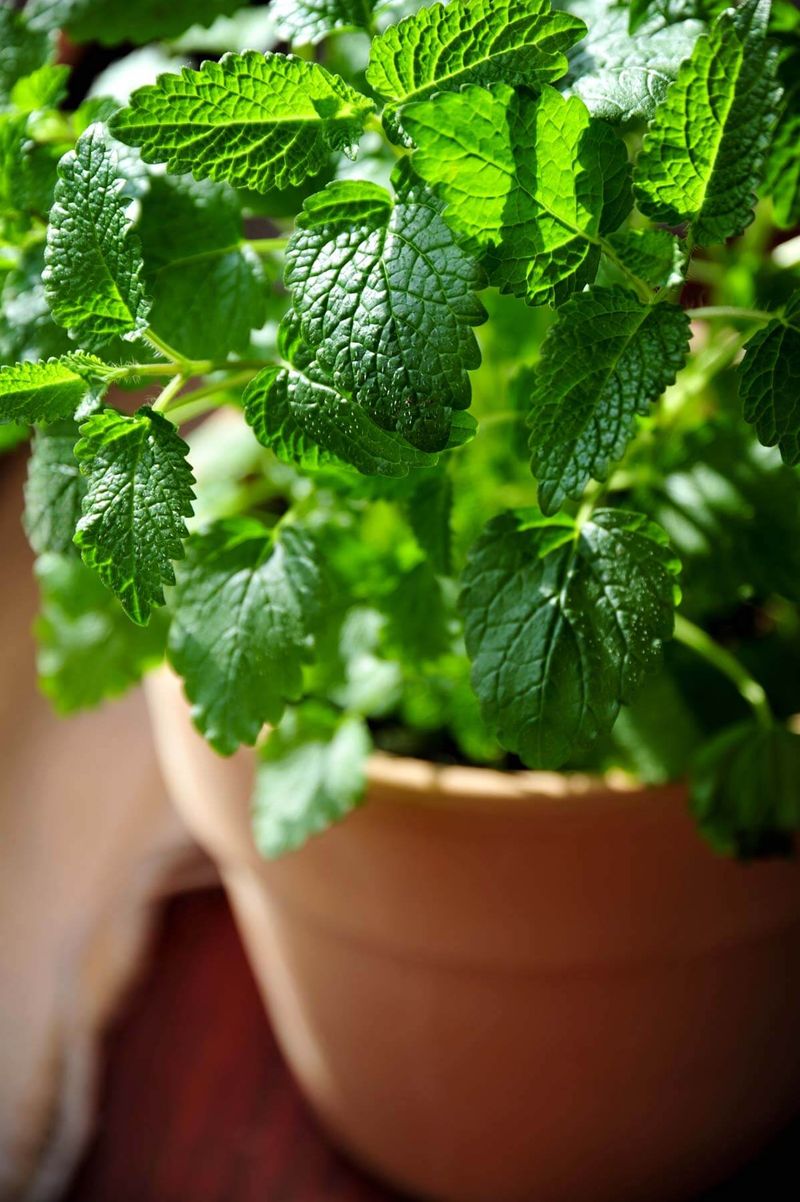
Lemon balm has a cheerful, lemony scent that makes it a favorite among herb gardeners, but it shares the same aggressive spreading habit as its mint relatives.
Left unchecked in Ohio garden beds, lemon balm self-seeds freely and can spread into a surprisingly large patch within just a couple of seasons.
Container growing sidesteps that issue entirely while still giving you access to its fresh leaves.
The plant thrives in a medium to large pot with well-draining soil and moderate watering. It enjoys Ohio’s sunny summers but can also tolerate some afternoon shade, making it flexible for patios that do not get full sun all day.
The soft, crinkled leaves release their citrus fragrance when brushed, which is a small pleasure near a doorway or seating area.
Lemon balm is used in teas, desserts, and herbal remedies, and having it in a pot near the kitchen makes it easy to harvest a handful whenever needed.
The plant grows quickly, so trimming it back regularly encourages fresh, tender growth rather than woody stems.
Before Ohio winters set in, you can move the pot to a sheltered spot or a cool indoor area to help it survive. Many gardeners find that a contained lemon balm plant is simply less work and more enjoyable than managing a spreading patch in the ground.
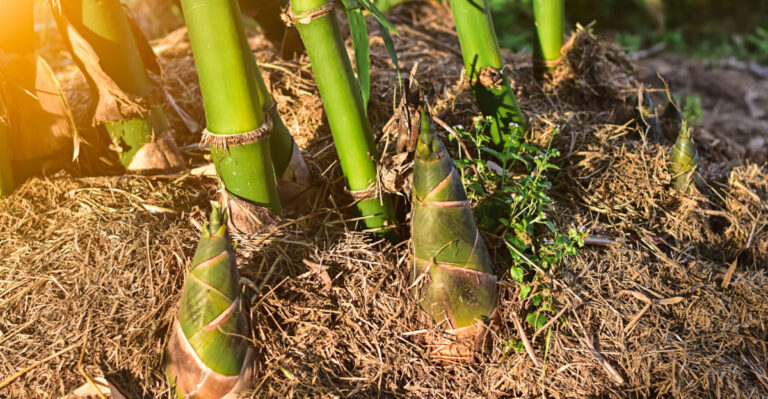
4. Running Bamboo Adds Height Without Spreading Wildly
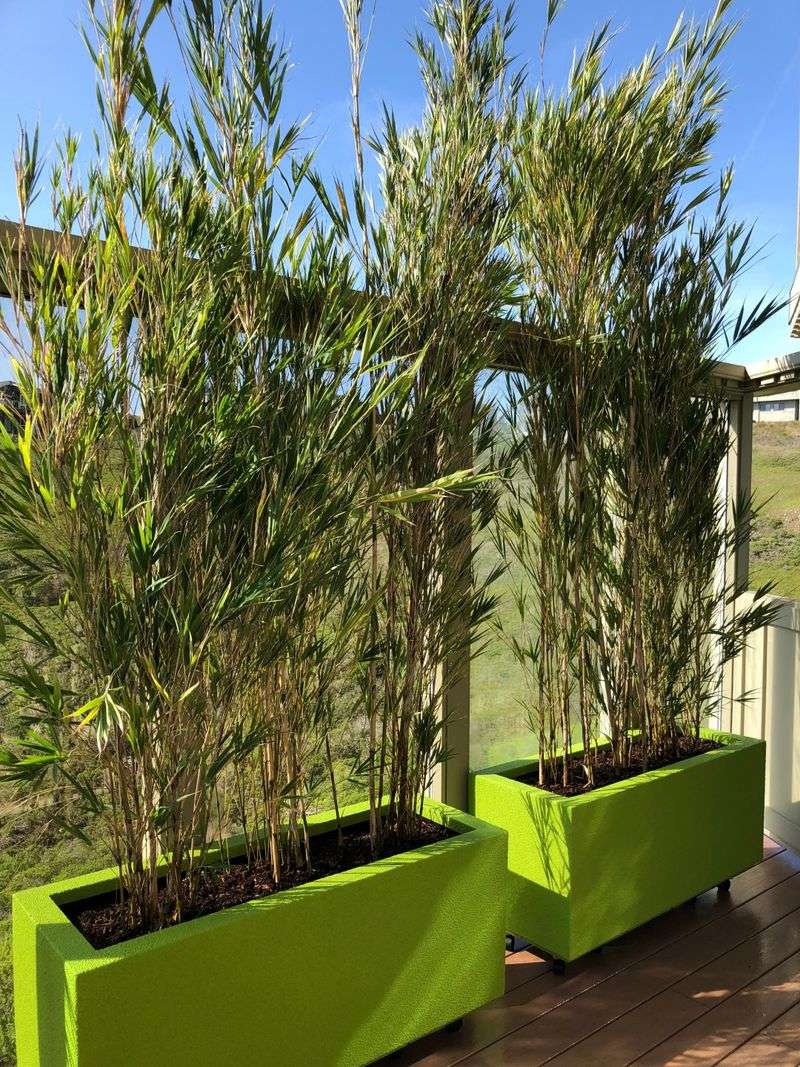
Running bamboo is one of the most dramatic plants you can add to an Ohio patio, but planting it directly in the ground without a serious root barrier is a decision most gardeners come to regret.
Its underground rhizomes spread aggressively, sometimes traveling many feet in a single season and emerging far from where the original plant was placed.
Once established in open soil, it can be extremely difficult to manage or remove.
A large, sturdy container solves this problem by keeping the roots confined while still allowing the bamboo to grow tall and impressive.
On a deck or patio, a potted running bamboo can create a living privacy screen, a bold focal point, or a lush tropical backdrop for outdoor seating areas.
The visual effect is striking, and the soft rustling of bamboo leaves adds a calming sound to outdoor spaces.
Ohio winters require some attention when growing bamboo in containers.
The roots are more exposed to freezing temperatures in a pot than they would be in the ground, so moving the container to a sheltered garage or shed during the coldest months helps protect it.
Using a large, insulated planter also helps buffer temperature swings. With the right care, potted running bamboo can be a standout feature on an Ohio patio for many seasons without the spreading concerns that come with in-ground planting.
5. Canna Brings Bold Color And Easy Seasonal Flexibility
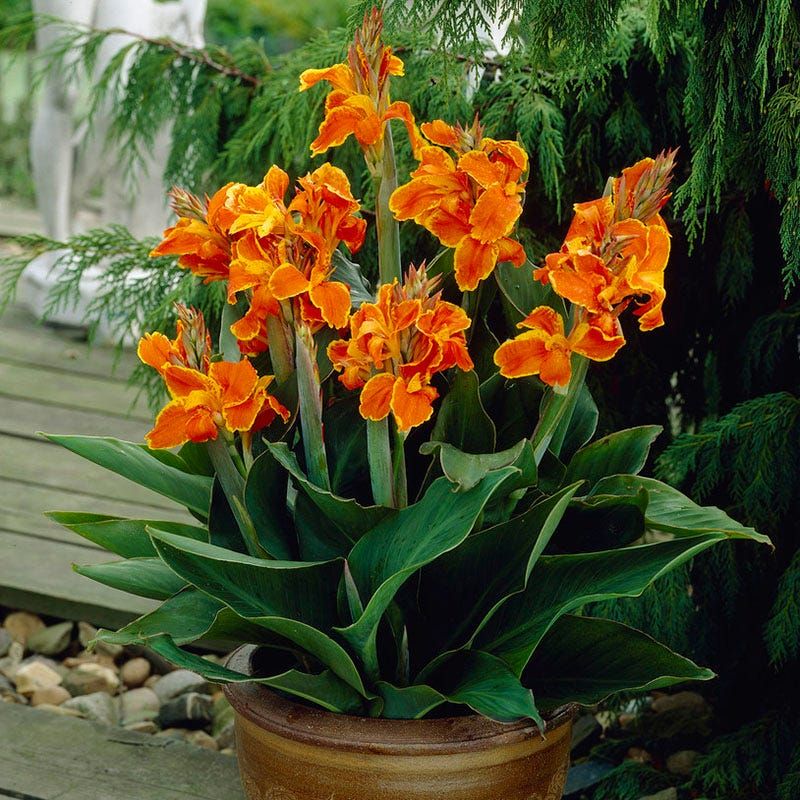
Tropical in appearance and bold in color, canna plants bring a lush, dramatic energy to Ohio patios and porches during the summer months.
Their large paddle-shaped leaves and vivid flower spikes in shades of red, orange, yellow, and pink create an eye-catching display that is hard to match.
While cannas can be grown in Ohio garden beds, containers offer a level of seasonal flexibility that many gardeners appreciate.
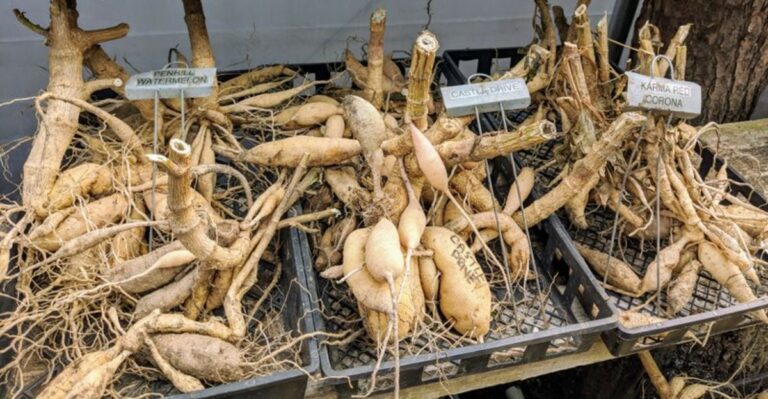
Since cannas are not cold-hardy in most of Ohio, the rhizomes need to be brought indoors before winter to prevent frost damage. When they are growing in a pot, this process is much simpler.
You can move the entire container into a basement or garage once temperatures begin to drop, rather than digging up rhizomes from the garden soil each fall.
During the growing season, containers allow you to position cannas exactly where their color will have the most visual impact, whether that is flanking an entryway, anchoring a patio corner, or lining a deck railing.
They grow well in large pots with rich, moist potting mix and plenty of direct sunlight.
Ohio summers provide the heat and humidity that cannas enjoy, and regular watering keeps the foliage looking lush.
For gardeners who want a tropical feel without a permanent commitment to a garden bed, potted cannas deliver impressive results season after season.
6. Elephant Ears Add Big Tropical Drama In Pots
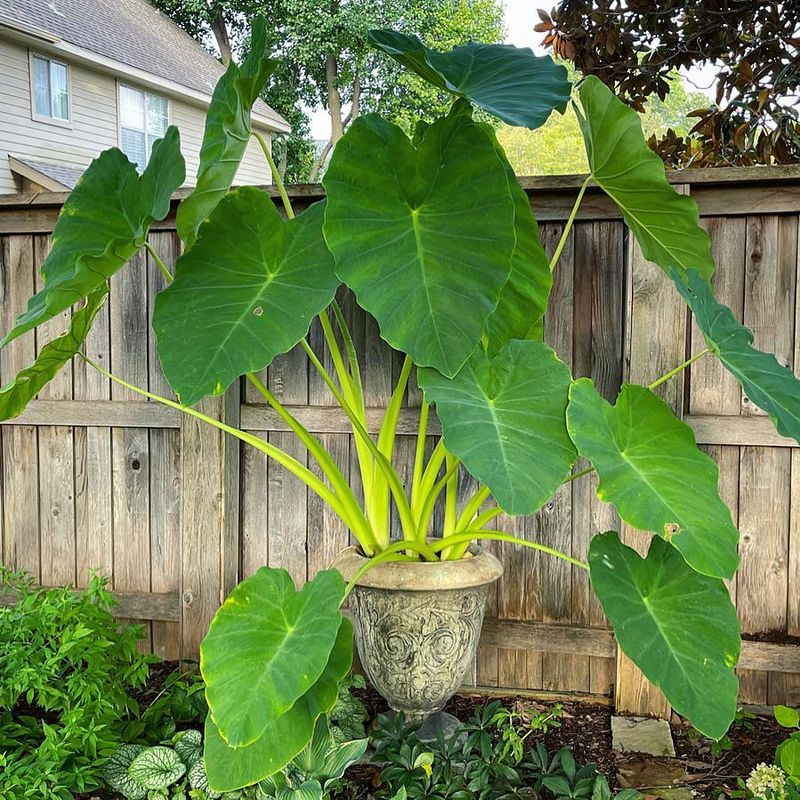
Walking past a porch adorned with giant elephant ear leaves is hard to forget. These plants produce some of the most oversized, dramatic foliage in the gardening world, with leaves that can reach two feet across or more in a single growing season.
Ohio gardeners who want a tropical look without traveling far from home often turn to elephant ears as a go-to container plant.
In Ohio, elephant ear bulbs are not reliably cold-hardy in the ground, which means they need to be stored indoors over winter anyway. Growing them in containers makes that storage step much easier.
Once the foliage fades in fall, you can bring the pot inside, let the soil dry down, and store the bulbs until the following spring without any digging required.
Container growing also gives you control over soil quality and moisture, which matters because elephant ears prefer consistently moist, rich soil and can struggle in Ohio’s clay-heavy garden beds without significant soil amendment.
A large pot with a quality potting mix and regular watering supports the lush growth these plants are known for.
Placed on a shaded or partially shaded porch, they create a tropical atmosphere that transforms an ordinary outdoor space.
The bold leaf texture and size make them a natural conversation piece and a striking anchor for any Ohio container garden arrangement.
7. Caladiums Brighten Containers With Vivid Leaf Color
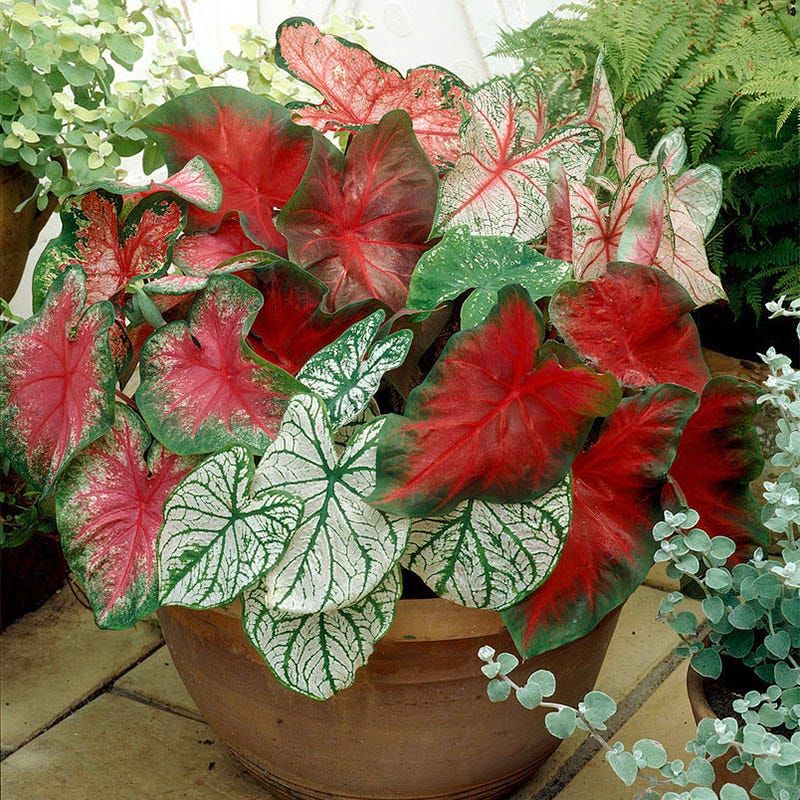
Few plants can match the color intensity of caladiums, whose leaves come in striking combinations of pink, red, white, green, and silver.
Unlike most flowering plants, caladiums deliver their visual impact through foliage rather than blooms, which means the color show lasts from planting time through the end of summer.
For Ohio gardeners looking to brighten a shaded porch or patio, caladiums in containers are a reliable and rewarding choice.
Caladiums prefer warm soil and do not tolerate cold temperatures well, which makes them a natural fit for containers in Ohio’s climate.
Planting them in pots allows you to start them indoors in early spring when outdoor soil temperatures are still too cool, then move the containers outside once the weather warms consistently.
This head start can extend the display season noticeably compared to direct in-ground planting.
At the end of the season, you can bring the pots inside before frost, allow the leaves to fade naturally, and store the tubers in a dry, cool location for replanting the following year.
Containers also let you experiment with color combinations, grouping different varieties together for a layered, artistic effect.
Caladiums do well in partial to full shade, which suits covered porches and north-facing entryways that might not support sun-loving plants.
In Ohio’s humid summers, they often look their most vibrant in containers with consistent moisture and good drainage.
8. Tuberous Begonias Fill Pots With Long-Lasting Flowers
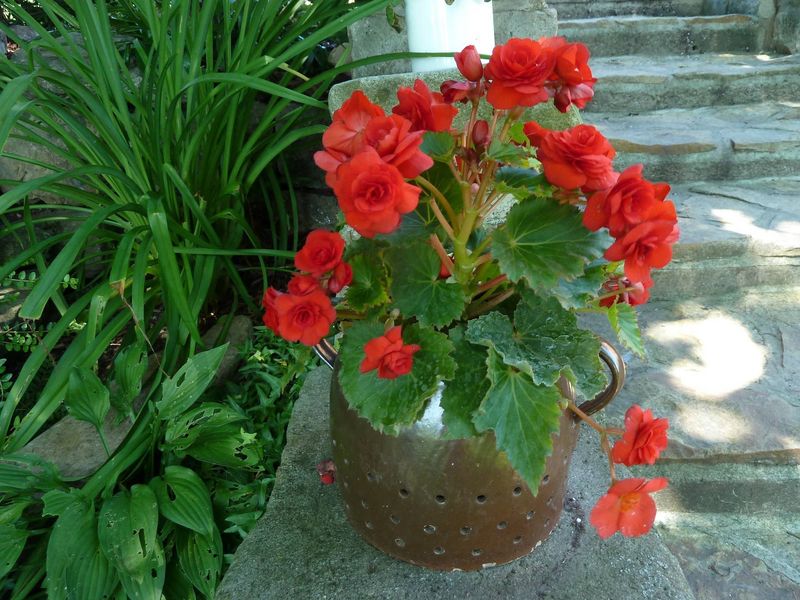
Tuberous begonias are the kind of plant that makes neighbors stop and ask what you are growing. Their large, ruffled blooms can resemble roses or camellias, and they come in a wide range of warm colors including deep red, coral, yellow, and soft pink.
The flowers keep coming from late spring through early fall, giving Ohio gardeners an extended season of color on porches, decks, and shaded patios.
These plants are not cold-hardy in Ohio, and their tubers need to be lifted and stored indoors once temperatures begin to drop in autumn. Container growing makes this annual task much simpler.
Rather than digging through garden beds, you can move the entire pot to a sheltered spot, let the foliage fade naturally, and then store the tubers in a cool, dry place until spring.
Tuberous begonias prefer partial to full shade, which is one reason they work so well in pots on covered porches and north-facing entryways where other flowering plants might struggle.
They do best with consistent moisture and good drainage, and containers allow you to manage both more easily than open garden soil.
Ohio’s warm, humid summers suit them well during the growing season.
Whether used in hanging baskets, large decorative planters, or window boxes, tuberous begonias bring a refined, almost old-fashioned charm to Ohio outdoor spaces that is genuinely hard to replicate with other container plants.