The 6 Plants You Should Never Grow Near Lavender In A North Carolina Garden
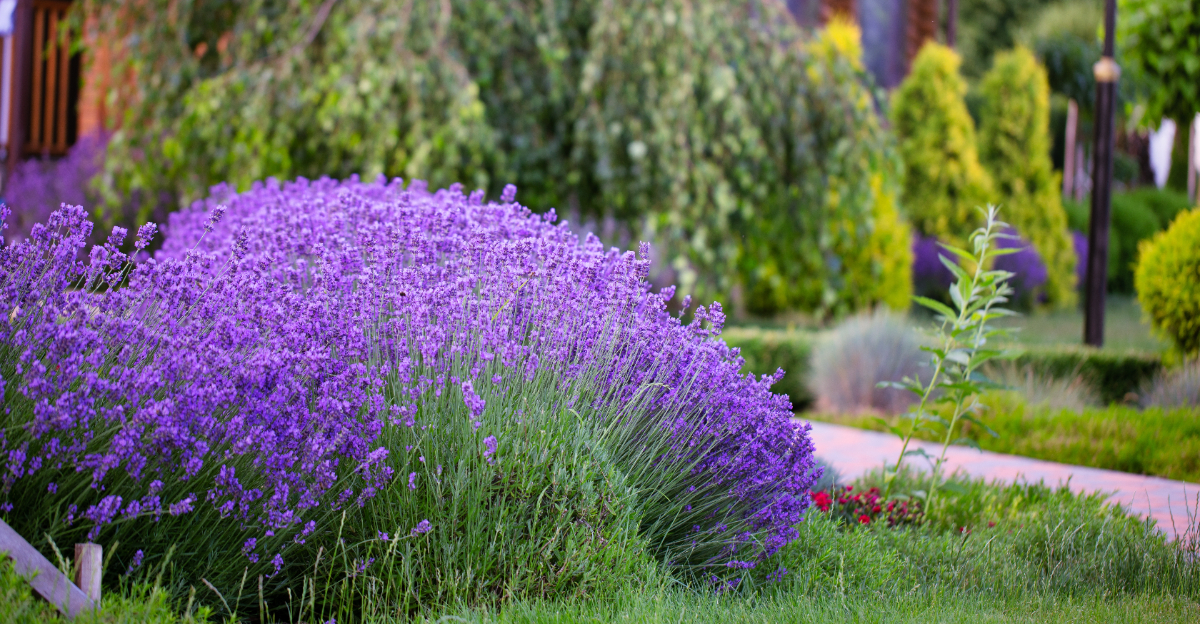
Lavender does well in North Carolina when the conditions are right, but even a healthy, well established plant can quietly decline when the wrong neighbors end up too close.
Most gardeners focus on soil drainage and sun when planning around lavender, and those things genuinely matter, but proximity to certain plants adds a layer of stress that is easy to overlook because the effects show up gradually rather than all at once.
Some plants compete for moisture in ways that disrupt the dry conditions lavender needs around its roots. Others create shade, trap humidity against the foliage, or release compounds through their roots that affect how lavender grows over time.
North Carolina’s heat and humidity already push lavender to its limits during summer, and plants that add to that pressure rather than leaving it alone can shorten the life of a shrub that should be thriving for years.
These six plants are common enough in North Carolina gardens that the pairings happen regularly, and knowing to keep them separated is worth factoring in before your next round of planting.
1. Mint (Mentha spp.)
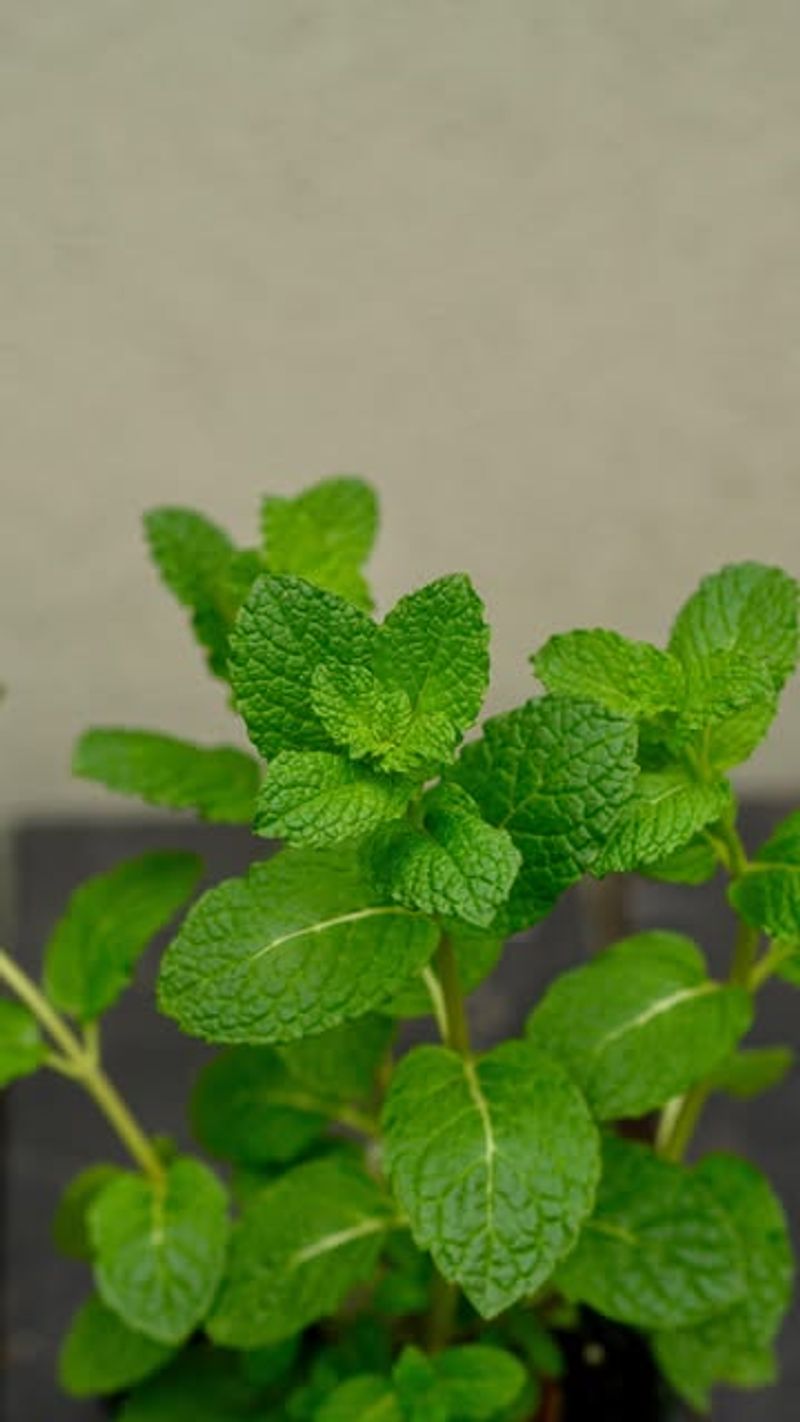
Mint is one of those plants that looks innocent at first glance, but give it a few weeks and it will take over everything around it. Most gardeners in North Carolina quickly learn that mint has a strong will to spread, sending out underground runners in every direction.
Before you know it, mint has crept right into your lavender’s space and made itself very comfortable.
Lavender needs dry, well-drained soil to stay healthy, and mint wants the exact opposite. Mint craves consistent moisture and richer soil, which creates a real conflict when the two share the same garden bed.
Watering enough to keep mint happy will leave lavender sitting in soggy conditions it simply cannot handle well in North Carolina’s climate.
Beyond soil moisture, mint also competes aggressively for nutrients and root space. Lavender has a more relaxed, slower-growing root system, and mint will outpace it without much effort.
The crowding alone can reduce airflow around your lavender, which is a serious concern given North Carolina’s warm, humid summers.
Keeping mint in its own container is the smartest move any local gardener can make, giving both plants the conditions they actually need to flourish without causing trouble for each other.
2. Hostas (Hosta spp.)
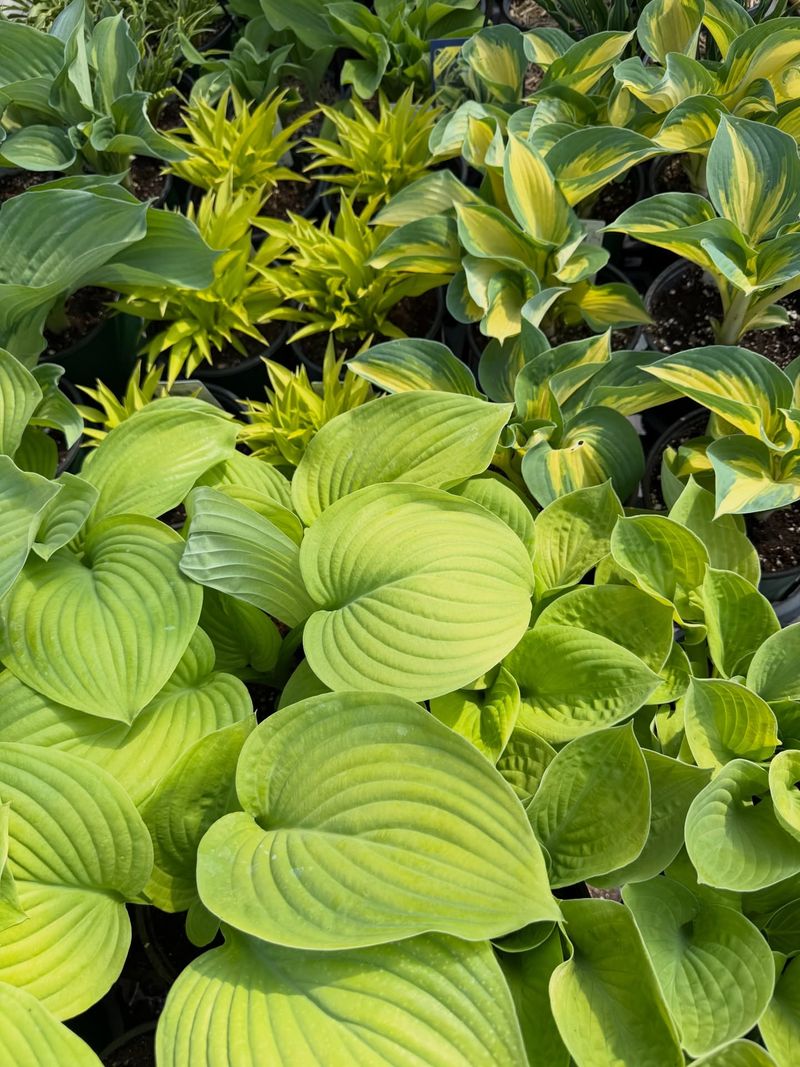
Hostas are beloved by gardeners all across North Carolina for their lush, wide leaves and low-maintenance personality, but they belong in a completely different world than lavender.
These shade-loving plants thrive in moist, rich soil tucked under tree canopies or along shaded borders. Lavender, on the other hand, wants nothing more than blazing full sun and lean, dry ground to call home.
Planting hostas near lavender creates an instant conflict of needs. If you water enough to keep hostas looking full and healthy, you are essentially overwatering your lavender at the same time.
Lavender roots sitting in damp, nutrient-rich soil are highly vulnerable to root rot, which is already a common issue in North Carolina’s humid growing season.
Your North Carolina Garden Changes Every Week. Your Plan Should Too.
Gardening in North Carolina changes quickly throughout the season. Every Friday you’ll receive a simple weekly plan showing exactly what to plant, prune, fertilize, harvest, and protect so you never miss the right timing.
There is also a shading problem worth thinking about. Hostas grow wide and leafy, and as they fill out through spring and summer, they can cast shade over nearby plants.
Lavender needs a full day of sunlight to produce its beautiful blooms and maintain its signature fragrant oils. Even partial shade can reduce lavender’s flowering and make it more prone to fungal issues.
Hostas deserve a wonderful spot in your garden, but that spot should be far away from your lavender patch to keep both plants genuinely thriving all season long.
3. Hydrangeas (Hydrangea spp.)
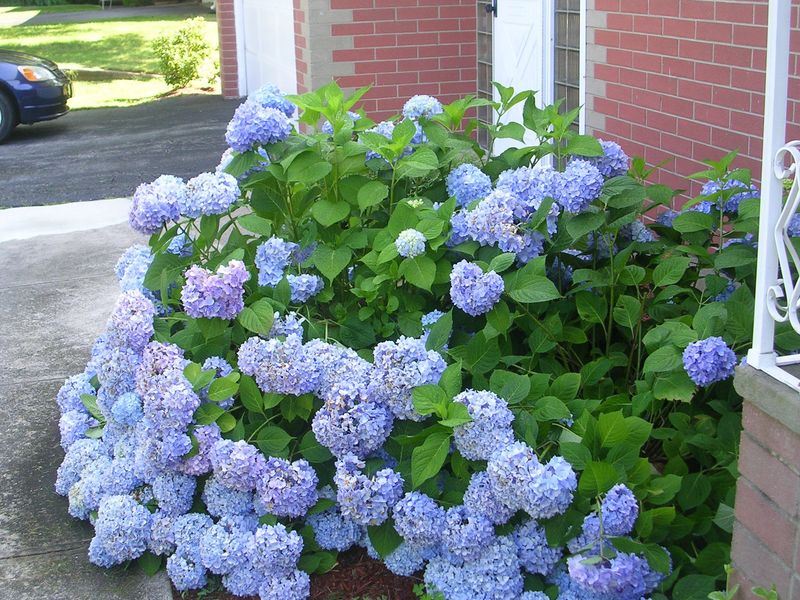
Few flowering shrubs turn heads in a North Carolina garden quite like hydrangeas, with their enormous blooms in shades of blue, pink, and white.
They are a staple of Southern gardens for good reason, but their needs are dramatically different from what lavender requires.
Hydrangeas are thirsty plants that need regular watering, rich amended soil, and consistent moisture to produce those showstopping flower clusters everyone loves.
Lavender is practically the opposite in every way. It was built for dry, rocky, fast-draining soil with very little fertilizer, much like the Mediterranean hillsides where it originally grew wild.
When you plant hydrangeas near lavender in North Carolina, you face an impossible balancing act, since giving one plant what it needs means denying the other what it craves.
Hydrangeas also grow into fairly large shrubs over time, and their wide spread can create pockets of shade and trapped humidity around nearby plants.
North Carolina summers are already warm and muggy, and lavender is sensitive to poor airflow and damp conditions around its base.
Fungal problems like root rot and botrytis can take hold quickly when lavender is crowded by moisture-loving neighbors.
Both of these plants are stunning in their own right, and they will both perform far better when given garden spaces that actually match their individual growing needs.
4. Bee Balm (Monarda didyma)
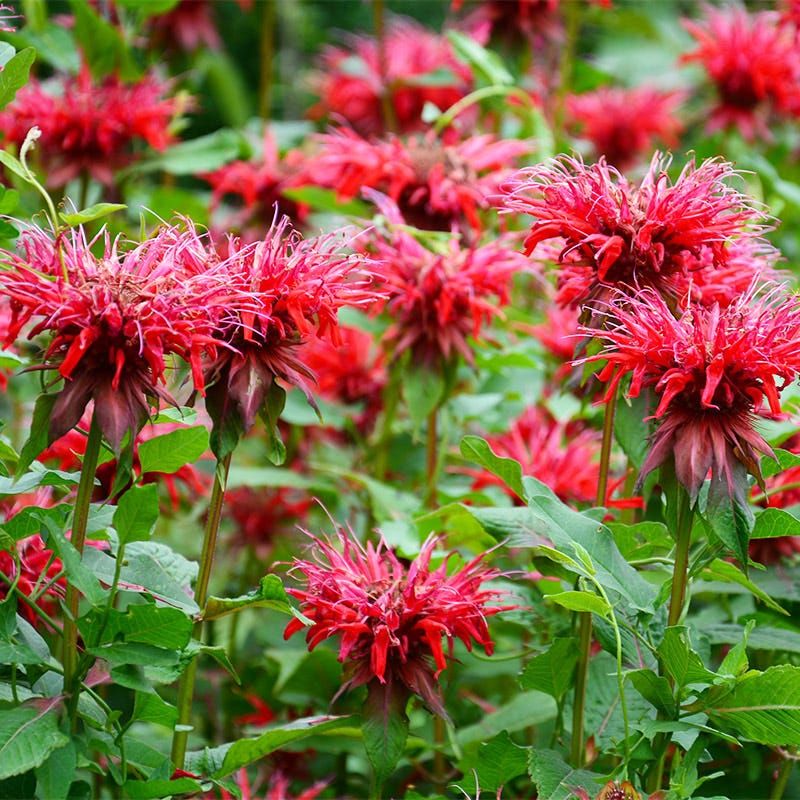
Bee balm is a showstopper in any North Carolina pollinator garden, pulling in bees, hummingbirds, and butterflies with its bold, spiky blooms. It grows with real energy and enthusiasm, spreading outward and filling in spaces quickly through the warm season.
That vigorous growth is part of its charm, but it becomes a serious problem when bee balm is planted too close to lavender.
One of the biggest concerns is humidity. Bee balm grows thick and leafy, creating a dense canopy of foliage that traps moisture close to the soil.
North Carolina already brings plenty of warm, humid air through the summer months, and lavender struggles when humidity builds up around its stems and roots.
That trapped moisture creates the perfect environment for fungal problems that can damage or weaken lavender plants over time.
Bee balm also prefers consistently moist soil, which directly clashes with lavender’s deep need for dry, well-drained conditions. Watering to keep bee balm healthy will almost certainly stress your lavender in the process.
On top of that, bee balm spreads through underground rhizomes, meaning it can slowly creep into your lavender’s root zone and compete for space without you even noticing at first.
Plant bee balm somewhere it can spread freely and show off, just make sure that spot is a good distance from your lavender bed.
5. Impatiens (Impatiens walleriana)
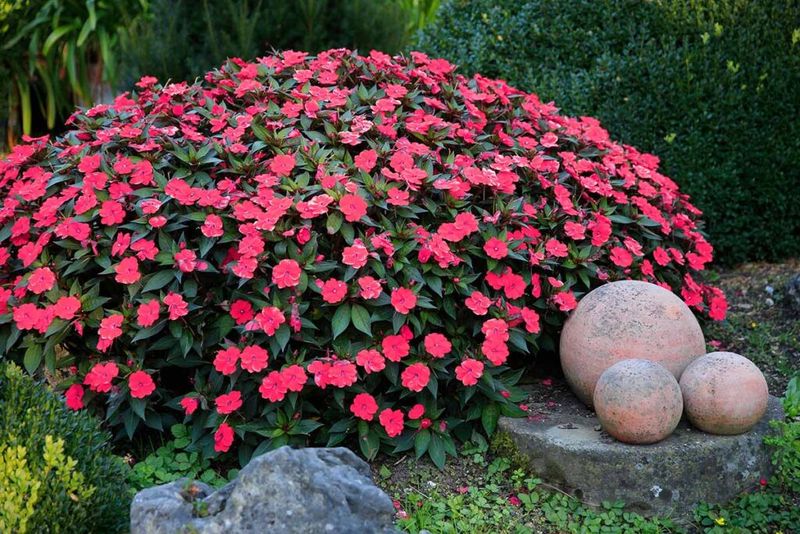
Impatiens are one of the most popular bedding plants sold every spring at garden centers across North Carolina, and it is easy to see why. Their bright, cheerful flowers come in dozens of colors, and they fill shady spots with color where most plants refuse to perform.
But that love of shade and moisture is exactly why impatiens and lavender should never share the same garden space.
Lavender is a sun-worshipping plant that needs at least six to eight hours of direct sunlight daily to stay healthy and bloom well. Impatiens prefer cool, shaded locations with consistently moist soil, which is about as far from lavender’s ideal conditions as you can get.
Planting them together in North Carolina almost guarantees that one or both plants will struggle from the very start of the growing season.
Beyond the sunlight issue, the moisture requirements create a real watering dilemma. Impatiens wilt quickly when soil dries out, so gardeners tend to water them frequently.
That regular moisture is harmful to lavender, which is highly sensitive to wet roots and poor drainage. Overwatered lavender becomes weak, develops yellowing foliage, and loses its natural resistance to fungal disease.
North Carolina’s humid summers make this combination even riskier. Giving impatiens their own shaded, moist corner of the garden is the best way to enjoy both plants without sacrificing either one.
6. Rosemary (Salvia rosmarinus)
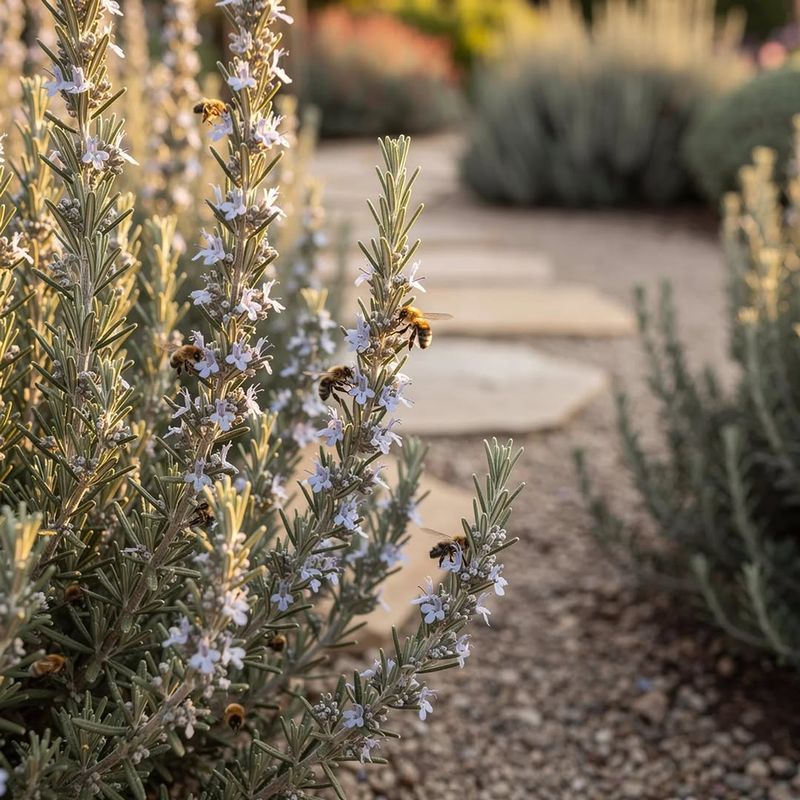
Rosemary and lavender seem like a natural pairing at first. Both are Mediterranean herbs that love sunshine and tolerate dry conditions, so many gardeners in North Carolina assume they belong side by side in the herb garden.
That logic makes sense on the surface, but there is a real long-term problem that catches a lot of gardeners off guard once rosemary matures.
Rosemary grows significantly larger and woodier than lavender over time, especially in North Carolina’s relatively mild winters that allow it to keep growing year after year. A mature rosemary plant can reach three to four feet tall and nearly as wide.
When it grows that large right next to lavender, it begins to crowd the space and restrict the airflow that lavender depends on to stay healthy through the humid summer months.
Poor airflow around lavender is one of the leading causes of fungal stress in North Carolina gardens.
When two dense, woody plants grow tightly together, moisture from the soil and humid air gets trapped between them, creating conditions where problems can develop at the base of the lavender plant.
If you truly love growing both herbs together, the key is generous spacing of at least three to four feet between plants.
That distance gives each plant room to breathe, grow naturally, and stay healthy without becoming a problem for its neighbor in your North Carolina garden.