These Texas Plants Fill Shady Spots Better Than Hostas
Hostas get recommended for shade in Texas with such regularity that most gardeners treat them as the only real option when a shady spot needs filling.
Someone asks what to plant under a live oak or along a north-facing fence, and hostas come up almost immediately, often before anyone has considered whether they’re actually the best fit for Texas conditions specifically.
The honest answer is that hostas are fine in Texas shade, but fine is doing a lot of work in that sentence.
They struggle with the heat that even shaded Texas spots can generate, they need more water than most Texas gardeners want to commit to, and they go dormant in ways that leave shady areas looking bare for chunks of the year.
Texas actually has some excellent shade-tolerant alternatives that handle the climate more naturally, look more interesting across the full year, and support local wildlife in ways that hostas simply cannot match.
1. Turk’s Cap
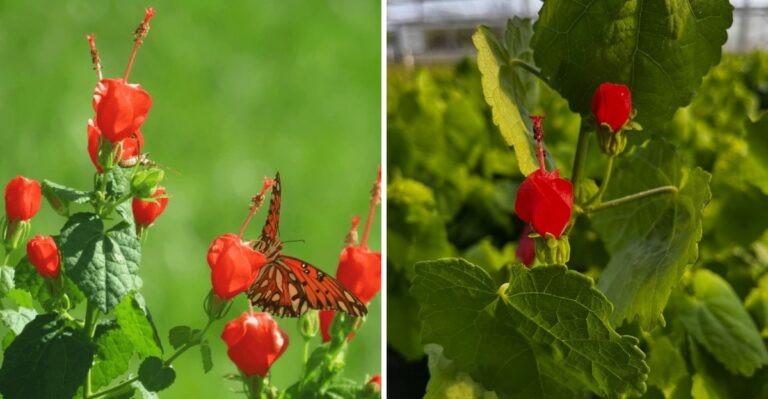
Picture a plant so tough it laughs at Texas summers, blooms through blistering heat, and still looks good doing it. That is Turk’s Cap for you.
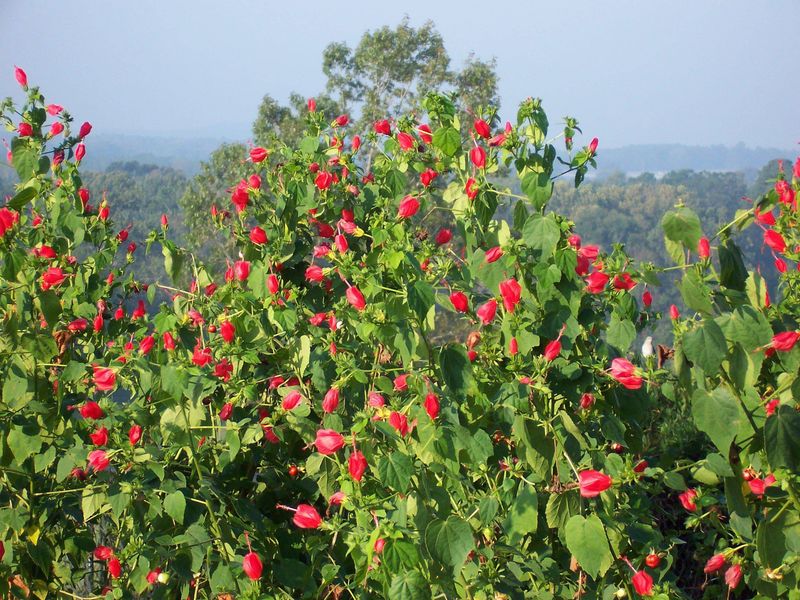
This native Texas perennial is a total showstopper in shady garden spots, producing bright red flowers that twist into a cap-like shape, which is exactly how it got its name.
Turk’s Cap, known scientifically as Malvaviscus arboreus, grows naturally across central and south Texas. It thrives in the kind of dappled shade that forms under large trees, which makes it a natural fit for spots where other plants give up.
It can reach four to eight feet tall, creating a bold, full look in the landscape without much effort from you.
One of the best things about this plant is how little water it needs once established. Texas gardeners will appreciate that Turk’s Cap handles dry spells without complaint.
Water it regularly during the first season to help it settle in, and after that, it largely takes care of itself.
Hummingbirds absolutely love the flowers, and butterflies visit regularly too. That means you get free wildlife entertainment just by planting it in your yard. The plant also produces small red fruits that birds enjoy in the fall months.
Cut it back in late winter to encourage fresh, bushy new growth in spring. It will return year after year, reliably filling that shady corner with color and life throughout the long Texas growing season.
2. Inland Sea Oats
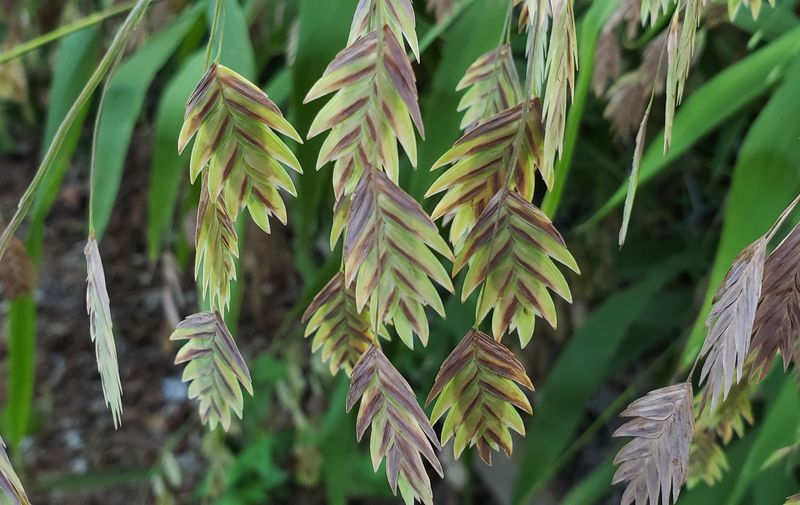
There is something almost magical about watching Inland Sea Oats sway gently in a breeze. This graceful native grass adds movement and soft texture to shady garden areas in a way that few other plants can match.
If your Texas yard has a spot under trees where grass refuses to grow, Inland Sea Oats might be exactly what you need.
Chasmanthium latifolium, its scientific name, is native to much of eastern and central Texas. It grows naturally along creek banks and in woodland areas, which tells you a lot about what it likes.
Your Texas Garden Changes Every Week. Your Plan Should Too.
Gardening in Texas changes quickly throughout the season. Every Friday you’ll receive a simple weekly plan showing exactly what to plant, prune, fertilize, harvest, and protect so you never miss the right timing.
It prefers shade to partial shade and appreciates consistent moisture, especially during its first growing season in your garden.
The plant grows about two to four feet tall and produces flat, dangling seed heads that look almost like tiny fish swimming in the air.
These seed heads start out green, then turn a beautiful copper-bronze color in fall and winter, giving your garden visual interest long after many other plants have faded.
Inland Sea Oats spreads by both seeds and underground runners, so it can fill in a bare shady area over time. Some Texas gardeners actually use it as a ground cover under large trees where little else will grow.
Just keep an eye on it and pull seedlings if it starts spreading where you do not want it. Birds love the seeds, which is a nice bonus. Plant it in groupings for the most dramatic effect in your shady landscape beds.
3. Autumn Fern
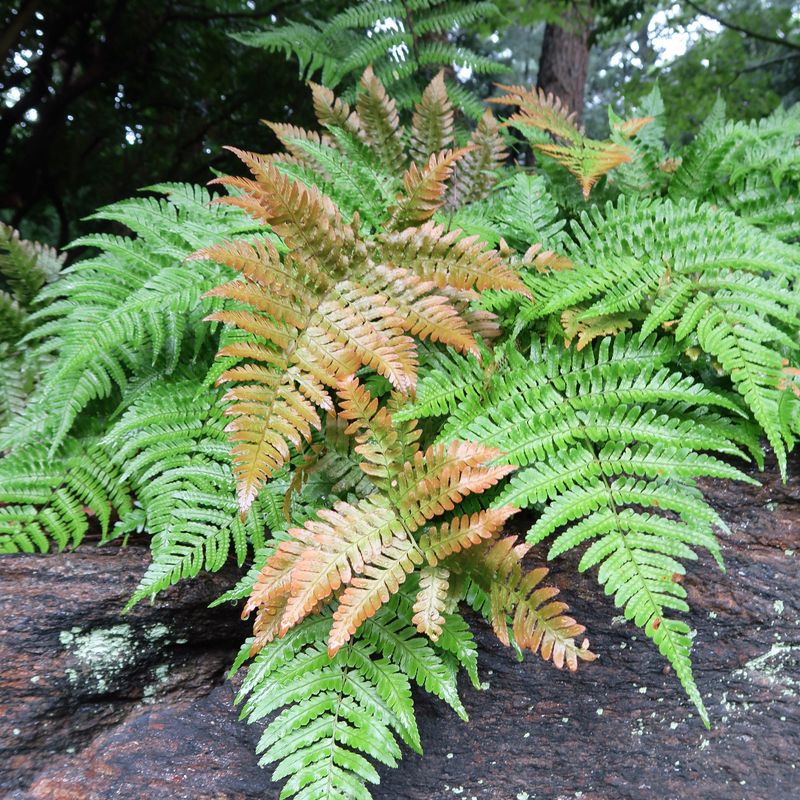
Few plants put on a color show quite like Autumn Fern does when new growth appears. The fresh fronds emerge in a warm coppery-red color before gradually deepening into a rich, glossy green.
This two-toned display makes it one of the most visually interesting plants you can grow in a shady Texas garden bed.
Dryopteris erythrosora, commonly called Autumn Fern, handles the humid conditions found across much of Texas far better than many other ferns.
It is semi-evergreen in most parts of the state, meaning it holds onto its foliage through mild winters and stays looking good even when temperatures drop. In the warmer southern parts of Texas, it may stay green all year long.
Plant it in a spot with morning sun and afternoon shade, or in full shade under large trees. It prefers rich, well-draining soil with consistent moisture.
Adding compost to your planting hole gives it a great head start and helps the soil hold water longer between rainfalls.
Autumn Fern grows to about eighteen to twenty-four inches tall and wide, making it a tidy, manageable size for most garden beds. It looks especially stunning when planted in groups of three or more, creating a lush, layered effect that fills in empty spaces beautifully.
Pair it with plants like Turk’s Cap or Foamflower for a layered shade garden that has both texture and color. Texas gardeners who try it rarely go back to plain hostas after seeing what Autumn Fern can do.
4. Cast Iron Plant
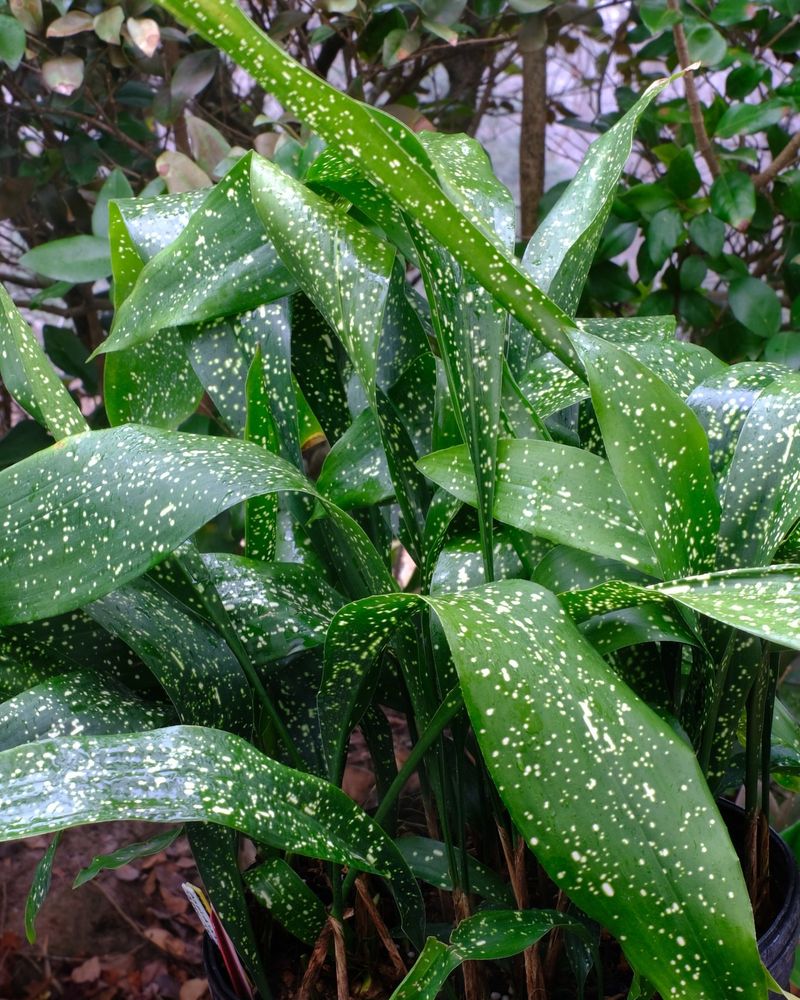
Its name says it all. The Cast Iron Plant earns its tough reputation by surviving conditions that would finish off almost anything else in a Texas garden.
Deep shade, poor soil, drought, and neglect are no match for this incredibly resilient plant. If you have a problem spot that seems impossible to grow anything in, this is your answer.
Aspidistra elatior grows slowly but steadily, producing long, arching, dark green leaves that can reach two to three feet in length. The foliage is thick and glossy, giving any shaded area a lush, tropical feel without the fuss.
It is a popular choice for under-tree planting in many Texas neighborhoods, and for good reason.
One of the most remarkable things about Cast Iron Plant is its tolerance for deep shade. Most plants need at least some direct sun to survive, but this one genuinely thrives in spots where almost no sunlight reaches.
That makes it invaluable for north-facing beds, covered patios, or the dark areas between buildings.
Water it occasionally during dry spells, especially in the intense Texas summer heat. Once established, it requires very little attention.
You can divide clumps every few years to spread it to other areas of your yard, which is a great way to fill more shady spots without spending extra money on new plants.
For a low-maintenance landscape that still looks polished and intentional, Cast Iron Plant is hard to beat. Texas gardeners who plant it once rarely need to think about it again.
5. Columbine
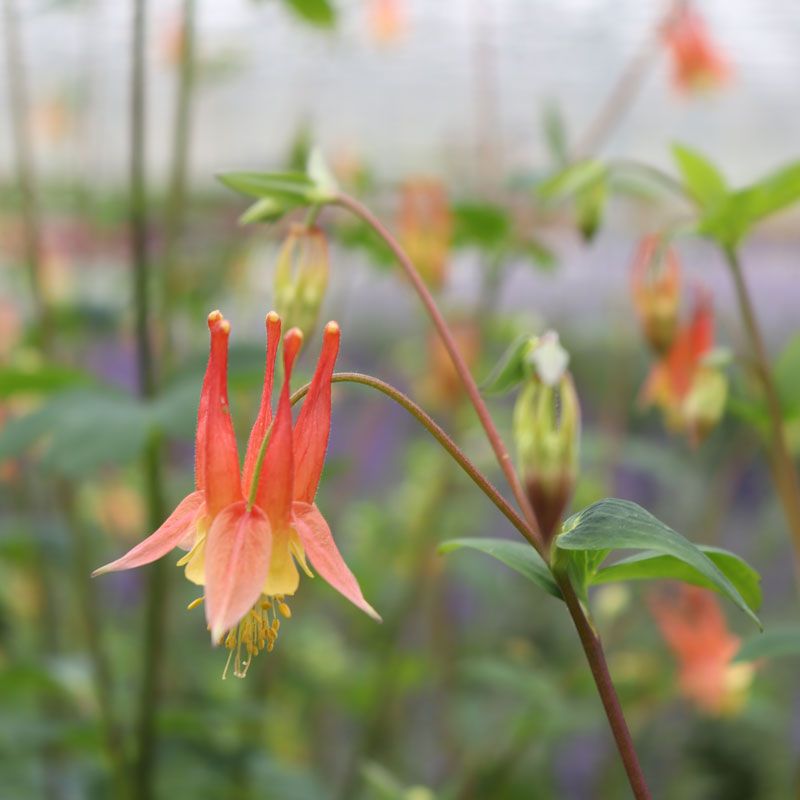
Spring in a Texas shade garden gets a whole lot more exciting when Columbine is in the mix. Native Columbine, specifically Aquilegia canadensis, brings a burst of delicate red and yellow flowers to shady beds at a time of year when color is most welcome.
The flowers have a whimsical, almost fairy-tale look that makes them hard to ignore. What makes native Columbine special in Texas is that it evolved here.
Unlike many ornamental plants that struggle with the heat, native Columbine knows exactly how to handle the local conditions.
It grows naturally in rocky, shaded areas of the Hill Country and other parts of central Texas, which means it is perfectly suited to the region’s challenging climate.
Hummingbirds are drawn to the tubular flowers like magnets, and butterflies and bees visit regularly too. Planting Columbine in your shady garden beds is one of the easiest ways to support local pollinators while also adding beauty to your yard.
It typically blooms from late winter through spring, then goes dormant in summer heat. Plant it in well-draining soil with some organic matter mixed in. It self-seeds freely, meaning it will spread gently over time and fill in more of your shaded areas on its own.
You can also collect seeds and scatter them in new spots to expand your planting. Columbine pairs beautifully with ferns and Foamflower for a layered, naturalistic look. Texas gardeners love it for bringing effortless charm to spots that need a seasonal pop of color.
6. American Beautyberry
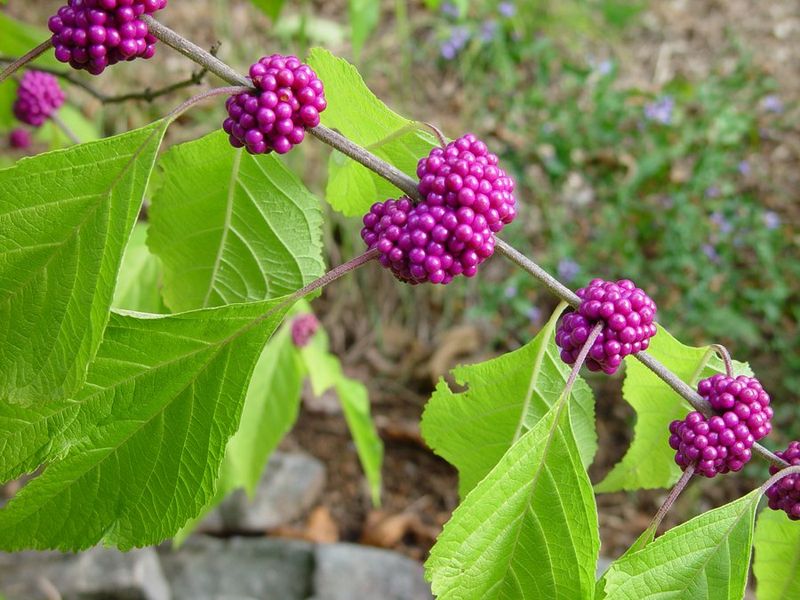
Nothing in a Texas garden quite stops people in their tracks the way American Beautyberry does when its berries ripen in fall.
The clusters of vivid magenta-purple berries line the arching branches in such a dramatic way that even people who know nothing about plants will stop and ask what it is.
It is genuinely one of the most eye-catching native shrubs you can grow in the Lone Star State.
Callicarpa americana grows naturally throughout eastern and central Texas in woodland edges and shaded areas. It is completely at home in partial to full shade, which makes it a star performer in spots where other plants fail to impress.
The shrub can grow four to eight feet tall and equally wide, so give it room to spread out and show off.
The berry display in late summer and fall is the main event, but the plant earns its keep throughout the growing season too.
The large, soft green leaves have a subtle texture, and the plant flowers in summer with small pink blooms that attract bees and butterflies. Birds flock to the berries in fall and winter, making it a wildlife magnet.
American Beautyberry is drought-tolerant once established, though it appreciates some extra water during the hottest Texas months. Cut it back hard in late winter to encourage vigorous new growth and an even better berry show the following fall.
For Texas gardeners looking for a shrub that delivers maximum visual impact with minimum fuss, American Beautyberry is a near-perfect choice for shady spots.
7. Foamflower
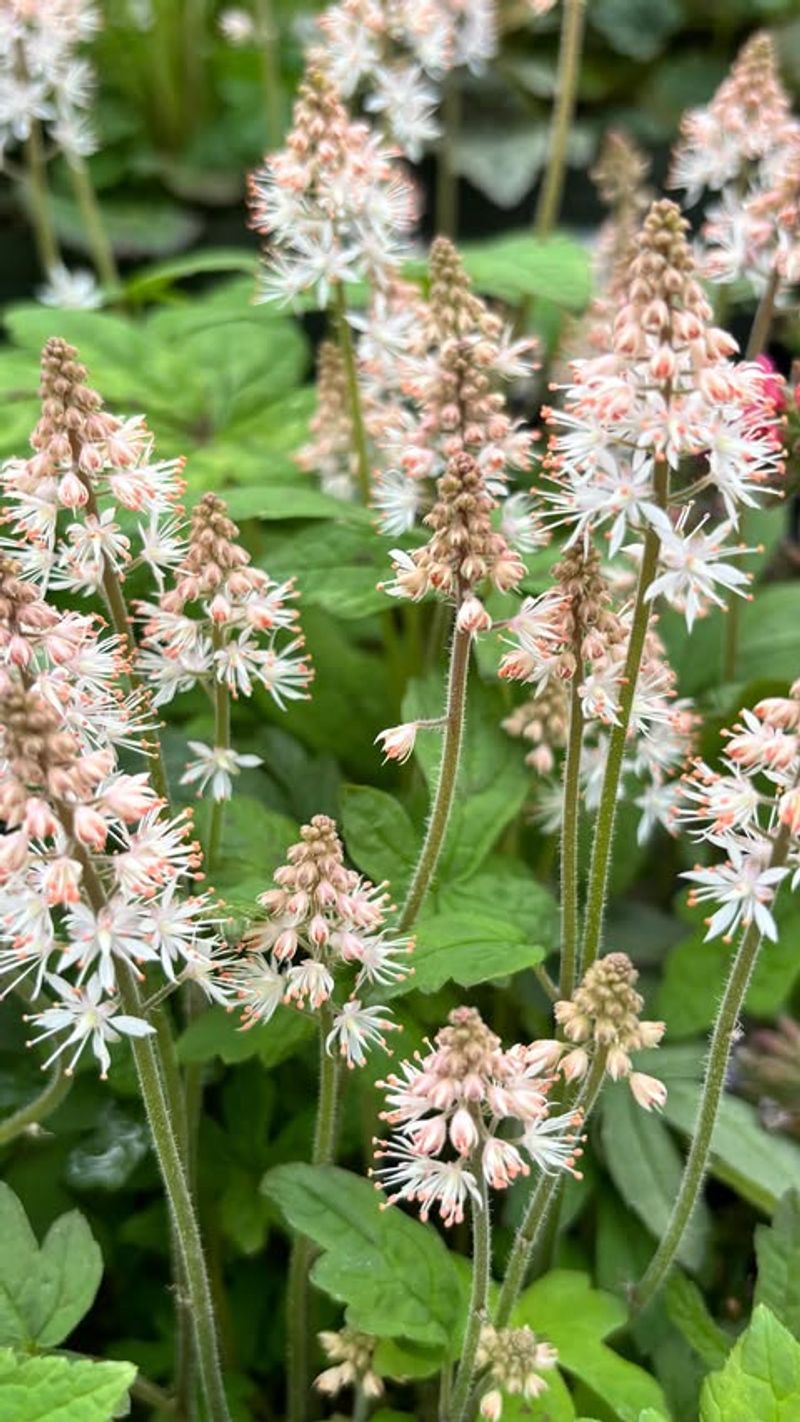
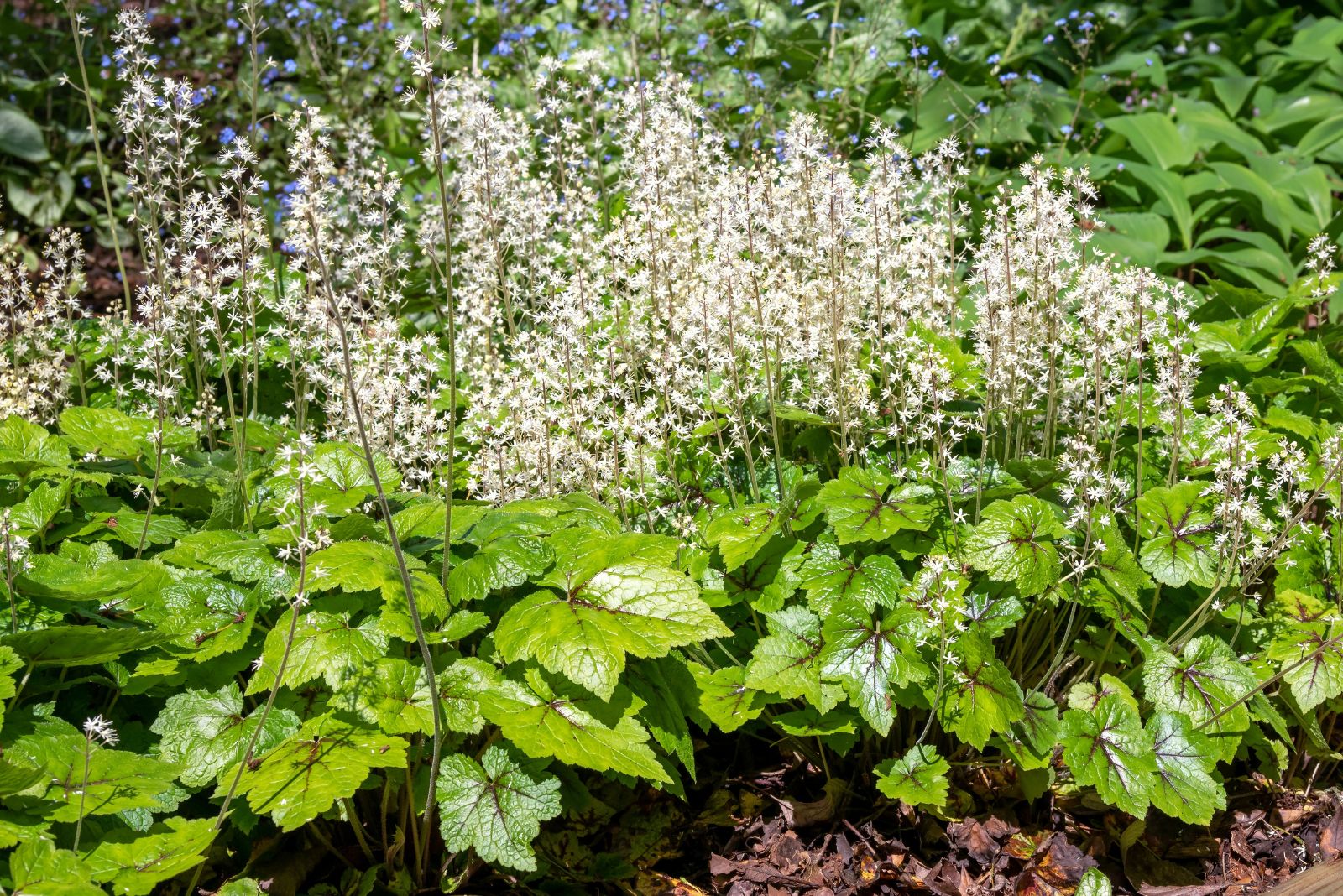
Foamflower might just be the most underrated ground cover for shady Texas gardens. When it blooms in spring, it sends up airy spikes covered in tiny white to pale pink flowers that genuinely look like little puffs of foam floating above the foliage.
It is soft, pretty, and surprisingly tough for something that looks so delicate. Tiarella cordifolia spreads steadily by runners, forming a low, dense mat of attractive lobed leaves that stay close to the ground.
This spreading habit makes it incredibly useful for filling in bare shady spots under trees or along the edges of garden beds where you want full, lush coverage without constant replanting.
The foliage itself is worth growing even without the flowers. Many varieties have interesting markings or reddish veining that adds visual interest throughout the growing season.
In Texas, the leaves often take on beautiful fall color before the plant settles in for a quiet winter rest.
Foamflower prefers consistently moist, rich soil and does best in full to partial shade. In Texas, protect it from the harsh afternoon sun, which can scorch the leaves quickly.
Morning light is fine, but afternoon shade is essential for keeping it looking its best through the long, hot summer months.
Pair it with Autumn Fern or Columbine for a layered shade planting that has something interesting happening in every season.
Texas gardeners who give Foamflower the right conditions are always rewarded with a lush, beautiful ground cover that spreads and fills in naturally over time.