These 8 Plants Keep Spiders, Ants And Flies Away From Your Michigan Home Naturally
Spiders showing up near doorways, ants finding their way into the kitchen, and flies hovering around windows are familiar summer frustrations for Michigan homeowners.
Chemical sprays handle the problem temporarily but require repeated applications and come with tradeoffs most people would rather avoid near kids, pets, and vegetable gardens.
Certain plants offer a more permanent and pleasant solution, releasing compounds through their foliage, stems, and roots that these pests find genuinely repellent.
The approach works best when the right plants are positioned close to entry points, patios, or the areas of your yard where pest activity is highest.
Michigan’s growing season gives these plants plenty of time to establish and stay actively fragrant through the months when insect pressure peaks.
Several of them pull double duty as herbs, pollinator plants, or garden ornamentals, which makes them easy to work into an existing landscape without dedicating space to something that does only one job.
1. Lavender (Lavandula angustifolia)
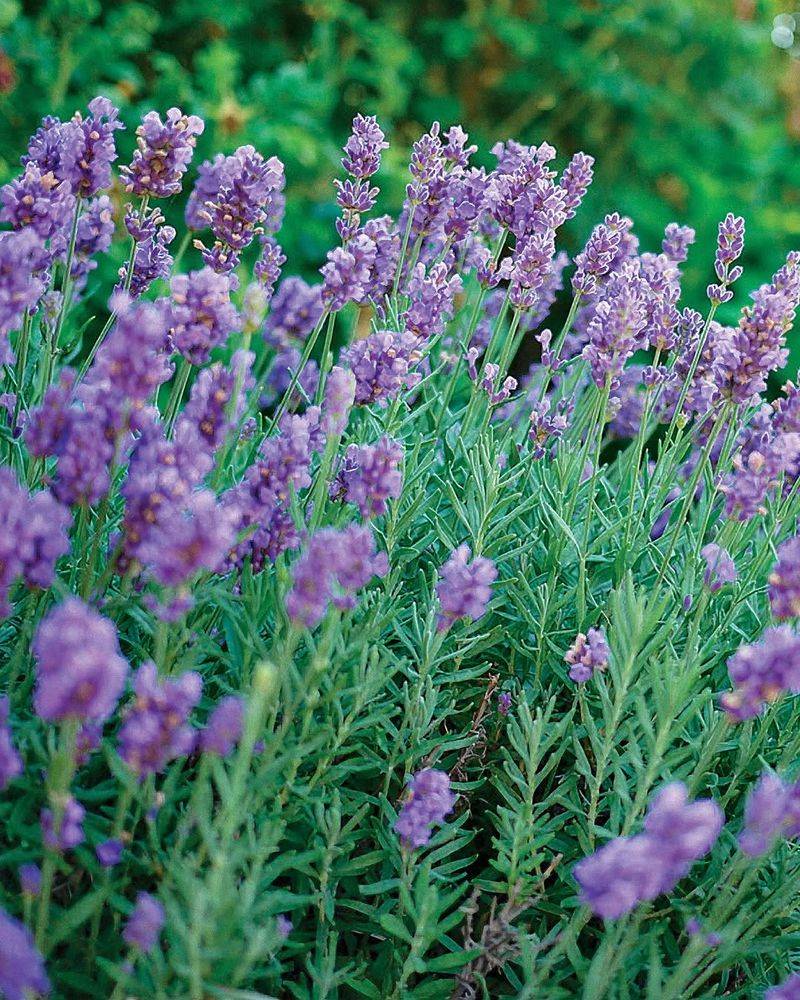
Few plants smell as wonderful as lavender, yet most insects seem to strongly disagree. That powerful floral fragrance that humans love so much is exactly what may discourage spiders, ants, and flies from hanging around your Michigan home.
Planting lavender near your front door or patio is one of the easiest natural strategies you can try this season.
Lavender thrives in full sun and well-drained soil, making it a great fit for many Michigan yards during the warmer months. Sandy or loamy soil works especially well, and raised garden beds are a smart option if your yard tends to hold moisture after rain.
Once established, lavender is surprisingly low-maintenance and drought-tolerant, which busy homeowners absolutely appreciate.
Beyond keeping bugs at bay, lavender adds gorgeous purple color to your landscape from late spring through summer. You can also cut fresh stems and place small bundles near windowsills or doorways inside your home for added fragrance.
Michigan gardeners often pair lavender with rosemary or marigolds to create a beautiful, multi-layered insect-discouraging border.
Keep in mind that no plant completely stops insects from entering, but lavender is a fragrant, practical, and rewarding addition to any Michigan garden that pulls double duty beautifully.
2. Mint (Mentha spp.)
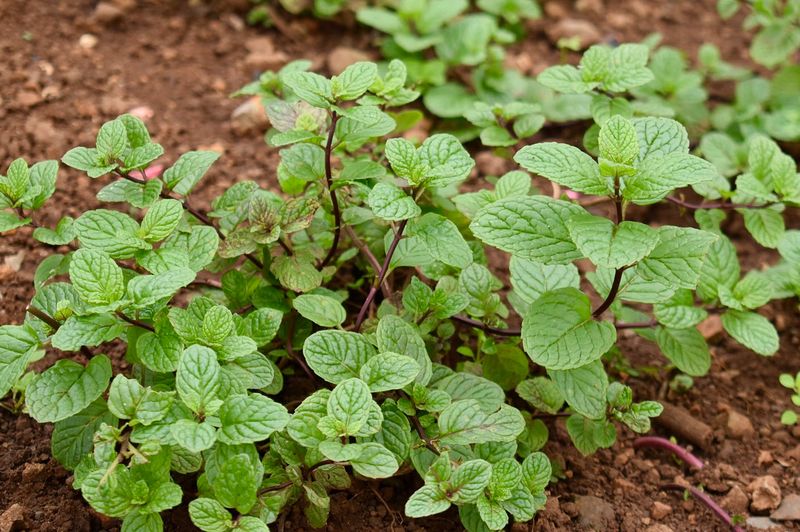
Mint is one of those plants that feels almost too good to be true. It smells incredible, grows quickly, works great in the kitchen, and its strong scent may help discourage ants, flies, and spiders from getting too comfortable around your Michigan home.
Placing mint containers near outdoor seating areas or along pathways is a smart, practical move.
One important thing every Michigan gardener should know before planting mint is that it spreads aggressively. Left unchecked in an open garden bed, mint can take over surprisingly fast and crowd out neighboring plants.
Growing it in containers is the safest and most manageable approach, giving you full control over where it grows and how far it reaches.
Peppermint and spearmint are the two most popular varieties for home gardens, and both carry that bold, sharp scent that insects tend to avoid.
Your Michigan Garden Changes Every Week. Your Plan Should Too.
Gardening in Michigan changes quickly throughout the season. Every Friday you’ll receive a simple weekly plan showing exactly what to plant, prune, fertilize, harvest, and protect so you never miss the right timing.
You can also crush a few fresh leaves and rub them near doorframes or window edges to release even more of that natural fragrance.
Michigan summers are the perfect time to enjoy mint on your patio, in your water glass, and working quietly to make your outdoor space a little less attractive to unwanted bugs. It is truly one of the most versatile plants you can grow.
3. Basil (Ocimum basilicum)
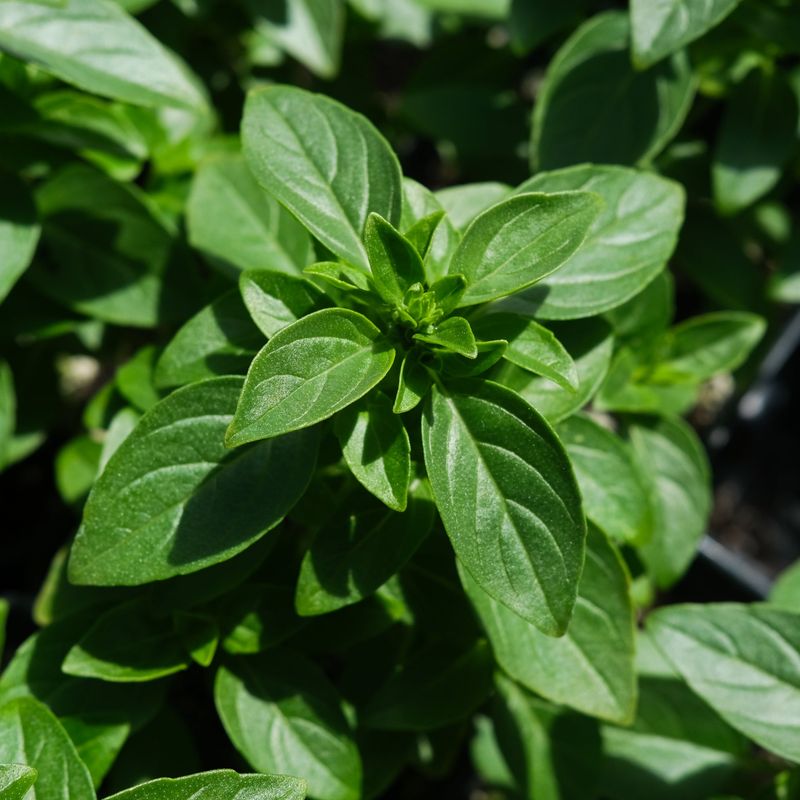
Basil might be best known as a kitchen superstar, but this fragrant herb has a useful trick up its sleeve beyond pasta sauce.
Its strong, spicy aroma may help discourage flies from lingering around outdoor dining areas and doorways, making it a smart plant to keep near your Michigan home during the warm summer months.
Sweet basil is the most common variety, but Thai basil and lemon basil also carry bold scents that insects seem to find unappealing.
Placing a pot of basil right next to your back door or on your patio table creates a natural barrier while also keeping fresh herbs within arm’s reach for cooking.
That combination of beauty and function is hard to beat in any Michigan garden.
Basil loves heat, sunshine, and consistent watering, so Michigan’s summer season suits it well between late May and early September. Make sure to pinch off flower buds as they appear to keep the plant bushy and full of those aromatic oils that matter most.
Once temperatures drop in fall, basil will struggle, so enjoy it while the season lasts. Pairing basil with marigolds or mint near your patio creates a layered, natural approach that may help reduce fly and ant activity while making your outdoor space smell absolutely wonderful all season long.
4. Lemongrass (Cymbopogon citratus)
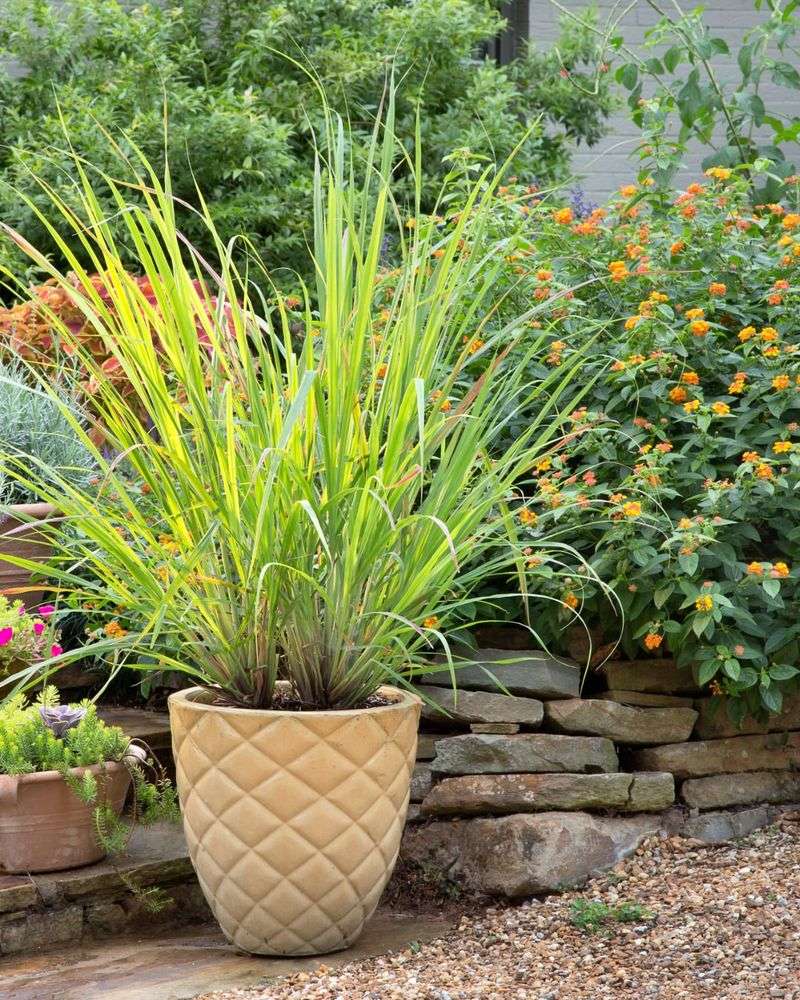
Lemongrass brings a tropical, dramatic look to any Michigan patio, and it carries something extra special inside its stalks. It contains citronella-related compounds, the same kind of natural ingredient found in many popular insect-repelling products.
That connection alone makes lemongrass one of the most talked-about plants for reducing bug activity around outdoor living spaces.
Because Michigan winters are far too cold for lemongrass to survive outdoors, it is best grown as a seasonal container plant. Start it in a large pot in late spring after the last frost, and move it to a sunny spot near your patio or entryway.
The tall, graceful stalks can grow several feet high by midsummer, creating an impressive and fragrant natural screen between you and unwanted insects.
Lemongrass needs full sun, warmth, and regular watering to thrive during Michigan’s growing season. You can also harvest the lower stalks for use in cooking, particularly in Asian-inspired dishes and teas, which makes this plant genuinely useful in multiple ways.
Before the first fall frost hits, bring the container indoors and place it near a sunny window to keep it alive through winter.
Growing lemongrass in Michigan takes a little extra planning compared to other plants on this list, but its bold fragrance and striking appearance make every bit of effort completely worth it.
5. Catnip (Nepeta cataria)
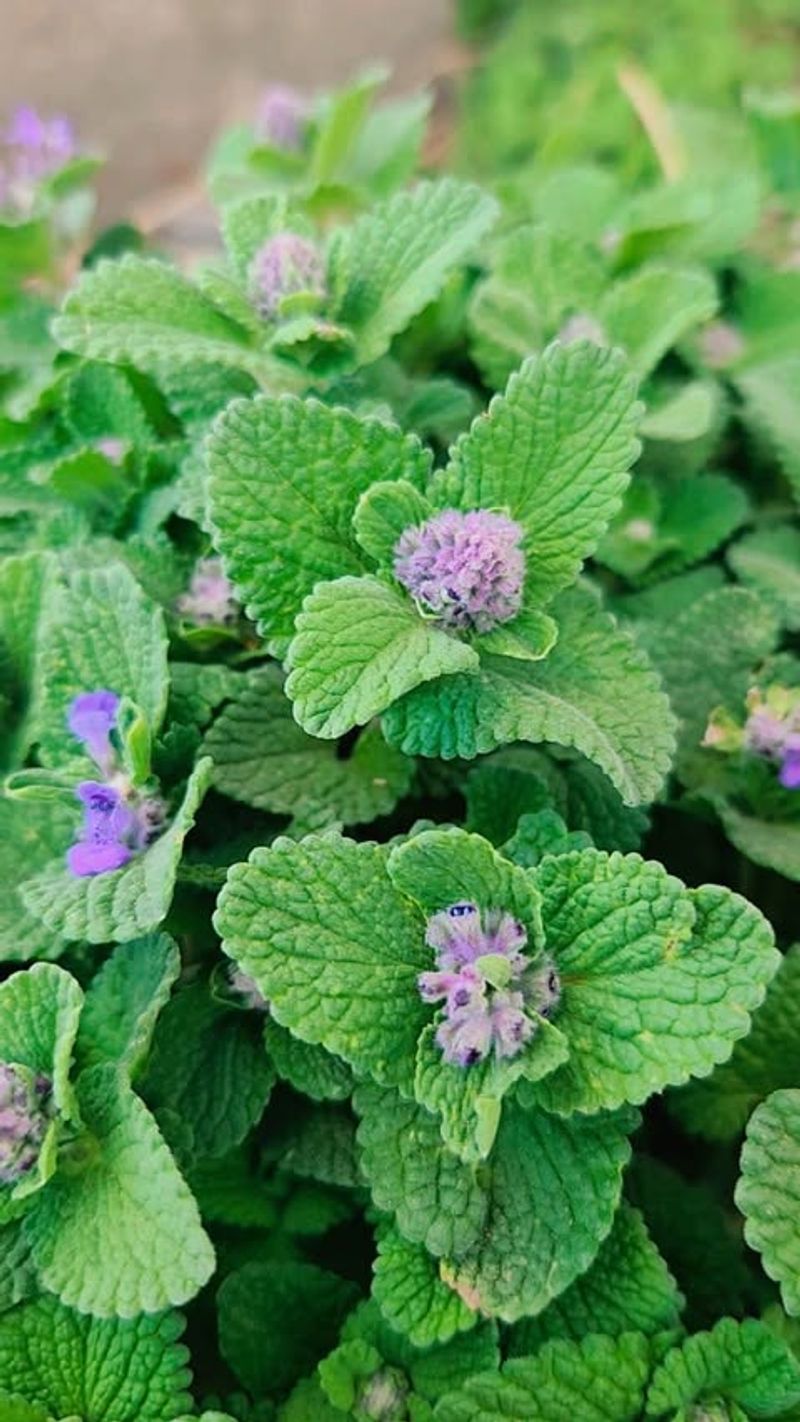
Catnip is famous for sending cats into a playful frenzy, but insects have a very different reaction to this scrappy little herb.
Research has shown that catnip contains a compound called nepetalactone, which has demonstrated insect-repelling properties in scientific studies.
That makes catnip one of the more research-backed options on this list for Michigan homeowners looking for a natural approach.
Growing catnip in Michigan is straightforward because it is a hardy perennial that handles the state’s cold winters without much fuss.
It grows well in average soil, tolerates partial shade, and comes back reliably each spring, which is a huge bonus compared to annual plants that need replanting every year.
Place it near garden borders, walkways, or patio edges where insect activity tends to be highest.
One thing to watch with catnip is its tendency to spread and self-seed if you leave the flowers on too long. Trimming it back regularly keeps it tidy and actually encourages fresh, oil-rich growth that carries the strongest scent.
Of course, if you have cats in the neighborhood, expect some enthusiastic visitors who will absolutely roll around in your carefully tended plants.
Despite that quirky downside, catnip remains one of the most practical, low-cost, and genuinely interesting plants a Michigan gardener can add to an insect-reducing landscape this season.
6. Marigolds (Tagetes spp.)
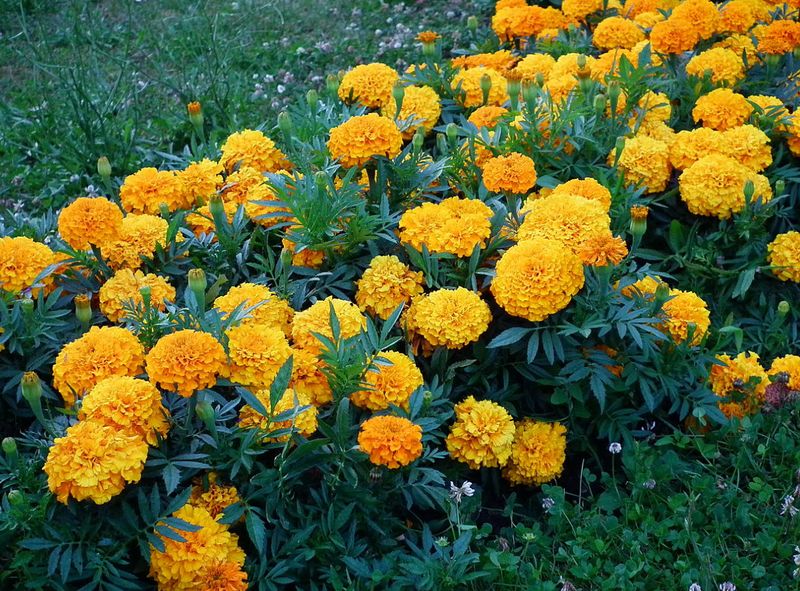
Walk through almost any Michigan neighborhood in July and you will spot marigolds glowing in shades of gold, orange, and deep red along garden borders.
Beyond their cheerful appearance, marigolds have a reputation for discouraging certain insects around vegetable gardens and patios, which is why so many experienced gardeners plant them as a natural border.
Their scent is strong and distinctive, and most insects find it far from welcoming. Marigolds are annuals in Michigan, which means they need to be replanted each spring after the last frost.
The good news is they are incredibly easy to grow from seed or transplant, and they bloom enthusiastically from early summer all the way through the first fall frost.
Planting them along walkways, near vegetable beds, or around your patio perimeter gives your yard both color and a layer of natural insect management.
French marigolds tend to be the most popular choice for home gardens because of their compact size and strong fragrance, though African marigolds also work wonderfully as a bold border plant.
Regular deadheading, which simply means removing spent blooms, encourages continuous flowering all season long.
Marigolds are also budget-friendly, widely available at Michigan nurseries, and pair beautifully with basil, lavender, and other insect-discouraging plants. For a natural, colorful, and practical garden border that works hard all summer, marigolds are genuinely hard to beat.
7. Rosemary (Salvia rosmarinus)
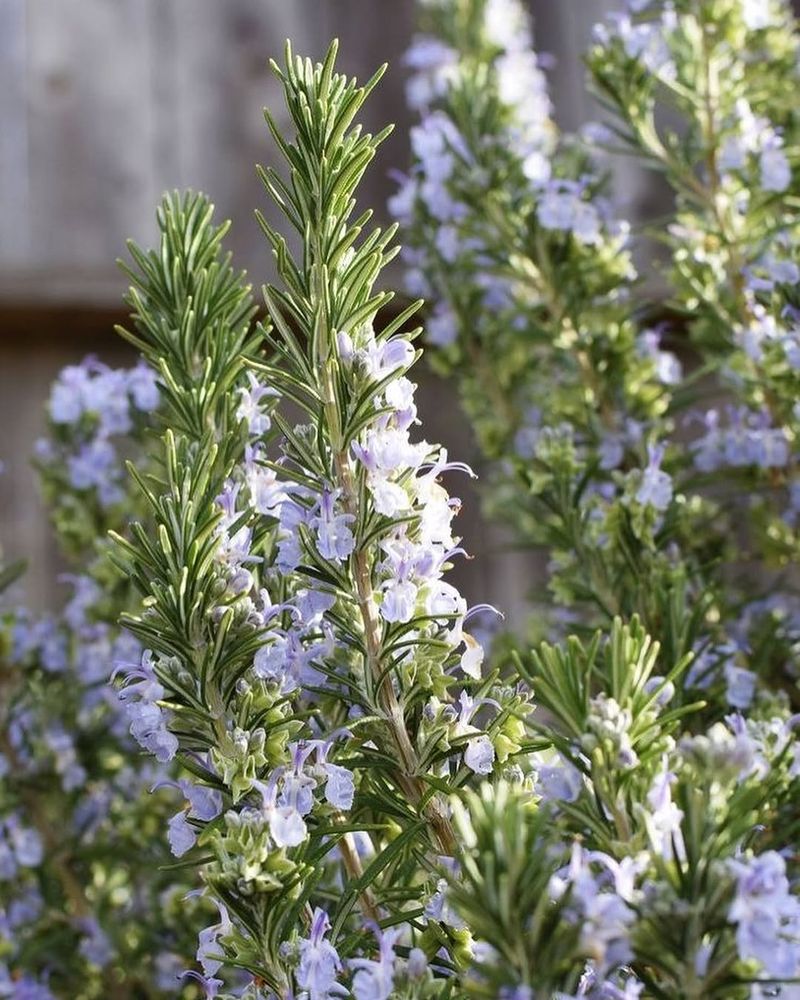
Rosemary is one of those wonderfully dependable plants that gives back far more than it asks for.
Its sharp, piney fragrance is beloved in kitchens across Michigan, and that same bold aroma may help reduce insect activity around outdoor living areas when the plant is placed near patios, doorways, or garden seating spots.
It is a two-in-one plant that earns its place in any yard.
In Michigan’s climate, rosemary is best grown in containers since it is not reliably winter-hardy through the state’s coldest months. A large pot placed in full sun gives rosemary everything it needs to thrive through summer.
Well-drained soil is essential because rosemary strongly dislikes sitting in wet conditions, so avoid overwatering and make sure your container has good drainage holes at the bottom.
One of the most enjoyable things about growing rosemary is that you can harvest sprigs throughout the season for cooking without harming the plant at all.
Fresh rosemary on roasted vegetables or grilled chicken is a simple pleasure that Michigan home cooks absolutely love.
When fall arrives, bring your rosemary container indoors and place it near the sunniest window you have to keep it going through winter.
Rosemary’s woody, aromatic nature makes it a standout choice among insect-discouraging plants, and its culinary usefulness makes it one of the smartest investments a Michigan gardener can make.
8. Chrysanthemums (Chrysanthemum spp.)
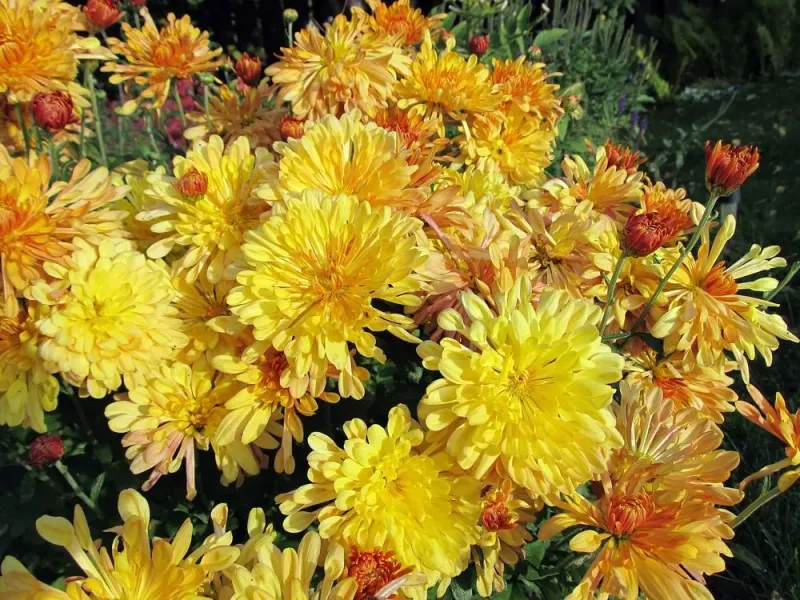
Chrysanthemums are one of fall’s most beloved flowers across Michigan, brightening porches and garden beds with rich, jewel-toned blooms just as summer fades.
What many people do not realize is that some chrysanthemum varieties naturally contain compounds called pyrethrins, which are widely used as active ingredients in many commercial insect-control products.
That natural connection makes chrysanthemums genuinely interesting from a garden science perspective.
It is worth being clear that a living chrysanthemum plant does not release concentrated amounts of pyrethrins the way a commercial spray does.
The effect in a garden setting is far more subtle, and results can vary depending on the specific variety and growing conditions.
Still, chrysanthemums are commonly associated with insect-reducing gardens, and their presence near patios and entryways may contribute to a less inviting environment for flies, ants, and spiders.
Chrysanthemums grow beautifully in Michigan’s fall season, thriving in full sun with well-drained soil and regular watering.
Planting them near your home’s foundation, along walkways, or in containers on your porch gives you both decorative appeal and a natural layer of insect management heading into autumn.
Pairing chrysanthemums with marigolds or lavender earlier in the season creates a colorful, rotating garden that works hard from spring through fall.
For Michigan homeowners who want a beautiful, low-effort, and naturally interesting plant near their home, chrysanthemums are a fantastic and rewarding seasonal choice.