7 Spring Flowers That Actually Love Michigan Rain And 3 That Drown In It Every Year
Michigan springs are wet, and some years they stay that way well into June. For certain flowers that reliable moisture is practically ideal, fueling strong root development and producing blooms that look better than they ever would in a dry season.
For others, the same rainy weeks are genuinely damaging, creating waterlogged soil conditions that rot crowns, suffocate roots, and turn a promising spring planting into a recovery project.
Knowing which category your flowers fall into before you put them in the ground changes where you plant them, how you prepare the soil, and whether you end up nursing struggling plants or watching them take off exactly the way you hoped.
Michigan gardeners who have dealt with the same drowning casualties year after year often just need to swap them for something better suited to the conditions their yard naturally creates in spring.
These seven flowers lean into Michigan rain and perform better for it, while these three are worth moving to raised beds or better drained spots before the season gets going.
1. Swamp Milkweed (Asclepias incarnata)
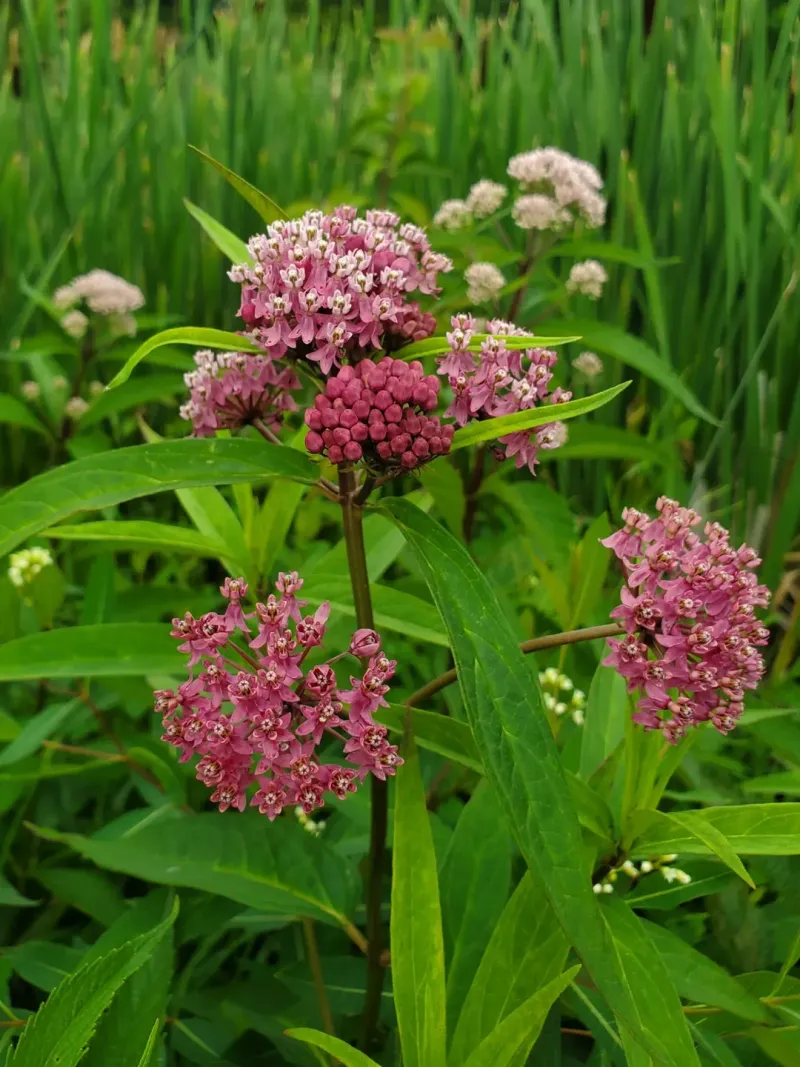
If a flower could be called a true Michigan native, Swamp Milkweed would raise its hand first. This tough, beautiful perennial grows naturally in wet meadows, rain gardens, and low-lying areas all across the state.
It does not just tolerate soggy spring soil, it actually prefers it over dry conditions.
Swamp Milkweed produces clusters of rosy-pink blooms that attract monarch butterflies, bees, and other pollinators throughout the growing season.
Planting it near a downspout or in a low spot where water collects is a smart move for Michigan gardeners tired of fighting nature. It handles prolonged spring moisture without skipping a beat.
Growing it is surprisingly easy. Give it full sun to partial shade, and it will reward you with steady growth and reliable blooms year after year.
It reaches about three to four feet tall, making it a great mid-border plant. Because it is native to Michigan, it has already adapted to the region’s unpredictable weather patterns, including those long, rainy April and May stretches.
Pair it with other native wet-soil plants for a low-maintenance, pollinator-friendly garden that practically takes care of itself. It is one of the most rewarding choices any Michigan gardener can make for a spring flower bed.
2. Cardinal Flower (Lobelia cardinalis)
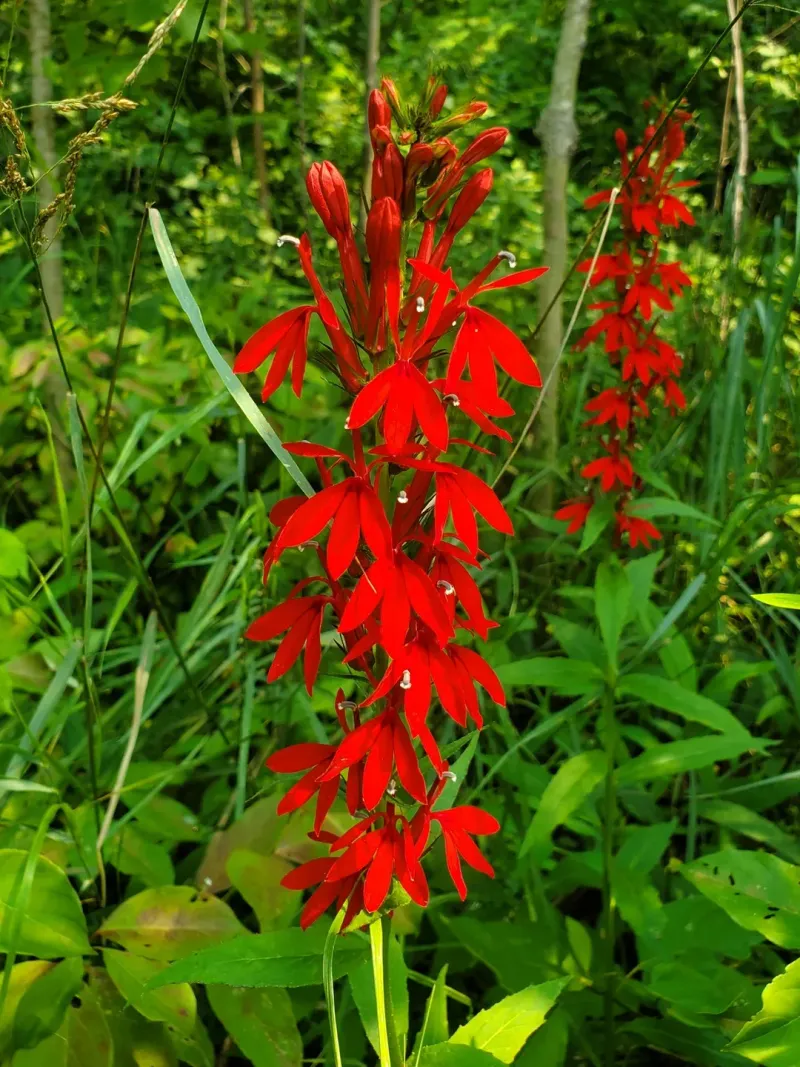
Few flowers stop people in their tracks quite like Cardinal Flower. That shocking, fire-engine red is hard to miss, and it turns out this stunning wildflower is perfectly suited to Michigan’s rainy spring climate.
Lobelia cardinalis is a native plant that has been growing naturally along Michigan’s stream banks and wet meadows for centuries.
What makes Cardinal Flower stand out is how well it handles consistently moist soil. While many garden flowers sulk or develop root problems when the ground stays wet for weeks, Cardinal Flower keeps right on growing.
Spring rain in Michigan is basically the ideal condition for this plant, helping it build strong roots before its dramatic summer bloom season kicks off.
Your Michigan Garden Changes Every Week. Your Plan Should Too.
Gardening in Michigan changes quickly throughout the season. Every Friday you’ll receive a simple weekly plan showing exactly what to plant, prune, fertilize, harvest, and protect so you never miss the right timing.
Hummingbirds absolutely love Cardinal Flower, which makes it a double win for any backyard gardener. Plant it in a spot that receives morning sun and some afternoon shade to get the best results.
It grows between two and four feet tall and spreads gradually over time, filling in wet areas naturally. Because it is a Michigan native, it requires very little extra attention once established.
Skip the fertilizer and heavy amendments, since this plant thrives in average, moist garden soil. For anyone looking to add bold color to a wet corner of their yard, Cardinal Flower is a spectacular and reliable choice.
3. Marsh Marigold (Caltha palustris)
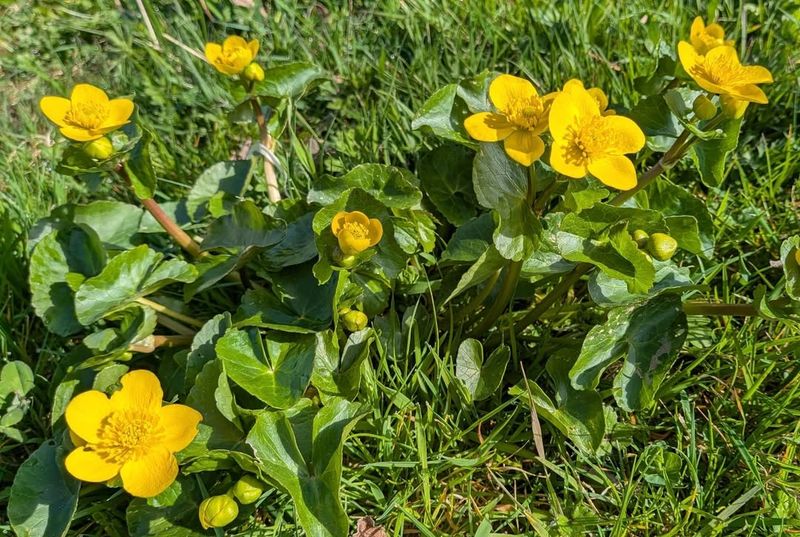
When the rest of the garden is still waking up from winter, Marsh Marigold is already stealing the show. This cheerful, bright yellow wildflower blooms very early in spring, often while the ground is still saturated and temperatures are still chilly.
It is one of the first true signs that Michigan spring has arrived.
Caltha palustris grows naturally in wetlands, along stream edges, and in shallow standing water throughout Michigan. That means soggy soil is not a problem for this plant, it is the whole point.
Rain-soaked garden beds or low areas where water pools are exactly where Marsh Marigold feels most at home. Most other spring flowers would struggle in those same spots.
The glossy, deep green leaves and vivid yellow blooms make it a real standout in the early spring garden. It typically reaches about one to two feet tall and spreads slowly into clumps over time.
Plant it near a pond, rain garden, or any consistently wet area in your yard for the best results. After blooming, the foliage dies back naturally in summer, so pairing it with later-emerging plants helps fill the gap.
For Michigan gardeners who have a wet spot they just cannot seem to fix, Marsh Marigold is the perfect solution. It turns a soggy problem area into a beautiful spring feature every single year.
4. Blue Flag Iris (Iris versicolor)
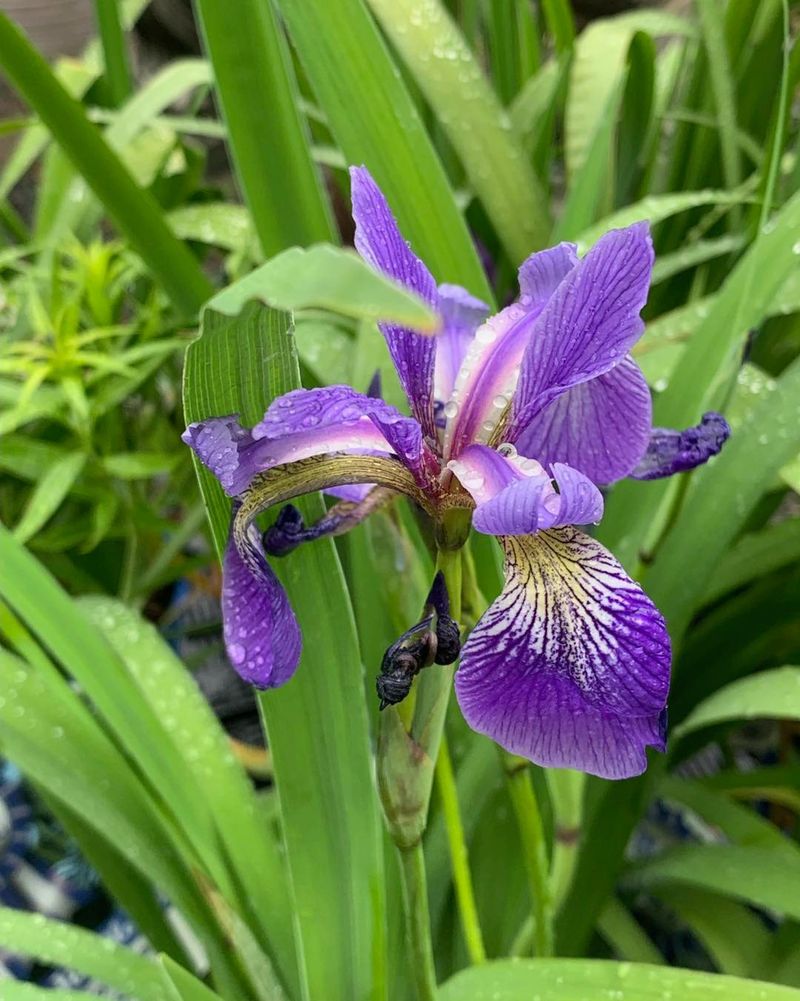
There is something almost magical about Blue Flag Iris blooming along the edge of a Michigan pond or rain garden in May.
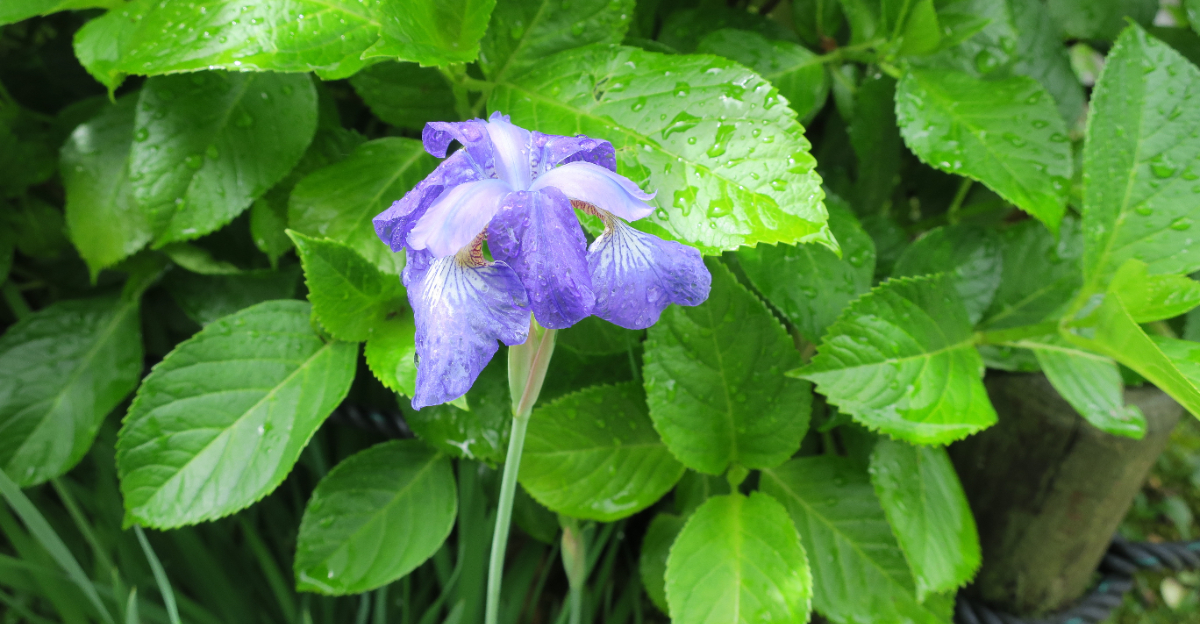
The violet-blue flowers with delicate yellow and white markings look like something out of a painting, and the best part is that this plant loves the wet conditions Michigan springs are known for.
It is native to the region and built for exactly this kind of weather.
Iris versicolor grows naturally in marshes, pond edges, and wet meadows throughout Michigan and the Great Lakes region.
Spring rain actually encourages stronger growth rather than causing problems, which is the opposite of what you get with many popular garden irises.
If you have a low spot in your yard that stays wet after every rainstorm, Blue Flag Iris will turn that frustrating area into a showpiece.
This iris grows about two to three feet tall and spreads gradually through rhizomes, creating a full, lush clump over time. It thrives in full sun to partial shade and does best in consistently moist to wet soil.
Unlike many ornamental irises that need dividing every few years to stay healthy, Blue Flag Iris is generally low maintenance once established.
Michigan gardeners who want a native, rain-tolerant flower with serious visual impact should absolutely consider adding this one to their landscape.
It blooms in late spring and early summer, bridging the gap between early bloomers and summer perennials beautifully.
5. Joe Pye Weed (Eutrochium purpureum)
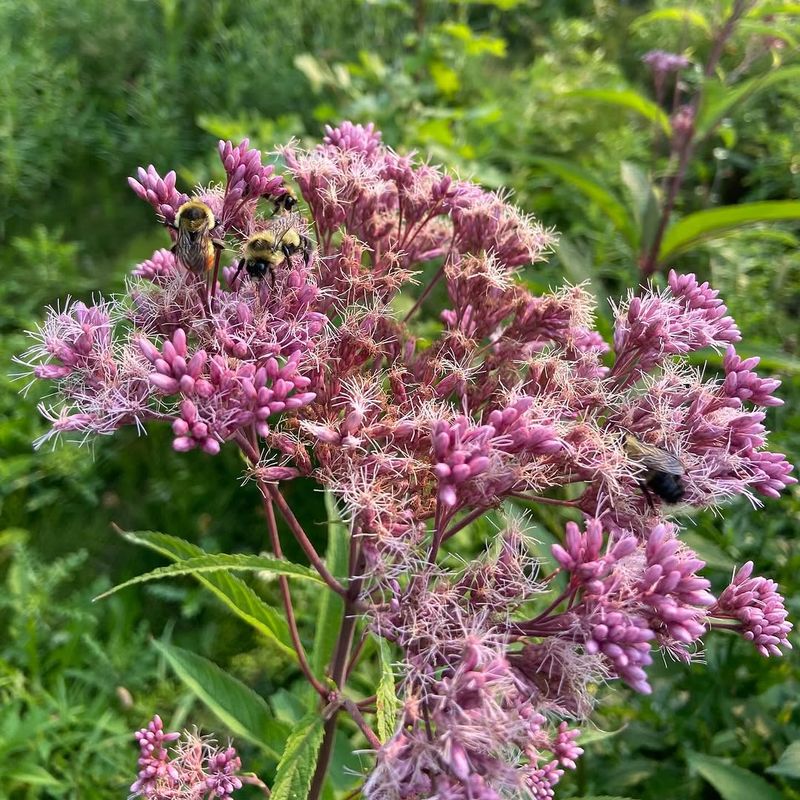
Do not let the name fool you. Joe Pye Weed is anything but a weed in the traditional sense.
This tall, stately Michigan native is a powerhouse perennial that actually thrives during the kind of wet, rainy springs that send other plants into decline. It is tough, beautiful, and wildly popular with pollinators.
Eutrochium purpureum grows naturally in moist meadows and along stream banks across Michigan, which tells you everything you need to know about its relationship with water.
Spring rain encourages vigorous growth, and by late summer, it erupts into large, dusty mauve-pink flower clusters that attract butterflies, bees, and other beneficial insects in impressive numbers.
Few native plants put on a better late-season show. Joe Pye Weed can reach four to seven feet tall, so give it room to grow and plant it toward the back of a border or in a naturalistic garden setting.
It prefers full sun to light shade and consistently moist soil, making it a perfect fit for Michigan’s typical spring and early summer conditions.
Once established, it requires very little care and comes back reliably every year. Cutting it back in early spring helps keep it tidy and encourages strong new growth.
For Michigan gardeners who want a bold, rain-loving perennial that also supports local wildlife, Joe Pye Weed is one of the best choices available. It genuinely earns its place in any native plant garden.
6. Turtlehead (Chelone glabra)
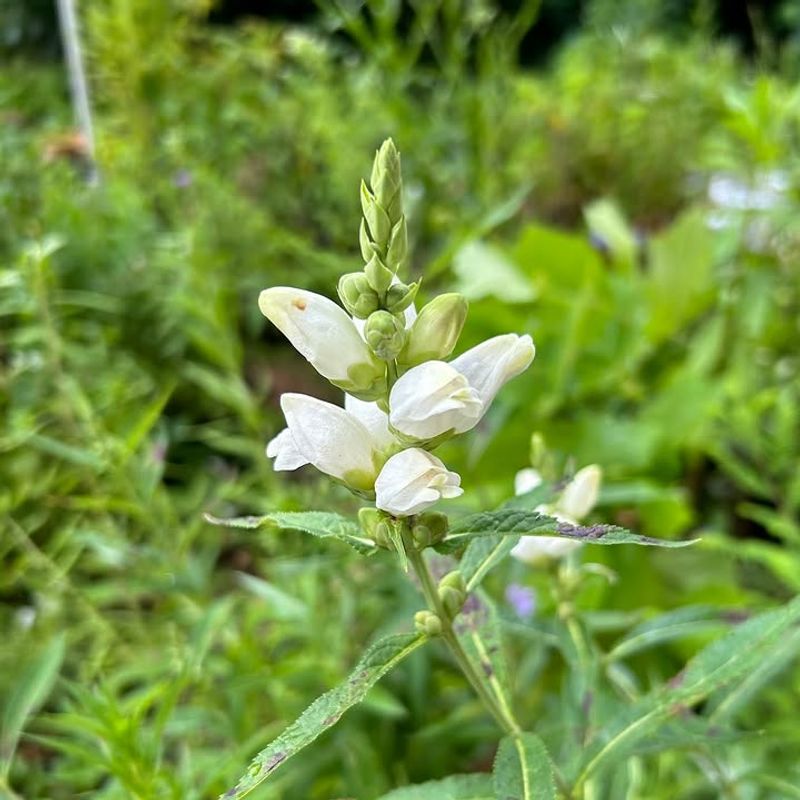
Turtlehead gets its quirky name from the shape of its blooms, which look remarkably like a turtle poking its head out of a shell. Beyond the fun name, this Michigan native is one of the most dependable wet-soil perennials you can plant.
It grows naturally along stream banks and in moist meadows across the state, and it handles prolonged spring moisture far better than most garden flowers ever could.
Chelone glabra blooms in late summer and early fall, but it spends the whole spring and summer building a strong, leafy plant that can handle whatever Michigan weather throws at it.
Heavy spring rains, standing water in low spots, and consistently soggy soil are all conditions this plant takes in stride.
While other perennials in your garden might be showing signs of stress after a particularly wet May, Turtlehead just keeps growing.
It typically reaches two to three feet tall and does best in partial shade to full sun with consistently moist soil. Plant it near a rain garden, pond edge, or any naturally wet area in your Michigan yard for best results.
Turtlehead is also a host plant for the Baltimore checkerspot butterfly, which adds serious ecological value to your garden. It spreads slowly over time, forming tidy clumps that look great in naturalistic or woodland garden designs.
For anyone who has struggled to find a reliable flower for a shady, wet corner, Turtlehead is the answer you have been looking for.
7. Great Blue Lobelia (Lobelia siphilitica)
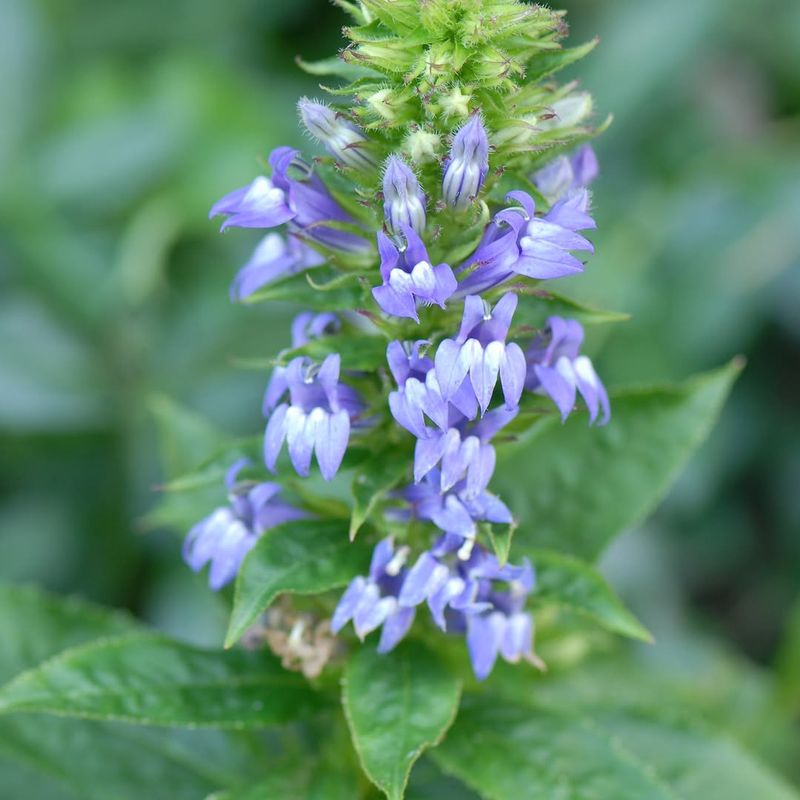
Bright blue flowers are surprisingly rare in the garden world, which makes Great Blue Lobelia a real treasure for Michigan gardeners.
This native wildflower produces tall spikes of vivid blue blooms that stand out against green foliage in a way that almost no other perennial can match.
And unlike many showier plants, it actually loves the wet spring conditions that Michigan regularly delivers.
Lobelia siphilitica grows naturally in moist meadows, stream banks, and wet woodland edges throughout Michigan. Spring rains help it establish quickly and build a strong root system before its late summer bloom season.
Root problems from excess moisture are simply not a concern with this plant, which is a huge advantage in a state where spring can bring weeks of steady rain and saturated soil.
Great Blue Lobelia grows about two to three feet tall and prefers partial shade to full sun. It self-seeds readily, meaning it will gradually spread and naturalize in areas with consistent moisture, filling in bare spots over time without any extra effort from you.
That makes it an especially smart choice for low-maintenance Michigan gardens. Pair it with Cardinal Flower for a stunning red and blue color combination that pollinators and gardeners alike will love.
Hummingbirds visit both plants frequently, turning your yard into a lively, colorful scene from late summer through fall. For wet spots in Michigan yards, this native lobelia is a genuinely outstanding choice.
8. Lavender (Lavandula angustifolia)
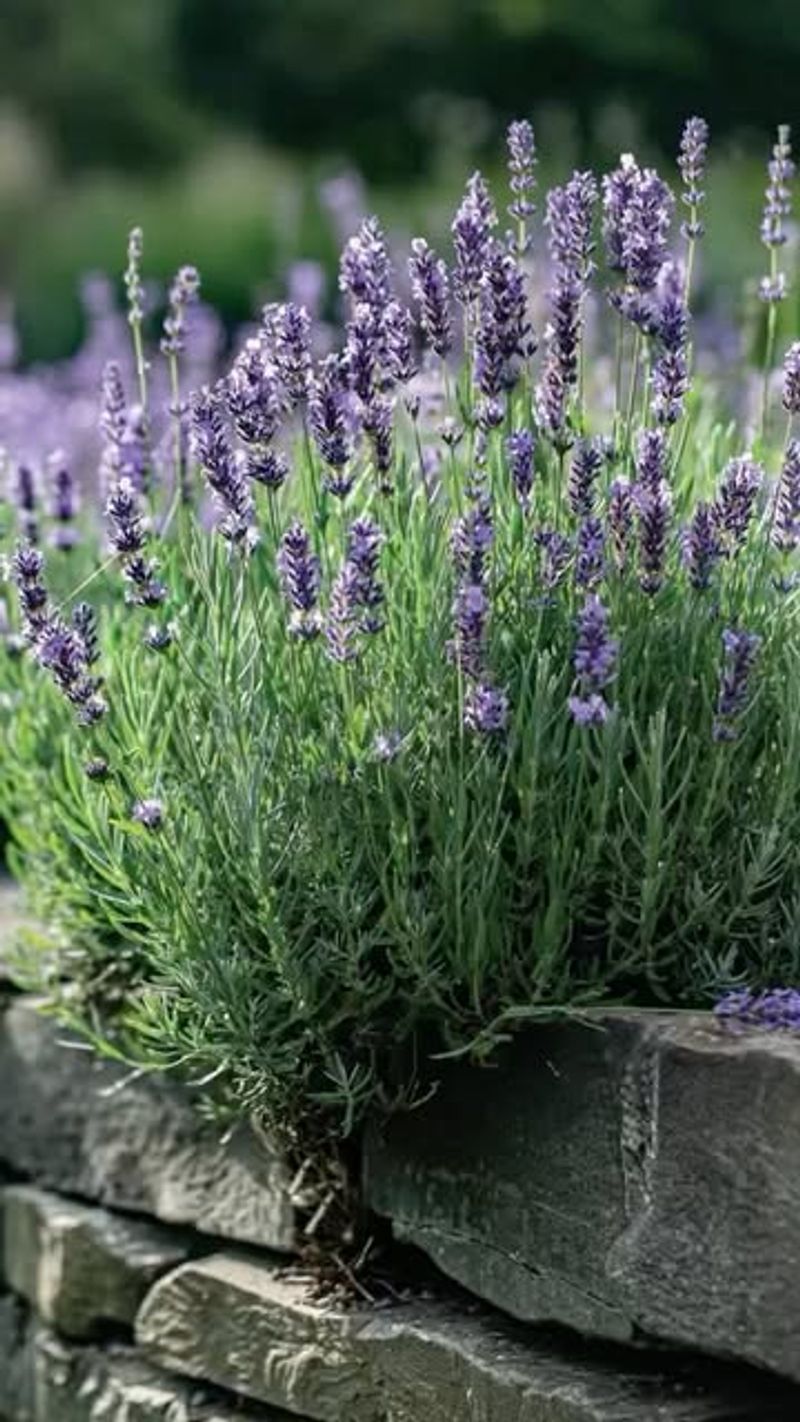
Lavender is one of the most beloved garden plants in the world, and it is easy to understand why. The fragrance alone is enough to make any gardener want to fill their yard with it.
But Michigan’s wet spring weather and heavy clay soils are genuinely tough on lavender, and many gardeners here lose plants every single year without fully understanding why.
Lavandula angustifolia comes from the dry, rocky hillsides of the Mediterranean region. It evolved in conditions that are almost the exact opposite of a rainy Michigan spring.
When roots sit in cold, saturated soil for extended periods, lavender develops root rot quickly. The crown of the plant, where the stems meet the roots, is especially vulnerable to moisture damage during those long wet stretches in April and May.
That does not mean Michigan gardeners have to give up on lavender entirely. Planting it in raised beds, on slopes, or in containers with excellent drainage gives it a much better chance of surviving.
Adding coarse gravel or sand to heavy clay soil also helps improve drainage around the roots. Choosing hardy varieties like Hidcote or Munstead gives you the best odds of success in this climate.
However, even with all the right precautions, lavender remains a risky choice for Michigan’s wet spring conditions. If you love it enough to put in the extra effort, go for it.
Just know that the rain here is working against you from the very first day of spring.
9. Blanket Flower (Gaillardia aristata)
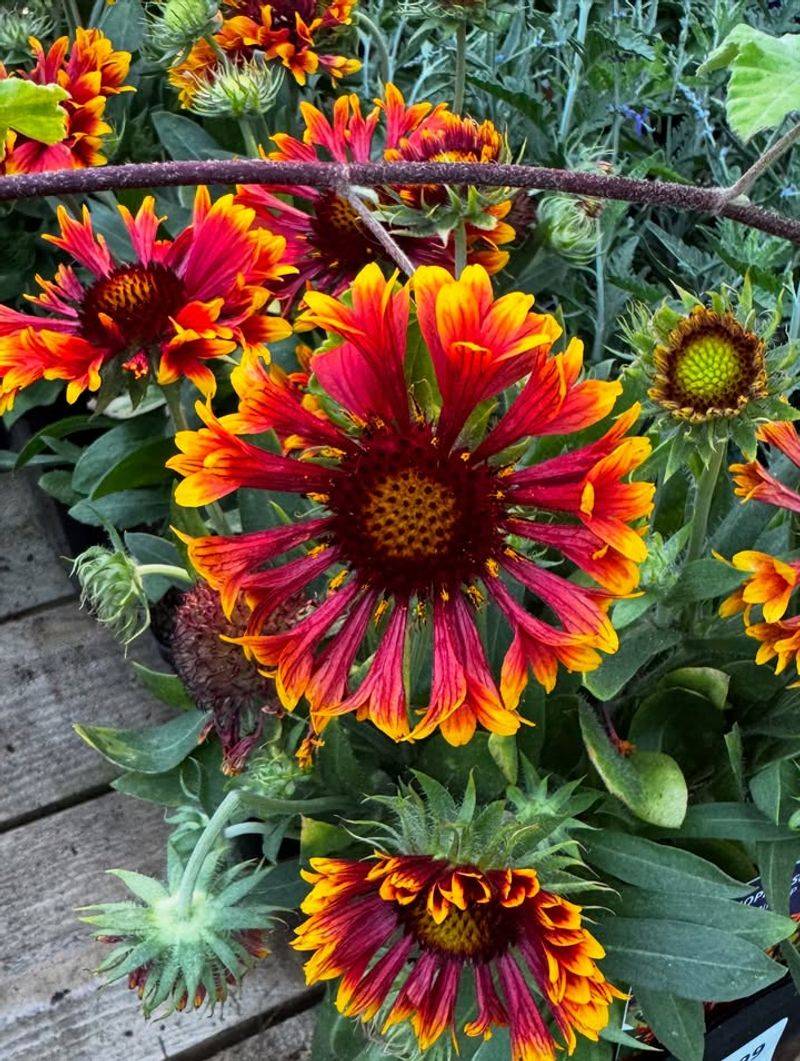
Blanket Flower looks like a little burst of sunshine in any garden, with its bold red and yellow daisy-like blooms that practically glow in the summer heat.
It is a popular choice for dry, sunny gardens across the Midwest, and in the right conditions, it is genuinely hard to beat.
Michigan, however, does not always provide those right conditions, especially in spring.
Gaillardia aristata is a drought-tolerant perennial that evolved in the dry prairies and open meadows of North America. It needs sharp drainage and soil that dries out between rain events to stay healthy.
Michigan’s spring weather, with its frequent rain, lingering soil moisture, and heavy clay in many areas, creates exactly the kind of prolonged wet conditions that cause Blanket Flower to decline rapidly. The roots simply cannot handle sitting in saturated soil for weeks at a time.
If you want to try Blanket Flower in Michigan, your best bet is to plant it in a raised bed or a spot with extremely well-drained, sandy soil. Avoid low areas of the yard where water tends to collect after rain.
Even in ideal spots, expect to replace it every few years rather than counting on it as a permanent fixture. Some Michigan gardeners treat it as an annual for this reason, enjoying its cheerful blooms for a season without expecting long-term survival.
It is a beautiful plant, but Michigan’s soggy springs make it a high-risk investment for most home gardeners.
10. Russian Sage (Salvia yangii)
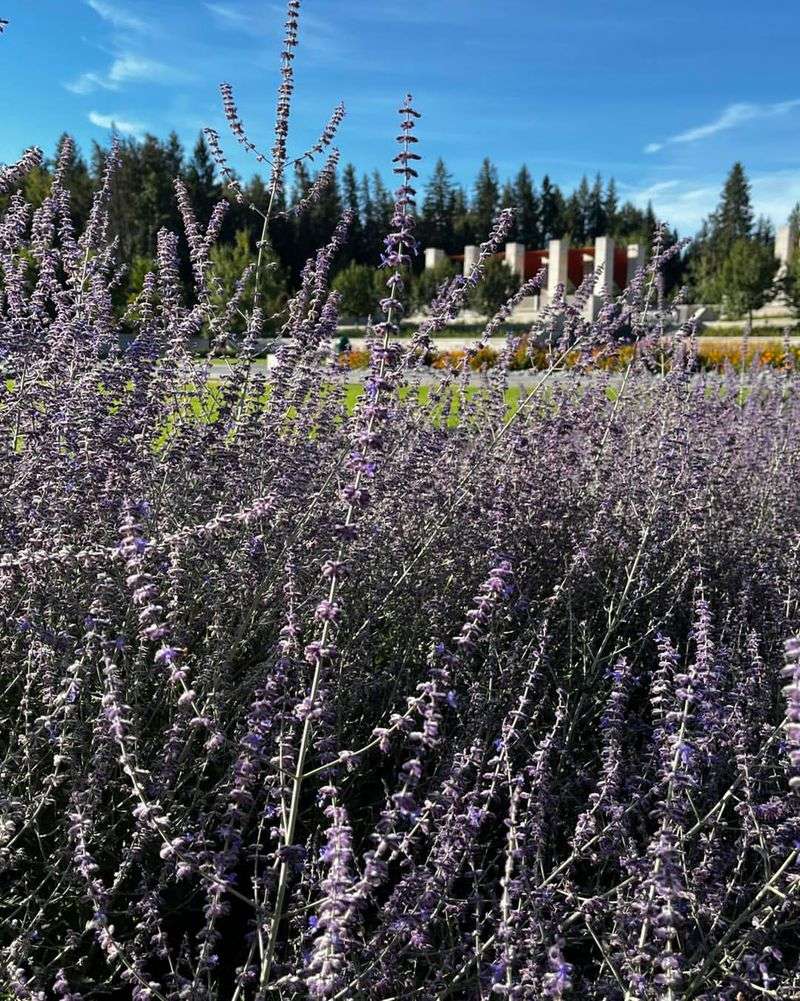
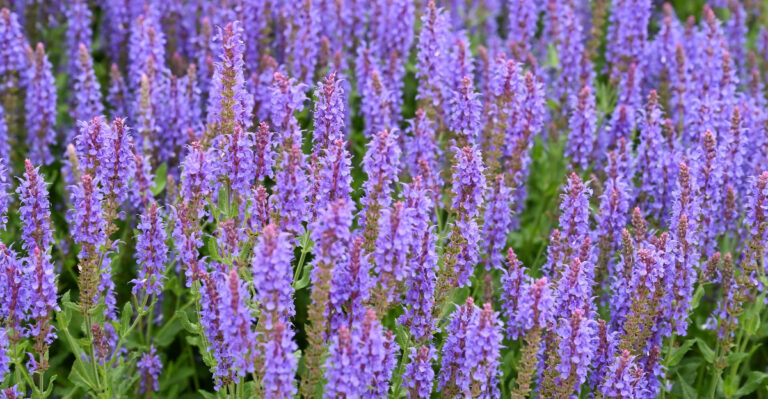
Russian Sage has a lot going for it. The silvery stems, lavender-blue flower spikes, and aromatic foliage make it one of the most visually interesting perennials available to gardeners.
It looks especially stunning in late summer when it sways gently in a warm breeze. But Michigan’s spring weather has a way of ruining the party for this otherwise tough plant.
Salvia yangii needs excellent drainage and soil that stays relatively dry around the crown, which is the base of the plant where stems emerge from the roots.
Heavy, wet Michigan clay soil holds moisture for long periods after rain events, and that prolonged dampness around the crown is a recipe for rot.
Many Michigan gardeners plant Russian Sage with high hopes in spring, only to find it looking weak or failing to return the following year after a particularly wet season.
Improving drainage is the most important step if you want to grow Russian Sage successfully in Michigan.
Planting on a gentle slope, building up a raised bed, or working significant amounts of gravel into the soil around the planting area all help reduce moisture retention.
Full sun is also essential, as shade slows soil drying and makes the moisture problem worse. Choosing a protected spot away from areas where spring snowmelt and rain tend to pool gives this plant its best chance.
Russian Sage is worth the effort for dedicated gardeners, but it demands conditions that Michigan does not naturally provide, especially during those long, rainy spring months.