These 11 Plants Thrive With Coffee Grounds In Oregon Gardens

Coffee grounds are the garden leftover that make Oregon gardeners feel a little magical. You drink the coffee, the plants get the grounds, everyone wins.
Well, almost everyone. Some plants love that gentle boost of organic matter, while others would prefer you keep the café vibes far away from their roots. Picky little green things.
Used the right way, coffee grounds can help improve soil texture, support microbial activity, and add small amounts of nutrients as they break down.
They are especially handy around plants that enjoy rich, moisture-retentive soil, which makes them a fun match for many Oregon garden favorites.
Think blueberries, roses, hydrangeas, rhododendrons, azaleas, and leafy greens that appreciate a compost-style treat instead of a heavy-handed dump.
The secret is moderation. Sprinkle lightly, mix them into compost, or blend them with mulch. Don’t pile them on like frosting. Your plants want a snack, not a triple espresso.
1. Hydrangeas
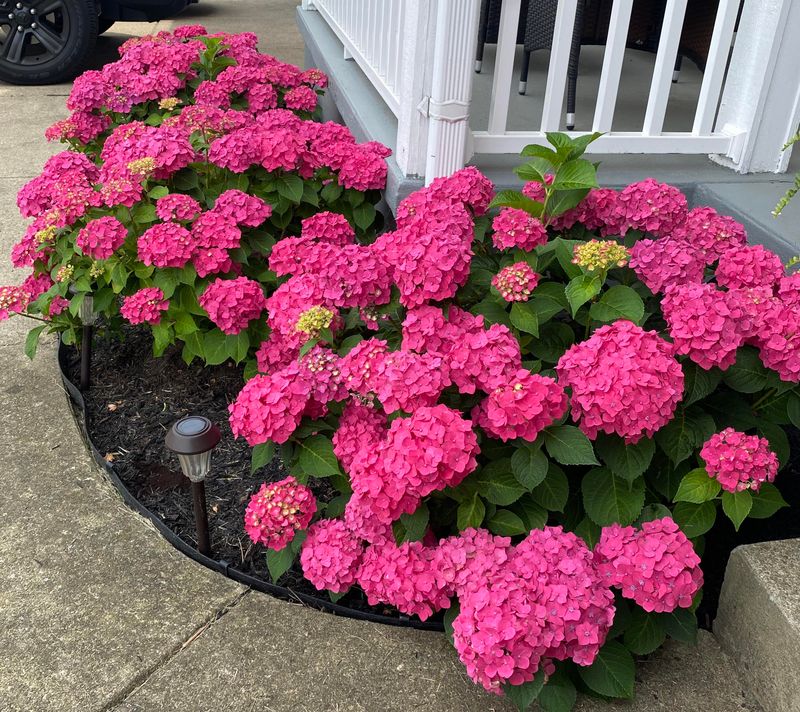
Few flowers stop people in their tracks quite like a hydrangea in full bloom. These big, bold, mop-headed flowers are a staple in Oregon gardens, and they happen to love acidic soil.
Coffee grounds are a natural way to lower soil pH, which can actually influence the color of hydrangea blooms. In more acidic soil, blue and purple tones tend to come through stronger, making your flowers look even more stunning.
Oregon’s naturally moist climate is already a great match for hydrangeas. Adding coffee grounds to the soil around the base of the plant can give them an extra boost of nitrogen, which helps with leafy, healthy growth.
Sprinkle a thin layer of used grounds around the plant once or twice a month during the growing season.
Avoid piling on too many grounds at once, since too much acidity can stress the plant. A light, consistent application works best.
Mixing the grounds into your compost before applying them is another smart approach for Oregon gardeners who want to feed their hydrangeas without overdoing it.
2. Azaleas
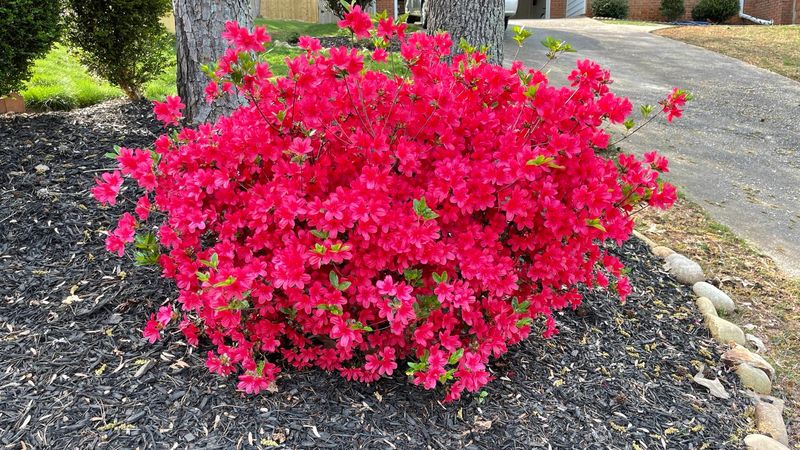
Walk through almost any Oregon neighborhood in spring and you will likely spot azaleas putting on a show. These shrubs are famous for their brilliant bursts of color, and they thrive in the kind of acidic, well-drained soil that Oregon naturally offers.
Coffee grounds make that soil even better for azaleas by adding nitrogen and nudging the pH lower.
Azaleas have shallow root systems, which means they are sensitive to changes in soil conditions. Because of this, it is best to mix coffee grounds lightly into the top layer of soil rather than digging them in deep.
A thin layer around the drip line of the shrub, about an inch or so, is usually plenty.
Oregon gardeners in wetter regions like the Willamette Valley should be careful not to create soggy conditions by over-applying grounds. When used in moderation, coffee grounds can help azaleas grow fuller, produce more blooms, and stay healthier through Oregon’s long, wet winters.
Pair the grounds with a layer of bark mulch for even better moisture retention and root protection throughout the year.
Your Oregon Garden Changes Every Week. Your Plan Should Too.
Gardening in Oregon changes quickly throughout the season. Every Friday you’ll receive a simple weekly plan showing exactly what to plant, prune, fertilize, harvest, and protect so you never miss the right timing.
3. Rhododendrons
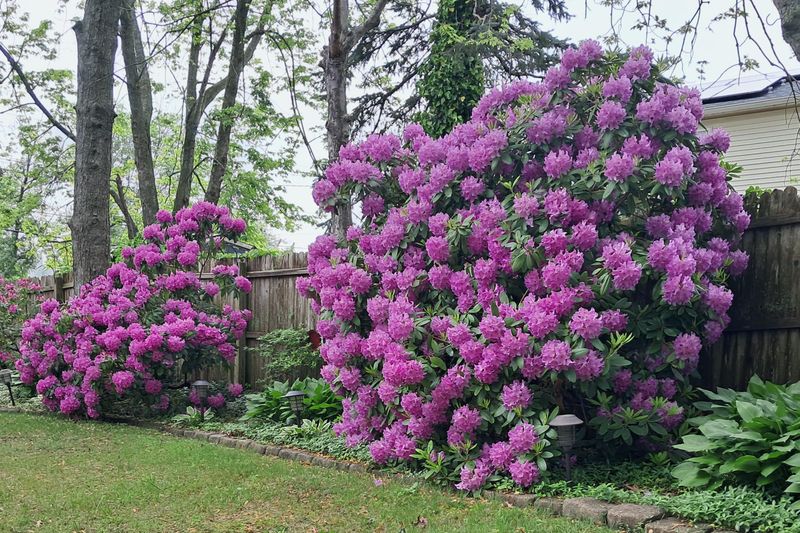
Rhododendrons are practically the royalty of Oregon’s garden scene. They grow big, bloom brilliantly, and have been thriving in the Pacific Northwest for generations.
One of the main reasons they do so well here is Oregon’s naturally acidic soil, and coffee grounds help keep that acidity right in the sweet spot these plants crave.
These shrubs prefer a soil pH between 4.5 and 6.0. Used coffee grounds typically have a pH around 6.5, which is slightly acidic and safe to use regularly without shocking the plant.
Spreading a half-inch layer around the base of your rhododendron every few weeks during spring and summer can support steady, healthy growth.
Rhododendrons in Oregon can grow quite large, so they benefit from rich, nutrient-dense soil over the long haul. Coffee grounds add organic matter that improves soil texture over time, making it easier for roots to spread and absorb water.
Portland and Salem gardeners especially love pairing coffee grounds with compost to create a deeply nourishing mulch layer that keeps these magnificent shrubs looking their absolute best year after year.
4. Camellias
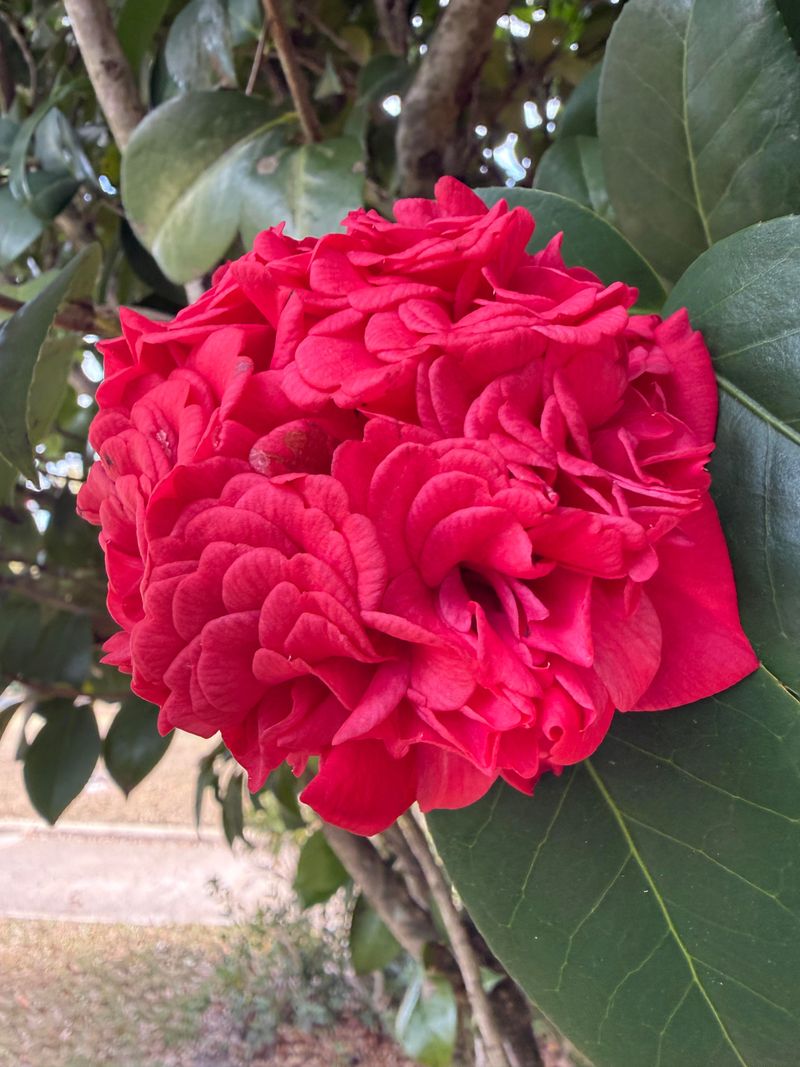
There is something almost magical about seeing camellias bloom in the middle of an Oregon winter when most other plants are taking a long rest. These elegant shrubs produce gorgeous, rose-like flowers and thrive in the mild, moist conditions that western Oregon provides so reliably.
Like azaleas and rhododendrons, camellias are acid-loving plants, which makes coffee grounds a natural companion for them.
Camellias prefer a soil pH between 5.5 and 6.5. Regularly adding small amounts of used coffee grounds helps maintain that range without going overboard.
Work a light layer into the soil around the plant every few weeks, keeping the grounds a few inches away from the main stem to avoid any moisture buildup against the bark.
One bonus of using coffee grounds with camellias in Oregon is that the grounds may help deter slugs, which are a very real problem in the rainy Pacific Northwest. The slightly gritty texture makes it harder for slugs to slide across.
Camellias planted along sheltered walls or fences in Oregon gardens tend to do especially well, and a steady supply of coffee grounds helps them put out lush foliage and abundant blooms each season.
5. Blueberries
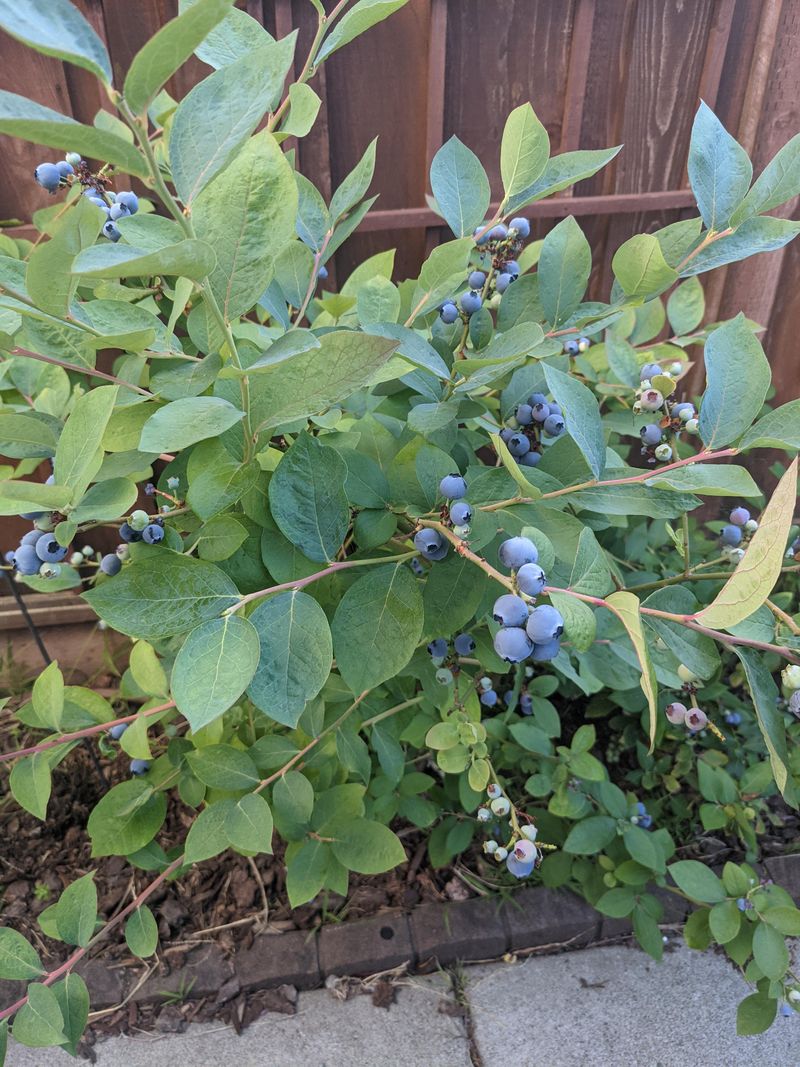
Blueberries and Oregon go together like peanut butter and jelly. The state is one of the top blueberry-producing regions in the entire country, and home gardeners across Oregon grow them with great success.
One of the secrets to plump, sweet berries is keeping the soil acidic, and that is exactly where coffee grounds come in handy.
Blueberries prefer a soil pH between 4.5 and 5.5, which is on the more acidic side. Adding coffee grounds regularly helps push the pH in that direction while also feeding the soil with nitrogen.
Sprinkle used grounds around the base of each bush every two to three weeks during the growing season for the best results.
Oregon gardeners in places like the Willamette Valley and southern Oregon have been growing blueberries with coffee grounds for years and report noticeably better fruit production. Just be sure not to apply grounds in thick layers, since clumping can block water from reaching the roots.
Mixing the grounds with aged compost before applying is a great way to get all the benefits without any of the downsides. Your blueberry harvest will thank you for the extra effort.
6. Strawberries
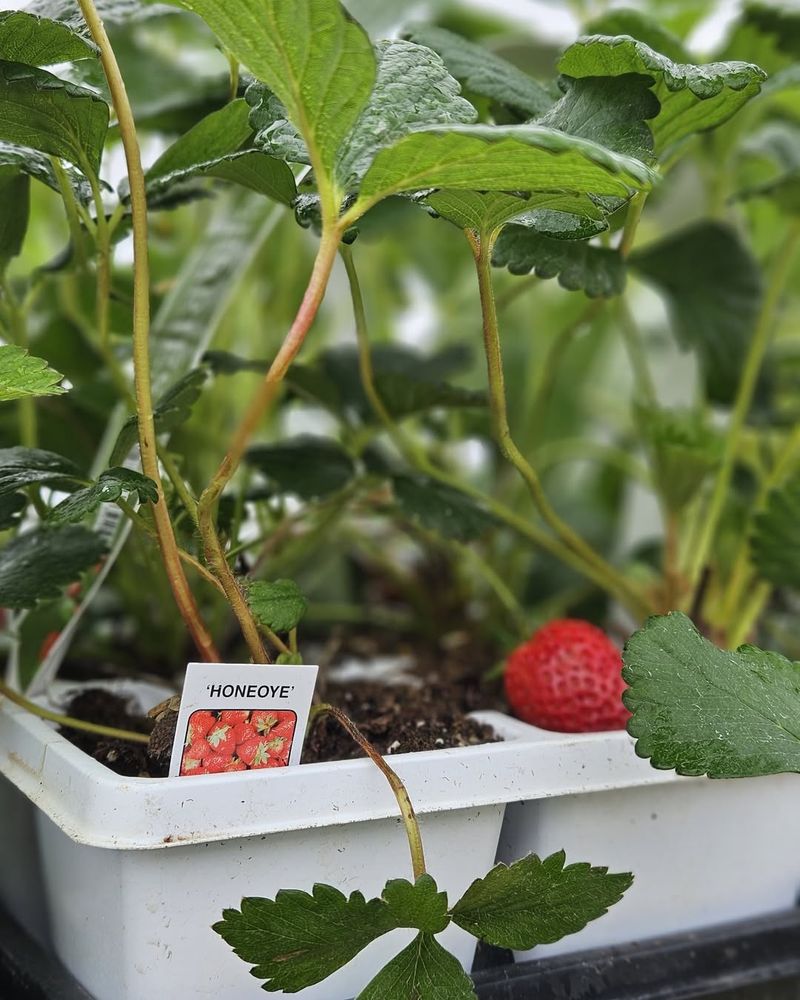
Sweet, juicy strawberries fresh from the garden are one of summer’s greatest pleasures, and Oregon’s climate is perfectly suited for growing them. Strawberries prefer slightly acidic soil, usually in the 5.5 to 6.5 pH range, which makes coffee grounds a helpful addition to any strawberry patch.
The nitrogen in the grounds also supports the leafy green growth that feeds the fruit.
Applying coffee grounds to strawberry beds works best when done in moderation. Too much can make the soil overly acidic and actually slow down growth.
A light dusting around the plants every couple of weeks, especially during spring and early summer, is a safe and effective approach for Oregon gardeners.
Another perk of using coffee grounds in your strawberry patch is that they may help keep slugs at bay. Oregon is notoriously slug-friendly thanks to all that rain, and slugs love to snack on ripe strawberries.
The texture of coffee grounds can make it less comfortable for them to travel across the soil. Combine grounds with a straw mulch layer to keep moisture in and pests out, giving your Oregon strawberry plants the best possible growing conditions from spring through harvest.
7. Roses

Roses have a reputation for being fussy, but Oregon gardeners know that with the right soil care, these beauties can thrive with surprisingly little drama. Coffee grounds are a beloved trick among rose enthusiasts because they deliver a slow-release dose of nitrogen, which roses need for strong canes and lush foliage.
The mild acidity of the grounds also suits roses, which prefer a pH of around 6.0 to 6.5.
Scratch a small amount of used coffee grounds into the soil around your rose bushes once a month during the growing season. Avoid placing the grounds right against the base of the plant, since that can trap moisture and lead to fungal issues, especially in Oregon’s wet springs.
Roses in Oregon gardens can struggle with black spot and other fungal problems due to the frequent rain. Some gardeners swear that coffee grounds help suppress certain soil-borne fungi, though results can vary.
What is consistent is that roses fed with a combination of compost and coffee grounds tend to produce more blooms and look healthier overall. From Portland’s famous rose gardens to backyard beds in Bend, Oregon rose growers have good reason to save those used grounds every morning.
8. Hostas
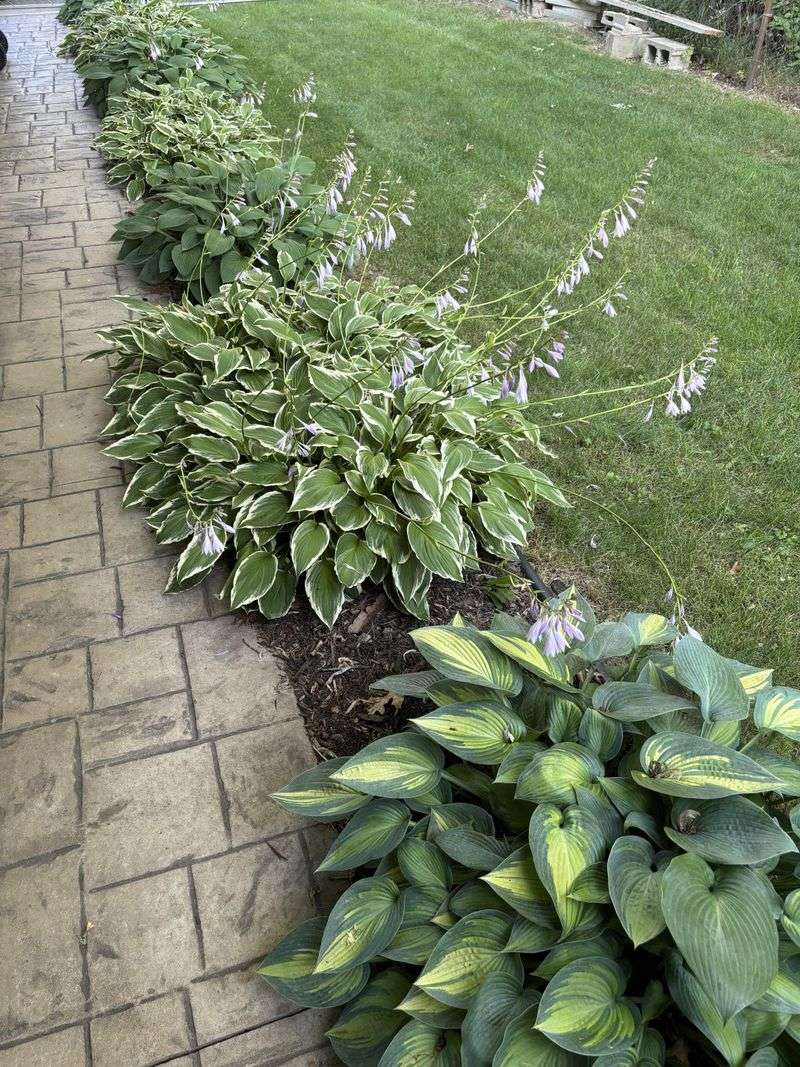
Hostas are the unsung heroes of shady Oregon gardens. These leafy perennials fill in dark corners beautifully, and they are surprisingly easy to care for once established.
What many gardeners do not realize is that hostas respond really well to coffee grounds, which provide a steady source of nitrogen to support all that big, bold leaf growth that makes hostas so eye-catching.
Oregon’s many tree-covered yards and shaded garden beds are ideal hosta territory. Adding coffee grounds to these shady spots does double duty.
The nitrogen feeds the plants, and the organic matter improves the often-compacted soil found under large trees. Work a light layer of grounds into the top inch of soil around your hostas in early spring to get them off to a strong start.
Slugs are one of the biggest threats to hostas in Oregon, and coffee grounds may offer some natural protection. The texture and slight acidity can discourage slugs from crossing the soil surface to reach the leaves.
Consistent use of coffee grounds, combined with regular watering and a good layer of mulch, can help your hostas stay lush and full throughout Oregon’s growing season without much fuss or extra effort on your part.
9. Ferns
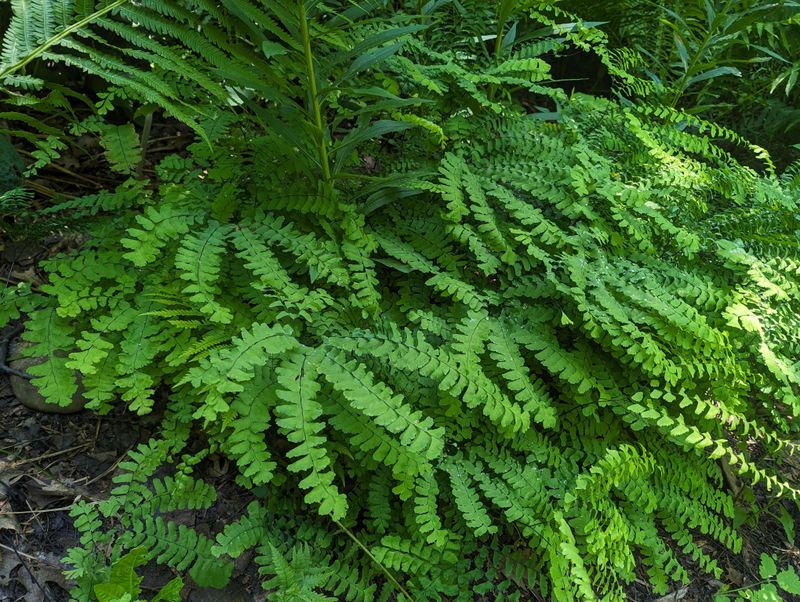
Walk into any Oregon forest and you will see ferns absolutely everywhere. They are built for the Pacific Northwest, thriving in cool, moist, shaded environments with rich organic soil.
Home gardeners in Oregon who want that wild, woodland look can grow ferns with great success, especially when coffee grounds are part of the soil care routine.
Ferns love slightly acidic soil and high organic matter content. Coffee grounds check both of those boxes.
Mixing used grounds into the soil before planting ferns, or topdressing established plants a few times a year, helps replicate the rich forest floor conditions that ferns naturally prefer. This is especially useful in Oregon garden beds that get a lot of tree shade and rainfall.
One thing to keep in mind is that ferns do not need heavy fertilization. They are not greedy feeders, so a light hand with the coffee grounds is the right call.
Too much nitrogen can push ferns toward excessive, weak growth. A modest amount of grounds mixed with leaf mulch or compost creates the perfect slow-release feeding environment.
Oregon gardeners who love that lush, green, layered look will find ferns and coffee grounds to be an effortless and rewarding combination.
10. Lettuce
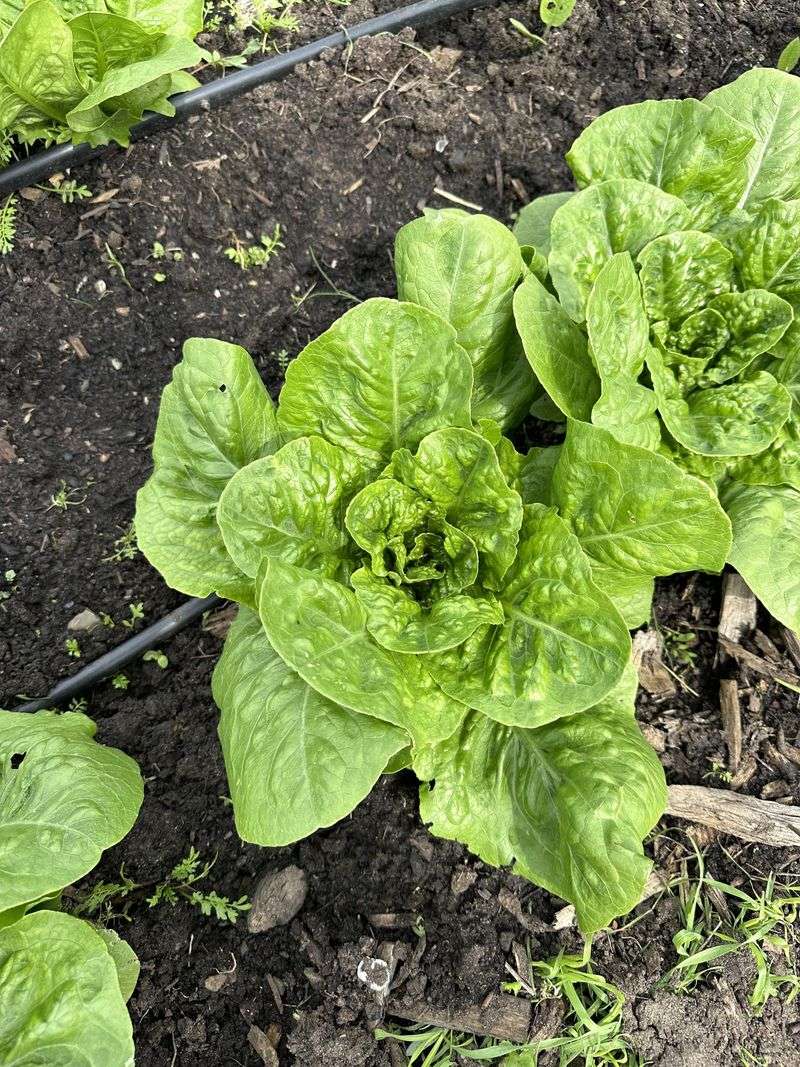
Cool-season vegetables are a big deal in Oregon, and lettuce is one of the easiest and most rewarding crops to grow here. Oregon’s mild temperatures in spring and fall are perfect for lettuce, and the plant benefits nicely from the nitrogen boost that coffee grounds provide.
Nitrogen is key for leafy green crops because it directly supports the growth of the leaves you actually eat.
Mix a small amount of used coffee grounds into your garden bed before planting lettuce seeds or transplants. You can also sprinkle a thin layer around established plants during the growing season.
Since lettuce is a fast-growing crop, even a modest boost from coffee grounds can make a noticeable difference in how full and flavorful your harvest turns out.
Oregon gardeners who grow lettuce in raised beds will find that coffee grounds help improve drainage and soil structure over time, which is a big plus in areas that get a lot of rain. Just keep applications light, since too much nitrogen can make lettuce taste bitter.
A balanced approach, using grounds alongside compost, keeps your lettuce sweet, crisp, and ready to harvest in just a few weeks. It is one of the most satisfying crops you can grow in an Oregon garden.
11. Carrots

Carrots are a bit of a puzzle in the garden world. They are picky about soil texture but not very demanding when it comes to nutrients.
That actually makes coffee grounds a surprisingly smart addition for carrot beds, not so much for the acidity, but for the way grounds improve soil structure. Loose, well-aerated soil is everything when it comes to growing long, straight carrots.
In Oregon, where clay-heavy soils are common in many regions, coffee grounds help break up that dense texture over time. Mixing used grounds into your carrot bed before planting helps create the kind of crumbly, deep, well-draining soil that lets carrot roots grow down freely without hitting resistance or bending awkwardly.
Oregon gardeners should avoid over-applying coffee grounds in carrot beds, since too much nitrogen can push the plant to focus on leafy tops rather than the root you want to harvest. A light incorporation of grounds into the soil at planting time is usually enough.
Pair that with deep, infrequent watering and loose soil at least 12 inches deep, and you are set up for a great carrot crop. From Medford to Astoria, Oregon gardeners who follow these simple steps often pull up some impressively long and sweet carrots.