Why Your Florida Roses Won’t Bloom And What Actually Works
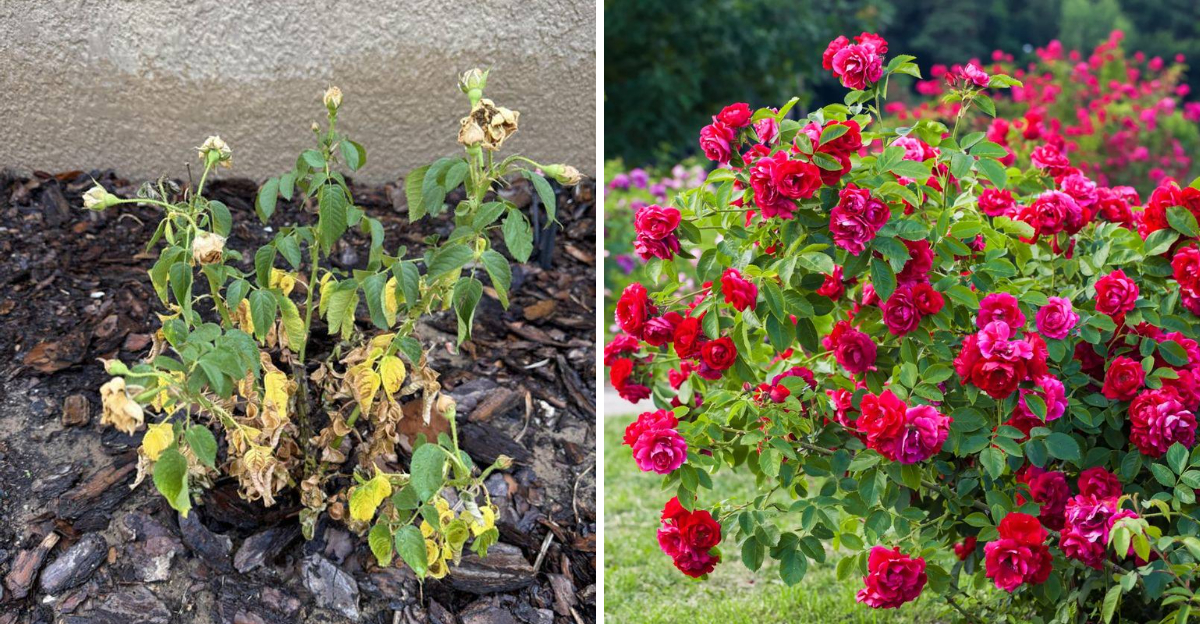
Roses and Florida have a reputation for not getting along, and honestly that reputation has been earned.
Gardeners move here from states where roses were reliable, low-drama performers and discover quickly that Florida operates by a completely different set of rules.
The heat, the humidity, the rainfall patterns, and the pest pressure that comes standard with a subtropical climate turn a familiar plant into a genuine puzzle. The blooms that were supposed to keep coming stop showing up.
The plant looks alive, sometimes even healthy, but the flowers either never arrive or appear briefly and disappear before anyone gets a chance to enjoy them. Here’s the thing worth understanding before giving up on roses in Florida entirely.
The problem is almost never the roses themselves. It’s a mismatch between what Florida conditions actually demand and what most standard rose care advice, written with cooler, drier climates in mind, actually delivers.
Watering habits, pruning timing, fertilizer choices, and variety selection all land differently here than they do anywhere else. Florida roses can bloom reliably and beautifully.
The gardeners who figure that out have usually made a few very specific adjustments that changed everything.
1. Florida Heat Can Shut Down Rose Blooms
Summer in Florida is not just warm. It is relentless, with daytime temperatures regularly climbing past 90 degrees and nighttime lows that barely drop below 75.
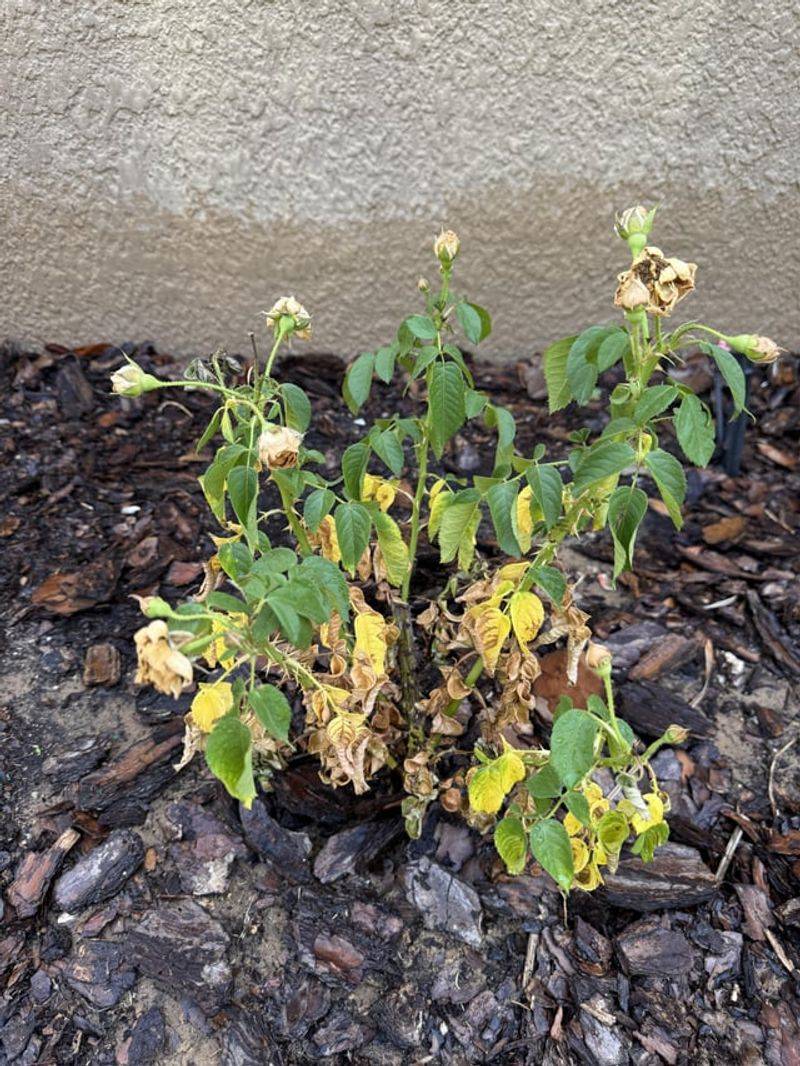
Roses are sensitive to that kind of sustained heat, and many varieties respond by slowing down or stopping bloom production altogether during the hottest months.
Roses generally need cooler night temperatures to set buds properly. When nights stay warm for weeks on end, bud development stalls and the plant shifts its energy toward simple survival rather than flowering.
This is especially true in South Florida, where the intense heat season stretches much longer than in North or Central Florida.
North Florida gardeners often see a more traditional spring bloom flush, followed by a summer slowdown and then a second flush in fall. Central Florida sits in the middle, where summer heat arrives early and lingers late into the season.
Planting roses in a spot that gets some afternoon shade can help reduce heat stress without sacrificing too much sunlight.
Mulching heavily around the base of your rose plants also helps keep roots cooler and soil moisture more consistent. A three-inch layer of organic mulch can make a real difference during Florida’s brutal summer months.
Choosing heat-tolerant varieties from the start is still the single most reliable solution for gardeners across all three regions of the state.
2. Too Much Shade Means Fewer Flowers
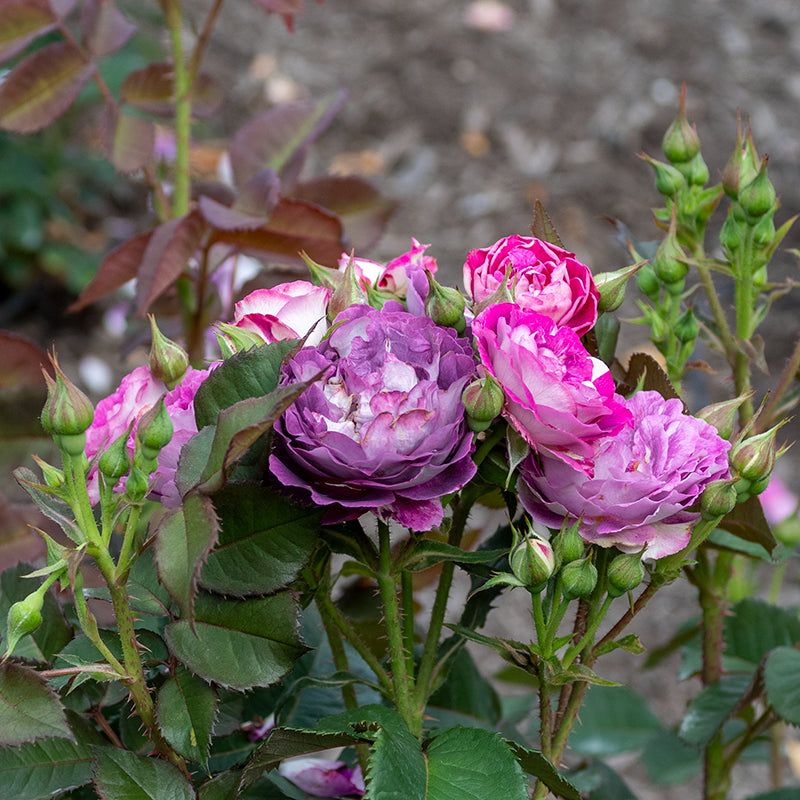
Roses are sun-hungry plants, and Florida gardeners sometimes underestimate just how much direct light they actually need to bloom well. Most rose varieties perform best with at least six hours of direct sunlight each day.
When they receive less than that, flower production drops noticeably and the plant becomes weaker over time.
Partial shade does more than reduce blooms. It also creates conditions where disease pressure increases, especially in Florida’s humid climate.
Your Florida Garden Changes Every Week. Your Plan Should Too.
Gardening in Florida changes quickly throughout the season. Every Friday you’ll receive a simple weekly plan showing exactly what to plant, prune, fertilize, harvest, and protect so you never miss the right timing.
Poor air circulation combined with reduced light means fungal diseases like black spot move in faster and spread more aggressively. A shaded rose in Florida is fighting multiple battles at once.
Some Florida gardeners have found that a small amount of afternoon shade can be helpful in the hottest parts of the state, particularly in South Florida and Central Florida during peak summer.
Morning sun with light afternoon shade is generally better than deep shade throughout the day.
Full afternoon sun with no relief can stress plants during extreme heat, but deep shade is almost always worse for blooming.
Before planting, study how sunlight moves through your yard during different seasons. Florida’s sun angle shifts throughout the year, and a spot that looks sunny in winter may end up shaded by a nearby tree by late spring.
Adjusting plant placement or trimming back overhanging branches can often improve bloom performance without any other changes needed.
3. Wrong Rose Types Struggle In Humid Weather
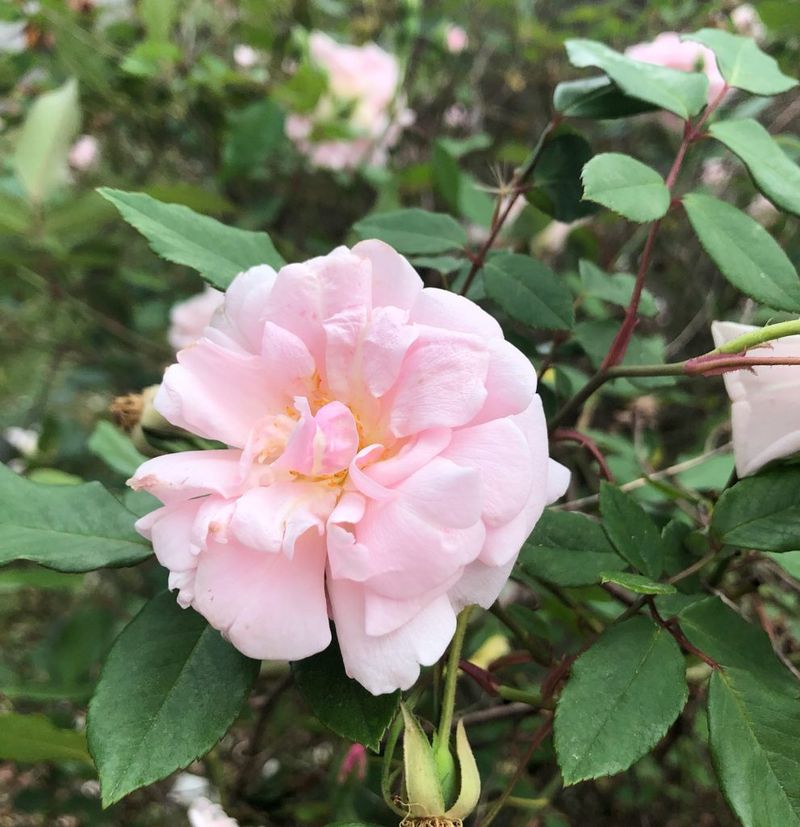
Not every rose belongs in Florida. Many of the classic hybrid tea varieties that look stunning in garden catalogs were developed for cooler, drier climates, and they can struggle in Florida’s combination of heat, humidity, and relentless disease pressure.
Buying the wrong variety often leads to a cycle of spraying, treating, and replacing plants that were never a good fit to begin with.
Florida gardeners tend to have much better results with roses that were selected or tested for heat tolerance and disease resistance. Old garden roses, shrub roses, and Earth-Kind type roses have shown strong performance in humid Southern climates.
Knock Out type roses have also become popular because they are bred for low-maintenance performance and resist common fungal diseases better than many traditional varieties.
UF/IFAS Extension recommends focusing on disease-resistant varieties as a starting point rather than an afterthought. Selecting the right plant for your specific region within Florida matters just as much as the rose type itself.
A variety that performs beautifully in Gainesville may still struggle in Miami’s year-round heat and humidity without extra care and attention.
Local Extension offices and Florida-based rose societies are valuable resources for finding which specific varieties have proven themselves in your county. Talking to experienced local growers before purchasing can save you time, money, and a lot of disappointment.
Getting the variety right from the beginning is one of the most effective steps any Florida rose gardener can take.
4. Poor Pruning Can Delay New Buds
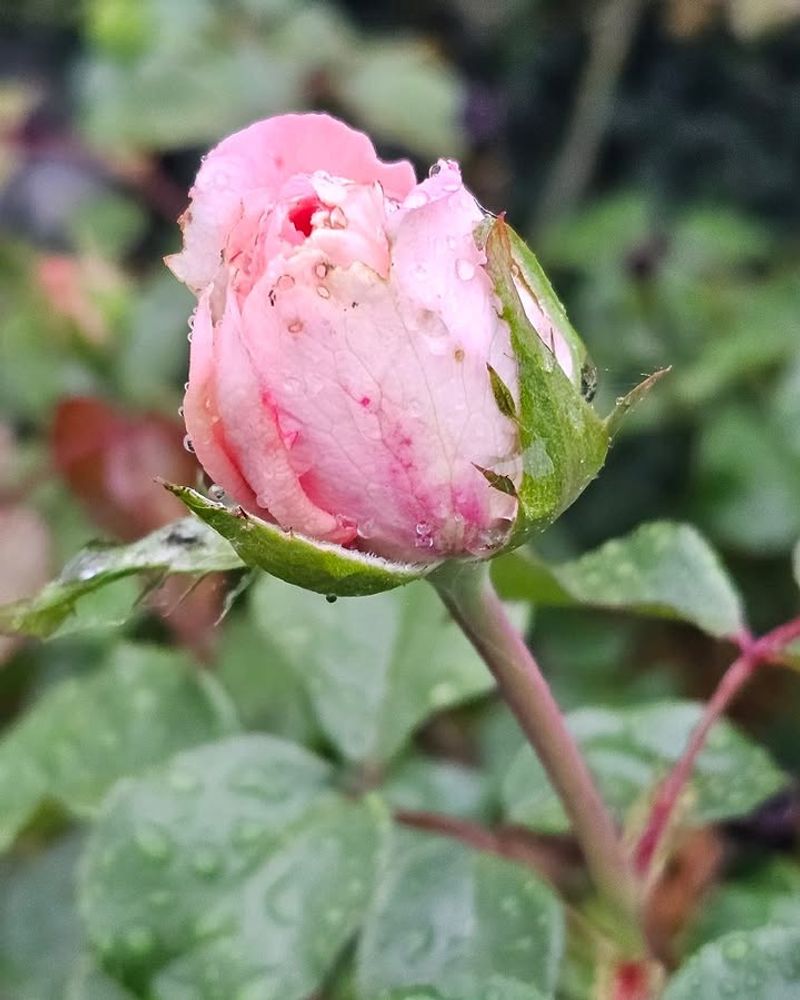
Roses bloom on new growth, which means pruning is directly connected to how often and how well your plants flower. Skip pruning for too long and the plant gets crowded with old wood that produces fewer blooms.
Prune too aggressively or at the wrong time and you remove the growth that was about to flower, setting the plant back by weeks.
Timing matters a lot in Florida, and it differs from what most national gardening guides suggest. In North Florida, late January through early February is generally a good window for heavier pruning before new spring growth begins.
Central Florida gardeners often prune a few weeks earlier, while South Florida rose growers may do lighter, more frequent pruning throughout much of the year because the growing season never fully stops.
The type of rose also affects how you should prune. Shrub roses and old garden roses often need less aggressive pruning than hybrid teas.
Removing spent blooms, called deadheading, encourages repeat-blooming varieties to push out new buds faster. Light shaping between bloom cycles keeps the plant tidy and productive without shocking it into a long recovery period.
Using clean, sharp tools every time you prune reduces the risk of introducing disease through rough or torn cuts. Wiping your blades with rubbing alcohol between plants is a simple habit that protects the whole garden.
Consistent, thoughtful pruning done on the right schedule for your part of Florida keeps energy flowing toward new blooms rather than old, unproductive wood.
5. Overwatering Weakens Roots And Blooms
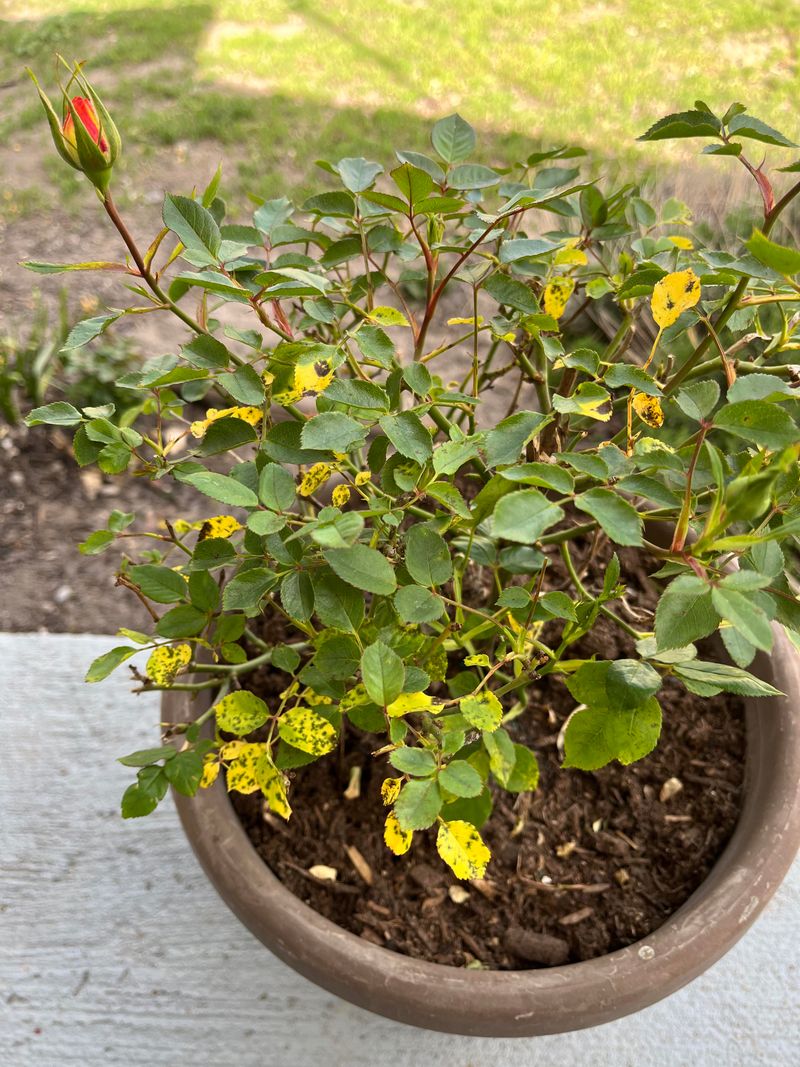
Florida’s sandy soil drains quickly in most cases, but that does not mean overwatering is impossible. During the rainy season, which typically runs from June through September, roses can receive far more water than they actually need.
Roots sitting in consistently wet soil lose their ability to take up oxygen, and a stressed root system simply cannot support strong bloom production.
One of the most common mistakes Florida rose gardeners make is running their irrigation systems on a fixed schedule without adjusting for rainfall.
A rose that gets automatic watering on top of several inches of weekly summer rain is receiving far too much moisture.
Checking the soil a few inches below the surface before watering gives you a much more accurate picture of what the plant actually needs.
Containers present their own watering challenges. Potted roses can dry out faster in Florida’s heat, but they can also become waterlogged if drainage holes are blocked or the container sits in a saucer that collects standing water.
Elevating containers slightly or using well-draining potting mixes designed for roses helps manage moisture more effectively.
In-ground roses benefit from raised planting beds or slightly mounded planting areas that allow excess water to drain away from the root zone. Amending Florida’s sandy soil with organic matter improves its ability to hold just enough moisture without becoming soggy.
Consistent moisture with good drainage, rather than frequent heavy soaking, is what roses need to stay healthy and bloom reliably throughout the season.
6. Black Spot Drains Energy From Flowers
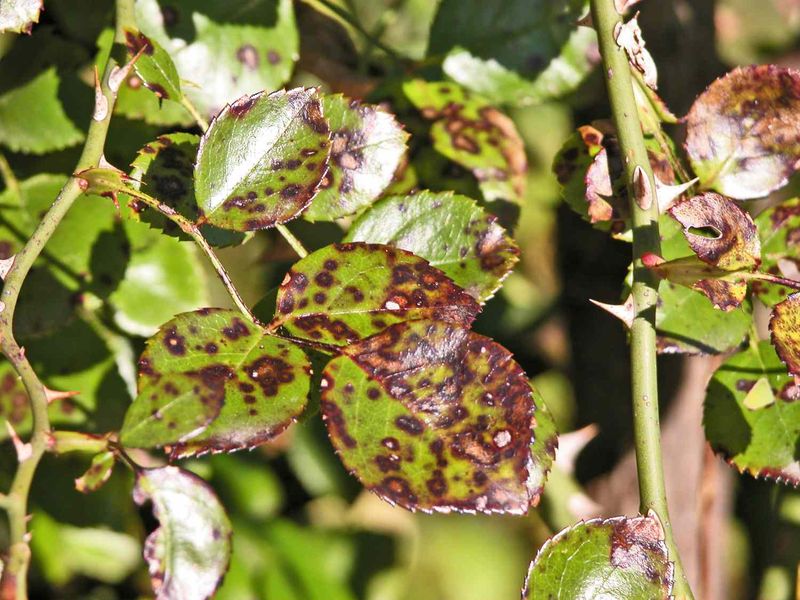
Black spot is one of the most widespread rose problems in Florida, and it does far more damage than just making leaves look bad.
When a rose plant is fighting a heavy fungal infection, it redirects energy away from flower production and toward basic leaf and stem survival.
The result is fewer buds, weaker blooms, and a plant that looks worn out even during what should be a good blooming period.
Florida’s humidity and warm temperatures create near-perfect conditions for black spot to spread from plant to plant. Overhead watering makes things worse by splashing spores from infected leaves onto healthy ones.
Watering at the base of the plant rather than from above, and doing it in the morning so foliage dries quickly, are two simple habits that reduce how fast the disease spreads through your garden.
Proper spacing between rose plants is another underrated tool. Crowded plants trap humid air around their leaves, which is exactly what fungal diseases need to thrive.
Giving each plant enough room for air to move freely through the canopy makes a measurable difference in disease pressure over the course of a season.
Removing and disposing of heavily spotted leaves, rather than leaving them on the ground to reinfect the plant, helps reduce the disease load in your garden. Choosing disease-resistant rose varieties from the start is still the most effective long-term strategy.
A rose that resists black spot naturally spends more of its energy producing flowers instead of trying to cope with a persistent infection.
7. South Florida Needs Tougher Rose Choices
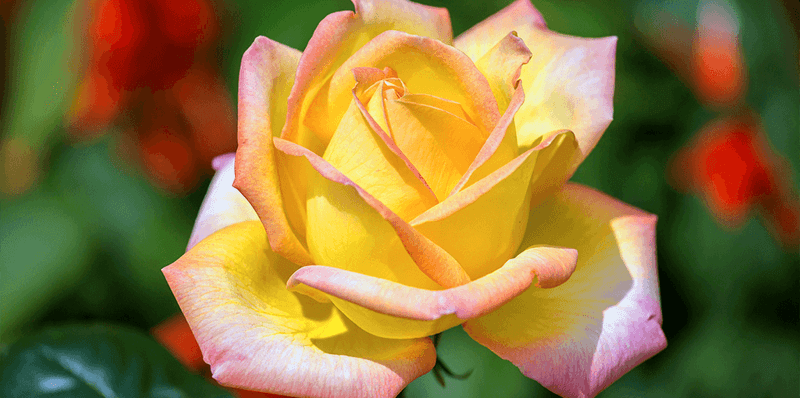
Gardening in South Florida means accepting that almost everything works differently than it does in the rest of the country.
The heat season is longer, winters are barely cool enough to count as a rest period for most plants, and the combination of humidity, pests, and disease pressure runs at a high level for much of the year.
Roses that perform reliably in Atlanta or even Orlando may simply not have what it takes to thrive in Miami or Fort Lauderdale.
Many traditional rose varieties were bred for climates with cooler winters and stronger seasonal dormancy than South Florida provides. In South Florida’s nearly year-round growing conditions, varieties that tolerate heat, humidity, disease pressure, and minimal winter rest are a much smarter fit.
South Florida rarely provides enough cold to satisfy those requirements, which means some roses never fully recover their blooming rhythm from one season to the next.
Low-chill and everblooming varieties that do not depend on a cold dormancy period are a much smarter fit for the region.
Regionally proven roses such as old garden roses, certain shrub rose varieties, and Earth-Kind type roses have shown they can handle South Florida’s conditions without constant intervention.
Local rose societies and UF/IFAS Cooperative Extension offices in South Florida counties have tested and recommended specific varieties that gardeners in the region can trust.
Soil quality in South Florida also tends to be alkaline, which can affect nutrient availability for roses. Regular soil testing and appropriate amendments help keep pH in a range where roses can actually absorb the nutrients they need.
Matching the right variety to South Florida’s specific conditions is the most reliable path to consistent, rewarding blooms in that part of the state.
8. Disease Resistant Roses Bloom More Reliably
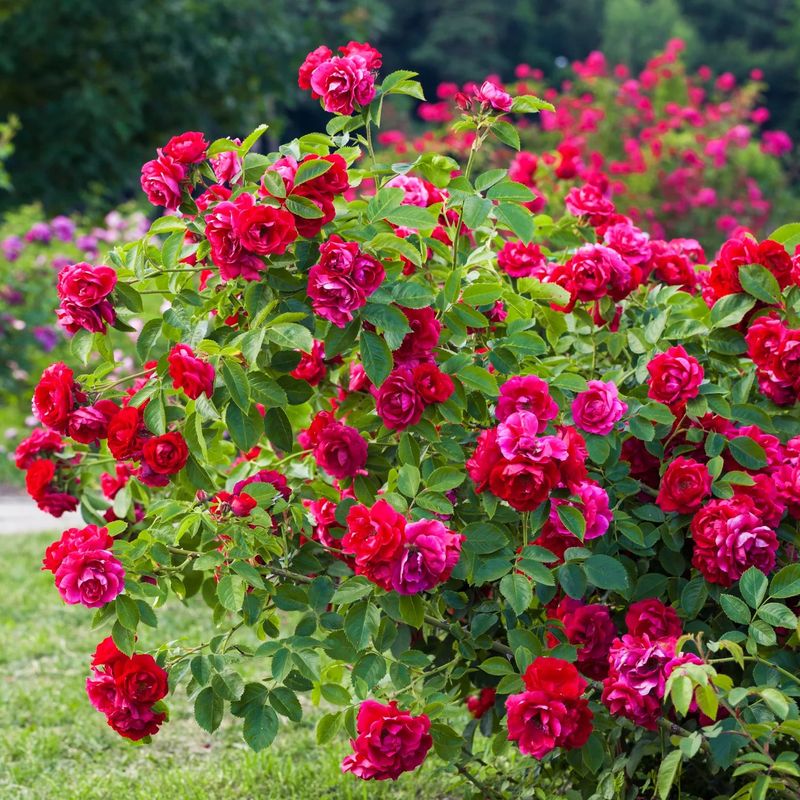
After working through all the things that can go wrong with roses in Florida, the most consistent answer keeps pointing back to one central idea.
Choosing the right rose for Florida’s conditions in the first place is almost always more effective than trying to rescue a high-maintenance variety through constant spraying, pruning, and supplemental feeding.
Gardening gets easier and more rewarding when the plant is already built for the environment.
Disease-resistant shrub roses, old garden roses, and Earth-Kind type roses have been evaluated specifically for performance in hot, humid, Southern climates.
Earth-Kind is a testing program developed by Texas A&M that identifies roses performing well with minimal inputs, and many of those varieties also do well in Florida.
Knock Out type roses remain a popular choice because they resist black spot naturally and produce blooms repeatedly throughout the growing season.
UF/IFAS Extension is the best starting point for Florida gardeners researching which roses are worth planting in their specific region.
Local Extension offices often host plant clinics, maintain demonstration gardens, and publish regionally specific variety recommendations that reflect real performance data from Florida counties rather than generalized national advice.
Visiting a local rose demonstration garden or attending a meeting of a Florida-based rose society before buying plants gives you firsthand knowledge that no catalog can provide.
Talking with gardeners who have grown roses successfully in your area for several years is genuinely useful.
The roses that perform well in your neighborhood, under your specific conditions, are almost always the ones worth growing.