The Giant Wasps Digging Holes in Florida Yards Aren’t What Homeowners Think
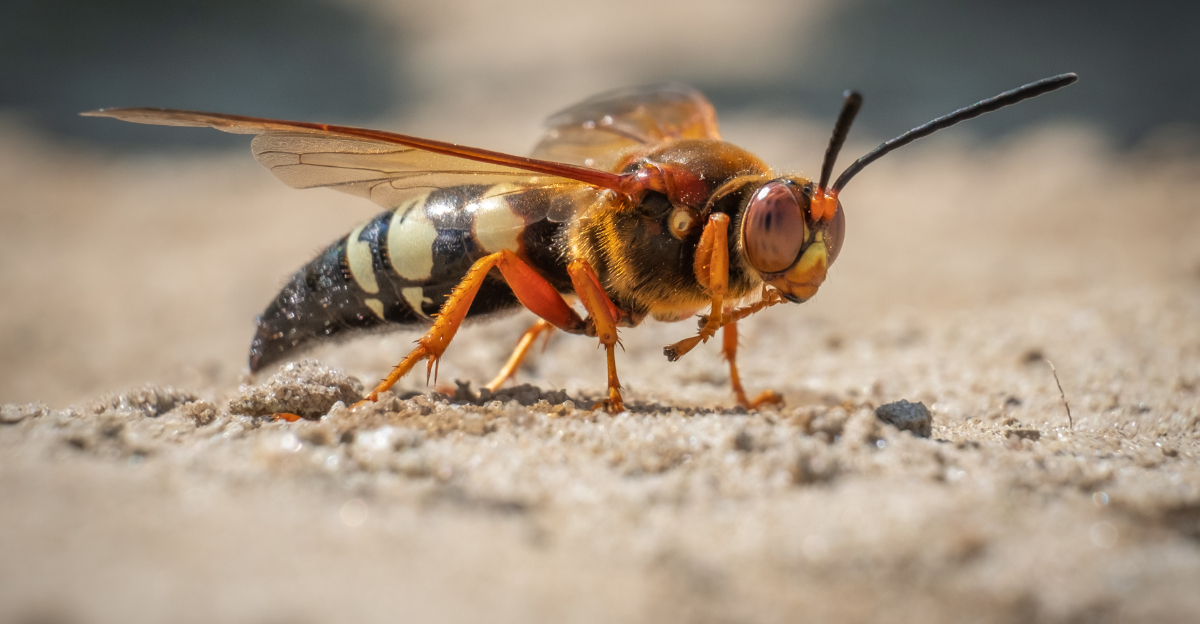
A wasp the size of a thumb digging holes in a Florida lawn stops people cold. The instinct is immediate.
Find the spray, call someone, do something before whatever that is decides the porch is next. That reaction is understandable and almost always aimed at the wrong target.
The giant wasps showing up in Florida yards this time of year are not what they appear to be. Not aggressive, not building a colony, not looking for a reason to sting anyone who gets close.
They are doing something considerably more interesting than that. A yard that has them is in better shape ecologically than one that does not.
What they actually are, and what they are doing in the soil, changes the reaction completely. Put the spray down first.
Then read this.
1. Cicada-Hunting Wasps Look Scarier Than They Usually Are
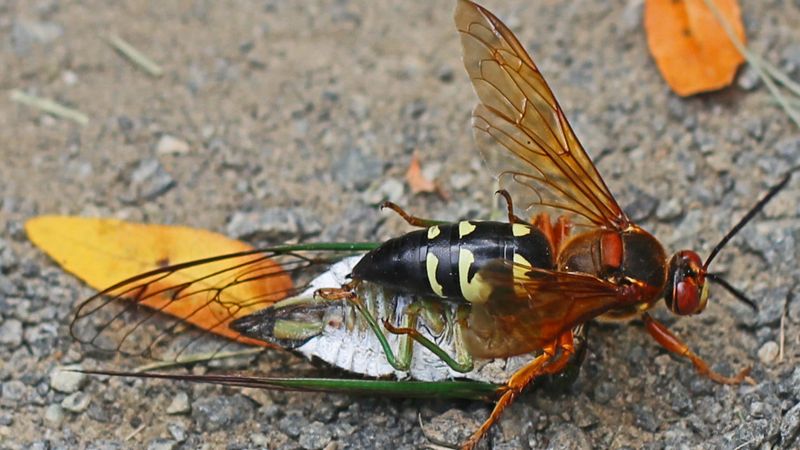
Spotting a wasp the size of a large grape hovering inches above your lawn is enough to make anyone stop in their tracks. Cicada-hunting wasps are among the largest wasps found in Florida, and their size alone tends to send people straight to panic mode.
Their bodies are thick, their wings are loud, and their low flight pattern can feel threatening even when nothing threatening is happening.
Despite appearances, these are solitary wasps. They do not live in a shared colony like yellowjackets or hornets, and they do not have a large group ready to defend a nest.
Each female works alone, digging her own burrow and managing her own nesting cycle. That changes the risk picture quite a bit compared to social wasps that swarm when disturbed.
Females can sting if they are handled, stepped on, or seriously threatened. That is worth knowing and respecting.
However, a female going about her digging work is usually focused on her task, not on people walking nearby. Giving her space is the smartest response.
Most people who observe these wasps from a few feet away report no aggressive behavior at all. Understanding what you are actually looking at makes it much easier to stay calm and respond wisely instead of reacting out of fear.
2. Those Yard Holes Are Individual Nests
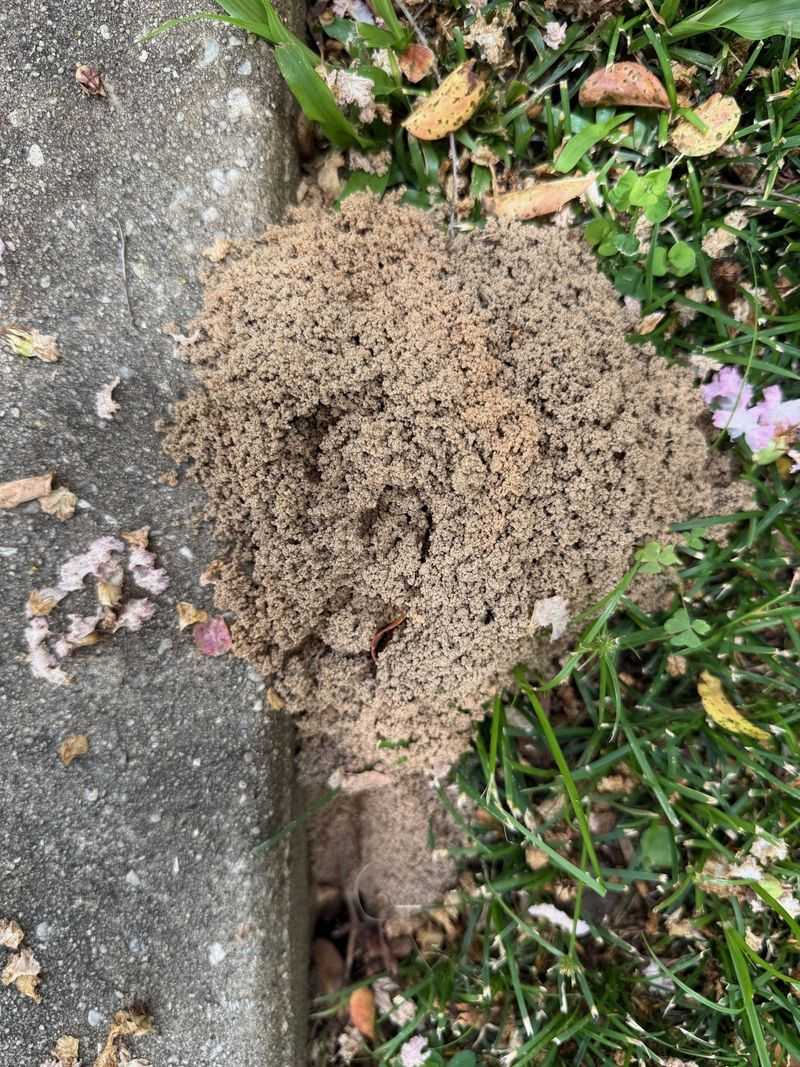
A neat little hole in the lawn with a ring of fresh soil around it can look alarming, especially when you spot two or three of them clustered in the same area. Many homeowners assume they have stumbled onto the entrance of a massive underground colony.
The reality is much less dramatic. Each hole is its own individual burrow, dug by a single female working on her own nesting space.
Cicada-hunting wasps tend to choose spots that make digging easier. Sunny areas with sandy, dry, or well-drained soil are especially attractive.
Lawn edges near driveways, thinning turf patches, and exposed sandy banks often show up as prime nesting locations during summer months. A yard with several burrows does not mean one giant nest is underneath.
It means several females found the same patch of good soil.
Your Florida Garden Changes Every Week. Your Plan Should Too.
Gardening in Florida changes quickly throughout the season. Every Friday you’ll receive a simple weekly plan showing exactly what to plant, prune, fertilize, harvest, and protect so you never miss the right timing.
Observing the burrows from a safe distance is the best first step. Watch how the wasps move in and out.
A single wasp entering and exiting one hole is the typical pattern for a cicada-hunting wasp. Avoid the urge to dig up the area or pour anything into the holes.
Disturbing active burrows can provoke a female into stinging in self-defense. Patience and distance are your best tools here, especially while nesting activity is still ongoing in the yard.
3. Females Dig Burrows To Store Cicadas
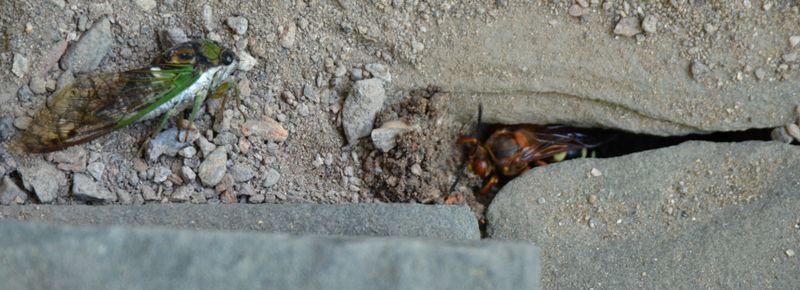
One of the most fascinating parts of the cicada-hunting wasp life cycle is why the female digs in the first place. She is not setting up a permanent home for a colony.
She is creating a safe chamber where she will place a paralyzed cicada along with her egg. When the egg hatches, the larva has food waiting nearby to support its early development underground.
Watching a female drag a cicada across the lawn toward her burrow is genuinely remarkable. Cicadas are large, heavy insects, and the wasp hauls them with impressive determination.
She uses her stinger to paralyze the cicada, which keeps it still without causing further harm. The whole process is driven entirely by her nesting instinct, and it has nothing to do with people, pets, or the structure of your home.
The burrow itself is not damaging to foundations, underground pipes, or lawn roots in any significant way. These are shallow tunnels built for a short seasonal purpose.
Once the egg is placed and the chamber is sealed, the female moves on. She may dig additional burrows during the season, but each one follows the same focused, solitary pattern.
The process is a natural part of the local outdoor food web, connecting wasps, cicadas, and the broader summer ecosystem in warm-weather landscapes across Florida.
4. Males Act Tough But Cannot Sting
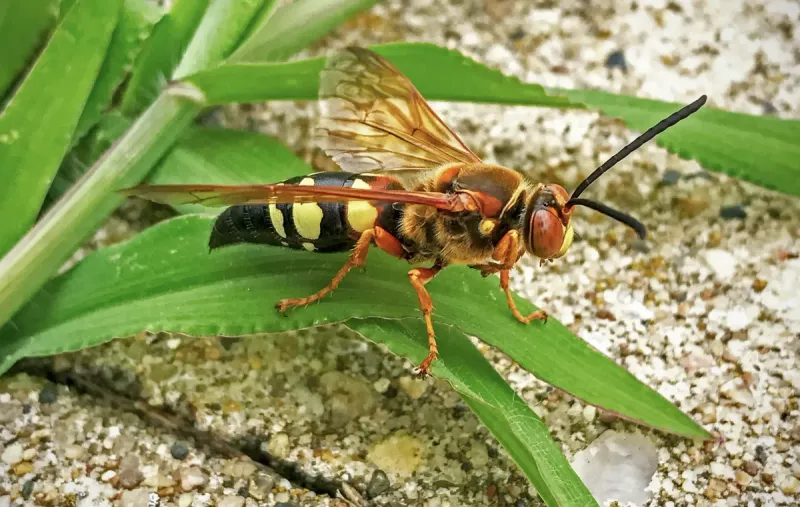
If a large wasp hovers in front of your face while you mow, it may be a male cicada-hunting wasp. He is likely doing what males do best: bluffing.
Males often patrol territories near nesting areas, and they can be surprisingly bold around people, pets, and moving equipment. Their behavior can look aggressive, but there is an important fact that changes everything.
Male cicada-hunting wasps cannot sting. They simply do not have the equipment for it.
The stinger found on female wasps is a modified egg-laying structure, and males do not have one. So while a male may hover close, dart toward you, or fly in looping patterns near your head, he poses no physical threat.
His whole act is a bluff, and it works surprisingly well on unsuspecting Florida homeowners.
That said, it is still smart to give active nesting areas space, especially when children or pets are nearby. Even if the hovering wasp is a harmless male, a female working near the same patch of soil could sting if she feels cornered or stepped on.
Keep kids and pets away from areas where you see regular wasp activity during peak summer weeks. Knowing the difference between male bluffing and real risk helps you stay calm without being careless around these insects.
5. Sandy Bare Soil Makes Nesting Easier
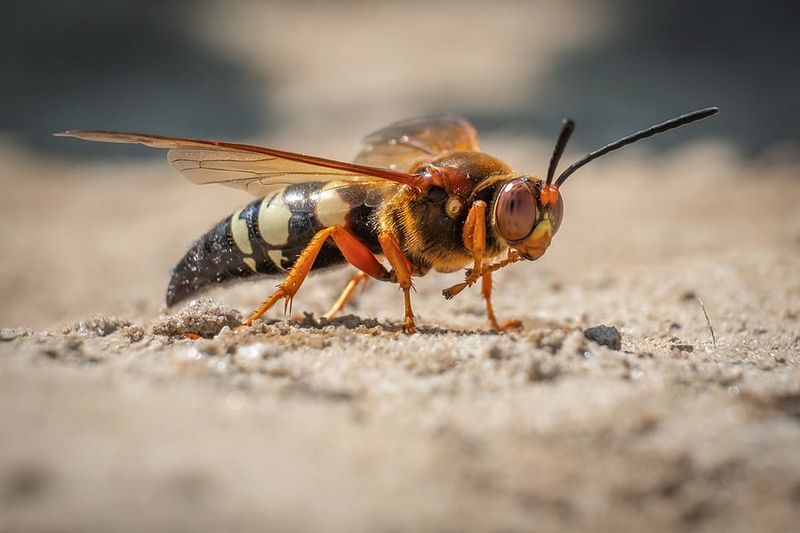
Not every yard gets visited by cicada-hunting wasps, and the condition of your soil plays a big role in why some yards attract them more than others. These wasps strongly prefer areas where digging is easy.
Loose, sandy, dry, or well-drained soil in full sun gives females exactly what they need to excavate a burrow quickly and efficiently.
Bare patches near driveways, thinning lawn edges, dry embankments, and sandy areas with little plant cover are common nesting spots. Compacted or heavily shaded soil is harder to work with, so those areas tend to be skipped.
If your yard has a sunny corner where grass struggles or sand stays exposed after rain, pay attention. That spot may look like prime real estate to a nesting female.
One practical way to reduce future nesting interest is to improve bare soil over time.
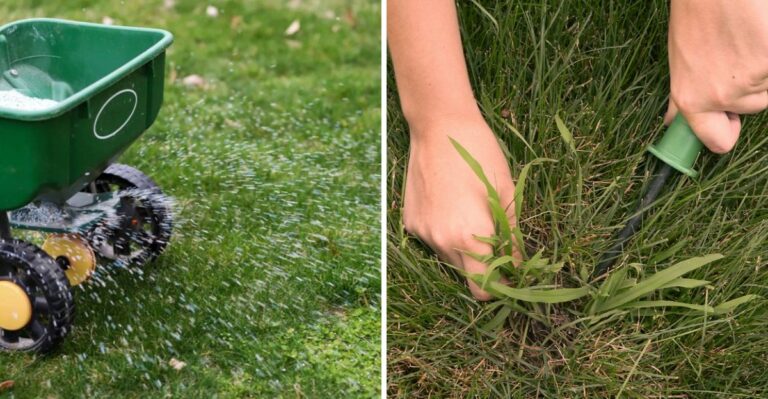
Overseeding thin turf spots, adding suitable groundcover plants, or using mulch in landscape beds can make exposed soil less accessible and less attractive for burrowing.
This approach works best after the nesting season has ended, so you are not disturbing active burrows. Keeping turf healthy through proper watering and fertilization helps fill bare patches.
Those bare patches often invite ground-nesting insects back to warm, open spots year after year.
6. They Are Not Yellowjackets Or Hornets
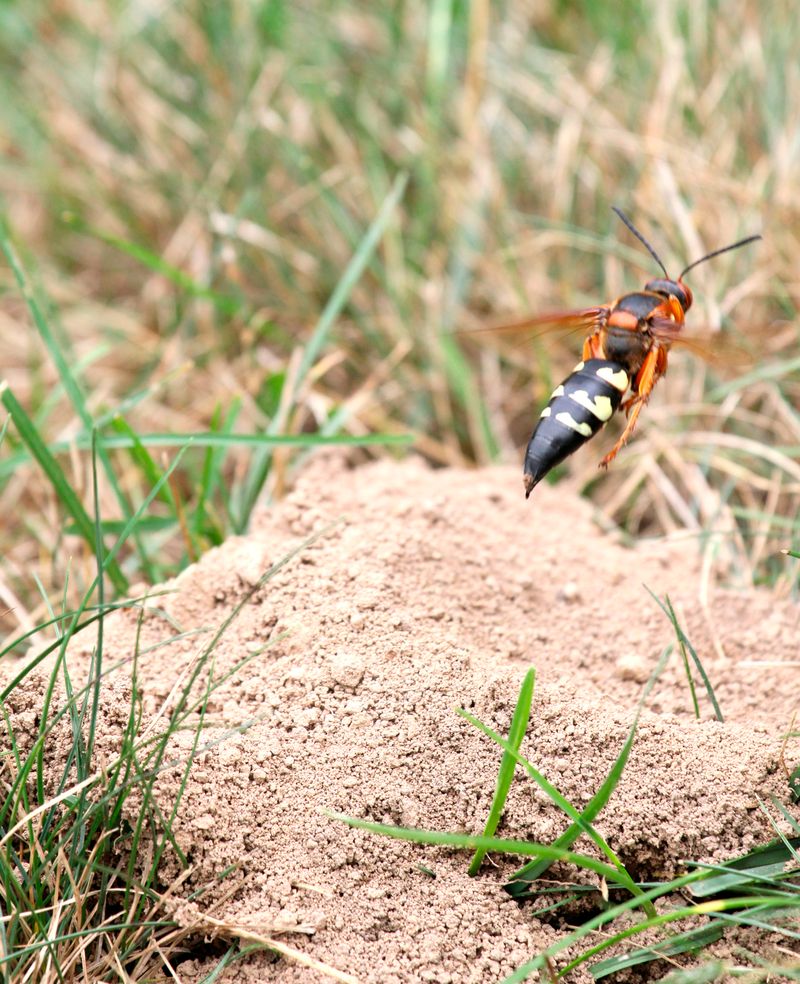
Size matters a lot when it comes to correctly identifying what is flying around your yard. Cicada-hunting wasps are significantly larger than yellowjackets and most hornets.
When you see a large bumblebee-sized insect shaped like a wasp, look at the markings and behavior. Yellow and rusty-orange markings, plus hovering near ground holes, point toward a cicada-hunting wasp rather than a social stinging insect.
Yellowjackets and hornets are social insects that build and defend shared nests, sometimes aggressively. A large colony can respond quickly when it senses a threat near the nest entrance.
Cicada-hunting wasps do not have that group defense response because there is no group. Each female is on her own, which means the threat level for nearby people is much lower when the wasp is left alone.
Correct identification before taking any action is genuinely important. If many small wasps enter and exit one hole in rapid succession, that may suggest a different insect.
Look from a safe distance or call a county extension office. Reacting to the wrong insect with the wrong response can make a manageable situation much worse.
Taking a photo from a safe distance and checking it against reliable university or extension resources is a smart first step before deciding anything.
7. Most Yards Do Not Need Treatment
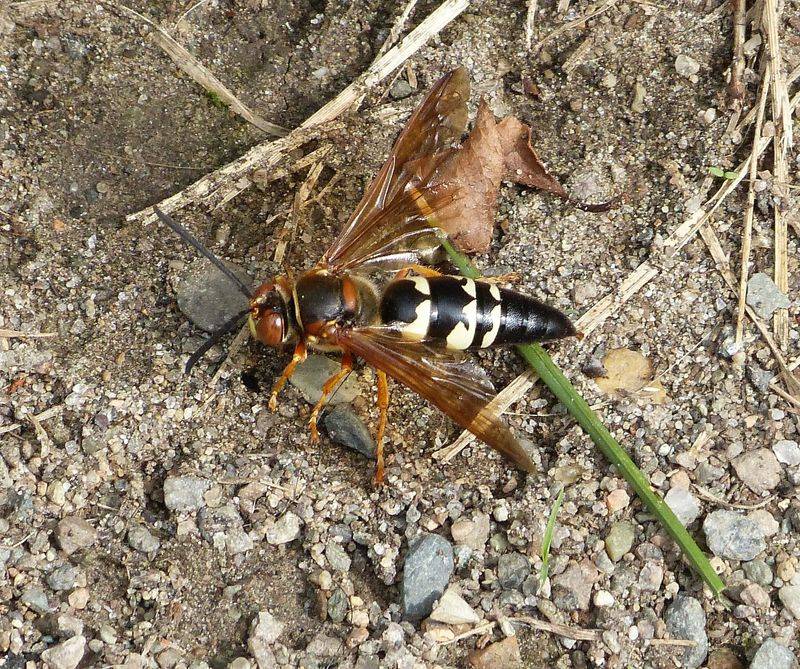
Seeing large wasps near holes in the yard can trigger the urge to do something immediately, but treatment is often not the right call. When cicada-hunting wasps nest in a low-use corner away from doors, walkways, and play areas, leave them alone.
For most people, the best response is to let the season run its course.
Activity typically peaks during the hottest weeks of summer and winds down on its own. These wasps are part of the outdoor food web, helping manage cicada populations in the local environment.
Applying pesticides unnecessarily can affect other beneficial insects in the yard, including pollinators that visit nearby flowering plants. The short-term discomfort of sharing a corner of the lawn is usually a better trade-off than a broad chemical response.
Treatment may be worth considering if burrows are in a busy path, near a doorway, beside a children’s play area, or if someone in the household has a known sting allergy.
In those situations, contact your county extension office or a licensed pest management professional for guidance before using any products.
Avoid pouring chemicals, water, or other substances into burrows on your own. A professional can assess the situation and recommend the safest, most targeted approach for your specific yard and family needs.
8. Give Them Space Until The Season Passes
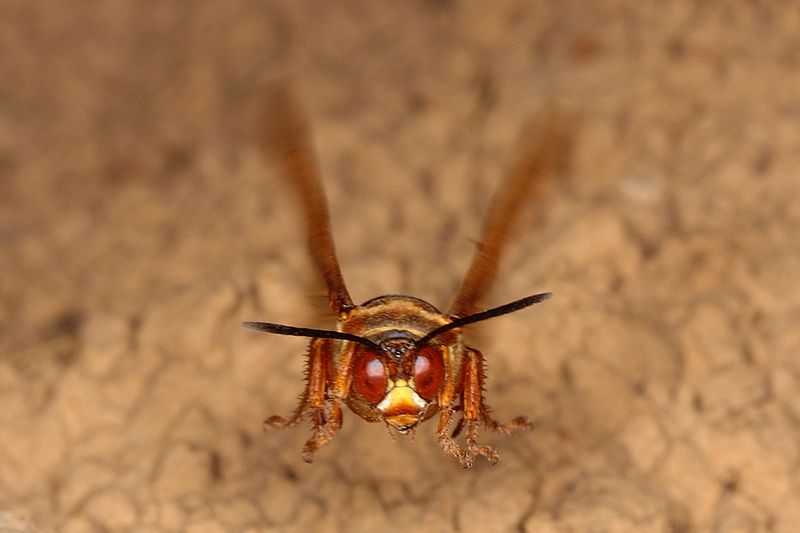
For most Florida homeowners, the best plan is a simple one: give the active area space and wait. Cicada-hunting wasps are seasonal visitors.
Their nesting activity follows the cicada population, which peaks during warm summer months and naturally slows as temperatures shift. In most cases, the burrows become inactive on their own without any intervention needed from you.
A few practical steps make the waiting period safer for everyone. Avoid walking barefoot near active burrow areas, since stepping on or near a female can prompt a defensive sting.
Keep children and pets away from spots where you regularly see wasp activity. Do not try to flood the holes with water, fill them with soil, or block the entrances while wasps are still active.
Disrupting an occupied burrow can startle a female and lead to an unwanted encounter.
Once the season winds down and activity stops, that is a great time to think about improving the soil. Overseeding bare patches, adding groundcover, or mulching exposed areas can make the spot less appealing for nesting next summer.
Taking a photo of the wasp and comparing it to images from UF/IFAS or your local extension office can also help confirm what you are dealing with before you react. Not every giant wasp hovering over your lawn is an emergency.
Sometimes it is just nature doing its summer routine, right in your own backyard.