7 Reasons Your Tennessee Tomatoes Split Before You Can Pick Them (And How To Stop It)
You planned for this all spring. You watered, you waited, you watched those tomatoes slowly blush red on the vine.
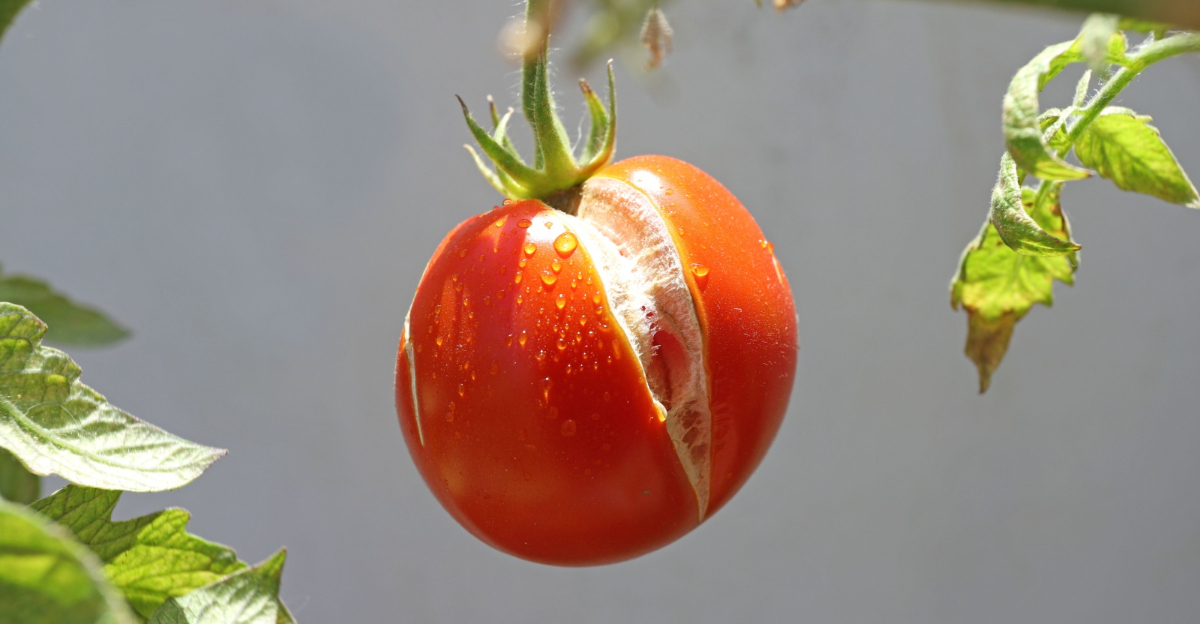
And then one morning you walk outside and find them cracked wide open like they just gave up. Sound familiar?
Tennessee tomatoes can crack more often than gardeners in other states realize. The state’s wild swings between scorching heat, sudden downpours, and sticky humidity are a big part of why.
Here is the part most gardeners never hear: cracking is often preventable. Once you know what is behind it, you can stop it from happening season after season.
1. Inconsistent Watering
Picture this: your garden goes ten days without a single drop of water, then you soak it deeply to make up for lost time.
That sudden flood rushes into the tomato fruit faster than the outer layer can stretch, and the result is a crack so clean it almost looks intentional.
Tomato exteriors are tough but not elastic, and when the inside of the fruit expands fast, the outside simply cannot keep up.
Consistent watering is the single most powerful tool you have against cracking.
Aim for one to two inches of water per week, spread out evenly rather than delivered all at once.
A soaker hose or drip irrigation system makes this almost effortless, keeping water levels steady at the root zone without drenching and drying in cycles.
Checking your soil before watering is a habit worth building.
Stick your finger two inches into the ground near the base of the plant.
If it feels dry, water slowly and deeply; if it still feels damp, wait another day and check again.
Steadiness is the goal, and your tomatoes will reward that patience with smooth, unbroken skin right through harvest.
2. Heavy Rainfall After A Dry Spell
Every Tennessee gardener knows the pattern.
Weeks of dry, blistering heat, followed by a sudden afternoon storm that dumps two inches of rain in an hour.
That weather whiplash is one of the leading reasons tomatoes crack in this region, and there is almost nothing you can do to control the sky.
What you can control is how your garden responds to those sudden downpours.
When a dry spell breaks with heavy rain, the tomato plant absorbs water aggressively through its roots.
The fruit swells faster than the outer layer can adapt, and cracking happens almost overnight.
Varieties with thinner exteriors are especially vulnerable, but even thick-walled types can give way if the water swing is dramatic enough.
Raised beds with good drainage help excess water move away from roots quickly after a storm.
Adding a thick layer of mulch around your plants acts as a buffer, slowing down how fast water reaches the root zone.
If a major storm is in the forecast and your tomatoes are close to ripe, consider picking them slightly early.
A nearly ripe tomato will finish ripening on your kitchen counter without any risk of cracking from unexpected rain.
3. Too Much Nitrogen In The Soil
Nitrogen is the fertilizer world’s version of a booster shot: a little goes a long way, and too much sends things sideways fast.
Your Illinois Garden Changes Every Week. Your Plan Should Too.
Gardening in Illinois changes quickly throughout the season. Every Friday you’ll receive a simple weekly plan showing exactly what to plant, prune, fertilize, harvest, and protect so you never miss the right timing.
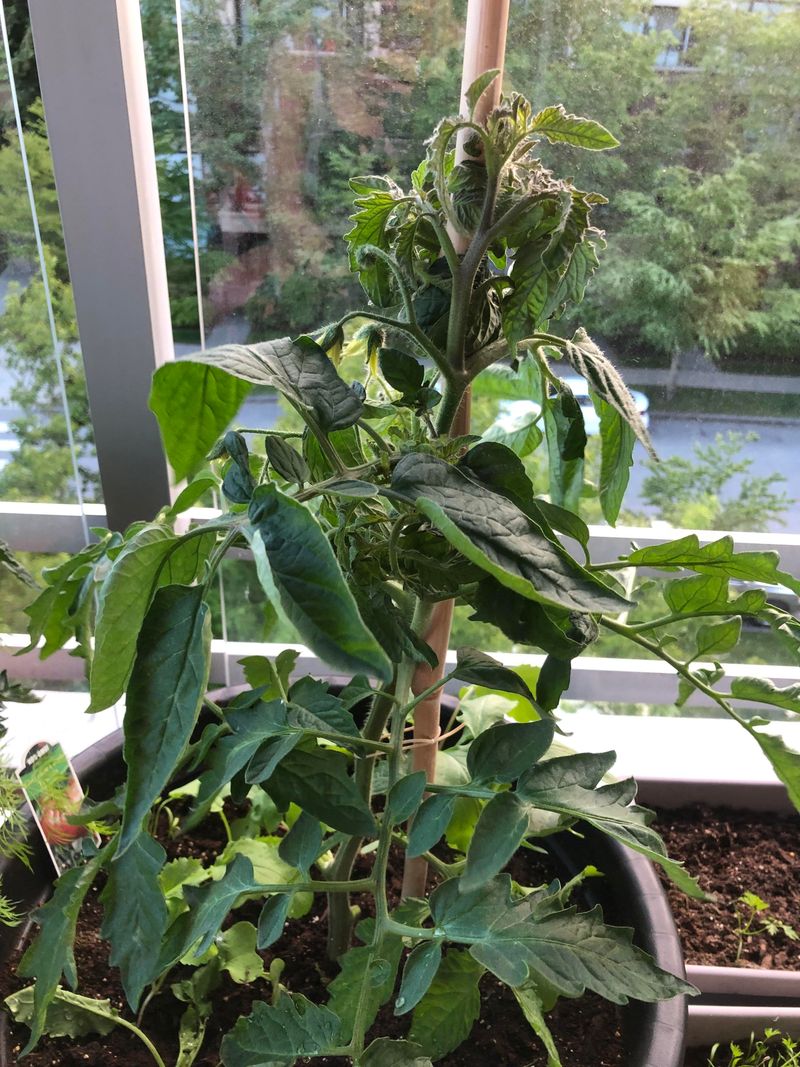
When tomato plants get an overdose of nitrogen, growth accelerates fast.
The fruit expands at a pace the outer layer simply cannot keep up with, and you end up with cracks that run from the stem all the way down the fruit.
Here is something most gardeners overlook: poor nutrient balance, including too much nitrogen or not enough calcium or potassium, can make cracking worse.
Too much nitrogen blocks calcium uptake, quietly making the problem worse.
Many gardeners make the mistake of feeding tomatoes with a high-nitrogen fertilizer throughout the entire growing season.
Nitrogen is helpful early on when the plant is establishing itself and building strong stems and leaves.
But once flowers appear and fruit begins to set, switch to a fertilizer with lower nitrogen and higher phosphorus and potassium to support healthy development without forcing uncontrolled growth.
Getting a basic soil test before the season starts is one of the smartest moves a home gardener can make.
Your local county extension office can walk you through the process, and the results will tell you exactly what your soil needs.
Over-fertilizing is an easy trap to fall into, especially when plants look healthy and you want to keep them that way.
Less is genuinely more when it comes to nitrogen once your tomatoes start forming.
4. Harvesting Too Late
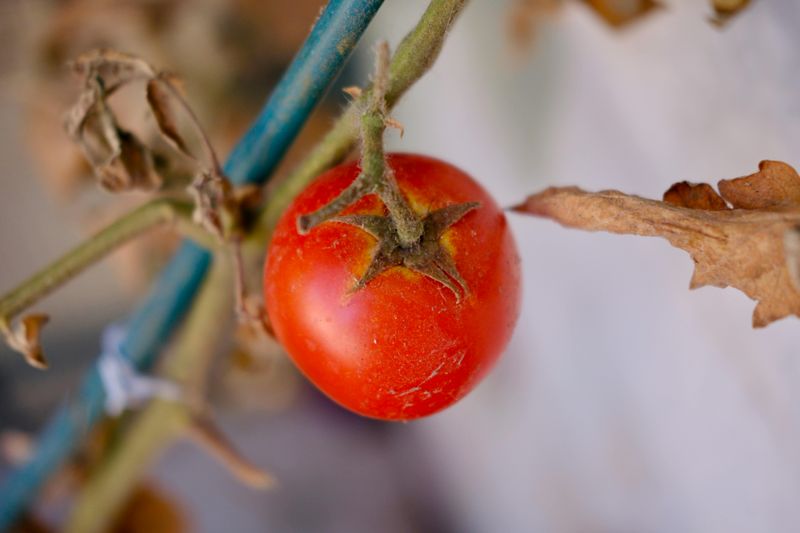
Leaving a tomato on the vine past its peak is a tempting move because everyone wants that deep, fully ripened flavor.
But the longer a tomato stays on the plant, the thinner and more fragile its exterior becomes.
At full ripeness, even a light rain or a sudden temperature drop can be enough to trigger a crack that splits the fruit wide open.
Most tomatoes are ready to harvest when they reach their full color and give slightly when pressed gently with your thumb.
You do not need to wait for the tomato to feel soft or look perfect.
A tomato picked at the breaker stage, when it has just started to show color, will finish ripening beautifully indoors without losing any flavor or texture.
Making it a habit to walk your garden every day during peak season pays off more than most gardeners expect.
Catching tomatoes at the right moment, before they go past their prime, keeps cracking from becoming a recurring problem.
Place harvested tomatoes stem side down on a countertop at room temperature, away from direct sunlight.
Never refrigerate them before they are fully ripe.
Cold temperatures break down the texture and flatten the flavor you worked all summer to develop.
5. Split-Prone Tomato Varieties
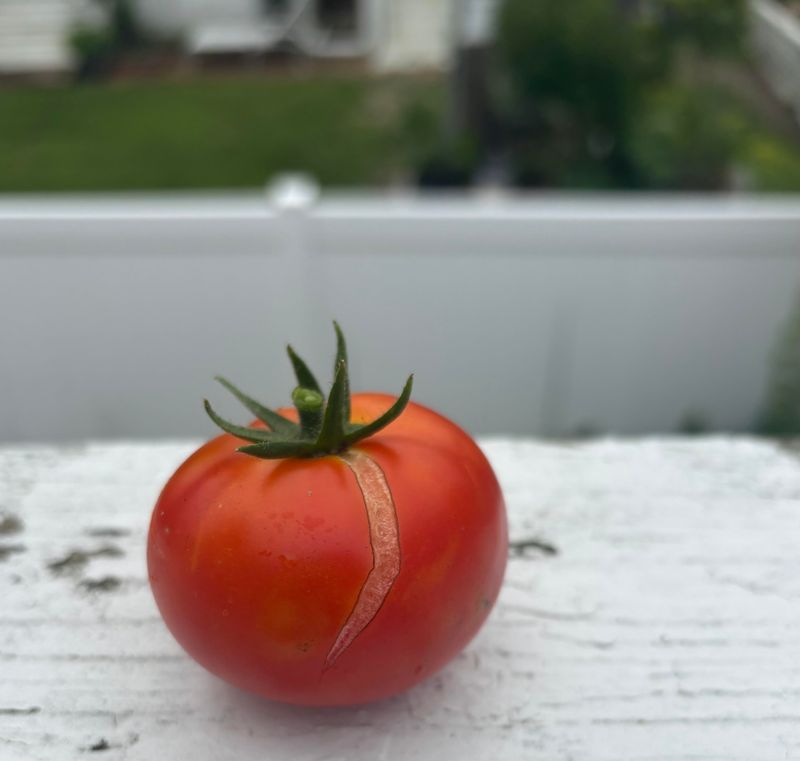
Not every tomato is built the same, and some varieties come with a built-in weakness for cracking that no amount of careful watering can fully overcome.
Heirloom types like Brandywine and Cherokee Purple are beloved for their rich, complex flavor, but their thin skins make them crack-prone even under normal conditions.
If you have been growing the same variety for years and splitting keeps happening, the tomato itself might be part of the problem.
Crack-resistant varieties have been specifically bred to handle moisture fluctuations without giving way.
Juliets, Celebrities, and Mountain Fresh Plus are popular choices among Tennessee home gardeners.
All three deliver reliable harvests without the heartbreak of splitting.
Cherry tomato varieties tend to crack more than larger types because their small size means any moisture surge affects them quickly and dramatically.
Switching varieties does not mean sacrificing taste.
Many modern crack-resistant types offer excellent flavor alongside tougher skin, and growing a mix of varieties gives you the best of both worlds.
Grow one or two of your favorite heirlooms for fresh eating and salads, and plant a crack-resistant variety alongside them for reliable production.
Understanding your variety’s tendencies is half the battle.
Once you know how it behaves, your watering schedule, mulching strategy, and harvest timing all fall into place.
6. High Heat And Humidity
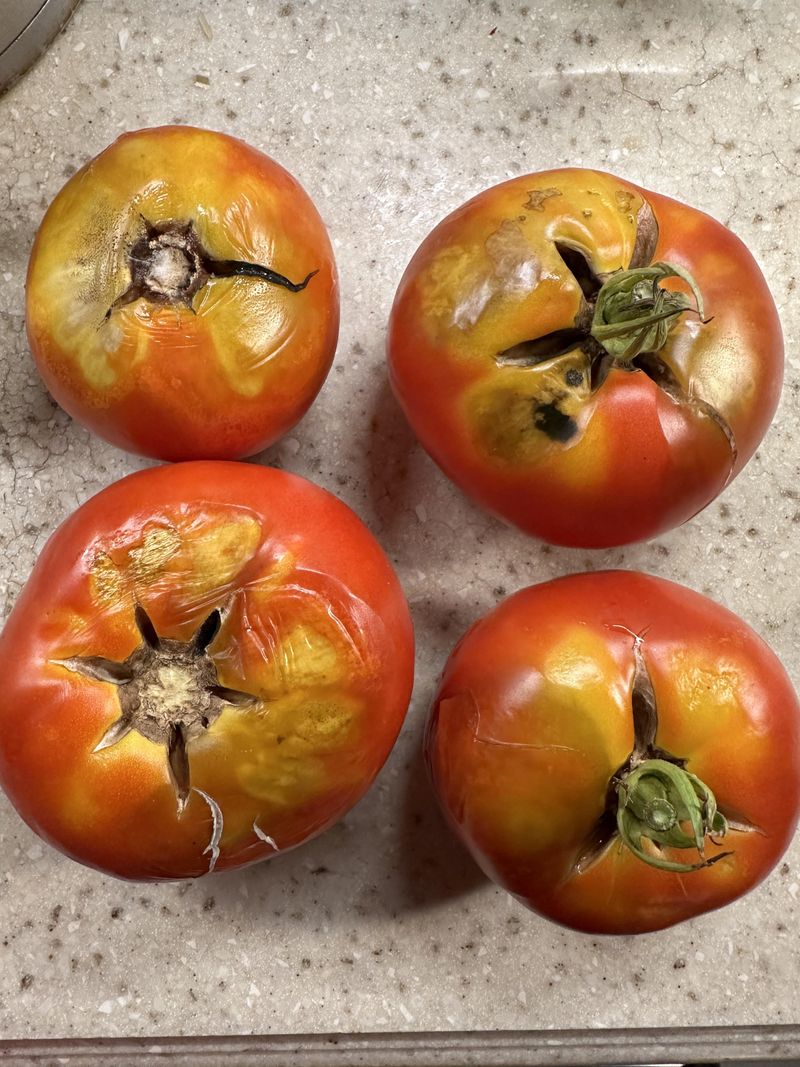
Ninety degrees before noon with humidity that makes the air feel like a wet blanket: that is a typical July afternoon for many Tennessee gardeners. That combination of intense heat and thick moisture in the air does not just make gardening uncomfortable for people, it actively stresses tomato fruit and accelerates the conditions that lead to splitting.
Heat speeds up fruit development while humidity keeps the plant taking in moisture at an elevated rate, and the skin gets caught in the middle.
Shade cloth is a practical solution that more home gardeners should consider. A thirty to fifty percent shade cloth draped over your plants during the hottest part of the day does more than you might expect.
It cuts heat stress significantly without blocking the light tomatoes need to keep producing.
Even a temporary structure made from lightweight fabric can make a noticeable difference during a heat wave.
Watering in the early morning rather than midday or evening helps the plant manage heat stress more effectively. Morning water soaks in before the heat peaks, giving roots what they need without the rapid uptake that triggers splitting.
Keeping the foliage as dry as possible also reduces fungal issues that thrive in humid conditions. Working with Tennessee’s climate rather than against it means timing every garden task around the heat, not in spite of it.
7. Lack Of Mulch
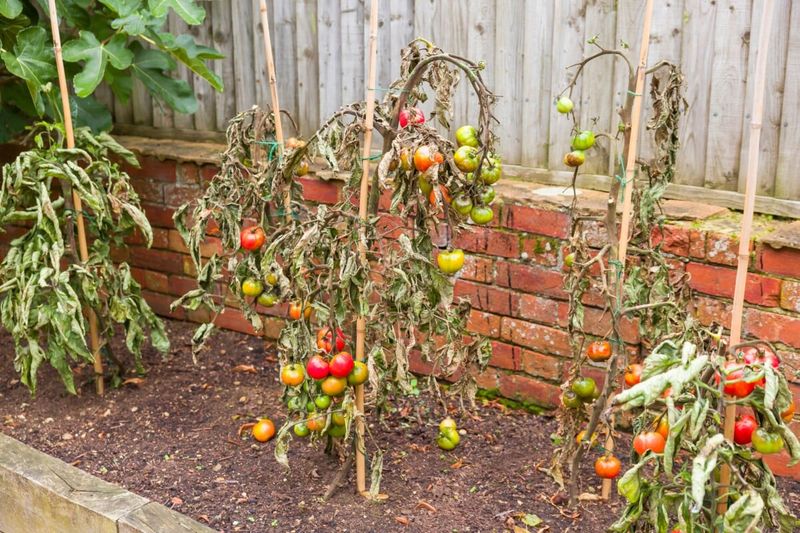
Bare soil in a tomato garden is a problem hiding in plain sight.
Without mulch, the ground heats up fast during the day, dries out quickly between waterings, and then absorbs rainfall or irrigation water almost instantly.
That cycle of rapid drying and sudden soaking is exactly what causes the internal pressure that splits tomato skins, and mulch is the simplest, cheapest fix available.
A two to three inch layer of straw, shredded leaves, or wood chips around the base of each plant works as a moisture regulator.
It slows evaporation on hot days, cushions the soil from heavy rain impact, and keeps the root zone at a more stable temperature throughout the day.
Gardeners who mulch consistently report fewer split tomatoes, fewer weeds, and less frequent watering needs across the board.
Applying mulch early in the season, before the heat sets in, gives it time to settle and bond with the soil surface. Keep the mulch a few inches away from the main stem to prevent rot and reduce the risk of disease at the base of the plant.
Refreshing your mulch layer mid-season if it thins out keeps protection consistent right through the final weeks of harvest. For Tennessee tomatoes dealing with all the challenges this climate throws at them, mulch is not optional, it is essential armor for the garden.