Think Twice Before Adding New Sod In Florida During Hot, Dry Weather
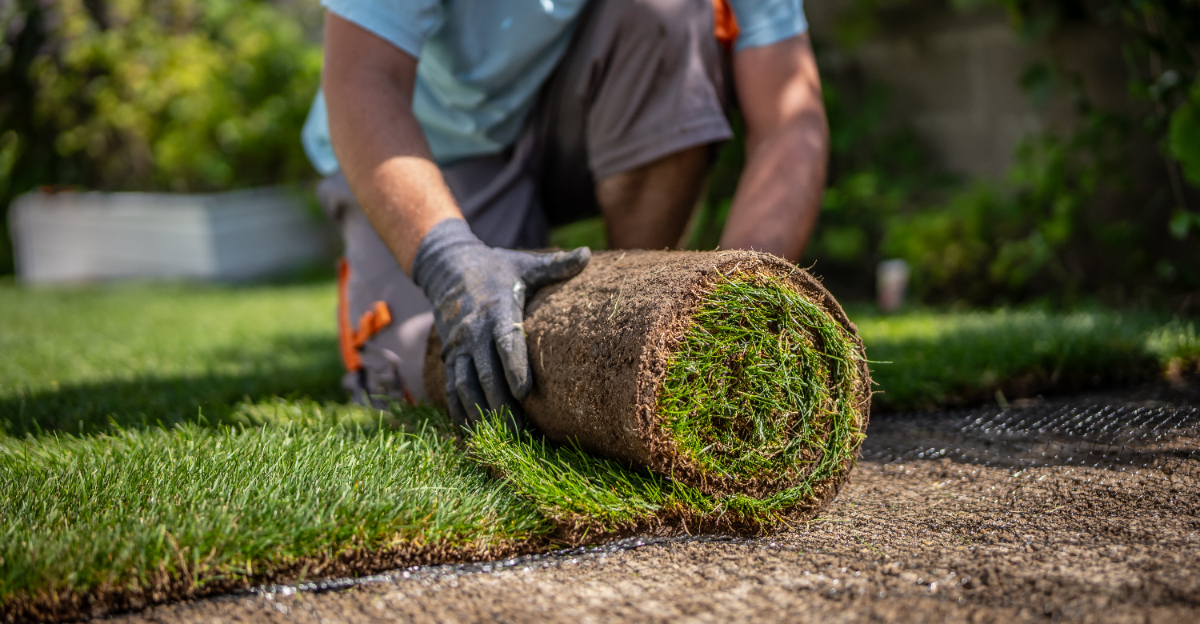
New sod has a way of looking like a quick win. Roll it out, water it in, and within a few weeks the yard looks pulled together in a way that years of patching and overseeding never quite managed.
The appeal is real, and for a lot of Florida homeowners, the urge to tackle that project hits hardest right when the weather starts warming up and the yard is getting more attention.
That timing deserves a second look.
Florida’s climbing temperatures change the math on sod installation in ways that are easy to underestimate until you’re already committed.
What feels like ideal outdoor working weather can put newly laid sod under a level of heat stress that roots still trying to establish simply are not equipped to handle.
The window between a successful install and an expensive disappointment gets narrower as temperatures rise, and it closes faster than most people expect. None of this means new sod in Florida is a bad idea.
It means the timing of that decision matters more than most lawn care content bothers to mention, and a few weeks in either direction can be the difference between sod that grabs hold and sod that never really had a chance.
1. Check The Heat Before You Roll Out New Sod
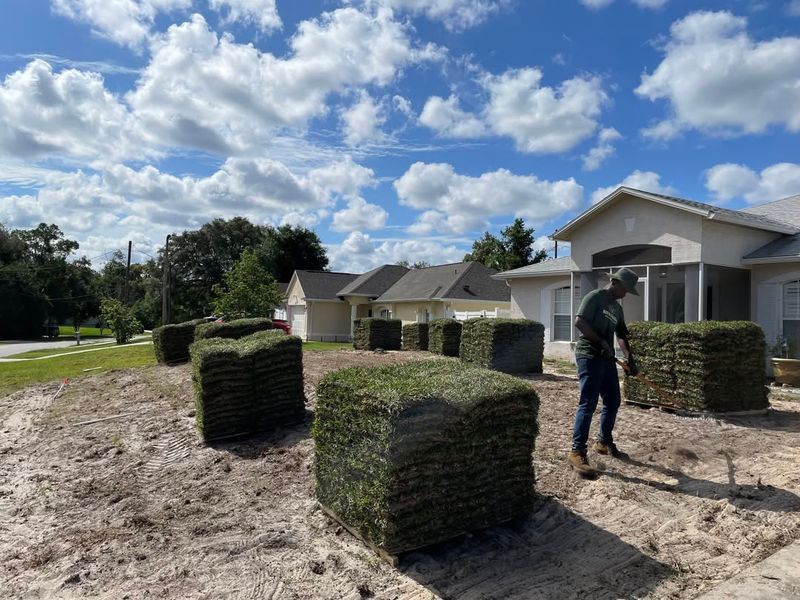
Florida heat does not ease into summer gradually. By May, Central and South Florida can already feel like the middle of July, with afternoon temperatures pushing into the upper 80s and 90s and a relentless sun baking exposed soil within hours.
New sod has very shallow roots right after installation, which means it depends almost entirely on surface moisture to survive those first critical days.
Laying sod during a stretch of extreme heat, dry wind, or low humidity can stress it faster than you expect. Edges and corners dry out first, and if the sod loses contact with moist soil even briefly, recovery becomes difficult.
North Florida has a slightly gentler window in early May, but inland areas statewide tend to heat up quickly once spring dry spells arrive.
Timing your installation matters more than most people realize. Check the seven-day forecast before scheduling delivery.
Look for a stretch of moderate temperatures, cloud cover, and no extreme wind. Avoid installing sod right before a vacation or a busy week when you cannot monitor moisture levels daily.
Planning your install window around the weather and your own availability is one of the smartest moves you can make before the first roll hits the ground.
2. Prep The Soil Before Summer Stress Sets In
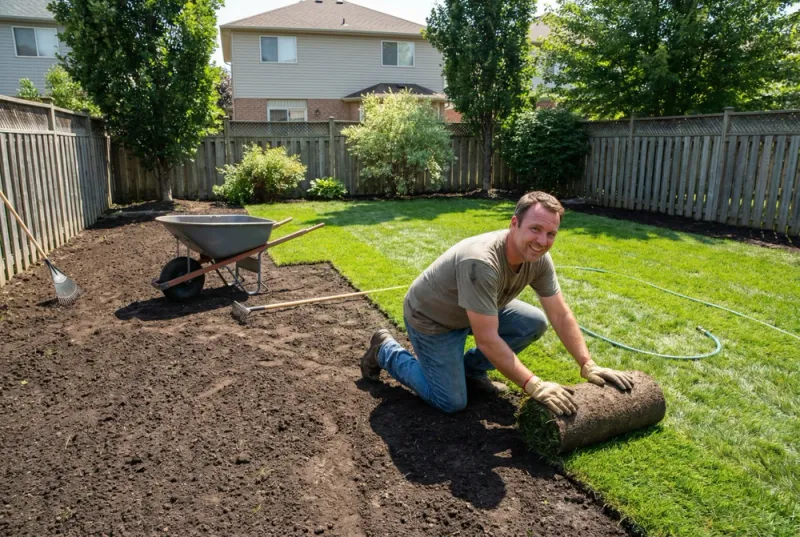
Most sod failures do not start on day one. They start weeks earlier, with a yard that was never properly prepared.
Sandy soils drain quickly and can leave new roots scrambling for moisture, while low spots or compacted patches create the opposite problem by staying soggy after afternoon storms roll through.
Good site prep means removing old turf and weeds completely, not just mowing them down. Grading the surface so water drains away from structures matters a lot here, where heavy summer rain can pool fast.
Your Florida Garden Changes Every Week. Your Plan Should Too.
Gardening in Florida changes quickly throughout the season. Every Friday you’ll receive a simple weekly plan showing exactly what to plant, prune, fertilize, harvest, and protect so you never miss the right timing.
Loose, even soil gives sod roots a place to grip, while compacted or uneven ground leads to patchy rooting and stressed sections that never seem to recover.
Seams between sod rolls need to fit tightly, and the entire surface should make firm contact with the soil beneath it. Air pockets and gaps invite drying and uneven rooting.
Before adding any soil amendments, check UF/IFAS EDIS resources or contact your local county Extension office for guidance specific to your region.
Not every yard needs the same treatment, and adding the wrong amendment to sandy South Florida soil is a different situation than working with clay-heavy North Florida ground.
Fix the site first, and the sod has a real chance.
3. Water New Sod Often Without Keeping It Soggy
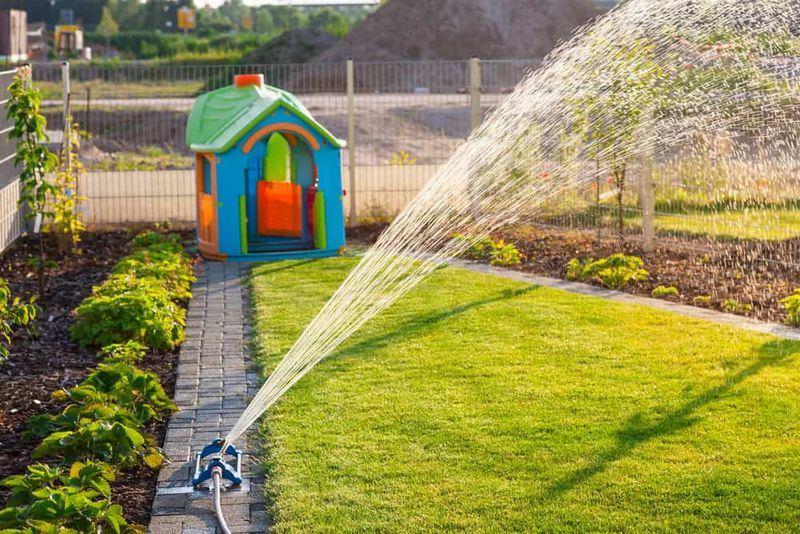
Fresh sod is thirsty but not patient. During the first week or two after installation, the goal is to keep the soil and sod interface consistently moist so roots can begin anchoring into the ground below.
Light, frequent watering works better at this stage than one long soak that leaves the surface saturated and creates runoff across the yard.
Standing water is not a sign of good establishment. Soggy conditions can encourage fungal issues and actually slow root development in warm, humid environment.
On the other hand, letting new sod dry out even briefly during a hot May afternoon can cause browning and shrinkage that is hard to reverse without replacing sections entirely.
As roots begin to establish over the following weeks, watering frequency should gradually decrease and duration should increase, encouraging roots to reach deeper into the soil.
UF/IFAS recommends following this type of tapering schedule rather than keeping new sod on a heavy irrigation routine indefinitely.
Before you install anything, test your sprinkler coverage to make sure all areas receive even water distribution.
Also check with your city, county, or water management district about local establishment watering allowances, because many communities have specific rules that apply even to newly installed sod, and those rules vary by location.
4. Choose The Right Turfgrass For Your Florida Region
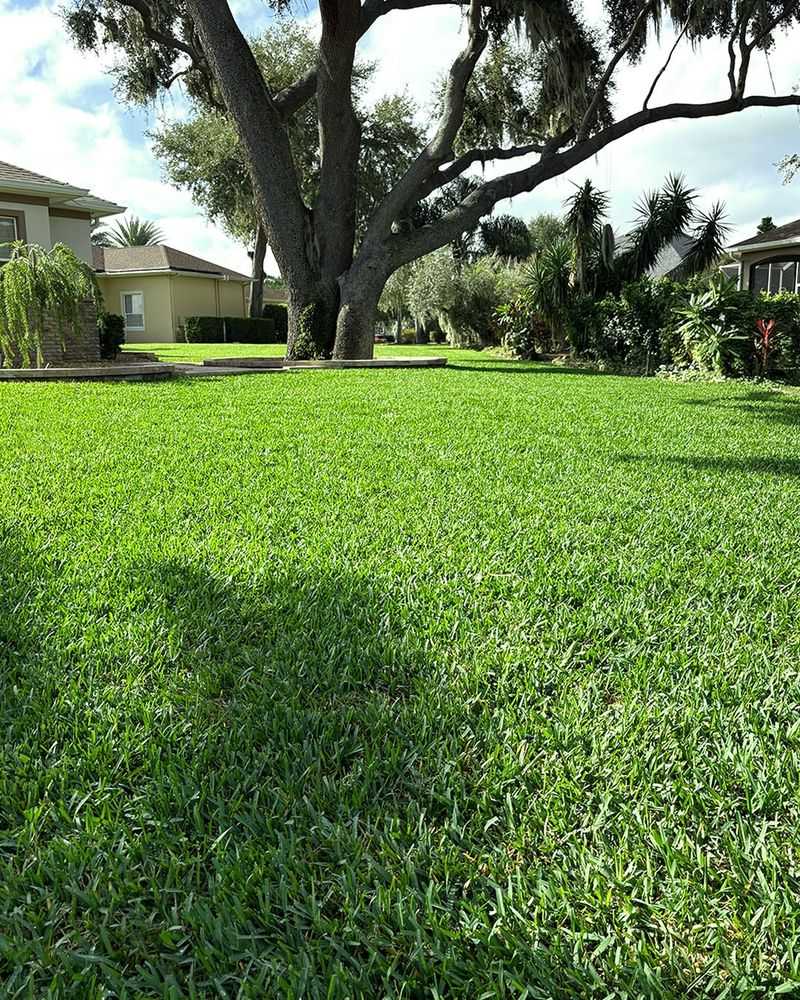
Walk through any Florida neighborhood and you will notice that not every lawn looks the same, and there is a good reason for that.
Turfgrass selection is genuinely regional, and choosing based on what looks nice at the sod farm without considering your specific site conditions is a setup for frustration.
St. Augustinegrass is widely used across Florida and handles shade better than most warm-season options, but it has higher irrigation needs and can face significant pest pressure.
Bahiagrass is lower input and holds up well in sunny, open areas, though its texture and look are quite different.
Zoysiagrass offers a dense, attractive turf but requires careful management. Bermudagrass thrives in full sun and handles traffic well but needs more intensive upkeep.
Centipedegrass shows up more often in lower-maintenance North Florida lawns but is not suited for every region.
Coastal yards may need salt-tolerant varieties, while shaded lots under large oaks or palms may struggle with any traditional turfgrass. HOA communities sometimes restrict which grasses are allowed, so check those rules before purchasing.
South Florida’s longer warm season and heavier pest pressure create different conditions than the Panhandle.
Your local county Extension office can match the right turfgrass to your actual site, soil, sun exposure, and maintenance goals rather than guessing based on what your neighbor planted.
5. Avoid Sodding Right Before Drought Or Water Restrictions
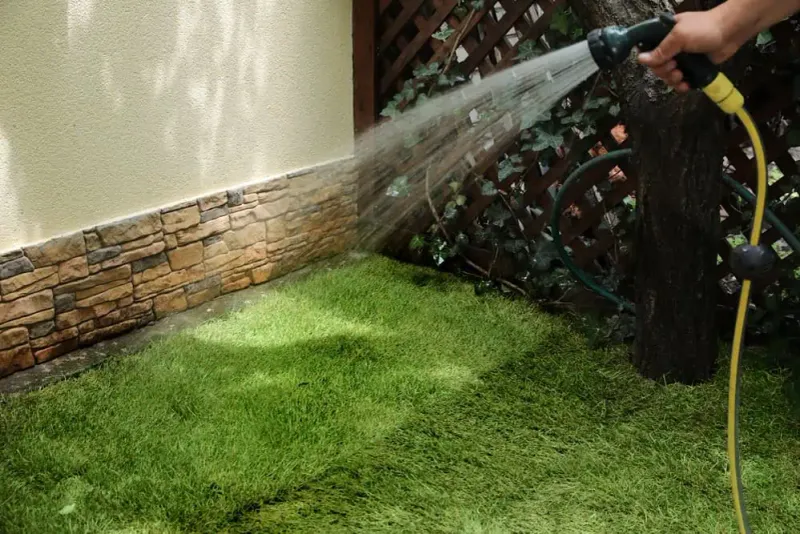
Spending several hundred dollars or more on sod only to watch it struggle because you ran out of legal watering days is a painful and avoidable situation.
Homeowners operate under a patchwork of watering rules that vary by county, city, and water management district, and those rules do not pause because you just laid fresh sod.
Many communities follow day-of-week watering schedules tied to your address. Some areas have seasonal or drought-triggered restrictions that reduce allowed watering days further.
Reclaimed water users may face separate guidelines or supply limitations.
The good news is that some water management districts and municipalities offer establishment exemptions that allow more frequent irrigation for newly installed lawns, but those exemptions often require advance notice or registration, and they are not automatic everywhere.
Before you schedule sod delivery, contact your local water management district, city utility, or county Extension office to understand exactly what you are allowed to do during the establishment period.
Laying sod without confirmed water access is a gamble that rarely ends well in Florida’s spring heat.
Dry spells can linger into May across much of the state, and afternoon storms during the early rainy season are often inconsistent from one street to the next. Reliable, legal irrigation access is not optional for new sod.
Confirm it first, then schedule your installation.
6. Watch For Rainy Season Problems After Installation
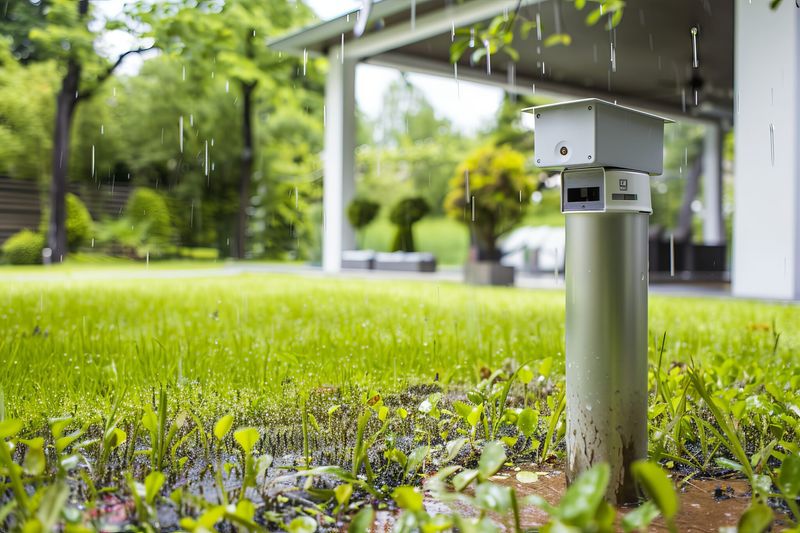
Florida’s rainy season sounds like a sod installer’s best friend, but the reality is more complicated. Heavy afternoon downpours that drop an inch or more in under an hour can wash loose sod pieces, create ruts, shift seams, and leave low spots underwater for hours.
New sod that has not yet rooted into the soil is especially vulnerable to movement during intense rainfall.
Rainy season also does not arrive on a predictable schedule everywhere in the state. South Florida tends to see it begin earlier than North Florida, and even within a single metro area, one neighborhood can get drenched while another stays dry.
Counting on afternoon storms to replace careful irrigation during the establishment period is a mistake that catches a lot of homeowners off guard.
Check soil moisture manually rather than assuming the rain handled it. Stick a screwdriver or your finger a few inches into the ground near the sod edge.
If it feels dry below the surface, the sod likely needs supplemental irrigation even after a visible afternoon shower. Drainage problems that existed before installation will not fix themselves once sod is down.
Standing water after rain encourages fungal issues in humidity and heat, and soggy patches can cause sections of new sod to thin out or lift. Address drainage before the sod arrives, not after you notice problems forming.
7. Keep Foot Traffic Off Until Roots Take Hold
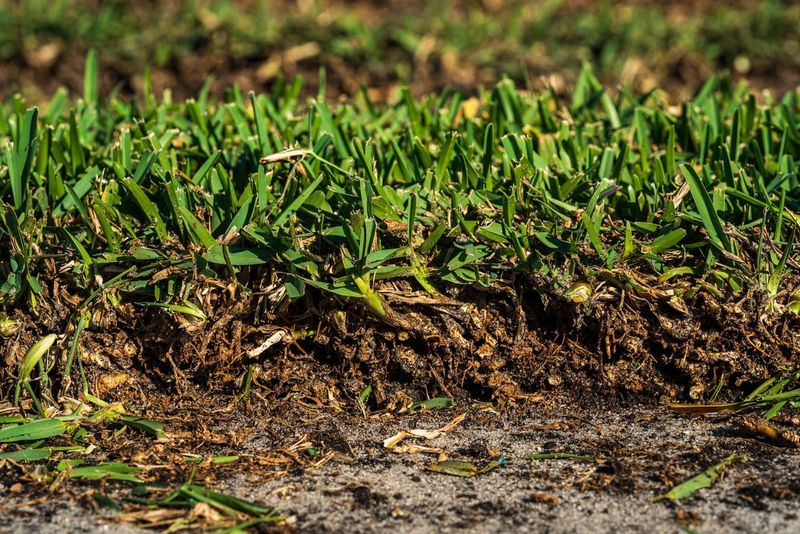
Fresh sod looks finished the moment the last roll gets placed, but appearances are deceiving. Underneath that green surface, roots are still loose and barely connected to the soil below.
Walking across new sod too soon compresses and shifts pieces, creates uneven settling, and can leave ruts that are difficult to correct without pulling up sections and starting over.
Pets and kids are especially hard on new installations. A dog running across freshly laid sod in the first two weeks can pull seams apart and leave divots that collect water or dry unevenly.
Lawn equipment, heavy planters, and even garden hoses dragged carelessly across the surface can cause the same kind of disruption. The edges of sod rolls are the most vulnerable spots because they dry faster and lift more easily than the centers.
A gentle way to check whether roots are taking hold is to lift a corner of one piece slightly after about two weeks. If you feel resistance, roots are anchoring.
If the piece lifts easily without resistance, give it more time and keep traffic away. Mowing should wait until rooting is confirmed and the grass has reached the recommended mowing height for your turfgrass variety.
Cutting too early with a heavy mower can pull up pieces that are not yet secure. Patience during this phase protects the investment you made from day one.
8. Consider Plugs Seed Or Lawn Alternatives Before Sodding
Sod gives you that satisfying instant-lawn look, but it is not always the smartest financial or environmental choice for every yard.
Before spending on full sod installation, it is worth stepping back and honestly evaluating whether the site can actually support a traditional lawn long term.
Plugs and sprigs are lower-cost options for some warm-season grasses and work well when you have time to wait for coverage. Seed is an option for bahiagrass in appropriate settings, though it requires patience and consistent moisture during germination.
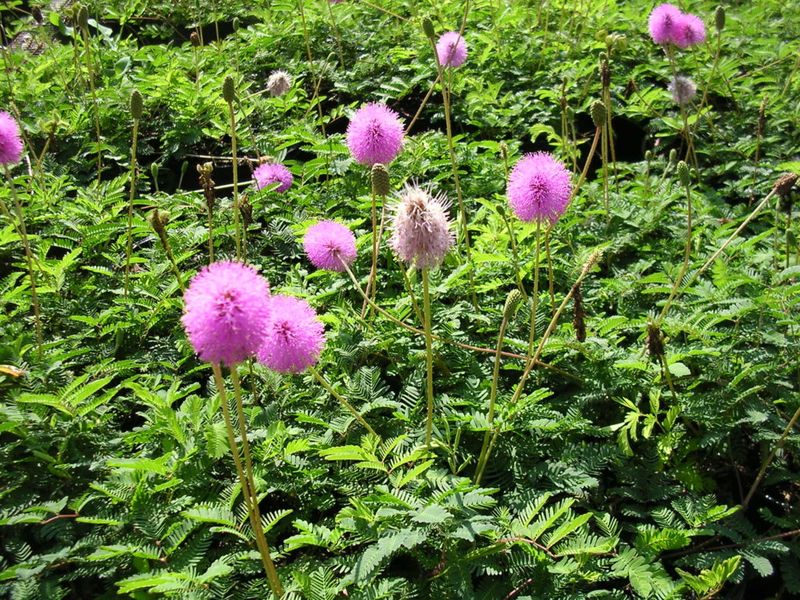
For shaded yards under large oaks or palms, turfgrass of any kind often struggles year after year, and groundcovers, mulch beds, or native plant beds may be far more practical and lower maintenance over time.
Florida-Friendly Landscaping principles, promoted through UF/IFAS and the Florida Department of Environmental Protection, encourage reducing turf area in spots where lawn grass struggles or requires heavy irrigation to survive.
Coastal properties with salt exposure, inland areas with extreme heat and fast-draining sandy soil, or yards with significant shade may all benefit from a different approach entirely.
Some HOA communities require lawn coverage in certain areas, so check those rules before removing turf. But if the underlying site conditions are working against a traditional lawn, no amount of sod will fix that.
Solve the site problem first, and the right solution will become much clearer.