Top Night-Blooming Plants That Bring More Bats To Your Texas Yard
Most Texas gardeners design their outdoor spaces entirely around what looks good during the day, which makes complete sense because that’s when you’re out there most often. But there’s a whole other version of your garden that comes alive after dark.
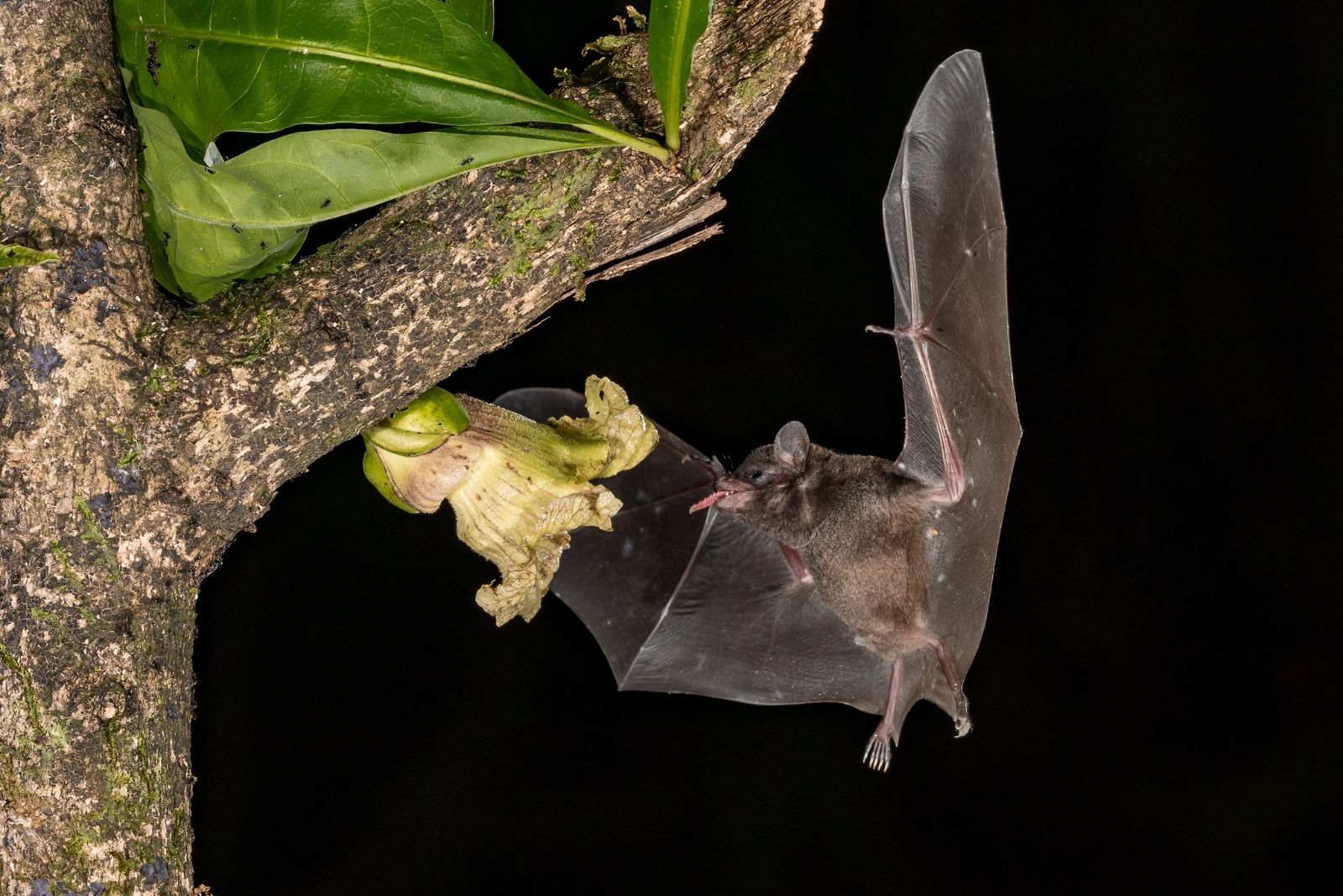
With the right plants in the ground, that nighttime garden can do something genuinely useful on top of being beautiful. It can bring bats in close enough to make a real dent in your mosquito population.
Bats are some of the most effective natural pest controllers in Texas, capable of consuming hundreds of insects in a single evening.
They’re most active during the same hours that night-blooming flowers open up and release their fragrance, attracting the moths and other flying insects that bats hunt.
Plant the right night bloomers and you’re essentially setting a table that brings the whole ecosystem together after sunset. Your yard after dark is about to become a lot more interesting and a lot less mosquito-filled.
1. Moonflower
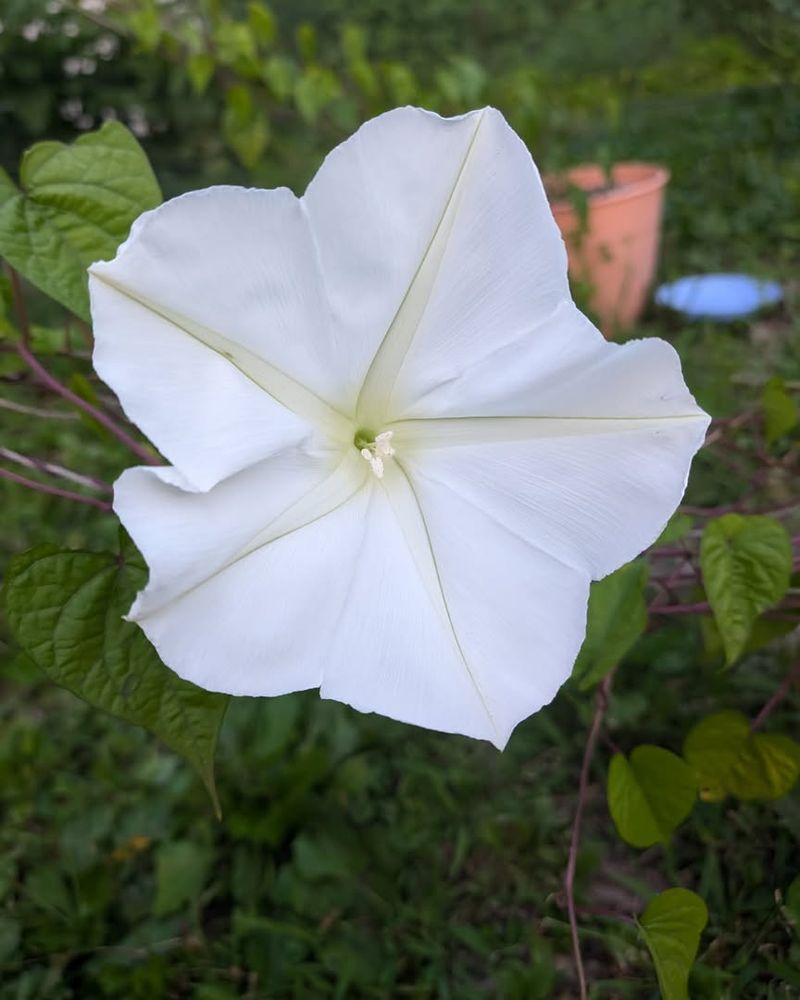
Picture stepping outside on a warm evening and watching giant white flowers slowly unfold right before your eyes. That is exactly what moonflower does, and it is one of the most magical things you can experience in your own backyard.
Moonflower vines produce blooms that can reach up to six inches across, and they open just as the sun goes down.
The flowers give off a light, sweet scent that travels surprisingly far through the night air. Moths pick up on that fragrance quickly and come in for a closer look.
Once moths are flying around your yard, bats are not far behind because moths are one of their favorite meals.
Moonflower grows fast and loves the Texas heat, making it a natural fit for gardens across the state. It climbs fences, trellises, and pergolas with ease, giving your outdoor space a lush, tropical look.
Plant it in a sunny spot with well-drained soil and water it regularly during hot summer months.
One fun fact about moonflower is that it is related to the morning glory, but it works the opposite shift. While morning glories bloom during the day, moonflower takes over at night.
This makes it a perfect companion for gardeners in Texas who want round-the-clock color and wildlife activity in their yard.
If you want bats visiting your garden on a regular basis, starting with moonflower is one of the best decisions you can make.
2. Evening Primrose
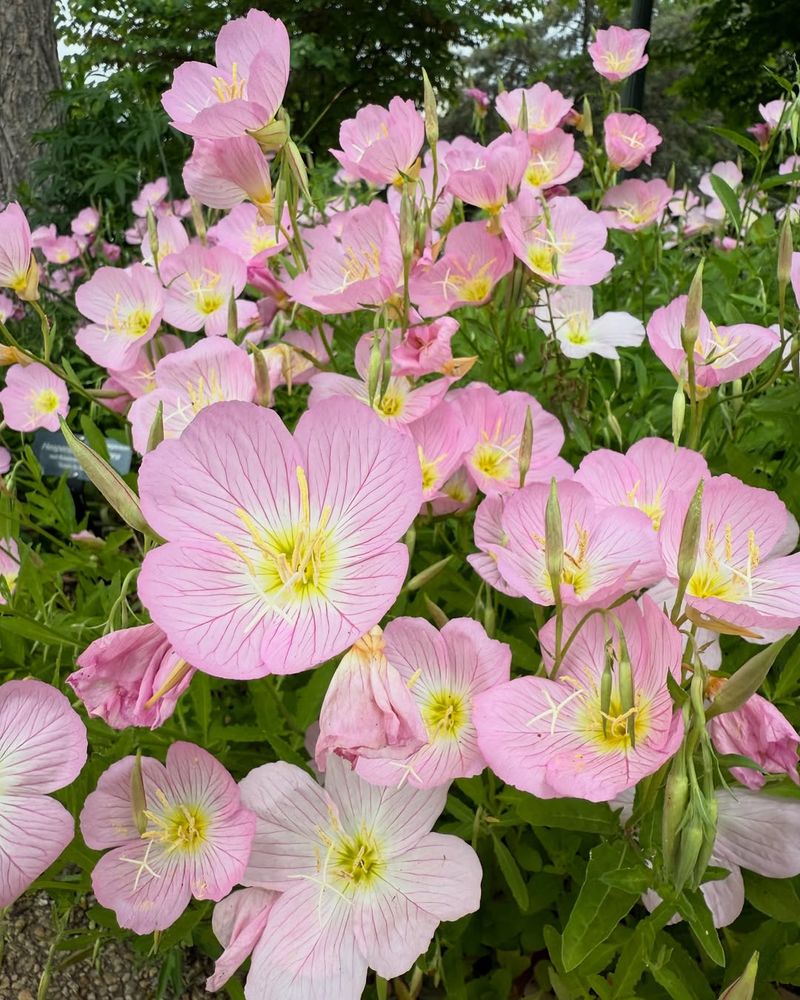
Evening primrose has a reputation for being tough, cheerful, and incredibly useful to nighttime wildlife. In Texas, this plant thrives in open fields, roadsides, and home gardens without needing a lot of extra care.
It blooms in shades of yellow, pink, and white, and many species open right at dusk when pollinators start waking up.
The flowers release a mild, pleasant fragrance in the evening that acts like a signal to moths and other night-flying insects. Bats patrol the air above blooming evening primrose plants because the insect traffic there is reliable and heavy.
Your Texas Garden Changes Every Week. Your Plan Should Too.
Gardening in Texas changes quickly throughout the season. Every Friday you’ll receive a simple weekly plan showing exactly what to plant, prune, fertilize, harvest, and protect so you never miss the right timing.
Texas gardeners who plant evening primrose often notice increased bat activity within just a few weeks.
One of the best things about evening primrose is that it self-seeds easily, meaning it comes back year after year without much effort on your part. It spreads gradually and can fill in empty spots in a garden bed beautifully.
Just make sure you give it enough space so it does not crowd out smaller plants nearby. Evening primrose also has a long history of being used in herbal remedies and cooking. The seeds produce an oil that has been used for generations in natural health products.
So beyond helping bats in your yard, you are also growing a plant with a rich and interesting background.
Planting evening primrose along borders or in naturalized areas of your yard is a low-effort way to invite more bats and beneficial insects into your outdoor space.
3. Night-Blooming Jasmine
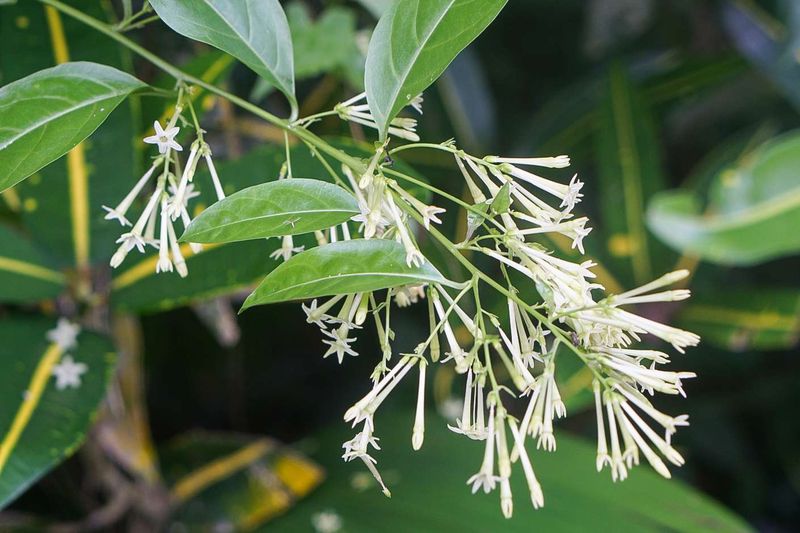
Few plants can fill an entire Texas neighborhood with fragrance the way night-blooming jasmine can. On a still summer evening, the scent from a single shrub can drift for hundreds of feet, drawing in insects from every direction.
That powerful perfume is exactly what makes this plant such a magnet for nighttime wildlife.
Night-blooming jasmine, also called Cestrum nocturnum, produces clusters of small, tubular white flowers that open after dark. These flowers are not especially showy during the day, but once the sun sets, the plant transforms into an insect-attracting powerhouse.
Moths flock to it in large numbers, and where moths gather in Texas, bats are sure to follow.
This shrub grows quickly and can reach six to ten feet tall in warm climates. Texas gardeners in the southern and coastal parts of the state will find it especially easy to grow since it prefers warm temperatures and does not tolerate frost well.
In colder parts of Texas, growing it in a container that can be moved indoors during winter is a smart approach.
One thing to keep in mind is that the fragrance can be overwhelming if the plant is placed right next to a window or outdoor seating area. Planting it a bit further from the house gives you all the wildlife benefits without the scent becoming too intense.
For attracting bats to your yard through sheer insect-drawing power, night-blooming jasmine is hard to beat.
4. Datura
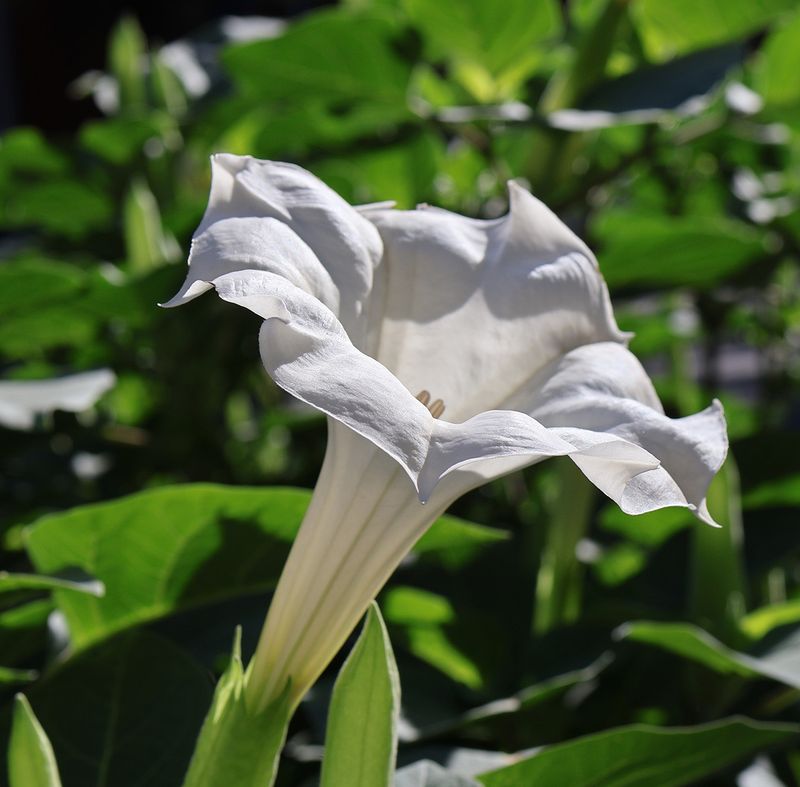
Datura is the plant that looks like it belongs in a fairy tale. Its enormous trumpet-shaped flowers can measure up to eight inches long, and they open in the evening with a slow, dramatic unfurling that seems almost deliberate.
In Texas, datura grows wild in dry, open areas and is also a striking addition to home gardens.
The flowers are usually white or pale lavender and release a rich, heady fragrance after dark. Hawk moths, which are large and fast-flying, are the primary pollinators of datura.
These big moths are a favorite food source for several bat species found across Texas, so having datura in your yard creates a direct feeding opportunity for bats.
Datura is drought-tolerant and thrives in sandy or rocky soil, making it especially well-suited for yards in central and west Texas. It grows as an annual or short-lived perennial depending on your local climate.
Once established, it requires very little watering, which is a huge advantage during summers.
It is worth knowing that all parts of the datura plant are toxic if eaten, so it should be planted away from areas where young children or pets play frequently.
That said, as a hands-off ornamental plant viewed from a distance, it is absolutely stunning and wildly effective at drawing nocturnal insects.
If you want a bold, eye-catching plant that also works overtime to bring bats and moths to your garden, datura deserves a prominent spot in your landscape plan.
5. Angel’s Trumpet
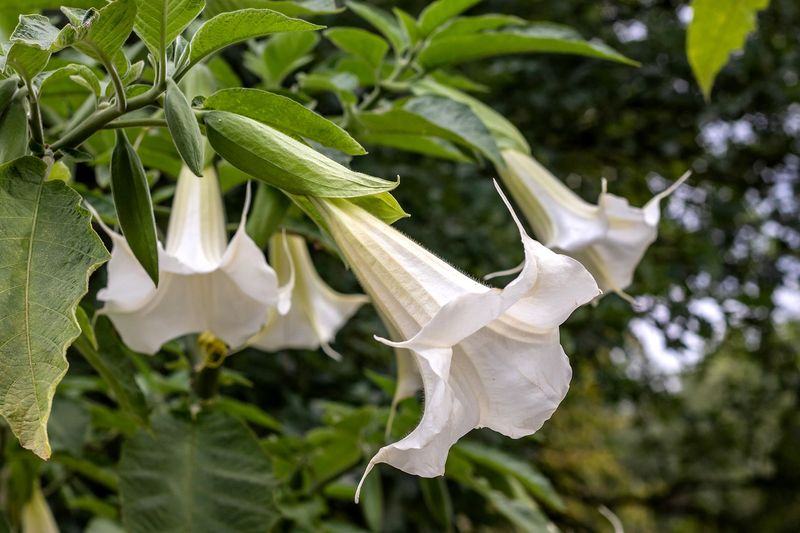
Angel’s trumpet is the showstopper of the night garden. Its enormous, pendulous flowers hang downward like elegant bells, sometimes reaching over a foot in length.
When you walk past an angel’s trumpet shrub or tree on a Texas evening, the fragrance hits you like a warm, floral wave.
Known botanically as Brugmansia, angel’s trumpet releases most of its scent after dark. That evening fragrance is specifically designed by nature to attract hawk moths and other nocturnal pollinators.
Bats in Texas benefit directly from this plant because it pulls in large, meaty moths that provide a satisfying meal.
Angel’s trumpet grows beautifully in containers, which is great news for Texas gardeners in areas that experience occasional frost. You can move the plant to a sheltered spot during cold snaps and bring it back outside when warm weather returns.
In frost-free parts of southern Texas, it can grow into a large shrub or small tree over several years.
The blooms come in white, yellow, peach, pink, and orange, giving you plenty of color options to match your garden style. Flowers appear repeatedly throughout the warm season, providing a long stretch of nighttime fragrance and insect activity.
Like datura, all parts of angel’s trumpet contain compounds that are harmful if consumed, so placement matters. Keep it in areas where it can be admired safely from a comfortable distance.
For yards that want drama, fragrance, and serious bat-attracting power all in one plant, angel’s trumpet is a truly spectacular choice.
6. Tuberose
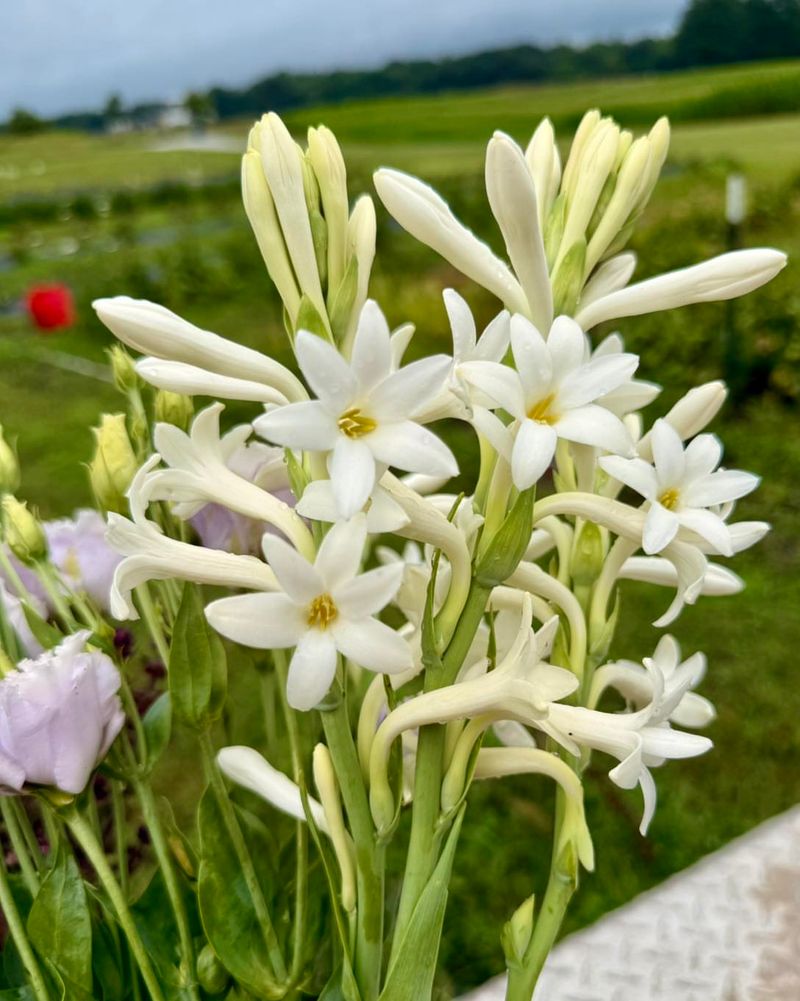
Tuberose has one of the most celebrated fragrances in the entire plant world. Perfumers have been using its scent for centuries, and once you smell it on a warm Texas evening, it is easy to understand why.
The flowers grow in tall, elegant spikes covered in waxy white blossoms that open progressively from the bottom up.
What makes tuberose so valuable for a bat-friendly garden is that its fragrance intensifies after sunset. That evening scent burst draws in moths and other night-flying insects with remarkable effectiveness.
More insects in your yard means more food for the bats that patrol the Texas skies after dark.
Tuberose bulbs, technically called rhizomes, are planted in spring after the last frost date has passed. They prefer full sun and well-drained soil, which suits many parts of Texas perfectly.
In the warm climate of central and south Texas, tuberose can be left in the ground year-round without being dug up.
Each stalk can produce dozens of individual flowers over several weeks, giving you an extended period of nighttime fragrance and wildlife activity. The cut flowers also last well in vases indoors, so you get to enjoy the scent both outside and inside your home.
Tuberose pairs beautifully with other night-blooming plants like moonflower and evening primrose in mixed garden beds. Grouping several fragrant night-bloomers together creates a concentrated zone of insect and bat activity.
For a plant that smells extraordinary and works hard to support the local bat population in Texas, tuberose is a standout performer.
7. Nicotiana
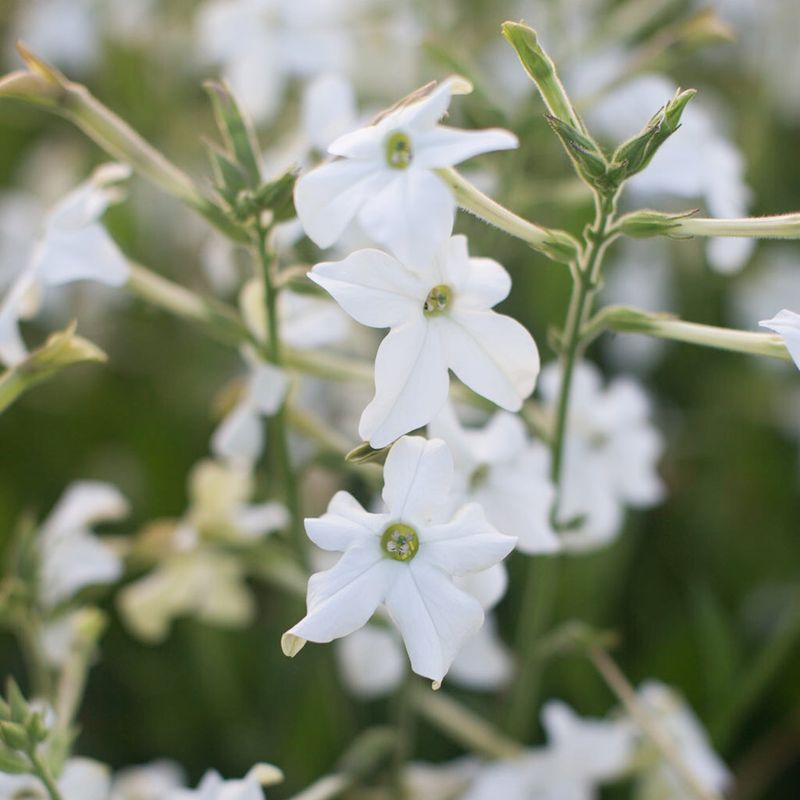
Nicotiana, also called flowering tobacco, is a plant with a surprising amount of personality. During the day, the flowers often close up or droop slightly, looking a little unremarkable.
But once evening arrives in your yard, something changes. The blooms perk up, open fully, and begin releasing a sweet, honeyed fragrance that carries through the night air.
Moths are strongly attracted to nicotiana’s evening scent, especially hawk moths and sphinx moths. These large insects hover in front of the flowers to drink nectar, much like hummingbirds do during the day.
Bats in Texas have learned to associate nicotiana plantings with reliable moth activity and will return night after night to hunt in those areas.
Nicotiana grows easily from seed and does well in both garden beds and containers. It prefers full sun to partial shade and regular watering, especially during the intense heat of a Texas summer.
Plants can grow anywhere from one to five feet tall depending on the variety you choose. One of the most popular varieties for night gardens is Nicotiana sylvestris, which produces long, drooping white flowers on tall stems.
It has a particularly strong evening fragrance compared to other species in the family. Planting several of them together amplifies the scent and creates a bigger draw for insects and bats.
Nicotiana is also a great choice for beginner gardeners in Texas because it is forgiving, fast-growing, and produces blooms reliably throughout the warm season without demanding too much attention.