What Oregon Gardeners Should Be Pruning Right Now In May
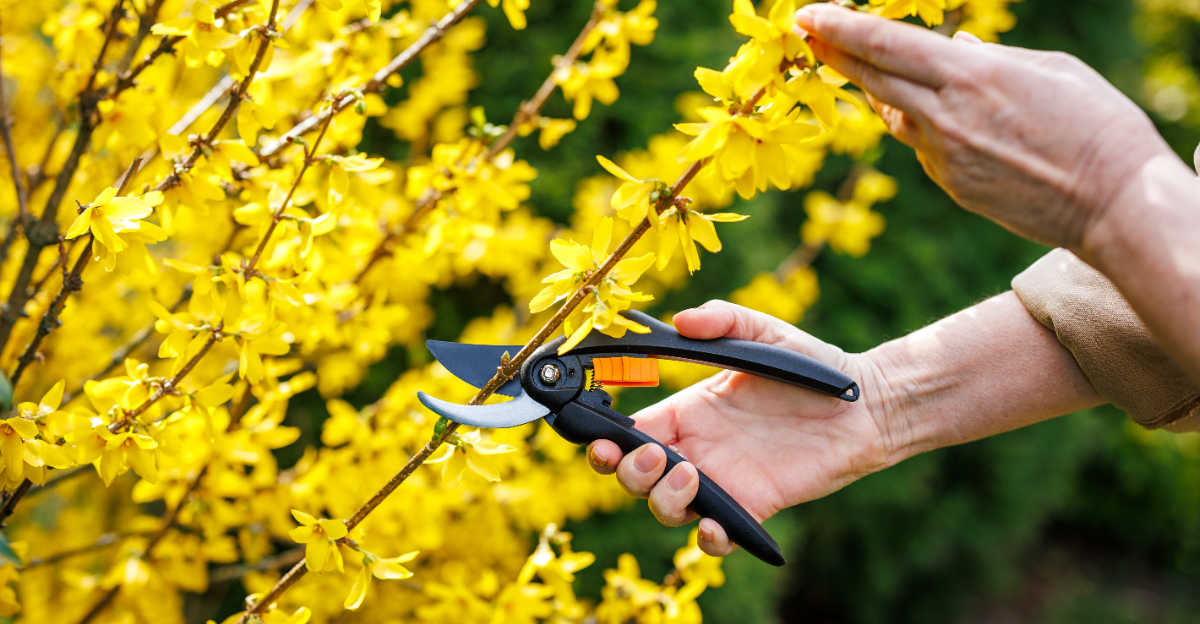
Pruning is one of those garden tasks that rewards the people who get the timing right and quietly punishes the ones who don’t.
Right now, several Oregon plants are sitting in a narrow window where the right cut makes a significant difference to how they perform through summer and fall.
Miss it and you’re either dealing with weak growth, fewer blooms, or a plant that looks increasingly untidy no matter how much attention you give it later.
The tricky part is that not everything gets pruned the same way at the same time. Some plants need to come back hard right now. Others need a light shaping and nothing more. A few should be left completely alone until they finish what they started.
Knowing which category each plant falls into is what separates a productive pruning session from an accidental setback, and getting it right this month sets the tone for the entire growing season ahead.
1. Lilacs
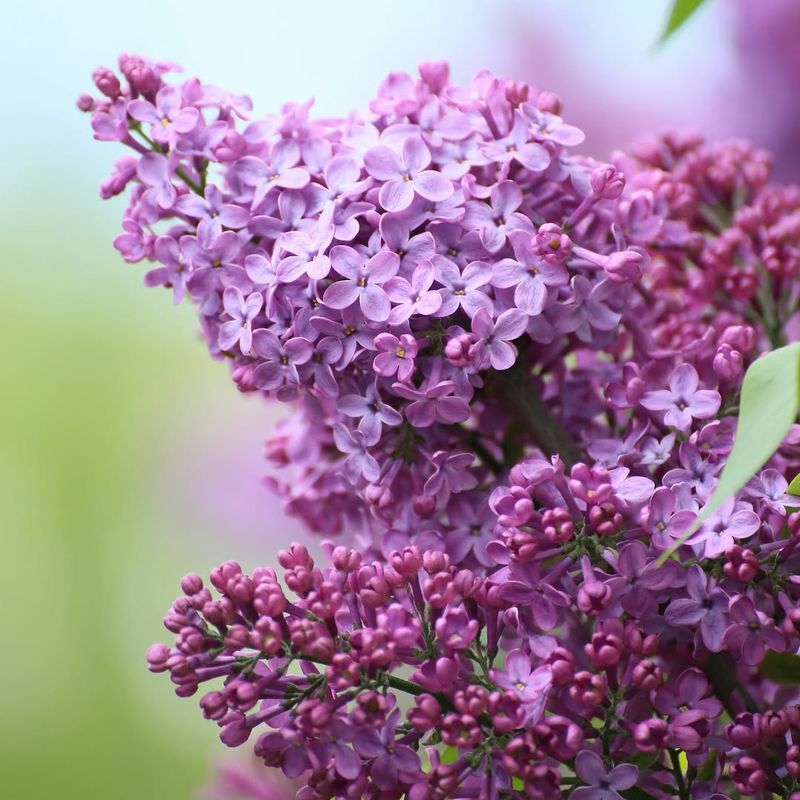
Few things smell as wonderful as a lilac in full bloom. If you have one growing in your Oregon garden, you already know how special those purple or white flower clusters are every spring.
Once the blooms start to fade, though, it is time to act fast.
Pruning lilacs right after they bloom is the golden rule. Lilacs set next year’s flower buds surprisingly early, sometimes just weeks after blooming.
If you wait until summer or fall to prune, you will cut off those buds and end up with fewer flowers next spring. In Oregon, the window is usually right in May or very early June.
Start by removing the spent flower heads, cutting just above a pair of healthy leaves or a side shoot. Next, take out any dead, crossing, or weak branches.
If your lilac is old and overgrown, you can cut up to one-third of the oldest, thickest stems all the way to the ground. This encourages fresh new growth from the base.
Do not shear lilacs into a ball shape, as this ruins their natural form and reduces blooming. A sharp pair of loppers and bypass pruners are your best tools for this job.
Keep cuts clean to help the plant stay healthy in Oregon’s damp spring conditions.
2. Forsythia
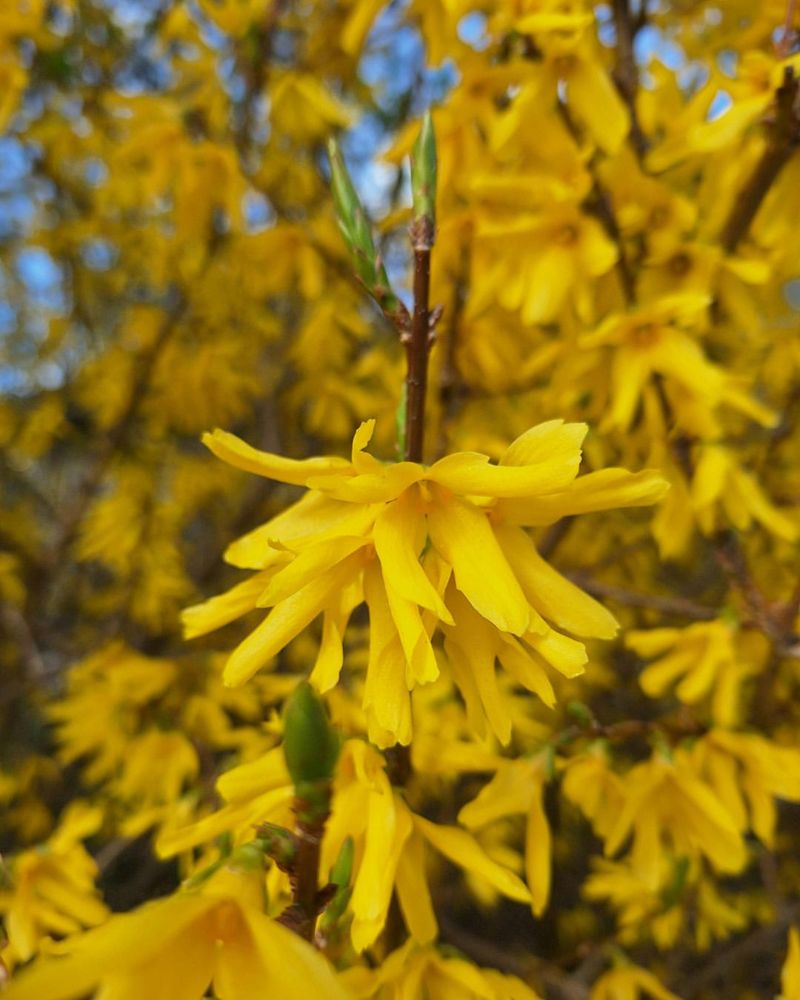
Forsythia is the shrub that lights up Oregon yards every late winter and early spring with those cheerful yellow flowers. It blooms before most other plants even wake up, which makes it a real crowd-pleaser.
But once the flowers drop, forsythia can turn into a tangled, overgrown mess if you ignore it.
May is the ideal time to prune forsythia in Oregon. The blooms have finished, and the plant is pushing out fresh green growth.
Pruning now gives the shrub the whole summer to develop new shoots, which are exactly what will carry next year’s flowers. Wait too long and you will be cutting off those future blooms.
The best approach is to remove about one-third of the oldest, thickest stems at the base. This keeps the plant open and airy, which also helps reduce fungal problems in Oregon’s wet climate.
Your Oregon Garden Changes Every Week. Your Plan Should Too.
Gardening in Oregon changes quickly throughout the season. Every Friday you’ll receive a simple weekly plan showing exactly what to plant, prune, fertilize, harvest, and protect so you never miss the right timing.
You can also trim back long, arching branches to keep the shape manageable. Avoid cutting forsythia into a tight, boxy hedge because it looks unnatural and greatly reduces flowering.
If your forsythia has gotten completely out of hand, a hard renewal prune, cutting most stems to about six inches from the ground, can bring it back to life over the next couple of seasons. Always use clean, sharp tools.
3. Azaleas
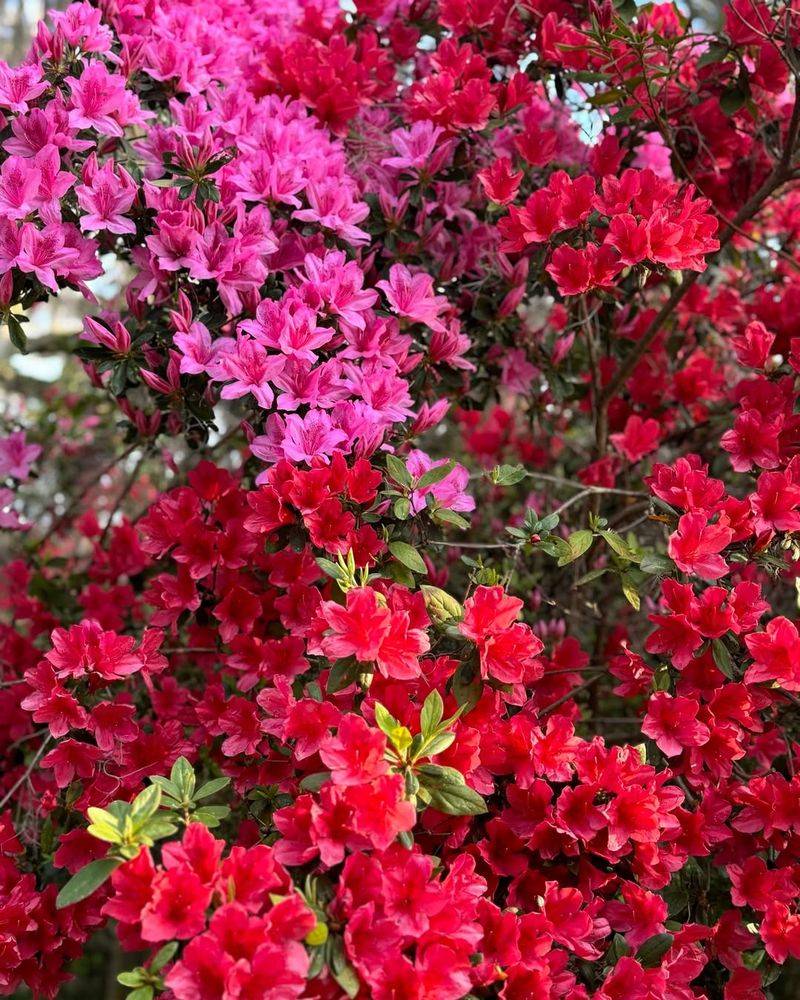
Azaleas are practically the official flower of Oregon spring gardens. Drive through any Portland neighborhood or Eugene suburb in April and you will see them everywhere, bursting with color in shades of pink, red, orange, and white.
They are stunning while they bloom, but they do need some attention once the show is over.
Right after the flowers fade in May is the perfect time to prune your azaleas. New growth buds form very quickly after blooming, so acting soon is important.
Pinch or clip off the spent flower clusters, which is called deadheading, to prevent the plant from putting energy into making seeds. Then look for any dead, damaged, or crossing branches and remove them at their base.
For light shaping, trim back longer stems to just above a set of healthy leaves or a side bud. Azaleas do not need heavy pruning every year, but a light tidy-up keeps them looking neat and encourages bushier growth.
In Oregon’s acidic soils, azaleas tend to thrive naturally, so you mostly just need to guide their shape rather than fight their growth habit. Avoid pruning after late June because the plant will already be setting buds for next spring.
Sharp bypass pruners work best for clean cuts on azalea stems.
4. Rhododendrons
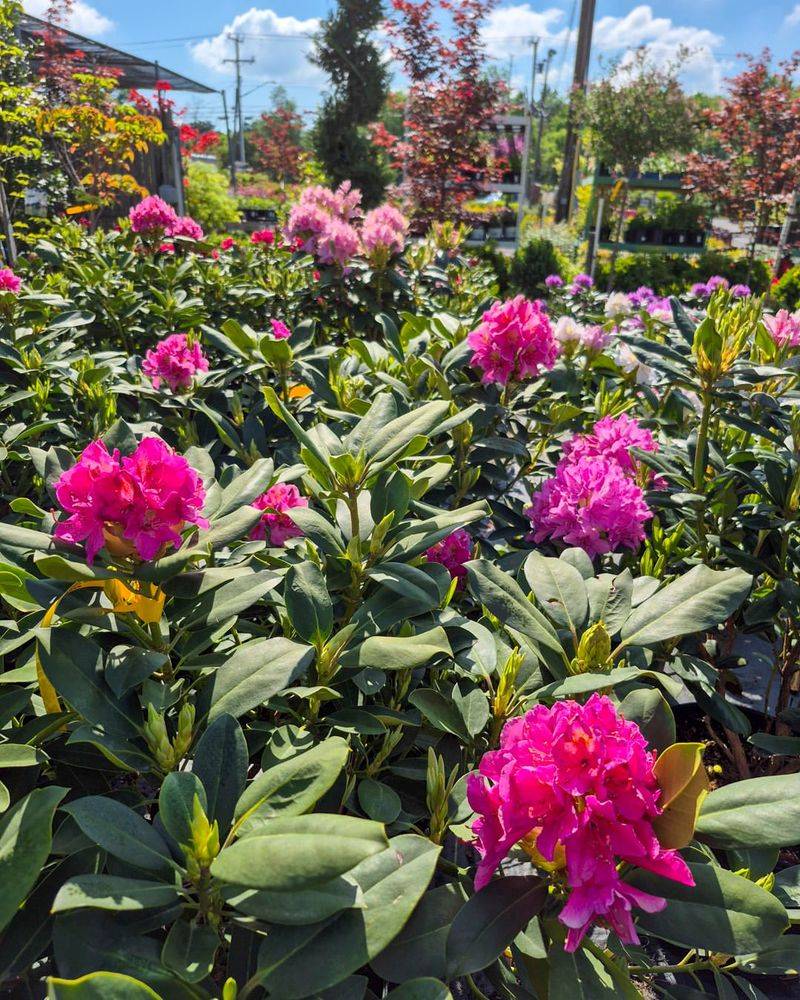
Oregon is basically rhododendron country. These big, beautiful shrubs thrive in the Pacific Northwest’s mild, rainy climate, and they put on an incredible flower show every spring.
Once those big trusses of blooms start to fade, a little pruning goes a long way toward keeping the plant healthy and productive.
The most important task is deadheading, which means removing the spent flower clusters before they turn into seed pods. Seed production takes a lot of energy away from the plant.
To deadhead a rhododendron, simply snap or cut the old flower head off just above the ring of new growth buds forming beneath it. Be careful not to damage those tiny new buds because they are next year’s flowers.
Beyond deadheading, May is also a good time to remove any dead or broken branches and to lightly shape the plant if it has gotten lopsided or too wide for its space. For very old or overgrown rhododendrons, a more aggressive pruning can be done, but it is best spread out over two or three years to avoid stressing the plant.
Oregon gardeners in wetter regions like the Willamette Valley should also watch for signs of root rot and make sure pruned plants have good air circulation. Clean tools help prevent the spread of disease between cuts.
5. Flowering Quince
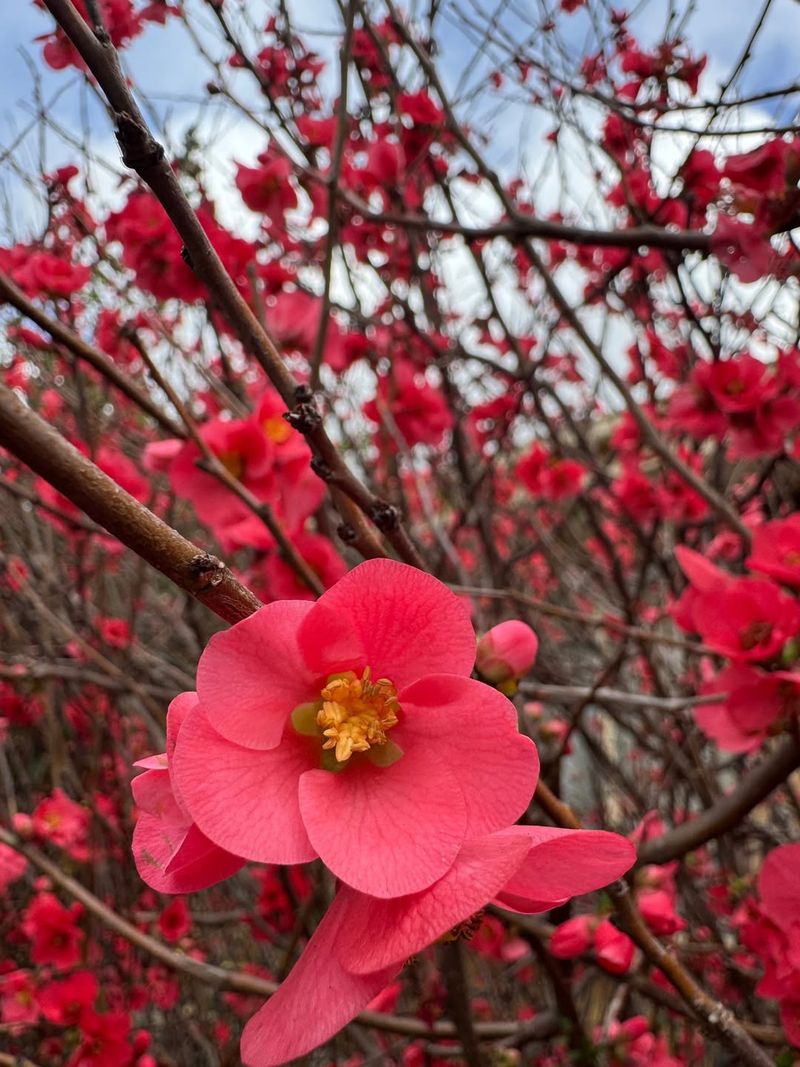
Flowering quince has a personality all its own. It blooms in brilliant shades of red, orange, coral, and white, often while the branches are still bare in late winter or early spring.
By May in Oregon, the flowers are long gone and the shrub is leafing out fully, which makes it the right moment to pull out your pruning shears.
Quince blooms on old wood, meaning the flower buds formed on last year’s branches. So pruning right after bloom, in May, is the safe window.
If you prune later in the season, you risk removing the buds that are already developing for next year’s display. Remove any dead or crossing branches first, then trim back long shoots to maintain the shape you want.
One thing to know about flowering quince is that it has thorns, so thick gloves are a must. The shrub can get quite dense and twiggy over time, so thinning out some of the older interior branches helps light and air reach the center of the plant.
This is especially helpful in Oregon’s damp climate where good airflow reduces fungal issues. Flowering quince is tough and forgiving, so do not be afraid to give it a solid trim.
It will reward you with even better blooms the following spring.
6. Mock Orange
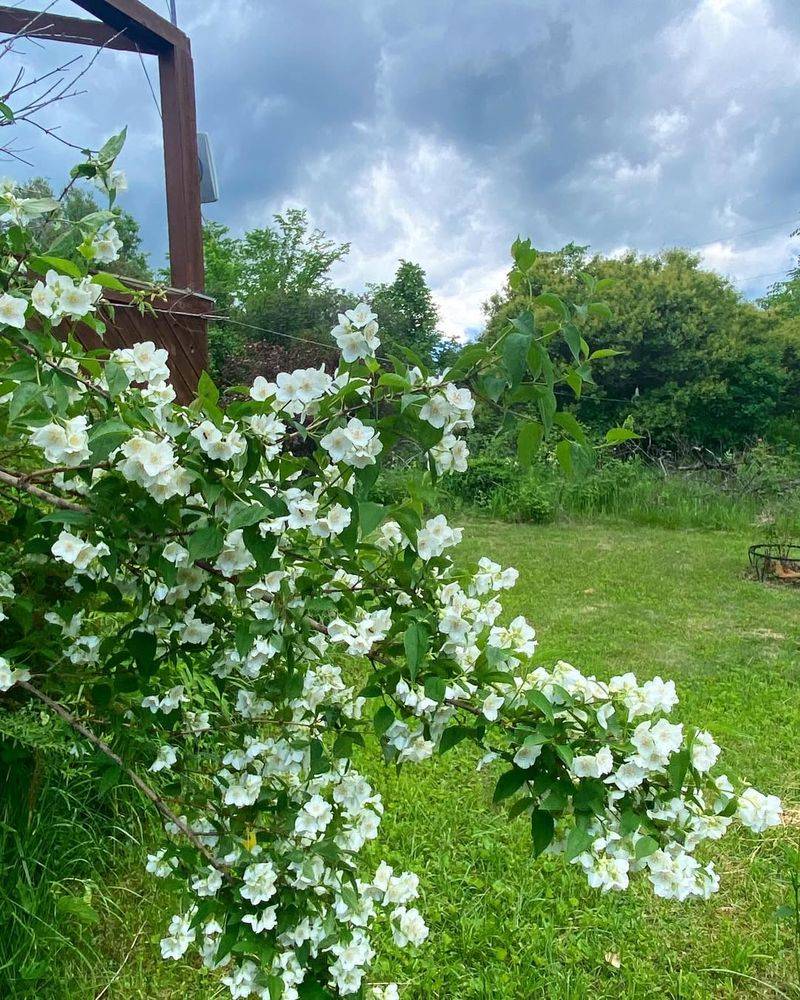
If you have ever walked past a mock orange in bloom and stopped in your tracks wondering what that amazing fragrance was, you are not alone. Mock orange smells just like orange blossoms, which is exactly how it got its name.
It is a classic cottage garden shrub that has been growing in Oregon yards for generations.
Mock orange blooms on wood that grew the previous season. That means pruning right after the flowers fade in May is the best time to act.
Cut back the stems that just finished flowering to a strong set of new shoots lower on the branch. This encourages the plant to put energy into those new shoots, which will carry next year’s flowers.
Also remove about one-quarter to one-third of the oldest, woodiest stems at the base of the plant each year. This keeps mock orange from becoming a tangled thicket and encourages fresh, vigorous growth from the ground up.
In Oregon gardens, mock orange can grow quite vigorously thanks to the moist winters and mild summers, so annual pruning really does keep it in check. The shrub responds well to pruning and often looks fuller and more floriferous the following year.
Sharp loppers for the thick old stems and bypass pruners for the finer shoots are the tools you need.
7. Weigela
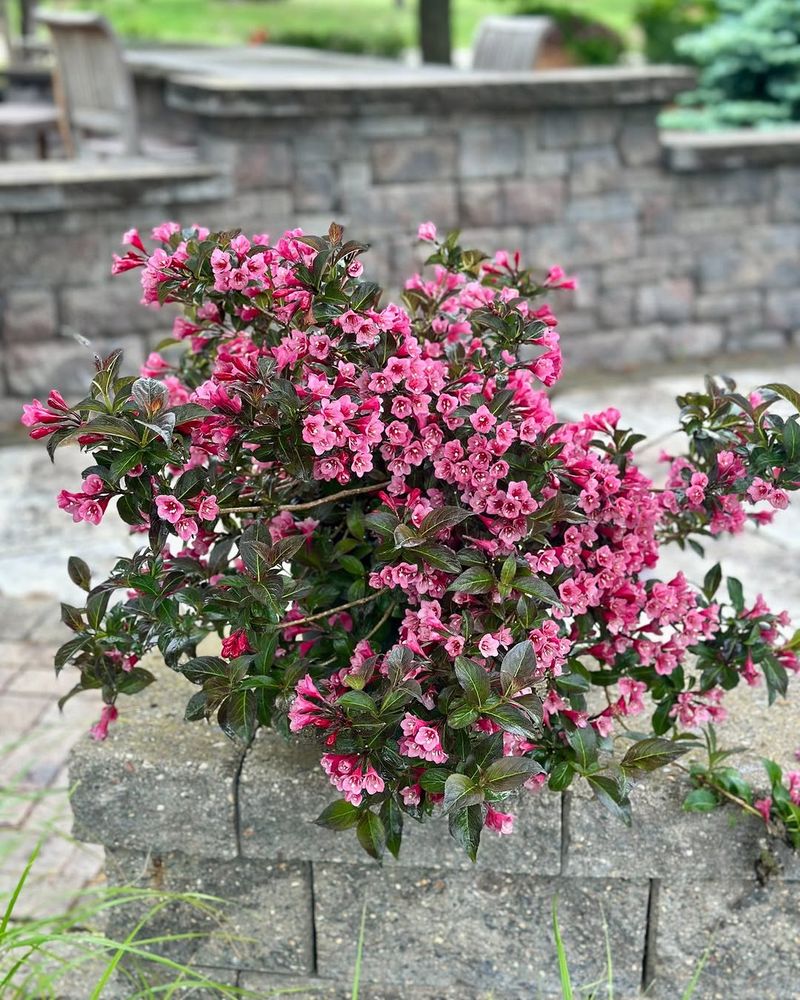
Weigela is one of those shrubs that earns its spot in any Oregon garden. It bursts into bloom in late spring with trumpet-shaped flowers in shades of pink, red, and white that hummingbirds absolutely love.
After the main flush of blooms fades in May, a good pruning session keeps the plant looking tidy and sets it up for a possible second round of flowers later in summer.
Start by cutting back the stems that have just finished blooming. Trim them to a strong side shoot or a pair of healthy leaves.
This redirects the plant’s energy into new growth. Also remove any dead, weak, or crossing branches to open up the center of the shrub.
Every few years, weigela benefits from a more thorough renewal prune where you cut one-third of the oldest stems all the way to the ground. This keeps the plant youthful and productive.
Weigela grows quickly in Oregon’s climate, and without regular pruning it can get floppy and open in the center. The good news is that it bounces back quickly after pruning and rarely holds a grudge.
Many Oregon gardeners find that weigela trimmed in May will push out a fresh wave of new growth by midsummer, sometimes with a light second bloom. Wear gloves and use clean, sharp tools for the best results.
8. Spring-Flowering Spirea
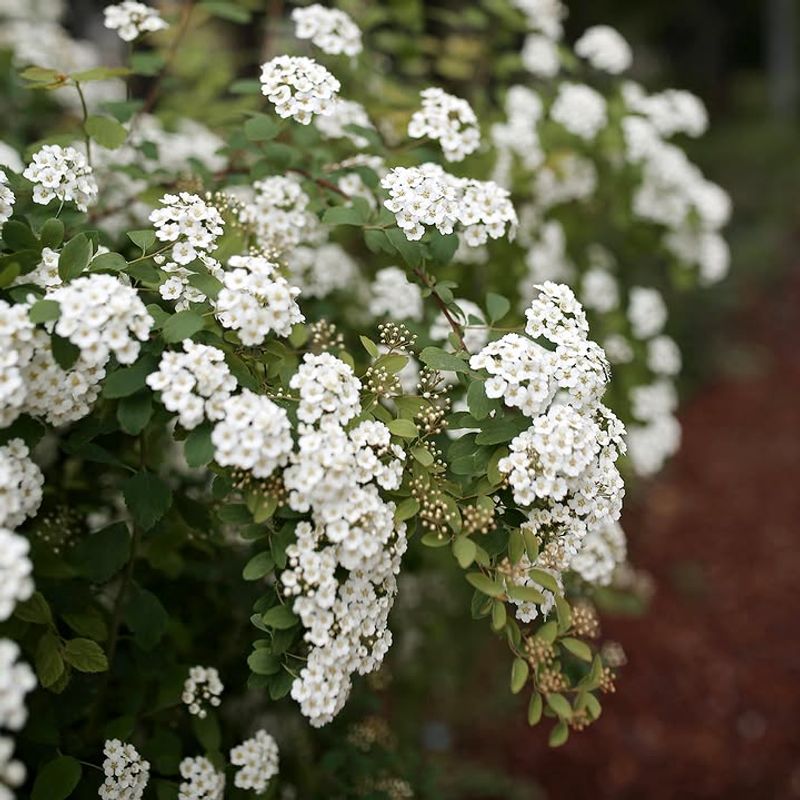
Spring-flowering spirea, like the beloved Bridal Wreath variety, is a showstopper in Oregon gardens every May. Those cascading arches of tiny white flowers look like something out of a fairy tale.
But right after the blooms finish, it is time to give this fast-growing shrub a proper haircut.
Unlike summer-blooming spirea, which you prune in late winter, spring-blooming types should be pruned right after flowering. The reason is the same as with most spring bloomers: they set next year’s buds on new wood that grows after pruning.
Prune too late and you cut off those buds before they even get started.
Remove the older, thicker canes at the base to encourage fresh new stems. Trim back the long arching branches that just finished blooming to a healthy set of leaves or a side shoot.
If your spirea has grown very large or unruly, you can do a harder cutback, removing up to half the plant, and it will recover well. Oregon’s reliable spring rainfall helps newly pruned spireas push out fresh growth quickly.
The result is a denser, more compact shrub that will be loaded with blooms again next spring. A pair of sharp bypass pruners handles the finer stems, while loppers make quick work of the older, woodier canes at the base.