If You Spot This Bug in Your Tennessee Yard, Leave It Right Where It Is
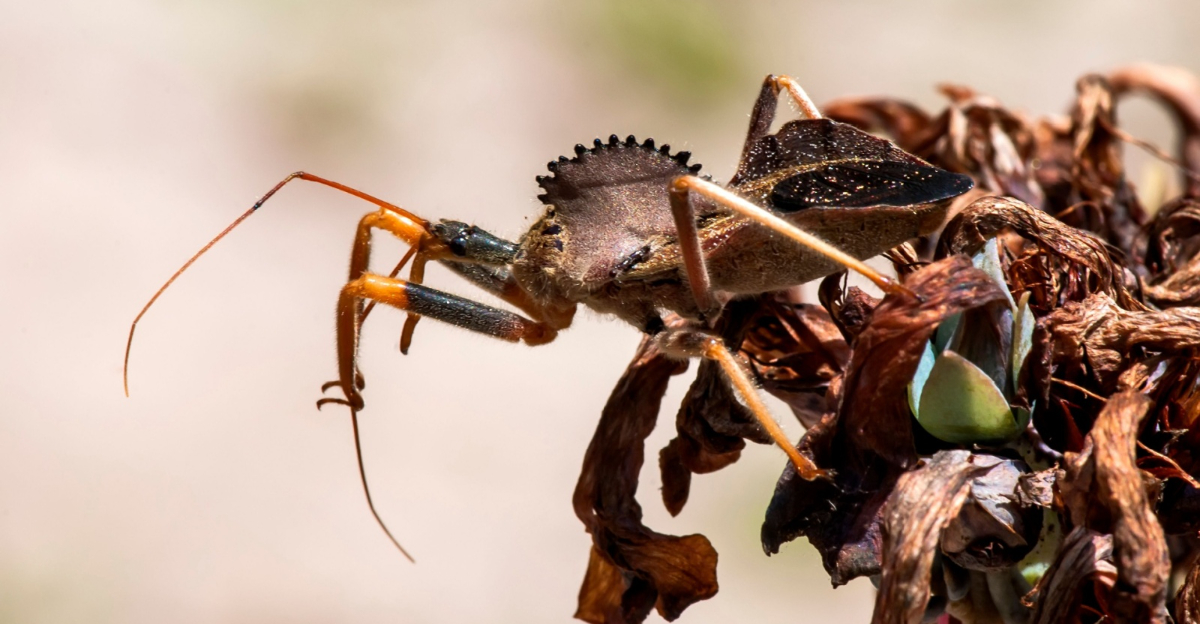
Most of us have been there. You’re puttering around your Tennessee yard on a perfectly good Saturday morning.
Then something stops you cold, a strange, armored creature that looks like it crawled straight out of a science fiction movie. Your first instinct might be to get rid of it. But here’s the thing: that instinct is costing your garden more than you realize.This is one of the most bizarre-looking insects you’ll ever find in your backyard, and almost nobody knows what it actually does.
Spoiler: it’s doing you a favor. A big one.
This oddly beautiful creature spends its days working quietly on your behalf, day after day, no chemicals, no effort on your part, no invoice. So before you panic, give it thirty seconds.
You might just change your mind.
What Exactly Is This Bug?
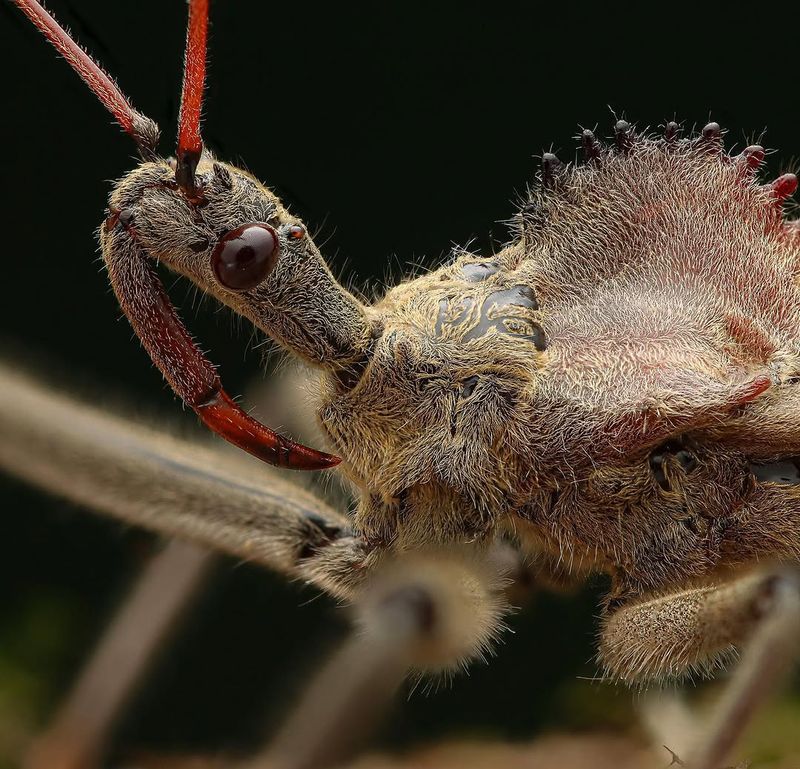
Spotted something strange and prehistoric-looking clinging to a shrub in your Tennessee yard? Chances are, you just came face to face with a Wheel Bug, one of the most distinctive and least understood insects in the American Southeast.
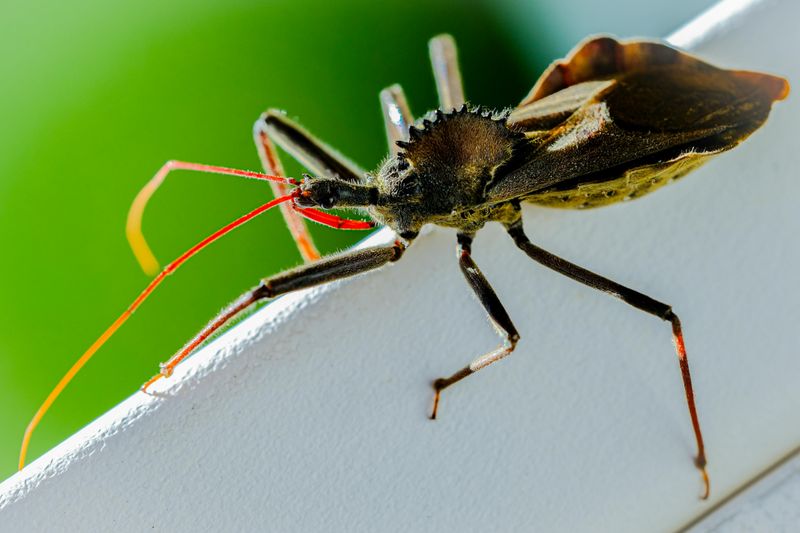
The Wheel Bug (Arilus cristatus) belongs to the Assassin Bug family, Reduviidae. It is the largest of its kind in North America, growing up to one and a half inches long.
The name gives it away immediately: a dramatic, gear-shaped crest sits right on its back, unlike anything else you will find in your garden.
Its body is grey and textured, almost like weathered stone, with long, spindly legs and a curved, needle-like beak tucked underneath its head. At first glance, it looks like something that crawled out of a fantasy novel.
Up close, it looks even more remarkable.
Wheel Bugs are patient hunters, which makes them easy to observe once you know what you are looking for. They are most active in late summer and early fall, which is exactly when Tennessee gardens are at their busiest.
You are most likely to spot one perched on a leaf, a fence post, or the bark of a tree, completely still, waiting for its next meal.
Despite its intimidating appearance, this insect is not interested in you. It has much bigger things on its mind, specifically, the pests quietly destroying your plants.
Why Most People Remove Them Instantly
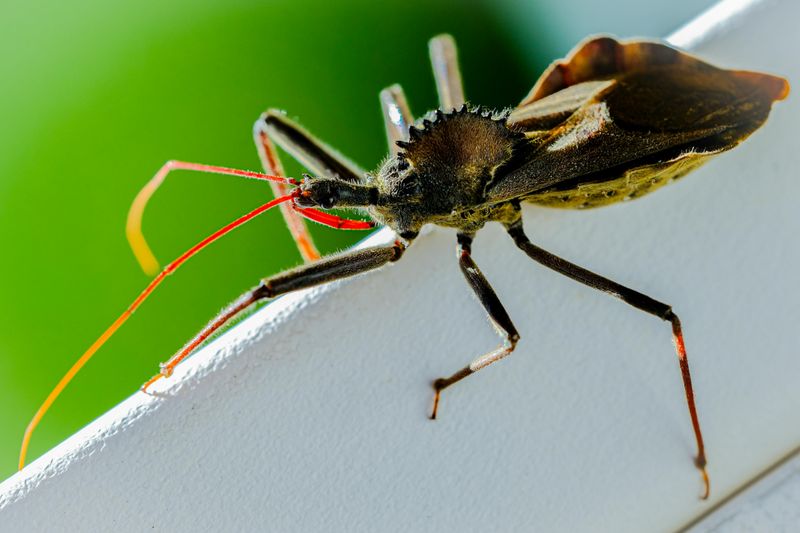
The fear response makes total sense. The Wheel Bug looks like nothing most people have ever seen before.
That crest on its back, the long beak, the unhurried crawl across your fence post, it all adds up to something that feels deeply unfamiliar, and unfamiliar tends to feel dangerous.
A lot of the panic comes from association. When something looks this unfamiliar, the instinct to act kicks in before curiosity even gets a chance.
Years of pest control advertising have trained us to treat almost any crawling insect as a threat to our homes and families.
The Wheel Bug, with its armored body and pointed beak, fits that mental image perfectly.
Social media makes things worse. Photos of unfamiliar bugs spread quickly with captions like “found this in my Tennessee yard, is it dangerous?” and the comment sections fill up with bad advice.
Your Illinois Garden Changes Every Week. Your Plan Should Too.
Gardening in Illinois changes quickly throughout the season. Every Friday you’ll receive a simple weekly plan showing exactly what to plant, prune, fertilize, harvest, and protect so you never miss the right timing.
Wheel Bugs appear in these posts regularly, almost always unfairly labeled as something harmful.
Parents with small children are especially quick to act. When an unusual bug appears near where kids are playing, the instinct to protect kicks in immediately.
That is completely understandable. It is just human nature doing its job.
The problem is that acting on instinct without information leads to removing one of your garden’s most valuable allies. The Wheel Bug looks frightening, but looks are deceiving.
A little knowledge changes everything here, and once you understand what this insect actually does, you will see it in a completely different light.
Why Removing Them Is A Real Mistake
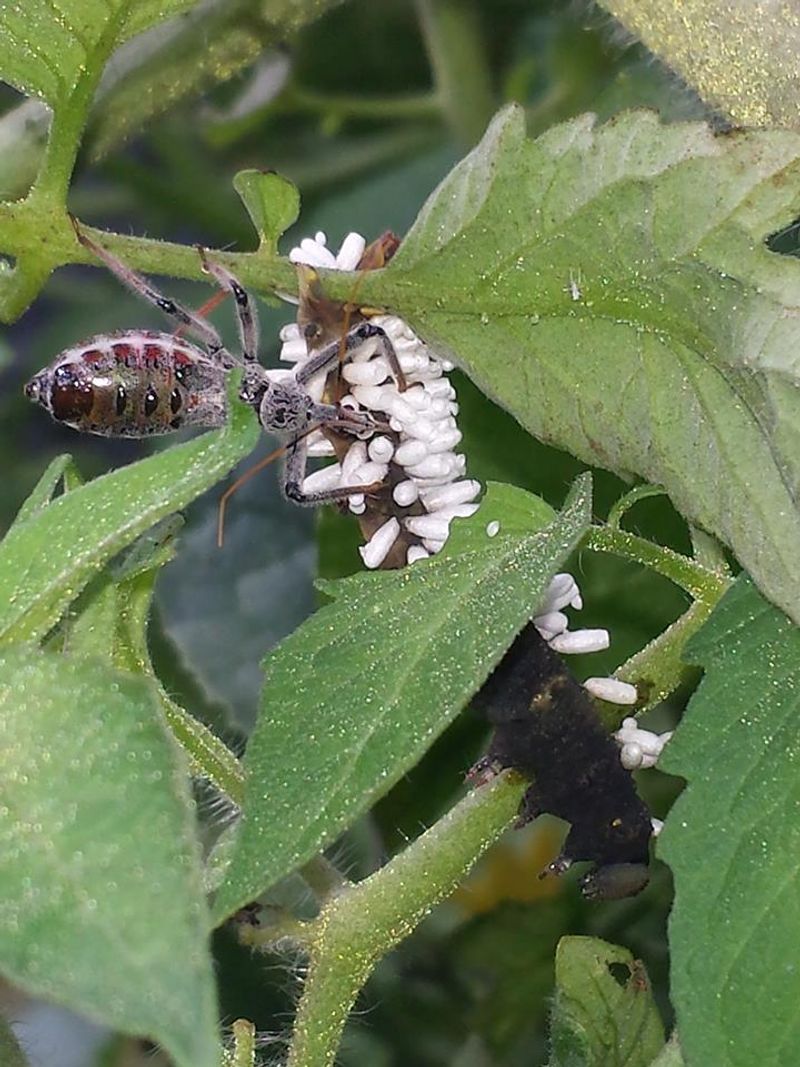
Every Wheel Bug you remove from your yard is a free pest control service you just canceled. These insects are highly efficient predators.
They feed on many common garden pests, including caterpillars, beetles, and other insects.
The hunting method is precise.One Wheel Bug can handle insects significantly larger than itself, which makes it unusually effective compared to most garden predators.
Removing them also disrupts a food chain that is already fragile. Local birds and toads are regular visitors to gardens where the Wheel Bug is present.
When you reduce their numbers, the ripple effect reaches species well beyond your backyard fence.
There is also the chemical argument. Every Wheel Bug working in your garden is one less reason to reach for a pesticide spray.
Broad-spectrum insecticides affect beneficial insects alongside harmful ones. Letting natural predators like the Wheel Bug do their job keeps your garden healthier and your soil free of chemical buildup.
The bottom line is straightforward. This insect is working for you, not against you.
It costs nothing to leave it alone, and the return on that decision shows up directly in the health of your plants.
The Surprising Science Behind Their Benefits
Pound for pound, the Wheel Bug is one of the hardest-working predators in your entire yard. Its hunting strategy is impressively efficient.
That curved, needle-like beak is not just for show. It uses its beak to immobilize prey almost instantly, making short work of even the most stubborn garden pests.
The whole process takes seconds.
What makes the Wheel Bug particularly valuable is the size of prey it can handle. Most garden predators stick to small, soft-bodied insects.
The Wheel Bug targets larger, harder pests that other beneficial insects cannot manage.
Wheel Bugs are also sensitive environmental indicators. Entomologists pay attention to their presence in a given area because they sit near the top of the insect food chain.
A healthy Wheel Bug population signals a balanced, low-chemical environment. A declining population often points to pesticide overuse or significant habitat loss.
Their presence also benefits the broader ecosystem in ways most gardeners never consider. By keeping pest populations in check naturally, they reduce the need for chemical intervention.
That supports a healthier garden ecosystem overall.
The Wheel Bug does not just help your plants. Its presence is often a good sign that your outdoor space is reasonably balanced.
How To Spot One In Your Yard
Spotting a Wheel Bug does not require a flashlight or a late-night garden patrol. Unlike many beneficial insects, Wheel Bugs are active during the day, which makes them easier to find than most people expect.
Look up rather than down. Wheel Bugs prefer to hunt on shrubs, trees, and tall plants rather than on the ground.
Check the undersides of leaves, the bark of fruit trees, and the stems of larger garden plants. They move at a measured pace, so once you find one, it is unlikely to scramble away before you get a good look.
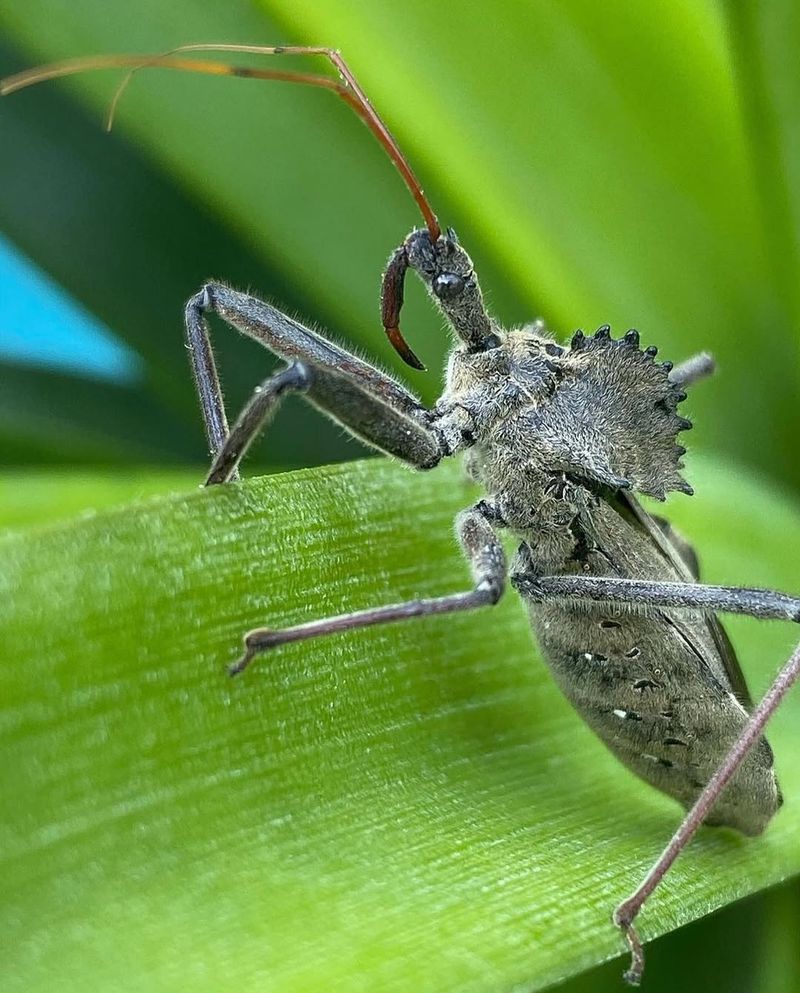
The identification is straightforward once you know what to look for. The gear-shaped crest on its back makes it impossible to mistake for anything else.
The body is grey and rough-textured, roughly one to one and a half inches long. The legs are long and thin, and the curved beak is tucked neatly beneath the head when not in use.
Wheel Bugs are most common from late summer through early fall. That is when adults are fully grown and most visible.
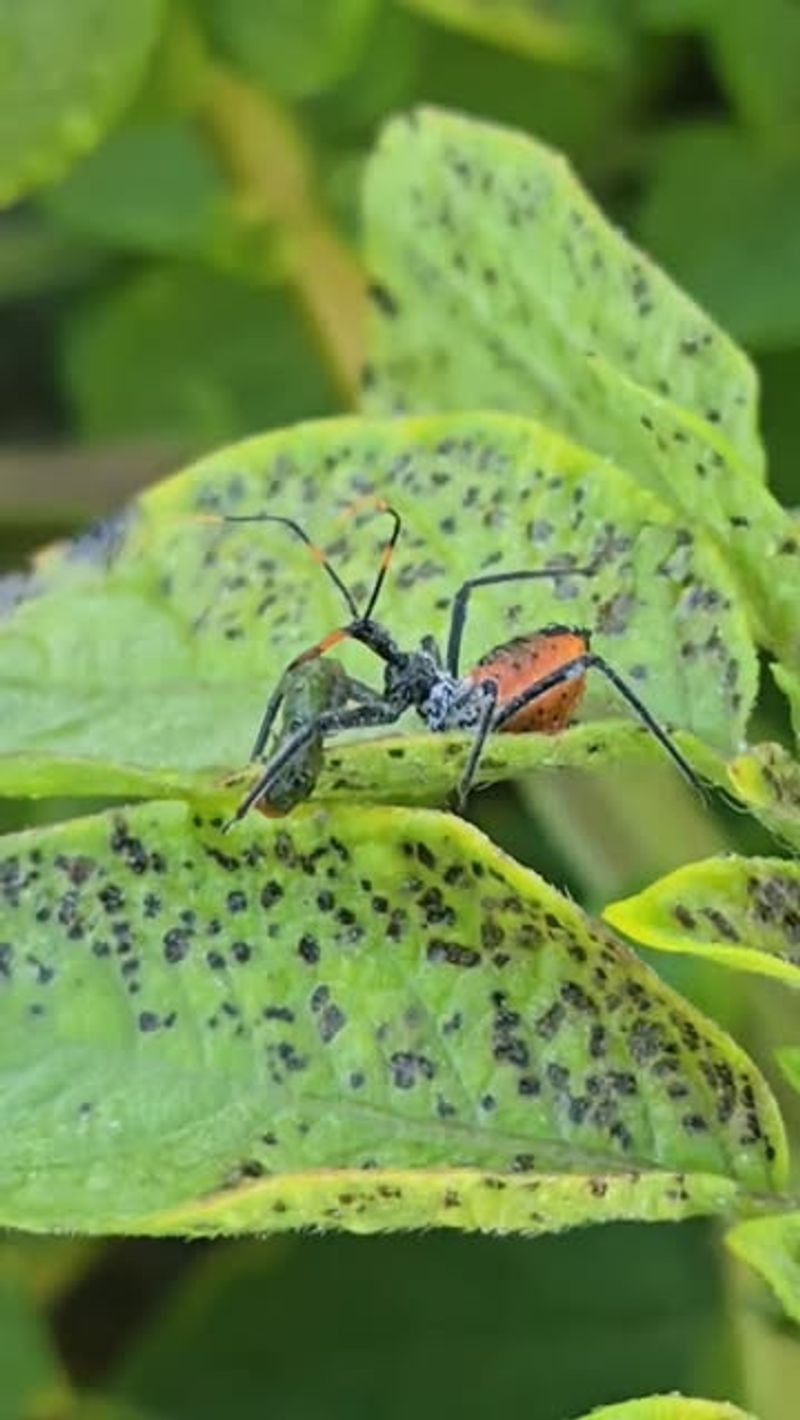
Earlier in the season, you might spot nymphs instead. Juveniles are smaller and bright red and black, which makes them look almost like a completely different insect.
During cooler months, look for clusters of small, barrel-shaped eggs on tree bark and woody stems. Finding those eggs means Wheel Bugs will be back in your garden next season, which is genuinely good news.
Creating A Safe Space For Them To Thrive
Want more Wheel Bugs working in your yard? The good news is that attracting them does not require much effort.
A few small changes to the way you manage your outdoor space can make a real difference.
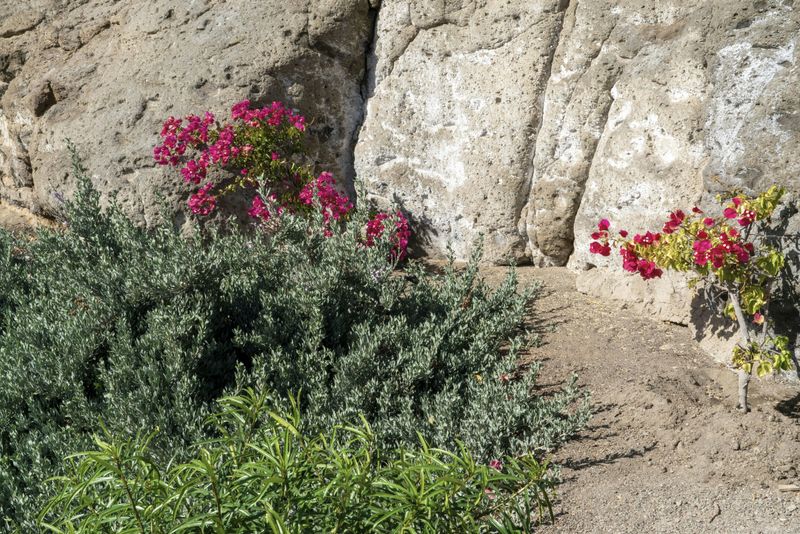
Start with your plants. Wheel Bugs are drawn to yards with diverse vegetation, particularly shrubs, fruit trees, and flowering plants that attract the prey they feed on.
A garden with variety gives them both hunting ground and shelter. A perfectly manicured yard with nothing but lawn is not particularly appealing to them.
Leave some areas of your garden a little wild. Wheel Bugs lay their eggs on woody stems and tree bark, so preserving a few natural, undisturbed spots gives them somewhere to complete their life cycle.
You do not need to let the whole yard go. Even a small corner left intentionally rough makes a difference.
Cut back on pesticide use where you can. Broad-spectrum insecticides affect Wheel Bugs along with the pests you are targeting.
Opting for targeted, organic treatments protects beneficial insects while still managing problem species. If Wheel Bugs are present, let them do the work first before reaching for a spray.
What To Do When You See One
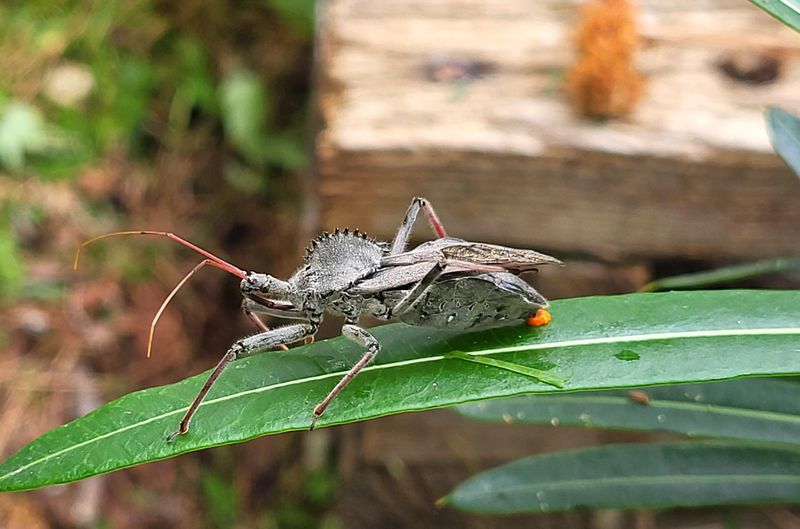
Freeze before you reach for anything. That half-second pause might be all it takes to leave one of your garden’s best allies right where it belongs.
The Wheel Bug poses no threat to your home, your plants, or your food supply. However, it is worth knowing that it can deliver a painful bite if handled or accidentally pressed against skin.
The bite is not dangerous, but it is sharp and uncomfortable.
If one wanders somewhere inconvenient, slide a piece of paper or cardboard underneath it and carry it back outside. No drama needed, no chemicals required.
Just return it to the garden and let it get back to work.
If you find one resting on a plant or fence post, leave it exactly where it is. Wheel Bugs are slow-moving and easy to accidentally disturb.
Repeated interruptions can cause them to relocate, which helps nobody.
Got kids who are curious about it? Use the moment.
Show them how to observe without touching and explain why this particular insect is actually working on behalf of the garden. Building that appreciation early creates adults who make smarter choices about the natural world.
The approach is simple. If it is outside, leave it alone.
If it needs to be moved, do it gently. In most situations, there is no good reason to remove one.
Common Myths About Wheel Bugs That Simply Are Not True
Myth number one: the Wheel Bug is dangerous. It is not.
They feed on many common garden pests, including caterpillars, beetles, and other insects. The intimidating appearance does most of the damage here.
Looks are not the same as threat.
Another common assumption is that any large, strange-looking bug near your home is a sign of an infestation. Wheel Bugs are solitary hunters.
They do not form colonies, they do not nest in walls, and finding one near your porch simply means it was out on patrol. Nothing alarming about that at all.
Some people assume it is some kind of beetle. It is not.
The Wheel Bug is a true bug, meaning it belongs to the order Hemiptera. It is more closely related to stink bugs than to any beetle.
The distinction matters because true bugs have that distinctive piercing beak, which is exactly what makes the Wheel Bug such an effective predator.
There is also a widely held belief that all large, predatory-looking insects are harmful to plants. In reality, the Wheel Bug protects plants by hunting the insects that would otherwise feed on roots, stems, and leaves.
It is on the same side as your garden.
Bad information leads to bad decisions. Every Wheel Bug lost to a misunderstanding is a small but real loss for your local ecosystem.
Knowing the facts changes everything.
Share This With Someone Who Needs To Know
You now know something most of your Tennessee neighbors probably don’t. The Wheel Bug is quiet, tireless, and completely free pest control that most people are accidentally eliminating from their yards every single season.
That is information worth passing along.
Next time someone in your circle spots a strange bug and is not sure what to do, share what you know. A single conversation can change how someone thinks about their garden for good.
Post it in your local Tennessee gardening group and watch the conversation that follows. People genuinely care once they understand what is at stake.
Changing the way people see a bug is not just about that one insect. It is about shifting the broader mindset from fear and reaction to curiosity and understanding.
A neighborhood full of people who recognize and protect the Wheel Bug is a neighborhood with healthier gardens, fewer chemical inputs, and a richer local ecosystem.
Tennessee yards are home to an impressive range of beneficial insects, and the Wheel Bug is one of the most valuable among them. Most people walk past one every season without ever knowing what it is or what it does.
That is a gap worth closing.
Small actions add up faster than you think. One person sharing what they know can change how an entire street thinks about the insects in their garden.
So go ahead and be that person in your circle who knows why you should never squash this bug. Your garden will notice the difference, and so will everyone you tell.