The Hydrangea Types That Add Color To Your Texas Garden
Hydrangeas and Texas have a complicated history that most gardeners in the state know all too well.
The conventional wisdom for years was that hydrangeas simply didn’t belong here, that the heat was too intense, the soil too alkaline, and the summers too unforgiving for a plant so closely associated with lush, cool-climate gardens in other parts of the country.
A lot of Texas gardeners wrote them off entirely based on that reputation. The reality is more interesting than that, and it’s been changing the way Texas gardeners think about what’s actually possible in their yards.
Certain hydrangea types handle Texas conditions far better than others, and knowing which ones are worth planting versus which ones will leave you disappointed makes all the difference between a hydrangea that thrives and one that confirms every skeptical thing you’ve ever heard about growing them here.
Texas hydrangea success is absolutely achievable, and it starts with choosing the right type for the right spot.
Why Hydrangeas Can Still Work In Texas Gardens
Texas heat is no joke. Summers across the state can stretch for months with temperatures well above 90 degrees, and rainfall can be unpredictable at best.
Many gardeners assume that means hydrangeas are simply off the table. But that assumption is worth rethinking.
The real challenge with growing hydrangeas in Texas is not the plants themselves. It is about choosing the right variety for your specific conditions.
Some hydrangea types are surprisingly tough and can handle warm, humid climates when given proper care. Texas gardeners in zones 7 through 9 have more options than they might realize.
Location matters a lot when it comes to success. Placing hydrangeas in a spot that gets morning sun and afternoon shade makes a significant difference.
The brutal afternoon sun in Texas can scorch leaves and stress plants quickly, but a shaded afternoon spot helps them hold moisture and stay healthy.
Soil preparation is also key. Hydrangeas prefer rich, well-draining soil with plenty of organic matter mixed in.
Adding compost before planting helps roots establish faster and handle heat stress better over time.
Watering consistently is another non-negotiable. During dry Texas summers, hydrangeas need deep, regular watering to keep their roots cool and moist. Shallow watering does not cut it when the ground heats up fast.
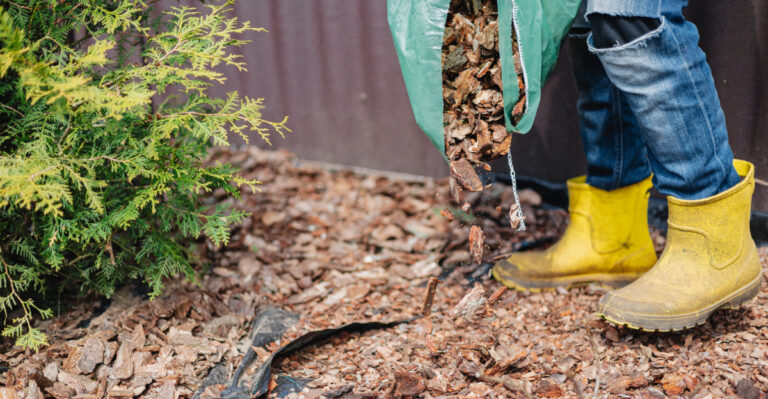
Mulching around the base of the plant is a simple trick that goes a long way. A thick layer of mulch keeps moisture locked in and soil temperatures lower, giving your hydrangeas a much better chance of thriving in the Texas heat season after season.
Oakleaf Hydrangea: The Heat-Tolerant Showoff
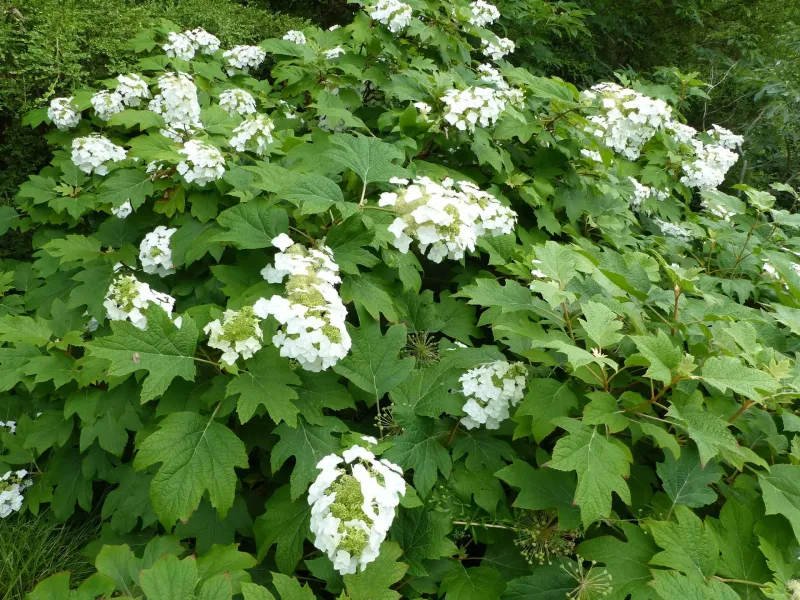
If there is one hydrangea that was practically made for the South, it is the Oakleaf Hydrangea. Native to the southeastern United States, this variety has been thriving in hot, humid conditions long before it became a garden favorite.
Texas gardeners across the state have discovered just how well it performs, even through tough summers.
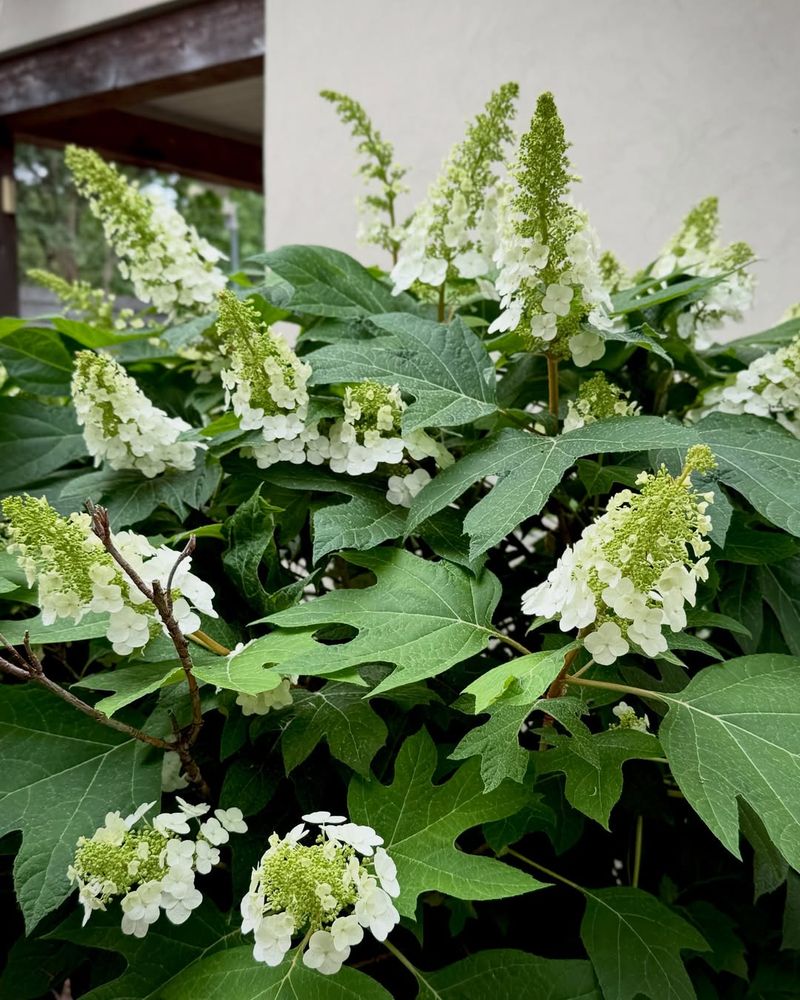
The blooms are hard to miss. Large, cone-shaped clusters of white flowers appear in late spring and early summer, and they are absolutely striking.
Your Texas Garden Changes Every Week. Your Plan Should Too.
Gardening in Texas changes quickly throughout the season. Every Friday you’ll receive a simple weekly plan showing exactly what to plant, prune, fertilize, harvest, and protect so you never miss the right timing.
Over time, the blooms fade to a soft pinkish-tan color, giving the plant a layered, textured look that lasts well into fall. Few hydrangeas offer that kind of extended visual interest.
One of the biggest selling points is its tolerance for heat and partial shade. Oakleaf Hydrangeas grow well under the canopy of taller trees, which is great news for Texas yards where afternoon shade is available.
They do not need full sun to produce impressive blooms, and they actually prefer a bit of protection from the harshest midday rays.
The foliage is another reason to love this plant. The large, deeply lobed leaves resemble oak leaves, which gives the shrub its name.
Come fall, those leaves turn brilliant shades of red, orange, and purple, adding unexpected seasonal color to a Texas landscape.
Oakleaf Hydrangeas are also more drought-tolerant than most other hydrangea varieties once they are well established.
That makes them a practical and beautiful choice for Texas gardeners who want a showstopping plant without constant high-maintenance care throughout the growing season.
Panicle Hydrangea: The Reliable Summer Bloomer
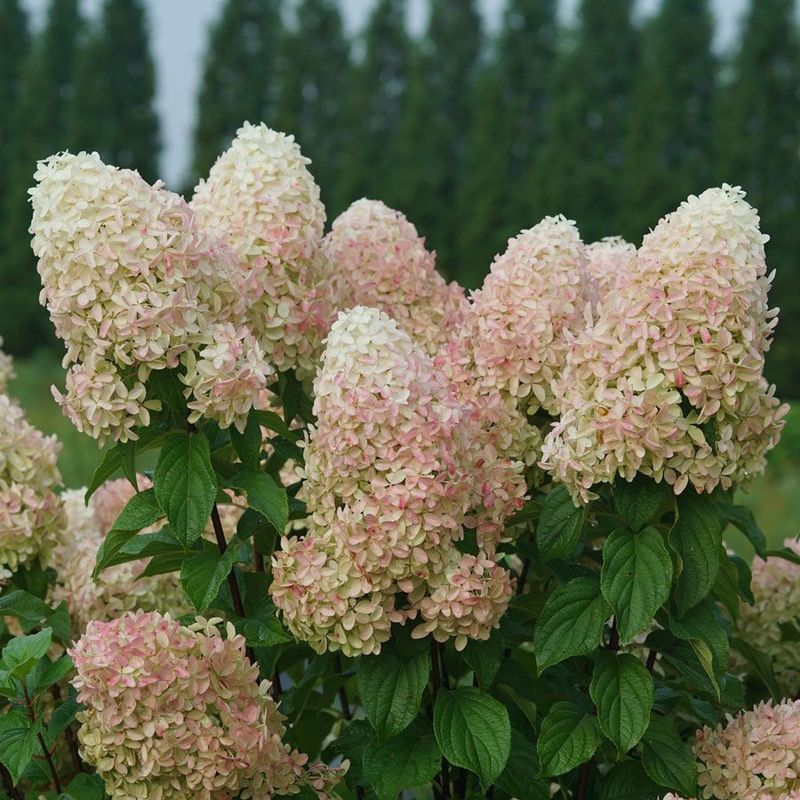
Ask any experienced Texas gardener which hydrangea handles summer heat the best, and Panicle Hydrangea will likely top the list.
Unlike many other varieties that struggle when temperatures climb, this one keeps on blooming through some of the hottest days of the year. That kind of reliability is a big deal in a state like Texas.
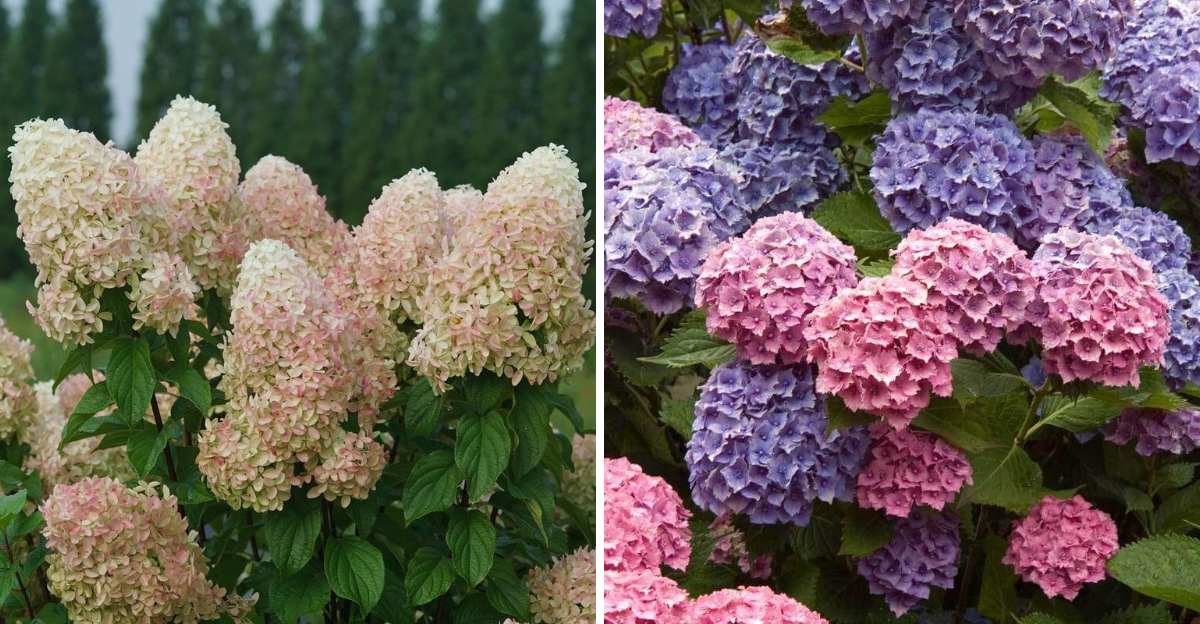
Panicle Hydrangeas produce large, cone-shaped flower clusters that start out creamy white and gradually shift to shades of pink and dusty rose as summer progresses. The color change adds a natural drama to the garden that feels effortless.
By late summer, the blooms can develop deep rosy tones that look stunning against green foliage.
One standout feature of this variety is its ability to handle more sun than other hydrangeas.
While most types need afternoon shade in Texas, Panicle Hydrangeas can tolerate sunny spots as long as they receive consistent, deep watering. That flexibility makes them easier to place in a variety of garden layouts.
Did you know that Panicle Hydrangeas can grow into small trees when trained properly? Some gardeners in Texas prune them into a single-trunk tree form, creating a dramatic focal point in a yard or along a walkway. It is a creative way to use this already versatile plant.
For best results in Texas, plant Panicle Hydrangeas where they get morning sun and some afternoon protection. Water deeply and regularly during dry spells, and apply a layer of mulch around the base.
With those simple steps, this variety will reward you with season-long blooms that are truly hard to beat.
Smooth Hydrangea: The Easygoing White Bloomer
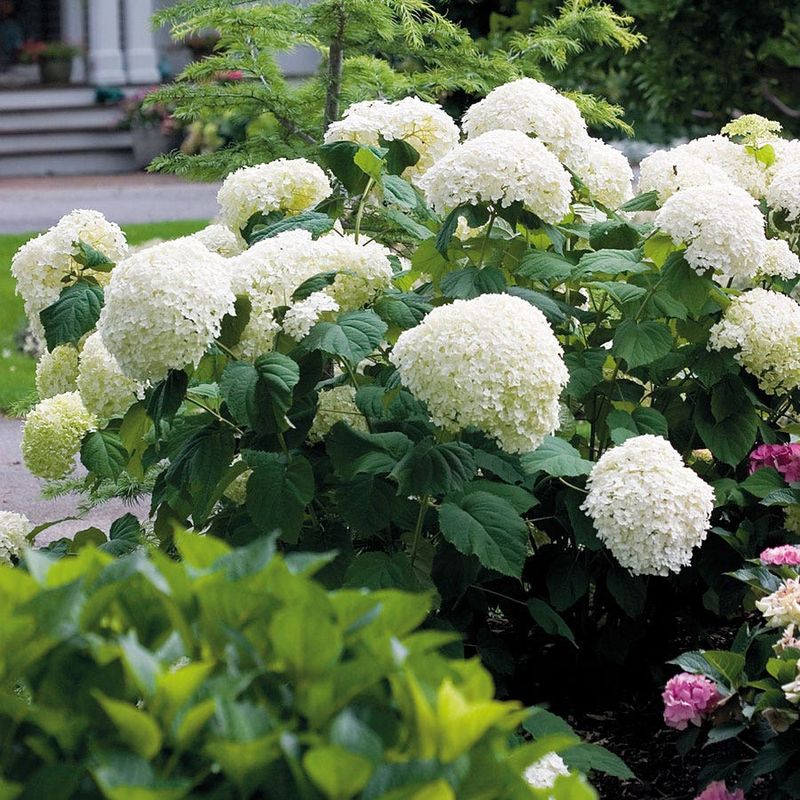
There is something wonderfully relaxed about a Smooth Hydrangea in full bloom. The big, rounded white flower heads have a soft, almost dreamy quality that pairs perfectly with cottage-style garden beds, wooden fences, and shaded corners of a Texas backyard.
It is the kind of plant that makes a space feel calm and welcoming. Smooth Hydrangeas, sometimes called Wild Hydrangeas, are native to North America, which means they have a natural toughness built right in.
They handle warmth better than you might expect from a hydrangea, especially when planted in a location with afternoon shade. Texas gardeners in zones 7 and 8 have had solid success with this variety.
The blooms are impressive in size. Varieties like Annabelle produce flower heads that can reach up to 12 inches across, which is genuinely jaw-dropping when a whole shrub is covered in them.
The flowers start as a soft green, transition to bright white, and then age to a creamy tan by late summer.
One practical advantage of Smooth Hydrangeas is that they bloom on new wood. That means even if a late frost or a rough Texas winter knocks back the stems, the plant will still produce flowers the following season.
That resilience makes it a lower-stress option for gardeners who are still learning the ropes.
Keeping this variety happy in Texas means consistent moisture and good mulching. The roots are sensitive to heat, so keeping the soil cool and moist is essential.
With a little attention to watering and placement, Smooth Hydrangeas can bring soft, elegant blooms to a Texas garden year after year.
Bigleaf Hydrangea: The Classic Blue-And-Pink Favorite
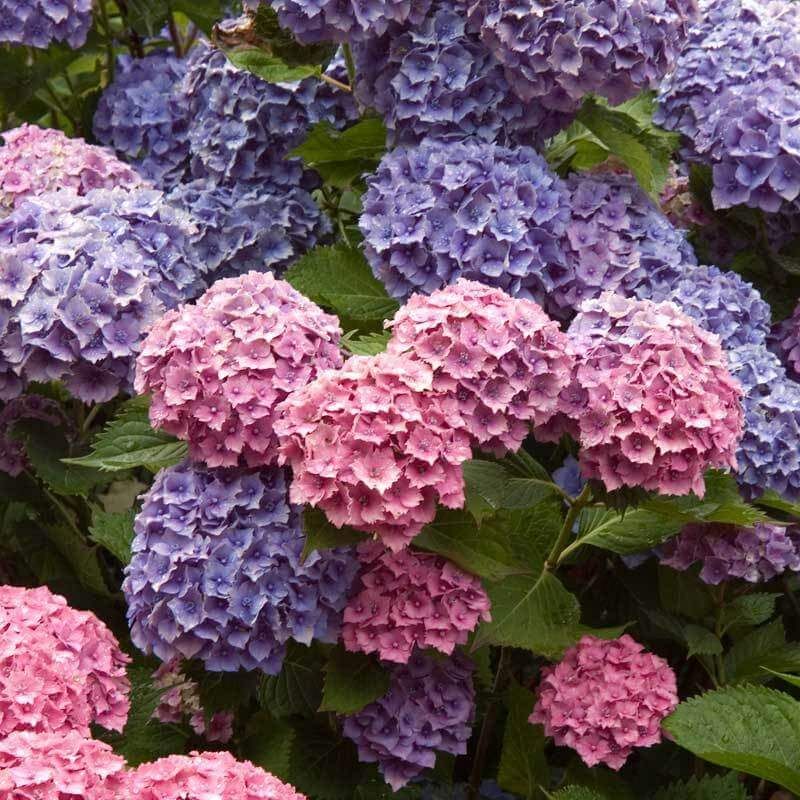
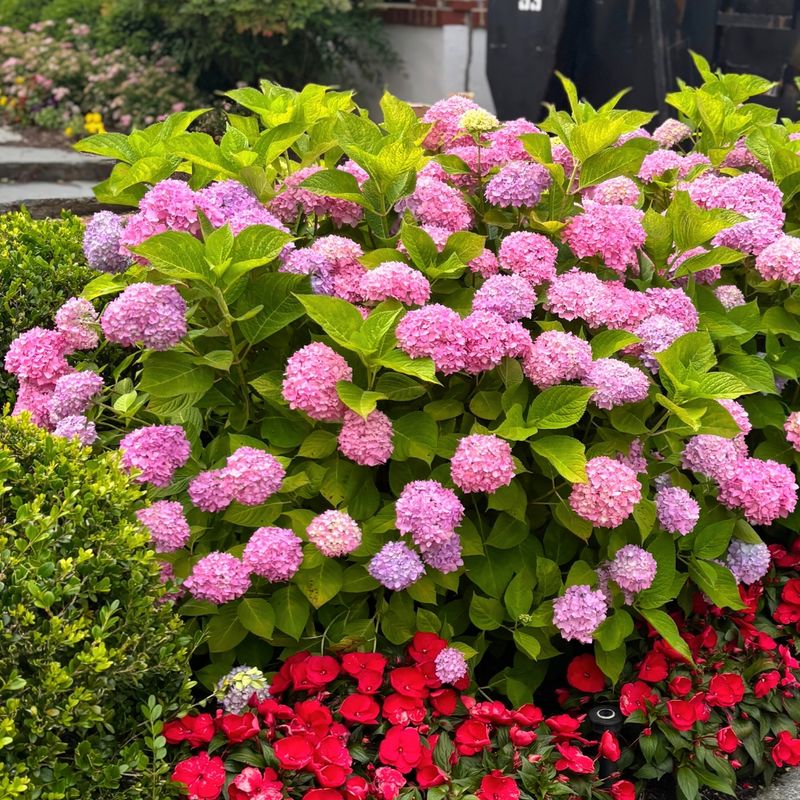
Walk into almost any garden center in Texas and you will likely spot a Bigleaf Hydrangea front and center. With its bold, colorful blooms in shades of blue, purple, and pink, this variety is probably the most recognizable hydrangea of them all.
It is the one that shows up in photos, paintings, and just about every flower arrangement imaginable.
What makes Bigleaf Hydrangeas especially fun is that their bloom color is influenced by soil pH. In acidic soil, the flowers tend to lean toward blue and purple.
In more alkaline soil, they shift toward pink. Texas soils vary quite a bit depending on the region, so you might get a beautiful surprise depending on where you plant them.
The catch with Bigleaf Hydrangeas in Texas is that they are the most sensitive variety on this list. They really struggle with the intense afternoon sun that is so common across the state.
Afternoon shade is not just helpful for these plants, it is practically essential for keeping them healthy through a Texas summer.
Consistent moisture is equally important. Bigleaf Hydrangeas are not drought-tolerant, and they will make that very clear when they are thirsty.
The large leaves droop dramatically when the plant needs water, which at least gives you an obvious signal to grab the hose.
For Texas gardeners in Houston, East Texas, or other areas with higher humidity and natural shade, Bigleaf Hydrangeas can perform beautifully. Choose a sheltered spot, water deeply and regularly, and add generous mulch around the roots.
The payoff is those stunning, show-stopping blooms that make every effort completely worth it.
How To Keep Texas Hydrangeas Looking Their Best
Growing hydrangeas in Texas takes a little extra thought, but it is absolutely doable with the right habits in place. The biggest factor is sunlight management.
Morning sun is fine and even beneficial, but the harsh afternoon sun that bakes Texas landscapes from June through September can seriously stress your plants. Positioning hydrangeas where a fence, tree, or structure blocks that late-day heat makes a real difference.
Mulching is one of the most effective tools a Texas gardener has. A thick layer of organic mulch, about two to three inches deep, around the base of each plant helps regulate soil temperature and lock in moisture.
Wood chips, shredded bark, or pine straw all work well. Refresh the mulch layer every spring to keep it effective throughout the growing season.
Watering deeply and consistently is non-negotiable during dry Texas summers. Shallow watering encourages roots to stay near the surface where the soil heats up fast.
Instead, water slowly and deeply at the base of the plant so moisture reaches the root zone. Early morning watering is best because it reduces evaporation and gives leaves time to dry before evening.
Fertilizing once or twice a year with a balanced, slow-release fertilizer helps support healthy growth and strong blooms. Avoid over-fertilizing with high-nitrogen products, which can push leafy growth at the expense of flowers.
Finally, pruning at the right time matters. Different hydrangea types bloom on old or new wood, so knowing your variety helps you avoid accidentally removing next season’s flower buds.
A little research goes a long way when it comes to keeping your Texas hydrangeas thriving and beautiful year after year.