7 Heat-Loving Fruits Worth Growing In Texas Gardens This Summer
Texas summers are brutal for a lot of things, but fruit production is not one of them. While gardeners in cooler climates are dealing with short growing windows and unpredictable summers that never quite deliver the heat their fruit plants need, Texas gardeners are sitting on one of the most productive fruit-growing climates in the entire country.
The key is knowing which fruits are actually built to take advantage of what Texas summers offer rather than struggle against them.
The heat that makes June through September so uncomfortable for people is exactly what certain fruit plants need to develop full flavor, proper ripening, and the kind of abundant production that makes growing your own genuinely worthwhile.
These aren’t fruits that tolerate Texas summers – they actually perform better because of them, rewarding gardeners who plant them with harvests that store-bought fruit rarely comes close to matching in taste or freshness.
1. Fig
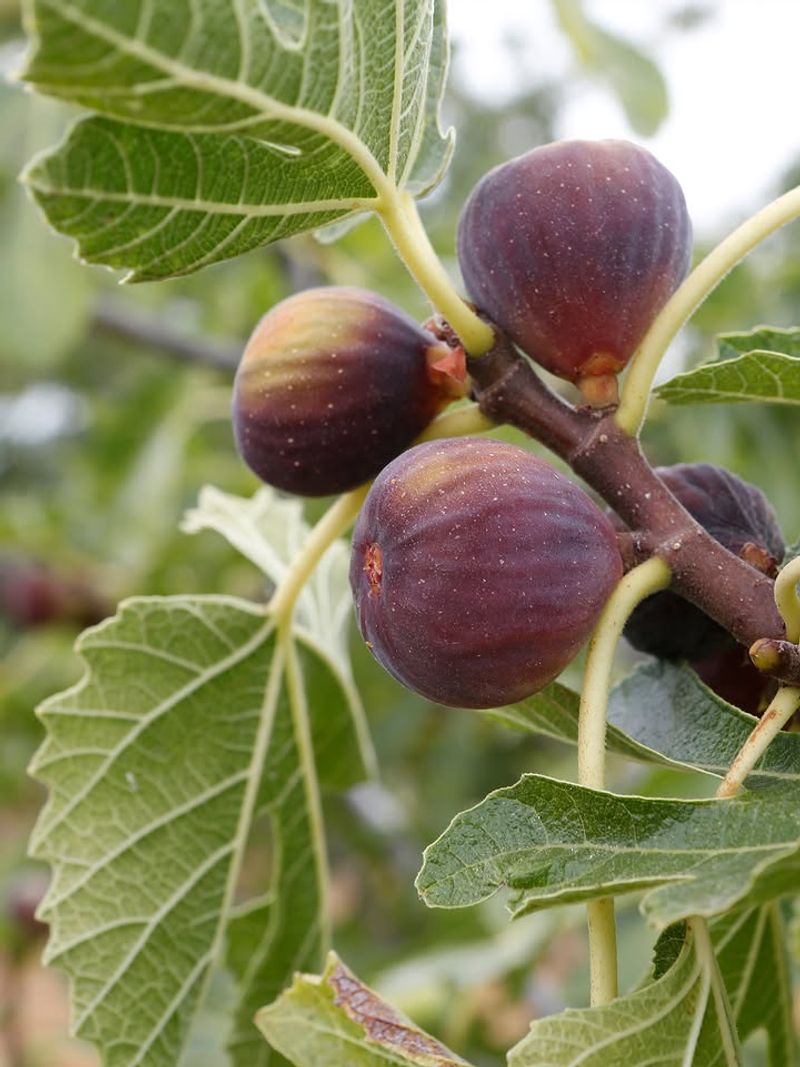
Sweet, chewy, and surprisingly easy to grow, figs have been feeding people for thousands of years. Ancient farmers in the Middle East prized them, and today, Texas gardeners are rediscovering just how well figs perform in hot southern climates.
If you want a low-fuss fruit tree that rewards your patience with an abundance of delicious fruit, the fig is a fantastic place to start.
Figs thrive in heat because they actually need long, warm growing seasons to produce their best fruit. Varieties like Celeste and Brown Turkey are especially popular across Texas because they handle the summer sun without much complaint.
Plant your fig tree in a spot that gets full sun for most of the day, and make sure the soil drains well so the roots do not sit in water.
One of the best things about growing figs in Texas is that established trees are surprisingly drought-tolerant. Once your tree gets its roots settled in during the first year or two, it can handle dry spells without constant watering.
Young trees do need regular moisture, so water them consistently during their first summer.
Figs do not require a lot of fertilizer, which makes caring for them even simpler. A light feeding in early spring is usually enough to get the season off to a strong start.
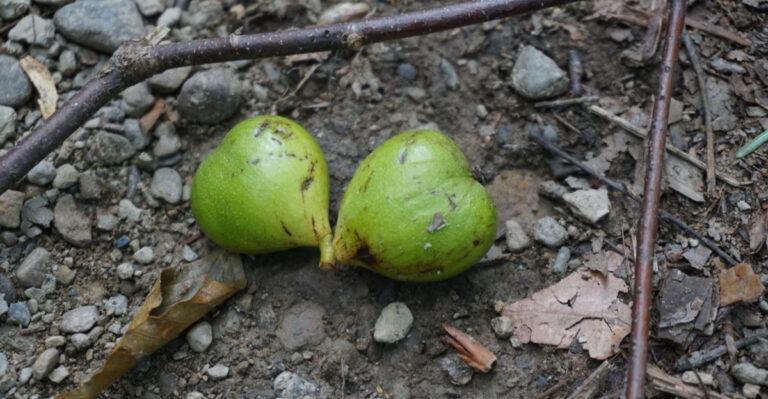
Harvest time typically falls in late summer, and you will know the figs are ready when they feel soft to the touch and hang downward on the branch.
2. Pomegranate
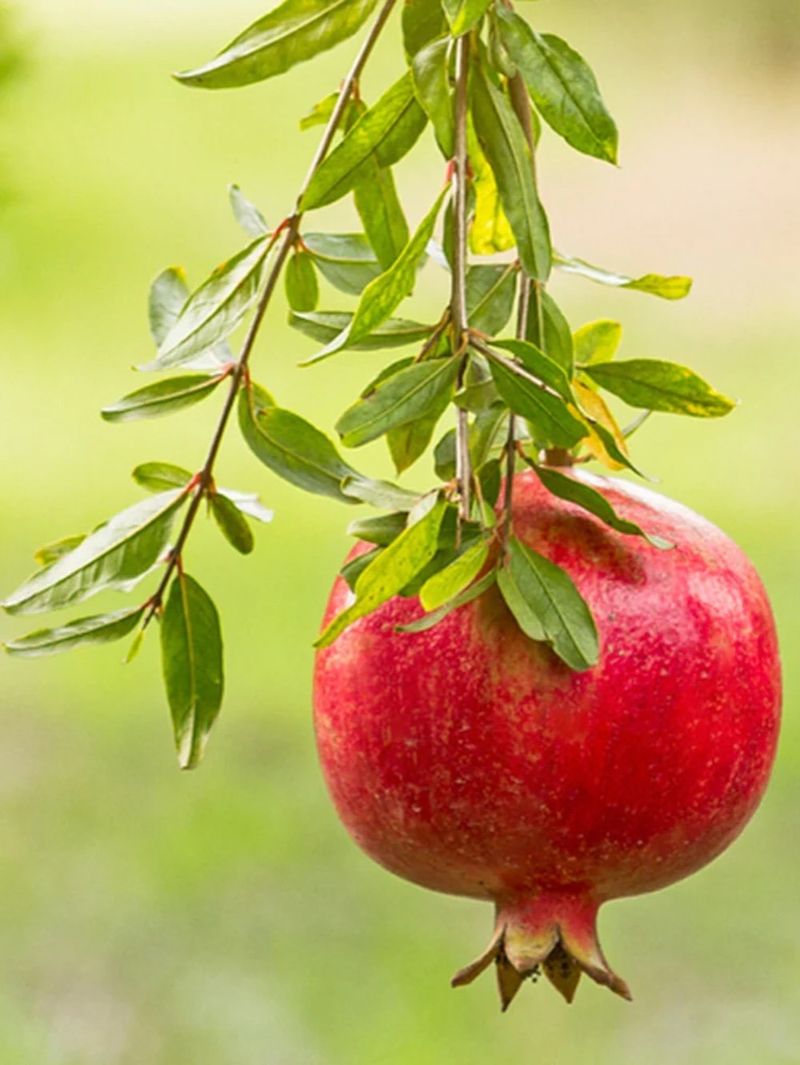
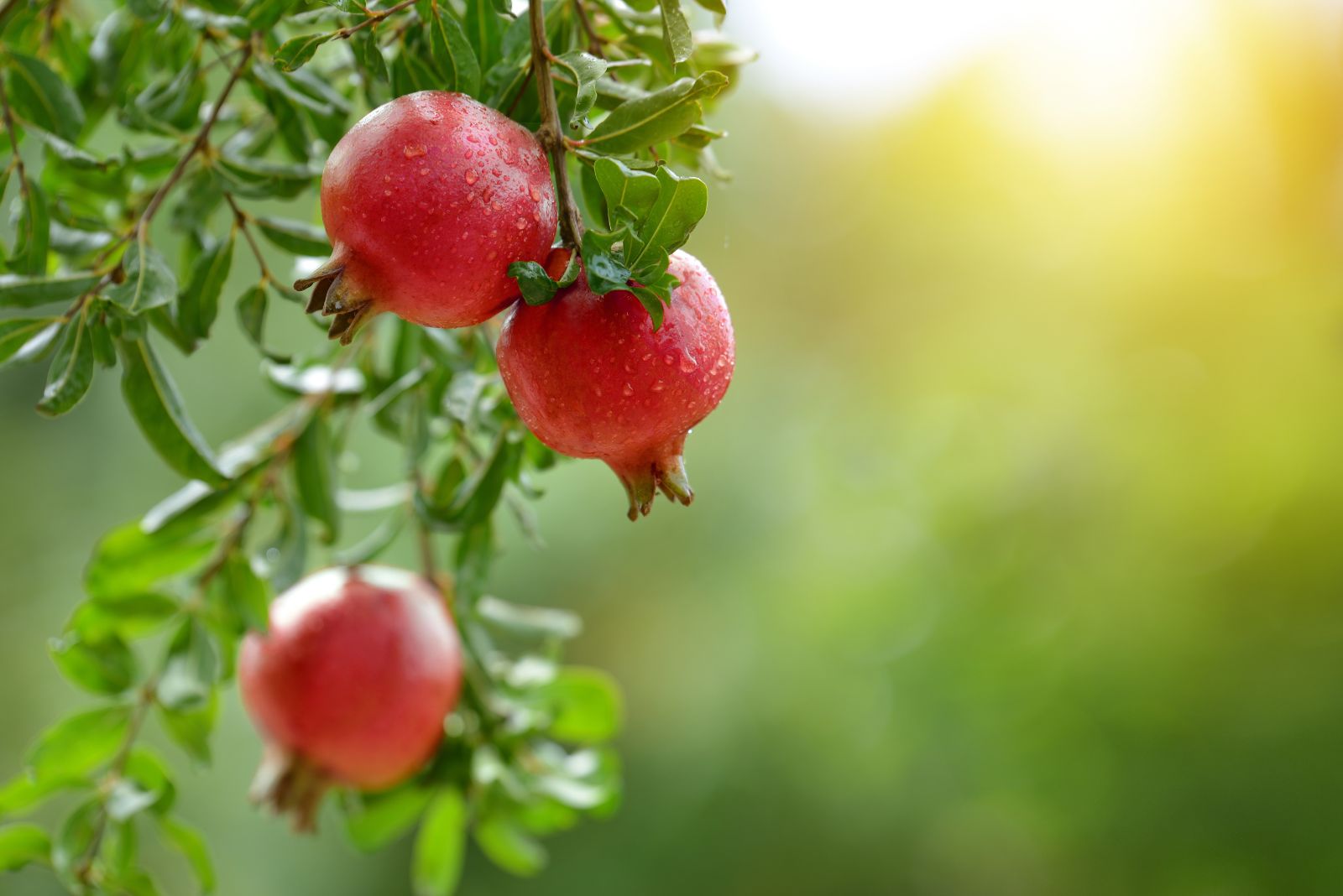
Few fruits look as dramatic as a pomegranate. Those bold red orbs hanging from a shrub in the summer heat have a way of stopping people in their tracks.
Beyond their striking appearance, pomegranates are tough, practical, and perfectly suited for the hot, dry conditions that gardeners deal with every single summer.
Once a pomegranate plant gets established in Texas soil, it becomes remarkably self-sufficient. It handles drought, intense heat, and even poor soil with impressive ease.
Varieties like Wonderful and Salavatski have proven themselves across many Texas regions, producing fruit with deep red arils that are both sweet and slightly tart. Plant them in full sun and well-draining soil for the best results.
Your Texas Garden Changes Every Week. Your Plan Should Too.
Gardening in Texas changes quickly throughout the season. Every Friday you’ll receive a simple weekly plan showing exactly what to plant, prune, fertilize, harvest, and protect so you never miss the right timing.
Pomegranates are not just tough, they are also long-lived. A well-cared-for pomegranate shrub can produce fruit for decades, making it a smart long-term investment for your garden.
They bloom with gorgeous orange-red flowers in late spring, which adds a burst of color before the fruit even begins to develop.
Watering during the first year is important to help roots get established. After that, pomegranates can survive on rainfall alone in many parts of Texas, though some supplemental watering during extreme dry spells will improve fruit size and quality.
Fruit typically ripens between September and November, so your patience during the summer will be rewarded with a late-season harvest that feels like a gift from the garden.
3. Watermelon
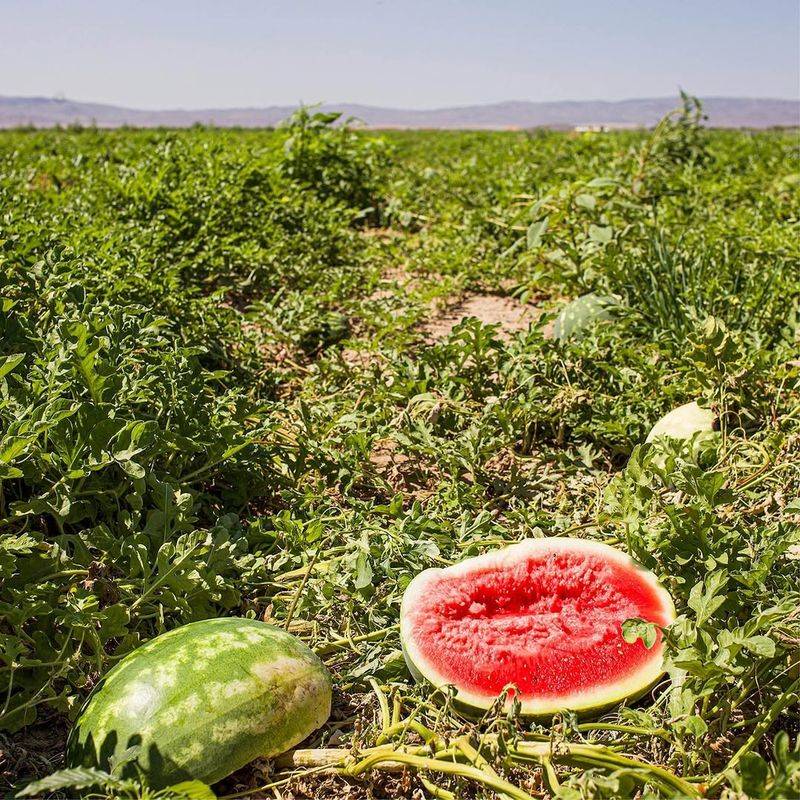
Nothing says Texas summer quite like a cold, dripping slice of watermelon. Fortunately for gardeners across the state, watermelons do not just survive summers, they absolutely flourish in them.
The long stretches of hot weather give watermelons exactly the growing time they need to develop their signature sweetness and impressive size.
Watermelons need warmth from the moment the seed hits the soil. Texas provides that in abundance, making it one of the best states in the country for growing this beloved fruit.
Popular varieties for Texas include Jubilee, Sugar Baby, and Crimson Sweet. Sugar Baby is especially practical for smaller gardens because it produces compact, manageable melons without taking over your entire yard.
Good drainage is critical when growing watermelons. They love moisture but cannot tolerate soggy roots, so raised beds or sandy loam soil works best.
Give each plant plenty of space to spread its vines, as watermelons like to roam. Most gardeners in Texas start seeds directly in the ground after the last frost, which in many parts of the state happens quite early in the year.
Consistent watering is key during vine development and early fruit set. Once the melons start sizing up, you can back off on watering slightly to help concentrate the sugars inside the fruit.
Knowing when a watermelon is ripe takes a little practice. Tap it gently and listen for a deep, hollow thump.
That sound means it is ready to pull off the vine and enjoy.
4. Cantaloupe
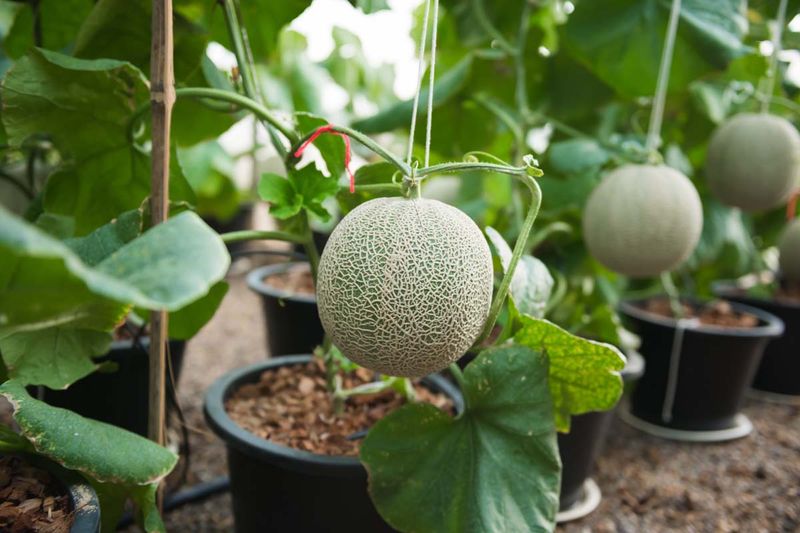
Walk through a Texas farmers market in July and you will almost certainly find piles of fragrant, golden cantaloupes. That sweet, musky smell is hard to resist, and the good news is that growing your own in a Texas garden is very achievable.
Cantaloupes are warm-season fruits that thrive when given plenty of sunshine, heat, and well-draining soil, all of which Texas delivers in generous supply.
Varieties like Hales Best and Ambrosia perform especially well across Texas. These melons develop their rich flavor most fully when summer temperatures stay consistently high, which is rarely a problem in this state.
Plant cantaloupe seeds or transplants after the last frost date for your area, spacing them generously to allow good air circulation between plants.
Soil preparation matters a lot with cantaloupes. They prefer loose, sandy loam that warms up quickly in the spring.
Working compost into your garden bed before planting gives the vines a nutritional head start without over-fertilizing, which can push leafy growth at the expense of fruit development. Too much nitrogen is a common mistake with melons.
Watering should be steady and consistent during vine growth and flowering. Once fruit begins to develop and size up, reduce watering gradually.
This helps the sugars concentrate inside the melon and gives you that intensely sweet flavor you are hoping for.
Cantaloupes are ready to harvest when the stem separates easily from the fruit with just a gentle tug. That slip is your signal that the melon is at its peak.
5. Loquat
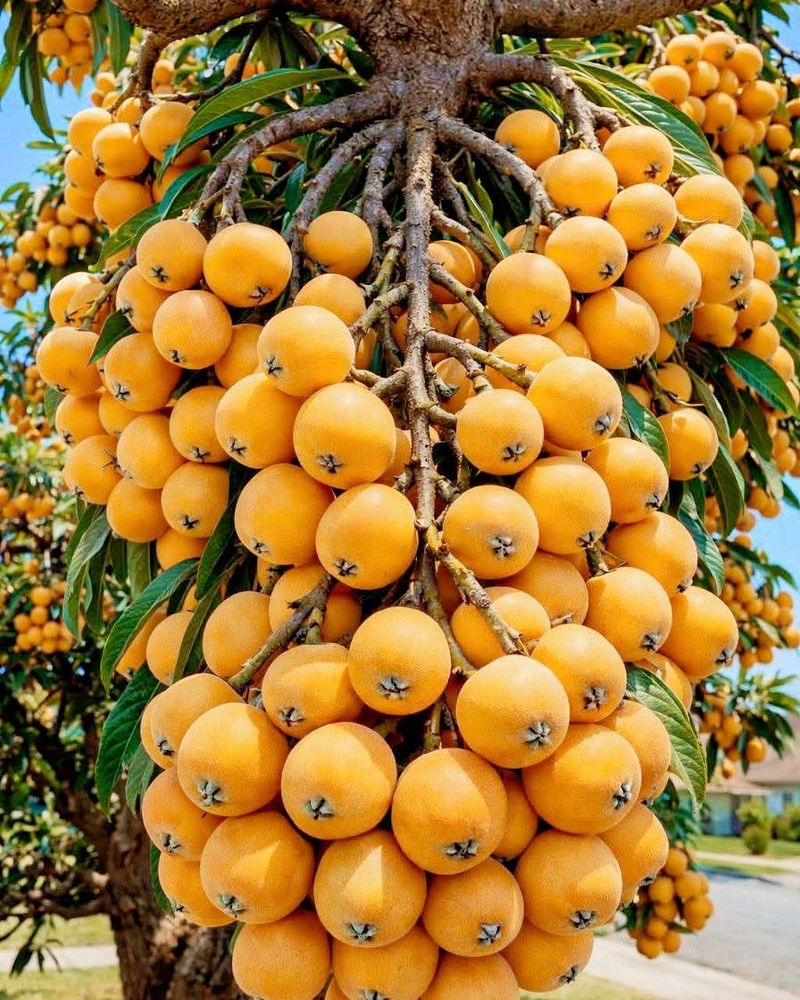
Most people outside of the South have never tasted a loquat, but in Texas, these small golden fruits are something of a hidden treasure.
Loquat trees line neighborhood streets and backyard fences across the state, quietly producing fruit every year with almost no help from their owners.
If you want a fruit tree that basically takes care of itself while handling heat like a champion, loquat deserves serious attention.
Unlike most fruit trees, loquats actually bloom in the fall and winter, and the fruit ripens in late winter through early spring. This unusual timing means they avoid the competition with other summer fruits, giving you something fresh to enjoy while other trees are still waking up.
The flavor is a pleasant mix of peach, citrus, and honey that is hard to describe but easy to love.
Loquats adapt well to many Texas regions, from the Gulf Coast to North Texas. They prefer full sun but will tolerate some partial shade.
Once established, they handle heat and drought with quiet resilience. Young trees need regular watering during their first summer in the ground, but mature trees are much more forgiving when rainfall is scarce.
Pruning is minimal with loquats. A light shaping after harvest keeps the tree tidy and encourages good airflow.
The fruit is best eaten fresh, though it also makes wonderful jelly and jam. Birds love loquats too, so netting the tree near harvest time can help you get to the fruit before your feathered neighbors do.
6. Blackberry
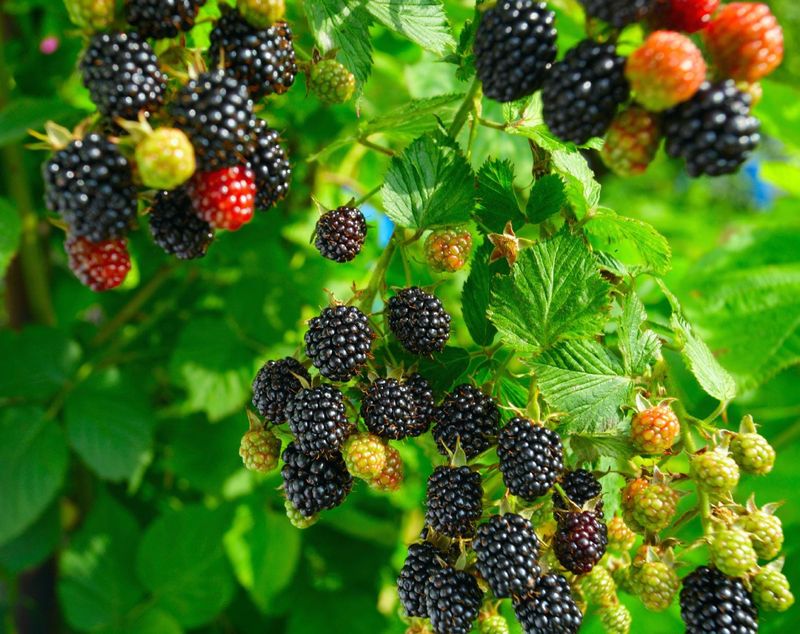
Blackberries are one of those fruits that feel made for Texas. They grow vigorously, produce heavily, and actually seem to enjoy the warm, humid conditions that define summers across much of the state.
If you have never grown blackberries before, you might be surprised by just how productive a single plant can be when it is happy in the Texas climate.
Thornless varieties like Natchez, Arapaho, and Brazos are widely recommended for Texas gardeners. The Brazos variety was actually developed specifically for Texas growing conditions, which gives it a natural edge in this environment.
These plants produce large, juicy berries that are perfect for eating fresh, making jam, or baking into cobblers on a hot summer evening.
Blackberries prefer well-draining soil with a slightly acidic pH. Raised beds work well if your native soil is heavy clay.
Plant them in full sun and give them a trellis or support structure to keep the canes upright. Good airflow around the plants helps reduce fungal issues, which can be a concern in humid parts of Texas during the summer months.
Watering consistently during flowering and fruit development makes a big difference in berry size and sweetness. Mulching around the base of the plants helps retain soil moisture and keeps roots cool during the hottest part of the season.
Blackberries typically ripen from late spring into early summer in Texas, so you can expect a generous harvest just as the real summer heat begins to build in earnest.
7. Prickly Pear
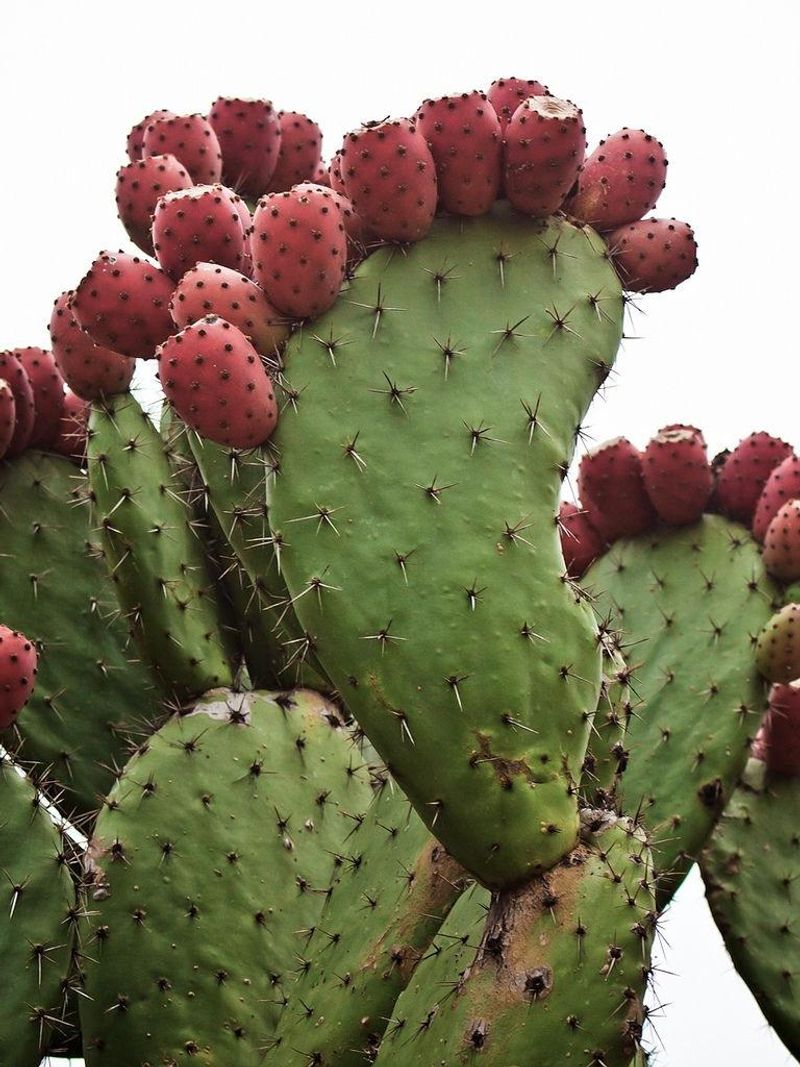
There is something almost poetic about a plant that turns brutal heat and bone-dry soil into sweet, colorful fruit. The prickly pear cactus does exactly that, and it has been doing it across Texas for thousands of years.
This native plant is not just a survivor, it is a genuine food source that has fed both people and wildlife across the region since long before modern gardening existed.
Prickly pear produces two edible parts. The flat green pads, called nopales, are eaten as a vegetable in many traditional Texas and Mexican dishes.
The bright red or purple fruit, called tunas, ripen in late summer and early fall and are used to make juice, jelly, candy, and even cocktails. The flavor is mild and slightly sweet, often compared to a blend of watermelon and bubble gum.
Growing prickly pear in Texas requires almost no effort at all. It thrives in full sun, rocky or sandy soil, and needs virtually no irrigation once established.
In fact, overwatering is one of the few ways you can actually harm this plant. Plant a pad cutting in a sunny, well-drained spot and give it minimal water during the first few weeks to help it root. After that, nature handles the rest.
Harvesting the fruit requires some care because of the tiny hair-like spines called glochids that cover both the pads and the fruit. Use tongs and thick gloves when picking.
Burning or scrubbing the fruit removes the glochids before eating. For gardeners who want maximum reward with minimum effort, prickly pear is the ultimate summer fruit plant.