The Gopher-Resistant Plants California Gardeners Are Using In Garden Beds
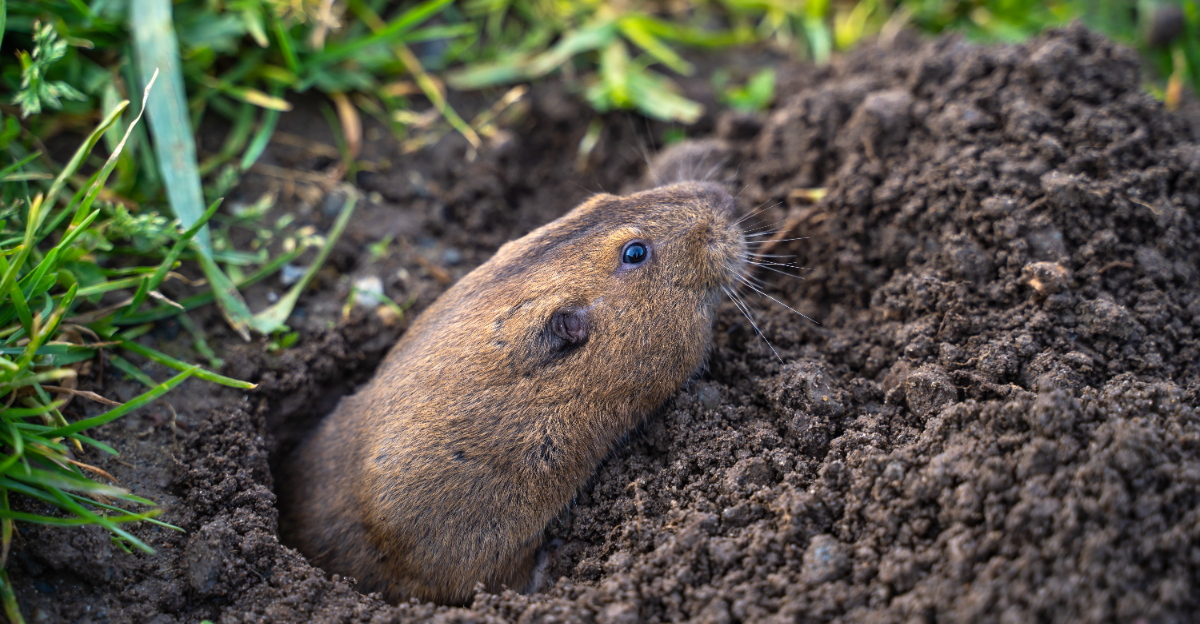
Gophers are the uninvited garden guests that show up without warning and leave destruction behind them. One day everything looks great.
The next, something you planted weeks ago is simply gone, pulled underground like it never existed. California gardeners in gopher territory know this feeling well, and most of them have lost plants to it more than once.
The practical solution is not always fencing or traps, though those have their place. It’s choosing plants that gophers simply don’t want.
Certain textures, strong root compounds, and bitter or aromatic foliage make specific plants consistently unappealing to them. California gardeners who have figured this out are building beds that hold up season after season without the heartbreak.
Good plant selection is not a guaranteed forcefield. But it shifts the odds significantly in your favor, and once you know which plants to reach for, putting together a gopher-resistant bed is a lot more straightforward than you’d expect.
1. Society Garlic
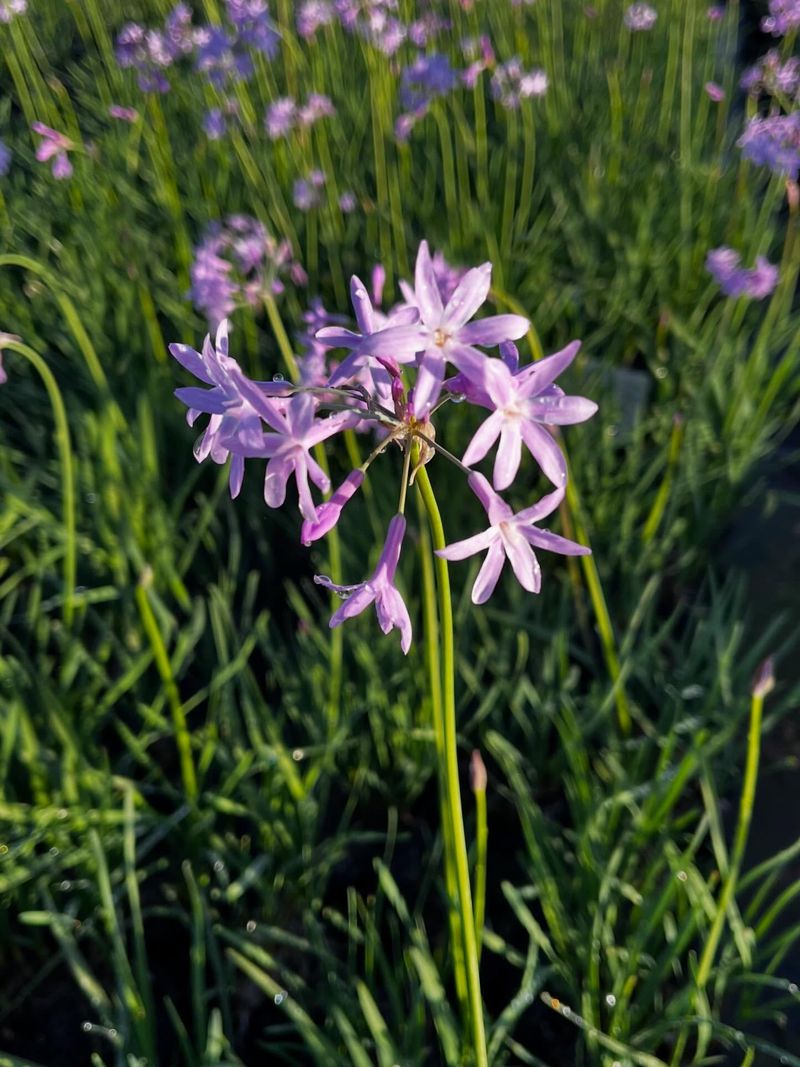
Walk past a society garlic plant and you will notice something right away: it smells like garlic. That strong scent is exactly why gophers want nothing to do with it.
California gardeners have been using this plant as a natural barrier in garden beds for years, and it works surprisingly well.
Society garlic is a South African native that has found a happy home in California’s warm, dry climate. It grows in clumps with long, grass-like leaves and sends up tall stems topped with clusters of soft purple flowers.
Those blooms show up in spring and summer and attract butterflies and bees, which is always a bonus.
One of the best things about this plant is how low-maintenance it is. It handles drought well once it gets established, making it a smart pick for water-conscious gardeners throughout California.
It also does well in full sun and tolerates poor soils. Plant it along the edges of your garden beds or between other plants you want to protect.
It grows to about two feet tall and spreads slowly over time. If you want beauty and gopher protection in one package, society garlic is a solid choice.
2. Hellebore
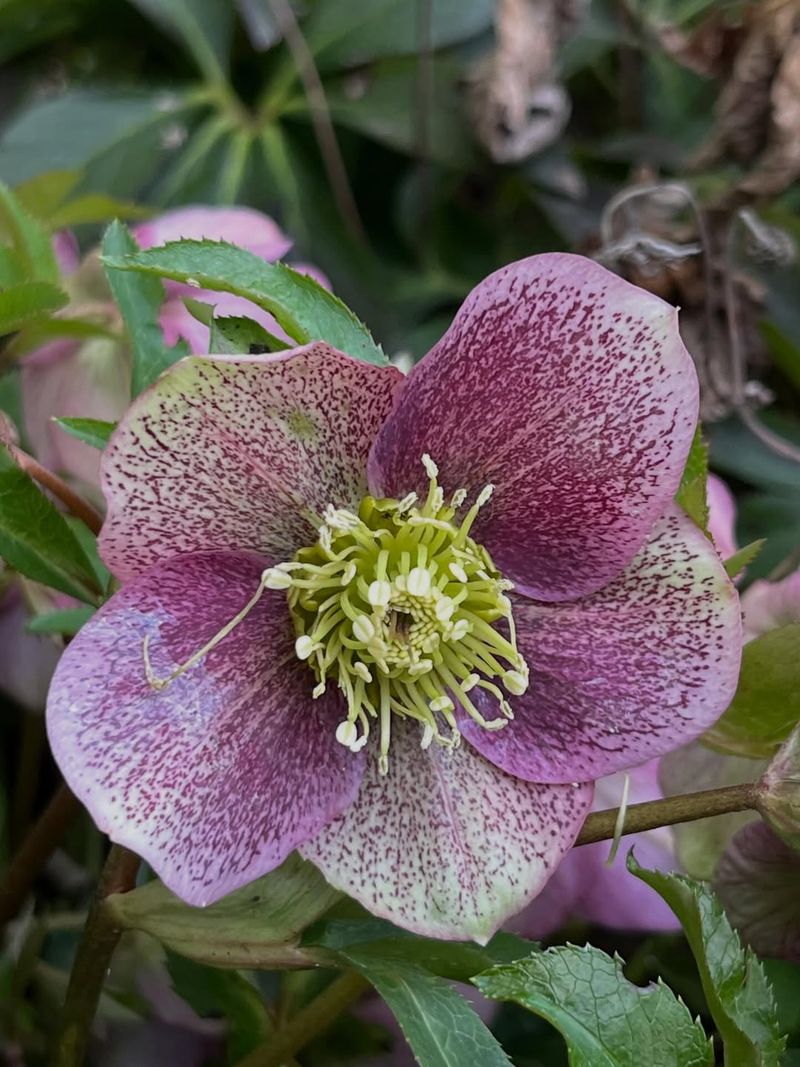
Hellebores have a quiet kind of beauty that makes them stand out in any garden. Their nodding, cup-shaped flowers come in shades of deep purple, cream, pink, and almost black.
But beyond their looks, there is something else that makes them special: gophers avoid them completely because the entire plant is toxic to animals.
For California gardeners dealing with persistent gopher problems, hellebores are a reliable choice. They thrive in shaded or partly shaded spots, which makes them perfect for planting under trees or along north-facing walls where other plants struggle.
They are also evergreen, so they keep your garden looking full even during the cooler months.
Hellebores are tough once established and can handle the mild winters found across much of California. They prefer well-draining soil with some organic matter mixed in.
Water them regularly during their first season, then ease back as they settle in. They bloom in late winter and early spring, which means they bring color to your garden at a time when not much else is flowering.
Your California Garden Changes Every Week. Your Plan Should Too.
Gardening in California changes quickly throughout the season. Every Friday you’ll receive a simple weekly plan showing exactly what to plant, prune, fertilize, harvest, and protect so you never miss the right timing.
That early bloom time makes them a favorite among California gardeners who want year-round interest in their beds.
3. Monkeyflower
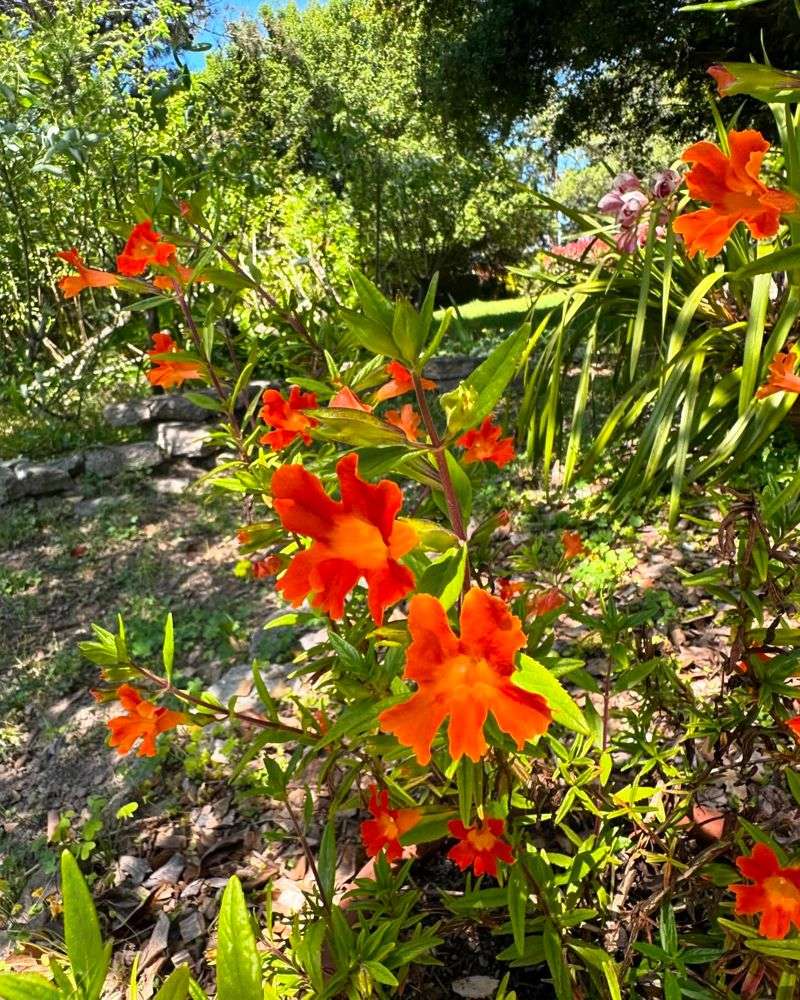
There is something cheerful about monkeyflowers. Their bright blooms in shades of orange, yellow, red, and pink look like tiny faces grinning up at the sun.
These California native plants grow naturally along streams, hillsides, and coastal bluffs, and they bring that same wild energy into home garden beds.
Gophers tend to leave monkeyflowers alone, which makes them a smart addition to any California garden dealing with underground pests. The sticky texture of the leaves and stems seems to put gophers off.
Gardeners across Northern and Southern California have had good results planting monkeyflowers as part of a gopher-resistant landscape.
Monkeyflowers come in both annual and perennial varieties. The perennial types, like the sticky monkeyflower, are especially well-suited to California’s dry summers.
Once established, they need very little water and can handle full sun to partial shade. They bloom heavily in spring and can rebloom in fall with a little pruning and some water.
Hummingbirds love them, which adds another layer of life and movement to your garden. Plant them in well-draining soil and give them room to spread, and they will reward you with months of color and natural gopher resistance.
4. Native Iris
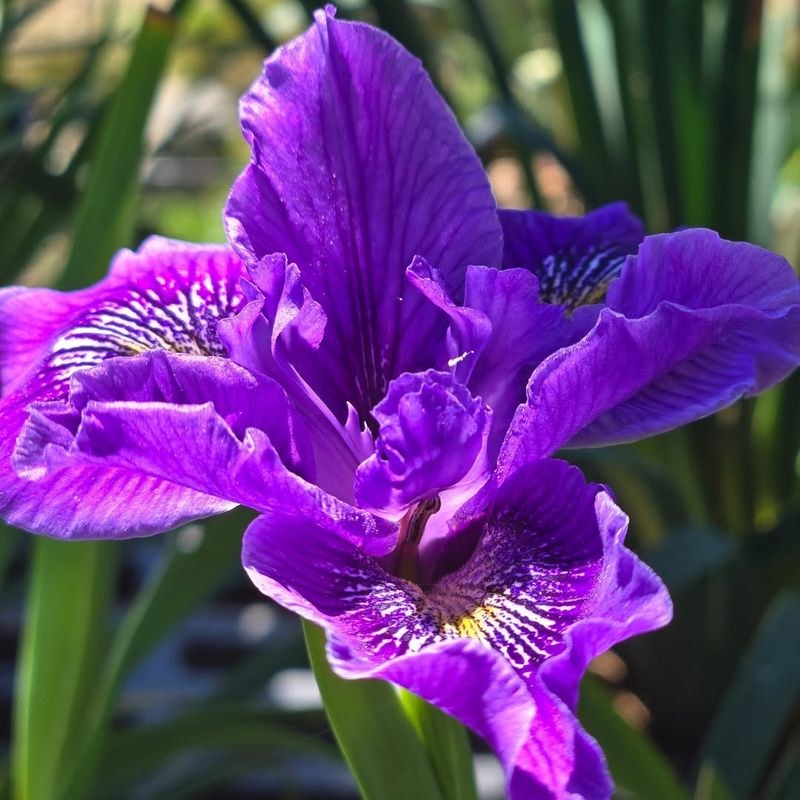
California native irises are some of the most elegant plants you can grow in a garden bed. They produce stunning flowers in shades of blue, purple, white, and yellow, often with beautiful veining and patterns on the petals.
Beyond their good looks, they have a practical advantage: gophers consistently avoid them.
The reason gophers steer clear of native irises is that the plants contain compounds that are unpleasant and mildly toxic to animals. This makes them a natural barrier you can count on.
Gardeners in Northern California especially love them because they are perfectly adapted to the region’s climate, including its wet winters and dry summers.
Native irises grow well in partial shade to full shade, making them a great option for spots under oak trees or along shaded garden borders. They are drought-tolerant once established and spread slowly over time to form attractive clumps.
They bloom in late winter through spring, bringing early color when many other plants are still dormant. Pair them with other California natives for a low-water, low-maintenance bed that gophers will not want to visit.
They are a true California garden treasure worth adding to any yard.
5. Yarrow
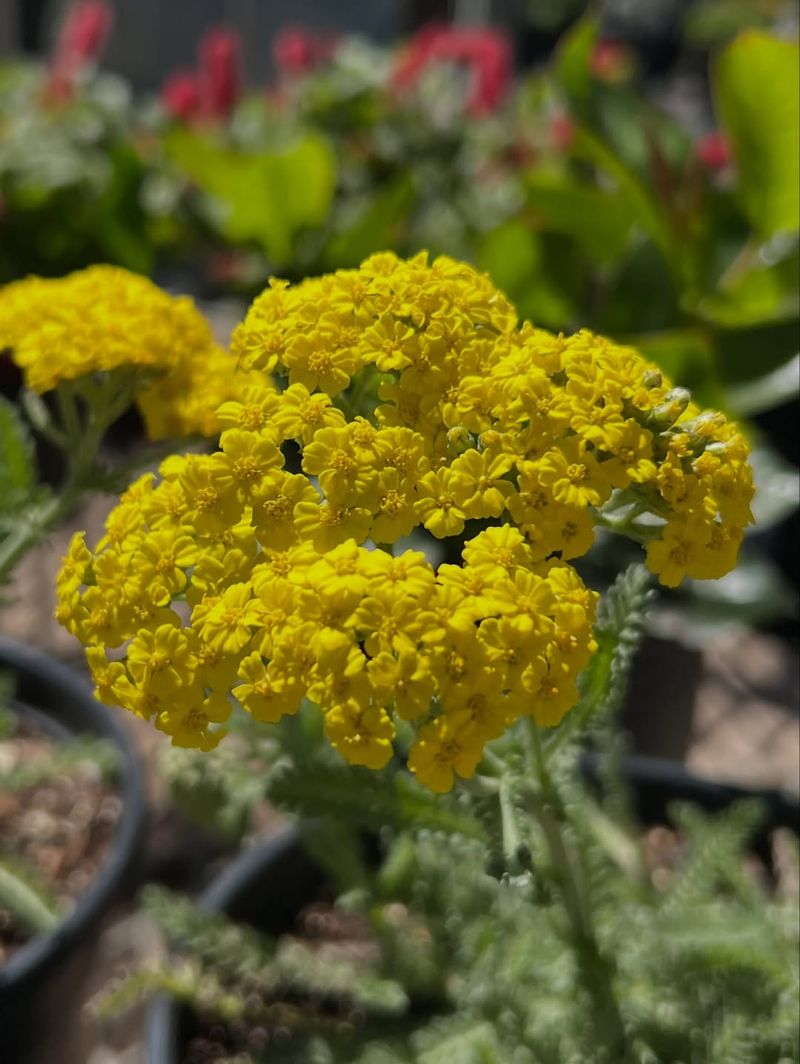
Yarrow is one of those plants that just works in almost every situation. It is tough, drought-tolerant, and blooms in flat-topped clusters of tiny flowers that come in white, yellow, pink, and red.
Gophers tend to avoid it, likely because of its strong aromatic scent and bitter taste. California gardeners have used it for years as a reliable filler in garden beds.
What makes yarrow especially useful is its adaptability. It grows well across most of California, from the hot Central Valley to the breezy coastal areas.
It handles poor soils, dry conditions, and full sun without complaint. Once it gets going, it spreads steadily and fills in gaps between other plants, creating a thick, low groundcover that is hard for gophers to navigate.
Yarrow also supports pollinators in a big way. Butterflies, bees, and beneficial insects flock to its blooms throughout summer and into fall.
It is a great companion plant for other gopher-resistant species like salvia and native iris. Cut it back after the first flush of flowers and it will often bloom again.
For a plant that does so much with so little, yarrow earns its spot in any California garden bed without question.
6. Columbine
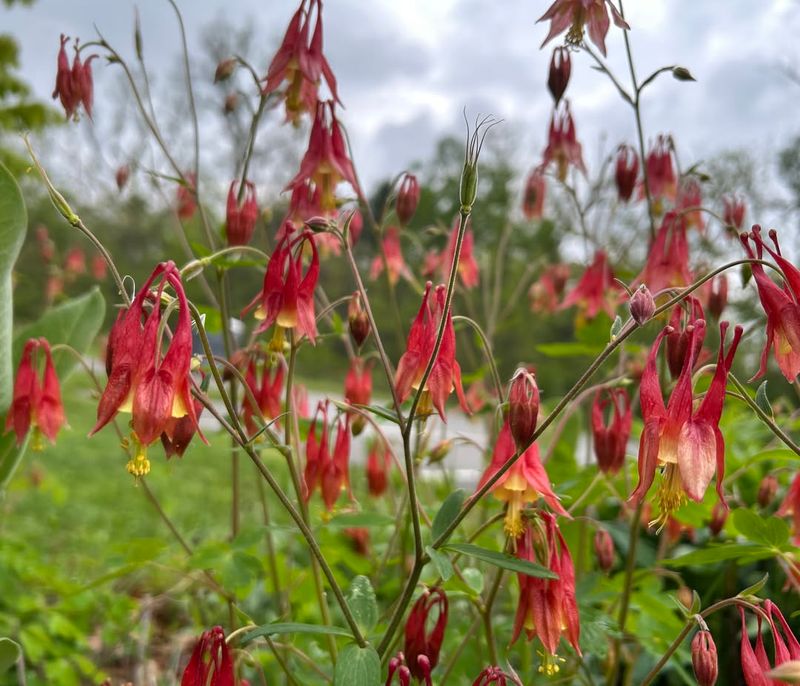
Few flowers have the kind of delicate, fairy-tale charm that columbines bring to a garden. Their nodding blooms feature spurred petals that twist and dangle in the breeze, drawing in hummingbirds from all over the neighborhood.
California gardeners love them not just for their beauty, but because gophers reliably leave them alone.
The native western columbine, Aquilegia formosa, is a standout choice for California gardens. It grows naturally in wooded areas and along stream banks throughout the state.
In garden beds, it thrives in partial shade with well-draining soil and moderate moisture. It is not as drought-tolerant as some other plants on this list, but it handles California’s conditions well if given a little extra water during dry spells.
Columbines are short-lived perennials, but they self-seed generously, so once you have them in your garden, they tend to come back year after year. They bloom in spring, which pairs nicely with other early bloomers like hellebore and native iris.
Their unique flower shape and upright habit make them a great vertical accent in mixed beds. Plant them in groups of three or more for a bold, colorful display that gophers will happily pass by.
7. Alum Root
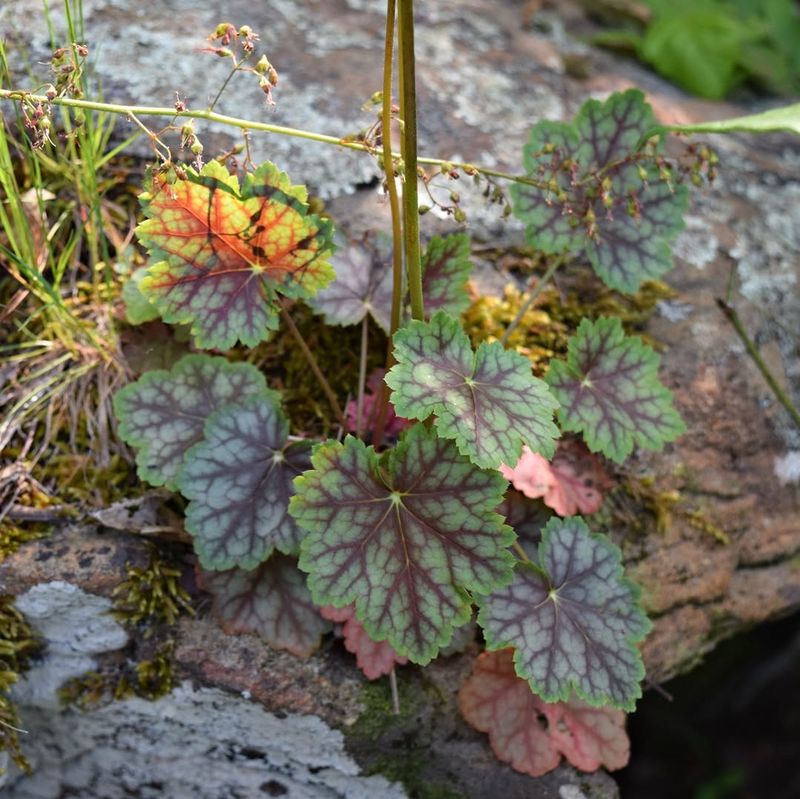
Alum root, also known as heuchera, is a California native that does not get nearly enough credit. It grows low to the ground, forming neat mounds of rounded, scalloped leaves that come in shades of green, bronze, and burgundy depending on the variety.
In spring and early summer, it sends up tall, wiry stems covered in tiny bell-shaped flowers that hummingbirds absolutely love.
Gophers avoid alum root, which makes it a smart choice for garden beds that have a history of underground pest problems. It grows well in shaded or partly shaded spots, and it handles California’s dry summers better than you might expect once it is established.
It works beautifully under oak trees or along shaded pathways where other plants struggle to thrive.
Alum root pairs well with native irises, columbines, and ferns to create a lush, layered look in shaded beds. It is also a popular choice for garden borders because of its tidy, compact habit.
Water it regularly during its first year, then ease back as roots settle in. It is a plant that rewards patience.
Over time, it fills in nicely and creates a groundcover that is as practical as it is attractive in any California yard.
8. Yerba Mansa
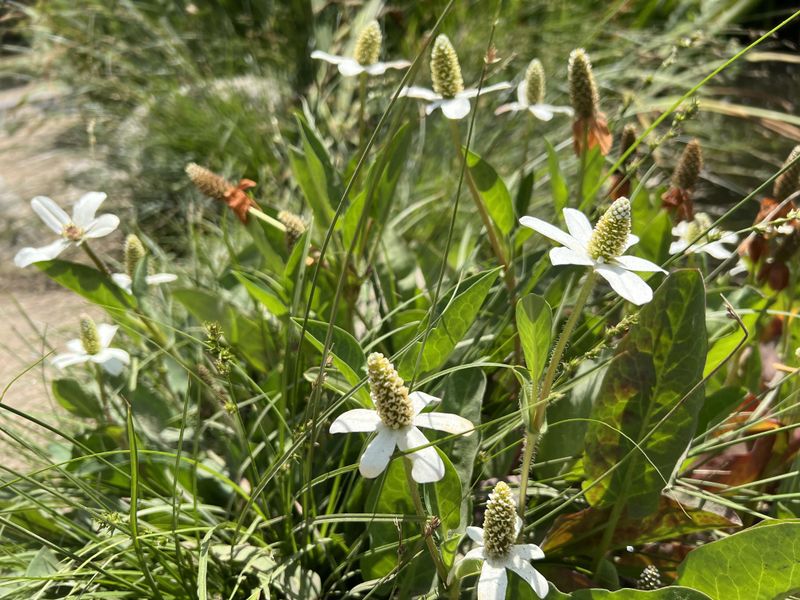
Yerba mansa is one of those plants that feels like a secret known only to experienced California gardeners. It is not as flashy as some other plants, but it is incredibly useful.
It grows in moist, low-lying areas and spreads by runners to form a dense groundcover. Gophers leave it alone, and once you see how well it fills in a bed, you will understand why so many gardeners swear by it.
The flowers are distinctive: white, cone-shaped blooms surrounded by petal-like bracts that give the plant an almost tropical look. They appear in late spring and early summer and attract pollinators throughout the season.
The large, paddle-shaped leaves stay green and full during the growing season, creating a lush carpet effect in the garden.
Yerba mansa is native to California and the Southwest, so it is well-adapted to the local climate. It does best in areas with regular moisture, making it ideal for low spots in the garden or near a drip irrigation line.
It handles both full sun and partial shade. In wetter parts of California, like the Sacramento Valley or coastal regions, it can spread quite vigorously.
Give it space to roam and it will reward you with a tough, attractive, gopher-resistant groundcover.
9. Salvia
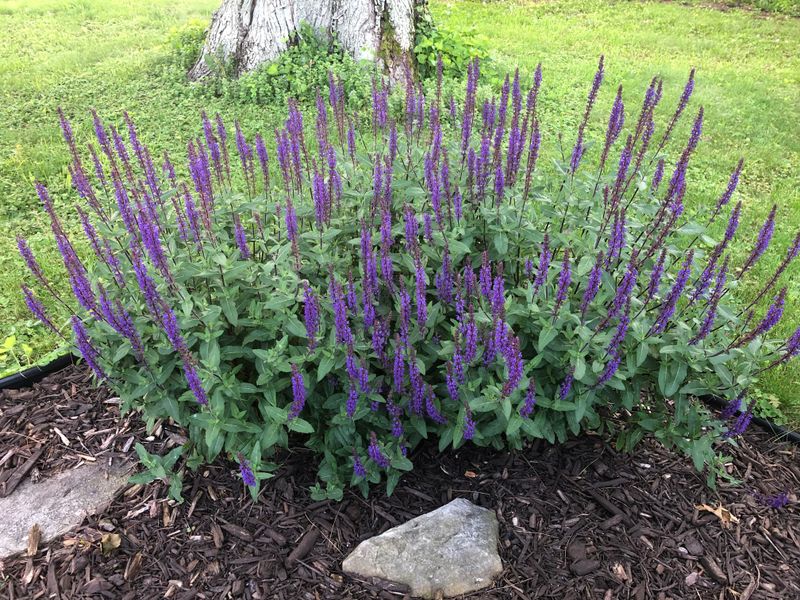
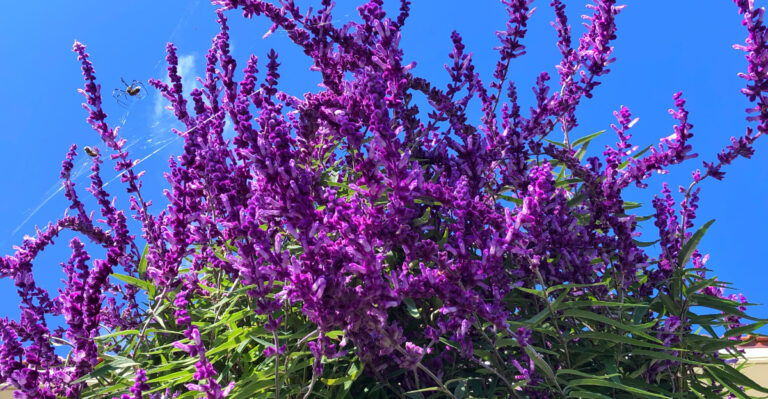
This might be the most popular gopher-resistant plant among California gardeners, and for good reason. There are dozens of species and cultivars to choose from, ranging from the compact Salvia greggii to the bold, tall Salvia leucantha.
Almost all of them share one trait that gophers cannot stand: strong-smelling foliage that makes the plant deeply unappealing as a snack.
California is an ideal place to grow salvia. The dry summers, mild winters, and sunny days that define so much of the state’s climate are exactly what salvias love.
They thrive in well-draining soil with full sun and very little water once established. That drought tolerance makes them a staple in water-wise landscapes from San Diego to Sacramento.
Beyond gopher resistance, salvias are incredible for wildlife. Hummingbirds visit constantly, and bees of all types are drawn to the nectar-rich flowers.
They bloom from spring through fall, and some varieties bloom nearly year-round in warmer parts of California. Pruning them back after a big flush of flowers encourages fresh growth and more blooms.
Mix several varieties together for a layered, colorful bed that looks great and holds its own against gophers all season long.