These Pennsylvania Perennials Should Be Divided Before They Take Over The Bed
Perennials are one of the best investments a Pennsylvania gardener can make, right up until they aren’t.
The same vigorous growth habit that makes them so satisfying in the early years, filling in beds beautifully and returning reliably each spring, can turn into a genuine management problem if division gets pushed off season after season.
What started as a well-spaced, healthy planting gradually becomes an overcrowded mass that’s competing with itself and crowding out everything else in the bed. Division is one of those garden tasks that feels optional until it suddenly isn’t.
Overgrown perennials bloom less, develop dry centers, lose their shape, and start pushing into neighboring plants in ways that reshape the entire bed without anyone making an intentional decision about it.
Pennsylvania’s growing conditions are generous enough that certain perennials hit that tipping point faster than gardeners expect.
Knowing which ones need dividing before the season gets too far along keeps your beds productive, healthy, and looking the way you actually intended them to.
1. Bee Balm
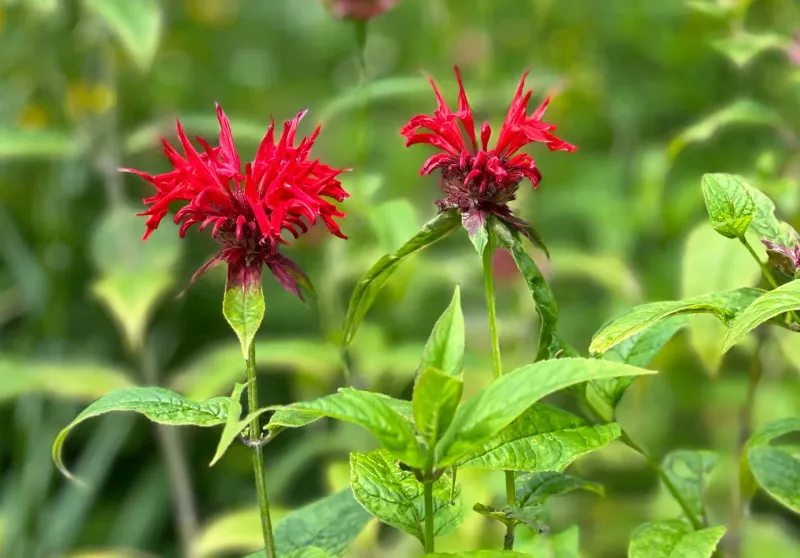
Bee balm is one of those plants that starts out charming and then slowly takes over everything around it. In Pennsylvania gardens, the warm summers and moist soil give bee balm exactly what it needs to spread fast.
It moves through underground runners called rhizomes, quietly pushing outward while you are not paying attention.
Before long, what started as a small clump can become a wide, tangled mass that crowds out your other perennials. You might also notice that the center of the plant starts looking weak or bare over time. That is a clear sign it is ready to be divided.
The best time to divide bee balm in Pennsylvania is in early spring, just as new growth begins to appear. Dig up the entire clump with a garden fork and pull it apart into smaller sections. Each section should have healthy roots and a few strong shoots.
Replant the outer sections, which tend to be the most vigorous, and compost the tired center growth. Water the new divisions well and keep the soil moist for the first couple of weeks.
Bee balm that gets divided every two to three years tends to bloom much more fully and resist powdery mildew better than crowded plants.
Pollinators like bees, butterflies, and hummingbirds love bee balm, so keeping it healthy benefits your whole garden. Regular dividing keeps the plant looking full, fresh, and ready to put on a great show each summer.
2. Daylily
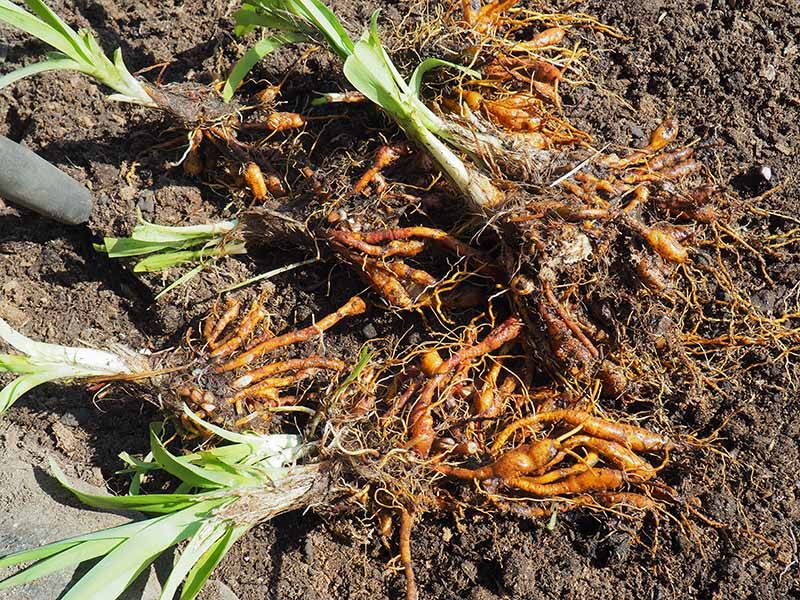
Few perennials are as beloved in Pennsylvania as the daylily. They come in hundreds of colors, they are tough as nails, and they come back year after year without much fuss.
But here is the thing most gardeners learn the hard way: daylilies multiply fast, and a crowded clump stops blooming the way it should.
When daylilies get too packed together, they compete for water, nutrients, and sunlight. The flowers get smaller, fewer, and sometimes stop appearing altogether. The foliage might still look lush, but the blooms you planted them for begin to disappear.
Your Pennsylvania Garden Changes Every Week. Your Plan Should Too.
Gardening in Pennsylvania changes quickly throughout the season. Every Friday you’ll receive a simple weekly plan showing exactly what to plant, prune, fertilize, harvest, and protect so you never miss the right timing.
Dividing daylilies every three to four years keeps them performing at their best. In Pennsylvania, late summer or early fall is a great time to divide them, right after they finish blooming. You can also divide them in early spring before the leaves get too tall.
Use a sharp spade to slice through the clump and lift sections out of the ground. Each division should have a good set of roots and a fan of leaves.
Trim the foliage back by about half to reduce stress on the plant while it settles into its new spot.
Daylilies are incredibly forgiving and will bounce back quickly after dividing. You will end up with extra plants that can fill bare spots elsewhere in your yard or share with neighbors.
Keeping them divided means bigger blooms, healthier plants, and a garden that looks intentional rather than overgrown.
3. Hosta
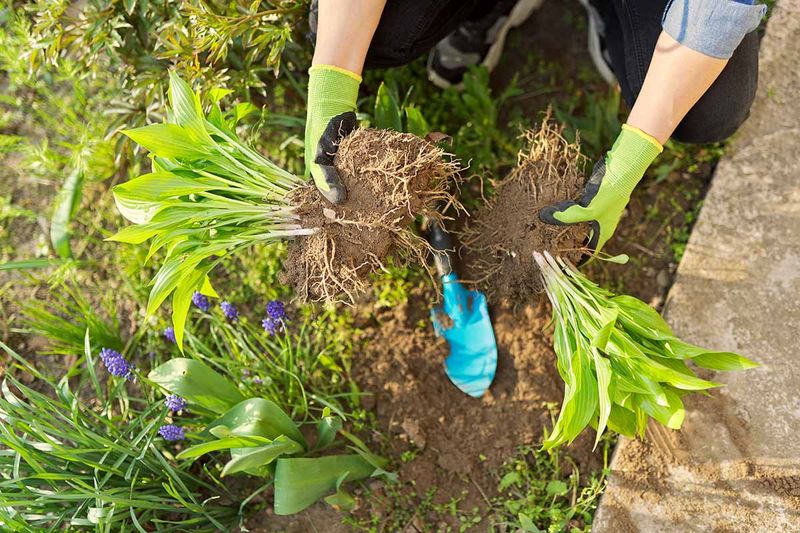
Hostas are the workhorses of shady Pennsylvania gardens. They grow in spots where most other plants struggle, they need very little attention, and they look beautiful from spring through fall.
But give them a few years and those tidy little clumps can turn into massive mounds that take over entire sections of a garden bed.
A large hosta clump does not just look overwhelming. It also starts to push against nearby plants, blocking light and stealing moisture from the soil.
Some older clumps develop a crowded, woody center that reduces the overall health and appearance of the plant.
Early spring is the best time to divide hostas in Pennsylvania, right when the tips are just poking through the soil. At that stage, the leaves have not fully unfurled yet, which makes the whole process much easier and less stressful for the plant.
You can also divide them in early fall, giving them several weeks to establish before cold weather arrives.
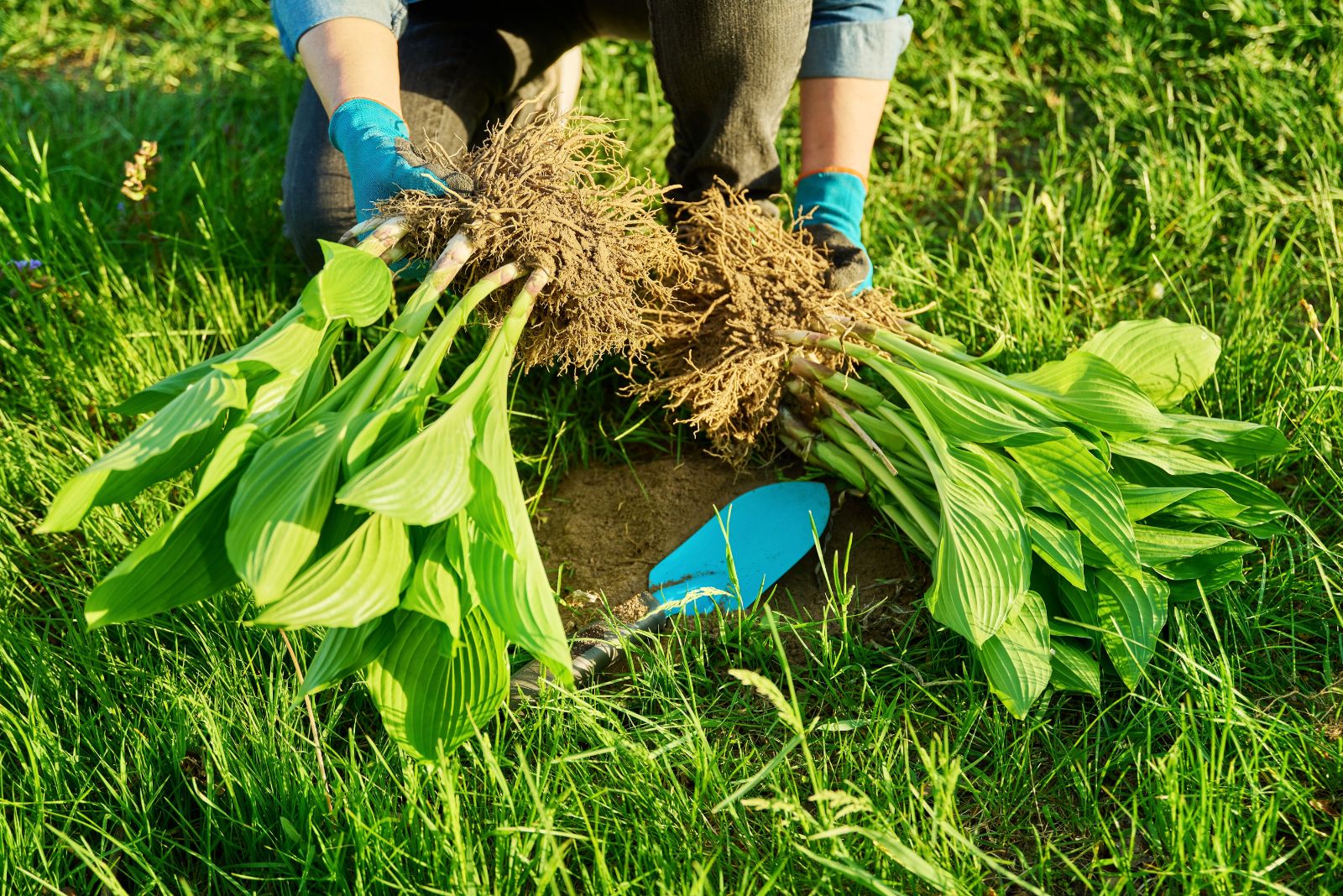
Dig around the entire clump and lift it out of the ground. Use a sharp knife or garden spade to cut through the root mass, making sure each division has several healthy growing points.
Replant the divisions at the same depth they were growing before and water them thoroughly.
One big hosta clump can yield four to six new plants, which is a great way to fill shaded areas of your Pennsylvania yard without spending extra money. Divided hostas settle in quickly and look great within a single growing season.
4. Black-Eyed Susan
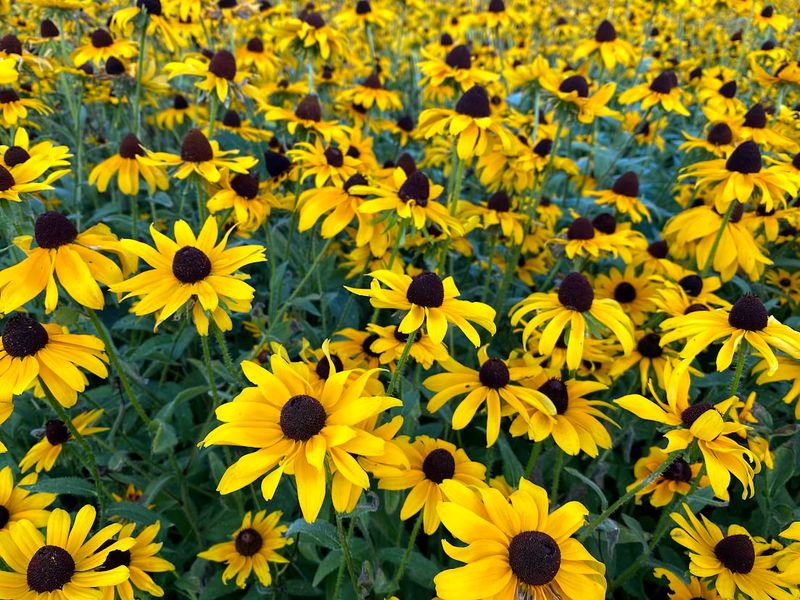
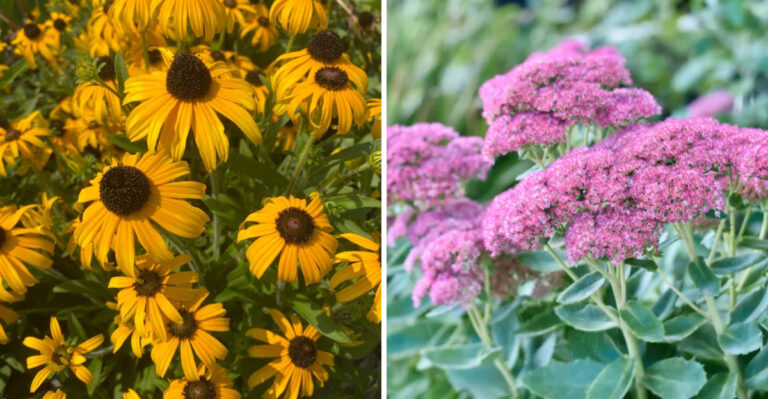
Walk through almost any sunny Pennsylvania garden in July or August and you are likely to spot Black-Eyed Susans waving their bright yellow blooms. They are cheerful, low-maintenance, and incredibly good at spreading themselves around.
In fact, that last quality is exactly why you need to keep an eye on them. Black-Eyed Susans spread in two ways. They self-seed heavily, dropping dozens of seeds that sprout up all over the bed.
They also form expanding clumps that get wider and denser each year. Before long, what started as a few plants can become a thick mass that squeezes out everything around it.
Dividing them every two to three years helps keep things manageable. Spring is the ideal time in Pennsylvania, just as new rosettes of leaves appear at the base of the plant.
Dig up the clump, pull it apart into smaller sections, and replant the healthiest pieces with good spacing between them.
Deadheading spent flowers before they go to seed is another great way to slow the spread. But if you enjoy seeing them naturalize across a meadow-style garden, let a few go to seed intentionally and divide the clumps to control the overall size.
Black-Eyed Susans are native to Pennsylvania and provide incredible value for pollinators, especially native bees and butterflies.
Keeping them divided and thinned out means each plant gets more resources, which results in stronger stems, more flowers, and a tidier, more vibrant garden bed all season long.
5. Yarrow
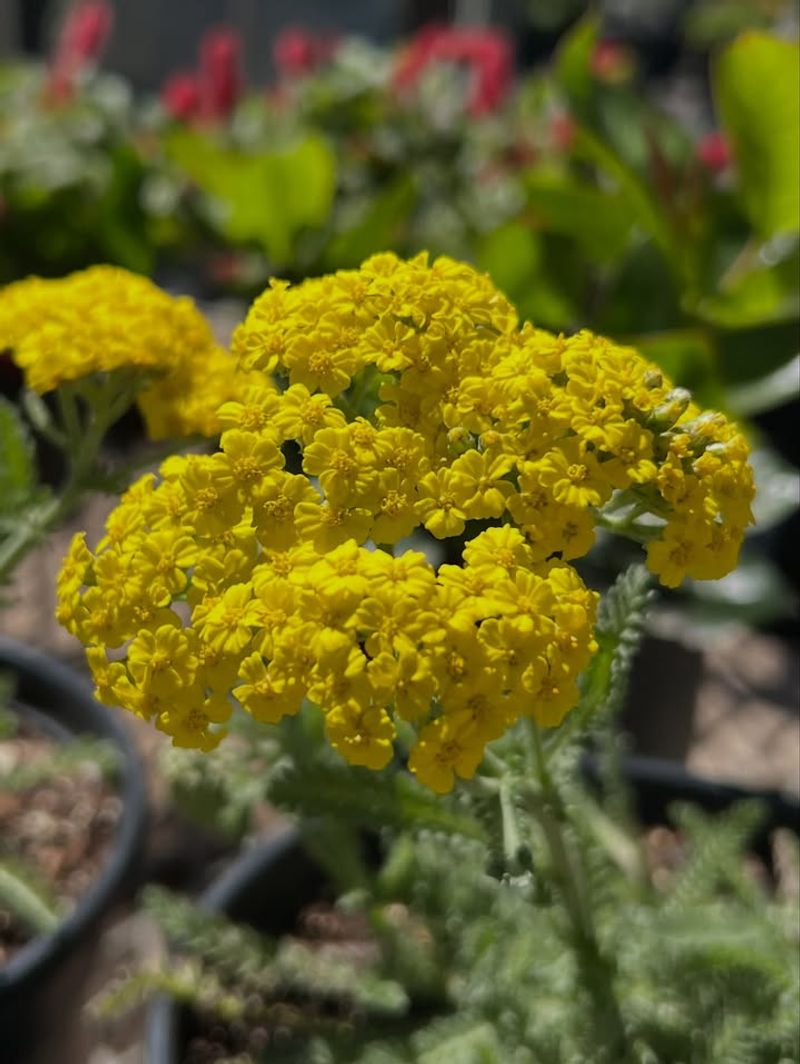
Yarrow has been growing in fields and gardens for centuries, and it is easy to see why gardeners keep planting it.
The feathery foliage is beautiful, the flat-topped flower clusters come in shades of yellow, white, pink, and red, and it handles dry conditions like a champ. Pennsylvania summers can get hot and dry, and yarrow keeps blooming right through it all.
The catch is that yarrow spreads steadily through underground rhizomes. Over time, a single plant can expand into a wide colony that edges out neighboring perennials.
The center of an old clump often becomes woody and weak, while the outer edges stay lively and green.
Dividing yarrow every two to three years keeps it looking its best. Spring is the perfect time in Pennsylvania, when the new growth is just a few inches tall and easy to work with. Dig up the clump, discard the tough woody center, and replant the fresh outer sections.
Space the new divisions at least twelve to eighteen inches apart to give each one room to grow without immediately crowding its neighbors again. Water them in well and they will establish quickly, often blooming the same season they were divided.
One fun detail about yarrow is that it has been used in herbal medicine for thousands of years. Beyond its history, it is a powerhouse for pollinators and beneficial insects in Pennsylvania gardens.
Keeping it divided ensures it stays vigorous, well-shaped, and ready to attract all the right visitors to your garden beds each summer.
6. Phlox
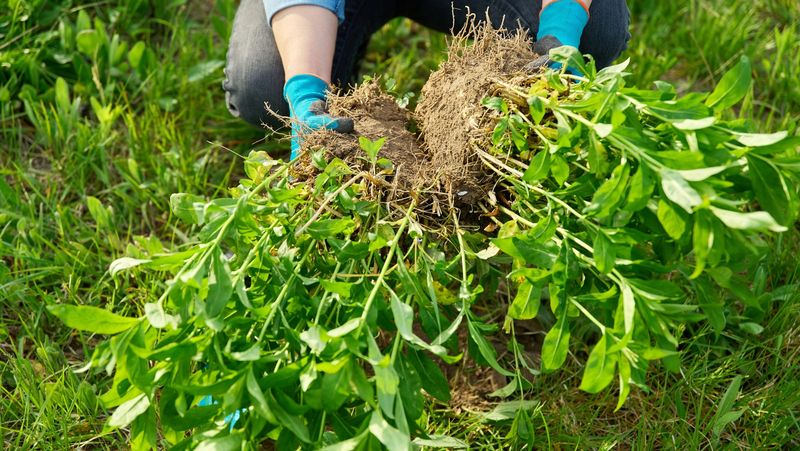
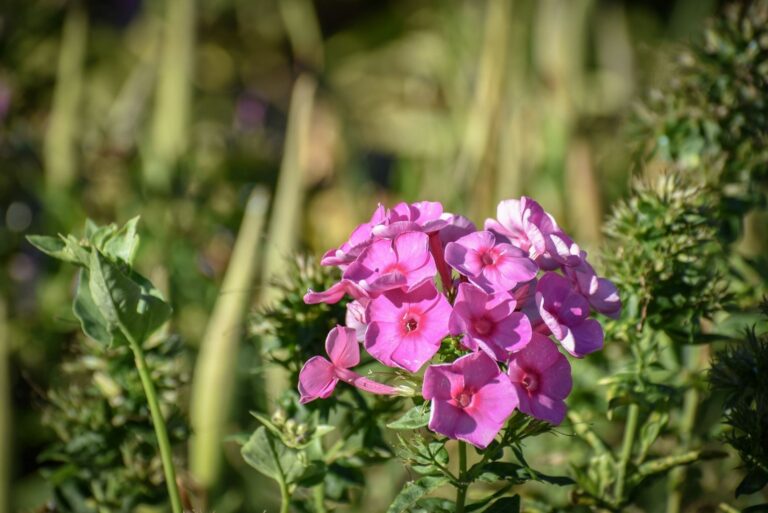
Garden phlox is one of the most fragrant and visually stunning perennials you can grow in Pennsylvania. Those big, rounded flower heads in shades of pink, purple, white, and red are hard to miss in a summer garden.
But phlox has a sneaky habit of growing thicker and denser each year, and that density creates problems.
When phlox stems are packed too tightly together, airflow around the plant drops significantly. Poor airflow is the main reason phlox is so vulnerable to powdery mildew, a fungal issue that leaves the leaves looking chalky and gray.
Once mildew sets in, it can spread to other plants nearby and ruin the look of your whole bed.
Dividing garden phlox every two to three years is one of the best ways to fight back against mildew and keep the plant blooming strongly.
In Pennsylvania, early spring is the ideal time, just as the new shoots emerge from the ground. Dig up the clump and split it into sections with four to six healthy stems each.
Replant the divisions with plenty of space between them, at least eighteen inches apart, to encourage good air circulation from the start.
Remove any sections that look diseased or weak before replanting. Water the new divisions consistently for the first few weeks while they settle in.
Phlox that gets divided regularly tends to produce more flowers and stay healthier throughout the season. Pennsylvania gardeners who make dividing phlox a routine habit are rewarded with lush, fragrant blooms and much less mildew trouble year after year.
7. Shasta Daisy
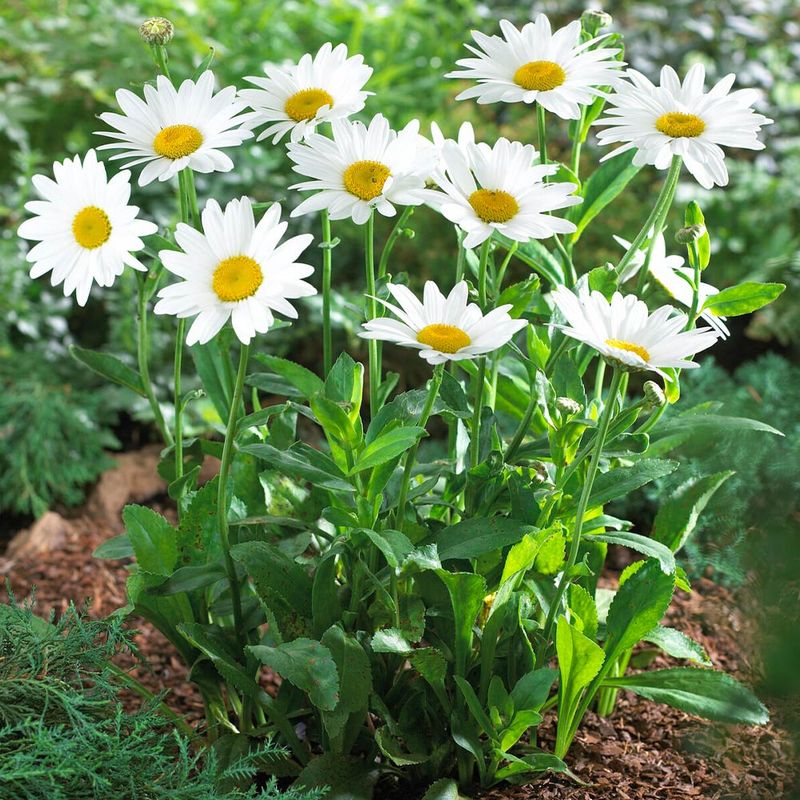
There is something wonderfully classic about Shasta daisies. Those crisp white petals surrounding a sunny yellow center have been a staple in Pennsylvania gardens for generations.
They are easy to grow, they bloom generously in early summer, and they look gorgeous in both garden beds and cut flower arrangements.
After a few seasons, though, Shasta daisies start to show their age. The clumps get crowded, the center of the plant thins out or stops blooming, and the whole thing can start to look patchy and tired.
This is not a sign that something is wrong. It is just the natural growth habit of this particular perennial.
Dividing Shasta daisies every two to three years resets the clock and brings back that full, floriferous look. Spring is the best time to divide them in Pennsylvania, while the plants are still small and easy to handle.
Dig up the entire clump and use a sharp tool to separate it into sections, each with healthy roots and several shoots.
Toss out the center portions, which are usually the weakest, and replant the outer sections where the growth is most vigorous. Space divisions about twelve to fifteen inches apart so each one has room to fill out without immediately bumping into its neighbors.
After dividing, keep the soil evenly moist until the plants are established. Shasta daisies that get divided regularly reward Pennsylvania gardeners with fuller clumps, more blooms per stem, and a tidier, more polished look in the garden bed from early summer all the way through fall.