What Texas Hibiscus Need In May To Keep Blooming Through September
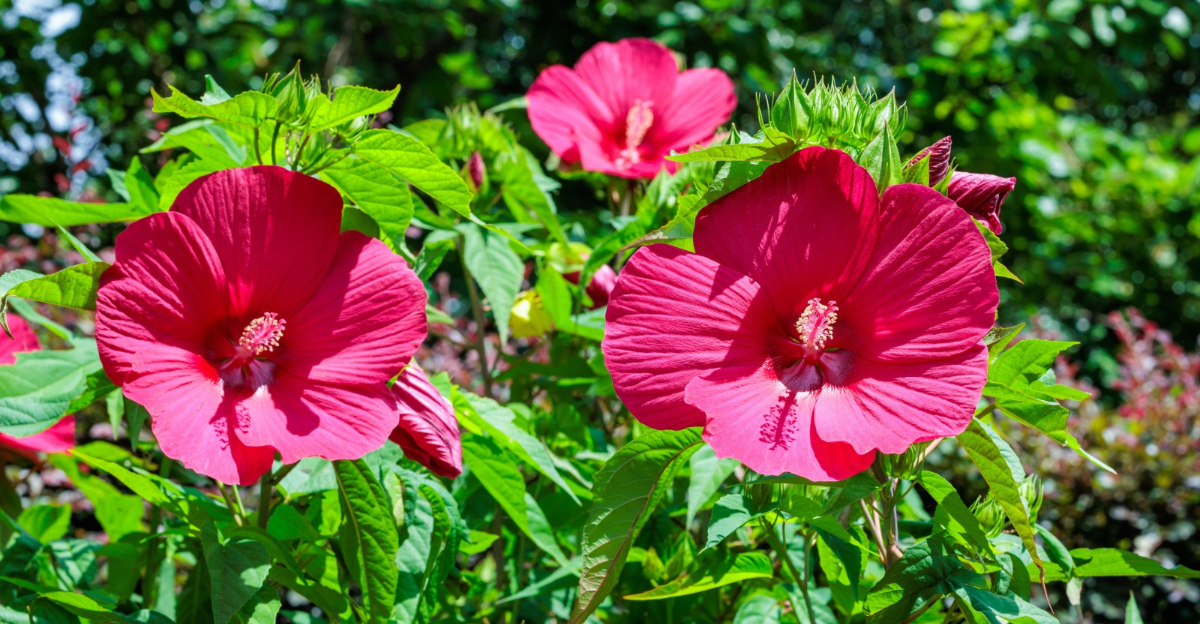
May is when hibiscus in Texas really start to shine. The days get longer, the sun gets stronger, and those big tropical blooms seem ready to put on a show.
It is an exciting time, but it is also when good care starts to matter a lot more. Texas heat has a way of rewarding steady habits and exposing neglect pretty quickly.
That is why May is such a key month. Strong light, regular moisture, good drainage, smart feeding, and a little cleanup can help hibiscus head into summer with much more momentum.
There is no single trick behind months of blooms, but a solid routine started now can make a real difference.
Give your hibiscus the basics it needs in May, and you have a much better shot at enjoying bright color through the long Texas warm season.
1. Plenty Of Light
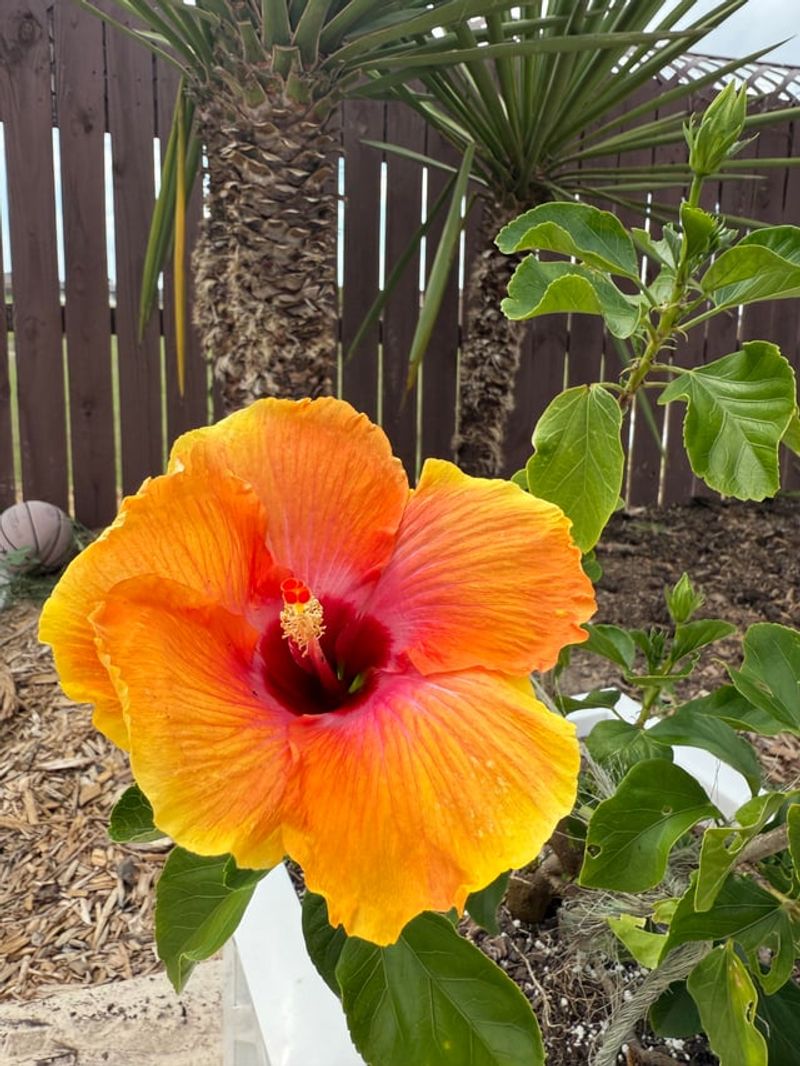
That bright morning sun hitting a patio container is one of the best signs that your hibiscus is in the right spot. Tropical hibiscus are sun-loving plants, and in Texas, they tend to bloom most freely when they receive at least six hours of direct sunlight each day.
May is a good time to double-check placement before summer heat peaks.
South-facing and west-facing spots in Texas gardens can get quite intense by July and August, but in May, those same locations often provide the warm, bright conditions that hibiscus respond to well.
Plants growing in too much shade may produce fewer blooms or show slower growth as the season builds.
Morning sun with some afternoon shade can work well for container plants on covered patios, especially in hotter parts of Texas. However, hibiscus grown in full shade rarely reach their blooming potential.
Adjusting placement in May, before the most intense heat arrives, gives the plant time to settle into its new spot and begin responding with stronger flower production.
Good light is one of the most straightforward ways to support a long, productive bloom season.
2. Consistent Water Without Soggy Soil
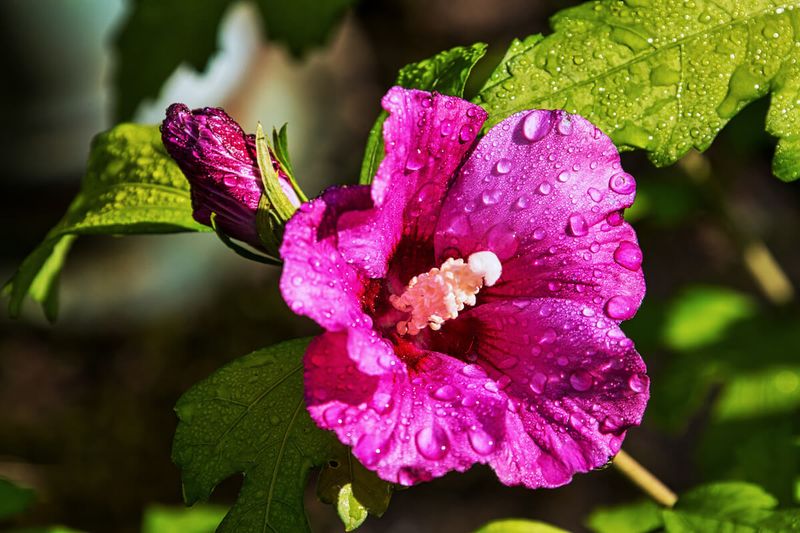
Dry soil around a hibiscus container on a Texas patio can show up faster than most gardeners expect, especially once May temperatures start climbing into the upper eighties.
Tropical hibiscus need regular moisture during active growth, and May is when water demand begins rising steadily in Texas gardens and pots.
The goal is to keep the soil evenly moist without letting it stay waterlogged. Roots sitting in soggy soil for too long can struggle to take up oxygen, which weakens the plant and may slow blooming over time.
Containers dry out more quickly than garden beds, so checking soil moisture every day or two in May is a reasonable habit.
In garden beds, watering deeply a few times per week is often more effective than light daily sprinkles, because deep watering encourages roots to grow downward where soil stays cooler.
Overhead watering early in the morning gives foliage time to dry before evening, which can help reduce disease issues.
Consistent moisture through May helps hibiscus build the kind of strong root system that supports steady flowering well into September across Texas landscapes.
Your Texas Garden Changes Every Week. Your Plan Should Too.
Gardening in Texas changes quickly throughout the season. Every Friday you’ll receive a simple weekly plan showing exactly what to plant, prune, fertilize, harvest, and protect so you never miss the right timing.
3. Well-Drained, Organic-Rich Soil
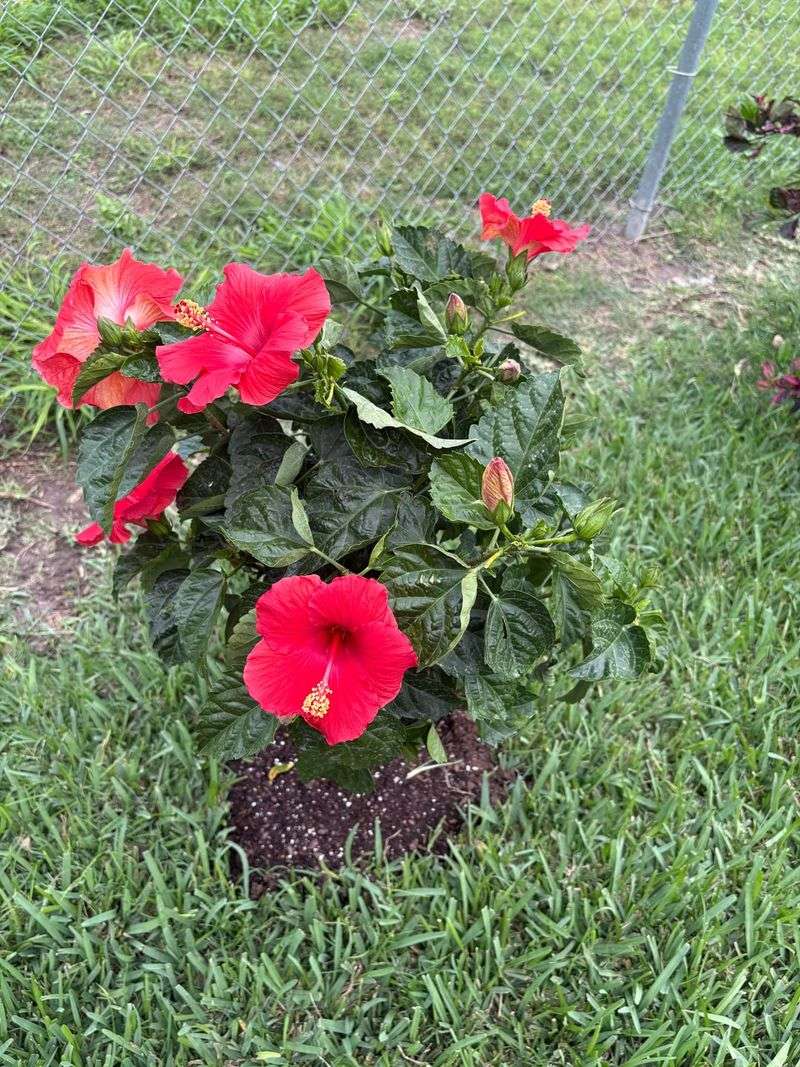
Hibiscus roots are surprisingly sensitive to soil conditions, and getting the mix right in May can make a noticeable difference through the rest of the growing season. Tropical hibiscus prefer soil that drains well while still holding enough moisture to support steady growth.
Heavy clay soils common in parts of Texas can hold too much water and may need amendment to work well for hibiscus.
Adding organic matter such as compost to garden beds improves both drainage and moisture retention, which sounds like a contradiction but actually describes well-balanced soil structure.
For container plants, a high-quality potting mix designed for flowering tropicals tends to work better than general-purpose garden soil, which can compact in pots and restrict root development.
Checking drainage in May is practical because it gives you time to make adjustments before the heaviest watering demands of summer arrive. Containers should have drainage holes that allow excess water to escape freely after each watering.
In raised beds or amended garden spots, loose, organically enriched soil gives hibiscus roots room to expand and access the nutrients they need to push out consistent blooms from spring through the long Texas warm season.
4. A Potassium-Forward Fertilizer Program
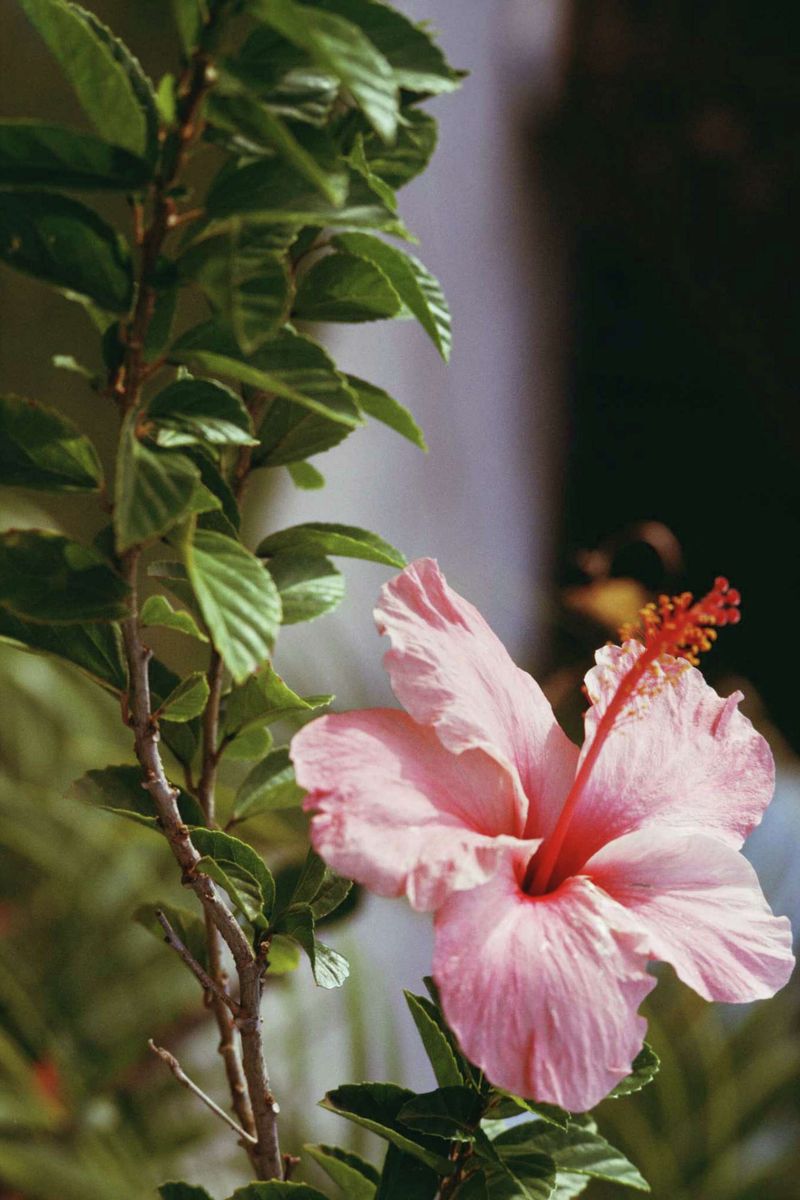
Fertilizer labels can feel confusing at first, but for hibiscus, the third number on any fertilizer bag is the one worth paying attention to. That number represents potassium, and potassium plays a meaningful role in flower development and overall plant health.
Hibiscus grown in Texas gardens often respond well to fertilizers where potassium is relatively high compared to nitrogen.
Too much nitrogen can push lots of leafy green growth while actually reducing flower production, which is the opposite of what most gardeners want.
A fertilizer with a balanced or potassium-leaning ratio, such as something in the range of 10-4-12 or similar formulations designed for flowering tropicals, tends to support better blooming.
May is a smart time to start a consistent fertilizer program because the plant is actively growing and can use those nutrients productively.
Slow-release granular fertilizers applied around the base of garden plants can feed steadily over several weeks, reducing the need for constant reapplication. Liquid fertilizers work well for containers because nutrients reach roots quickly.
Regardless of the method, following label directions carefully helps avoid over-fertilizing, which can stress roots, especially during the warmest stretches of the Texas summer.
5. Light Feeding During Active Growth
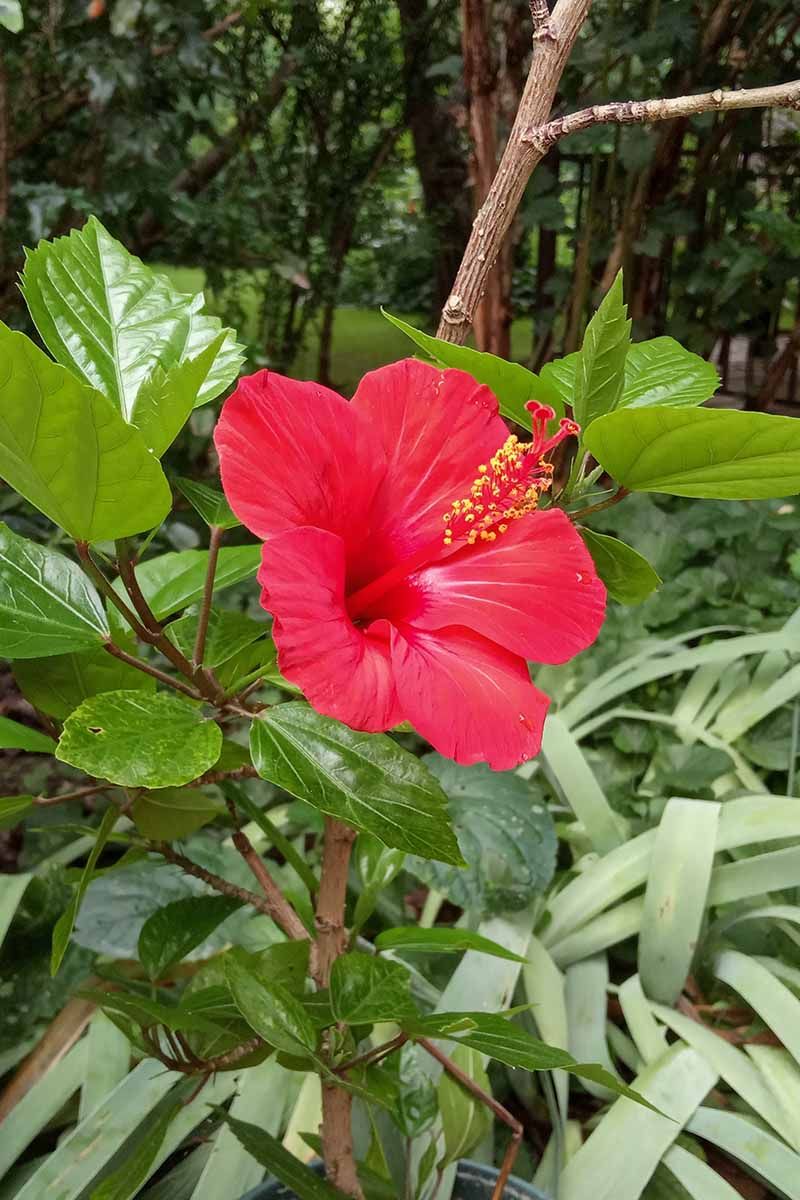
Once hibiscus plants enter their active growing phase in May, they benefit from a steady, moderate feeding routine rather than heavy doses applied all at once.
Feeding lightly and consistently through the warm season tends to produce better results than trying to compensate with one large application after a period of neglect.
Container-grown hibiscus in Texas may need more frequent feeding than those in garden beds because watering washes nutrients out of potting mix over time.
A diluted liquid fertilizer applied every two to three weeks during active growth can help maintain the steady nutrient supply that supports continuous blooming.
The key word here is light, because overfeeding can lead to salt buildup in soil, which may cause leaf edge browning or root stress.
Watching the plant itself gives useful feedback. Pale or yellowing leaves on an otherwise healthy-looking hibiscus can sometimes suggest nutrient deficiency, while dark, lush growth with few flowers might point to too much nitrogen.
Adjusting the feeding program based on what you observe through May and June helps dial in an approach that works for your specific plants, soil type, and Texas growing conditions.
Consistent, thoughtful feeding is one of the more reliable ways to encourage steady summer bloom production.
6. Mulch To Slow Moisture Loss
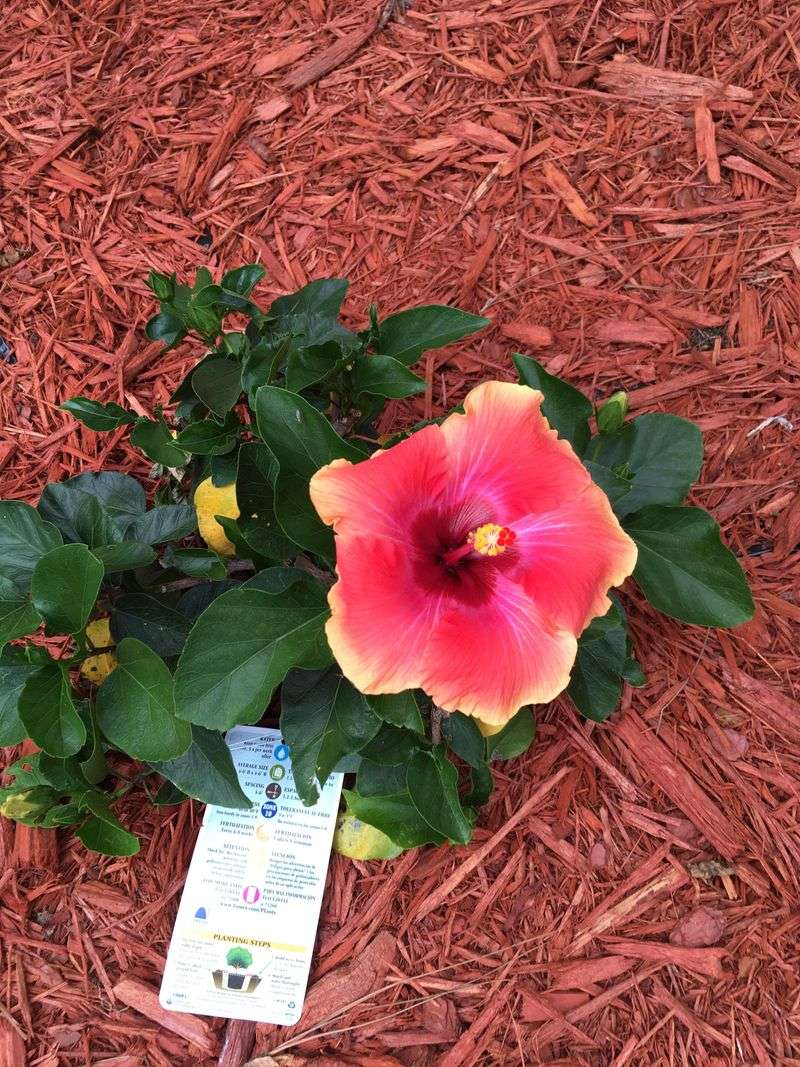
Spreading a ring of mulch around hibiscus plants in May is one of those small tasks that pays off all summer long.
In Texas, where soil can dry out surprisingly fast once temperatures rise, mulch acts as a barrier that slows evaporation and helps roots stay cooler even during the hottest stretches of the season.
A two-to-three-inch layer of shredded bark, wood chips, or leaf mulch placed around the base of hibiscus plants works well for garden beds.
Keeping mulch a few inches away from the main stem helps prevent moisture from sitting directly against it, which can sometimes cause problems near the crown of the plant.
Beyond moisture retention, mulch also gradually breaks down and adds organic matter to the soil, which improves texture over time.
In Texas gardens where soil can be sandy, heavy with clay, or low in organic content, that slow improvement adds up meaningfully across a growing season.
Container-grown hibiscus on patios can benefit from a thin layer of mulch on top of the potting mix as well, though drainage should remain unobstructed.
Applying mulch in May, before peak summer heat, gives it time to settle and begin doing its job effectively.
7. Only Light Pruning Or Cleanup In The Warm Season
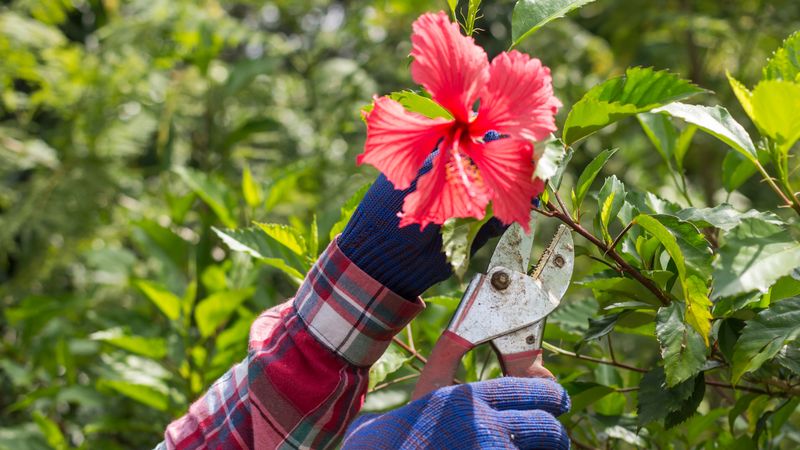
Reaching for the pruning shears in May is tempting, especially if a hibiscus looks a little leggy or uneven after spring growth.
However, heavy pruning during the warm season can interrupt the blooming cycle by forcing the plant to spend energy regrowing branches instead of producing flowers.
In Texas, where the warm season stretches long, cutting back too aggressively in late spring can mean waiting weeks for flowering to resume.
Light cleanup is a different matter. Removing a few crossed or damaged branches, trimming back one or two excessively long stems, or tidying up the overall shape without removing large portions of the plant are all reasonable in May.
The goal is to maintain a manageable form without significantly reducing the leaf area the plant depends on for energy production.
Tropical hibiscus tend to bloom on new growth, so some light trimming can actually encourage fresh branching and more bloom sites over time. The emphasis should be on light rather than dramatic reshaping.
Saving heavier pruning for late winter or very early spring, before active growth resumes, tends to cause less disruption to the bloom cycle.
Keeping the shears light in May helps Texas hibiscus stay in continuous flowering mode through the long warm season ahead.
8. Removal Of Spent Leaves And Old Blooms
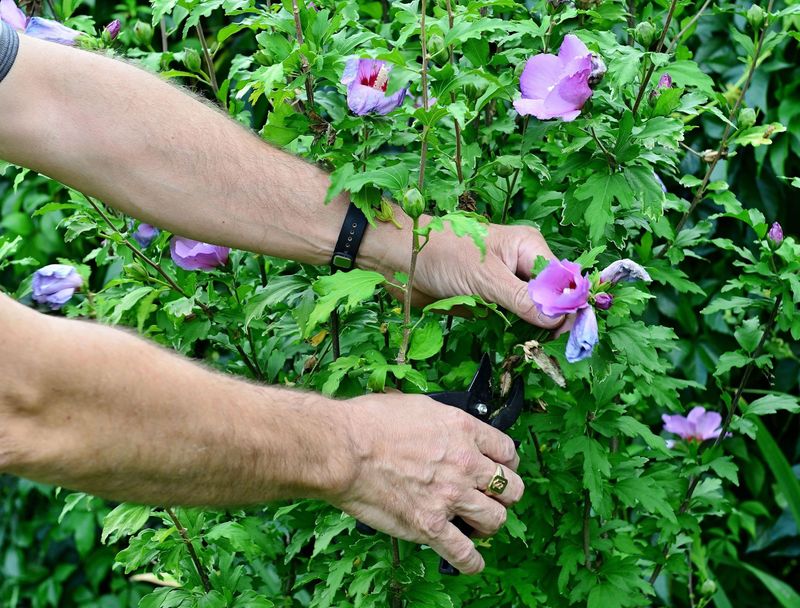
Faded hibiscus flowers left on the plant can make a garden look untidy, but more practically, removing old blooms and yellowing leaves helps the plant focus its energy on producing new flowers rather than processing spent ones.
In Texas, where hibiscus can bloom repeatedly through a long warm season, regular deadheading and light leaf cleanup in May sets a productive rhythm for the months ahead.
Hibiscus blooms typically last only one to two days before fading, which means spent flower removal can become a near-daily task during peak bloom periods. Gently pinching or snipping off faded flowers at the base of the stem is usually sufficient.
Removing yellowing or damaged leaves at the same time keeps the plant looking healthy and reduces spots where pests or disease might take hold.
This kind of routine maintenance does not require much time, but doing it consistently through May and into summer helps keep plants tidy and productive.
Gardeners who make a habit of walking through their patio or garden beds every few days to remove old blooms and worn foliage often find their hibiscus look better and bloom more reliably.
Small, regular efforts like this add up across the long Texas growing season in a genuinely meaningful way.