7 Smart Ways Arizona Gardeners Grow Bigger Strawberries
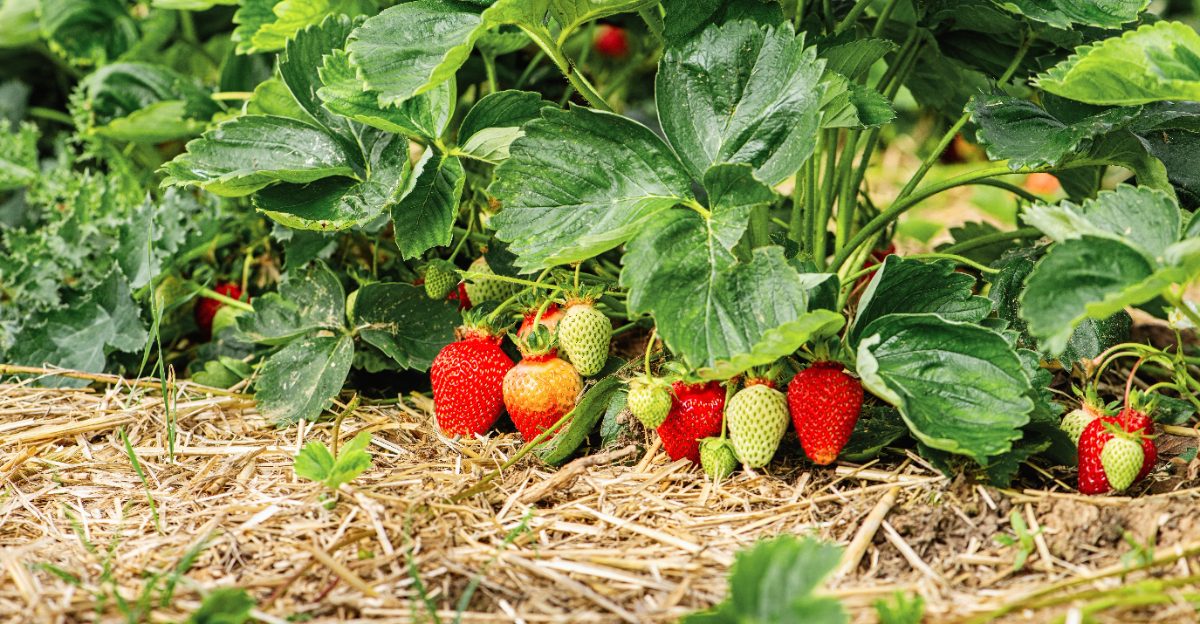
Strawberries can grow surprisingly well in Arizona, though the plants usually need a completely different approach once the weather starts heating up.
Fresh green leaves and tiny white flowers may look promising at first, then the fruit suddenly stays small, dries too fast, or stops developing the way people expected.
Containers warm up quickly here, backyard soil behaves differently from one area to another, and strawberries react fast when conditions stop feeling balanced.
One plant can stay full of healthy fruit while another a few feet away struggles for no obvious reason. Big strawberries in Arizona usually come down to a handful of small growing habits that make a much bigger difference than people realize early on.
1. Morning Sun Helps Strawberries Handle Intense Afternoon Heat
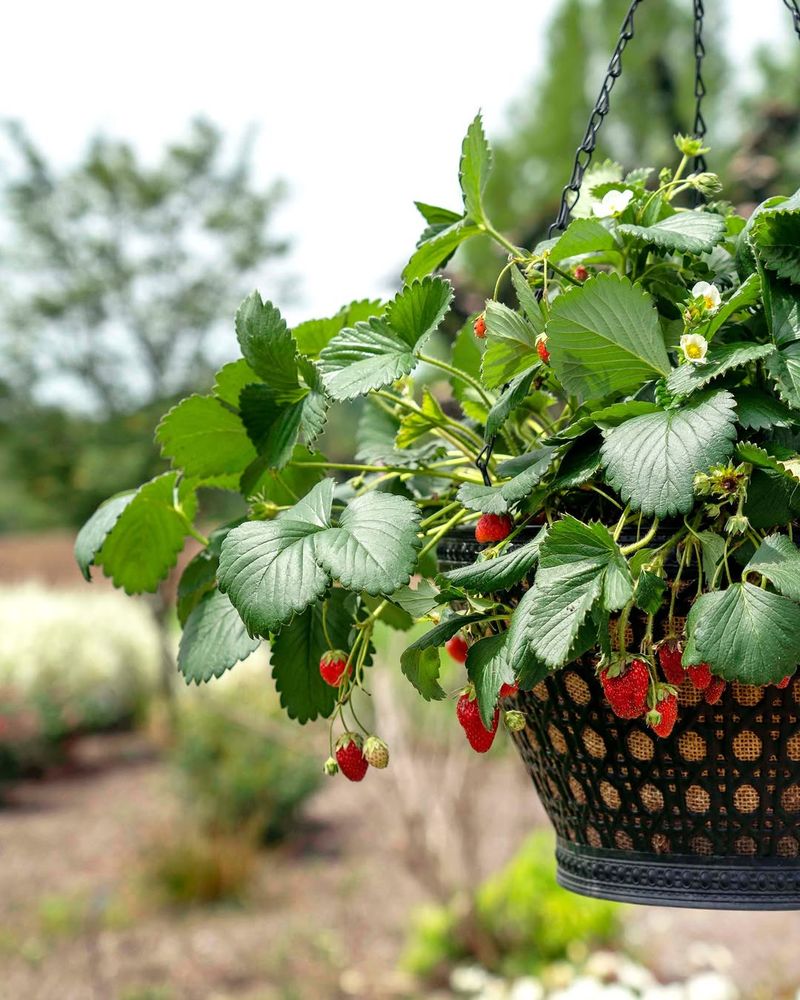
Sunlight placement is one of the most underrated decisions an Arizona gardener can make. Strawberry plants need at least six hours of direct sun each day, but in Arizona, not all sunlight hours are created equal.
Morning sun is gentle, productive, and gives plants the energy they need without scorching leaves or stressing roots.
Afternoon sun in Arizona during summer can push temperatures well past 100 degrees Fahrenheit. That kind of heat does real damage to strawberry blossoms and developing fruit.
Berries exposed to harsh afternoon rays often turn mushy, lose sweetness, and shrink before they fully ripen.
Positioning your garden bed so plants get sun from roughly 7 a.m. to 1 p.m. makes a noticeable difference in fruit size and plant health. East-facing beds or spots shaded by a wall, fence, or tree on the western side work really well for this purpose.
You don’t need a perfectly designed landscape to pull it off.
Even container gardeners in Arizona can use this trick by simply moving pots into shadier spots after noon. Strawberry plants are surprisingly adaptable when you work with their natural preferences instead of against them.
Smaller adjustments in sun exposure often lead to bigger, better-tasting fruit by the end of the growing season.
Paying attention to where and when sunlight hits your garden beds costs nothing but a few minutes of observation. Gardeners across Arizona who make this simple shift often report fewer burned leaves and noticeably larger harvests compared to previous seasons.
2. Mulch Keeps Strawberry Roots Cooler During Hot Weather
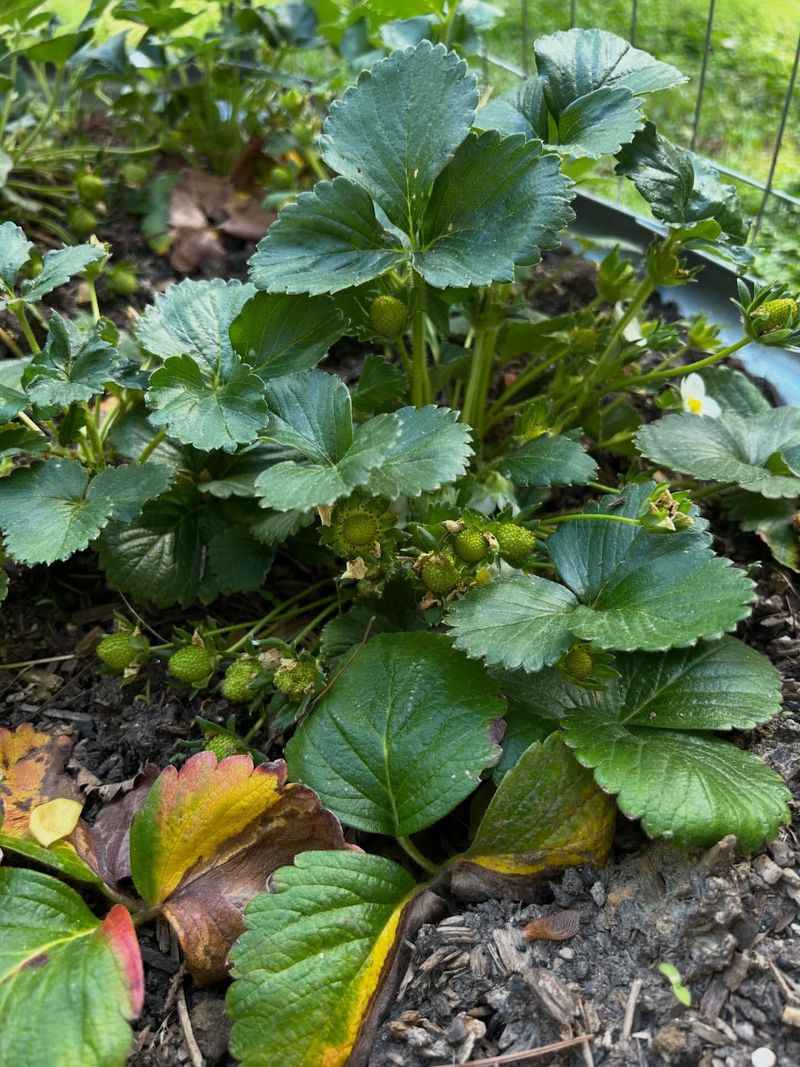
Root temperature matters more than most people realize when growing strawberries in the desert. Soil in Arizona can reach scorching temperatures just a few inches below the surface during summer, and strawberry roots are not built to survive that kind of heat.
Mulch acts like a protective blanket that keeps soil cooler and moisture from evaporating too quickly.
Straw mulch is a popular choice among Arizona gardeners because it’s lightweight, affordable, and easy to spread. A layer about two to three inches thick around each plant creates enough insulation to make a real difference in root health.
Some gardeners prefer shredded wood chips or even coconut coir, both of which work well in dry desert conditions.
Your Arizona Garden Changes Every Week. Your Plan Should Too.
Gardening in Arizona changes quickly throughout the season. Every Friday you’ll receive a simple weekly plan showing exactly what to plant, prune, fertilize, harvest, and protect so you never miss the right timing.
Beyond cooling the soil, mulch also suppresses weeds that compete with strawberry plants for water and nutrients. Fewer weeds mean less work for you and more resources going directly to fruit production.
In a region where every drop of water counts, that benefit alone makes mulching worth the effort.
Pulling mulch slightly away from the crown of each plant helps prevent rot, especially during humid monsoon months in southern Arizona. Keeping mulch a half-inch or so away from the stem gives the plant room to breathe while still protecting the surrounding soil.
Getting that balance right takes a little practice but pays off quickly.
Arizona gardeners who mulch consistently tend to water less frequently while still producing larger, juicier strawberries. Cooler roots stay healthier longer, and healthier roots support bigger fruit growth throughout the season.
3. Deep Watering Encourages Stronger Root Growth In Dry Soil
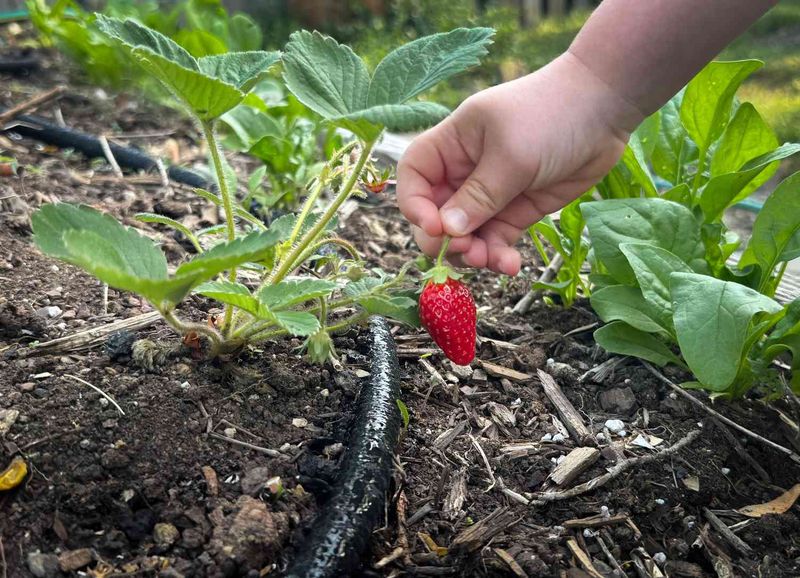
Shallow watering is one of the most common mistakes gardeners make in Arizona, and strawberries pay a high price for it. When only the top inch or two of soil gets wet, roots have no reason to grow deeper.
Shallow roots struggle to find moisture between watering sessions, which stresses plants and limits fruit size.
Deep watering means soaking the soil slowly and thoroughly so moisture reaches six to eight inches below the surface. Drip irrigation systems work especially well for this because they deliver water directly to the root zone without wasting it on the surface.
Slow, steady watering also reduces runoff, which is a real problem in Arizona’s hard, compacted desert soils.
Watering deeply two to three times per week during hot stretches is usually more effective than light daily watering. Giving the soil time to dry slightly between sessions encourages roots to reach downward in search of moisture.
Deeper roots anchor plants better and access more nutrients, both of which support larger berry production.
Early morning is the best time to water strawberries in Arizona because foliage dries quickly as temperatures rise. Wet leaves sitting in humid overnight conditions can invite fungal issues, especially during monsoon season.
Timing your watering schedule around Arizona’s climate patterns keeps plants healthier across all growing phases.
Checking soil moisture with your finger before watering helps prevent overwatering, which can be just as harmful as drought stress. Strawberry roots need oxygen as much as they need moisture, and waterlogged soil cuts off both.
Smart, deep watering builds the strong root systems that produce noticeably bigger fruit.
4. Raised Beds Improve Drainage Around Strawberry Plants
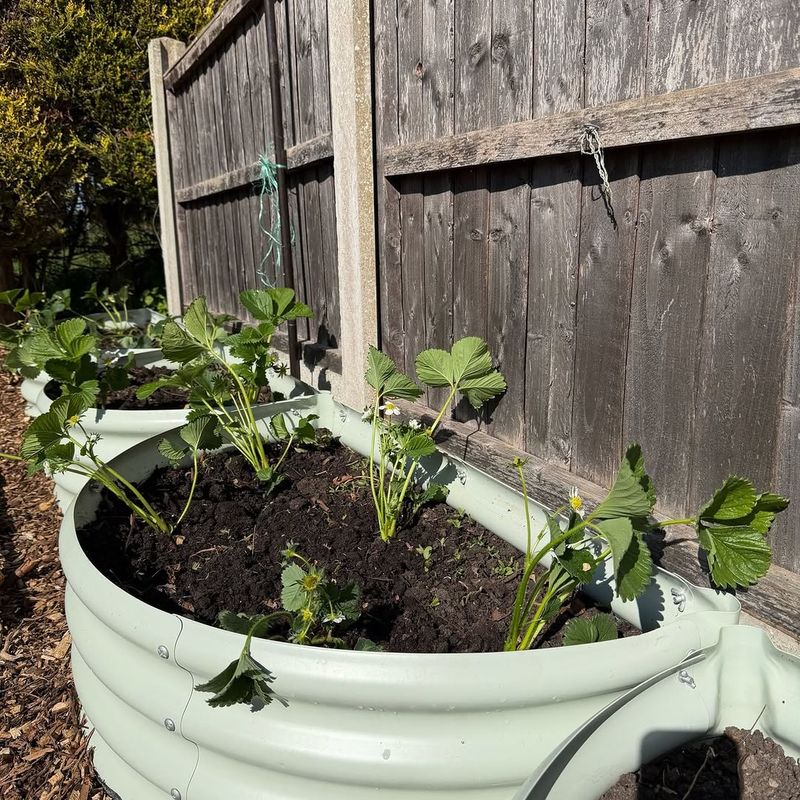
Arizona’s native soil is not exactly strawberry-friendly right out of the ground. Caliche layers, heavy clay pockets, and poor drainage are common across much of the state, and strawberry plants hate sitting in waterlogged or compacted soil.
Raised beds solve several of these problems at once without requiring major landscaping work.
Building a raised bed just eight to twelve inches high gives you complete control over soil quality from the start. Filling it with a mix of quality compost, aged manure, and sandy loam creates the loose, well-draining environment strawberries genuinely thrive in.
That kind of custom soil mix is nearly impossible to achieve by amending existing Arizona ground soil alone.
Drainage improves dramatically when roots are elevated above the native soil profile. Water moves through the bed more freely, reducing the risk of root rot during Arizona’s monsoon season when sudden heavy rains can saturate the ground quickly.
Plants stay healthier longer, which directly supports fruit size and yield.
Raised beds also warm up faster in early spring, which gives Arizona gardeners a head start on the growing season. Strawberries planted in February or early March in a raised bed often establish faster than those planted directly in the ground.
Getting a strong early start means more time for plants to mature and produce fruit before summer heat peaks.
Spacing plants about twelve inches apart in a raised bed allows for good airflow between plants. Crowded strawberries compete for nutrients and develop more disease issues.
Giving each plant its own space in a well-drained raised bed consistently produces bigger, better-quality fruit across Arizona gardens.
5. Removing Early Runners Helps Plants Focus On Fruit Growth
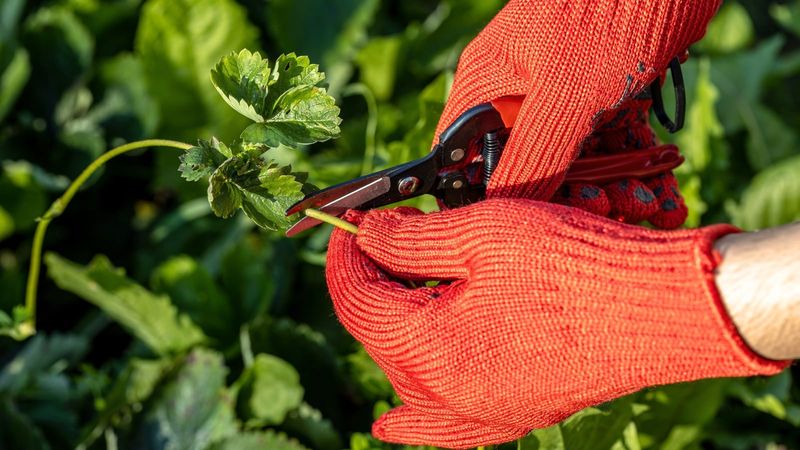
Strawberry plants are generous, sometimes too generous. Early in the season, plants send out long horizontal stems called runners that want to root and create new plants.
Each runner pulls energy away from the main plant, and in Arizona’s already demanding climate, that energy split can noticeably reduce fruit size.
Pinching off runners as soon as they appear during the first growing season keeps the plant focused on what you actually want: big, sweet strawberries. It feels counterintuitive at first because you’re essentially removing growth, but the payoff shows up clearly at harvest time.
Plants that aren’t managing runners tend to produce fruit that’s visibly larger and more flavorful.
Using clean, sharp scissors or garden snips makes the job quick and reduces the risk of introducing disease through torn plant tissue. Cutting as close to the base of the runner as possible without damaging the crown keeps the main plant tidy and strong.
Arizona’s dry climate means wounds heal quickly, so plants recover fast after pruning.
After the main harvest season winds down, you can allow a few runners to root if you want to expand your strawberry patch for the following year. Letting two or three healthy runners establish new plants gives you free propagation without spending money on new starts.
Just be selective about which runners you keep so plant quality stays high.
Gardeners in Arizona who stay on top of runner removal throughout the season consistently report larger individual berries at harvest.
A little attention each week during the growing season keeps plants productive and focused on delivering the best possible fruit.
6. Shade Cloth Can Protect Berries During Extreme Heat
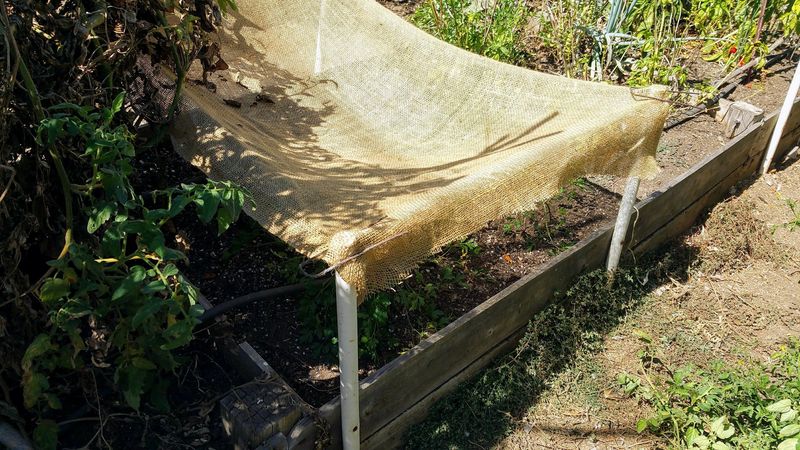
When Arizona temperatures climb above 95 degrees Fahrenheit, strawberry plants start to struggle in ways that are hard to reverse. Blossoms drop before setting fruit, developing berries soften and lose flavor, and overall plant stress increases rapidly.
A simple shade cloth can interrupt that cycle and keep production going longer into the warm season.
A 30 to 40 percent shade cloth blocks enough intense sunlight to lower the temperature around plants by several degrees without cutting off the light they still need for photosynthesis.
Full shade is too much and actually slows fruit development, so finding that middle range is important.
Most garden supply stores and online retailers carry shade cloth in rolls that are easy to cut and drape over simple wire frames or PVC hoops.
Setting up a shade structure takes an afternoon and doesn’t require any special skills or expensive tools. Wire hoops pushed into the soil at either end of a garden bed support the cloth without putting pressure directly on the plants.
Leaving the sides open allows airflow, which helps prevent the humid, stagnant conditions that can promote fungal growth during Arizona’s monsoon season.
Shade cloth is especially valuable during Arizona’s shoulder seasons in late April and May when heat arrives before strawberry plants finish producing. Extending harvest by even two or three additional weeks can significantly increase total fruit yield for the season.
Some gardeners in cooler Arizona elevations like Flagstaff find they need shade cloth less often, while those in the low desert near Phoenix rely on it heavily.
Removing the cloth during cooler morning hours and replacing it before afternoon peak heat gives plants the best of both conditions. Consistent use during heat spikes protects berry quality and keeps plants productive longer.
7. Regular Feeding Supports Larger Strawberry Production
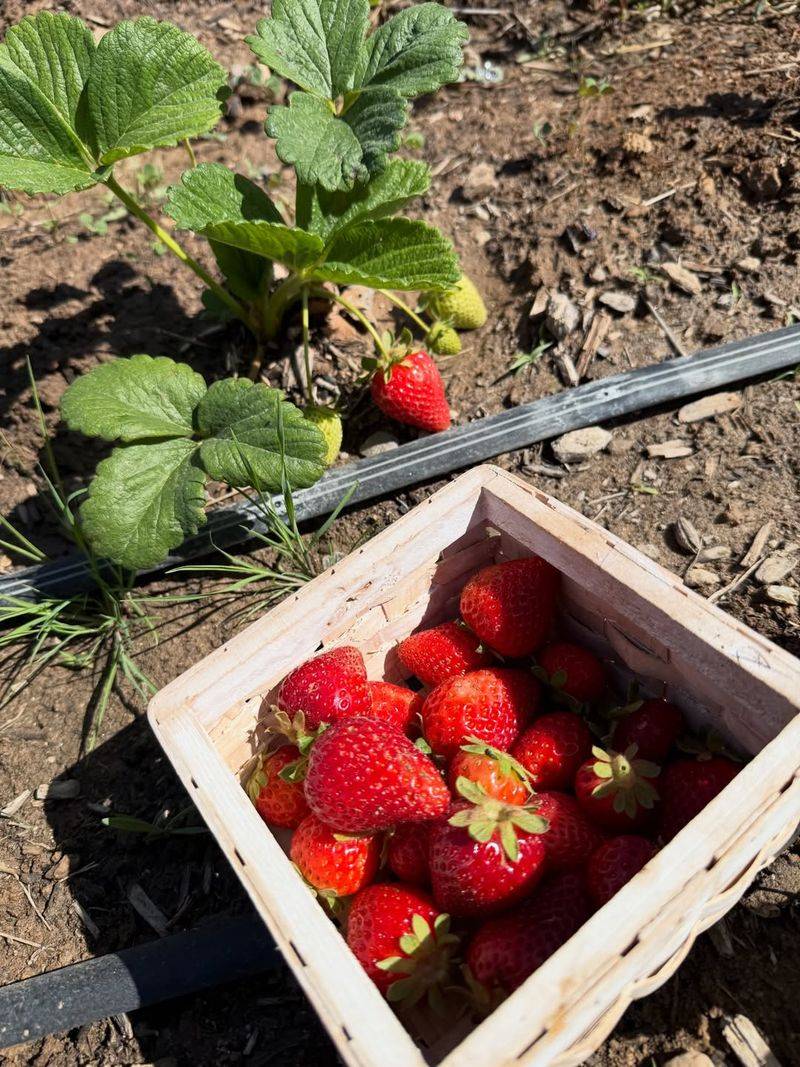
Hungry plants produce small fruit, and in Arizona’s sandy or caliche-heavy soils, nutrients leach out or simply aren’t present in useful amounts to begin with.
Strawberries are moderate feeders that respond noticeably to consistent fertilization throughout the growing season.
Getting the feeding schedule right makes a measurable difference in berry size and sweetness.
A balanced fertilizer with roughly equal parts nitrogen, phosphorus, and potassium works well for establishing young plants early in the season.
Once plants begin flowering, shifting to a formula with slightly less nitrogen and more phosphorus encourages stronger root development and better fruit set.
Too much nitrogen late in the season pushes leafy growth at the expense of fruit, which is a common mistake.
Liquid fertilizers applied every two to three weeks during active growth absorb quickly and show results faster than slow-release granular options.
That said, granular slow-release fertilizers spread around the base of plants at the start of the season provide a steady background level of nutrition without requiring as much attention.
Many Arizona gardeners combine both approaches for consistent results.
Compost is one of the best soil amendments you can use in Arizona because it improves both nutrition and soil structure at the same time. Working a few inches of quality compost into raised beds before planting gives strawberries a strong nutritional foundation to build on.
Topping beds with fresh compost midseason acts as a light, natural fertilizer boost that won’t burn roots even in the heat.
Watching plant leaves for signs of nutrient deficiency, like yellowing or pale coloring between veins, helps you catch problems before they affect fruit size.
Catching deficiencies early and correcting them quickly keeps Arizona strawberry plants on track for their biggest possible harvest.