7 Georgia Perennials You Should Divide Before May Ends And 3 You Shouldn’t Divide At All
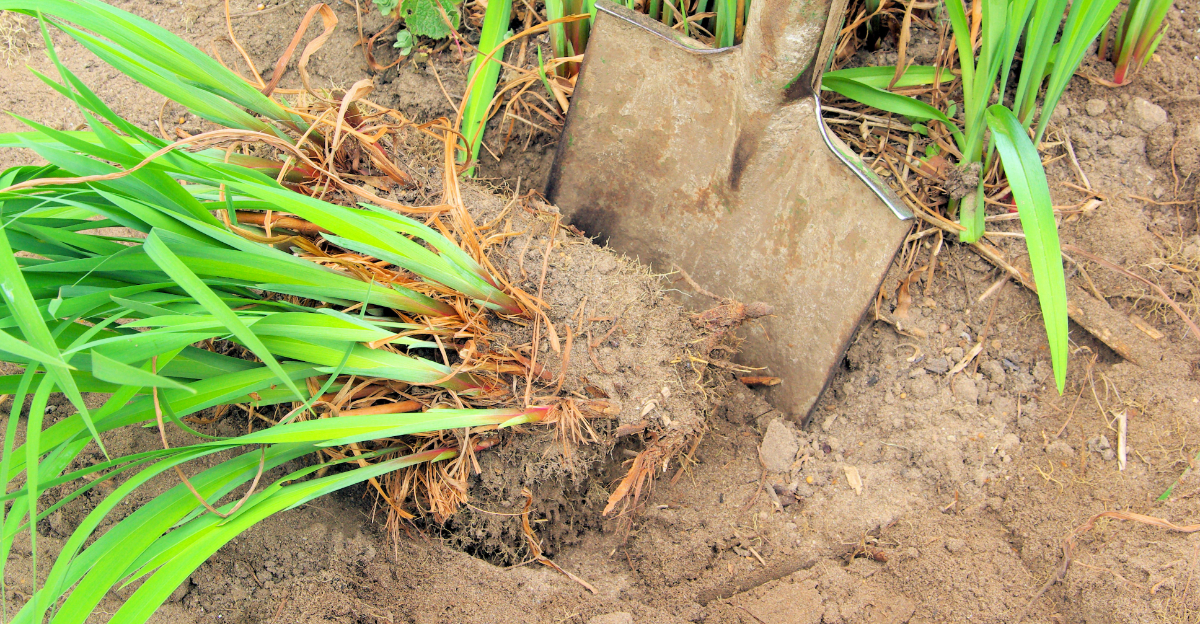
Georgia gardens start looking crowded fast once May rolls around. One clump suddenly takes over half the flower bed, another barely blooms anymore, and digging around in the heat feels less appealing by the day.
Timing matters more than people think with dividing perennials here, especially before summer humidity settles in for good. A few plants bounce back quickly and reward the effort almost immediately.
Others turn into a stressed mess if they get disturbed now, even when they look perfectly healthy on the surface. That is where plenty of gardeners get frustrated because the signs are easy to miss until the damage is already done.
A quick split at the right time can completely change how a plant performs through summer, but pushing the wrong one too late into May usually ends with regret.
1. Daylilies Usually Recover Quickly From Late Spring Division
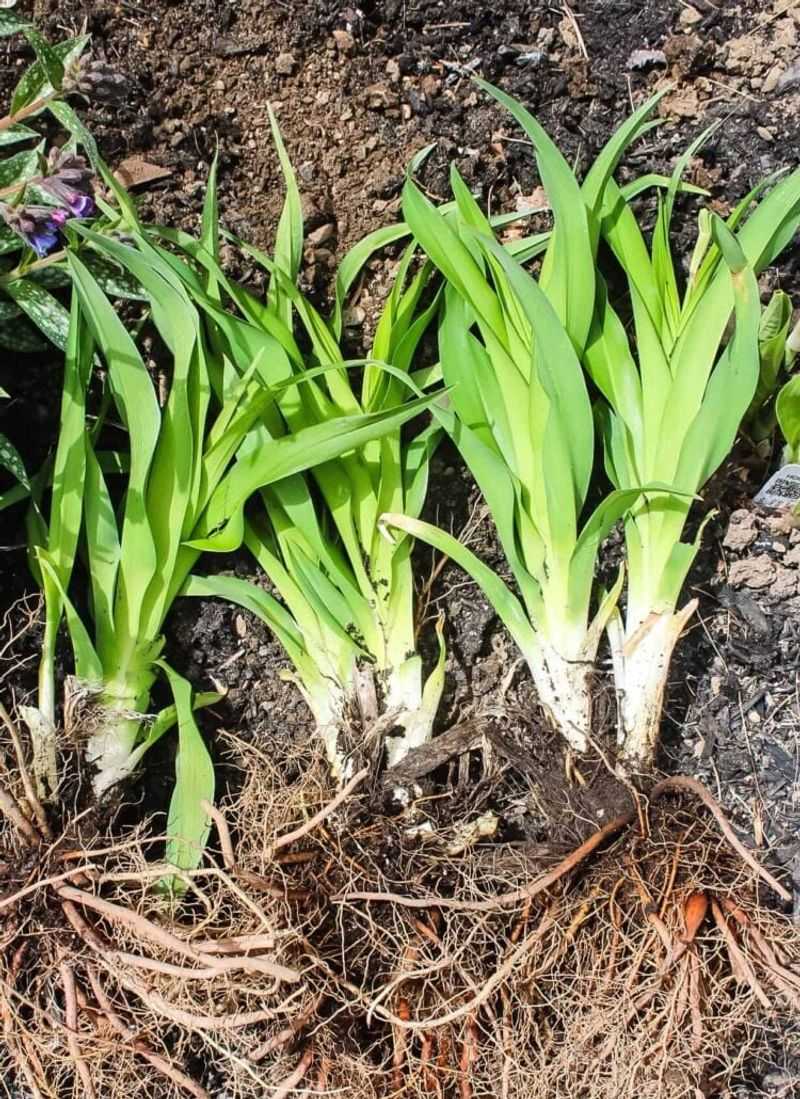
Daylilies are one of the most forgiving perennials you can grow in Georgia, and late spring division is something they handle surprisingly well.
If your clumps have been sitting in the same spot for three or more years, chances are they’ve gotten crowded enough to reduce blooming.
Splitting them before the end of May gives the divisions time to settle in before summer heat takes over.
When you dig up a clump, you’ll notice the individual fans pull apart fairly easily. Replant divisions at the same depth they were growing, water them in well, and they’ll usually start pushing new growth within a couple of weeks.
Keeping each division to at least three or four fans gives them enough energy to bloom the same season.
Georgia summers can be tough on freshly divided plants, so mulching around new divisions helps hold soil moisture and keeps roots cooler. Daylilies planted in full sun with decent drainage rarely complain after division.
Most Georgia gardeners find they can divide daylilies in spring and still get a solid bloom show that same summer, which is a pretty good deal for a few hours of garden work.
2. Bee Balm Benefits From Division Before Summer Heat Builds
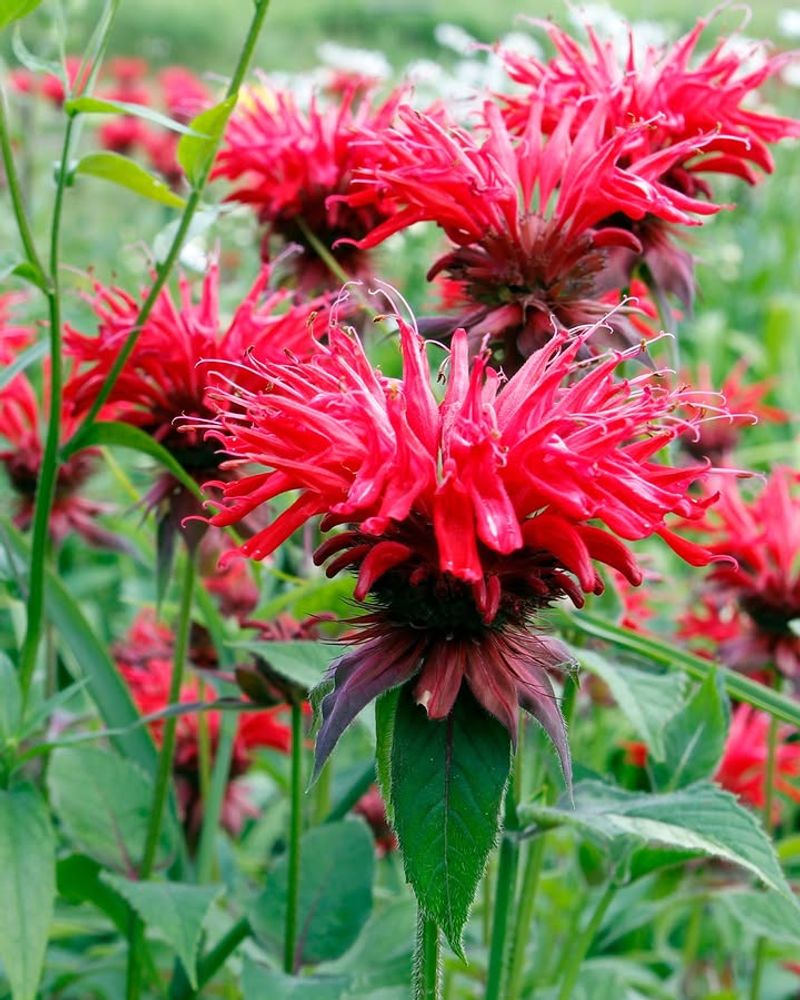
Bee balm has a habit that catches Georgia gardeners off guard: it spreads aggressively from the center outward, and the middle of an old clump often looks ragged and hollow while the outer edges stay lush.
Dividing it before late May is one of the best things you can do to reset its vigor and improve airflow, which actually helps reduce the powdery mildew issues that are common in Georgia’s humid summers.
Cut the clump apart with a sharp spade, keeping the healthy outer sections and discarding the woody center. Replant divisions in a spot with good air circulation and at least six hours of sun.
Spacing them out gives each division room to breathe, which matters a lot once Georgia’s sticky summer humidity arrives.
Freshly divided bee balm will likely skip blooming for part of the first season, but the tradeoff is worth it. Plants that get divided regularly tend to stay more compact and produce better flower clusters than overcrowded ones.
Your Georgia Garden Changes Every Week. Your Plan Should Too.
Gardening in Georgia changes quickly throughout the season. Every Friday you’ll receive a simple weekly plan showing exactly what to plant, prune, fertilize, harvest, and protect so you never miss the right timing.
Watering consistently through the first few weeks after division keeps stress low. By midsummer, your divided plants should be filling in nicely and attracting plenty of pollinators across the Georgia garden.
3. Garden Phlox Often Performs Better After Clumps Are Split
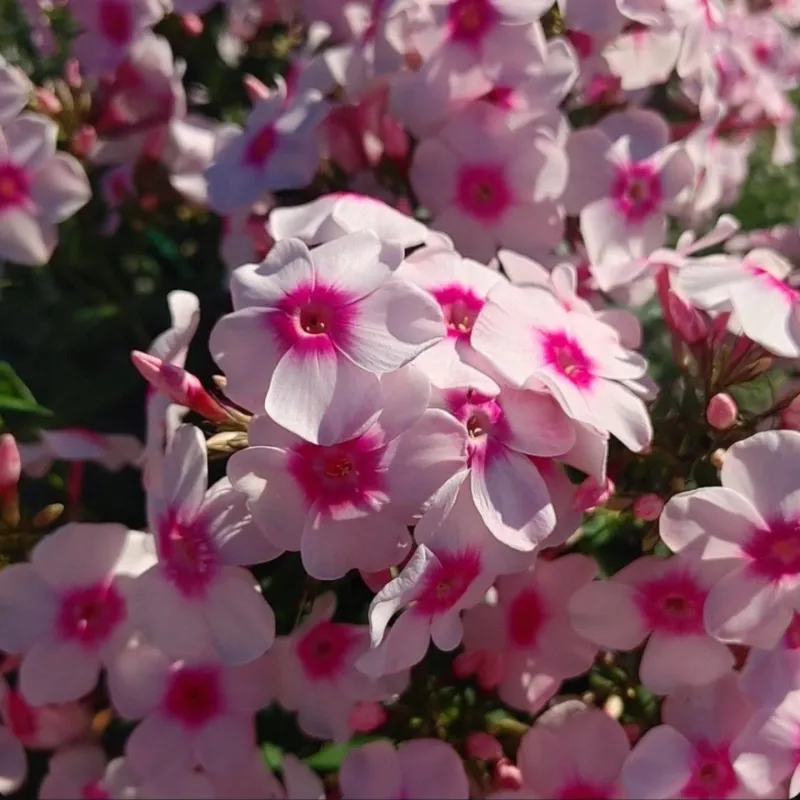
An overcrowded phlox clump is one of the most common sights in older Georgia gardens. When stems get packed too tightly together, airflow drops, moisture lingers, and powdery mildew spreads fast in the Georgia heat and humidity.
Dividing garden phlox before May ends gives each section enough room to grow upright and strong before the hottest months arrive.
Dig the entire clump and pull it apart into sections with at least four to six healthy stems each. Avoid saving sections with obvious mildew damage or weak, spindly stems.
Replant divisions in full sun with soil amended for drainage, since phlox doesn’t love sitting in wet conditions, especially during Georgia’s summer rain patterns.
Water new divisions consistently for the first two to three weeks, but don’t overdo it. Once established, garden phlox is fairly tough.
Expect some transplant adjustment during the first few weeks, but healthy divisions usually reward you with a solid flush of blooms by midsummer.
Gardeners across Georgia who divide phlox regularly report fuller, more upright plants with noticeably better bloom coverage than clumps left to crowd themselves out over multiple seasons.
A little spring effort goes a long way with this one.
4. Yarrow Can Become Overcrowded Without Occasional Division
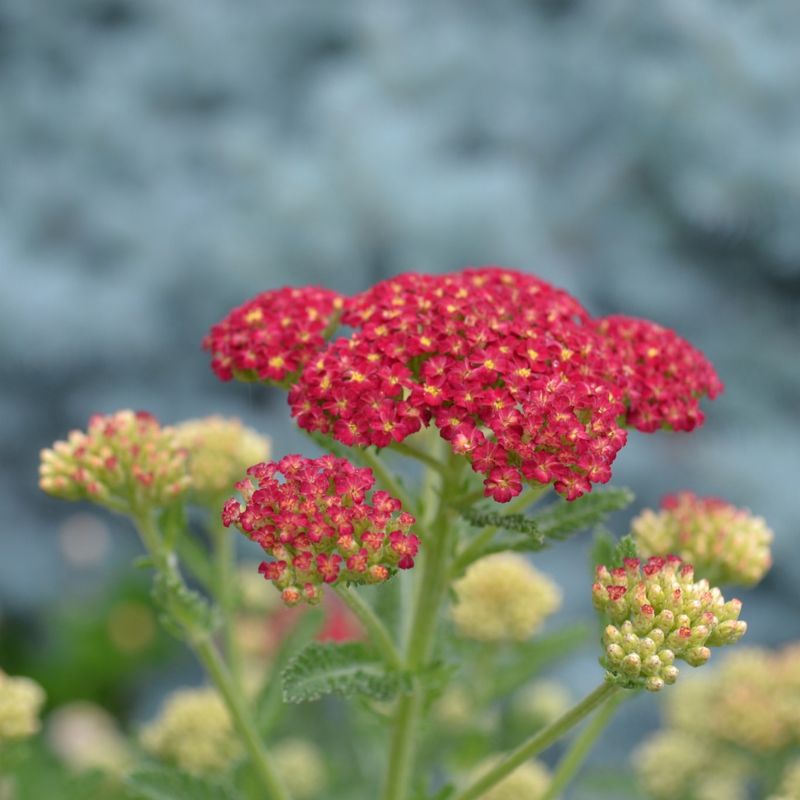
Yarrow looks tough, and honestly it is, but even tough plants hit a wall when they’ve been sitting in the same spot too long without division. Clumps that have gone four or five years without being split tend to bloom less reliably and can start to look sparse in the center.
Splitting yarrow before the end of May in Georgia gets the new divisions settled before the brutal summer heat arrives.
Pull the clump apart by hand or use a garden fork to loosen it from the soil. Yarrow roots are fibrous and fairly shallow, so division is usually straightforward.
Each division should include healthy stems with roots attached. Replant at the same depth in a sunny, well-drained spot, since yarrow genuinely struggles in soggy soil, which can be a challenge in some Georgia garden beds after heavy spring rains.
One thing worth knowing: yarrow spreads by both roots and seed, so dividing it regularly also helps keep it from taking over neighboring plants. After division, water lightly but avoid soaking the soil.
Yarrow adapts well to Georgia’s warmer climate and typically bounces back quickly. Divided plants often look fuller and more vibrant within a single growing season compared to overcrowded, undivided clumps.
5. Shasta Daisies Usually Grow Fuller After Spring Splitting
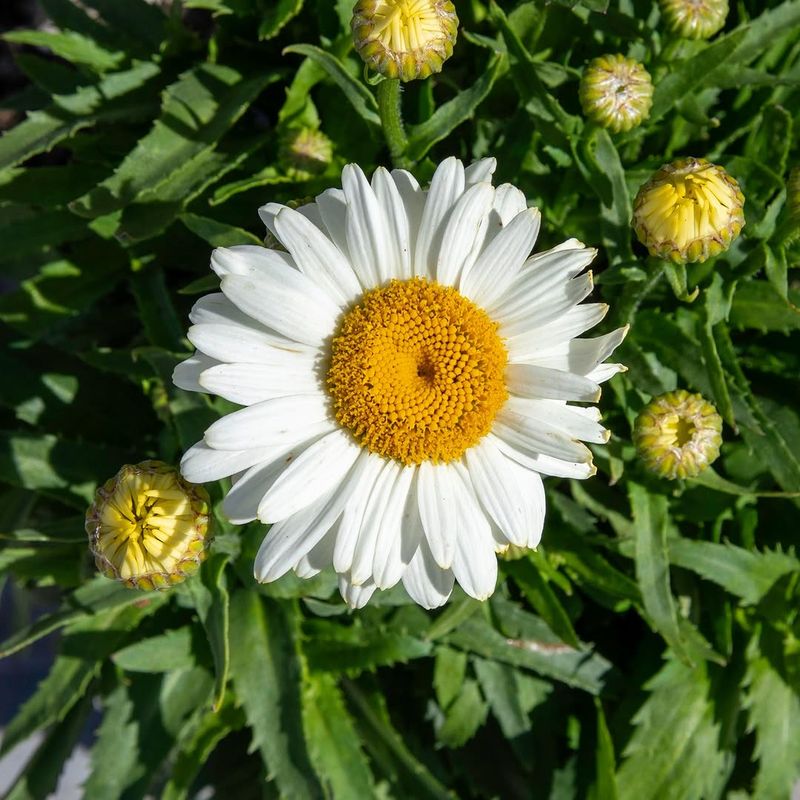
Shasta daisies are cheerful, reliable bloomers across Georgia, but they have one quirk that trips up newer gardeners: clumps that go more than two or three years without division start producing smaller flowers and fewer stems.
Splitting them in late spring, before the end of May, gives divisions enough time to root in and push a decent bloom set before summer peaks.
Dig the clump carefully and separate it into sections with a clean spade or garden knife. Aim for divisions that have several healthy crowns and a good root system attached.
Discard any mushy or hollow center sections, which are common in older Shasta clumps. Replant in full sun with well-drained soil, since wet feet are one of the quickest ways to weaken Shasta daisies in Georgia’s rainy spring season.
After replanting, water consistently for the first couple of weeks while new roots establish. Shasta daisies divided in late spring in Georgia often recover faster than expected and can produce a respectable flower show that same summer.
Gardeners who make spring division a regular habit with Shastas tend to have fuller, more productive plants year after year. It really is one of the easier spring tasks in a Georgia perennial garden.
6. Coreopsis May Produce Fewer Blooms In Crowded Clumps
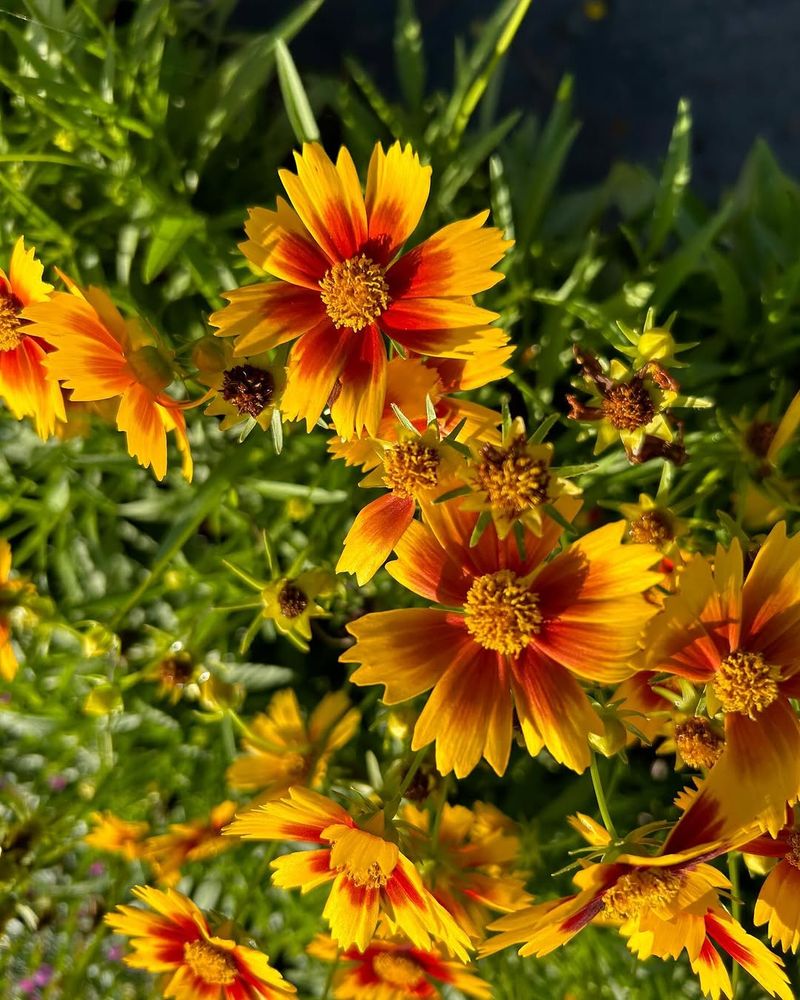
Coreopsis is one of those plants that gardeners in Georgia tend to love and then forget about, letting it grow unchecked for years. Older, crowded clumps often bloom less than younger, divided ones.
Splitting coreopsis before May ends gives the new divisions a solid head start before Georgia’s summer sun really bears down.
Lift the clump with a fork or spade and pull sections apart. Coreopsis roots aren’t especially deep, so this job usually goes quickly.
Keep divisions that have healthy green growth and a decent root mass. Avoid replanting sections that look woody or exhausted at the center, since those rarely recover well even with good care afterward.
Replant divisions in a sunny spot with good drainage. Coreopsis is drought-tolerant once established, which makes it a smart choice for Georgia gardeners dealing with dry summer stretches.
After division, water regularly for the first two weeks, then back off and let the plant adjust. Most coreopsis varieties bounce back within a few weeks and resume blooming without much fuss.
Gardeners across Georgia who divide their coreopsis every two to three years consistently report fuller, brighter bloom displays compared to plants left to crowd and compete with themselves season after season.
7. Obedient Plant Spreads Fast Without Regular Division
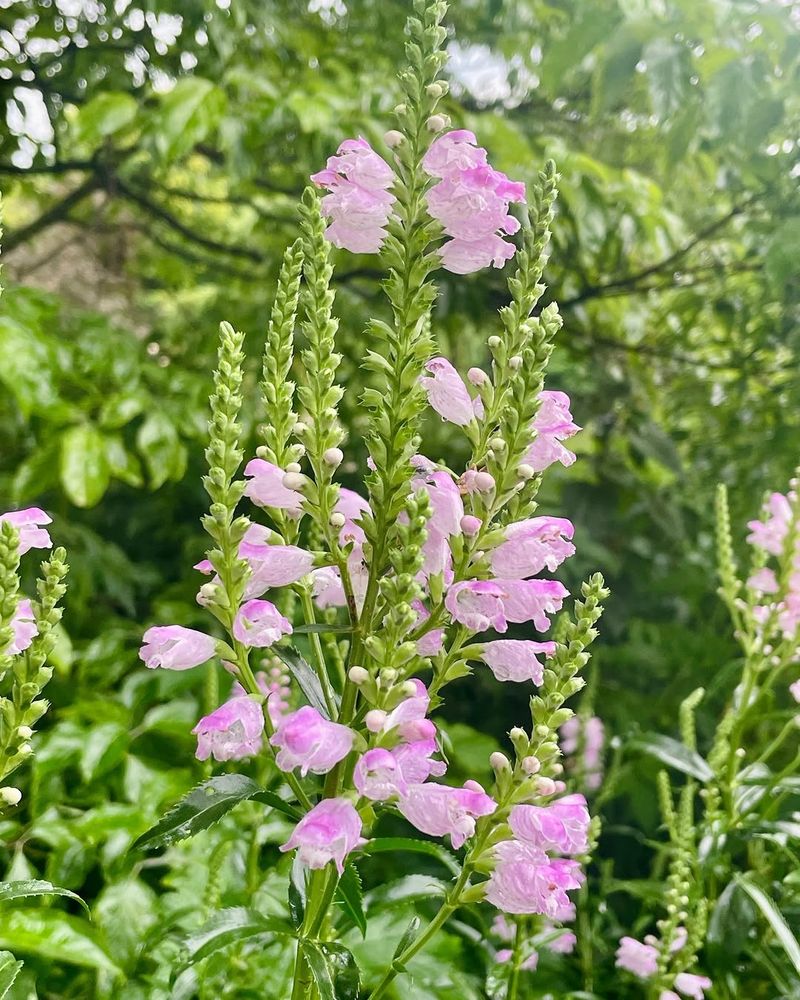
Anyone who has grown obedient plant in Georgia knows it has absolutely no interest in staying where you put it. Spreading aggressively by underground rhizomes, it can swallow up neighboring perennials within just a couple of seasons if left unchecked.
Dividing it before May ends is less about improving plant health and more about keeping your garden from being completely overtaken.
Dig up the spreading clump and pull apart sections, keeping only as many divisions as you actually want. Replant a small, contained section back in place and either pot up extras to share or compost the rest.
Cutting away runners that have crept into areas where you don’t want the plant is just as important as dividing the main clump itself.
Obedient plant grows well in full sun to part shade across Georgia and handles the summer heat reasonably well once established. Planting it in a contained bed or using root barriers can help manage its spreading habit long-term.
Despite its wandering ways, it produces lovely spikes of pink or white flowers that pollinators genuinely appreciate. Regular division every spring in Georgia keeps it looking intentional rather than like it’s staging a slow garden takeover.
Consistent management makes all the difference with this one.
8. Baptisia Often Struggles After Root Disturbance
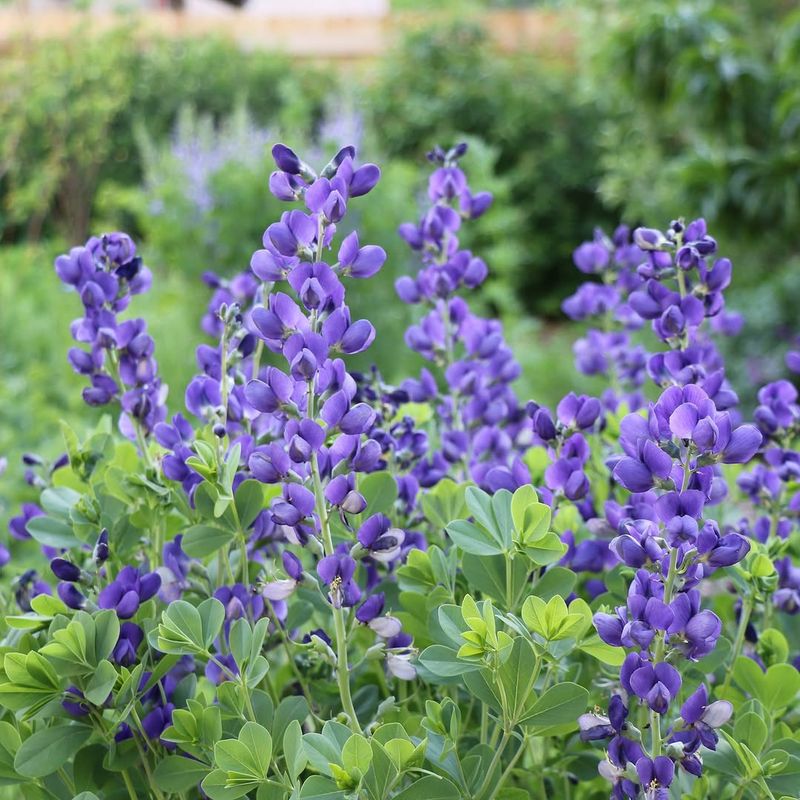
Baptisia is one of those plants that rewards patience and punishes impatience. It takes two to three years to fully establish in Georgia gardens, and once it does, it develops a deep, woody taproot system that absolutely does not appreciate being disturbed.
Dividing baptisia, especially in late spring when it’s actively growing, is a gamble that rarely pays off.
Plants that have been divided often sulk for an entire season or longer, producing weak growth and no blooms. Even carefully executed divisions can result in transplant stress that sets the plant back significantly.
Most experienced Georgia gardeners who have tried dividing baptisia report mixed to poor results and now leave their established clumps completely alone.
If you want more baptisia plants, growing them from seed or purchasing new transplants is a far better approach than attempting division. Established plants that are left undisturbed can grow into impressive, long-lived specimens that bloom reliably every spring in Georgia.
Some baptisia plants in Georgia gardens have been growing in the same spot for fifteen or twenty years without any division at all. Leaving them alone is genuinely the best advice for this perennial.
Resist the urge to dig, and your baptisia will thank you for it.
9. Butterfly Weed Has Deep Roots That Make Division Difficult
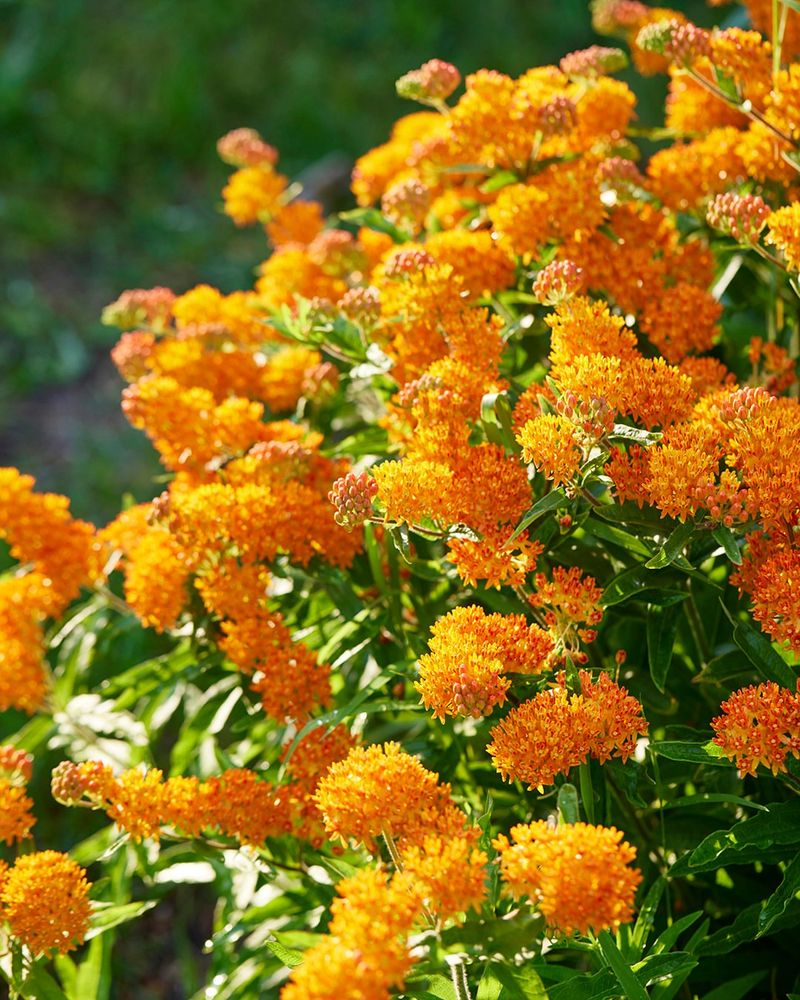
Butterfly weed is native to Georgia and incredibly valuable to monarch butterflies and other pollinators, but it comes with a root system that makes division a real challenge.
Unlike many perennials that spread out in shallow, easy-to-split clumps, butterfly weed develops a thick, fleshy taproot that goes deep and doesn’t divide cleanly.
Attempting to split it, especially in late spring when it’s pushing active growth, usually ends badly.
Even when divisions are made carefully, the taproot sections often fail to establish because the plant relies heavily on that undisturbed root mass for water and nutrient storage.
Georgia’s summer heat arrives quickly after May, and stressed divisions with damaged roots have very little time to recover before conditions get harsh.
Propagating butterfly weed from seed is the most reliable way to get new plants in Georgia. Seeds need a cold stratification period, but with a little planning, you can start them indoors and have strong transplants ready for the garden.
Established butterfly weed plants that are left alone in a sunny, well-drained Georgia garden spot tend to live for many years and bloom reliably each summer. Marking where the plant is early in spring helps, since it emerges late and is easy to accidentally disturb before you realize it’s there.
10. Peonies Usually Handle Fall Division Better Than Spring
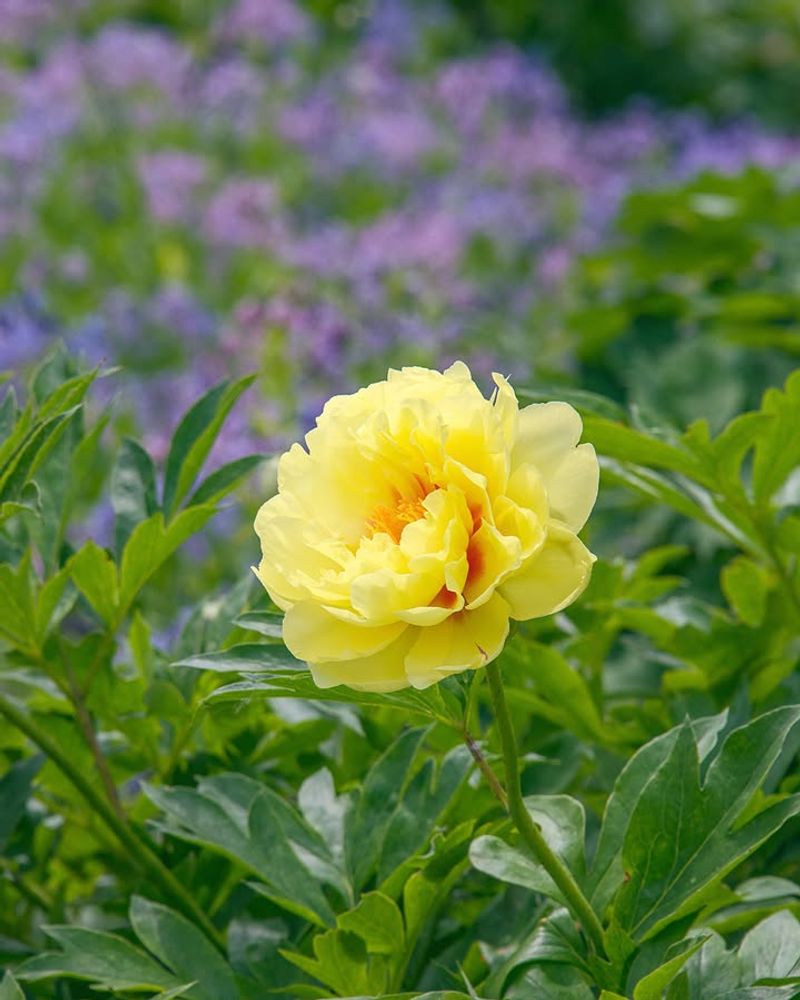
Peonies are long-lived, deeply rooted perennials that Georgia gardeners often inherit from previous homeowners, and for good reason: a well-placed peony can bloom reliably for decades.
Dividing them in late spring is one of the most common mistakes made in Georgia gardens because the plant is putting enormous energy into blooming and root development at exactly that time.
Disrupting that process almost always results in a lost bloom season.
Fall is when peonies should be divided, specifically after the foliage has started to yellow and the plant has finished storing energy in its roots for the following year.
Each division needs at least three to five eyes, which are the small pink buds visible on the root sections, to have a reasonable chance of blooming within a year or two of replanting.
Planting depth matters significantly with peonies in Georgia. Eyes should be no more than one to two inches below the soil surface, since planting too deep is one of the primary reasons peonies fail to bloom in the South.
Georgia’s mild winters mean peonies don’t always get the full chilling hours they prefer, so choosing early-blooming varieties suited to the region gives you the best results. Patience after any division is essential, since peonies rarely rush.