These Berry Plants Can Handle Texas Heat When Planted In May
Berry growing in Texas has a reputation for being difficult, and that reputation isn’t entirely undeserved.
The heat alone is enough to stress plants that were bred for cooler climates, and plenty of Texas gardeners have gone through the frustrating experience of watching a promising berry planting struggle through summer and deliver far less than expected.
It’s the kind of outcome that makes people write off homegrown berries entirely before they’ve really found the right approach.
May is actually a genuinely strategic time to get certain berry plants in the ground in Texas, and the varieties that go in this month have something important working in their favor.
They get a few weeks of manageable temperatures to establish roots before the serious heat arrives, which makes all the difference between a plant that spends summer just surviving and one that builds the kind of foundation that delivers real fruit production.
The right berry varieties planted in May can handle what summers bring, and the harvest they deliver makes the timing worth getting right.
1. Blueberry
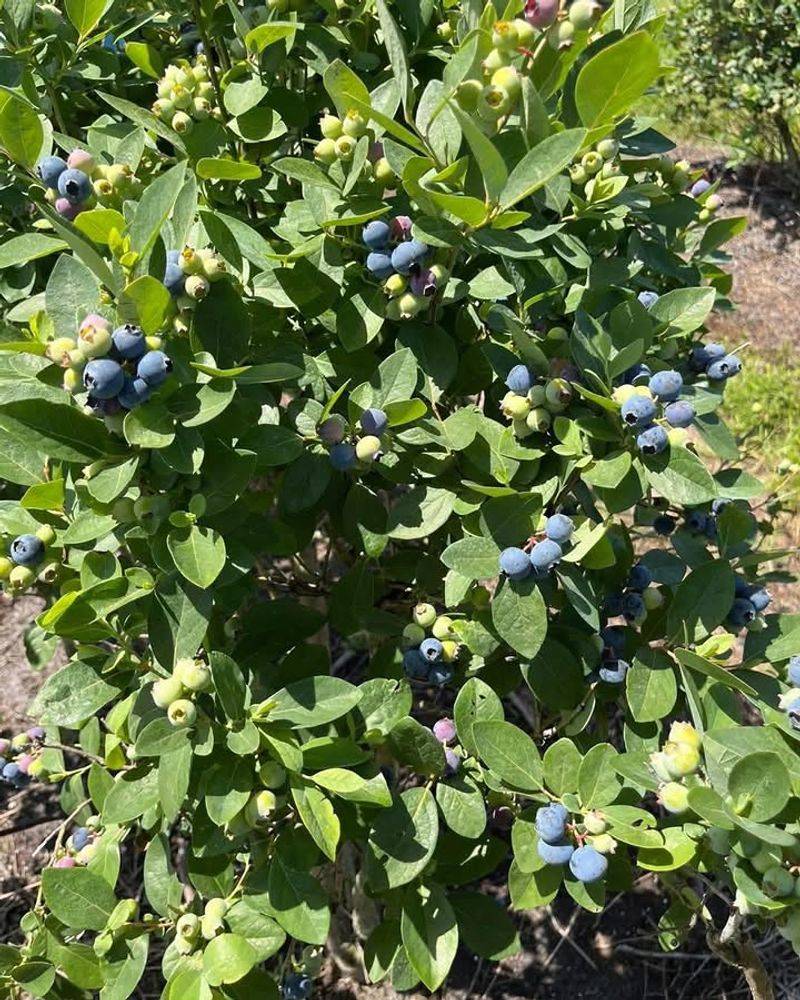
Blueberries have a reputation for being picky, but pick the right variety and Texas becomes a surprisingly good home for them. Rabbiteye blueberries are the ones you want.
They were built for warm Southern climates, and they thrive in the kind of heat that would stress out Northern blueberry varieties.
Soil preparation is the most important step when growing blueberries in Texas. These plants need acidic soil with a pH between 4.5 and 5.5.
Most Texas soils are naturally alkaline, so you will need to amend your beds with sulfur and peat moss before planting. Getting the pH right makes a massive difference in how well your plants perform.
May is a solid planting window because the soil is warm and roots establish quickly. Plant at least two different rabbiteye varieties near each other since cross-pollination dramatically improves berry production.
Good pairings include Tifblue and Woodard, both of which perform well in warmer Texas regions.
Blueberries planted in raised beds tend to do especially well in Texas because you have more control over the soil mix and drainage. They also appreciate a thick layer of pine bark mulch, which slowly acidifies the soil over time as it breaks down.
Consistent watering is critical during the first year. Once established, rabbiteye blueberries become surprisingly resilient.
They can handle heat and moderate drought far better than most people expect. The payoff is a beautiful, productive shrub that can live and fruit for decades.
Growing blueberries in Texas takes some upfront effort, but the long-term harvest makes it absolutely worthwhile.
2. Blackberry
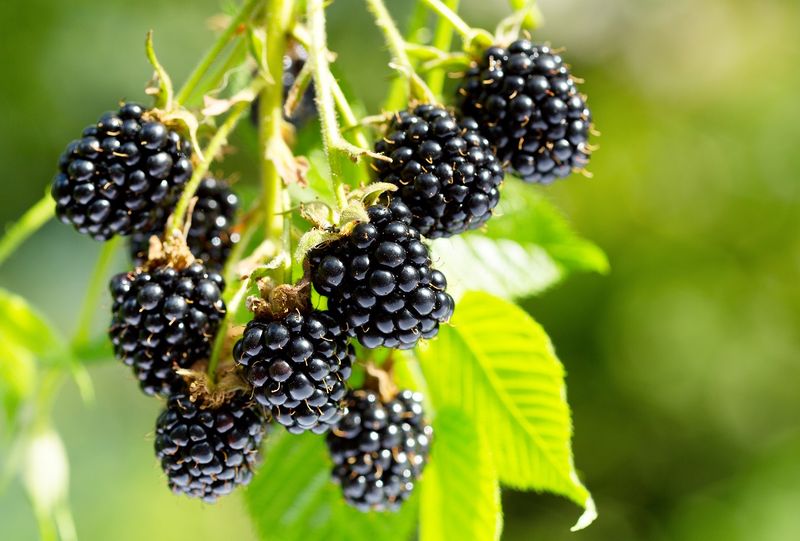
Ask any experienced Texas gardener what berry grows best in the Lone Star State, and blackberries will almost always top the list.
These tough, thorny plants have been growing across Texas for generations, and for good reason. They handle the heat like champions.
Planting blackberries in May gives them time to settle their roots before the worst of summer arrives. Varieties like Brazos and Kiowa were actually developed with Texas conditions in mind.
Your Texas Garden Changes Every Week. Your Plan Should Too.
Gardening in Texas changes quickly throughout the season. Every Friday you’ll receive a simple weekly plan showing exactly what to plant, prune, fertilize, harvest, and protect so you never miss the right timing.
They can handle full sun, clay-heavy soil, and stretches of dry weather without missing a beat.
You do not need a huge yard to grow blackberries. A simple trellis system works great for keeping the canes organized and off the ground.
Space your plants about four to six feet apart so air can move freely between them, which helps prevent fungal problems during humid stretches.
Water deeply once or twice a week rather than giving shallow, frequent drinks. Deep watering encourages roots to go down further into the soil, which helps the plant survive hot afternoons.
Mulching around the base keeps moisture in and soil temperatures more stable. One of the best things about blackberries in Texas is how productive they can be. A single well-cared-for plant can produce several quarts of fruit each season.
The berries ripen in late spring to early summer, which means you could be picking fresh blackberries just weeks after your neighbors are still waiting on other fruits to develop.
Fresh blackberry cobbler made from your own Texas-grown fruit is a reward worth every bit of effort.
3. Goji Berry
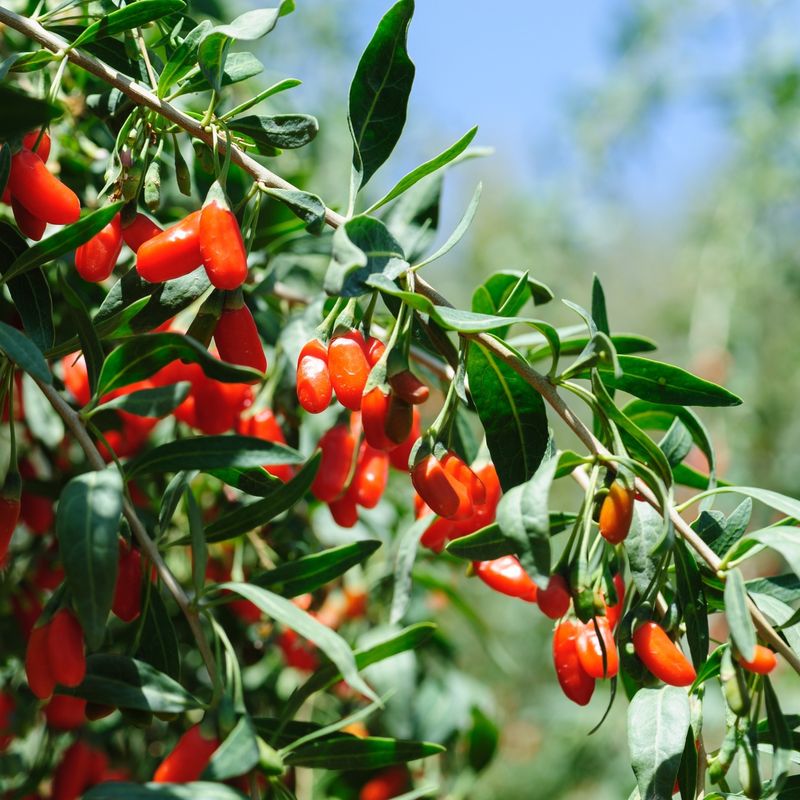
Not many people in Texas think of goji berries as a backyard crop, but they probably should. These bright red berries have been grown in hot, dry regions of Asia for thousands of years, and the climate feels surprisingly familiar to them.
Once established, goji berry plants are some of the most low-maintenance fruit producers you can grow.
Planting in May works well because goji berries root quickly in warm soil. They prefer full sun and actually produce more fruit when they get at least six to eight hours of direct sunlight daily.
Sandy or loamy well-drained soil suits them best, though they adapt to a range of soil types found across Texas.
One thing that makes goji berries stand out is their drought tolerance. After the first season, they need very little supplemental water.
Their deep root systems seek out moisture far below the surface, which is a huge advantage during dry summers. Too much water can actually cause root problems, so less is more once the plant is established.
The plants grow as sprawling shrubs that can reach six feet tall. A simple stake or small trellis helps keep them upright and makes harvesting easier. Berries typically appear in the second year and production increases from there.
Fresh goji berries taste mildly sweet with a slight herbal tang. They can be eaten fresh, dried, or added to smoothies and teas.
Rich in antioxidants and vitamins, they are as nutritious as they are interesting to grow. For Texas gardeners looking for something a little different, goji berries are a genuinely exciting option worth trying this May.
4. Mulberry
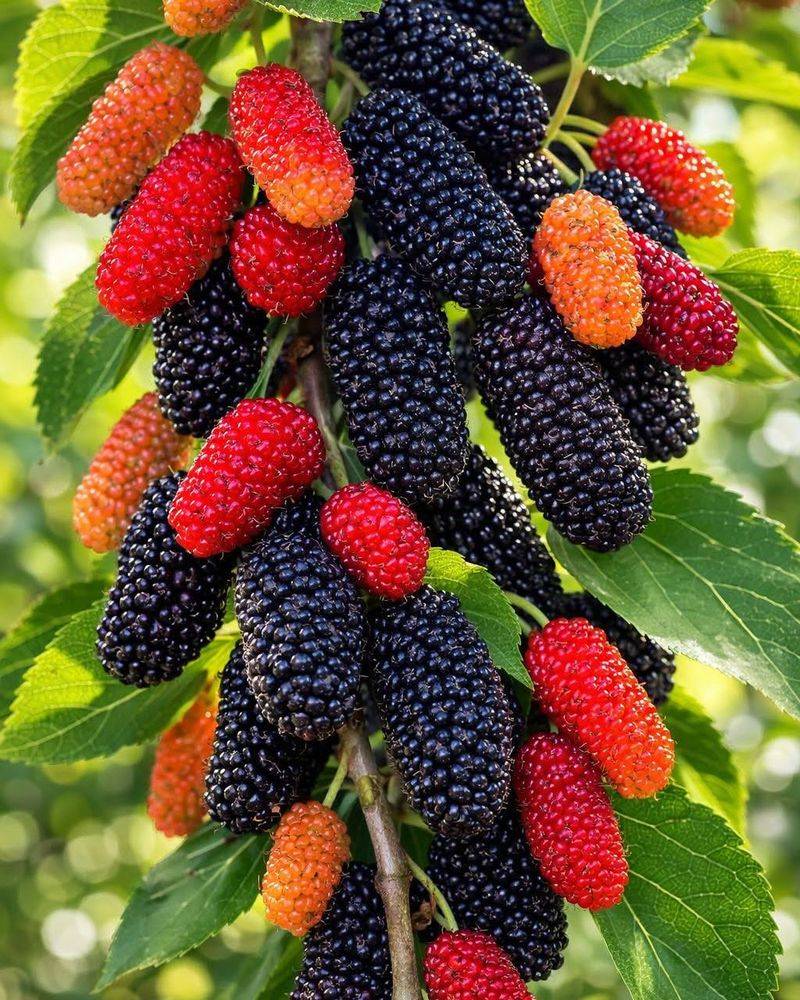
Few fruit trees match the mulberry when it comes to sheer toughness in Texas. These trees grow fast, produce abundantly, and shrug off the kind of summer heat that slows most other plants down.
If you have ever seen a mulberry tree dropping fruit all over a sidewalk in a neighborhood, you already know how productive these plants can be.
May planting gives young mulberry trees an ideal start. The warm soil encourages rapid root development, and the long growing season ahead means your tree will put on significant growth before winter.
Texas Everbearing is a popular variety that produces sweet, dark berries over a long season rather than all at once, which makes harvesting more manageable.
Mulberries are not fussy about soil. They grow in clay, sandy, or loamy ground and do not need a lot of fertilizer to thrive.
Water them regularly during the first summer to help roots establish, but mature trees handle dry spells with very little complaint. Full sun brings out the best fruit production.
One honest heads-up: mulberry fruit stains. The dark juice gets on hands, sidewalks, and anything else it touches.
Planting away from patios and walkways saves a lot of cleanup frustration. Birds also love mulberries, so expect some feathered competition for the harvest.
The flavor of fresh mulberries is something special. They taste like a cross between blackberries and grapes, sweet and rich with a slight earthiness.
Kids especially love picking them straight from the tree. For Texas families wanting a low-effort, high-reward fruit tree, the mulberry is hard to beat.
5. Elderberry
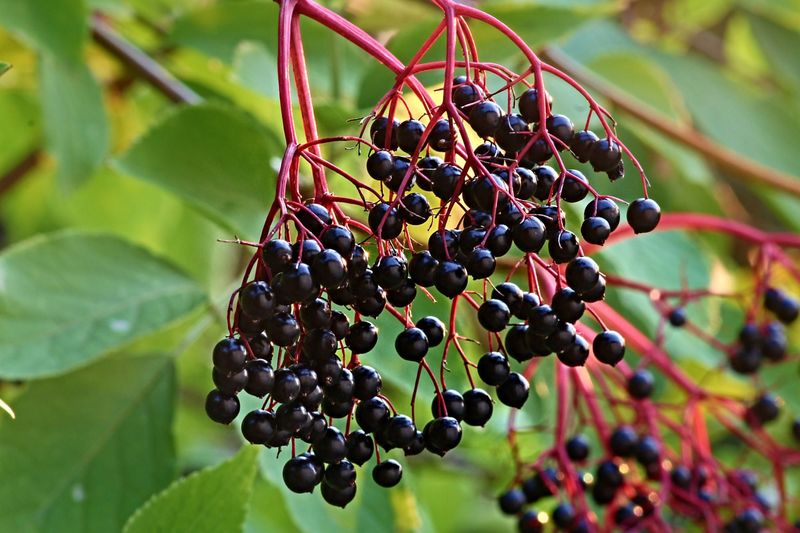
Elderberries have been growing wild across Texas for centuries, long before anyone thought of planting them on purpose.
Native varieties are perfectly adapted to the state’s climate, soil, and seasonal patterns. Planting them in May taps into that natural toughness right from the start.
The American elderberry and the Mexican elderberry both do well in Texas, with the Mexican variety being especially suited to the drier, hotter regions of the state. These shrubs grow quickly and can reach eight to twelve feet tall in just a few seasons.
They prefer moist, well-drained soil and do best with some afternoon shade in the hottest parts of Texas.
One of the most charming things about elderberries is how much wildlife they attract. The large flat flower clusters, called umbels, draw in butterflies, bees, and other pollinators in impressive numbers.
Later in the season, birds flock to the dark purple berries. Planting elderberries is essentially creating a little ecosystem in your own yard.
For home use, the berries are commonly made into elderberry syrup, jelly, and juice. They should always be cooked before eating since raw berries can cause stomach upset.
The flowers are also edible and can be used to make elderflower lemonade or light floral syrups.
Elderberries need very little care once established in Texas. Prune them back in late winter to encourage fresh, productive growth each year.
They spread by suckering, so you may find new plants popping up nearby over time. For gardeners who want beauty, wildlife value, and a useful harvest all in one plant, elderberry is an outstanding choice.
6. Strawberry
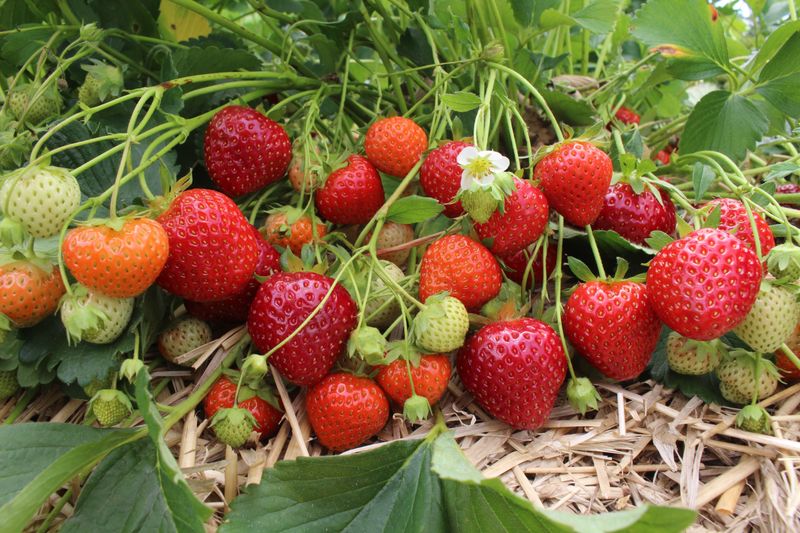
Strawberries and Texas heat are not an obvious pairing, but with the right approach they can absolutely work. The secret is choosing heat-tolerant varieties and giving your plants a little help getting through the hottest parts of the day.
Varieties like Chandler, Sweet Charlie, and the day-neutral Seascape all handle warmer conditions better than classic Northern types.
Planting strawberries in May in Texas is a bit of a strategic move. You are getting them in the ground while temperatures are warm but not yet brutal.
This gives the plants time to root well before the intense heat of July and August sets in. Starting them in a raised bed gives you better control over drainage and soil quality, both of which matter a lot for strawberry success.
Afternoon shade is a game changer for Texas strawberries. A shade cloth that blocks about thirty percent of sunlight during the afternoon hours keeps leaf temperatures lower and reduces water stress significantly.
Pairing that with consistent drip irrigation keeps the plants happy even when the thermometer climbs.
Strawberries in Texas also benefit from thick mulching around the base of each plant. Pine straw or wood chips hold moisture in the soil and keep roots from overheating.
Fertilize lightly every few weeks with a balanced fertilizer to keep plants producing steadily.
The reward for putting in this extra care is genuinely worth it. Homegrown strawberries picked at peak ripeness are sweeter and more flavorful than anything you will find at a grocery store.
Kids love hunting for red berries hidden under leaves. With the right setup, strawberries can be one of the most satisfying crops in any garden.