What Arizona Gardeners Should Do With Bolting Cilantro In May
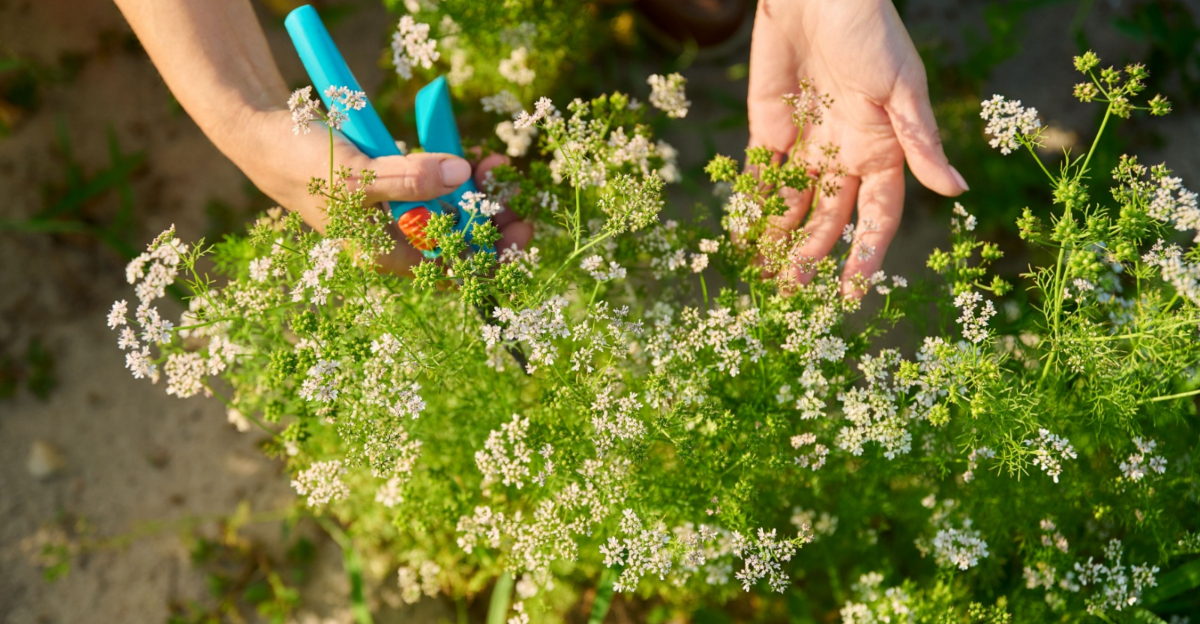
If you’ve ever walked out to your Arizona garden in May and found your cilantro looking like it’s trying to escape, you’re not imagining things.
That sudden upward stretch, those tiny white flowers, that shift in smell and taste – that’s bolting, and in the desert, it can happen almost overnight.
Cilantro is a cool-season herb, which basically means it and Arizona summers have a very complicated relationship. Once the low desert starts cranking up the heat and the days get longer, cilantro gets the memo and starts wrapping things up fast.
It’s not being dramatic. It’s just doing what cilantro does.
The good news is that knowing what to look for, and what to do about it, can help you squeeze a lot more out of your plants before they call it a season.
1. Harvest Usable Leaves Right Away
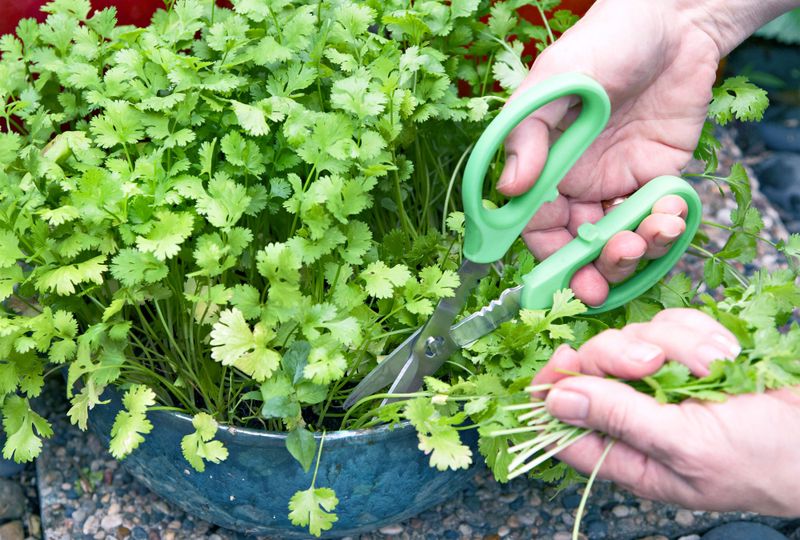
Stretching stems and rising flower stalks are the first signal that your cilantro is shifting gears, and the window for harvesting usable leaves is shorter than most Arizona gardeners expect.
Once bolting begins, the lower and outer leaves may still carry that familiar bright flavor, so grab them while you can.
Snip stems just above a leaf node and collect as much as the plant offers before the flavor fades.
Bolting cilantro tends to produce smaller, more feathery leaves near the top of the plant. Those upper leaves are edible but carry a slightly different, sometimes more bitter taste compared to younger growth.
For cooking purposes, focus your harvest on the fuller leaves found lower on the stem.
In Arizona, May heat can move fast, so checking your herb beds every day or two makes a real difference. A quick morning harvest before temperatures rise keeps the leaves fresher and easier to store.
Rinse and dry the leaves gently, then wrap them loosely in a paper towel and keep them in the refrigerator for up to a week. You can also blend fresh cilantro into sauces, pestos, or herb oils right away to preserve that flavor before it changes completely.
2. Accept That Bolting Is Normal In May Heat
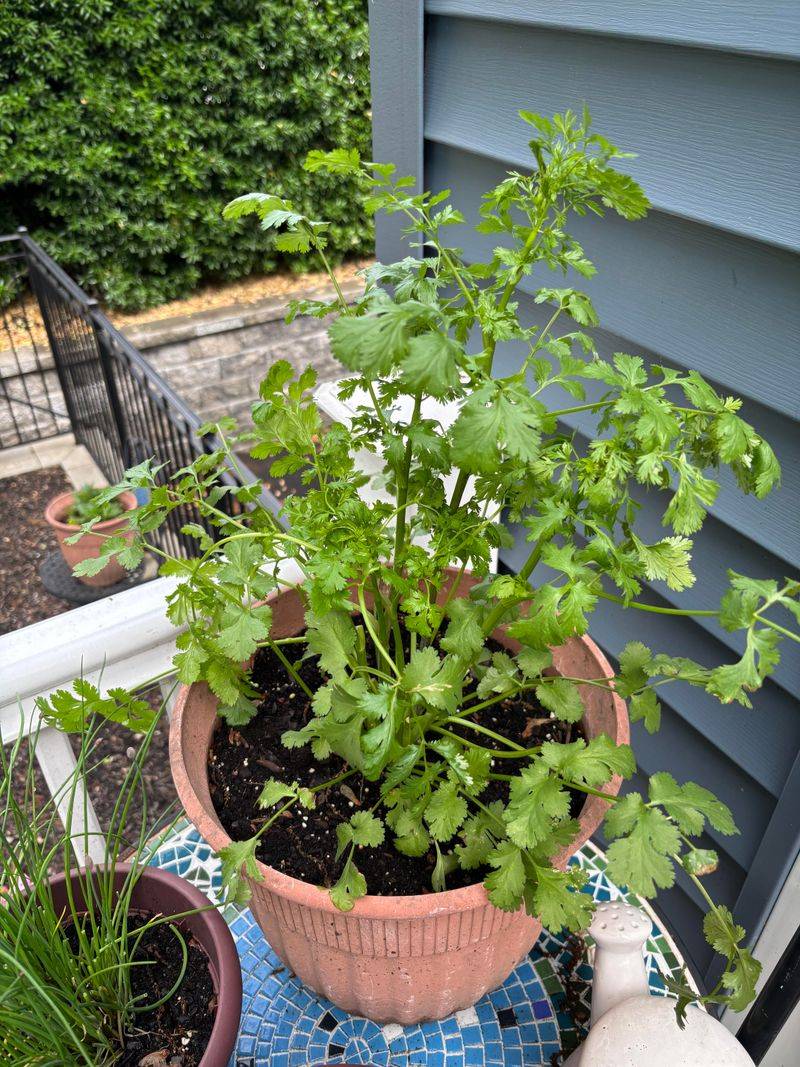
Cilantro is a cool-season herb, and low-desert Arizona gardeners work against the calendar every spring.
Once daytime temperatures push regularly into the upper 80s and 90s, cilantro reads those signals as a cue to reproduce rather than keep producing leafy growth.
Bolting is not a sign of poor gardening – it’s simply the plant doing what it’s built to do.
Many Arizona gardeners feel frustrated when their cilantro bolts quickly, especially after putting in the effort to establish a healthy herb bed.
Understanding that the timing is tied to heat, longer days, and dry desert air can make the whole experience feel less like a setback and more like a natural seasonal shift.
Adjusting expectations around May is part of gardening in Arizona’s low desert.
Cilantro planted in fall or late winter tends to give Arizona gardeners a much longer harvest window before bolting pressure builds.
Your Arizona Garden Changes Every Week. Your Plan Should Too.
Gardening in Arizona changes quickly throughout the season. Every Friday you’ll receive a simple weekly plan showing exactly what to plant, prune, fertilize, harvest, and protect so you never miss the right timing.
Spring plantings, especially those started after February, often have limited time before May heat pushes them toward flowering.
Accepting that reality means you can spend less energy trying to stop the process and more time making smart decisions about what to do with the plant once bolting is underway.
3. Let Some Plants Flower For Pollinators
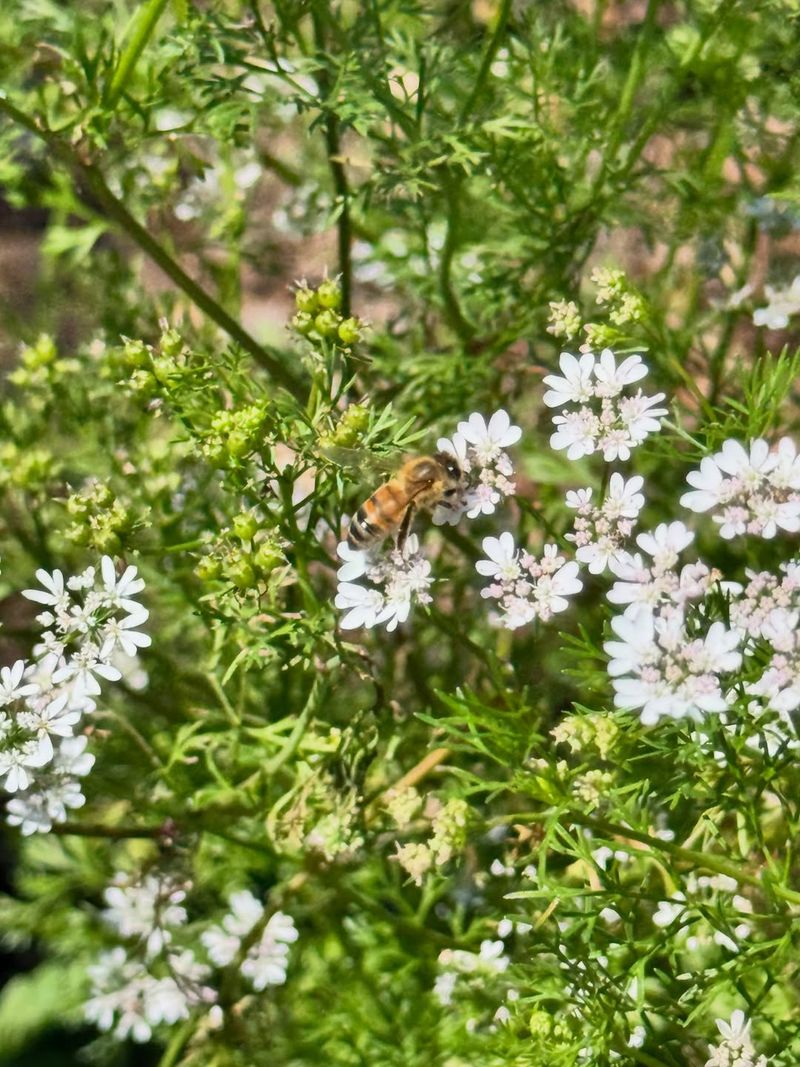
Those tiny white flower clusters that appear on bolting cilantro are surprisingly attractive to beneficial insects.
Bees, hoverflies, parasitic wasps, and other helpful pollinators visit cilantro flowers regularly, drawn in by the small, open blooms that make nectar easy to reach.
Letting a few plants flower in your Arizona garden can quietly support the wider ecosystem of your yard.
Pollinators that visit cilantro flowers often move on to nearby vegetable plants, helping with fruit set on squash, peppers, cucumbers, and other warm-season crops that Arizona gardeners start transitioning to in May.
Keeping a few flowering cilantro plants among your beds creates a bridge between the cool and warm seasons in a way that benefits the whole garden.
You don’t need to let every bolting plant go to flower – even one or two plants left to bloom can make a noticeable difference in pollinator activity. Place them near other flowering herbs or vegetables for the best effect.
Once the flowers fade and seed heads begin to form, you’ll have the added bonus of coriander seeds developing right there in your Arizona garden, ready for harvesting or replanting when conditions cool down again in the fall.
4. Save Seeds For Coriander
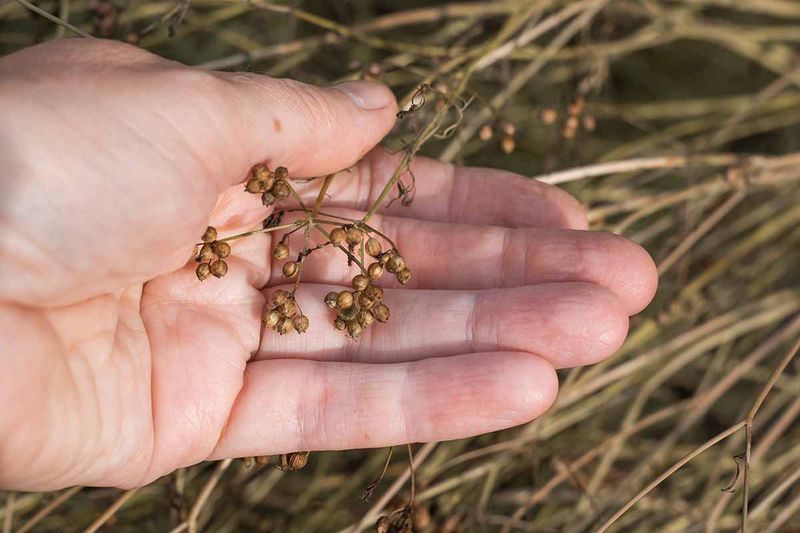
Cilantro seeds are coriander, a spice used widely in cooking across many cuisines. Once your Arizona cilantro plants have finished flowering, small round seed clusters begin forming along the stems.
Watching those seeds shift from green to tan or light brown is the signal that harvest time is close.
To collect coriander seeds, wait until most of the seeds on a stalk have turned tan and feel firm when gently squeezed. Cut the seed heads off and place them upside down inside a paper bag, then leave the bag somewhere dry and shaded for a week or two.
The seeds will fall naturally as the stalks continue to dry, collecting neatly at the bottom of the bag.
Saved coriander seeds serve two purposes in an Arizona garden. You can use them whole or crushed as a cooking spice, adding warm, citrusy flavor to salsas, curries, and roasted vegetables.
You can also save a portion for replanting when Arizona temperatures cool in the fall, typically around September or October in the low desert. Storing seeds in a sealed container in a cool, dry spot keeps them viable.
Saving seeds from your own plants is a satisfying, low-cost way to keep cilantro cycling through your garden year after year.
5. Move Potted Cilantro Into Afternoon Shade
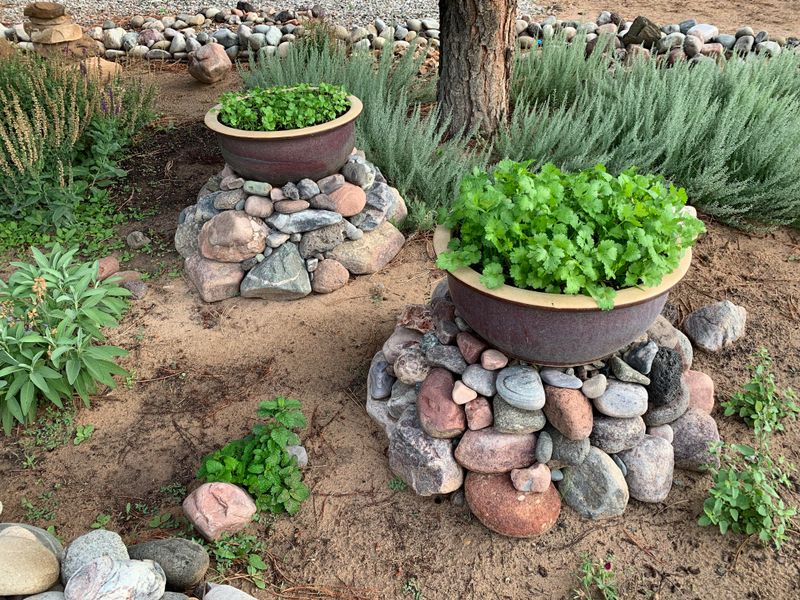
Dry patio containers heat up faster than in-ground beds, and Arizona’s May sun can push soil temperatures in small pots well beyond what cilantro tolerates comfortably.
Moving potted cilantro to a spot that receives shade during the hottest part of the afternoon – roughly from noon to four o’clock – can slow the bolting process and extend the window for leaf harvest.
A covered patio, the east-facing side of a wall, or a spot shaded by a larger plant or structure all work well for repositioning cilantro containers. East-facing spots in Arizona tend to offer good morning sun followed by welcome relief as the day heats up.
Even partial afternoon shade can reduce heat stress noticeably in potted herbs.
Keep in mind that moving a pot to deeper shade may slow bolting but won’t stop it entirely once the process has begun. The goal is to buy a little extra time for leaf harvest rather than reverse the plant’s natural response to heat and day length.
Check soil moisture more frequently after relocating containers, since shaded spots can sometimes have different drying patterns than full-sun areas.
Pots in Arizona dry out quickly regardless of shade, so staying consistent with watering remains important throughout May.
6. Keep Soil Evenly Moist But Well Drained
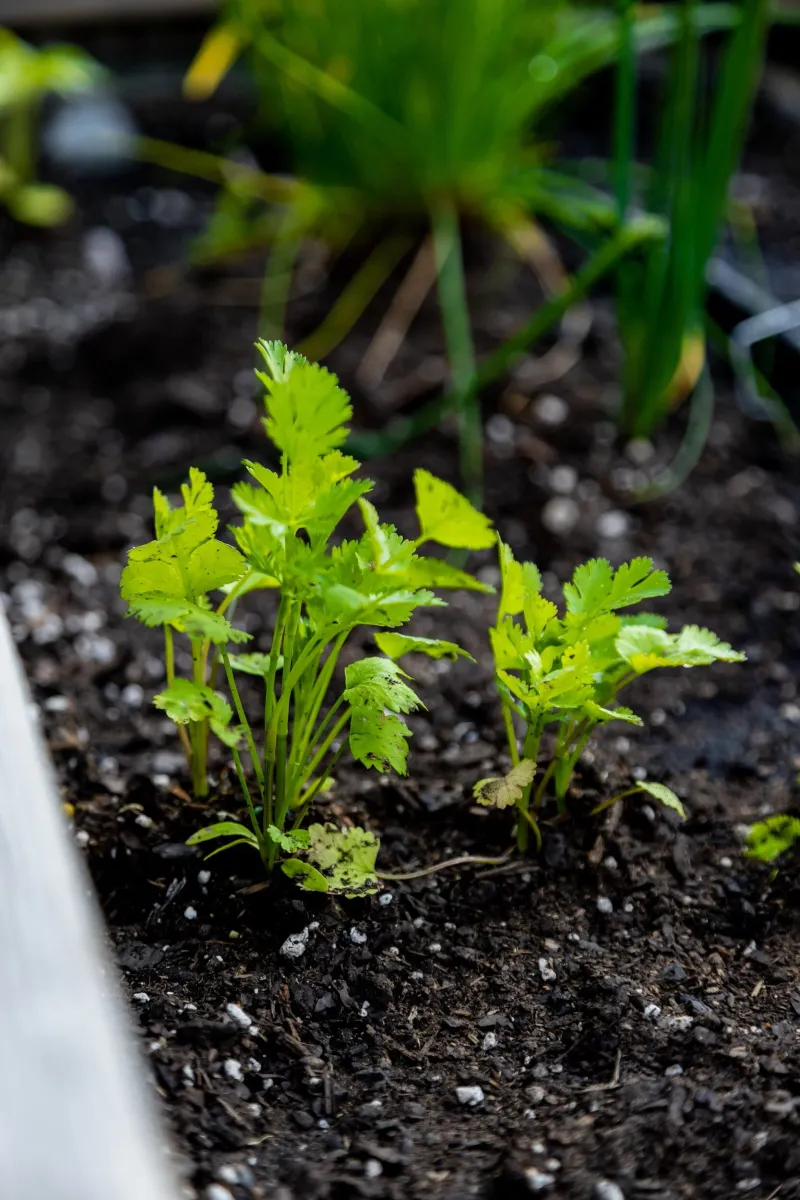
Uneven watering is one of the fastest ways to push cilantro further into stress during Arizona’s warm May weather. Dry spells followed by heavy watering create a cycle that encourages bolting and reduces overall leaf quality.
Keeping the soil consistently moist – not soggy, not bone dry – gives cilantro the steadiest environment possible as temperatures build.
For raised beds, checking soil moisture a few inches down each morning helps gauge whether watering is needed. In Arizona’s dry air, surface soil can look deceptively dry even when moisture remains below.
Using a finger or a simple moisture meter takes the guesswork out of the process, especially for gardeners managing multiple beds or containers at once.
Good drainage matters just as much as consistent moisture. Cilantro roots do not respond well to sitting in waterlogged soil, and overwatering in an attempt to cool the plant can create root problems that speed up decline faster than heat alone.
Raised beds with quality soil mix and containers with drainage holes handle moisture balance much better than compacted ground-level soil.
In Arizona herb gardens, pairing steady watering habits with well-draining soil gives bolting cilantro the best chance of staying productive a little longer into the warm season.
7. Skip New Low-Desert Plantings Until Fall
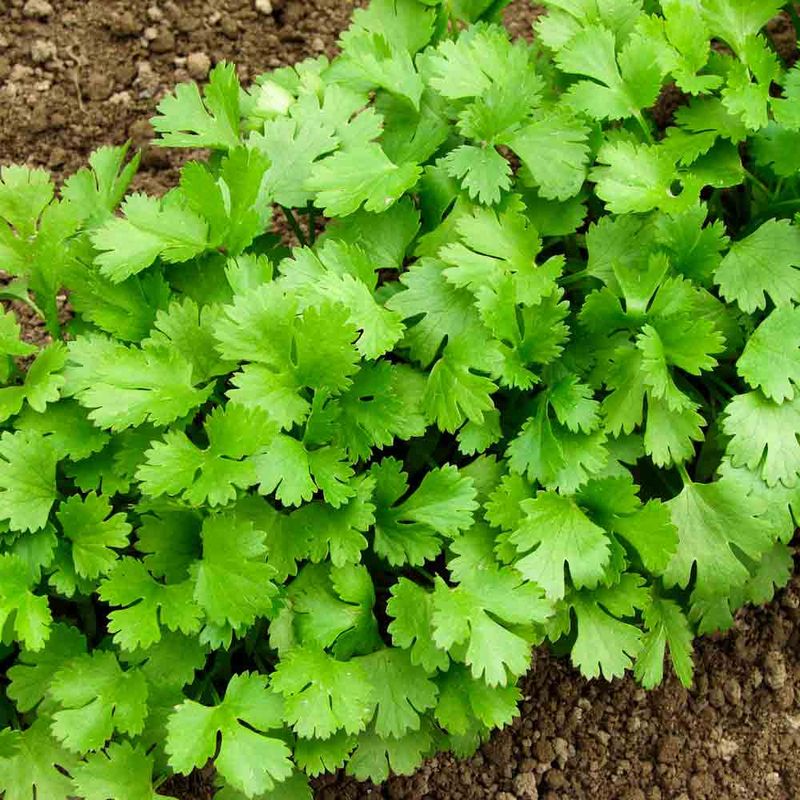
Planting fresh cilantro seeds or transplants into Arizona low-desert gardens in May is a tough proposition.
Soil temperatures are climbing, daytime heat is intensifying, and the conditions that cilantro genuinely prefers – cool air, moderate temperatures, shorter days – are months away.
New plantings started now face an uphill challenge from the moment seeds germinate.
Even with shade cloth, consistent watering, and careful attention, cilantro started in late spring across Arizona’s low desert tends to bolt within a short time of germination.
The plant’s internal response to heat and day length is strong, and trying to work against it in May often leads to disappointment and wasted effort.
Saving that energy for a fall planting is a smarter use of your time and resources.
In Arizona’s low desert, fall cilantro plantings typically begin around late September through October, once nighttime temperatures start dropping and daytime highs become more manageable.
That timing gives cilantro a long, comfortable window to establish and produce leaves well into winter and early spring before the next heat cycle arrives.
Experienced Arizona herb gardeners often treat cilantro as a fall and winter crop rather than a spring one, and that shift in thinking tends to lead to far more satisfying results across the season.
8. Choose Slow-Bolting Varieties Next Season
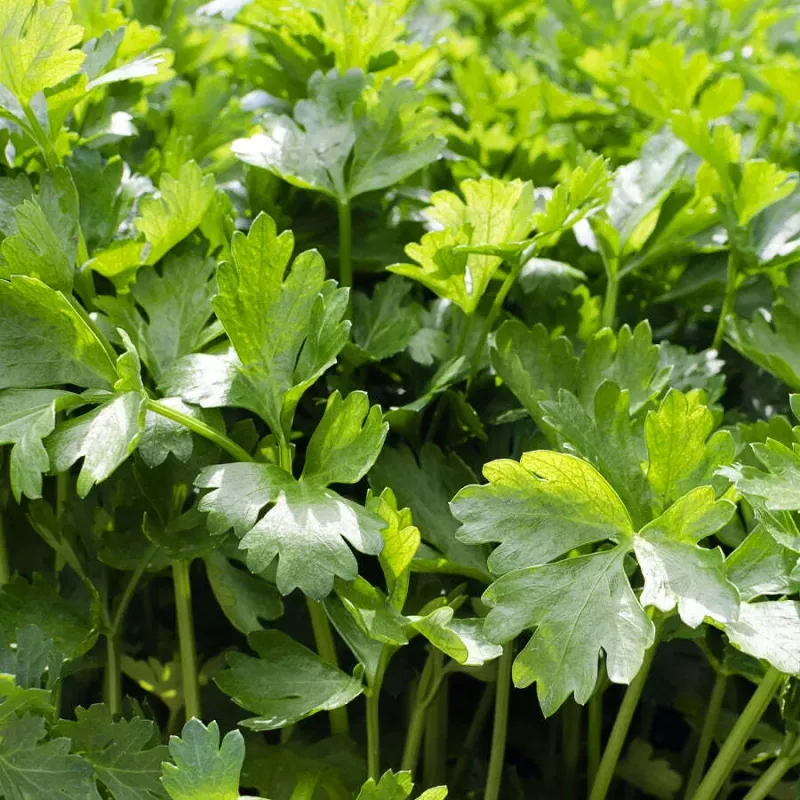
Not all cilantro varieties respond to heat at the same rate. Slow-bolting types have been developed specifically to delay the flowering response, giving gardeners more time to harvest leaves before the plant shifts into seed production.
For Arizona gardeners who want to push the harvest window as far as possible, selecting the right variety makes a meaningful difference.
Slow-bolt cilantro varieties are widely available through seed suppliers and often labeled clearly on seed packets. Varieties such as Leisure, Calypso, and Santo are commonly recommended for warmer conditions and tend to hold their leafy growth longer than standard types.
Trying a slow-bolt variety in your Arizona herb bed or container garden next season is a simple, low-cost adjustment that can noticeably improve results.
Keep in mind that even slow-bolting cilantro will eventually respond to Arizona’s heat and long spring days. The goal is to extend the productive window, not eliminate bolting entirely.
Pairing a slow-bolt variety with a fall or late-winter planting schedule in Arizona gives you the best combination of timing and genetics working together.
Noting which varieties performed well in your specific garden – whether a raised bed, patio container, or kitchen herb plot – helps you make smarter seed choices each year going forward.
9. Switch Garden Space To Warm-Season Herbs
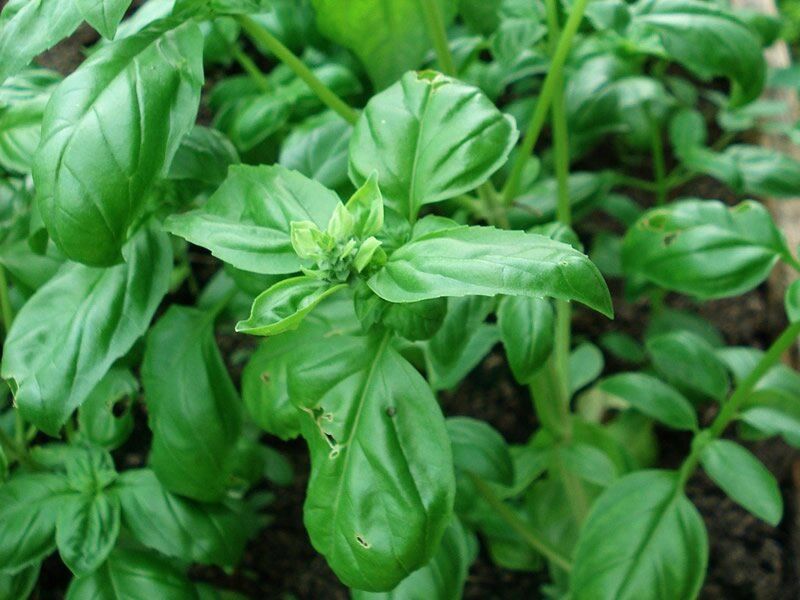
Once cilantro has fully bolted and seed harvest is complete, the space it occupied in your Arizona raised bed, container, or herb garden becomes available for plants that actually thrive in summer heat.
May is a good time to start thinking about which warm-season herbs will carry your garden through the months ahead.
Basil is one of the most popular warm-season herbs for Arizona gardeners and transitions into beds beautifully once cool-season plants are cleared out. Mexican oregano is another excellent option that handles Arizona heat and dry conditions with ease.
Lemongrass, rosemary, and epazote are additional choices that establish well in Arizona summers and bring useful flavors to the kitchen throughout the warm season.
Refreshing your herb bed with warm-season varieties keeps the garden productive rather than sitting empty between cilantro seasons.
Amend the soil with compost when replanting to replenish nutrients and improve moisture retention as summer heat builds.
Arizona herb gardens that rotate through cool and warm-season plantings thoughtfully tend to stay more productive year-round than gardens that sit dormant waiting for conditions to change.
Clearing out spent cilantro and adding heat-loving herbs is one of the most practical and rewarding steps an Arizona gardener can take as May moves toward summer.