How To Prune Raspberries In Oregon For A Bigger Harvest
Raspberries are generous little overachievers, but only if the canes get the right kind of cleanup.
In Oregon, where mild springs and damp growth can turn berry patches into tangled jungles fast, pruning is what keeps the whole operation productive instead of chaotic.
The secret is knowing which canes already fruited, which ones are next in line, and which weak, crowded, or wayward stems need to go.
Summer-bearing and everbearing raspberries play by different pruning rules, so a random haircut can mean fewer berries instead of more.
Done right, pruning opens up airflow, reduces disease pressure, makes picking easier, and helps the plant pour energy into plump, juicy fruit. It also keeps new growth stronger, sunlight reaching deeper, and harvest days less like a wrestling match with thorny vines.
Once the right cuts become routine, your raspberry patch can reward you with cleaner rows, healthier plants, and bowls of berries worth bragging about.
1. Know Your Raspberry Type First
Before you grab your pruning shears, take a minute to figure out what kind of raspberries you are growing. This step matters more than most people realize.
Oregon gardeners commonly grow two main types: summer-bearing and fall-bearing raspberries.
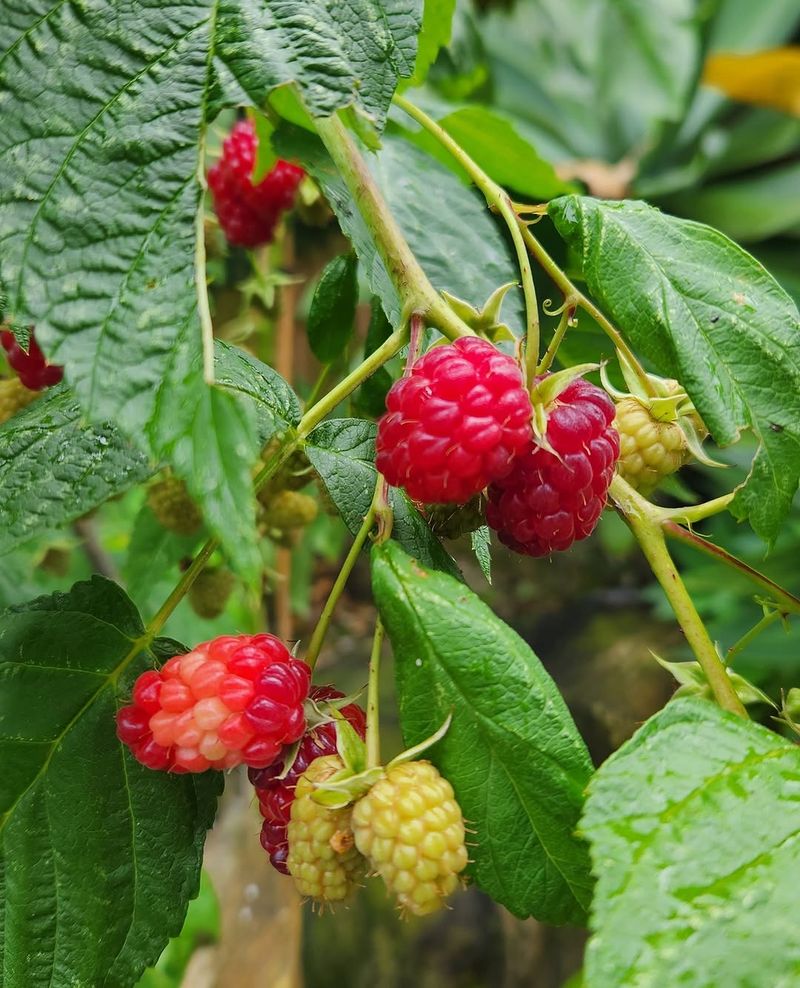
Summer-bearing raspberries, also called floricanes, produce fruit on second-year canes. That means the cane grows one year, then fruits the next.
Fall-bearing raspberries, also called primocanes, can produce fruit on first-year canes. They often give two crops if managed correctly.
Knowing your type changes everything about how and when you prune. If you cut back a summer-bearing plant the wrong way, you could accidentally remove all the canes that were about to give you fruit.
That would leave you with nothing to harvest.
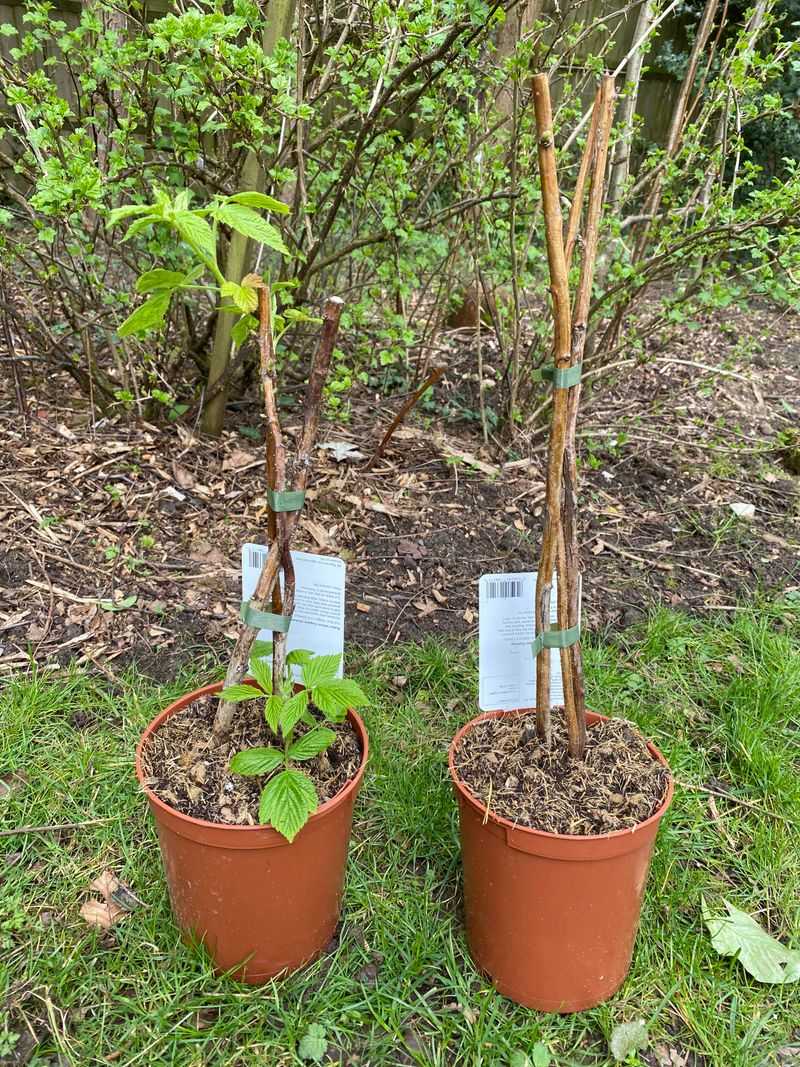
Check the tag that came with your plant, or ask at your local Oregon nursery. Common summer-bearing varieties grown in Oregon include Willamette and Meeker.
Popular fall-bearing types include Heritage and Caroline. Once you know what you have, pruning becomes much easier and way less stressful.
Getting this right from the start sets you up for a healthier, more productive raspberry patch for years to come.
2. Cut Summer-Bearing Canes After Harvest
Right after your summer-bearing raspberries finish producing, it is time to get those old canes out of there. Those canes, called floricanes, will never fruit again.
Leaving them standing only wastes space and blocks sunlight from reaching the younger canes below.
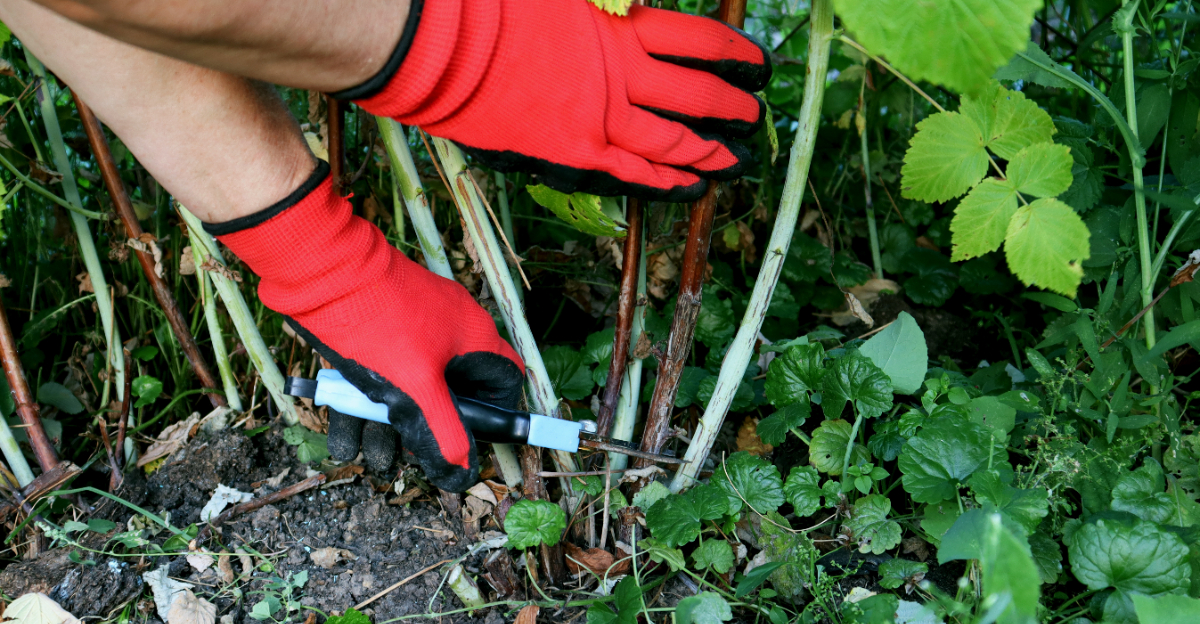
Use clean, sharp pruning shears to cut the old canes all the way down to the ground. Do not leave stubs.
Stubs can attract pests and become a home for disease, especially in the damp Oregon climate. Cut clean and cut low.
This step usually happens in late July or August in most parts of Oregon, right after the last berries are picked. In cooler coastal areas, it might be a little later.
Either way, do not wait too long. The sooner you remove spent canes, the sooner your new canes can soak up sunlight and grow strong.
After cutting, remove all the old cane material from your garden bed. Do not leave it sitting on the ground around your plants.
Your Oregon Garden Changes Every Week. Your Plan Should Too.
Gardening in Oregon changes quickly throughout the season. Every Friday you’ll receive a simple weekly plan showing exactly what to plant, prune, fertilize, harvest, and protect so you never miss the right timing.
Piling up old canes near your raspberry row can spread fungal problems that thrive in Oregon’s wet conditions. Bag it up or compost it away from your berry patch to keep things clean and healthy going forward.
3. Thin New Canes For Better Airflow
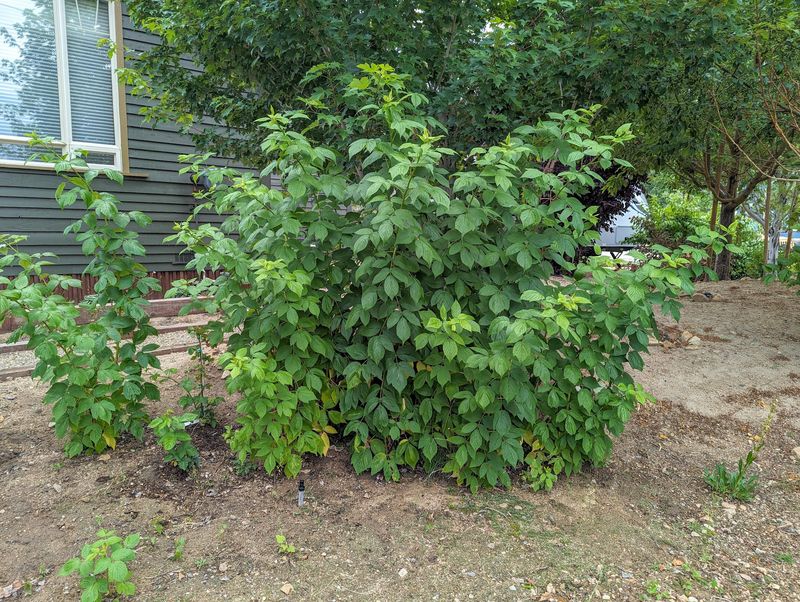
After removing old canes, you will notice a bunch of new green canes shooting up from the ground. These are your primocanes, and they are full of potential.
But having too many of them crowded together is actually a problem.
When canes grow too close together, air cannot move through the row freely. Poor airflow creates the perfect environment for mold and fungal diseases.
Oregon’s rainy seasons make this an especially serious concern for berry growers across the state.
Thin your new canes so that only the strongest ones remain. A good rule of thumb is to keep about four to six canes per foot of row.
Choose canes that are thick, upright, and healthy-looking. Remove the skinny, short, or crowded ones by cutting them at ground level.
Spacing your canes properly allows sunlight to reach every part of the plant. More sunlight means better fruit development and sweeter berries come harvest time.
It also makes it much easier to pick berries without scratching your arms on a tangled mess of stems.
Thinning canes is one of those tasks that feels a little painful at first because you are removing healthy-looking growth. But trust the process.
Oregon raspberry growers who thin regularly almost always end up with a bigger, better harvest than those who skip this step.
4. Remove Weak Canes In Winter
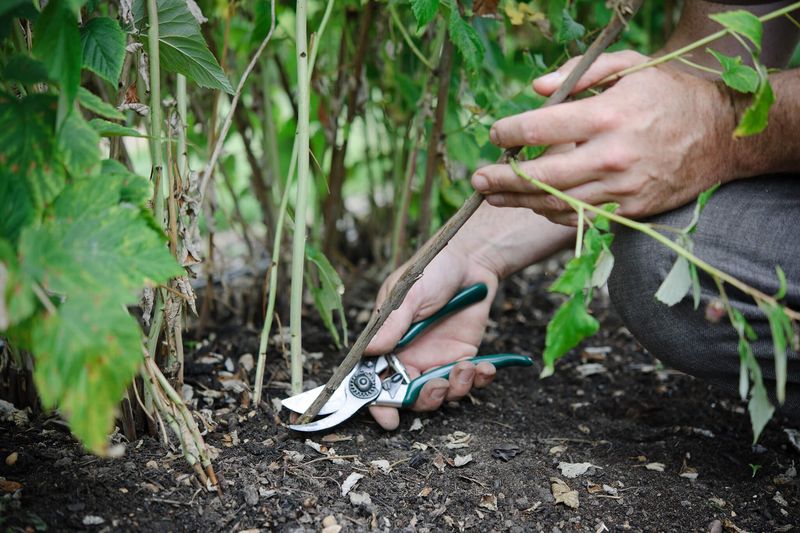
Winter might feel like the off-season for gardening, but it is actually one of the best times to do some important pruning work. Once your raspberry plants go dormant, usually between December and February in Oregon, you can clearly see the structure of your canes without all the leaves in the way.
Walk your raspberry row and look for canes that are thin, spindly, or damaged. These weak canes will not produce much fruit, and they pull energy away from the stronger ones.
Remove them completely by cutting at the base.
You should also look for canes that are leaning awkwardly or crossing over other canes. Canes that rub together can create wounds that let in disease.
In Oregon’s wet winters, those wounds can become real problems by spring.
After thinning in winter, aim to have your strongest canes standing tall, evenly spaced, and pointing upward. This sets the stage for a productive growing season ahead.
Winter pruning is also a great time to check your support wires or trellises and make any repairs before new growth begins in early spring.
Oregon winters are mild enough that you can get outside and do this work comfortably on dry days. Take your time and be thorough.
A little effort in January or February pays off big when berry season rolls around.
5. Prune Fall-Bearing Raspberries Low
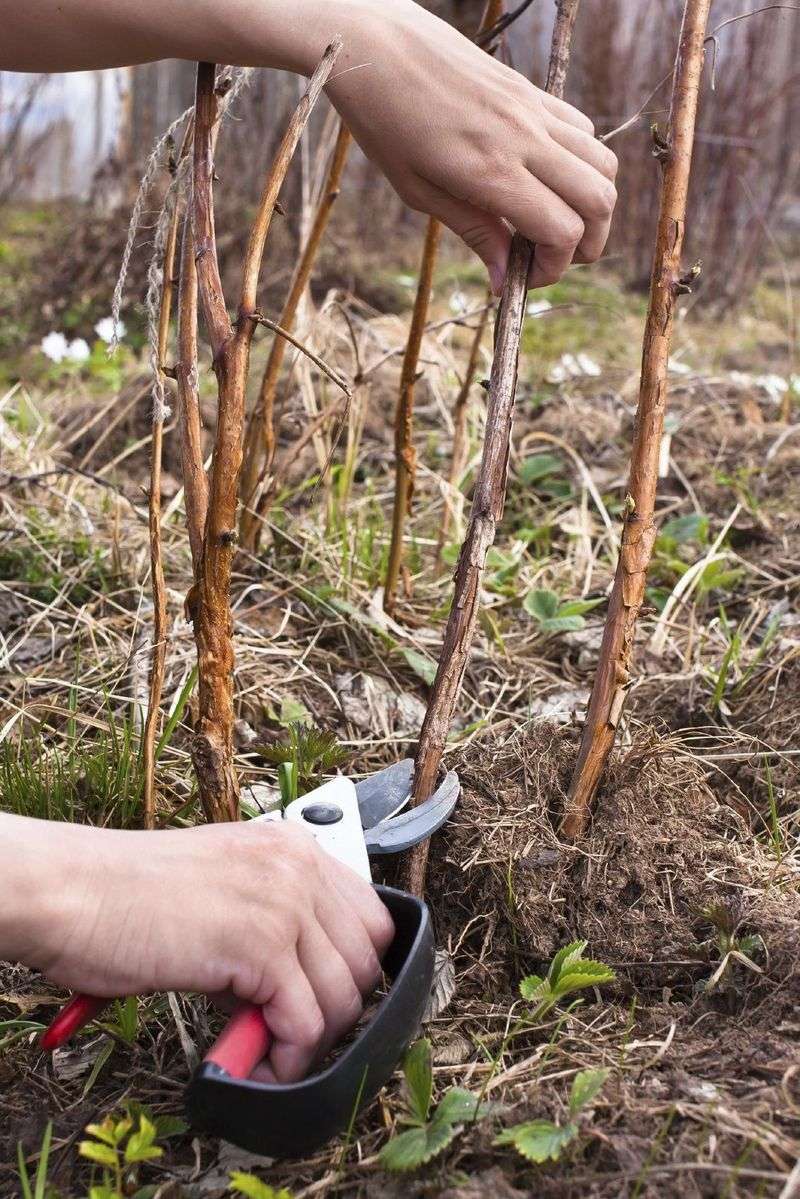
Fall-bearing raspberries play by slightly different rules than their summer-bearing cousins. Many Oregon growers choose to cut fall-bearing varieties all the way down to the ground in late winter or early spring.
This is called the single-crop method, and it keeps things simple.
When you cut everything down, the new canes that grow up in spring will produce a big fall harvest. You skip the smaller summer crop, but the fall crop is usually much larger and easier to manage.
For busy Oregon gardeners, this method saves a lot of time and effort throughout the season.
Use sharp bypass pruners or loppers to cut canes down to about one inch above the soil line. Do this before new growth starts, usually in late February or early March in the Willamette Valley.
Timing matters because you want to cut before the plant puts energy into new shoots.
If you want two crops from your fall-bearing plants, only cut out the lower half of each cane after the fall harvest. Leave the top portion intact through winter.
Those upper sections will fruit in early summer, giving you berries twice in one season.
Either way, keeping your fall-bearing plants pruned low and managed well is the key to getting the most out of them in Oregon’s growing conditions.
6. Keep Rows Narrow And Tidy
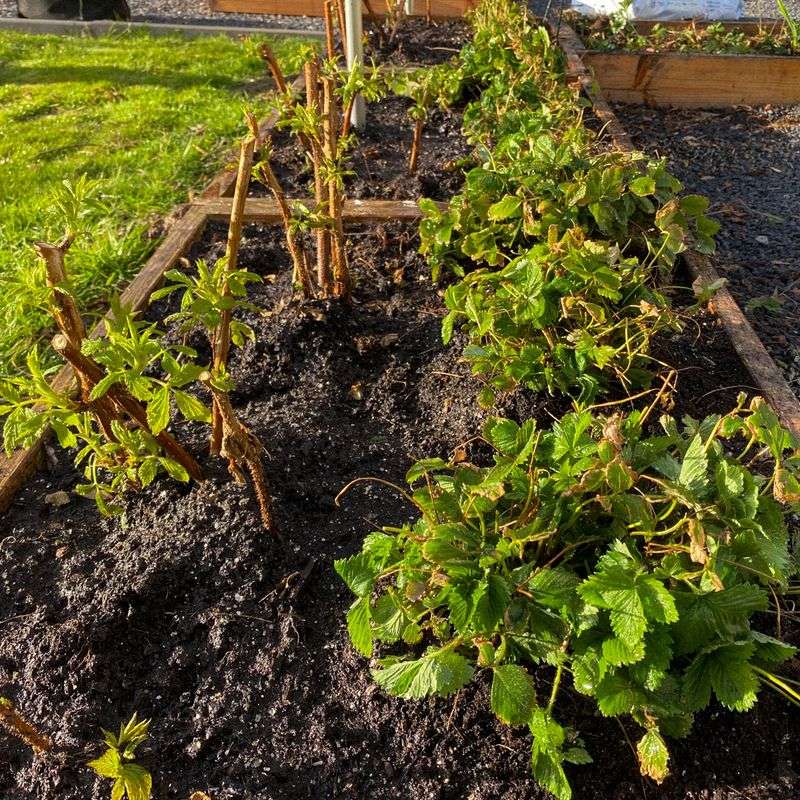
Raspberry plants spread fast. If you are not paying attention, your neat little row can turn into a wide, wild thicket within just a couple of seasons.
Wide rows make harvesting harder and create the kind of dense growth that invites pests and disease.
A good target width for a raspberry row in Oregon is about 12 to 18 inches. Anything wider than that starts to cause problems.
Keep an eye on suckers, which are new shoots that pop up outside your main row. Remove them regularly by cutting or pulling them out at the root.
Narrow rows let you reach the center of the plant easily for picking and maintenance. They also improve airflow through the whole patch, which is especially helpful during Oregon’s damp spring and fall seasons when humidity is high.
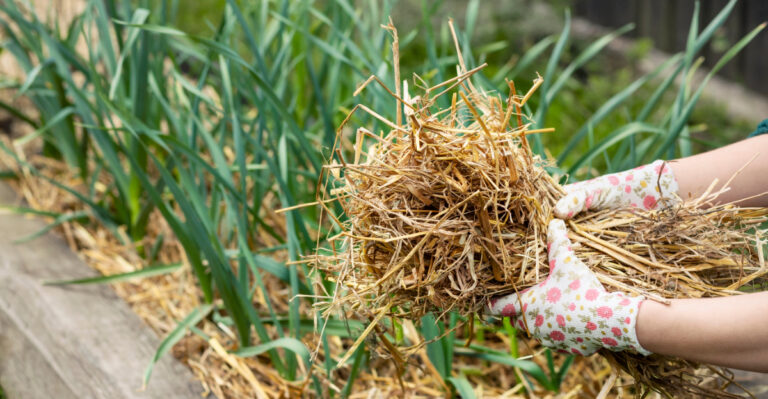
Mulching between and around your rows helps keep suckers under control and holds moisture in the soil at the same time. A layer of wood chips or straw about two to three inches deep works really well in Oregon gardens.
Keeping your rows tidy is an ongoing job, not a once-a-year task. Walk through your raspberry patch every couple of weeks during the growing season.
Pull out wayward shoots early before they get established. A little regular maintenance goes a long way toward keeping your Oregon raspberry patch productive and easy to manage year after year.
7. Tie Canes Before They Flop
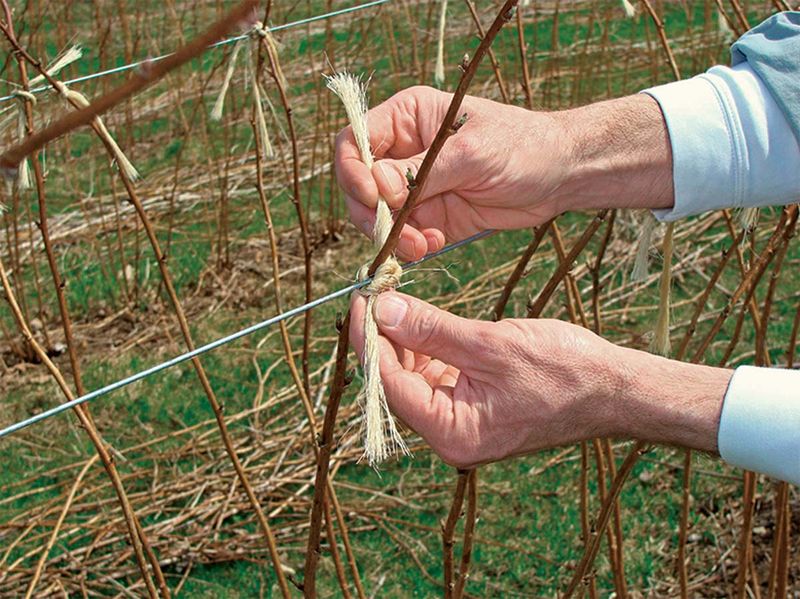
Raspberry canes can grow quite tall, especially in Oregon where the soil is rich and the growing season is long. Without support, those tall canes flop over, break in the wind, or bend under the weight of fruit.
A good trellis system solves all of these problems at once.
The most common setup in Oregon raspberry patches is a simple two-wire trellis. Drive wooden or metal posts into the ground every six to eight feet along your row.
String one wire at about three feet high and another at five feet. Tie your canes to these wires using soft garden twine or flexible plant ties.
Tie canes loosely so you do not cut into the stem as it grows. Check your ties a few times during the season and adjust them as the canes get taller and heavier with fruit.
This small habit makes a big difference when harvest time comes.
Canes that are supported upright get better sun exposure and produce more fruit than canes that are flopping around. Picking is also much easier and faster when the canes are standing straight and organized on a trellis.
Oregon winds, especially in the fall, can knock over unsupported canes quickly. Getting your trellis system in place before spring growth begins is one of the smartest things you can do for your raspberry patch all year long.
8. Don’t Leave Diseased Canes Behind
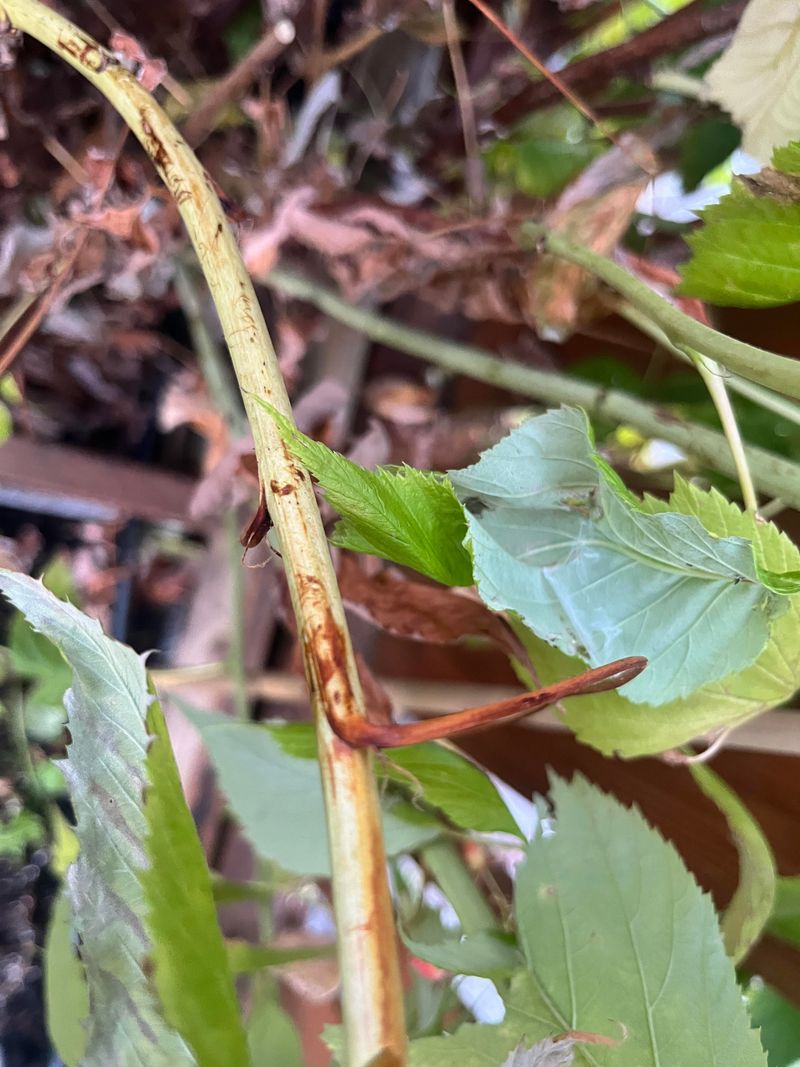
Spotting a diseased cane and leaving it in place because you feel bad removing it is a common mistake. In Oregon’s moist climate, that one sick cane can spread problems to your whole patch faster than you might expect.
When something looks wrong, act quickly.
Common signs of a diseased cane include dark spots, strange discoloration, cracked bark, or a slimy texture. Spur blight and cane blight are two fungal diseases that show up regularly in Oregon raspberry patches, especially in wetter parts of the state like the coast and the Willamette Valley.
Remove diseased canes by cutting them all the way to the ground. Do not compost them with your regular garden compost pile.
Bag them up and throw them away, or burn them if your local Oregon regulations allow it. Leaving diseased plant material near your garden keeps the problem alive.
After removing diseased canes, clean your pruning tools with a diluted bleach solution or rubbing alcohol. This stops you from accidentally spreading the disease to healthy canes as you continue working.
Checking your canes regularly throughout the season helps you catch problems early before they spread. Healthy canes mean a healthier plant overall, and a healthier plant means more berries for you to enjoy.
Staying on top of disease management is one of the most important habits any Oregon raspberry grower can build.