Do These 7 Things The Moment Your Tomatoes In Michigan Start Flowering
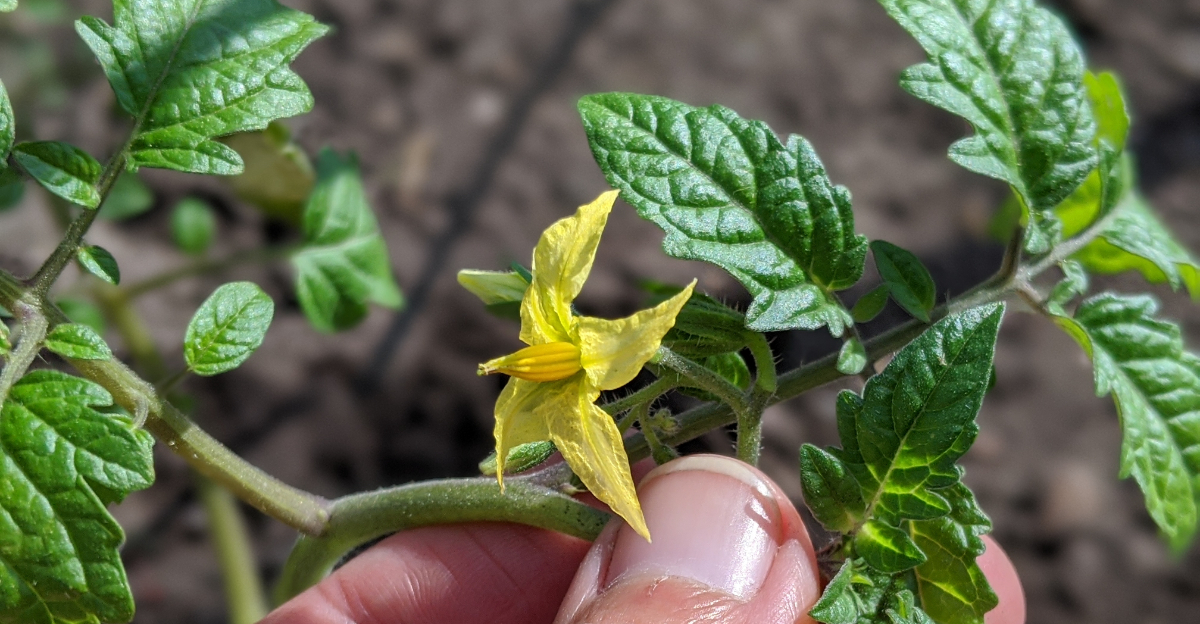
The first tomato flowers of the season are easy to miss. They’re small, they open quietly, and the plant doesn’t make a fuss about them.
But that moment marks a real turning point, one that Michigan gardeners in particular can’t afford to ignore. The growing season here is short. There isn’t much room for lost weeks or course corrections once summer is fully underway.
When the flowers appear, the plant has shifted its energy toward one goal, and what happens in the soil, on the stems, and in the garden around it during the next few weeks shapes the entire harvest.
Some of the most common mistakes happen right here, not from neglect exactly, but from treating flowering like a passive stage that doesn’t need attention. It does.
Seven simple steps taken now, while the first blooms are just opening, give Michigan tomatoes the best possible start at turning all that early season work into actual fruit.
1. Start Feeding Tomatoes Right When Flowers Appear
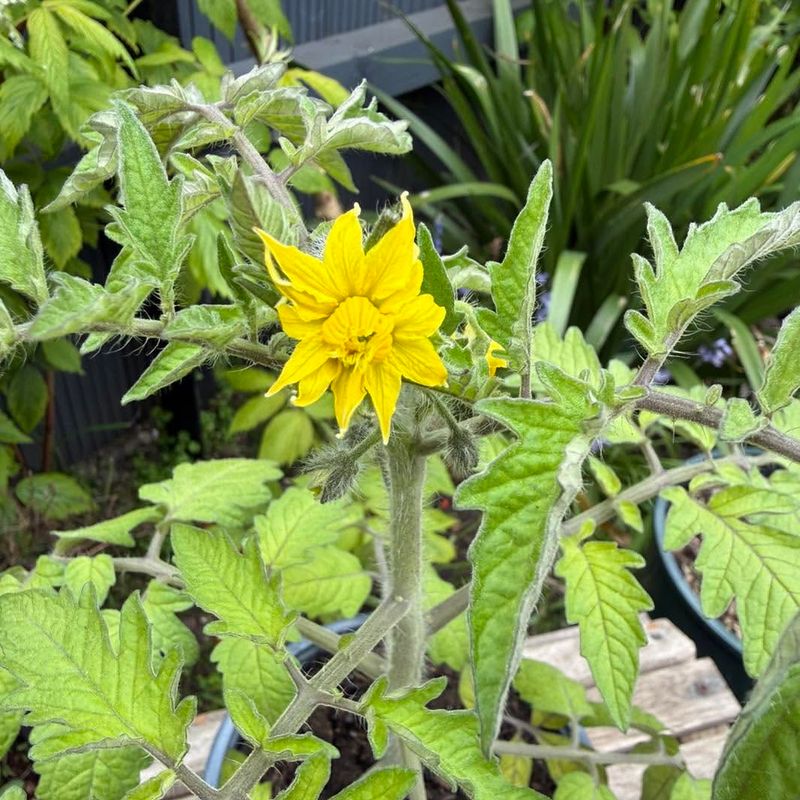
Flowering is your tomato plant sending a clear signal that it is ready to shift gears. Up until now, your plant has been building leaves and roots, but the moment flowers appear, its energy needs change completely.
Feeding it the right nutrients at exactly this stage makes a huge difference in how many tomatoes you actually harvest.
Phosphorus and potassium are the two nutrients your flowering tomatoes need most right now. Phosphorus helps roots stay strong and supports healthy flower development, while potassium helps the fruit fill out properly.
A fertilizer labeled 5-10-10 or a tomato-specific blend works really well at this stage in Michigan gardens.
Too much nitrogen right now is a common mistake gardeners make. High nitrogen pushes your plant to grow more leaves instead of producing fruit, which is the opposite of what you want.
Switching away from a high-nitrogen formula once flowering begins keeps your plant focused on the right goal.
In Michigan, the growing season runs roughly from late May through early September, so timing your fertilizer correctly matters more than in warmer states. Feed your plants every two weeks once blooms appear.
Raised beds and containers dry out faster and may need slightly more frequent feeding than in-ground gardens in Michigan soil.
2. Water Deeply Before Michigan Summer Heat Arrives
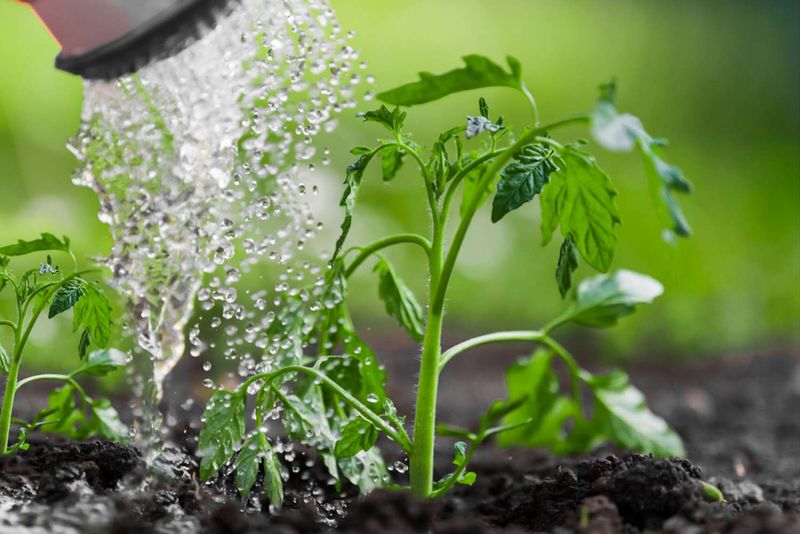
Watering might seem simple, but watering tomatoes correctly once they start flowering is genuinely one of the most impactful things you can do.
Michigan summers can swing quickly from cool and rainy to dry and hot, and your tomato plants feel every single one of those changes. Consistent, deep watering protects your plants before that heat really sets in.
Shallow watering encourages roots to stay near the surface, which makes plants more vulnerable when temperatures climb. Deep watering, soaking the soil down at least six to eight inches, trains roots to grow downward where moisture stays longer.
A soaker hose or drip line works really well for this in both raised beds and in-ground Michigan gardens.
Your Michigan Garden Changes Every Week. Your Plan Should Too.
Gardening in Michigan changes quickly throughout the season. Every Friday you’ll receive a simple weekly plan showing exactly what to plant, prune, fertilize, harvest, and protect so you never miss the right timing.
Uneven watering is actually one of the top causes of blossom end rot and cracked fruit later in the season. When plants get too much water after a dry spell, the fruit can split because it absorbs moisture too quickly.
Keeping moisture levels steady from flowering through harvest dramatically reduces both of those frustrating problems.
Michigan soil varies a lot by region. Sandy soils in western Michigan drain fast and need more frequent watering, while clay soils in southeastern Michigan hold moisture longer but can get waterlogged.
Knowing your soil type and adjusting your watering schedule accordingly gives your flowering tomatoes the stable environment they need to thrive.
3. Add Mulch Before Temperatures Heat Up
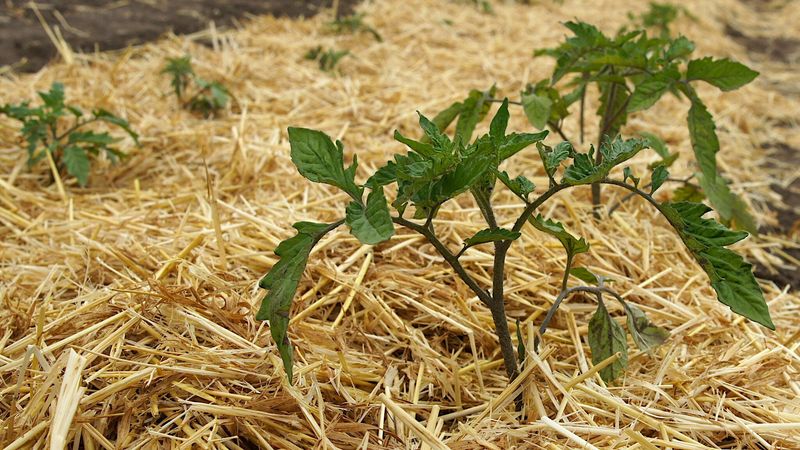
Straw spread around your tomato plants might not look fancy, but it is one of the smartest moves a Michigan gardener can make once flowers start appearing.
Mulch does several jobs at once, and most gardeners are surprised by how much of a difference a simple three-inch layer actually makes. Getting it down before the heat arrives is the key to making it work best.
Mulch slows down moisture evaporation from the soil, which is especially helpful during the dry stretches Michigan experiences in June and July.
It also keeps soil temperature more stable, preventing the kind of heat stress that causes flowers to drop before they can develop into fruit. Straw and shredded leaves are both excellent, affordable options for vegetable gardens.
One often-overlooked benefit of mulching is reducing soil splash during heavy rain. Michigan gets significant rainfall in spring and early summer, and raindrops hitting bare soil can send fungal spores up onto lower leaves.
A good layer of mulch acts as a buffer, keeping that wet soil from contacting your plant directly.
Weed control is another bonus that comes with mulching. Fewer weeds mean less competition for the water and nutrients your flowering tomatoes need right now.
Lay your mulch out just after watering and keep it a couple of inches away from the main stem to prevent moisture buildup against the base of the plant.
4. Support Heavy Tomato Growth Before Fruit Gets Large
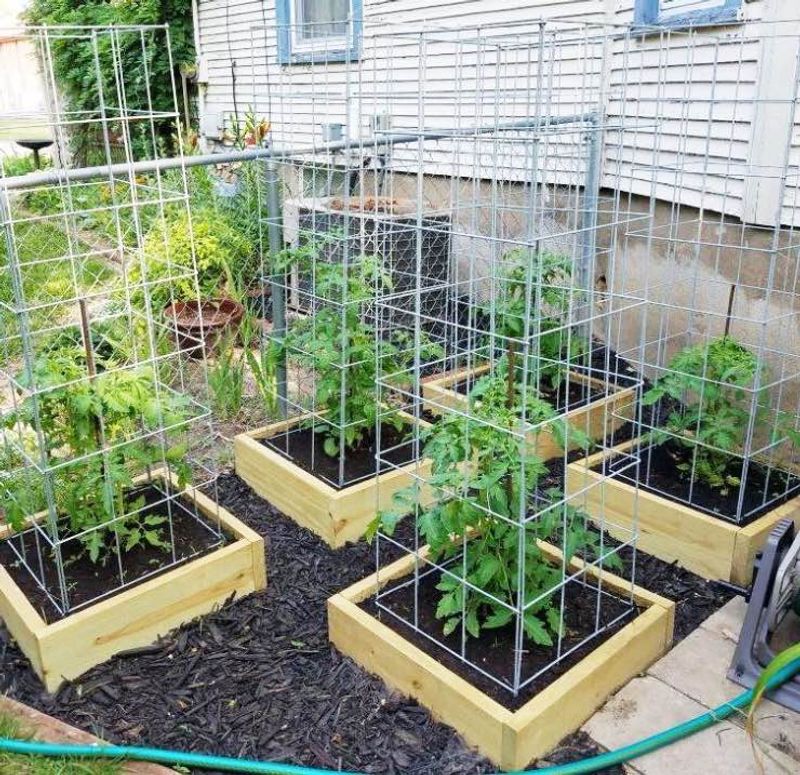
Tomato plants can grow surprisingly fast once flowering kicks in, and many Michigan gardeners wait too long to add proper support. By the time fruit starts forming and the plant gets heavy, trying to stake or cage it becomes a real struggle.
Getting your support system in place right at flowering keeps everything much cleaner and easier.
Indeterminate varieties, which include popular Michigan favorites like Beefsteak and Big Boy, keep growing and producing all season long. These plants can easily reach five or six feet tall and get quite heavy with fruit.
Heavy-duty cages or tall wooden stakes work best for these varieties, giving them room to grow without flopping over.
Determinate varieties, like Roma tomatoes, stay more compact and stop growing once the top flower cluster sets fruit. A sturdy cage or a single stake is usually enough for these plants.
Either way, getting support in early prevents the bent stems and poor airflow that come from letting plants lean and sprawl across the soil.
Good airflow around your plants is actually a health issue, not just a tidiness issue. When stems and leaves crowd together, humidity builds up and fungal problems spread much faster.
Michigan summers bring enough humidity on their own without adding to it by letting plants collapse on themselves. Early support keeps your plants upright, open, and producing well all the way through harvest.
5. Remove Lower Leaves To Improve Airflow
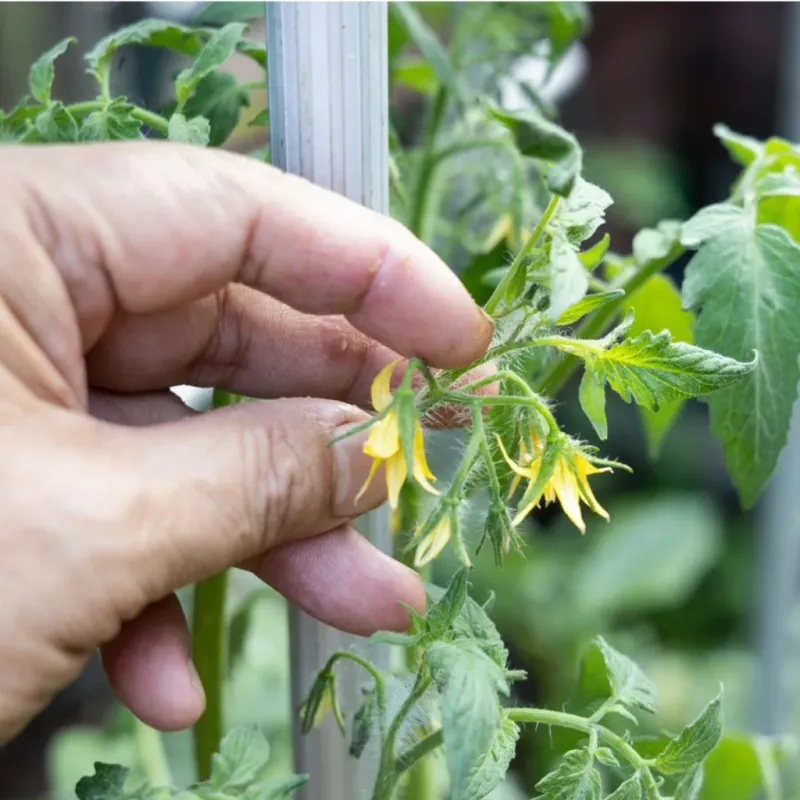
Pruning might feel a little scary the first time you do it, but removing the lower leaves from your tomato plants once they start flowering is genuinely one of the best things you can do for them.
Michigan summers are humid, especially near the Great Lakes, and that moisture creates perfect conditions for fungal problems to spread quickly. A little pruning now saves a lot of headaches later.
The leaves closest to the soil are the most vulnerable to fungal spores, which splash up from the ground during rain. Removing any leaves below the first flower cluster puts distance between the soil and the plant’s foliage.
That simple step improves airflow significantly and gives fungal diseases fewer places to take hold.
Use clean scissors or pruning shears when removing leaves. Snip the stem cleanly rather than tearing it, which can leave rough wounds that take longer to heal.
Avoid removing more than one-third of the plant’s leaves at one time, since the plant still needs foliage to capture sunlight and produce energy for those developing flowers and fruit.
Spacing your tomato plants correctly also plays a big role in airflow. Michigan gardeners sometimes plant tomatoes a little close together trying to maximize limited garden space, but tight spacing traps humidity and slows drying after rain.
Giving each plant at least twenty-four inches of space and keeping lower leaves trimmed creates a much healthier environment throughout the season.
6. Watch Closely For Early Tomato Pests In Michigan Gardens
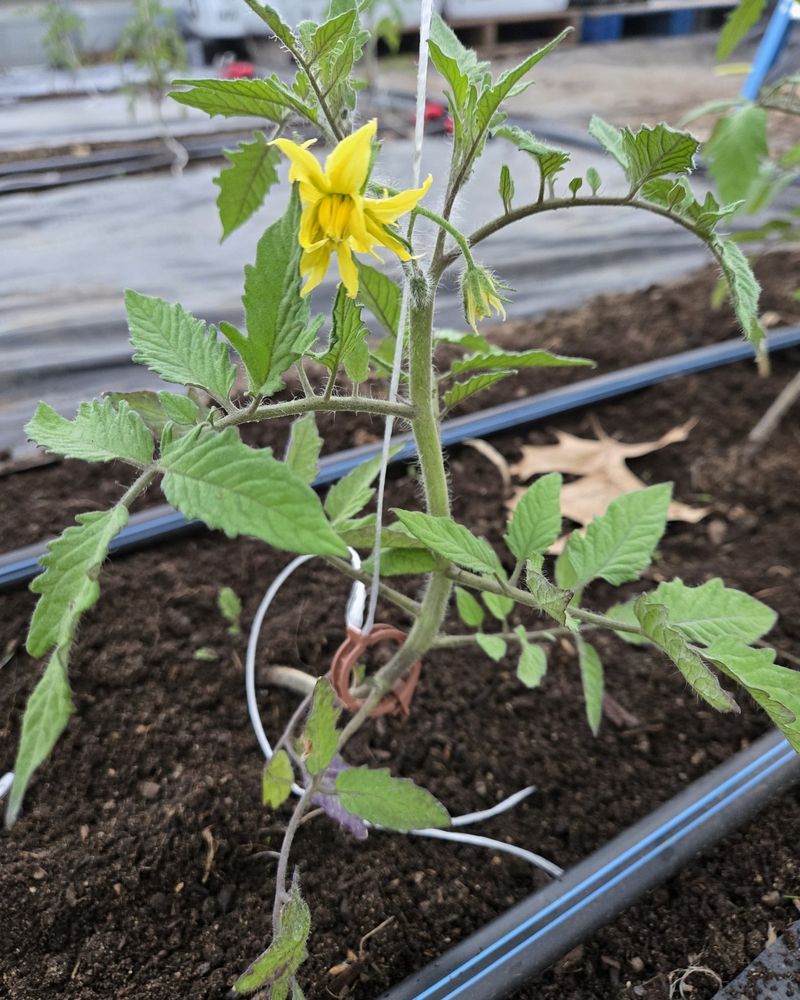
Pests have a funny way of showing up right when your tomato plants are doing their best work. The flowering stage is when your plants are putting out a lot of energy, which makes them attractive targets for insects looking for an easy meal.
Catching problems early in Michigan gardens keeps your plants strong and productive all summer long.
Aphids are among the first pests to appear on flowering tomatoes. They cluster on new growth and the undersides of leaves, sucking plant sap and leaving behind a sticky residue that can encourage mold.
A strong blast of water from a garden hose knocks them off effectively, and insecticidal soap spray works well for heavier infestations without harming pollinators.
Flea beetles are tiny, fast-moving insects that chew small holes in leaves and can show up quickly in Michigan vegetable gardens during warm spring weather.
Row covers placed over young plants earlier in the season help prevent them, but if you spot them once flowering has started, remove the covers to allow pollination and manage beetles with targeted treatments instead.
Tomato hornworms are large green caterpillars that blend in remarkably well with tomato foliage. Check your plants carefully, especially in the morning, looking for stripped leaves and dark droppings on the soil below.
Hand removal works perfectly for small numbers. Encouraging beneficial insects like parasitic wasps, which naturally target hornworms, is a smart long-term strategy for Michigan gardens.
7. Make Sure Tomato Flowers Can Pollinate Properly
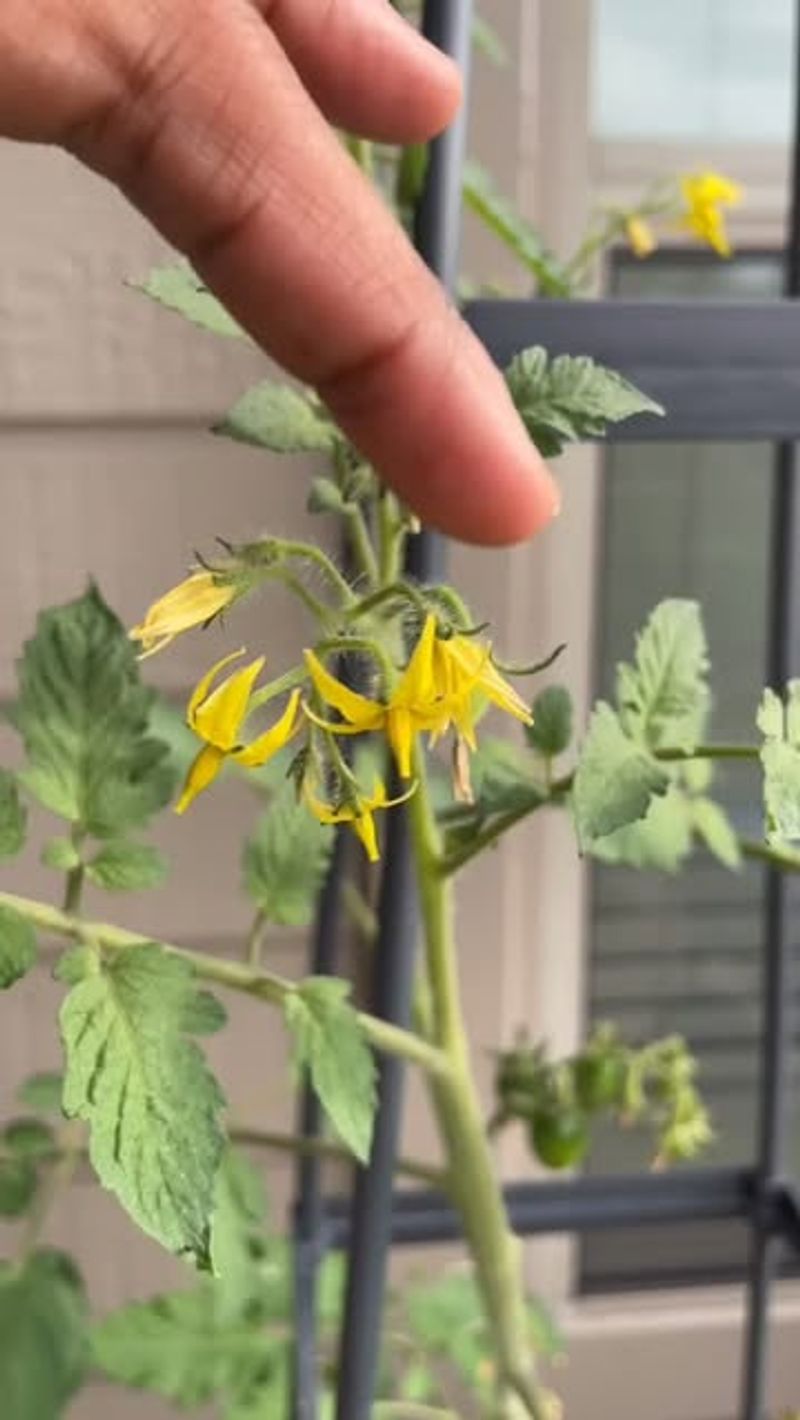
Tomatoes pollinate themselves, which sounds like great news, but Michigan weather does not always cooperate. Cool nights in late May and early June, combined with rainy and humid stretches, can reduce how well pollen transfers inside each flower.
Understanding what helps and what hurts pollination gives you a real edge during this critical window.
Tomato flowers release pollen when they vibrate, which is why bumblebees are actually better tomato pollinators than honeybees. Bumblebees use a technique called buzz pollination, gripping the flower and vibrating their flight muscles to shake pollen loose.
Planting pollinator-friendly flowers nearby, like borage or marigolds, encourages bumblebees to visit your Michigan garden more often.
On calm, still days with little wind or bee activity, you can gently shake flowering stems by hand to help pollen move. Do this in the morning when temperatures are mild and flowers are fully open.
Even a light, gentle tap on the main stem is enough to trigger pollen release and improve your fruit set noticeably.
Michigan weather can vary a lot from one year to the next. A cold, rainy June in Grand Rapids or a humid, overcast stretch along the Thumb region can cause flowers to drop without setting fruit at all.
If you notice flowers falling off without forming small green tomatoes, poor pollination conditions are likely the cause. Improving airflow, encouraging pollinators, and waiting for warmer days usually gets things back on track quickly.