Privacy Shrubs California Homeowners Are Planting Instead Of Fences
Fences have their place, but a solid wall of greenery? That hits different. More and more homeowners are swapping out wood panels and vinyl slats for living, breathing privacy screens that actually add beauty and value to their yards.
And honestly, it makes total sense. A well-chosen shrub can block a nosy neighbor’s sightline while looking absolutely stunning doing it.
But with so many options crowding the nursery shelves, how do you know which ones will grow thick and tall enough to actually do the job?
The mild climate across much of the state is basically a shrub’s paradise. Several varieties grow so fast and full that you’ll wonder why you ever considered calling a fence contractor in the first place, and the best part is you won’t need a single permit to get started.
1. Island Bush Poppy
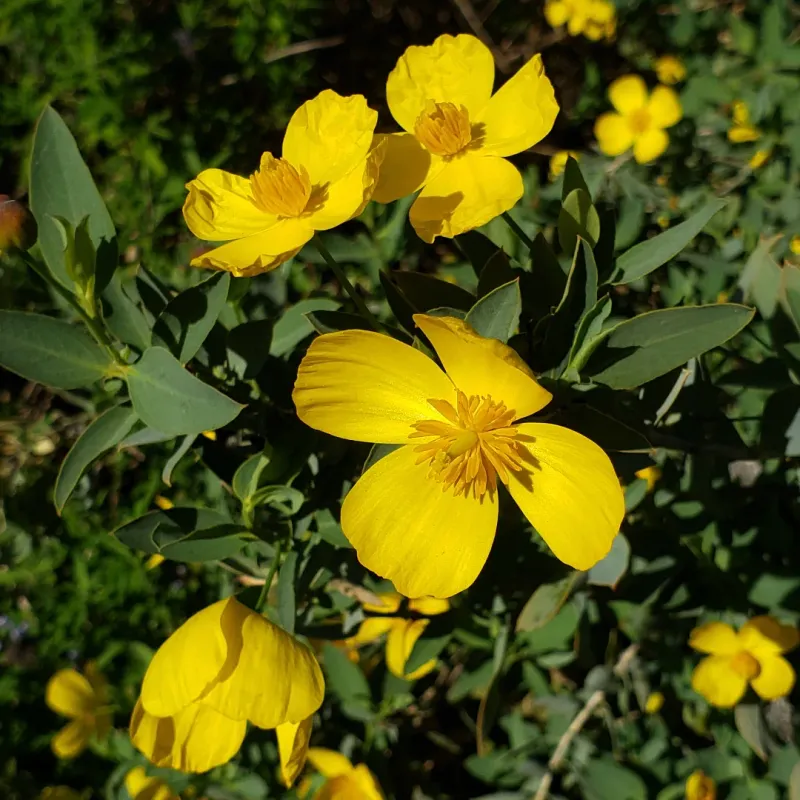
Bright yellow flowers and bold green leaves make this shrub one of the most cheerful natural privacy options in all of California. Island bush poppy, known scientifically as Dendromecon harfordii, grows fast and tall, often reaching six to ten feet in height.
That makes it a fantastic living wall for California homeowners who want beauty without the cost of a fence.
Native to the Channel Islands off the Southern California coast, this plant is built for the California climate. It thrives in full sun and handles drought like a champ once it settles in.
You do not need to water it constantly, which is a huge win in a state where water conservation matters.
The flowers bloom from late winter through spring, giving your yard a pop of golden color right when everything else still looks dull. Bees absolutely love this plant, so you will notice more pollinators buzzing around your garden.
Pruning it lightly after blooming keeps the shape clean and full. Plant it along a fence line or property border and watch it fill in within a season or two.
For California homeowners who want low-effort, high-impact screening, island bush poppy is a showstopper worth every inch of garden space.
2. Lemonade Berry
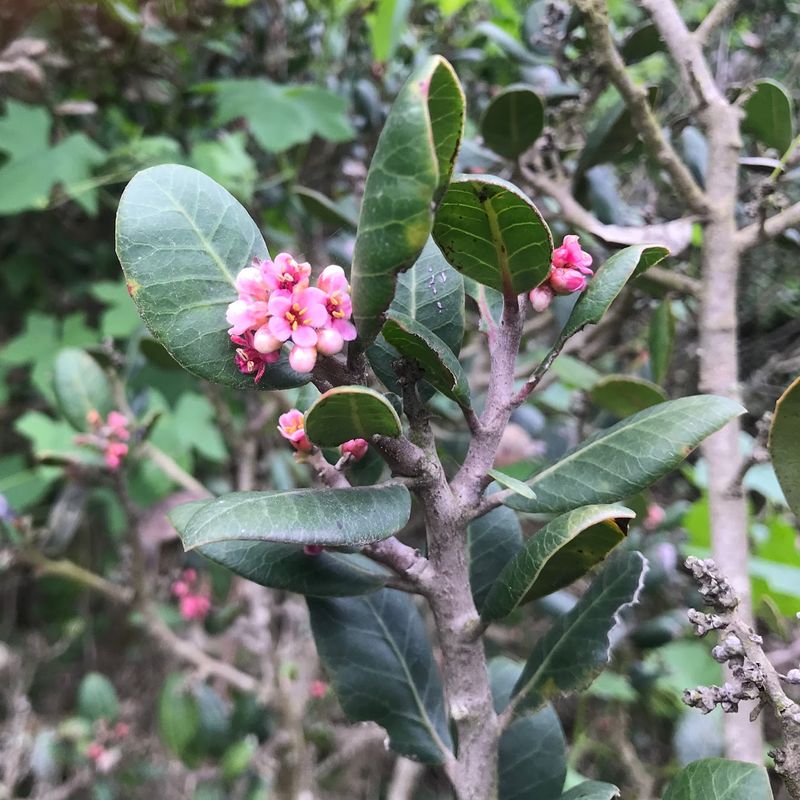
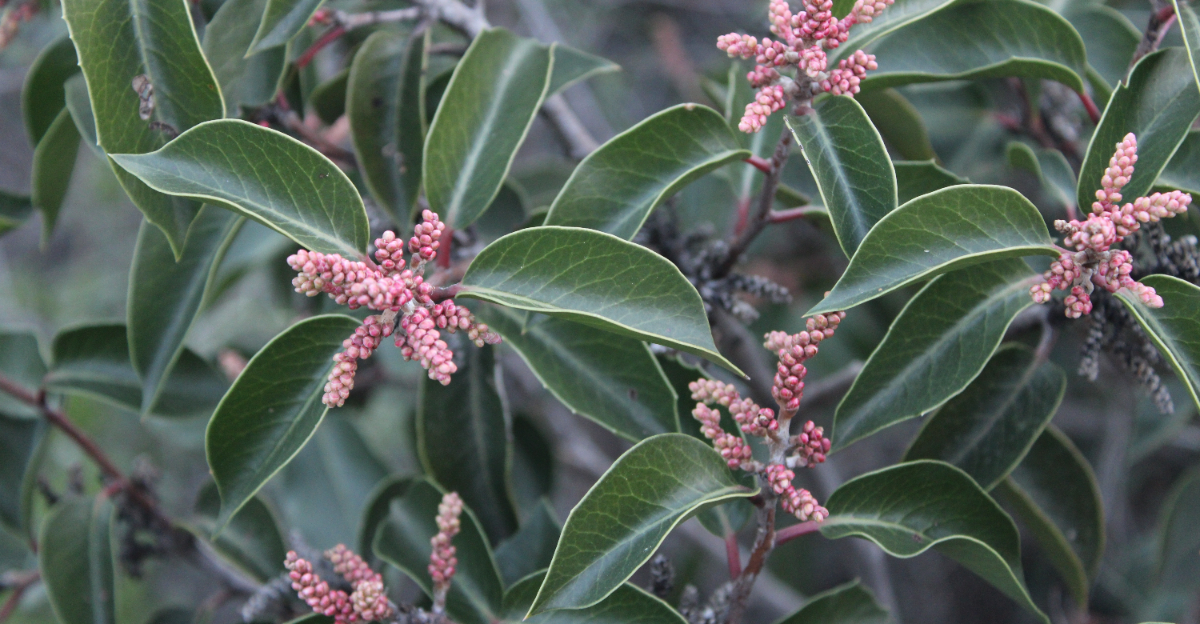
If you have ever hiked through the chaparral of Southern California, you have probably brushed past this tough and handsome shrub without even knowing it. Lemonade berry, or Rhus integrifolia, is one of the most popular native screening plants among California homeowners, and for good reason.
It grows dense, stays evergreen, and handles coastal conditions beautifully.
The shrub typically reaches six to twelve feet tall, forming a thick natural barrier that blocks views, muffles street noise, and creates a sense of privacy that a fence just cannot replicate. The leaves are dark, glossy, and leathery, which gives the plant a polished, well-kept look year-round.
Small clusters of white to pinkish flowers appear in winter and early spring, followed by sticky reddish berries that wildlife absolutely love.
Fun fact: those tart berries were once used by Native Californians to make a lemony drink, which is exactly where the name comes from. Lemonade berry does best in full sun along the coast and in low-elevation inland areas of California.
Your California Garden Changes Every Week. Your Plan Should Too.
Gardening in California changes quickly throughout the season. Every Friday you’ll receive a simple weekly plan showing exactly what to plant, prune, fertilize, harvest, and protect so you never miss the right timing.
It is highly drought-tolerant once established and rarely needs fertilizer. For homeowners looking for a reliable, wildlife-friendly privacy hedge, this native gem delivers all year long without demanding much in return.
3. Red Shanks
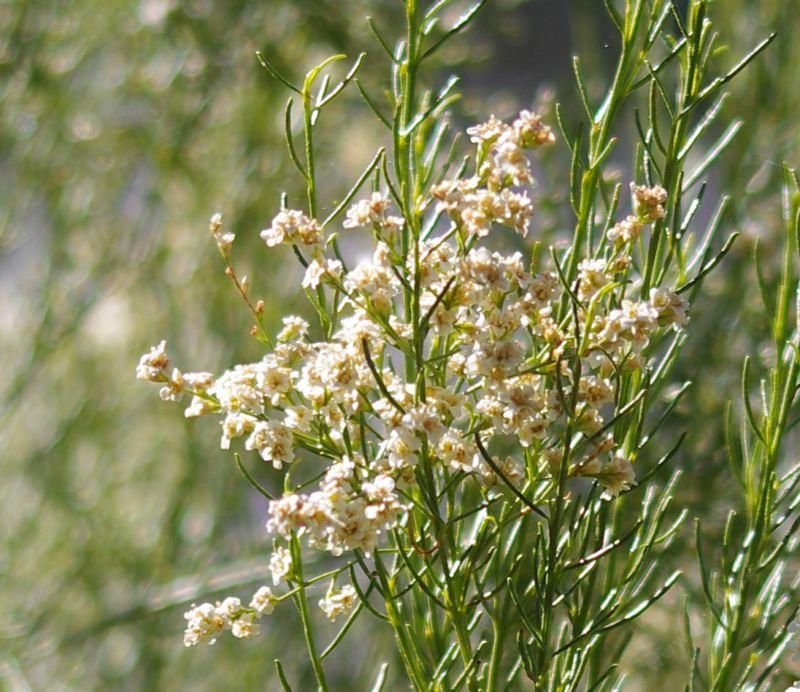
There is something almost artistic about a plant with peeling red bark that glows in the afternoon sun. Red shanks, also called Adenostoma sparsifolium, is a California native that looks like it belongs in a painting.
It grows in the chaparral and foothill regions of Southern and Central California, making it a natural fit for homeowners in those areas.
This shrub can grow anywhere from five to twenty feet tall, depending on conditions, which gives it serious potential as a privacy screen. The needle-like leaves are small and feathery, creating a soft, airy texture that feels very different from the stiff look of a wooden fence.
The reddish, peeling bark is what really sets it apart and makes it a conversation starter in any yard.
Red shanks is incredibly drought-tolerant and grows well in sandy or rocky soils where other plants struggle. It thrives in full sun and does not need much water once it gets going.
Small white flowers appear in summer, drawing in bees and other beneficial insects. Because it grows upright and dense, it works well as a windbreak or visual barrier along property lines.
California homeowners dealing with hot, dry conditions will find red shanks to be a reliable and visually striking privacy solution.
4. Laurel Sumac
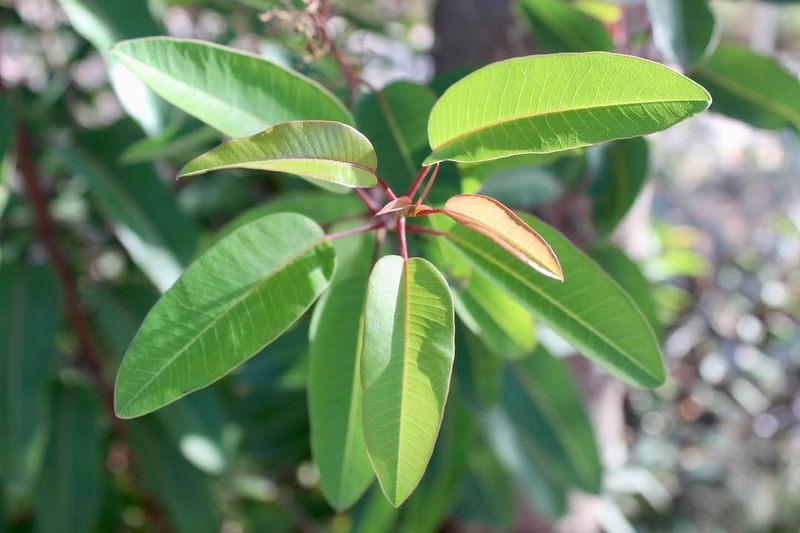
Walk past a laurel sumac on a warm California afternoon and you will catch a faint, spicy scent that is hard to forget. Malosma laurina is one of the most widely used native screening shrubs in Southern California, and it has been growing in chaparral landscapes here for thousands of years.
Homeowners are now bringing it into their yards, and the results speak for themselves.
Laurel sumac grows fast, sometimes shooting up several feet in a single season. At maturity, it can reach ten to fifteen feet tall and just as wide, creating a lush, full privacy screen that blocks everything from curious neighbors to passing traffic.
The leaves are large, dark green, and slightly folded along the midrib, giving them a taco-like shape that makes the plant easy to identify.
It handles full sun and dry summers without complaint, which is perfect for the warm inland areas of Southern California. Clusters of small white flowers appear in summer, followed by small red berries that birds flock to.
Because it grows so quickly, laurel sumac can fill in a bare property line within just one or two growing seasons. It is one of the fastest, most effective, and most beautiful natural fences a California homeowner can plant.
5. Flannel Bush
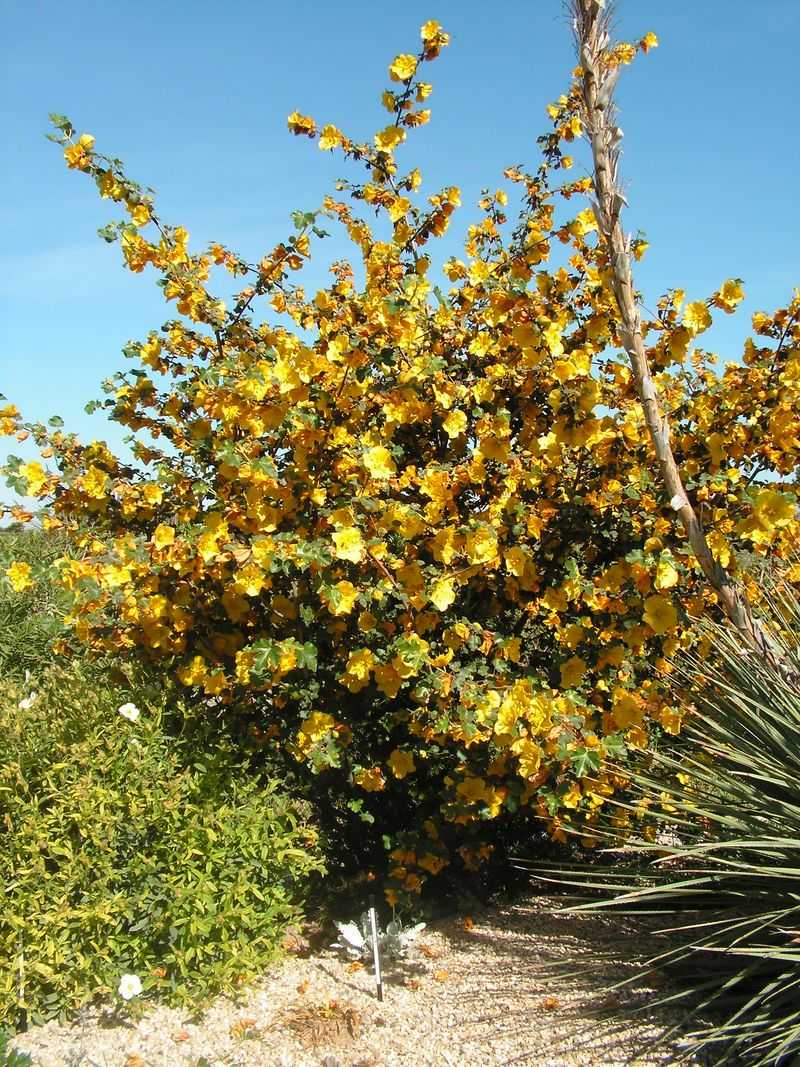
Few California native shrubs make as dramatic a statement as flannel bush when it bursts into bloom. Fremontodendron californicum covers itself in large, vivid yellow flowers that can stop traffic, and that cheerful display happens even during dry years when other plants look tired and stressed.
It is bold, it is beautiful, and it is built for California.
Flannel bush grows quickly to between six and twenty feet tall, depending on the variety you choose. That range makes it flexible enough for small yards as well as larger properties.
The leaves and stems are covered in tiny fuzzy hairs, which is where the name comes from and also why you should wear gloves when handling it since the hairs can irritate skin.
This shrub grows best in well-drained, rocky, or sandy soils in full sun. It actually prefers dry conditions and does poorly with too much water, so skip the irrigation once it is established.
Flannel bush is native to the foothills and mountain slopes of Central and Southern California, and it thrives in those hot, dry environments. For homeowners who want a dramatic privacy screen that doubles as a jaw-dropping floral display every spring, flannel bush is one of the most rewarding choices in the entire California native plant palette.
6. Jojoba
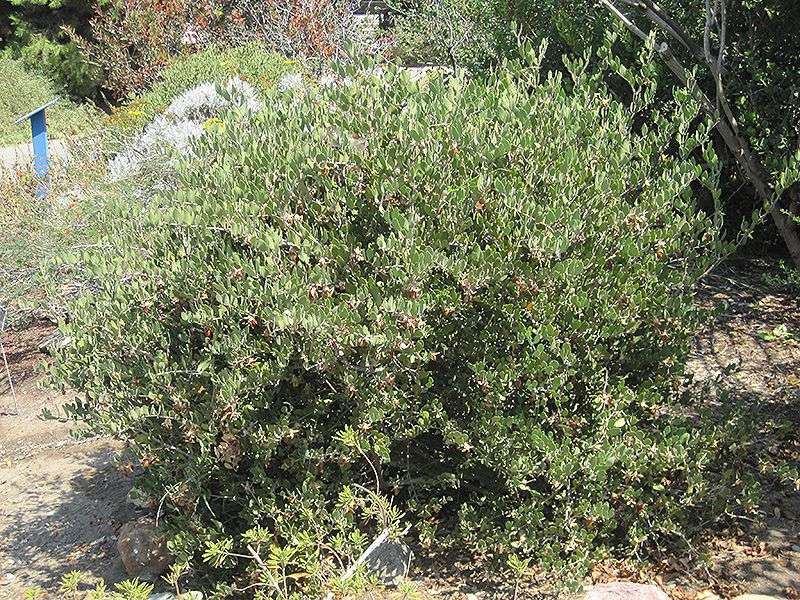
Most people know jojoba from the ingredient label on their shampoo bottle, but in California, it is also one of the most underrated privacy shrubs you can plant. Simmondsia chinensis is native to the Sonoran and Mojave Desert regions of Southern California, and it has evolved to handle extreme heat and drought with remarkable ease.
Jojoba grows into a dense, rounded shrub that typically reaches three to ten feet tall. The thick, leathery leaves are a blue-gray-green color that looks great against the warm tones of a California landscape.
Because the plant is evergreen and grows tightly branched, it forms a solid visual screen that works well along fence lines, property borders, or anywhere you need a natural barrier.
One of the coolest things about jojoba is that it is dioecious, meaning there are male and female plants. Female plants produce hard, acorn-like seeds filled with a liquid wax that has been used in cosmetics and industry for decades.
Birds and small mammals eat the seeds too, so planting jojoba brings extra life to your yard. It thrives in full sun and needs very little water once established.
For desert-adjacent communities in Southern California, jojoba is a tough, good-looking, and surprisingly fascinating privacy option.
7. Bush Anemone
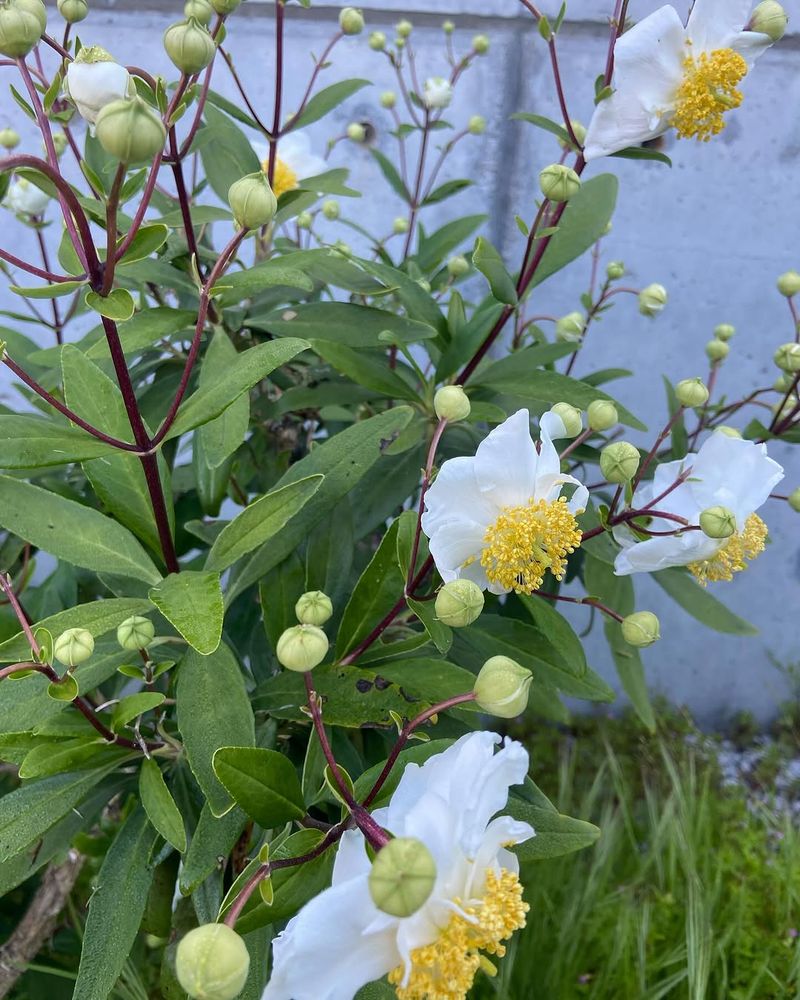
Not every California yard gets blasted with full sun all day, and for those shadier spots, bush anemone is a real treasure. Carpenteria californica is one of the rarest native shrubs in California, found naturally only in a small area of Fresno County in the Sierra Nevada foothills.
But thanks to nurseries, it is now available to homeowners all over the state.
The flowers are the main attraction here. Large, white, poppy-like blooms with golden yellow centers appear in late spring and early summer, and they look stunning against the plant’s dark green, slightly fuzzy leaves.
The shrub grows four to eight feet tall and nearly as wide, making it a solid choice for a privacy planting or informal hedge.
Bush anemone does best in partial shade to full sun with well-drained soil. Once established, it is drought-tolerant, though it appreciates occasional deep watering during the hottest months.
It is also a great pick for homeowners in Central California who want something a little unusual and visually striking. Pollinators go crazy for the flowers, and the dense foliage provides shelter for small birds.
For yards that need a softer, more refined look instead of a hard fence line, bush anemone brings quiet elegance and real ecological value.
8. Sugar Bush
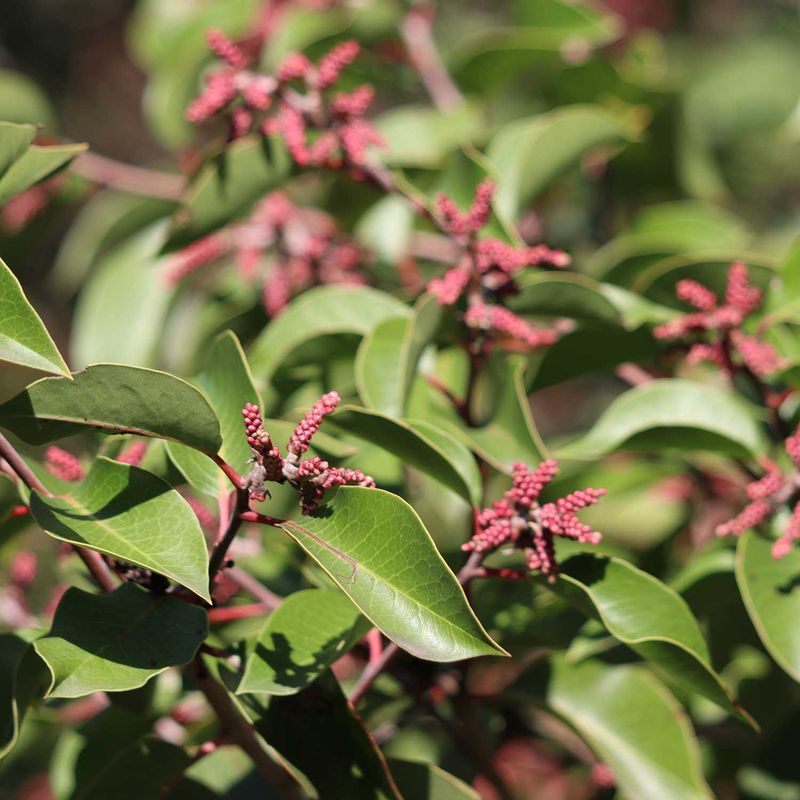
Sugar bush is one of those plants that earns its place in a California yard by doing just about everything right. Rhus ovata is a tough, evergreen native shrub that grows naturally in the chaparral and coastal sage scrub of Southern California and Baja California.
It has been thriving in this region long before anyone thought to plant it in a garden.
The shrub grows six to twelve feet tall and develops a dense, rounded canopy of large, glossy, dark green leaves. That thick foliage makes it one of the best natural privacy screens available to California homeowners.
Once planted along a property border, it fills in steadily and creates a wall of greenery that is far more attractive than any wooden fence.
Small clusters of white or pinkish flowers bloom in spring, and they are followed by sticky reddish berries that were historically used by Native peoples to make a sweet, refreshing drink. That is how the plant got its sweet name.
Sugar bush is extremely drought-tolerant and does well in full sun with well-drained soil. It rarely needs fertilizer and requires minimal pruning to stay looking full and tidy.
For Southern California homeowners who want a no-fuss, wildlife-supporting, beautiful privacy hedge, sugar bush is a top-tier choice.
9. Brewer’s Saltbush
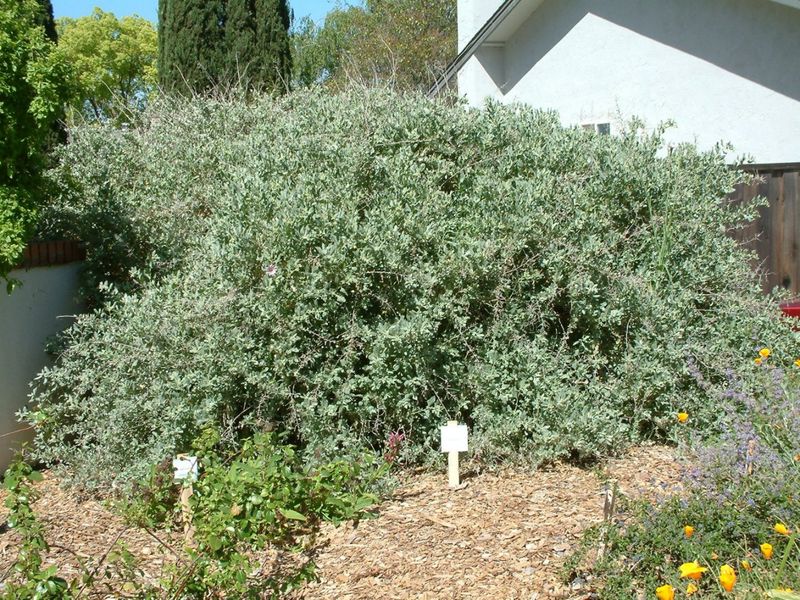
Silver-leafed plants have a way of making a garden feel cool and calm, even in the middle of a hot California summer. Brewer’s saltbush, or Atriplex lentiformis breweri, is a native shrub that brings that silvery beauty to yards across the state while also serving as a tough, dense privacy screen.
It is not the flashiest plant on this list, but it is one of the most dependable.
This shrub grows four to eight feet tall and spreads just as wide, forming a thick, bushy mound of pale gray-green foliage. The leaves have a slightly waxy, dusty coating that helps the plant reflect heat and reduce water loss, which is exactly what you want in a California garden.
It handles everything from full sun to light shade and tolerates poor, salty, or alkaline soils where other plants would struggle.
Brewer’s saltbush is native to coastal and inland areas of California, and it does especially well near the coast where salt air and sandy soils are common. Birds love to nest in its dense branches, and the seeds provide food for sparrows and other small birds through the fall and winter.
For homeowners who need a privacy shrub that works hard in tough conditions, Brewer’s saltbush is a quiet, reliable, and ecologically generous choice.