Why More Coyotes Are Showing Up In Michigan Suburbs And What Homeowners Should Know
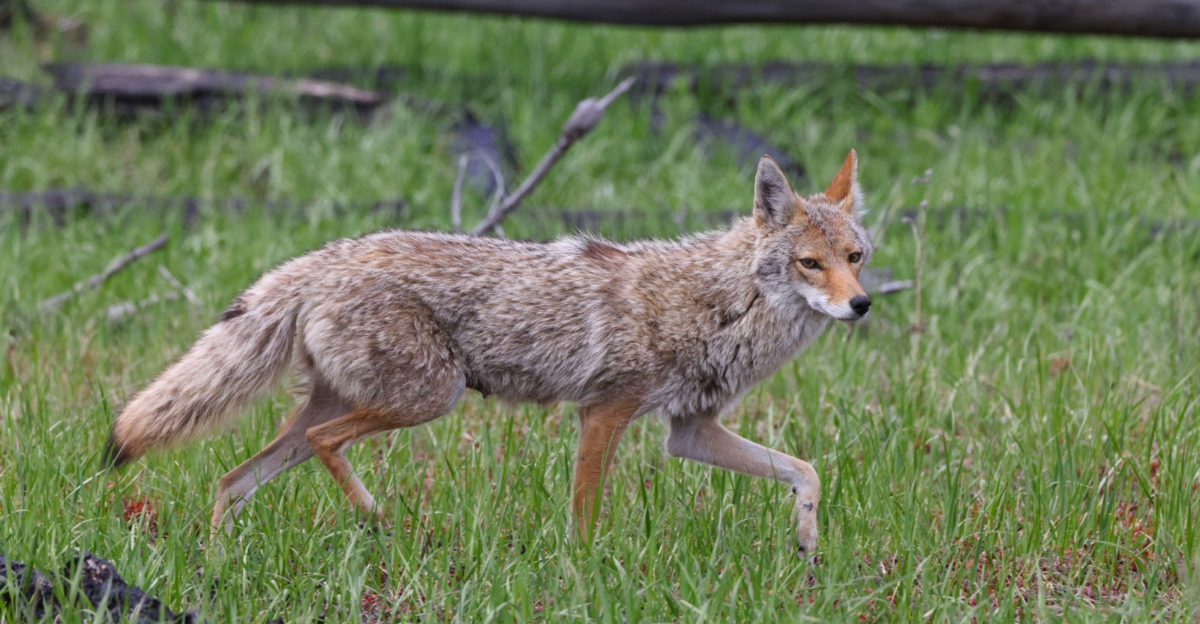
Spotting a coyote in your Michigan backyard is enough to make you spill your morning coffee.
One minute you are admiring the dew on your lawn, and the next, a fluffy, four-legged neighbor is trotting past your patio furniture like he owns the place!
As our suburbs keep stretching into local woods and fields, these clever creatures are finding that residential life is actually pretty cozy. The reality is that coyotes are basically the ultimate urban explorers.
They love our quiet streets and those convenient green spaces just as much as we do. While seeing one might give you a little jolt of adrenaline, it is usually not a reason to panic.
It simply means it is time to get smart about how we share the neighborhood.
Understanding what attracts them to your neck of the woods helps you keep your pets safe and your yard secure.
1. Coyotes Are Easier To Notice In Breeding Season
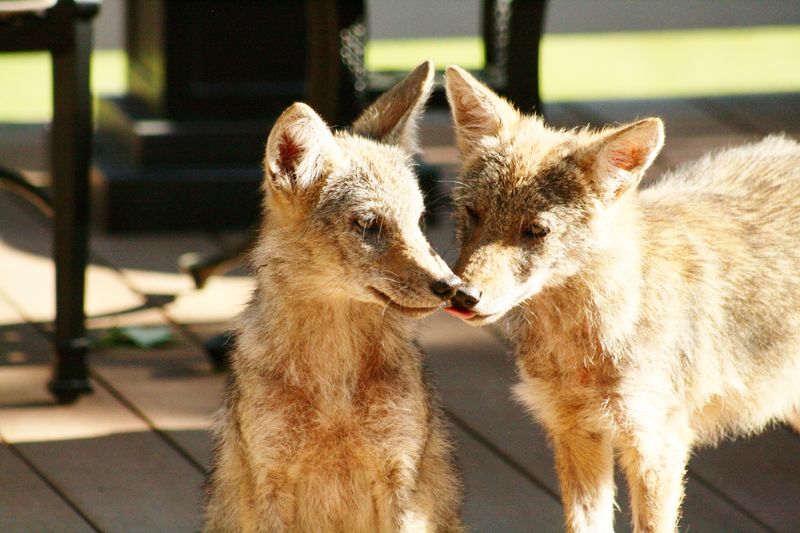
Coyotes become noticeably more active during breeding season, and that increased movement often puts them in places where residents are more likely to spot them during daylight hours.
A coyote that might otherwise move mostly at night can shift its routine when looking for a mate, covering more ground and crossing through yards, parks, and open green spaces.
During this period, territorial behavior also picks up. Male coyotes may travel farther than usual, and pairs that have bonded may be seen together.
Michigan homeowners sometimes hear more howling or yipping at night during these weeks, which can feel surprising if they had not noticed coyotes nearby before.
The sounds carry well through cold winter air, making the presence of coyotes seem more dramatic than it might otherwise be.
By spring, a mated pair will settle into a denning area, and activity may quiet down again from a homeowner’s perspective. The pups born in spring are raised through summer, and the family group typically stays out of view for a while.
Understanding this seasonal rhythm can help Michigan residents put a backyard sighting into better context rather than assuming something unusual is happening in their neighborhood.
2. Young Coyotes Can Show Up In Suburbs In Fall
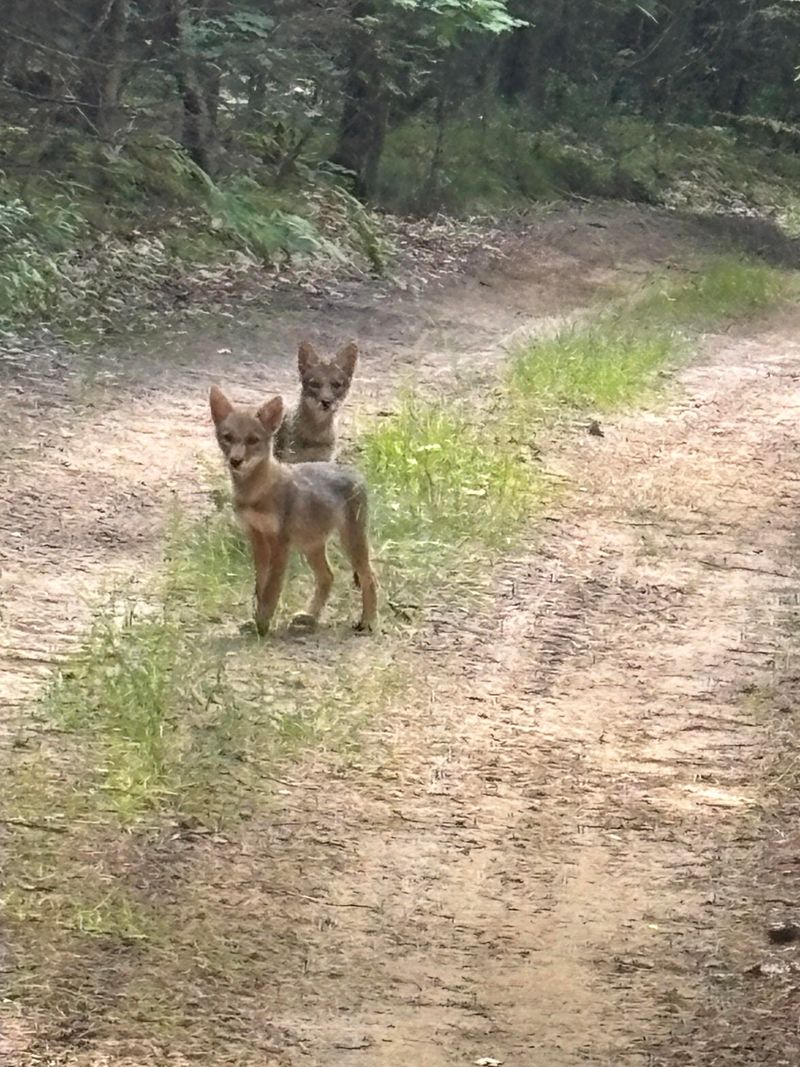
Fall is when Michigan suburbs sometimes see a fresh wave of coyote activity, and the reason has a lot to do with young animals setting out on their own.
By late summer and into autumn, pups that were born in spring have grown old enough to leave the family group.
These young coyotes, sometimes called dispersers, begin searching for their own territories, and that journey often takes them through unfamiliar terrain, including suburban neighborhoods.
A dispersing coyote may look a little uncertain or move through an area more slowly than a seasoned adult.
Homeowners sometimes report seeing what appears to be a lost or confused animal, but in most cases the coyote is simply passing through while figuring out where to go next.
Michigan’s mix of parks, golf courses, retention ponds, and wooded neighborhood edges gives these young animals plenty of corridors to travel through.
Your Michigan Garden Changes Every Week. Your Plan Should Too.
Gardening in Michigan changes quickly throughout the season. Every Friday you’ll receive a simple weekly plan showing exactly what to plant, prune, fertilize, harvest, and protect so you never miss the right timing.
Most dispersing coyotes move on within a short time if the area does not offer reliable food or shelter.
The ones that linger tend to find something worth staying for, whether that is easy access to prey, dense cover, or food attractants left out by residents.
Keeping yards tidy and free of food sources during fall can help encourage young coyotes to keep moving rather than settling in near your Michigan home.
3. Bird Feeders Can Attract Wildlife Coyotes Follow
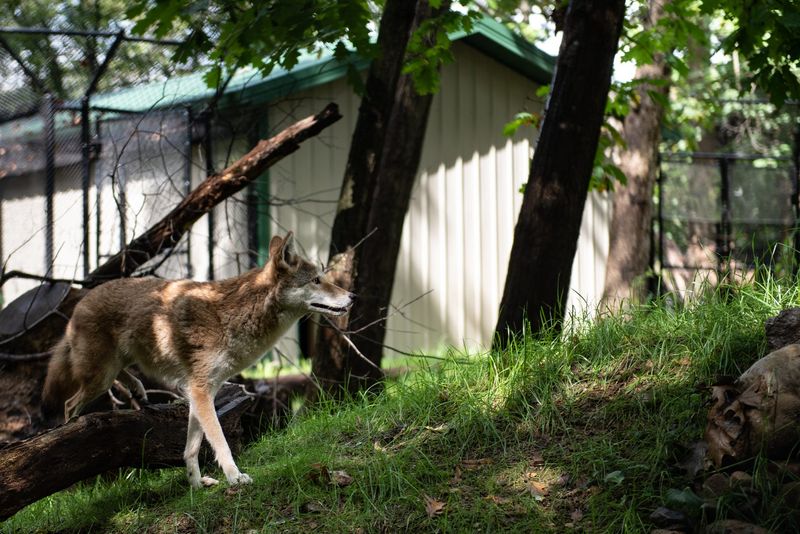
backyard bird feeders are a beloved part of Michigan outdoor culture, but they can quietly set off a chain reaction that ends with a coyote in your yard.
Seed that falls to the ground draws squirrels, chipmunks, and mice, and those small mammals are exactly the kind of prey coyotes hunt. A feeder that attracts a steady stream of rodents can make a yard look like a reliable hunting spot from a coyote’s perspective.
Michigan homeowners often do not make this connection right away. The bird feeder seems harmless, the squirrels seem like a normal part of the yard, and then one morning a coyote appears near the fence line.
The coyote is not interested in the birds or the seeds. It is following the small mammals that the seeds attracted, which is a pattern that plays out in suburban yards across the state.
One practical step is to switch to feeders designed to reduce seed spillage on the ground. Another option is to temporarily bring feeders in during times of the year when coyote activity tends to increase, such as late winter breeding season or fall dispersal.
Cleaning up fallen seed regularly also helps cut down on the rodent activity that draws coyotes in. small adjustments to backyard habits can make a real difference in reducing visits.
4. Pet Food And Trash Can Bring Coyotes Closer
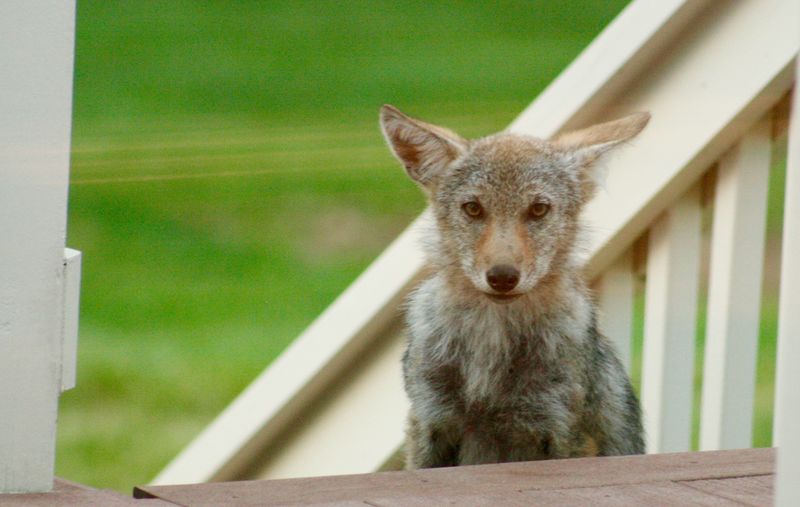
outdoor pet food bowls and unsecured trash cans are two of the most common reasons coyotes start showing up closer to Michigan homes. coyotes are opportunistic eaters, meaning they will take advantage of easy food when they find it.
A bowl of dog food left on a back porch or a trash can that tips over in the wind sends a very clear signal to a coyote that this yard is worth checking again.
Once a coyote figures out that a specific yard offers reliable food, it tends to return. That habit can develop quickly and can be harder to break once it is established.
Michigan wildlife experts consistently point to unsecured food sources as one of the main factors that bring coyotes into closer contact with people and pets in suburban areas.
The fix is straightforward even if it requires building some new habits.
Bring pet food inside after feeding time, especially in the evening. Use trash cans with locking lids or store bins in a garage until collection day.
Avoid leaving fruit that has fallen from trees on the ground for extended periods, since that also draws small mammals and can attract coyotes indirectly.
Taking food sources seriously is one of the most effective ways Michigan homeowners can reduce how often coyotes show up near their homes.
5. Brushy Areas Give Coyotes More Cover
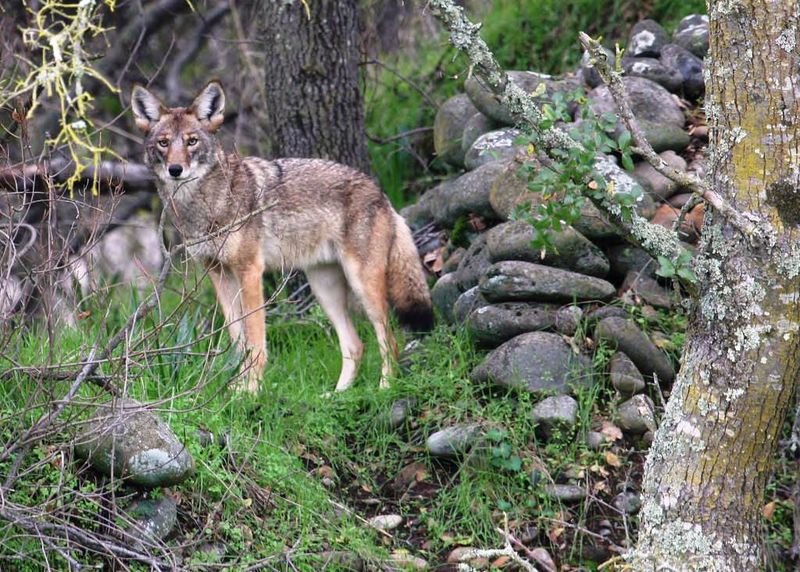
Not every yard in Michigan has a brushy back corner or an overgrown fence line, but the ones that do can unintentionally offer coyotes exactly what they look for in a resting or hunting spot.
Dense vegetation, tall grass, brush piles, and thick shrubs near property edges give coyotes a sense of cover.
From those concealed spots, they can observe the yard without being easily seen.
coyotes are not particularly fond of wide-open spaces when they are near human activity. Cover makes them feel safer, and suburban yards that have a mix of open lawn and dense vegetation near the edges can look appealing.
This is especially true for yards that back up to a wooded lot, a retention pond, or a greenbelt, which are common features in Michigan residential developments.
Managing brushy areas does not mean clearing every shrub or plant in the yard. It means being thoughtful about dense ground-level cover near areas where pets play or where children spend time.
Trimming back overgrown shrubs, clearing brush piles, and keeping grass mowed in areas close to the house reduces the amount of cover available to coyotes.
Michigan homeowners who manage these spots tend to notice fewer signs of wildlife lingering near the home, even if coyotes continue to pass through the neighborhood corridor.
6. Coyotes Are Often More Active At Dawn And Dusk
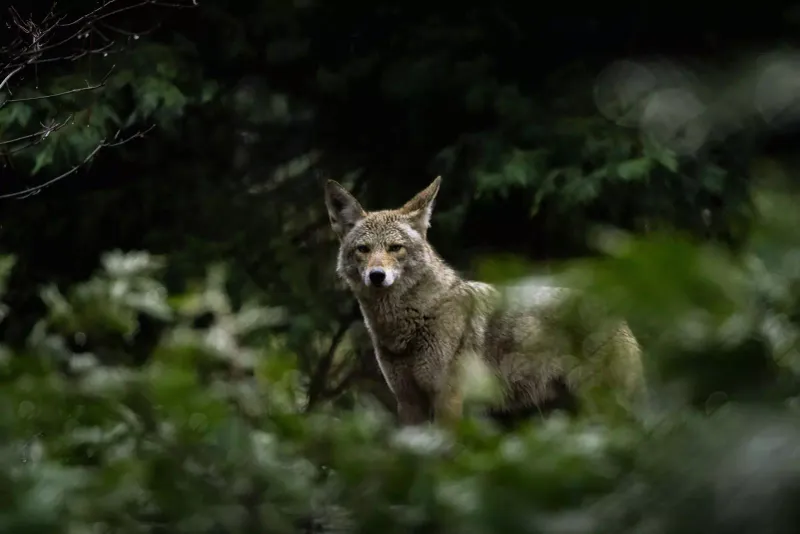
Early risers in Michigan neighborhoods are often the first to spot a coyote, and that timing is not random.
Coyotes tend to be most active during the low-light hours of dawn and dusk. These windows of the day offer them better cover from human activity while still giving them enough light to hunt effectively.
A coyote moving through a neighborhood at 6 a.m. is behaving completely normally, even if the sight catches a homeowner off guard.
coyotes can and do move at other times of day, particularly during breeding season or when a young animal is still learning its surroundings. But the crepuscular pattern, meaning most active at twilight hours, is the most consistent one.
Michigan homeowners who walk dogs early in the morning or late in the evening are the ones most likely to have regular encounters.
knowing this rhythm helps with planning. keeping small pets on a leash during dawn and dusk walks is a sensible precaution.
Being aware that a coyote moving through the area at these hours is likely on a hunting or patrolling route, not looking for trouble, can also reduce alarm.
Staying aware of surroundings during these hours and knowing what a coyote looks like compared to a stray dog can help Michigan residents respond calmly and confidently if they spot one nearby.
7. Small Pets Need More Care When Coyotes Are Nearby
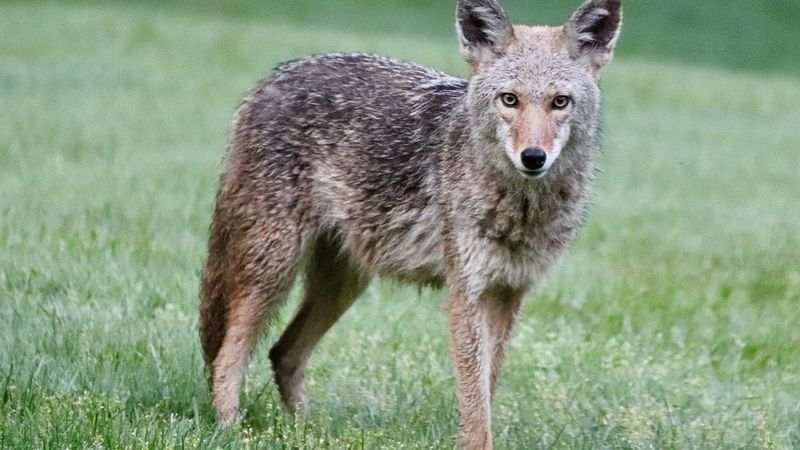
small dogs and cats are genuinely more vulnerable in areas where coyotes are active, and Michigan homeowners with small pets should take that seriously without becoming overly anxious about it.
Coyotes are natural predators of small mammals, and a small pet left alone in a yard at night or during low-light hours can be at risk, particularly in neighborhoods that back up to wooded edges or greenbelts.
The most effective protection is supervision. Bringing small pets inside at night, not leaving them unsupervised in a yard during dawn or dusk, and keeping dogs on a leash during walks are all practical habits that reduce risk considerably.
Outdoor cats face more exposure since they tend to roam freely, and Michigan homeowners in areas with known coyote activity may want to consider keeping cats indoors, at least during the hours when coyotes are most likely to be moving through.
Outdoor enclosures designed to keep pets safe can also be useful for homeowners who want their animals to spend time outside without constant supervision.
These are sometimes called catios for cats or secure dog runs for small dogs.
The goal is not to create fear but to build routines that account for the wildlife that naturally shares Michigan’s suburban landscape.
A few simple adjustments to daily pet care habits can go a long way toward keeping small animals safe.
8. Making Noise Can Help Scare Coyotes Away
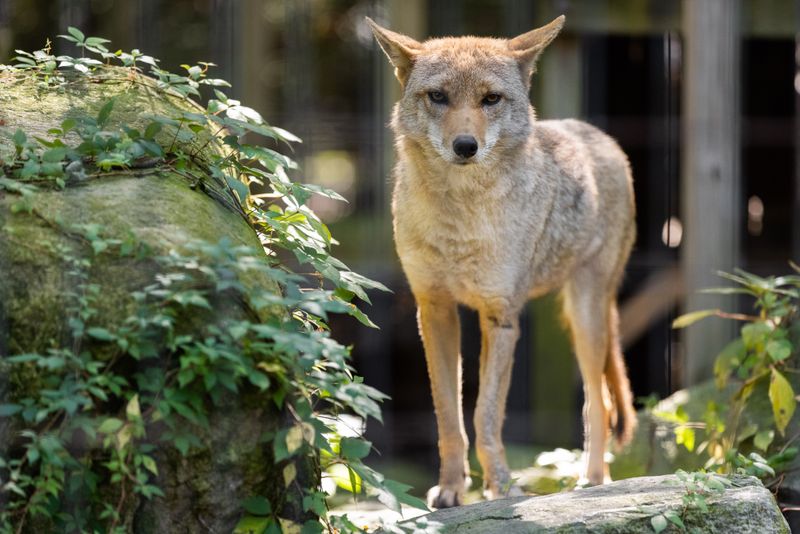
A coyote that starts to feel comfortable around people is one that can become a problem over time. Wild coyotes that lose their natural wariness of humans tend to get bolder, and that shift can create conflicts that are harder to resolve.
The good news is that most coyotes in Michigan are still naturally cautious around people, and a confident response from a homeowner can reinforce that caution effectively.
If you spot a coyote in your yard or nearby, making yourself look and sound larger is a reasonable first move.
Clapping your hands, shouting, waving your arms, or using a noisemaker like a shaker can can be enough to send a coyote retreating.
This practice is sometimes called hazing, and wildlife professionals encourage it as a way to remind coyotes that people are not safe to approach.
The key is consistency. If one person hazes a coyote and others in the neighborhood leave it alone or, worse, offer food, the animal gets mixed signals.
Neighborhood-wide awareness helps. sharing information with nearby Michigan homeowners about not feeding coyotes and responding assertively when one lingers too close can reinforce the message across a wider area.
A coyote that learns that yards mean noise and discomfort is far less likely to become a frequent visitor than one that finds a quiet, undisturbed welcome.