These Are The Only Flowers Worth Planting In Texas Pots In May
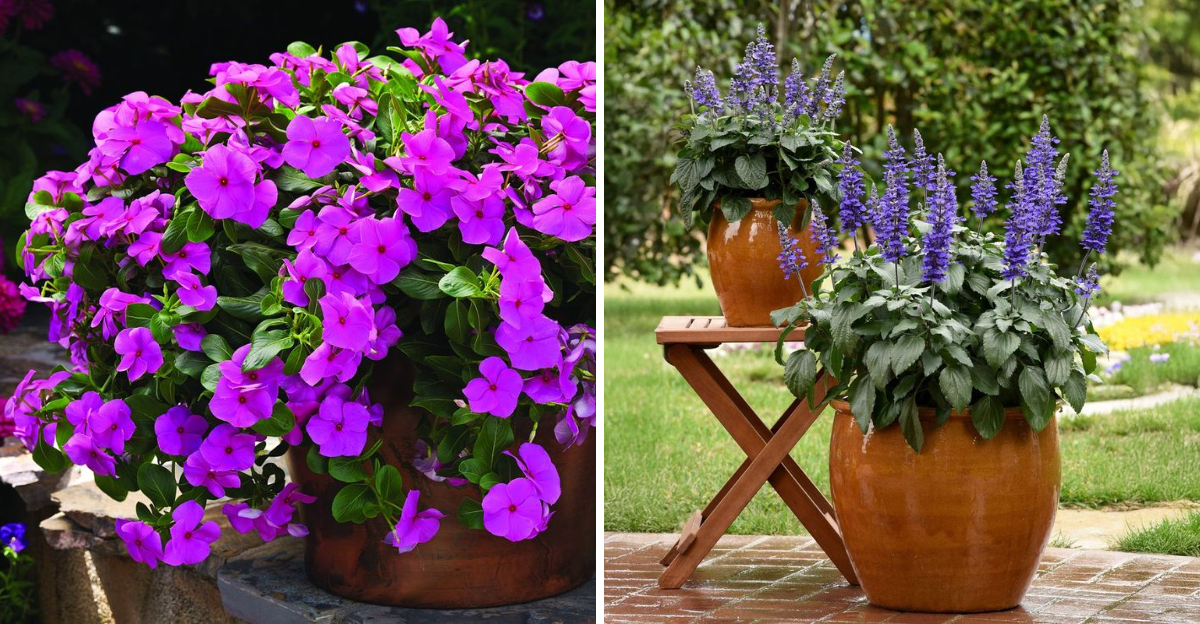
Container gardening in Texas in May is a calculated decision, and treating it like anything else leads to pots that look great for three weeks and spend the rest of summer declining in slow motion on your patio.
The heat that’s already building in May accelerates dramatically in June and July, and containers amplify that heat in ways that open ground simply doesn’t, turning an already challenging environment into something only specific plants can actually handle.
The flowers worth planting in pots this month aren’t just heat tolerant in a general sense.
They’re the ones that actively perform through the conditions Texas containers create – soil temperatures that spike, moisture that evaporates faster than expected, and the kind of relentless sun exposure that finishes off anything that wasn’t genuinely built for it.
Get these flowers in your Texas pots this May and you’re set up for containers that stay colorful, full, and genuinely impressive straight through to fall.
1. Vinca
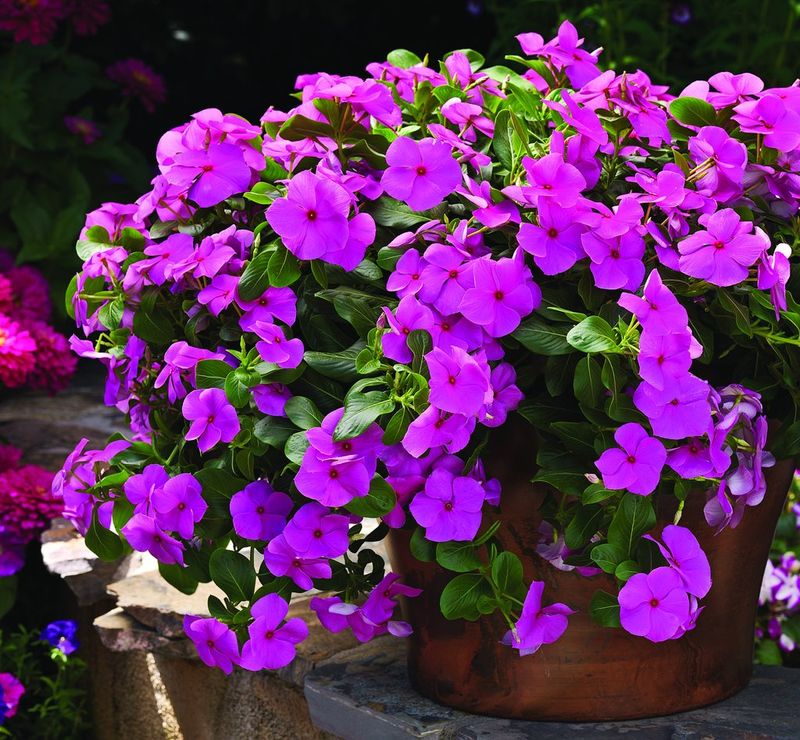
If there is one flower that truly earns its spot in a Texas container garden, it is vinca. Also known as periwinkle, this tough little plant has been winning over gardeners for decades.
It shrugs off blazing afternoon sun like it is nothing, and it keeps producing cheerful blooms without much help from you.
Vinca comes in a wide range of colors including pink, red, white, lavender, and coral. That means you can mix and match shades to create a stunning pot display on your front porch or back patio.
The glossy green leaves stay attractive even between bloom cycles, so the plant always looks neat and full.
One of the best things about vinca in Texas is how little water it needs once it settles in. Overwatering is actually the biggest mistake people make with this plant.
Let the soil dry out a bit between waterings, and your vinca will reward you with nonstop color.
Vinca also resists most common pests and diseases, which makes it a low-stress choice for busy homeowners. You do not need to spray anything or fuss over it constantly.
Just plant it in a well-draining container, give it a spot with at least six hours of sun, and watch it go.
In Texas, where summer temperatures regularly climb past 100 degrees, vinca is one of the few flowers that actually seems to enjoy the challenge. It is a reliable, budget-friendly, and beautiful choice for May planting season.
2. Lantana
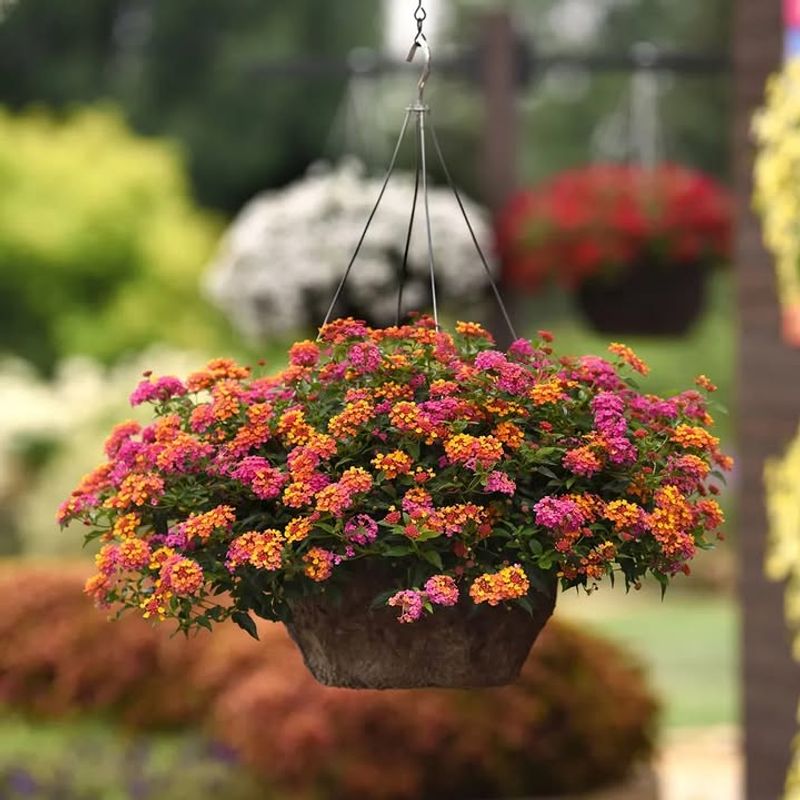
Ask any experienced gardener which plant they trust the most for summer containers, and lantana will almost always come up. This bold, cheerful plant is practically a Texas legend.
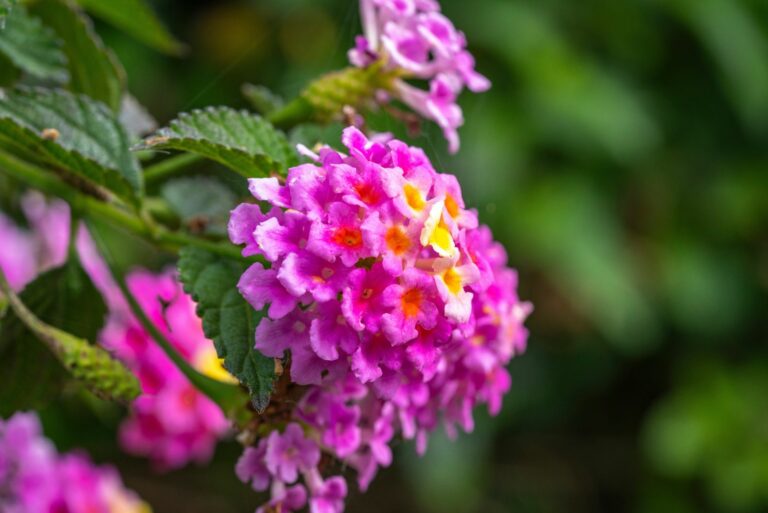
It blooms nonstop from spring all the way into fall, and the butterflies absolutely love it. Lantana produces clusters of tiny flowers that often blend multiple colors in a single bloom head. You might see orange and yellow together, or pink and purple, or red and gold.
The effect is eye-catching and almost tropical-looking, which makes it a showstopper in any patio pot.
Your Texas Garden Changes Every Week. Your Plan Should Too.
Gardening in Texas changes quickly throughout the season. Every Friday you’ll receive a simple weekly plan showing exactly what to plant, prune, fertilize, harvest, and protect so you never miss the right timing.
One of lantana’s best qualities is its toughness. It handles the intense heat without missing a beat.
In fact, the hotter it gets, the better lantana tends to perform. It thrives in full sun and does not need a lot of water once it is established in its container.
Did you know that lantana is actually native to tropical regions of the Americas? That heritage gives it the built-in ability to handle hot, humid summers, which makes it a perfect fit for places like San Antonio and Houston.
It brings that same tropical energy to your porch without any of the fuss. Trim lantana back lightly every few weeks to keep it bushy and full. Deadheading spent blooms encourages even more flowers to form.
With just a little attention, lantana will be one of the most rewarding plants in your entire Texas container garden all season long.
3. Moss Rose
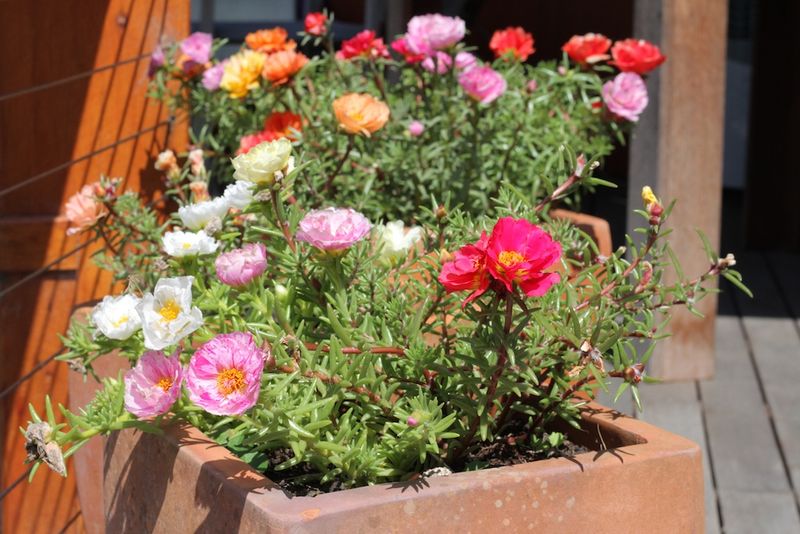
Moss rose is one of those plants that looks almost too delicate to survive summers, but do not let the paper-thin petals fool you.
This tough little flower was practically designed for hot, sunny, dry conditions. It thrives in the exact environment that sends most other plants running for shade.
Also known by its scientific name Portulaca grandiflora, moss rose has fleshy, succulent-like stems that store water. That built-in reservoir means it can handle stretches without rain and still look fantastic.
For Texas gardeners who sometimes forget to water their containers, moss rose is a very forgiving friend.
The flowers come in a dazzling range of colors including yellow, orange, pink, red, white, and magenta. Many varieties even have ruffled or double blooms that look almost like tiny roses, which is exactly how the plant got its name.
A pot full of moss rose in bloom is a genuinely cheerful sight. Moss rose loves shallow containers with excellent drainage. Sandy or gritty potting mix works great because it mimics the lean, dry soil that this plant prefers in the wild.
Avoid pots that hold moisture for too long, as soggy roots are the one thing moss rose cannot tolerate.
Plant your moss rose in a spot that gets full sun all day. In Texas, a south-facing patio or driveway border is ideal.
The blooms open fully in bright sunlight and may close slightly on cloudy days, but they always come back strong when the sun returns the next morning.
4. Angelonia
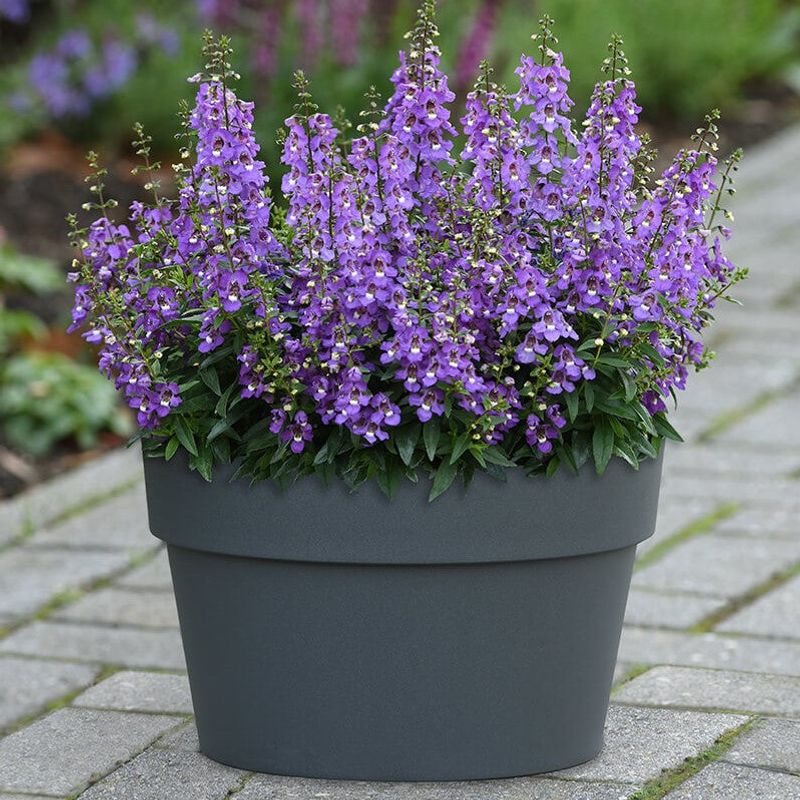
Angelonia has a nickname that tells you everything you need to know: the summer snapdragon. It produces tall, elegant spikes covered in small orchid-like blooms, and it keeps going strong even when the Texas humidity is at its worst.
While other flowers wilt and struggle, angelonia just keeps producing more color. The blooms come in shades of purple, pink, white, and bicolor combinations.
The flower spikes stand upright and give containers a vertical element that makes arrangements look more dynamic and professionally designed. Pair angelonia with rounder, mounding plants like vinca for a really polished container look.
One thing that surprises a lot of people is the light, sweet fragrance that angelonia produces. It is subtle but pleasant, and it adds a lovely sensory touch to a patio or balcony space.
Some people describe the scent as slightly grape-like, which makes it a fun and unexpected bonus.
Angelonia handles both heat and humidity, which is exactly what you need in a flower for containers. It grows well in full sun but can also manage a few hours of afternoon shade, making it more flexible than some other summer flowers.
That adaptability is a real advantage in a state where conditions vary so much from region to region. Watering needs are moderate. Keep the soil consistently moist but never waterlogged.
Angelonia is not a heavy feeder, but a balanced slow-release fertilizer applied at planting time will support strong blooming all the way through summer and into early fall across Texas.
5. Pentas
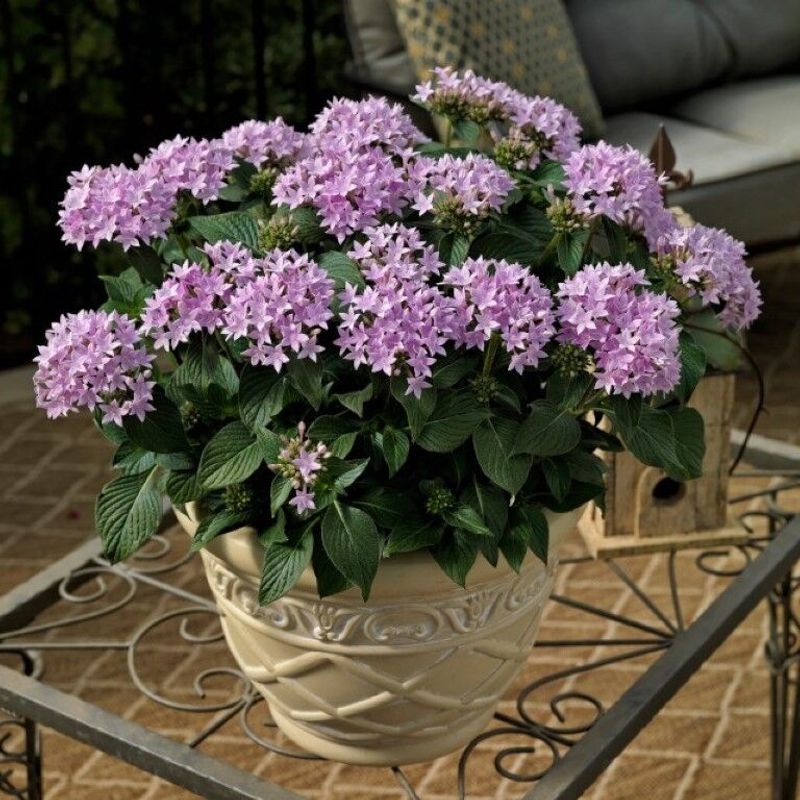
Few flowers bring as much wildlife action to a Texas patio as pentas. This cheerful, star-shaped flower is a magnet for both butterflies and hummingbirds, turning your container garden into a mini nature show.
If you enjoy watching pollinators visit your plants, pentas will absolutely deliver on that experience.
Pentas produces dense clusters of tiny star-shaped blooms in shades of red, pink, white, lavender, and coral. The flowers stay open and bright for a long time without fading, even in the intense Texas heat.
That color longevity is one of the reasons Texas gardeners keep coming back to pentas year after year.
Originally from tropical Africa and the Arabian Peninsula, pentas is built for warmth. It loves full sun and performs best when temperatures are high, which makes it one of the most reliable warm-season flowers for Texas containers.
It handles the heat with remarkable ease. Pentas grows well in standard potting mix with good drainage. Water it regularly but allow the top inch of soil to dry between waterings.
In especially hot Texas summers, you may need to water container-grown pentas every day, especially if the pots are in direct afternoon sun and made of dark-colored materials that absorb heat.
Deadheading spent blooms is not strictly necessary, but doing it regularly encourages faster regrowth and a tidier appearance. A light application of balanced fertilizer every few weeks will keep pentas producing flowers at a strong pace.
For Texas patios, pentas is genuinely one of the most rewarding container flowers you can plant in May.
6. Zinnia
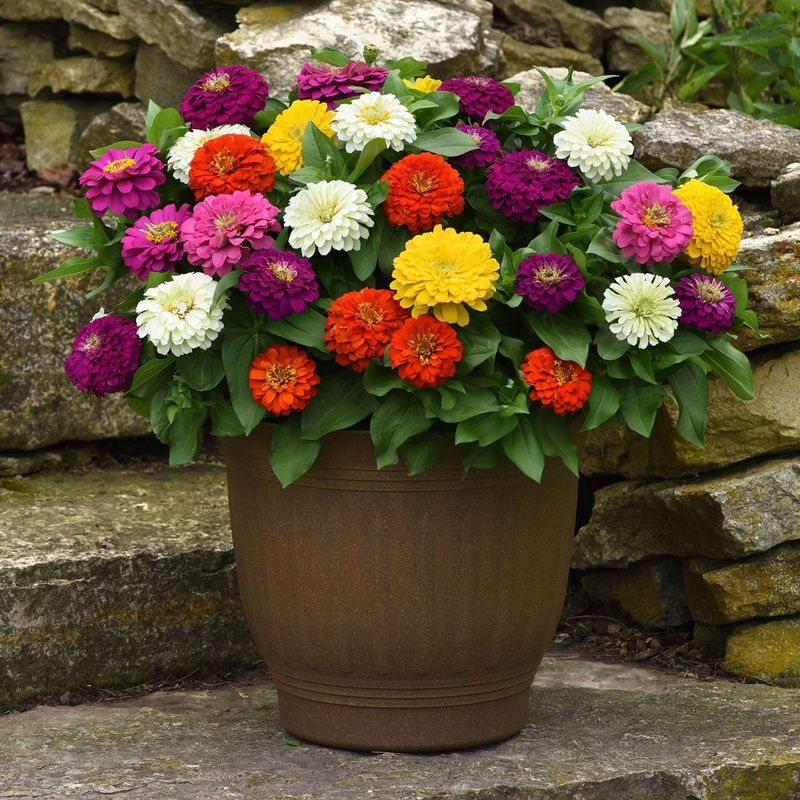
Zinnias are the life of the party in any Texas container garden. They grow fast, bloom big, and come in just about every color you can imagine.
From the moment you plant them in May, they seem eager to show off, and they keep delivering bold color straight through the hottest months of the Texas summer.
What makes zinnias especially great for containers is their speed. Many varieties go from seed to bloom in under eight weeks.
That means you can plant them in May and have a full, colorful display by early June. For gardeners who want fast results, few flowers come close to matching zinnia’s pace.
Zinnias love full sun and warm soil, so Texas is honestly an ideal environment for them. They handle heat well and are fairly drought-tolerant once established.
The key with container zinnias is making sure the pot is large enough, at least 12 inches in diameter, to give the roots enough room to spread out and support vigorous growth.
Good air circulation is important for zinnias because they can be prone to powdery mildew in humid conditions. Choose compact or bushy varieties for containers, and avoid wetting the leaves when you water.
Morning watering at the base of the plant is the best approach for keeping zinnias healthy in Texas humidity.
Cut zinnia blooms regularly to use as fresh-cut flowers indoors. Cutting actually encourages more blooms to form, so the more you harvest, the more colorful your pot becomes. It is one of those rare gardening rewards that works in everyone’s favor at the same time.
7. Salvia
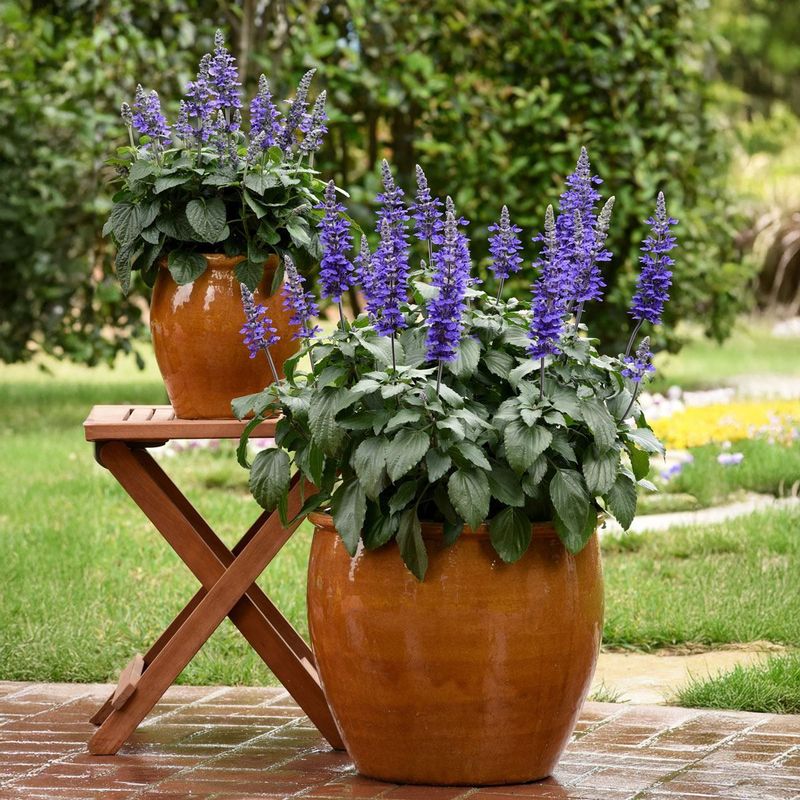
Salvia is the kind of plant that experienced Texas gardeners quietly rely on every single year.
It does not always get the flashy reputation of some other summer flowers, but it consistently delivers strong color, supports pollinators, and handles the Texas heat without much complaint.
Once you grow it, you will understand why it keeps showing up in gardens across the state. The upright flower spikes of salvia add great height and structure to container arrangements. Red salvia is a classic choice that pairs beautifully with white or yellow flowers.
Blue and purple varieties like Salvia farinacea, also called mealycup sage, are equally stunning and tend to attract bees and butterflies in impressive numbers.
Texas heat is not a problem for salvia. In fact, most salvia varieties are native to warm, dry climates, which means they were built for conditions very similar to what summer in Texas delivers.
Full sun and well-draining soil are the two most important factors for success in containers. Water salvia deeply but not too frequently. Letting the soil dry out slightly between waterings encourages the roots to grow deeper and makes the plant more resilient over time.
Avoid shallow, frequent watering, which can lead to weak root systems that struggle during dry spells.
Trim salvia spikes back by about one-third after the first big flush of blooms fades. This simple step refreshes the plant and triggers a strong second round of flowering.
With regular trimming and moderate fertilizing, salvia will stay full and beautiful in your Texas containers from May all the way through October.