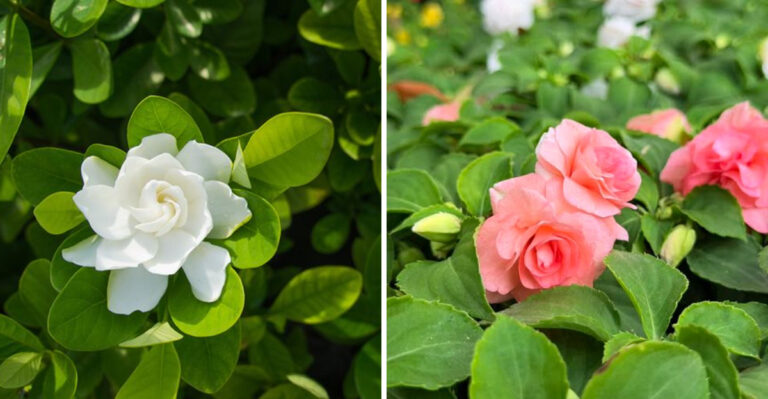
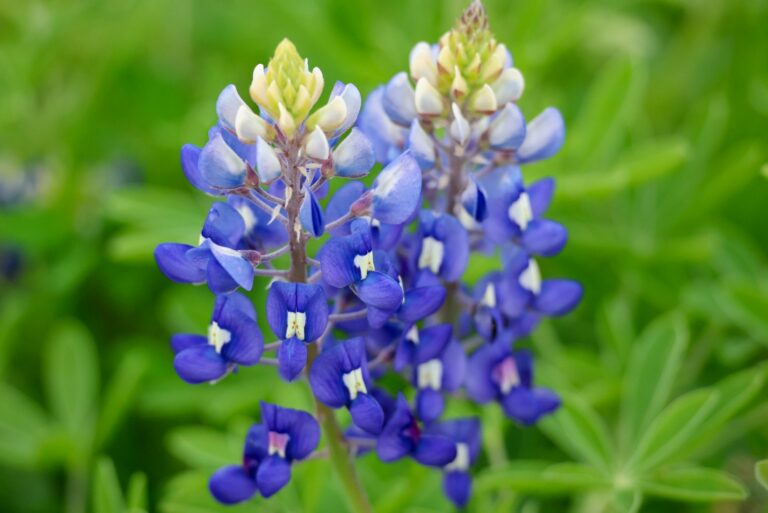
These Texas Annuals Keep Blooming Even Through Triple-Digit Heat
Triple digit heat in Texas is not a gardening challenge – it’s a gardening reality that shows up every single summer without fail and sticks around longer than anyone wants it to.
Most annuals treat those temperatures as a signal to shut down, drop their blooms, and go into a kind of survival mode that leaves Texas gardens looking sparse and defeated right through the hottest stretch of the year.
But not all annuals respond to extreme heat the same way. There’s a specific group of plants that were essentially built for conditions like this.
They push out blooms through July and August when everything around them has given up, holding their color through heat, and keeping Texas gardens looking genuinely alive during the months that test every plant in the ground.
If your summer garden has been fading out when the real heat arrives, these are exactly the annuals worth switching to.
1. Vinca
Walk through any Texas nursery in late spring, and you will almost always spot vinca front and center. That is no accident.
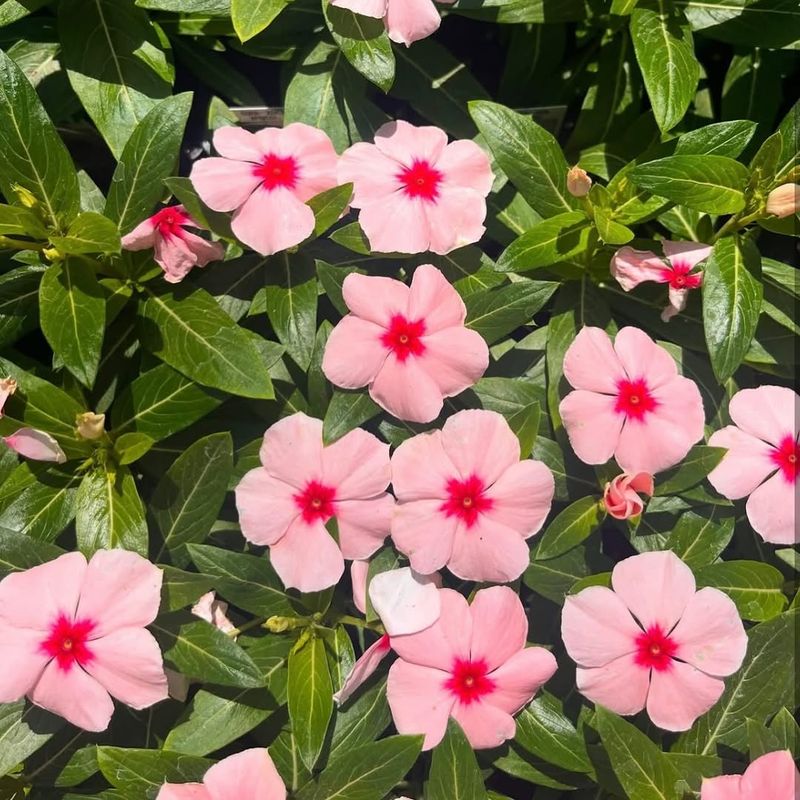
Vinca, also called periwinkle, has earned its place as one of the most reliable heat-tolerant annuals in the entire state. It thrives where other flowers struggle, and it does it without much fuss.
Vinca loves full sun and actually performs better when the temperatures rise. In Texas, where summer days can easily hit 105 degrees, vinca just keeps on going.
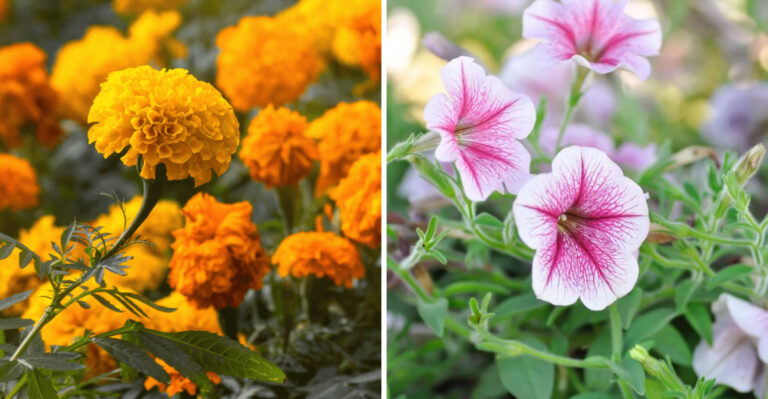
The flowers come in shades of pink, red, white, lavender, and coral, giving you plenty of color options for your garden beds or containers.
One of the best things about vinca is how little water it needs once it gets settled in. It handles dry spells well, which makes it perfect for Texas gardeners who do not want to run sprinklers every day.
Just make sure your soil drains well, because vinca does not like sitting in soggy ground. Planting vinca is simple. You can start from transplants bought at the store or grow them from seed indoors about 12 weeks before the last frost.
Space them about 12 inches apart so air can circulate around the plants. Once established, they will bloom nonstop from spring all the way through fall without needing much attention from you.
Fun fact: vinca was originally used as a medicinal plant in Europe for centuries before it became a popular garden flower in America.
2. Zinnia
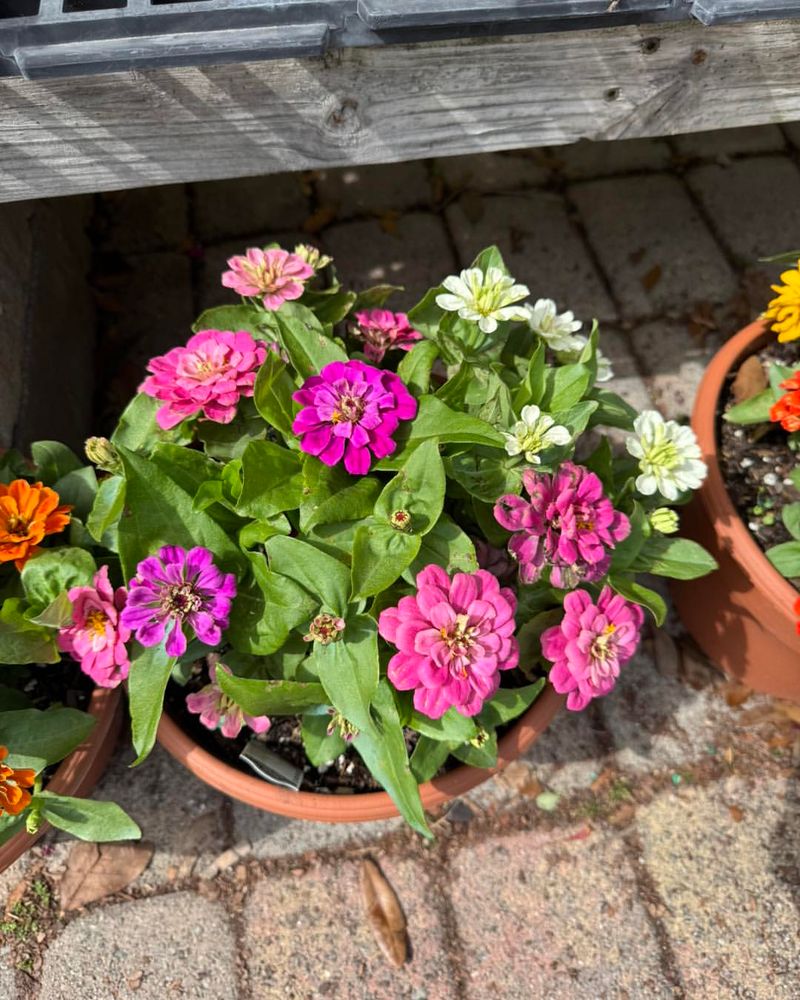
Few flowers bring as much joy to a Texas summer garden as zinnias. These cheerful, bold bloomers are practically made for hot, sunny conditions, and they reward gardeners with wave after wave of color from early summer until the first frost.
If you have never grown zinnias before, this season is a great time to start. Zinnias grow fast and are incredibly easy to start from seed.
You can scatter seeds directly in your garden bed after the last frost date, and within a few weeks, you will have seedlings pushing up through the soil.
In most Texas regions, you can even do a second planting in midsummer for a fresh flush of fall blooms.
Your Texas Garden Changes Every Week. Your Plan Should Too.
Gardening in Texas changes quickly throughout the season. Every Friday you’ll receive a simple weekly plan showing exactly what to plant, prune, fertilize, harvest, and protect so you never miss the right timing.
The color range of zinnias is hard to beat. You can find them in almost every color except true blue, including deep red, hot orange, bright yellow, soft lavender, and candy pink.
Taller varieties like Benary’s Giant can reach four feet high, while dwarf types stay neat and compact in containers or border edges.
Zinnias also attract butterflies like crazy. If you live in Central or South Texas, your garden can become a real butterfly hotspot just by planting a patch of zinnias. They also make excellent cut flowers, so you can bring the color indoors too.
Keep the spent blooms trimmed off regularly. Deadheading encourages the plant to keep producing new flowers instead of putting energy into making seeds. With a little snipping, your zinnias will bloom like champs all season long.
3. Moss Rose
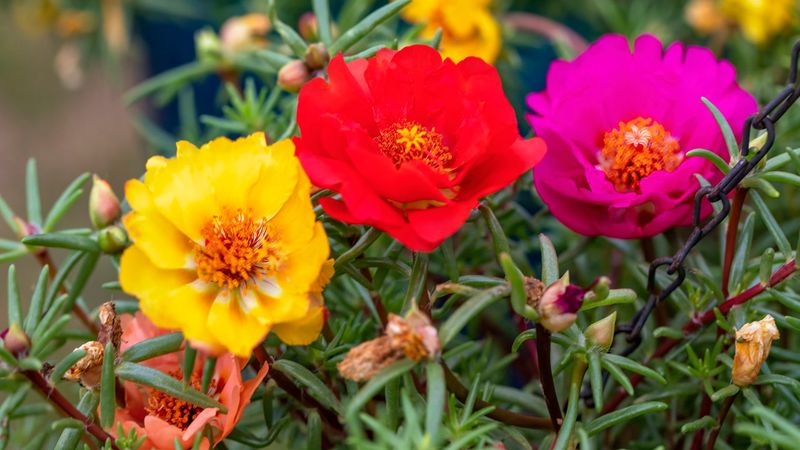
Moss rose is the kind of plant that makes you do a double take. The flowers look almost too pretty and delicate to survive a Texas summer, but do not let the looks fool you.
This tough little annual thrives in dry heat and actually gets more beautiful the hotter it gets. It is one of the best-kept secrets in Texas gardening.
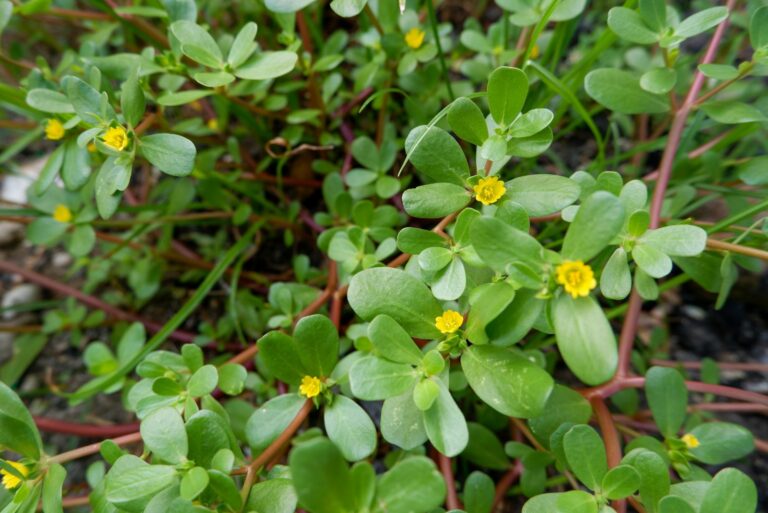
Also known as portulaca, moss rose has thick, succulent-like leaves that store water inside them. That built-in water storage means the plant can handle long dry stretches without missing a beat.
In the sandy or rocky soils common across West Texas and the Hill Country, moss rose truly shines.
The flowers come in electric shades of magenta, orange, yellow, white, and red. They open up wide in bright sunlight and close at night or on cloudy days.
Some newer varieties stay open longer, which is great if you want all-day color in your garden.
Moss rose spreads naturally and can fill in bare spots in your garden beds quickly. It works beautifully as a ground cover in hot, dry areas where other plants struggle to survive.
You can also grow it in pots, hanging baskets, or along sidewalks where the heat radiates from the pavement.
Very little care is needed once moss rose is established. Skip the fertilizer, keep watering light, and let the Texas sun do the rest. This plant practically takes care of itself from planting day to the end of the season.
4. Angelonia
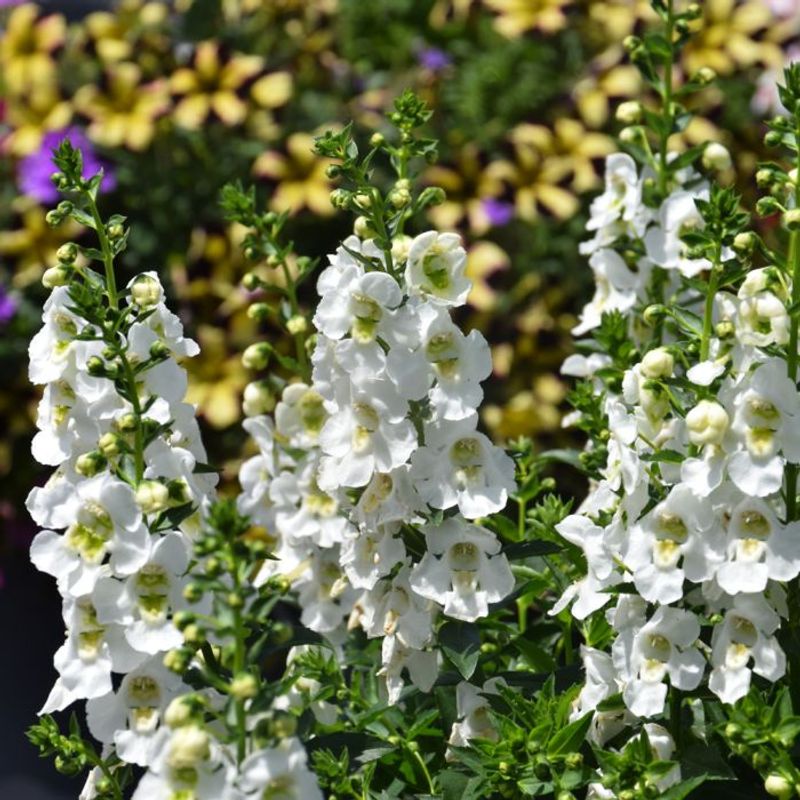
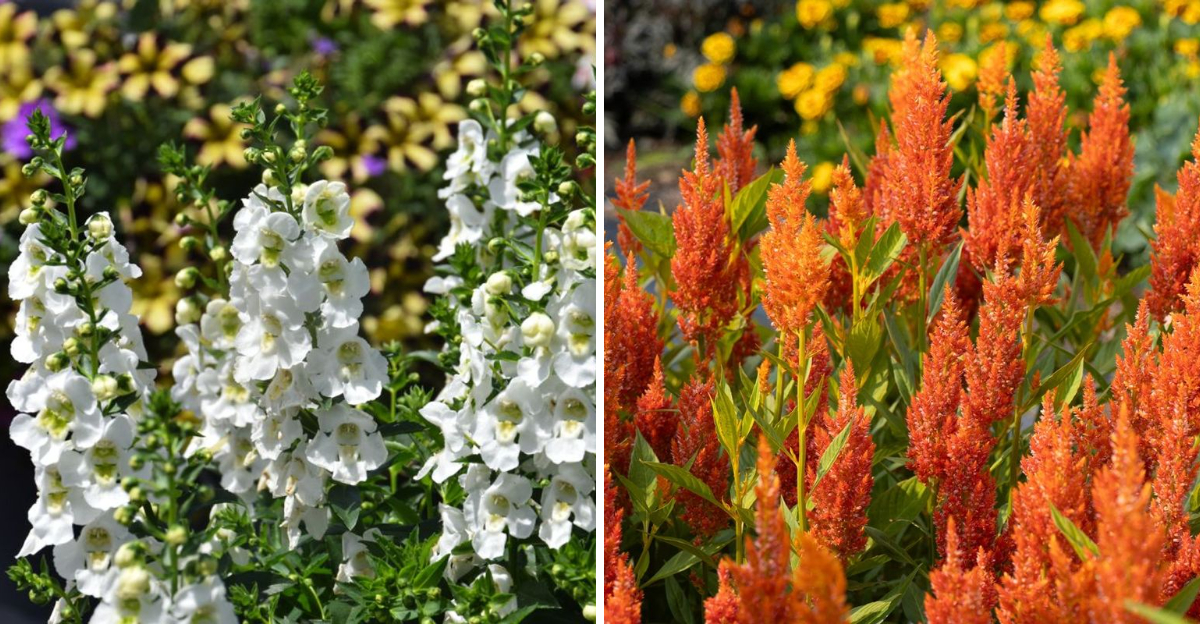
Angelonia is sometimes called the summer snapdragon, and once you see it in bloom, you will understand why. The tall flower spikes are covered in small, orchid-like blossoms that look elegant and refined.
But unlike many fancy-looking flowers, angelonia is incredibly tough and handles the brutal Texas summer without skipping a beat.
What makes angelonia stand out from other heat-tolerant plants is its ability to handle both the heat and the humidity that blankets much of East and Southeast Texas through the summer months.
While other plants wilt or develop fungal issues in muggy conditions, angelonia keeps right on blooming. It is practically built for the Gulf Coast climate.
The flowers come in shades of purple, lavender, pink, white, and bicolor combinations. They also carry a light, pleasant fragrance that makes the garden feel extra inviting.
Bees and butterflies are drawn to angelonia, so you get wildlife activity as a bonus alongside the color.
Angelonia grows best in full sun and well-drained soil. It reaches about 18 to 24 inches tall, making it a great mid-height option for layered garden beds.
You can plant it behind shorter flowers like vinca or in front of taller plants like Mexican sunflower to create a nice visual arrangement.
Unlike some annuals, angelonia does not need deadheading to keep blooming. The old flowers drop off cleanly on their own.
Trim the plant back by about one-third in midsummer if it starts to look leggy, and it will bounce back with fresh new growth in no time.
5. Celosia
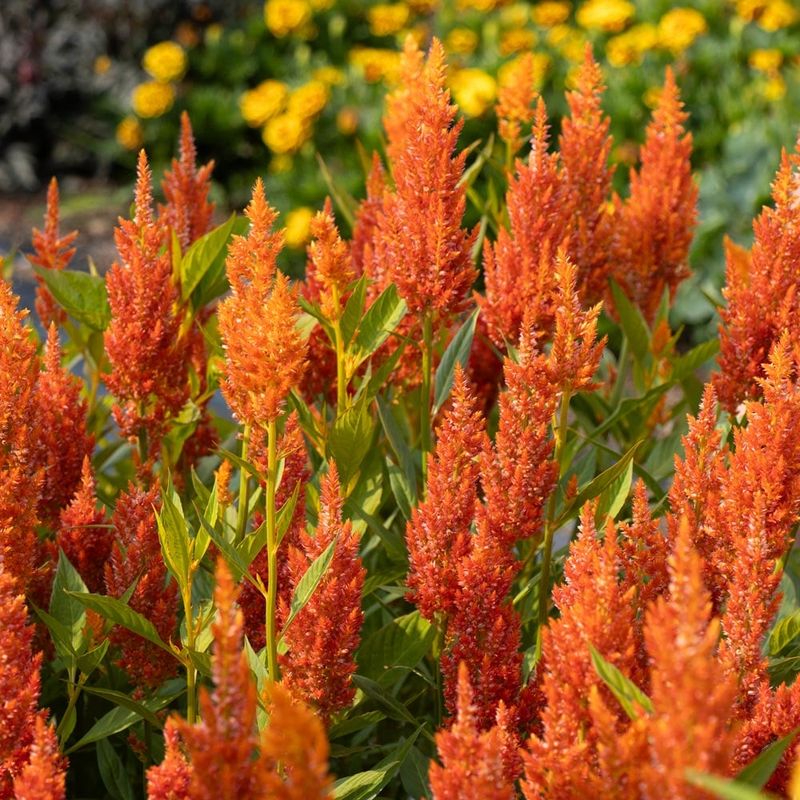
Bold, dramatic, and impossible to ignore, celosia is one of the most eye-catching plants you can grow in a Texas garden. The flowers come in two main forms: feathery plumes that wave in the breeze and dense, brain-like crests called cockscomb.
Both types are stunning, and both love the scorching Texas summer heat. Celosia is a tropical plant by nature, which explains why it performs so well during the hottest months of the year.
While other flowers start to struggle when temperatures climb into the triple digits, celosia seems to grow even more vibrant.
The colors intensify in the heat, giving you shades of deep red, electric orange, hot pink, gold, and purple that look almost unreal. Growing celosia in Texas is pretty simple. It loves full sun and well-drained soil.
Water it regularly but avoid overwatering, since soggy roots can cause problems. Once it is established and growing strong, it becomes quite drought-tolerant and does not need constant attention to stay healthy.
Celosia works great as a cut flower too. The blooms hold their shape and color beautifully after cutting, and they even dry well for use in wreaths and arrangements.
If you want to save seeds for next year, let a few flower heads go to seed at the end of the season before pulling the plants out.
In Texas landscapes, celosia pairs wonderfully with zinnias and vinca for a bold, tropical-feeling garden bed that stays colorful from June all the way through October without much effort on your part.
6. Globe Amaranth
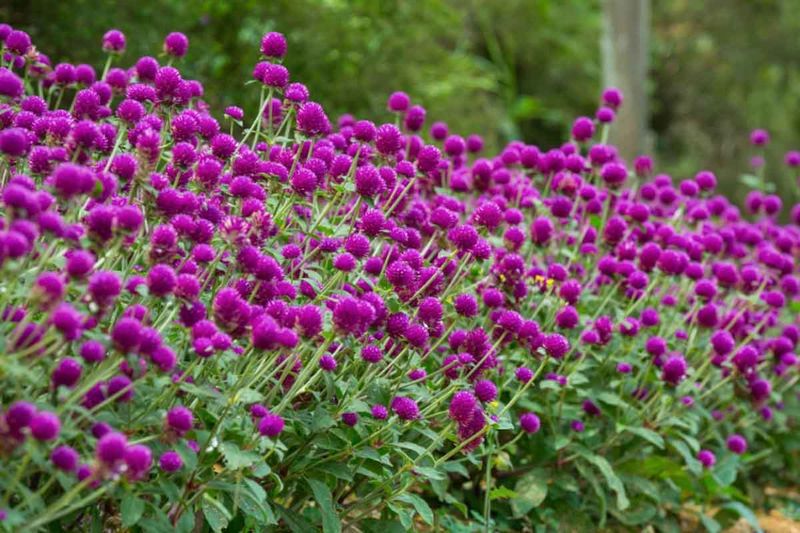
Globe amaranth is one of those plants that gardeners across Texas discover and then wonder why they waited so long to try it.
The round, clover-like flower heads come in shades of magenta, purple, pink, white, and orange, and they hold their color for an impressively long time both on the plant and after cutting.
Drought tolerance is where globe amaranth really earns its reputation. Once established in your garden, it can go for stretches without rainfall and still produce flower after flower without complaint.
For Texas gardeners dealing with water restrictions or just trying to keep the water bill reasonable, this plant is a dream come true.
Globe amaranth also handles intense heat with ease. In places like Laredo, Midland, and Abilene where summer temperatures regularly push past 100 degrees, globe amaranth keeps on flowering when nearly everything else has given up.
The plants typically grow between 12 and 24 inches tall and work well in borders, containers, and mass plantings.
Planting globe amaranth is best done after the last frost when soil has warmed up. It prefers full sun and does not like shade.
Give it average, well-drained soil and a little fertilizer at planting time, then step back and let it do its thing. It does not need a lot of fuss once it gets going.
Did you know globe amaranth has been used in traditional South American and Asian medicine for centuries? Today, most gardeners just enjoy it for the incredible color it brings to hot summer landscapes across the Lone Star State.
7. Mexican Sunflower
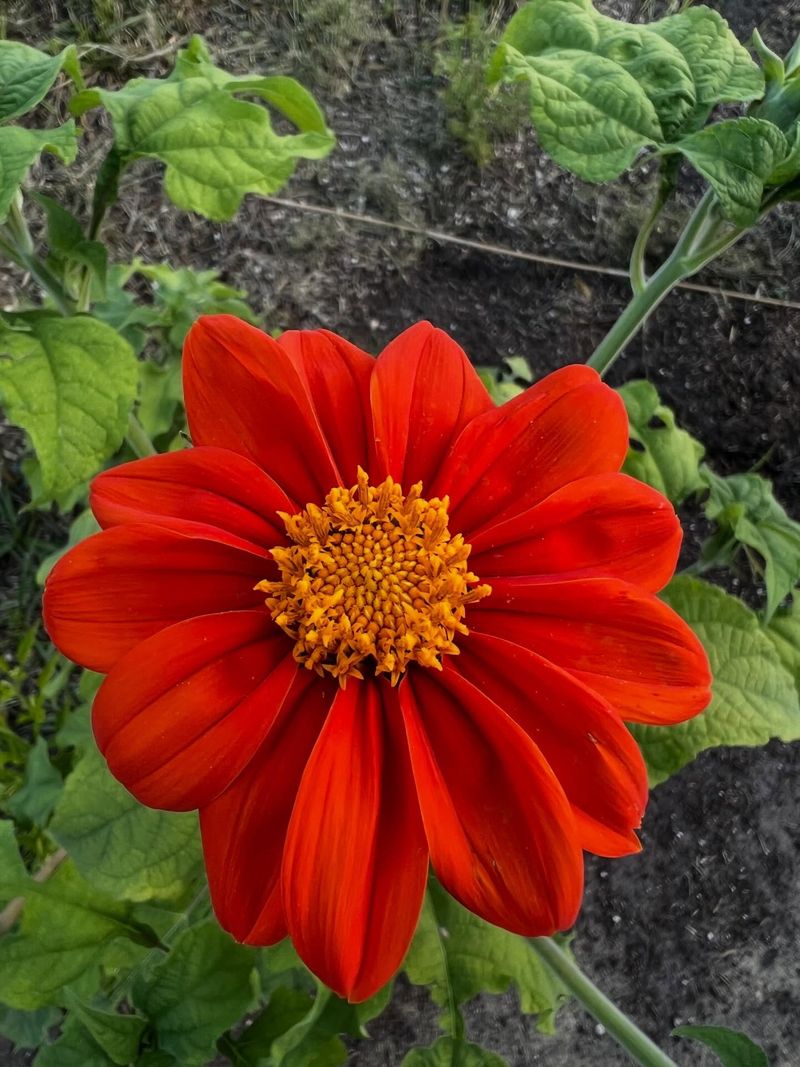
If you want a flower that makes a serious statement in your Texas garden, Mexican sunflower is the one to plant.
Growing anywhere from four to six feet tall, this fast-growing annual produces large, fiery orange blooms that stop people in their tracks. It is the kind of plant that neighbors will ask you about every single time they walk by.
Mexican sunflower, known botanically as Tithonia rotundifolia, is native to Mexico and Central America, which means it is perfectly adapted to the kind of intense sun and heat that Texas summers deliver.
Plant it in a spot that gets at least six to eight hours of direct sunlight each day, and it will reward you with blooms from midsummer all the way through fall.
Pollinators absolutely love Mexican sunflower. Butterflies, bees, and hummingbirds flock to the blooms in impressive numbers.
If you are trying to support local pollinators in Texas, planting a row of Mexican sunflowers along a fence or at the back of a garden bed is one of the most effective things you can do.
The plant is easy to grow from seed. Start seeds indoors about six weeks before the last frost date or direct sow them outside once the weather warms up.
Mexican sunflower grows quickly once it gets started, so give it plenty of space. Plants can spread two to three feet wide, so do not crowd them.
Water deeply but not too frequently. Mexican sunflower handles dry spells well once it is established, making it a smart choice for water-conscious Texas gardeners who still want big, bold color all summer long.