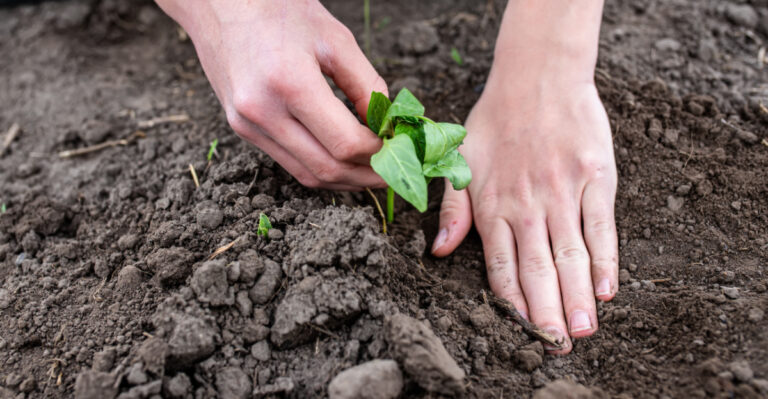
The Best Vegetables For Vertical Growing That Actually Thrive In North Carolina Gardens
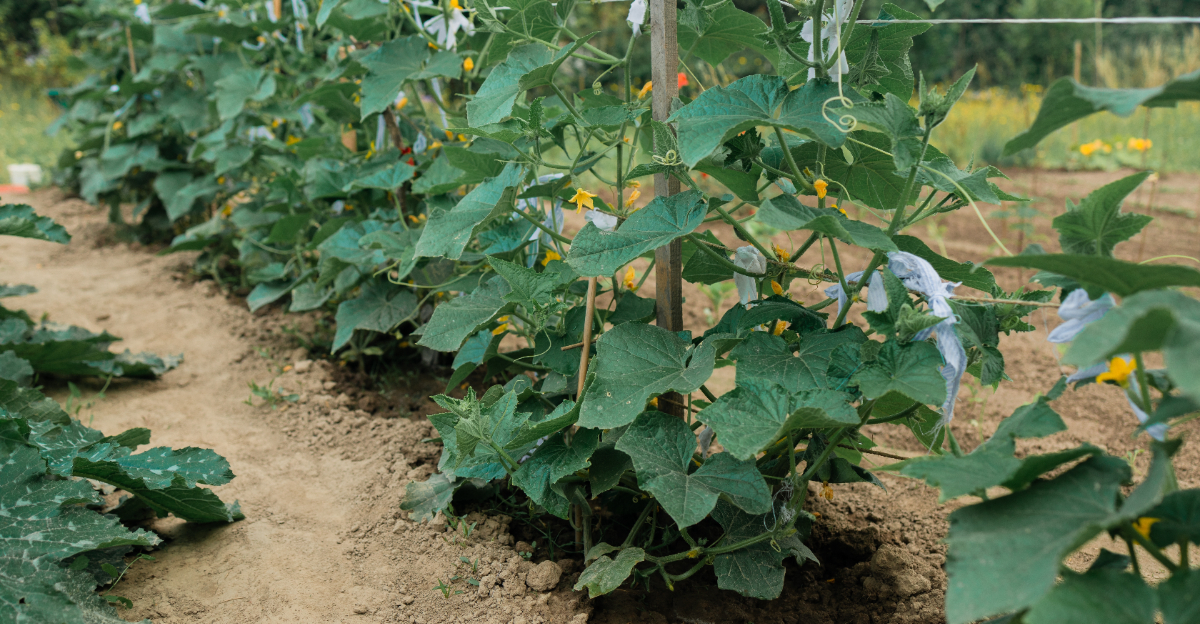
Vertical growing does something genuinely useful for any garden, and it goes beyond just saving space. Training vegetables upward improves airflow around foliage at a time of year when humidity makes fungal pressure a real and ongoing concern across much of the state.
It gets fruit off the ground and away from the moisture that causes rot during summer rain stretches.
It also makes harvesting faster and more thorough, which matters when crops like cucumbers and beans produce faster than most gardeners expect in North Carolina’s long warm season.
The vegetables that respond best to vertical growing here tend to share a few characteristics.
Some of which include producing more consistently when supported, staying healthier through heat and humidity, and using a trellis or tower to extend their productive window rather than sprawling and burning out early.
These are the crops worth building your vertical setup around this season, and North Carolina’s climate gives each of them the warmth and growing time to perform at their absolute best going upward.
1. Pole Beans Produce For Months In North Carolina Heat
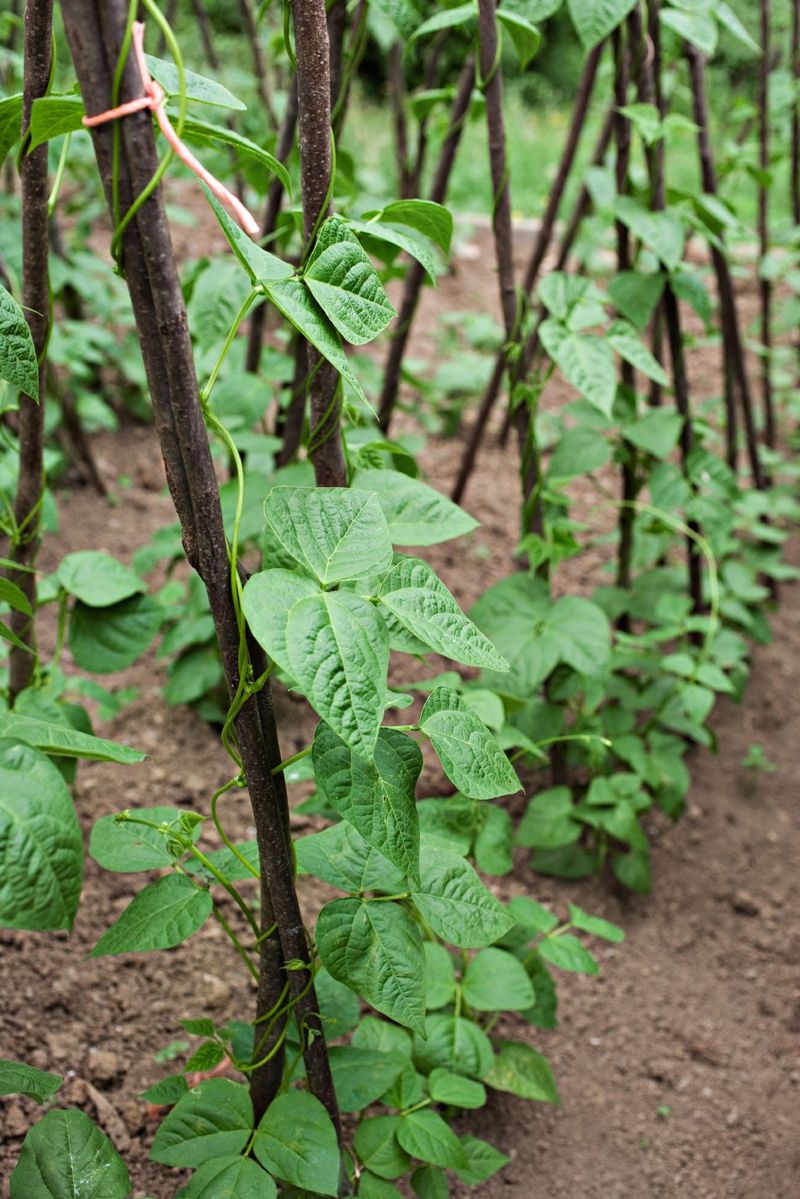
Few vegetables reward a North Carolina gardener as generously as pole beans do. Unlike bush beans that give one big flush and stop, pole beans keep producing week after week through the long southern summer.
That steady output makes them a staple in gardens from the Triangle area all the way down to the Cape Fear region.
Pole beans handle heat and humidity far better than many cool-season crops. Growing them vertically on a trellis improves airflow around the leaves, which helps reduce the fungal diseases that thrive in North Carolina’s muggy summers.
A simple cattle panel, bamboo teepee, or wooden lattice works perfectly as support.
Spring planting works best after the last frost, typically late March through April across most of North Carolina. A second planting in late July or early August can extend your harvest well into fall.
Space seeds about four to six inches apart at the base of your trellis and water consistently, especially during dry spells.
Harvesting regularly is the secret to keeping production going strong. Once pods mature and you leave them on the vine too long, the plant slows down.
Pick every two to three days during peak season, and your vines will keep rewarding you with a fresh batch of tender, flavorful beans all summer long.
2. Cucumbers Stay Cleaner And Healthier On A Trellis
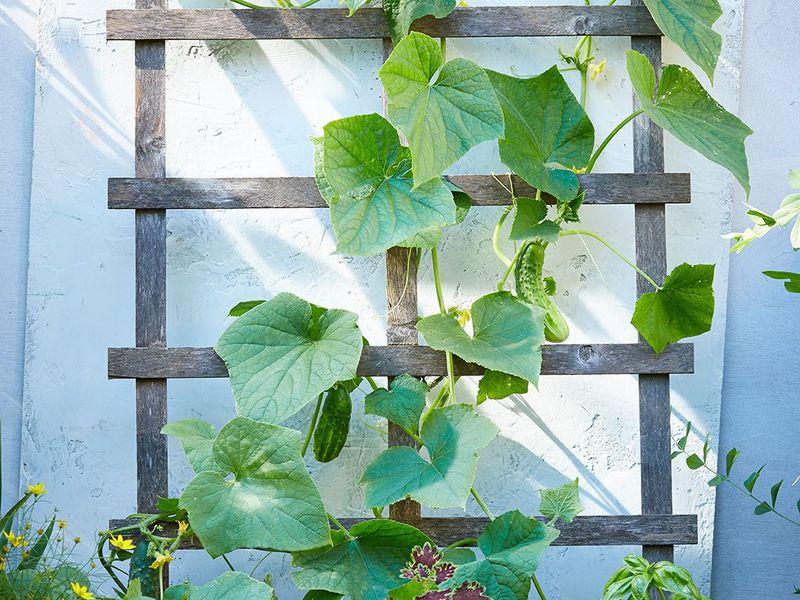
Cucumbers grown on the ground often end up yellow on one side, misshapen, or covered in soil. Training them up a trellis changes everything.
Vertical cucumbers hang straight, stay cleaner, and are so much easier to spot at harvest time. For North Carolina gardeners dealing with limited space in suburban backyards, this growing method is a genuine game changer.
Humidity is the real challenge during summer, and cucumbers are especially vulnerable to powdery mildew and downy mildew when airflow is poor. A vertical setup lifts the foliage off the ground and lets air move freely through the canopy, which dramatically reduces disease pressure throughout the growing season.
Your North Carolina Garden Changes Every Week. Your Plan Should Too.
Gardening in North Carolina changes quickly throughout the season. Every Friday you’ll receive a simple weekly plan showing exactly what to plant, prune, fertilize, harvest, and protect so you never miss the right timing.
Slicing cucumbers like Straight Eight and vining types like Marketmore perform well on trellises across North Carolina. Space transplants or direct-seeded plants about twelve inches apart along your support structure.
Consistent watering matters a lot since cucumbers are mostly water themselves, so uneven moisture leads to bitter fruit.
Mulching the base of your plants keeps soil moisture steady and reduces water stress during hot spells. A strong trellis made from wire fencing or cattle panels handles the weight of a full crop easily.
Start seeds indoors four weeks before your last frost date, or direct sow after soil temperatures reach sixty degrees for the fastest germination and strongest early growth.
3. Malabar Spinach Loves Summer Heat
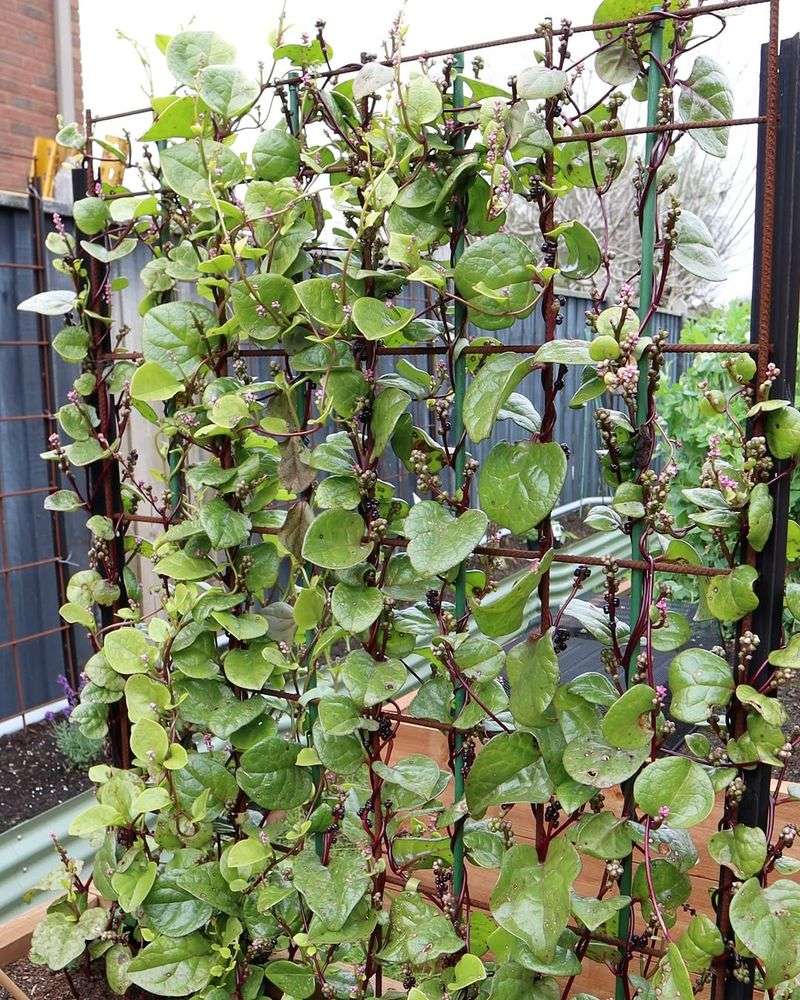
Regular spinach gives up the moment summer arrives, but Malabar spinach is just getting started. This tropical climbing vine thrives in exactly the kind of heat and humidity that shuts down most leafy greens.
Gardeners across eastern and central North Carolina have discovered it fills the summer greens gap beautifully when nothing else wants to grow.
Malabar spinach is not actually spinach at all, but a separate plant species with thick, glossy leaves that taste mild and slightly mucilaginous when cooked. Raw in salads, the younger leaves are tender and pleasant.
The vine climbs aggressively and can reach six feet or more on a trellis, so giving it sturdy support from the start pays off.
Plant Malabar spinach after soil temperatures warm above seventy degrees, which in most of North Carolina means mid-May through June.
It loves full sun and consistent moisture, so water regularly during dry stretches and mulch the base of the plant to hold soil moisture. The vines establish slowly at first but take off once summer heat builds.
Harvest by snipping young shoot tips and leaves regularly, which encourages branching and more production. Letting the vine flower and set seed reduces leaf quality, so keep picking to maintain tender growth.
For gardeners looking for a reliable summer green that truly loves the heat, Malabar spinach is an easy, productive, and surprisingly beautiful trellis plant.
4. Yardlong Beans Thrive During Hot Southern Summers
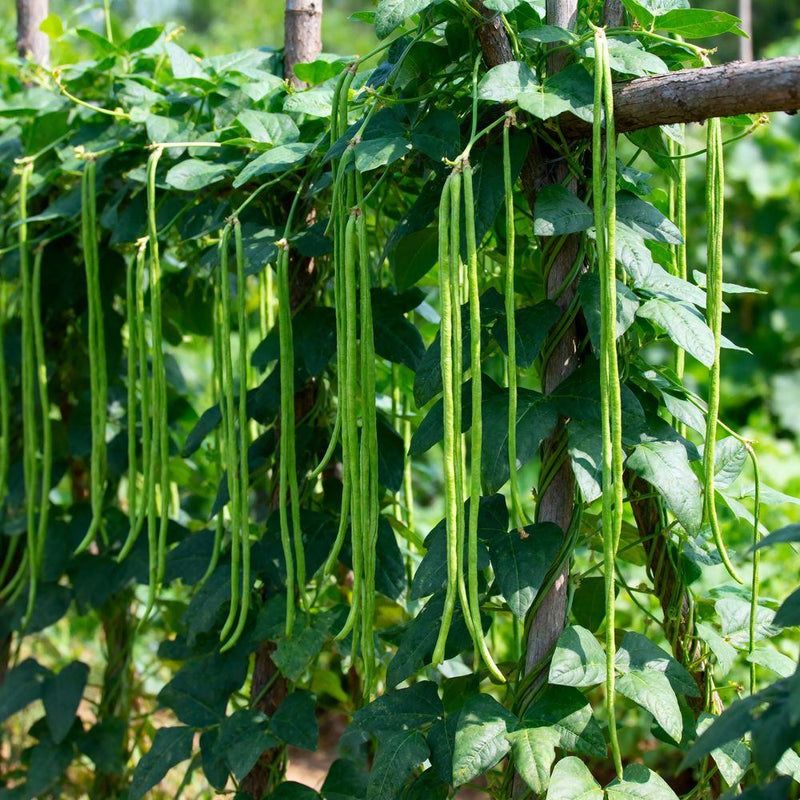
When regular green beans start struggling in the July heat across North Carolina, yardlong beans are hitting their stride. These vigorous tropical climbers were bred for exactly the kind of intense summer conditions that define a Piedmont or coastal plain growing season.
Gardeners who try them once rarely go back to planting only standard green beans.
The pods can grow eighteen to twenty-four inches long, which makes harvesting almost theatrical. Despite the name, most pods taste best when picked at around twelve to fifteen inches, before they become tough and fibrous.
The flavor is slightly richer and nuttier than a standard green bean, and they cook up beautifully in stir fries, soups, or simply sauteed with garlic.
Plant yardlong beans in North Carolina after all frost danger passes, from late April through June. They need at least six hours of full sun and a sturdy trellis at least six feet tall since the vines climb fast and heavy.
Bamboo poles tied in a teepee shape or a cattle panel fence both work well as support structures.
Water consistently at the base rather than overhead to reduce fungal pressure. The vines produce multiple flushes of pods through summer and into early fall, especially with regular picking.
For gardeners who want a heat-tough, high-yielding, vertical vegetable that performs when summer is at its most intense, yardlong beans are a fantastic and underused option.
5. Cherry Tomatoes Produce Better With Vertical Support
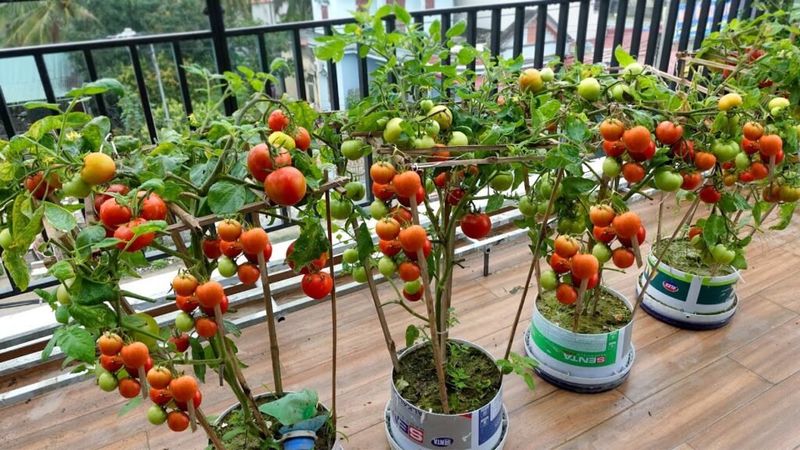
Cherry tomatoes are one of the most rewarding vegetables any North Carolina gardener can grow, but only if you give them proper vertical support.
Indeterminate varieties keep growing and producing all season long, and without a stake or cage to climb, they become a tangled mess on the ground. Getting them upright transforms both plant health and total harvest.
North Carolina summers bring serious humidity, and tomatoes left sprawling on the soil are extremely vulnerable to fungal diseases like early blight and Septoria leaf spot.
Staking or caging improves airflow around the foliage and reduces moisture buildup on leaves, which directly cuts down on disease problems during the hottest months.
Smaller fruited cherry varieties like Sun Gold, Sweet Million, and Black Cherry handle the heat far better than large slicing types. The smaller fruit size means less blossom drop during heat waves and more consistent production from June through October.
Plant transplants about eighteen to twenty-four inches apart and use heavy-duty cages or six-foot wooden stakes for support.
Prune suckers on indeterminate varieties to keep the plant focused on fruit production rather than excessive leafy growth. Mulch heavily around the base to maintain even soil moisture and reduce blossom end rot.
Water deeply and consistently, aiming for the root zone rather than the foliage. North Carolina gardeners who follow these steps often harvest cherry tomatoes by the basketful from a single well-supported plant all summer long.
6. Luffa Gourds Grow Surprisingly Well In North Carolina
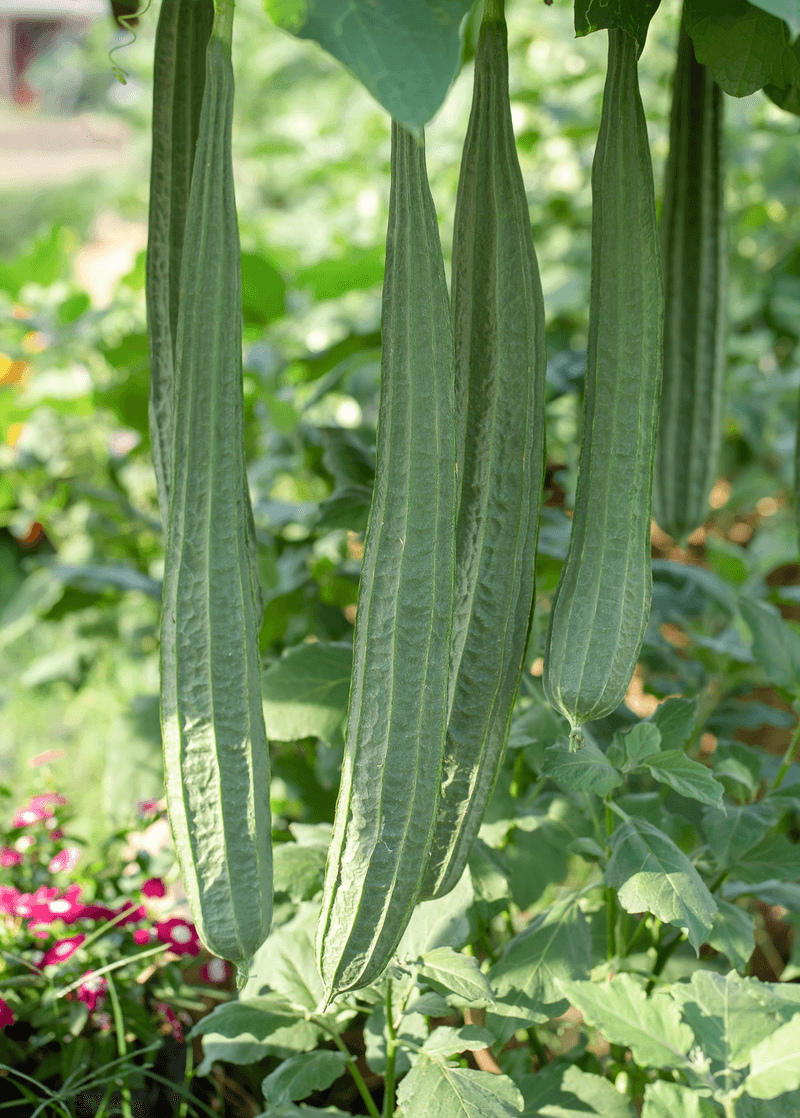
Most people are surprised to learn that the sponge in their shower might have grown in a garden. Luffa gourds are the source of natural loofah sponges, and our long warm growing season gives them just enough time to mature from seed to harvestable sponge.
Few vegetables attract as much curiosity from visitors to a garden as a luffa vine in full production.
These vines are vigorous growers that need serious vertical support. A sturdy pergola, cattle panel arch, or heavy-duty fence works best since the plants can reach fifteen feet or more and carry several heavy fruits at once.
Full sun is non-negotiable, and consistent moisture throughout the growing season keeps production steady and fruit development on track.
Start luffa seeds indoors six to eight weeks before your last frost date, which in most of North Carolina falls between late February and early April depending on your region. Transplant outdoors after all frost danger passes and soil has warmed.
Germination can be slow, so soaking seeds overnight before planting speeds things up noticeably.
For sponge production, allow fruits to fully mature and dry on the vine until the skin turns brown and papery. Then peel, rinse, and remove the seeds to reveal the fibrous sponge inside.
If you prefer to eat luffa, harvest young fruits at six to eight inches before they develop tough fibers. North Carolina gardeners in warmer zones eight and seven have the best success getting fruits fully mature by fall.
7. Armenian Cucumbers Handle North Carolina Heat Better Than Many Cucumbers
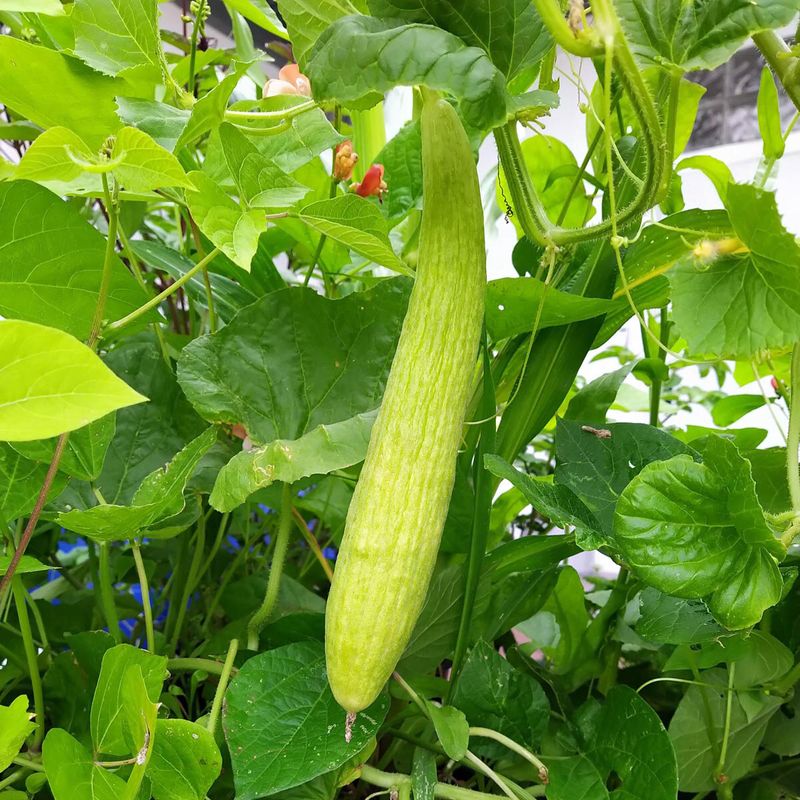
Technically a muskmelon rather than a true cucumber, Armenian cucumbers taste mild and refreshing and perform remarkably well during the hottest parts of a North Carolina summer.
When standard cucumber varieties start shutting down in July heat, Armenian cucumbers keep right on growing and producing. Gardeners who discover them often wonder why they waited so long to try something new.
The fruits grow long, pale green, and slightly ribbed, sometimes reaching eighteen inches or more. Sliced thin, they are fantastic in salads, and their mild flavor makes them popular with people who find regular cucumbers too strong.
Growing them vertically keeps the long fruits straight and easy to harvest, and the improved airflow helps reduce mildew pressure during humid summer months.
Plant Armenian cucumbers after soil temperatures reach sixty-five degrees, which typically means mid-April through May across most of the state. They need full sun and consistent watering, especially as fruits are developing.
A wire trellis or cattle panel fence gives the vines plenty of room to climb and supports the weight of multiple long fruits at once.
Mulching around the base of the plants conserves moisture and keeps roots cooler during heat waves. Space plants about twelve to eighteen inches apart along your trellis.
Harvest fruits when they reach about twelve inches for the best texture and flavor. Leaving fruits too long on the vine causes them to turn yellow and seedy, so check plants every two to three days during peak production for the tastiest results.
8. Peas Are One Of North Carolina’s Best Early Vertical Crops
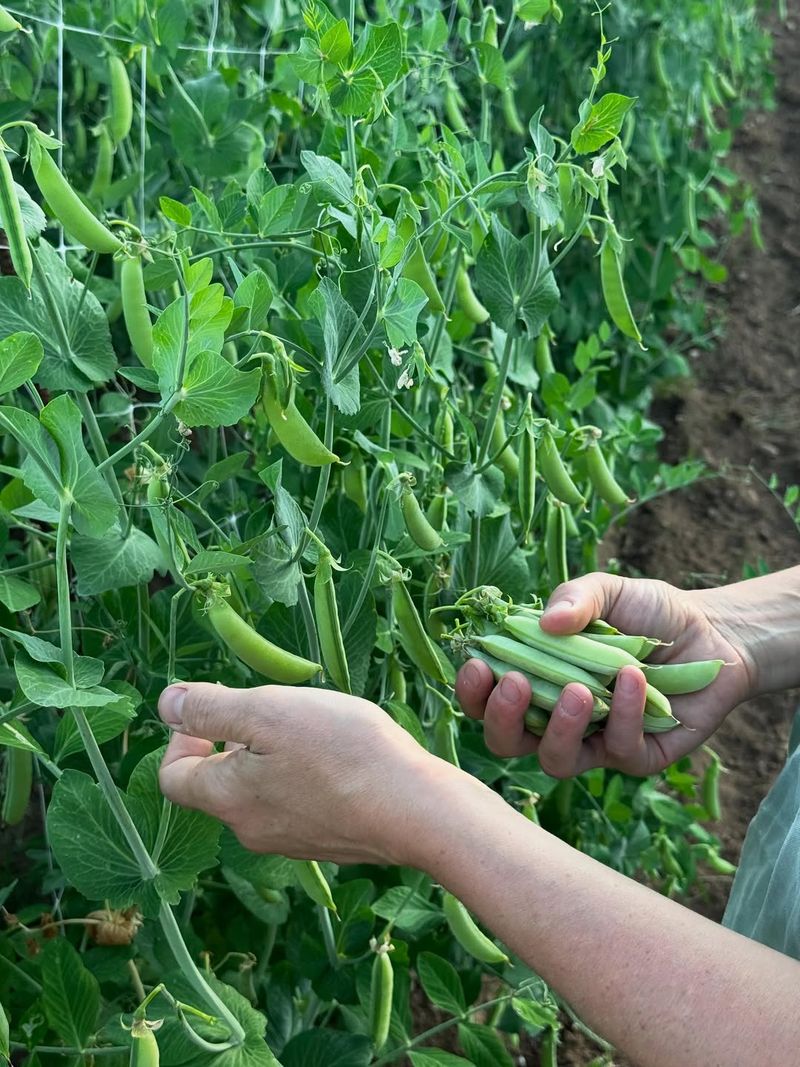
Peas are one of the first vegetables North Carolina gardeners can get into the ground each year, and growing them on a trellis makes the whole experience easier and more productive.
Cool spring temperatures across the state create ideal conditions for pea vines to thrive, and having them climb upward keeps pods clean and easy to find at harvest time.
There is something genuinely satisfying about picking sweet snap peas straight off the vine on a cool March morning.
In the Piedmont and coastal plain regions of North Carolina, peas can go in the ground as early as late January or February. Mountain gardeners typically wait until March or early April when temperatures moderate.
Peas prefer cool soil and air, so getting them established before summer heat arrives is the whole game plan. A wire mesh trellis, netting, or simple twiggy brush gives the tendrils something to grab onto as the vines climb.
Prepare your soil with compost before planting and avoid heavy nitrogen fertilizers, since peas fix their own nitrogen from the air. Water consistently but avoid waterlogged conditions, as peas prefer well-drained beds.
Afternoon shade from a nearby fence or taller structure can help extend production in warmer parts of North Carolina when spring transitions quickly to summer heat.
Sugar snap varieties like Sugar Ann and Oregon Sugar Pod perform especially well across North Carolina. Harvest pods regularly to encourage continued flowering and production.
Once temperatures climb consistently above eighty degrees, production slows naturally, so enjoy the spring harvest while it lasts and plan your summer crops right behind them.
9. Small Winter Squash Varieties Can Be Trained Vertically In North Carolina Gardens
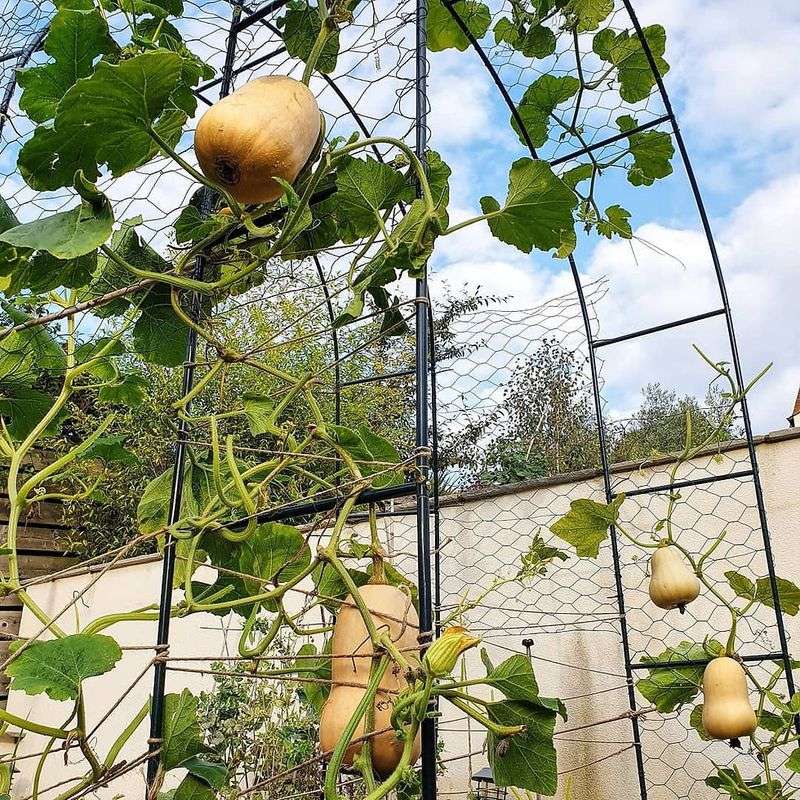
Growing squash vertically sounds ambitious until you see how well it works in a North Carolina backyard.
Smaller winter squash varieties, especially compact butternuts and small moschata types, can absolutely be trained up a strong trellis with some planning and a bit of extra support for the developing fruit.
The payoff is better airflow, fewer fungal problems, and a garden that uses vertical space rather than sprawling across every inch of ground.
Our humid summers create real challenges for squash grown on the soil surface. Powdery mildew and other fungal issues spread quickly when air circulation is poor.
Getting vines off the ground and onto a trellis allows air to move freely through the foliage, which reduces disease pressure significantly compared to traditional ground-level growing.
Sturdy support is essential. Cattle panel arches, heavy wooden frames, or reinforced wire fencing all handle the weight of climbing squash vines well.
As fruits develop and grow heavier, support them with fabric slings made from old t-shirts or pantyhose tied to the trellis frame. Without that extra support, the weight of the fruit can pull the vine off the structure.
Plant squash after all frost danger passes, typically late April through May. Full sun and consistent deep watering produce the strongest vines and best fruit set.
Mulch heavily around the base to retain moisture during dry summer spells. Butternut Waltham and small Seminole squash varieties are reliable choices that ripen well within North Carolina’s growing season while staying manageable on a vertical structure.