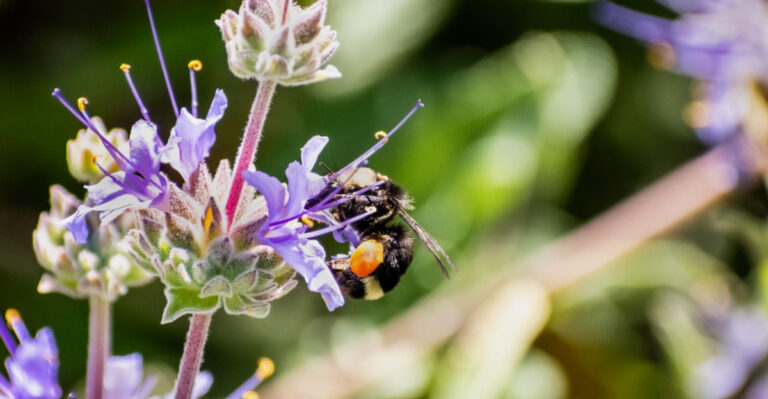
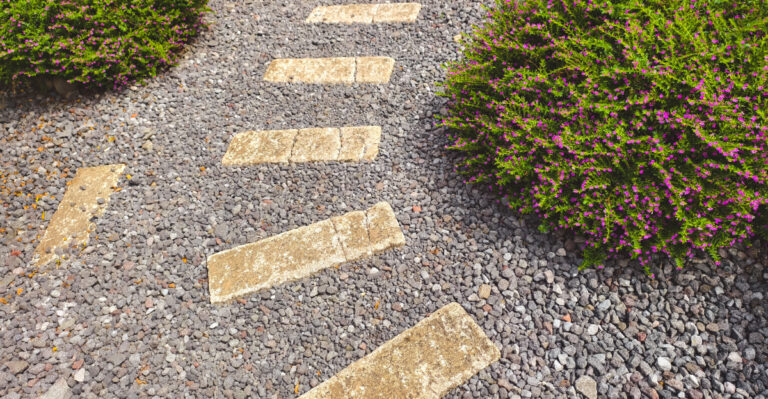
Compact Native California Plants That Outperform Big Shrubs In Small Yards
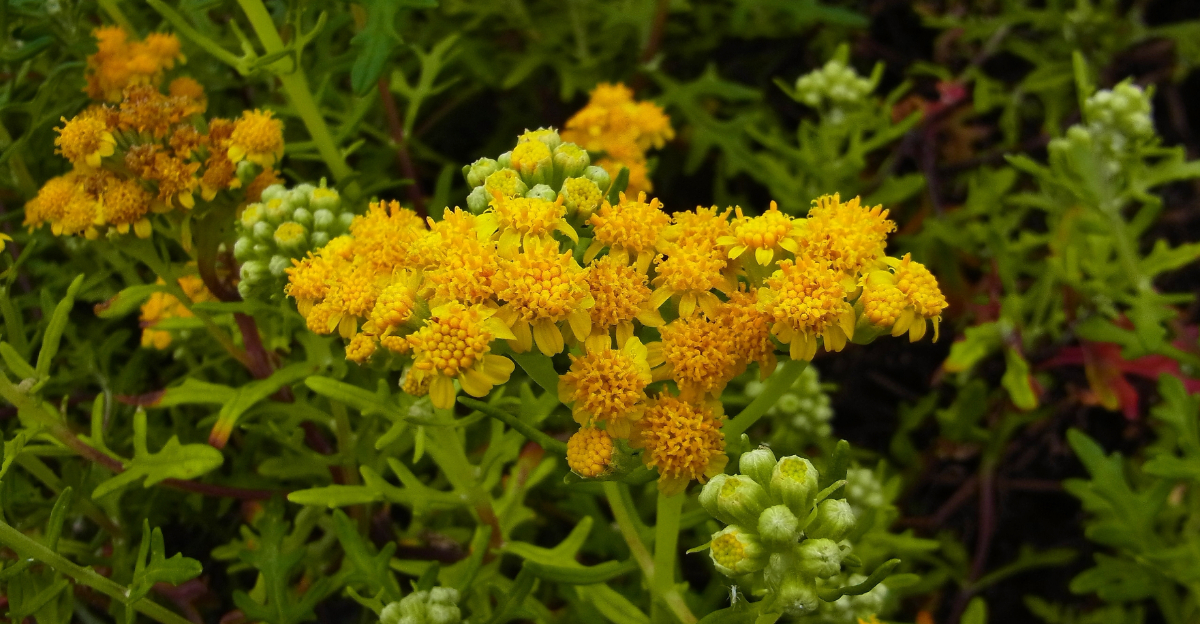
Small yards have a reputation for being tricky to plant, but that reputation is mostly undeserved.
Native plants have spent thousands of years adapting to this exact soil, this exact heat, and those long dry summers, which means they show up and perform without much fuss from you.
The real secret though? Compact natives can pull off everything a oversized shrub can, just without swallowing your outdoor space whole.
Think dense, textured growth that attracts pollinators, stays tidy through the seasons, and never bullies the rest of your garden into submission. So why do so many people still default to the same big, thirsty shrubs they see at every hardware store?
It usually comes down to not knowing what else is out there. Once you discover what these smaller natives are actually capable of, going back to the generic options feels a lot like settling.
1. Island Bush Snapdragon
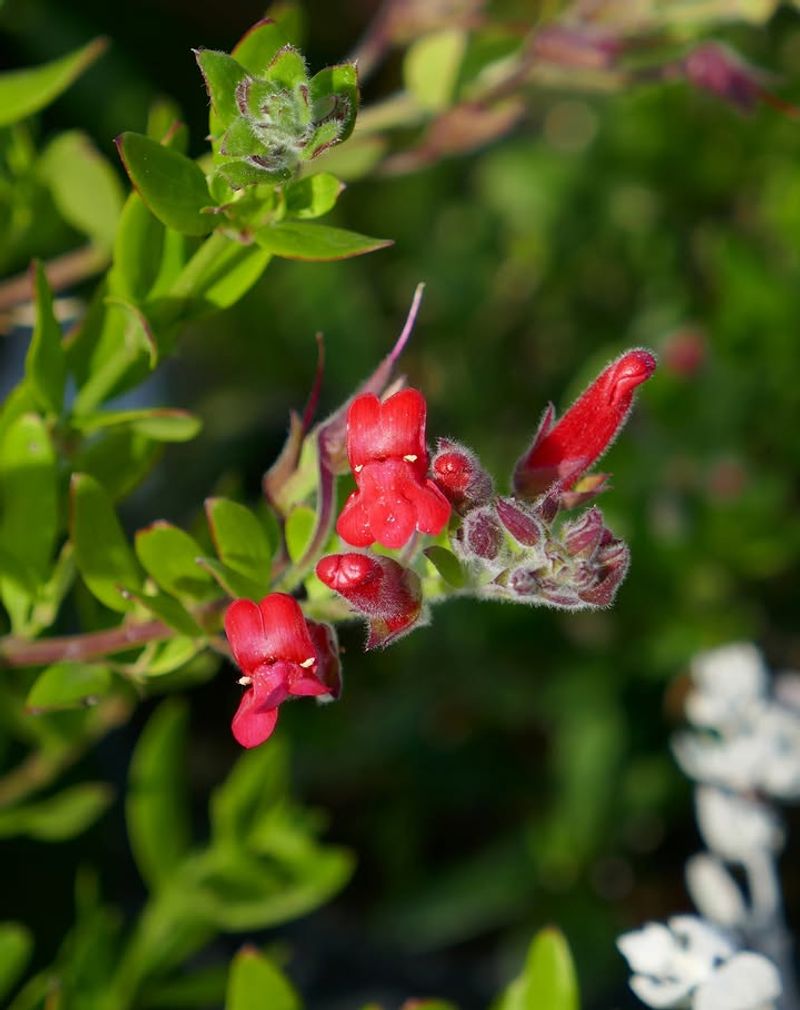
If you want something that stops people in their tracks, Island Bush Snapdragon is the plant to grow. Native to the Channel Islands off the coast of California, this compact shrub puts on a show that rivals plants three times its size.
It grows only two to four feet tall and wide, making it a perfect fit for tight spaces along fences or pathways.
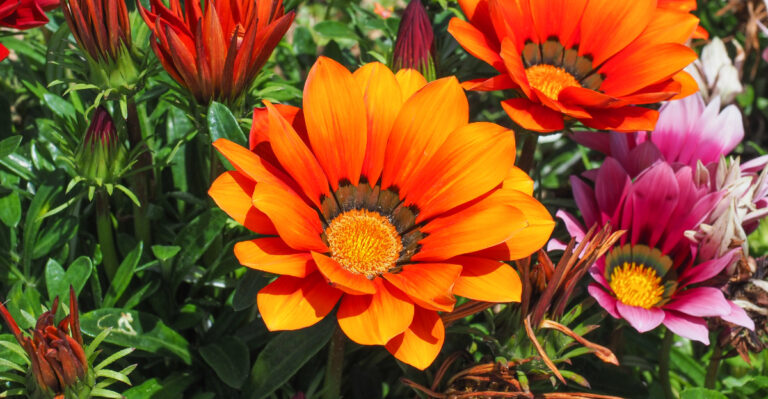
The tubular flowers come in shades of coral, orange, and pink, and hummingbirds absolutely love them. You will see pollinators visiting from spring all the way into summer, which keeps your yard buzzing with activity.
It thrives in full sun and well-drained soil, two things California yards have in abundance.
One of the best things about this plant is how drought-tolerant it is once established. Water it occasionally during the first season, and after that, it handles dry spells on its own like a champ.
It also pairs beautifully with other California natives like Cleveland Sage, Toyon, and Ceanothus, creating a layered, natural look that feels intentional without requiring constant attention.
What really sets it apart is its longevity. With minimal care and no fuss over fertilizer or heavy pruning, Island Bush Snapdragon keeps performing year after year.
Gardeners across Southern California swear by it for low-maintenance color that never feels ordinary, and once you grow it, it is hard to imagine the garden without it.
2. California Buckwheat
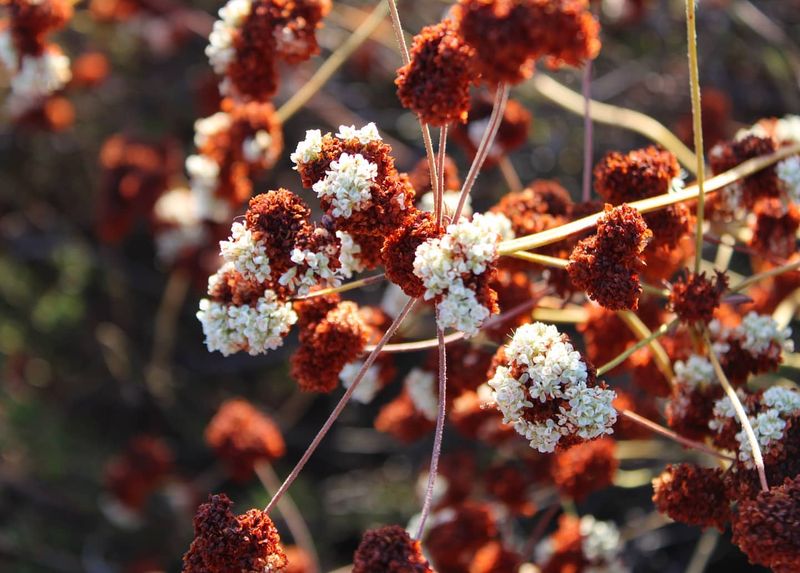
Few plants in California are as hardworking and reliable as California Buckwheat. It is one of those plants that looks great in every season, which is rare.
In spring and summer, it covers itself in clusters of tiny white flowers that slowly turn a warm, rusty red as the season changes. That faded look is actually beautiful, not messy.
California Buckwheat stays compact, usually reaching two to four feet tall and spreading about the same width. It fits naturally in small front yards, along driveways, or tucked into dry hillside gardens.
The plant is incredibly drought-tolerant once established, making it a top pick for water-wise landscaping across the state.
Pollinators go wild for this plant. Bees, butterflies, and even birds are drawn to its flowers and seeds throughout the year.
Your California Garden Changes Every Week. Your Plan Should Too.
Gardening in California changes quickly throughout the season. Every Friday you’ll receive a simple weekly plan showing exactly what to plant, prune, fertilize, harvest, and protect so you never miss the right timing.
Did you know California Buckwheat is considered one of the most important native plants for native bees in the entire state? Some researchers estimate it supports more native bee species than almost any other single plant in California, which makes it as ecologically valuable as it is beautiful.
Gardeners in coastal and inland California both find it easy to grow. It asks for very little: full sun, good drainage, and almost no fertilizer.
It also requires no deadheading, rarely needs pruning, and shrugs off both heat and drought once its roots are settled in. Give it those three things and a little patience through the first season, and it will reward you with beauty and wildlife activity year after year.
3. Coyote Mint
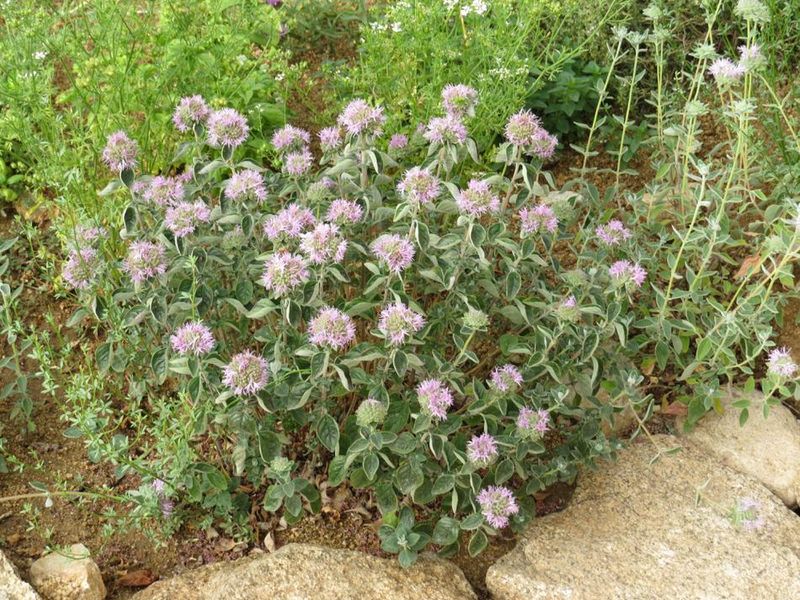
Walk past Coyote Mint on a warm California afternoon, and you will immediately understand why gardeners love it. The leaves release a fresh, minty scent that fills the air with every brush of your hand or passing breeze.
It is one of those sensory experiences that makes a small yard feel alive and special.
Coyote Mint grows in a tidy mound, usually one to two feet tall and about two feet wide. That compact shape makes it easy to tuck into borders, rock gardens, or along garden paths where visitors can enjoy the fragrance up close.
It blooms in late spring and summer, producing clusters of small lavender-purple flowers that butterflies and bees cannot resist.
This plant is built for California conditions. It loves full sun, handles dry summers without complaint, and actually prefers soil that is not too rich or moist.
Overwatering is the one thing to avoid. Once established, Coyote Mint practically takes care of itself, quietly thriving in the kind of heat and dryness that would stress most other plants into decline.
It is also deer-resistant, which is a big bonus for yards in foothill communities and suburban edges throughout California. And because it plays so well with other natives like Buckwheat, Salvia, and Penstemon, it fits naturally into layered planting schemes without looking out of place.
For a small plant, it brings an enormous amount of personality, fragrance, and wildlife value to any garden space, making it one of the most rewarding low-maintenance choices you can make.
4. Cleveland Sage
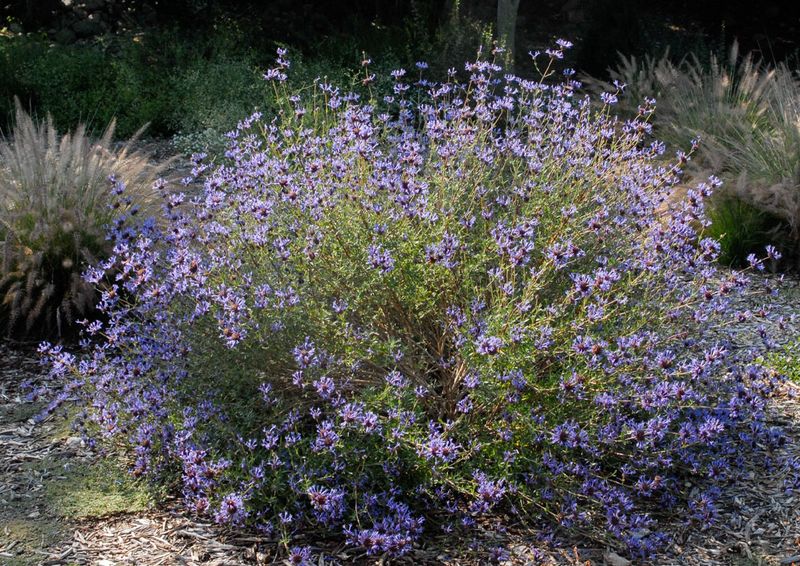
Cleveland sage has a smell that is hard to forget. The moment you step near it, a rich, earthy, herbal fragrance hits you, and it feels like pure California.
Native to Southern California and Baja California, this sage stays relatively compact at three to four feet tall, which is much smaller than many other sage species that can take over a yard.
In spring, it sends up tall spikes covered in whorls of violet-blue flowers. The show lasts for weeks, and hummingbirds, native bees, and butterflies flock to it nonstop.
Even after the blooms fade, the silvery-green foliage stays attractive all year long. It gives your yard structure and texture even in the off-season.
Cleveland sage thrives in full sun and fast-draining soil, conditions that are very common in California yards. It is extremely drought-tolerant once established and rarely needs fertilizer.
In fact, too much water or rich soil can actually shorten its life. Keep it lean and dry, and it will reward you for years.
Many California gardeners use it as a fragrant anchor plant in native gardens, pairing it with buckwheat or coyote mint for a layered, low-water landscape that practically runs itself.
5. Hummingbird Sage
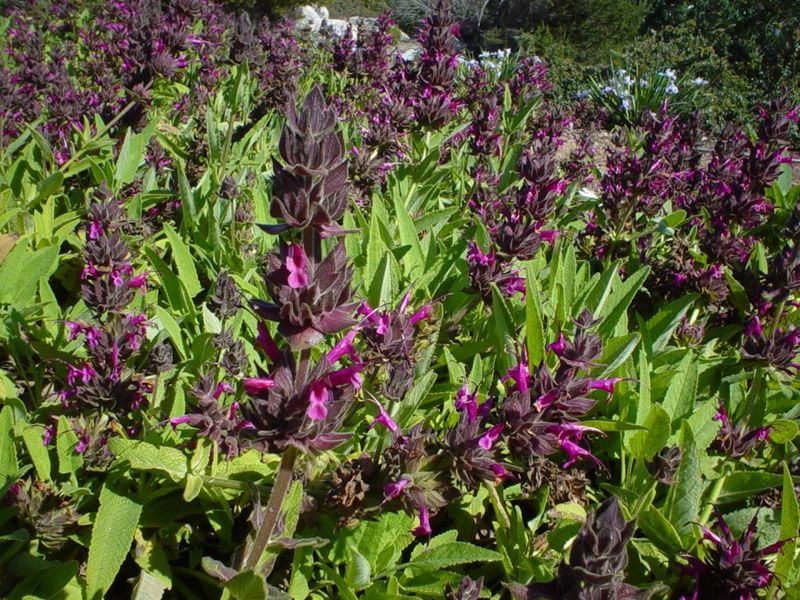
Not every California native plant loves the sun, and that is exactly what makes hummingbird sage so valuable. Most compact natives want full sun, but hummingbird sage actually prefers part shade to full shade.
If you have a small yard with a shady corner that feels impossible to fill, this plant is your answer.
It grows as a low, spreading groundcover, usually one to two feet tall and spreading two to three feet wide over time. In late winter and early spring, it sends up tall, dramatic spikes of bright magenta-pink flowers that practically glow in shaded spots.
As the name promises, hummingbirds absolutely flock to it, making your yard feel like a tiny wildlife sanctuary.
The large, textured, deep-green leaves look lush even when the plant is not blooming. It handles dry shade well once established, which is notoriously difficult to achieve in any garden.
Hummingbird sage is native to coastal and foothill regions of California, so it is well-adapted to a wide range of local conditions. It spreads slowly by underground stems, filling gaps naturally without becoming aggressive.
For shady small yards in California, few plants offer this combination of beauty, wildlife value, and genuine low-maintenance ease.
6. California Goldenrod
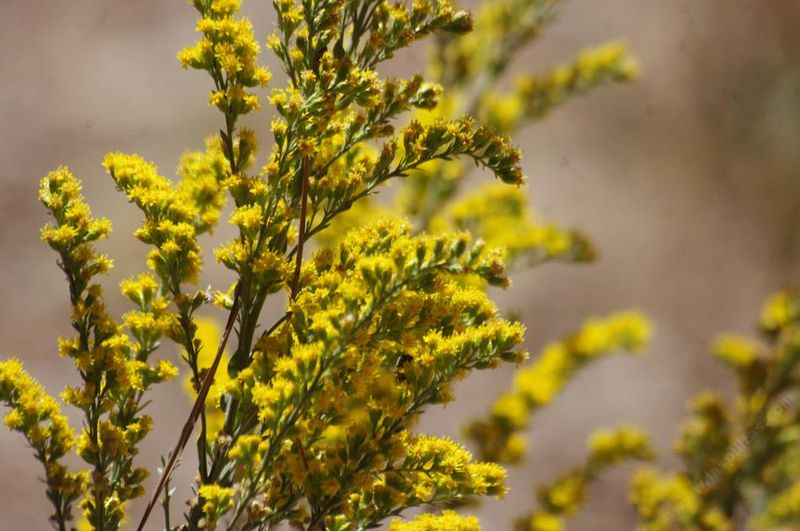
Bright, cheerful, and packed with ecological value, California goldenrod is one of those plants that earns its place in any small yard. It grows in an upright clump, reaching about two to four feet tall, and in late summer and fall it explodes with arching plumes of golden-yellow flowers.
That late-season bloom is a huge gift because most plants are winding down by then.
Pollinators depend on California goldenrod heavily in the fall. Native bees, beetles, and butterflies stock up on nectar and pollen before cooler weather arrives.
Birds also visit the plant to eat the seeds after the flowers fade. Planting goldenrod is one of the easiest ways to support local wildlife in a California yard.
It grows best in full sun and tolerates a wide range of soils, including clay and sandy ground. Once established, it handles dry summers well, though an occasional deep watering during extreme heat keeps it looking its best.
California goldenrod spreads slowly by rhizomes underground, so it fills in gaps nicely without taking over. Cutting it back in late winter encourages fresh, tidy growth each spring.
For a small yard that needs late-season color and wildlife appeal, this plant delivers in a big way.
7. Coastal Bush Lupine
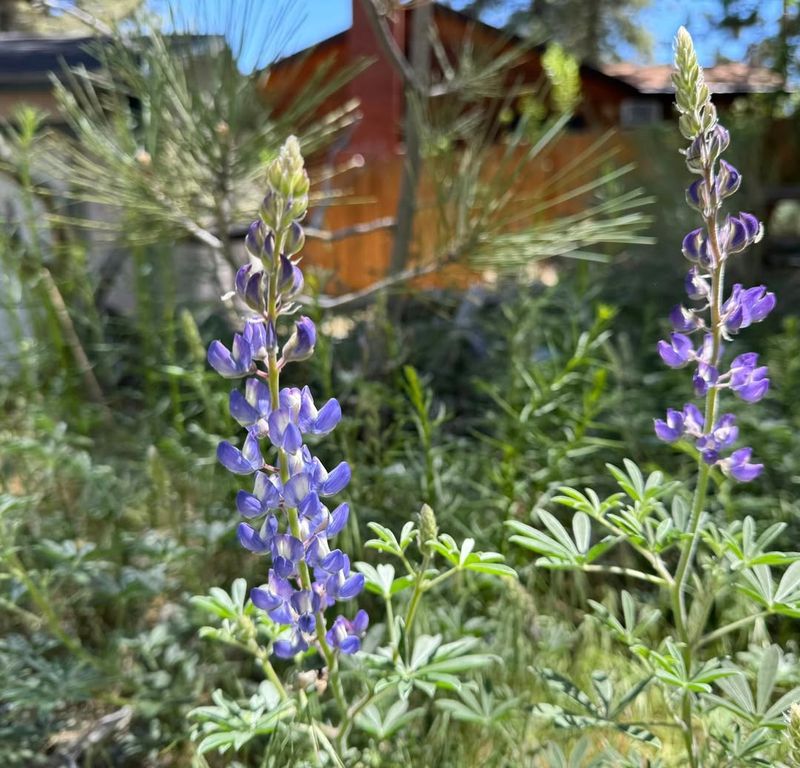
There is something almost magical about a lupine in full bloom. Coastal bush lupine grows into a rounded shrub about three to five feet tall and wide, and when it blooms in spring, the entire plant is covered in tall, fragrant spikes of violet-purple flowers.
It looks like something out of a nature documentary, and yet it fits comfortably in a small California yard.
Native to the coastal areas of California, this plant is perfectly adapted to sandy, poor soils and cool ocean breezes. It actually fixes nitrogen in the soil, meaning it improves the ground around it over time.
That makes it a great companion plant for other natives that prefer lean soil conditions.
Bees and butterflies are wild about the flowers, and the plant provides important habitat for several native butterfly species that lay eggs on lupine leaves. It grows quickly and can look full and established within its first or second season.
Coastal bush lupine prefers well-drained soil and full sun to light shade. It is naturally short-lived, lasting about five to seven years, but it self-seeds readily, so new plants keep coming up to replace older ones.
For coastal California yards, it is a standout choice that brings real ecological impact.
8. Seaside Woolly Sunflower
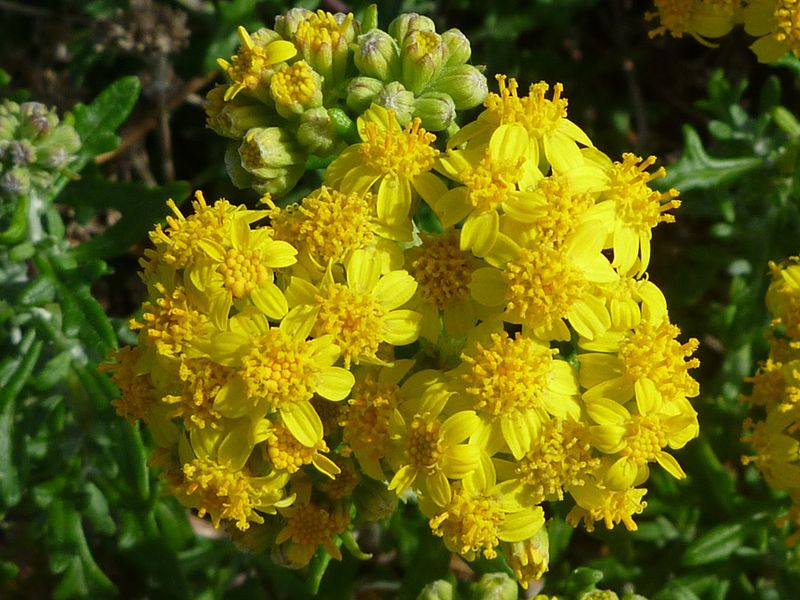
Silver foliage and golden flowers are a combination that is hard to beat, and seaside woolly sunflower delivers both in a tidy, compact package. This low-growing California native stays under two feet tall and spreads about two to three feet wide, making it one of the best ground-level plants for small yards near the coast or inland.
The soft, woolly silver-gray leaves are eye-catching even before the plant blooms. Then in spring and summer, cheerful yellow daisy-like flowers pop up above the foliage and attract native bees and butterflies by the dozens.
The contrast between the silvery leaves and bright yellow blooms gives any garden a polished, intentional look without much effort.
Seaside woolly sunflower is native to coastal bluffs and dry slopes throughout California, so it is built for tough conditions. It handles poor soil, salt spray, and dry summers without missing a beat.
Plant it in full sun with excellent drainage and very little supplemental water once it settles in. It works beautifully as an edging plant, a slope stabilizer, or a front-of-border accent.
Gardeners in coastal California communities especially love it because it looks naturally at home in the landscape and requires almost no maintenance to stay attractive all year long.