8 Plants New Jersey Gardeners Are Growing To Help Keep Ticks Away
Last summer, I walked through my backyard in New Jersey and counted three ticks on my ankles before I even reached the garden shed. That was my wake-up call. New Jersey is one of the most tick-dense states in the country, and if you spend any time outdoors, you already know the anxiety that comes with it.
What I did not expect was that the solution could be as simple and beautiful as rethinking what I planted. Turns out, many gardeners are quietly fighting back against ticks not with chemicals, but with fragrant, colorful, and surprisingly powerful plants. Some of these have been used for centuries in folk medicine and natural pest control.
Others just happen to smell so strongly that ticks want nothing to do with them. I started experimenting in my own yard, and the difference has been noticeable. No matter your setup, big yard or tiny raised bed, a few of these plants will change everything.
Safer. More enjoyable.
Here’s what New Jersey gardeners are actually using right now.
1. Rosemary, The Herb That Earns Its Place Twice Over
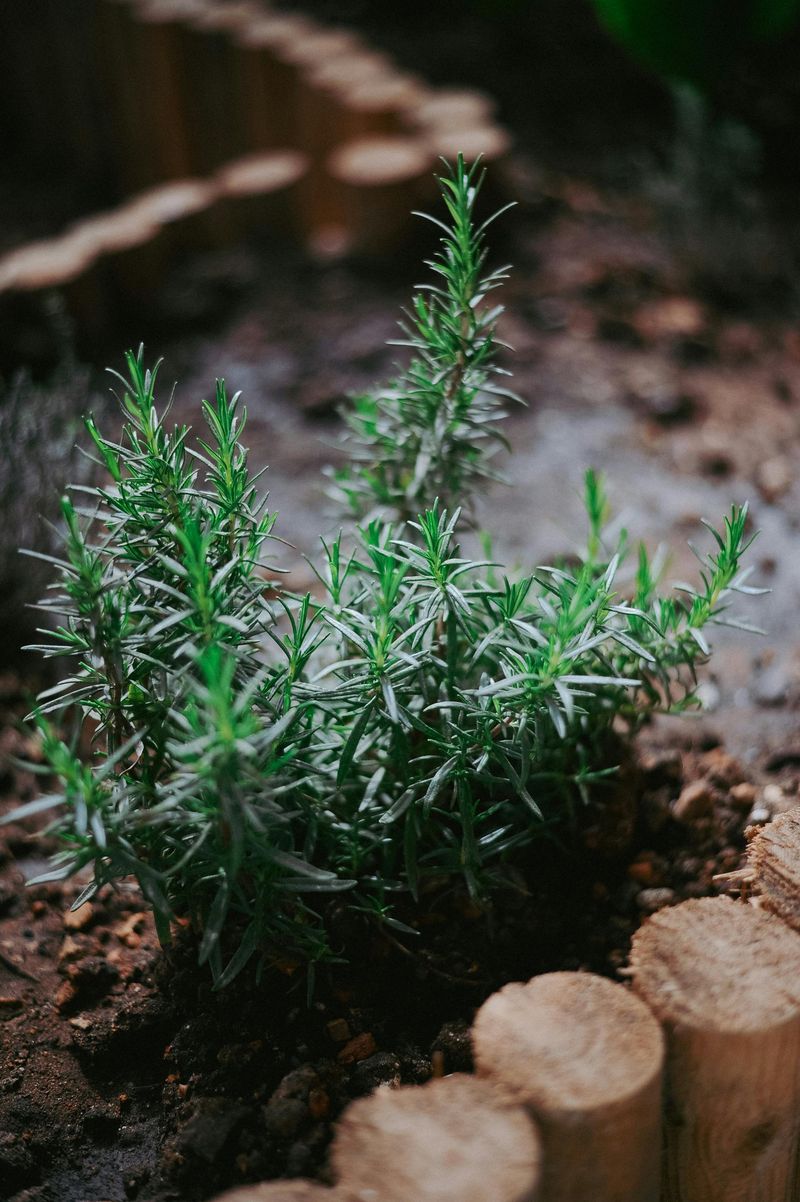
Most plants do one thing. Rosemary does several, and does them quietly.
The same piney aroma that makes it indispensable in the kitchen comes from camphor and borneol, two natural compounds that ticks and other insects find deeply off-putting. It is not a coincidence that it smells strong.
That strength is the point.
In New Jersey, rosemary does best in a sunny, well-drained spot with some shelter during the coldest months. It is not the most cold-hardy herb, but that is easy to work around.
Growing it in containers lets you bring it inside when temperatures drop and move it strategically around outdoor seating areas during tick season.
Tuck a few sprigs into your socks before heading into the yard. Rub a stem along your arms.
It sounds old-fashioned because it is, and it still works.
Near vegetable gardens, rosemary pulls extra weight as a companion plant, discouraging a wider range of pests beyond ticks. One plant, more than one job.
It grows slowly, but that steadiness pays off. Once established, it asks for very little and keeps delivering through the season.
Water it occasionally, give it sun, and it handles the rest.
Rosemary is mildly toxic to dogs and cats in larger ingested amounts. Normal garden presence is fine, but worth knowing if your pets graze.
For a plant that flavors your food, deters pests, and looks good doing it, rosemary is one of the more quietly impressive things you can add to a New Jersey garden.
2. Catmint, The Lavender Companion
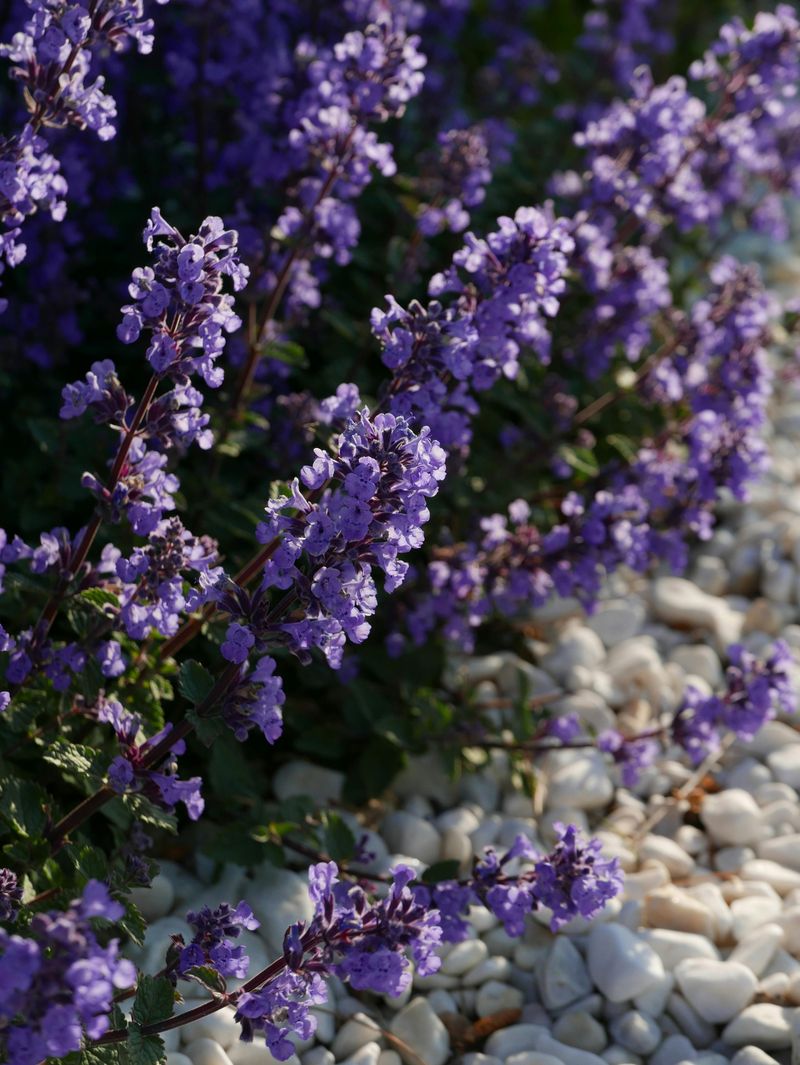
Soft lavender-blue flowers, low to the ground, looks almost delicate. Catmint is not what most people picture when they think pest control.
Nepetalactone, the active compound in catmint, has been shown in studies to have significant insect-repelling effects. Research has focused primarily on mosquitoes, so its effectiveness against ticks is a reasonable indicator rather than a proven result.
Your New Jersey Garden Changes Every Week. Your Plan Should Too.
Gardening in New Jersey changes quickly throughout the season. Every Friday you’ll receive a simple weekly plan showing exactly what to plant, prune, fertilize, harvest, and protect so you never miss the right timing.
That said, its strong scent and proximity to the well-studied catnip family make it a worthwhile addition to a tick-deterrent garden.
Plant it along walkways or garden edges where people brush past it regularly. That contact releases the scent and puts the repellent effect exactly where it is most useful.
Catmint spreads readily over time, which means more coverage without replanting each season. It can crowd out smaller neighboring plants if given free rein, so containers or defined borders are worth using in tighter garden beds.
Trim it back after the first bloom and it flowers again. That second flush keeps the scent fresh and the yard looking intentional rather than overgrown.
Pollinators show up in serious numbers once it blooms. Bees in particular are drawn to it, which makes it a useful addition for anyone trying to support the local ecosystem alongside tick management.
3. Lemon Balm, Bright Scent, Strong Defense
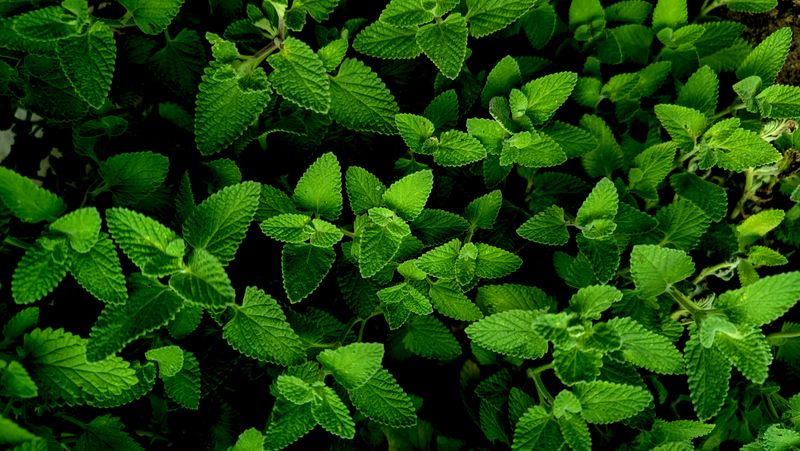
Image Credit: © F 植生记 / Pexels
Brush against lemon balm on a hot afternoon and the scent lifts into the air instantly. It smells like crushed lemon peel and fresh mint, a bright combination that ticks tend to steer clear of.
The plant contains citronellal, a compound commonly used in insect repellents. That makes lemon balm more than just a pleasant herb to grow near the patio.
It is also one of the easier herbs to work into a yard without much planning. Lemon balm tolerates partial shade, so it fits into spaces where sun-loving herbs often struggle.
A few pots near the back steps or garden bench can go a long way.
Lemon balm self-seeds prolifically and can spread aggressively beyond its intended area.
It is considered invasive in parts of the Mid-Atlantic region, including New Jersey. Growing it in containers is strongly recommended to protect surrounding native plants and keep it manageable.
Crush a few leaves before gardening or mowing the lawn and the citrusy oils cling lightly to your hands and skin.
By midsummer, small white flowers begin pulling in bees and other pollinators. The plant stays useful without looking overly formal or fussy.
Then there is the tea. Lemon balm leaves steep into a clean, mild herbal drink with a soft citrus flavor that tastes especially good cold.
A plant that helps discourage ticks, supports pollinators, handles shade, and makes decent iced tea — as long as it is kept contained, it is a smart addition to almost any backyard.
4. Feverfew: Quiet Defender With A Scientific Edge
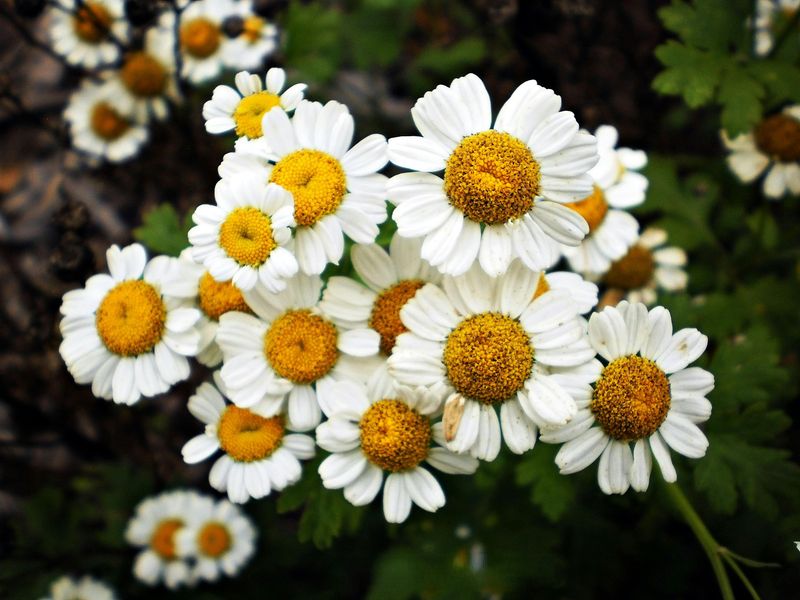
Image Credit: © Dianne J. Larsen / Pexels
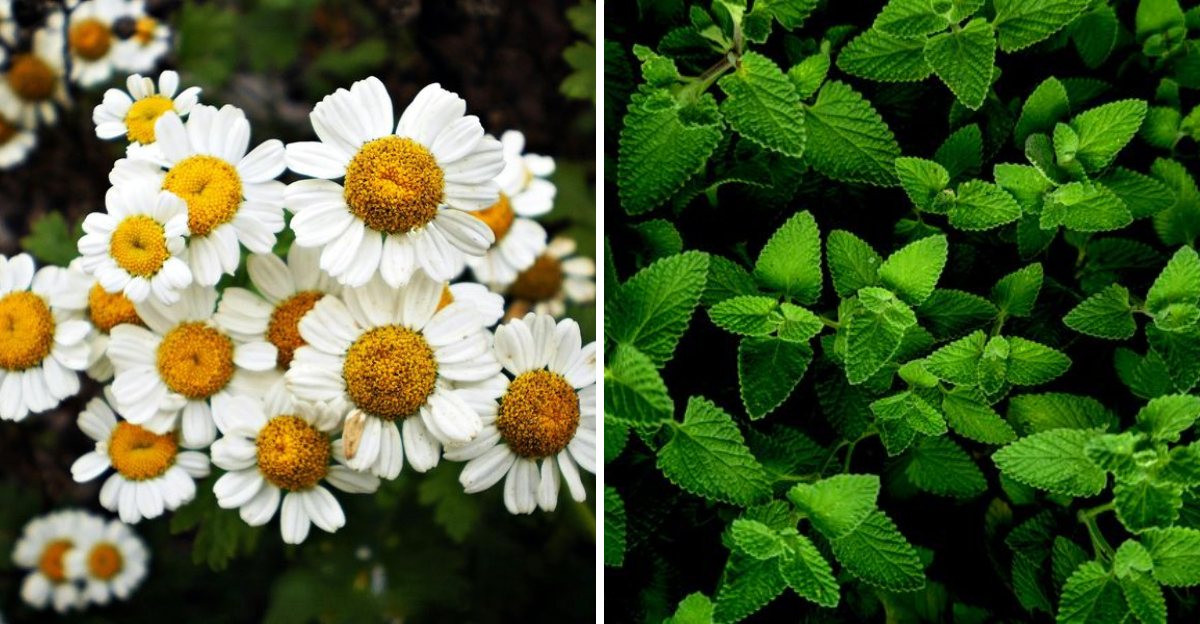
Feverfew sits in the garden like it knows something useful and is not in a hurry to explain itself. It belongs to the chrysanthemum family, which already gives it quiet credibility, but its real value shows up in its chemistry.
The leaves contain parthenolide and camphor, compounds studied for their insect-repelling properties. Evidence suggests they may help deter ticks and other biting insects, making feverfew a more scientifically grounded choice than many ornamental plants.
The plant grows in a loose, slightly wild form, with small daisy-like flowers that look cheerful but not overly decorative. It fits easily into New Jersey gardens, especially in sunny spots with well-drained soil where it settles in without much fuss.
Feverfew does not demand attention, yet it tends to stay active through the season. Its scent is subtle to people, but insects experience it differently.
That contrast is part of its appeal, it works in the background while the garden does its usual summer thing.
Many gardeners like it near paths or seating areas where its presence becomes part of the everyday environment rather than a showpiece.
Feverfew self-seeds readily and can spread beyond its intended spot. Deadheading spent flowers before they set seed helps keep it contained and protects neighboring plants.
Pollinators still visit its flowers, adding movement and life. In New Jersey summers, where heat and humidity can shift conditions quickly, feverfew handles the stress with steady, unfussy growth.
Feverfew can cause mouth ulcers and stomach upset in dogs and cats if chewed or ingested. Plant it in areas your pets do not have regular access to.
5. Catnip: The Playful Plant With Real Repellent Power
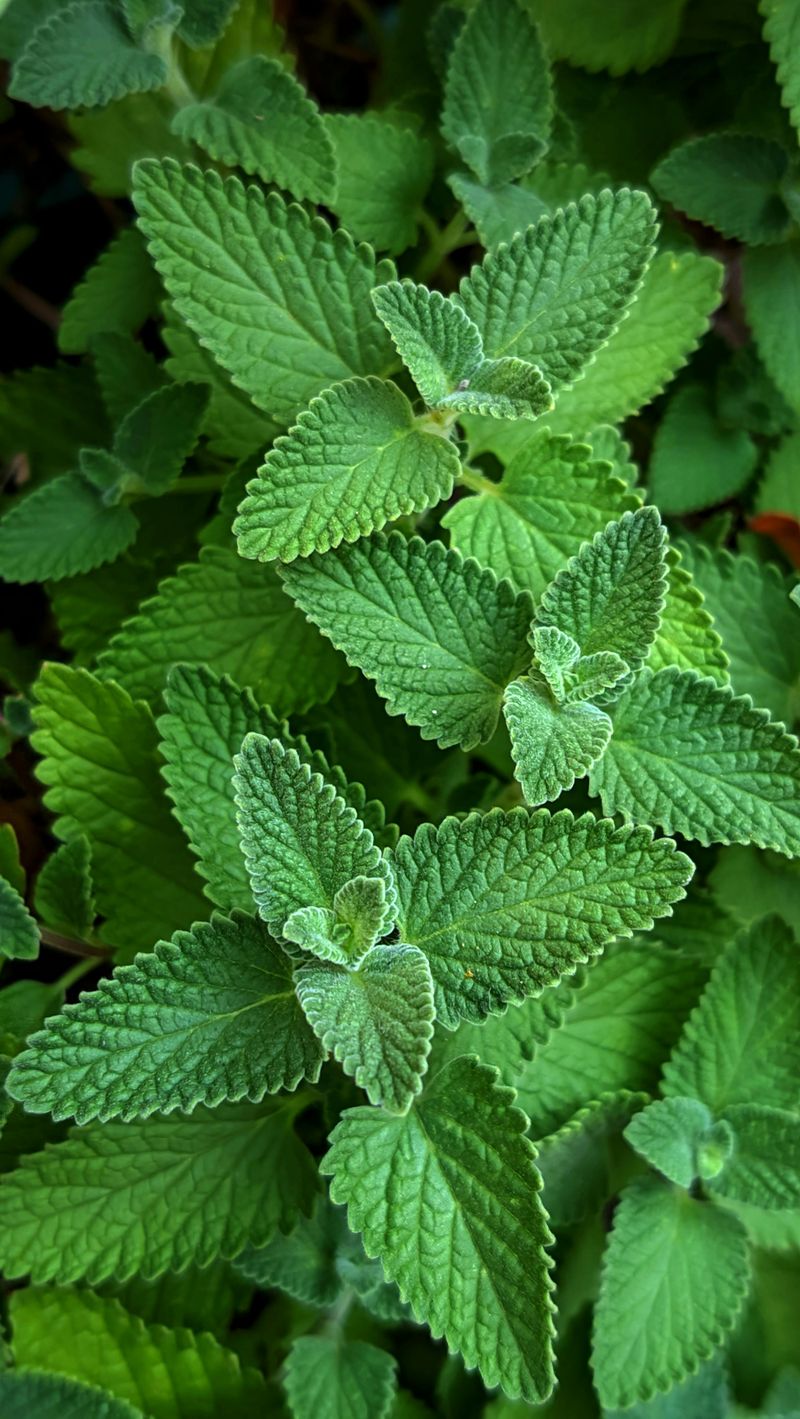
Catnip does not look like a plant that would do much work, but it quietly pulls more weight than its soft green leaves suggest.
It belongs to the mint family and grows easily in New Jersey gardens, settling into sunny spots and spreading without much encouragement.
The real power sits in nepetalactone, a compound that has been widely studied for its insect-repelling effects, including against mosquitoes and ticks. It is one of those rare cases where cats and science seem equally interested in the same plant, just for very different reasons.
In the garden, catnip forms loose, slightly wild clumps with small lavender flowers that show up through the warmer months. It is not fussy about soil and handles heat without much complaint, which makes it a reliable choice during New Jersey summers when conditions swing between dry spells and heavy humidity.
Once established, it keeps going with minimal attention, filling in edges and sunny gaps where other plants might struggle.
It is also considered pet-safe, which makes placement easier in shared outdoor spaces. Cats will likely find it on their own, but the plant itself stays useful even if they do.
Bees and other pollinators are drawn to its flowers, adding movement and life without turning it into a pest magnet.
Catnip works best when it is allowed a bit of freedom. Tucked along borders or near seating areas, it releases its scent as the wind or touch stirs the leaves.
It is simple, unpretentious, and quietly effective, which is often exactly what a working garden needs.
6. Sage Is A Quiet Herb With Old-World Energy
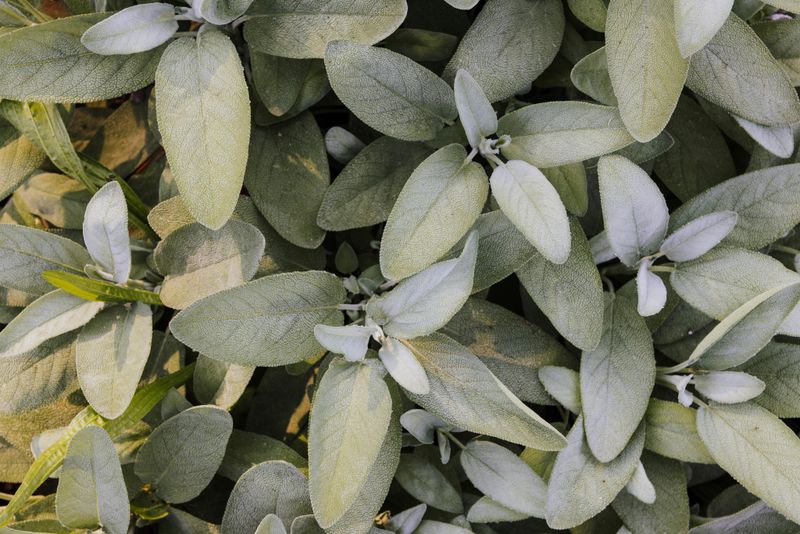
Sage has an ancient, almost medicinal quality that earns it a natural place in the pest-deterrent garden.
The strong camphor-like aroma that comes from its silvery leaves is what makes it effective at deterring ticks and other biting insects. The same compounds that give sage its distinctive scent are what insects find off-putting.
Burning dried sage bundles near your outdoor seating area is a traditional practice with some supporting evidence as an insect repellent — though the research on smoke from plant material is general rather than specific to culinary sage varieties.
Fresh sage planted near patios, porches, or garden seating areas works continuously throughout the growing season in New Jersey without any extra effort.
It is drought-tolerant once established, which is a real advantage during the dry stretches that NJ summers occasionally bring.
Sage pairs well with rosemary and thyme in a dedicated herb garden, creating a fragrant grouping that covers useful pest-deterrent ground.
The plant itself is understated and attractive, with soft fuzzy leaves and purple flower spikes that bloom in early summer. Pollinators are particularly fond of sage flowers, adding ecological value alongside the pest deterrence.
Culinary sage and many ornamental sage varieties carry repellent properties, though potency varies across the very large Salvia genus. Culinary sage is the most reliably studied option. is safe for humans and pets in normal garden and culinary quantities.
7. Thyme, A Low-Growing Herb That Works Harder Than It Looks
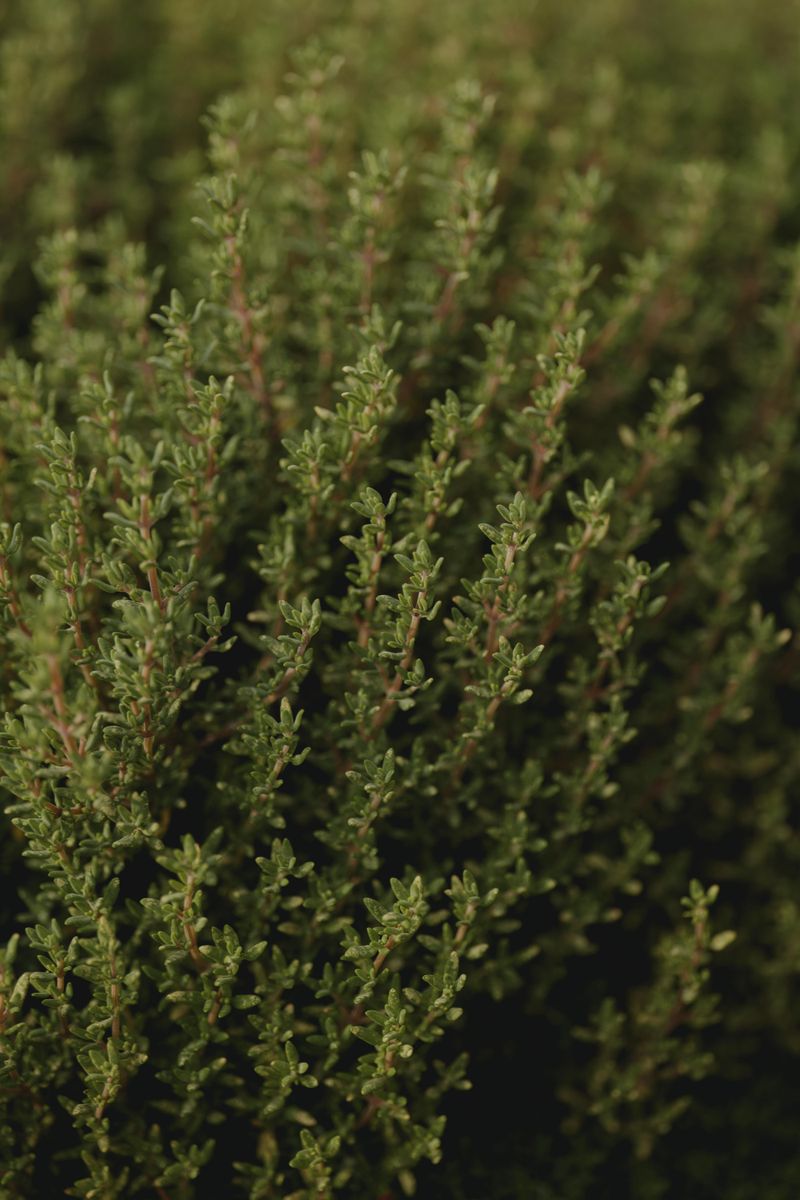
Thyme doesn’t try to stand out. It just spreads quietly, close to the ground, until you realize it has filled the spaces you forgot about.
That matters more than it seems. Ticks tend to linger at ground level, in shaded edges and still corners.
Creeping thyme moves into those same spots, forming a dense, fragrant mat that changes the feel of the space.
The scent is part of its strength. Thyme contains thymol, a compound used in natural repellent products.
When the leaves are brushed or stepped on, the aroma lifts quickly and hangs in the air for a moment.
Placed between stepping stones or along a garden path, it becomes something you notice without thinking. Each step releases a small burst of scent, especially in warm weather.
It also takes light foot traffic in stride. Instead of breaking apart, it spreads back into place, softening hard edges like stone and gravel.
Sun and drainage matter most. Give thyme a bright, dry spot and it settles in, even through long summer stretches when rain is inconsistent.
There is a second layer to it, too. The same plant that works quietly underfoot is also a kitchen staple.
A pinch of fresh thyme can shift the flavor of a whole dish without much effort.
In bloom, it pulls in bees and other pollinators, adding movement to areas that might otherwise stay still.
8. Why Your Garden Needs Lavender (And So Do Your Ankles)
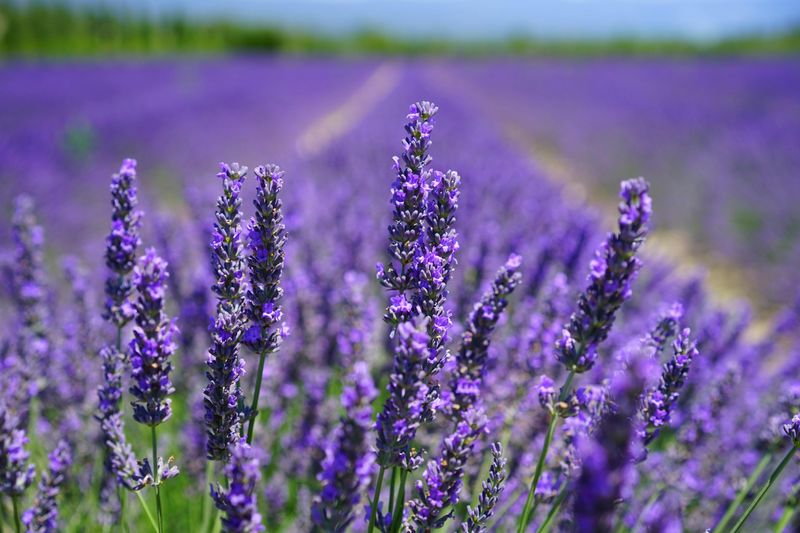
Ticks want nothing to do with lavender. That alone is reason enough to grow it.
The science backs it up. Linalool and linalyl acetate, two compounds found naturally in lavender, repel ticks, mosquitoes, and fleas without a single synthetic chemical involved.
Plant it along garden borders or near entry points and it works passively all season long. No spraying, no reapplying, no forgetting.
NJ summers can be demanding, but lavender handles the heat well as long as the soil drains freely and it gets full sun. High humidity paired with poor drainage is the one condition it struggles with, so raised beds or sandy soil make the best home for it.
Cut a few stems and hang them indoors once the season winds down. The dried flowers keep releasing that same repellent fragrance through winter.
Before heading out into the yard, rub a few fresh leaves on exposed skin. It smells far better than anything from a spray can.
Bees and butterflies show up in numbers once it blooms, which means the garden starts doing more ecological work without any extra effort on your end.
Once established, lavender needs very little water. In a state with plenty of sun and the occasional dry stretch, that matters.
Lavender is mildly toxic to dogs and cats if ingested, causing stomach upset. It is safe to grow in the garden but keep curious pets from chewing on it.