Native California Shrubs That Outperform Arborvitae As Privacy Screens In Tough Spots
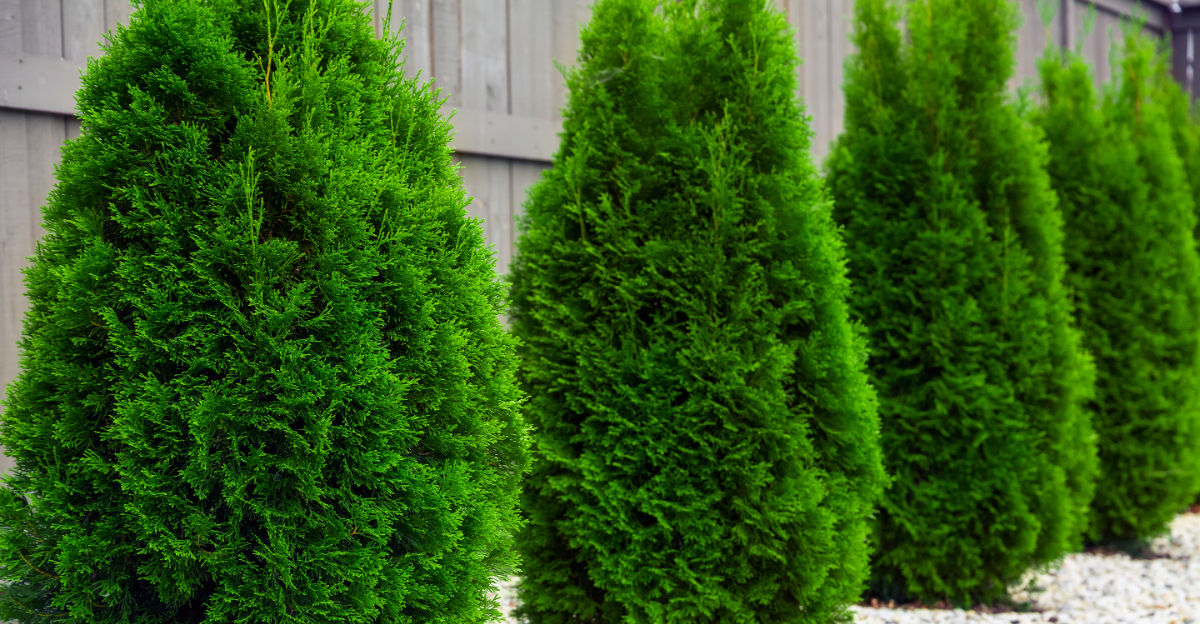
Arborvitae gets a lot of credit it probably doesn’t deserve. Yes, it’s tidy, yes it grows tall, but plant it in poor soil, a windy slope, or a spot that bakes all afternoon and it will sulk, brown out, and thin in exactly the places you need it to be dense.
California’s native shrubs, on the other hand, evolved in conditions that would make arborvitae nervous. Rocky soil, seasonal drought, punishing sun exposure, and coastal winds are not obstacles for these plants, they’re just Tuesday.
The result is a privacy screen that fills in faster, stays healthier without much intervention, and actually supports local birds and pollinators while it does its job. So why does arborvitae still dominate the nursery conversation?
Mostly habit and familiarity. Once you see what the native alternatives can do in the spots where arborvitae consistently struggles, the case for sticking with the old standby gets pretty hard to make.
1. Bladderpod
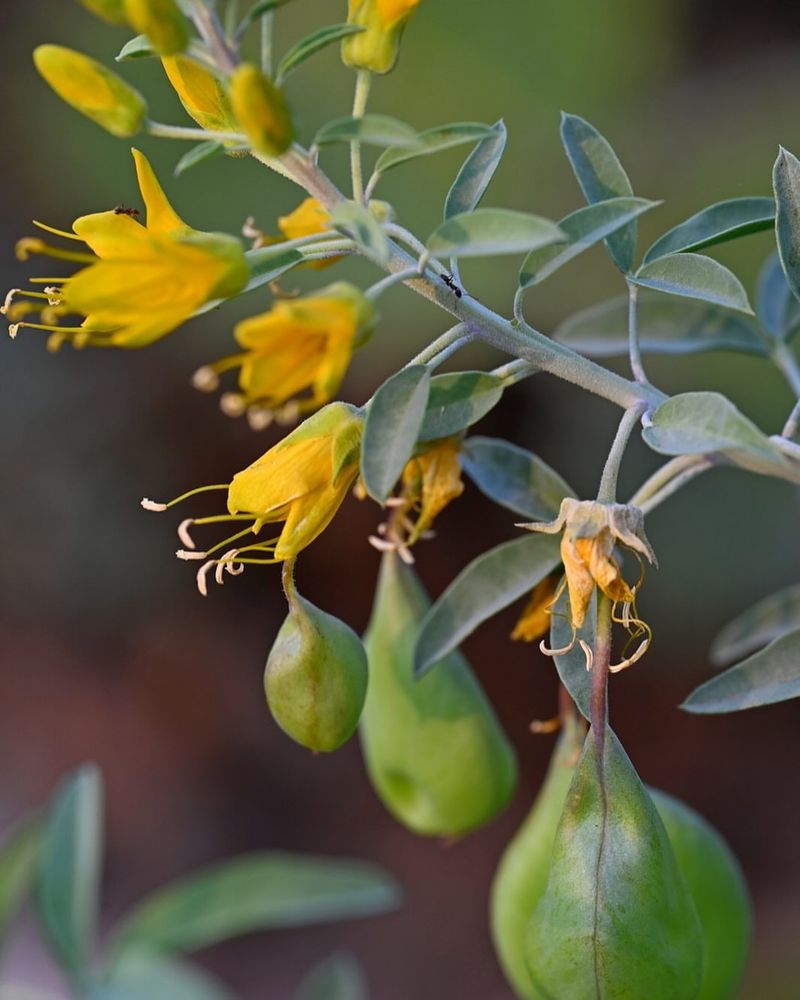
Few plants are as underrated as Bladderpod when it comes to screening out neighbors in tough California spots. Known scientifically as Peritoma arborea, this tough native shrub grows fast, gets dense, and thrives where other plants give up entirely.
It handles drought, poor soil, and full blazing sun without skipping a beat.
In California, Bladderpod is especially useful on hot, south-facing slopes where arborvitae would struggle to survive the summer heat. It can reach six to ten feet tall and nearly as wide, creating a thick wall of silver-green foliage.
Bright yellow flowers show up for much of the year, which is a nice bonus for a privacy screen plant.
One fun fact: the plant gets its name from the puffy, inflated seed pods that dangle from its branches like little balloons. Beyond looking interesting, those pods tell you the plant is thriving.
Pollinators are drawn to the yellow blooms consistently, so while Bladderpod is doing the hard work of blocking the view, it is also quietly supporting bees and butterflies in the background.
Bladderpod needs almost no irrigation once it is established, making it a smart, water-wise choice for California homeowners looking for a reliable, low-maintenance privacy solution. If you have a hot, exposed spot that has defeated every other plant you have tried, this is the one worth giving a chance.
2. Blue Elderberry
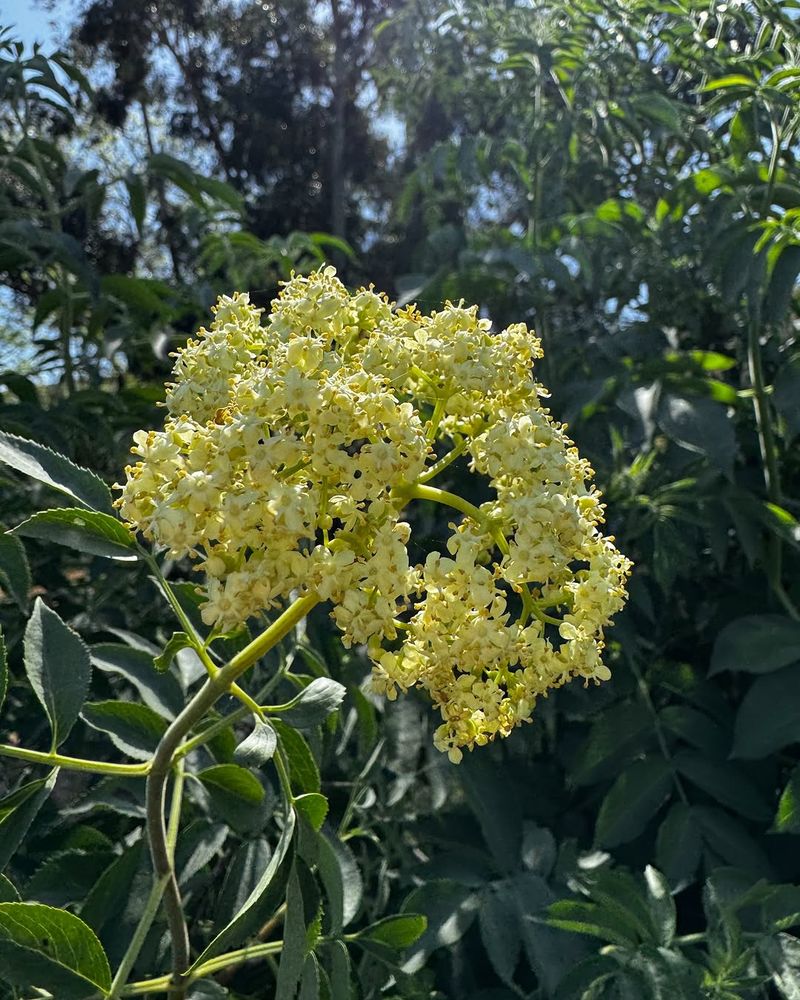
Walk past a Blue Elderberry in late summer and you will immediately notice the heavy clusters of dusty blue-black berries weighing down its branches. This California native is one of the most versatile privacy shrubs you can plant, growing quickly into a tall, multi-stemmed screen that feels completely at home in the California landscape.
Blue Elderberry can reach fifteen feet or more in height, which makes it an excellent choice when you need serious screening. It handles a wide range of soil types and tolerates seasonal flooding as well as dry summer conditions once established.
That kind of flexibility is rare and makes it perfect for California yards with unpredictable drainage.
Birds absolutely love the berries, so planting a row of Blue Elderberry along your property line brings both privacy and wildlife right to your backyard. The flat-topped clusters of creamy white flowers that appear in spring are also a favorite of native bees, and during bloom season the whole shrub hums with pollinator activity in a way that makes it as alive as it is functional.
Your California Garden Changes Every Week. Your Plan Should Too.
Gardening in California changes quickly throughout the season. Every Friday you’ll receive a simple weekly plan showing exactly what to plant, prune, fertilize, harvest, and protect so you never miss the right timing.
Unlike arborvitae, which can brown out in California heat, Blue Elderberry stays green and lush through the toughest parts of the year. It also has a natural, relaxed structure that blends into the surrounding landscape rather than looking like a planted barrier, giving your yard privacy that feels intentional without looking forced or artificial.
3. California Yerba Santa
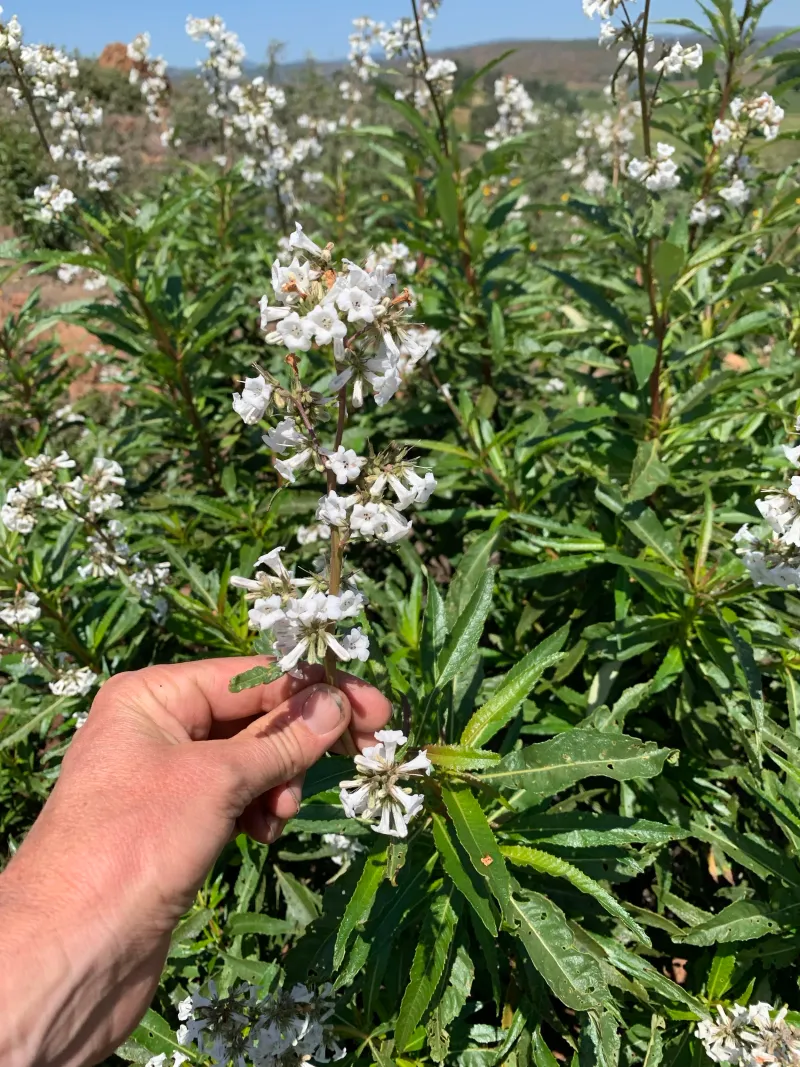
There is something almost magical about California Yerba Santa. Its sticky, aromatic leaves have been used medicinally for centuries by Native Californians, and the plant itself spreads into thick, impenetrable thickets that make it one of the best natural privacy screens for tough spots in California.
Yerba Santa is a champion of fire-prone, dry, rocky hillsides. It spreads by underground runners, which means a small planting can fill in a large area over time without much help from you.
The shrub reaches four to eight feet tall and forms dense colonies that block sight lines completely. That spreading habit is actually a big advantage when you want to cover a long stretch of fence line.
The tubular purple or white flowers that appear in spring attract hummingbirds and native bees, adding life and movement to your privacy screen. Unlike arborvitae, which needs consistent moisture, Yerba Santa is built for California’s dry summers.
It even resprouts vigorously after fire, showing just how tough this plant really is.
For hillside privacy in California, it is genuinely hard to beat this resilient, fragrant native shrub. It asks for almost nothing once established, requires no irrigation during dry summers, and keeps expanding quietly on its own terms, filling in gaps and problem areas that would defeat almost any other plant you could choose.
4. Menzies’ Goldenbush
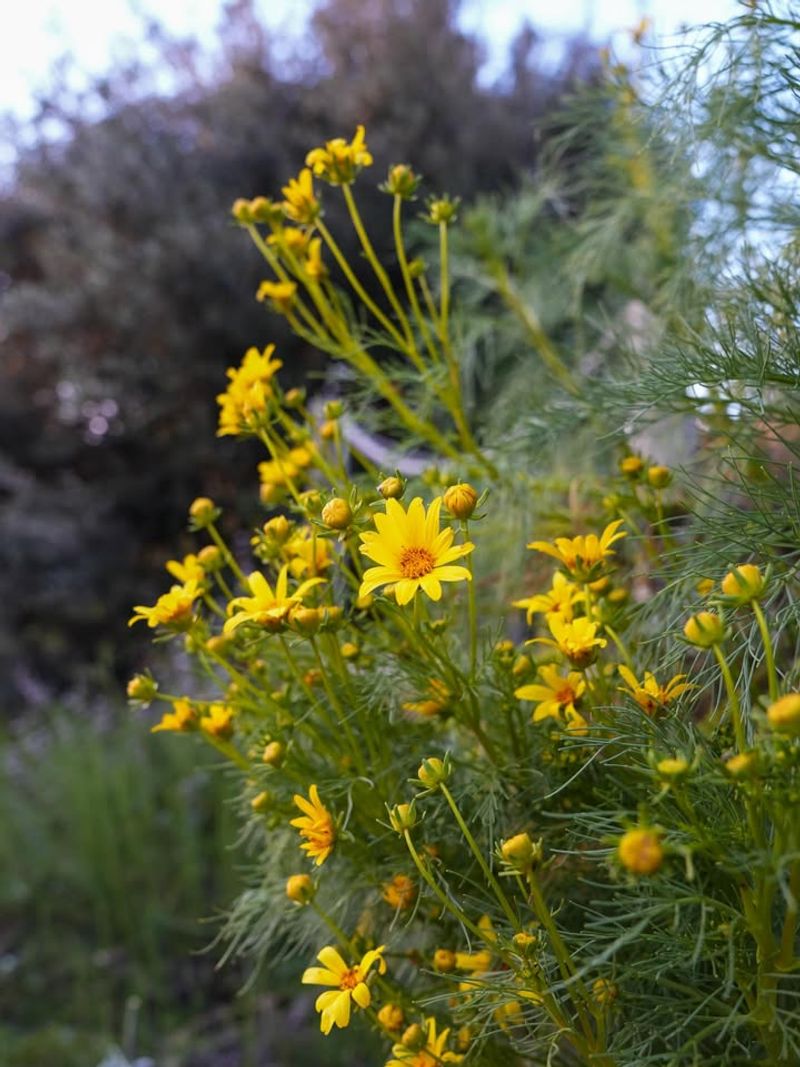
Bright golden flowers and tough-as-nails roots make Menzies’ Goldenbush one of California’s most dependable native shrubs for screening in challenging spots. This compact but dense shrub is often overlooked, yet it thrives in the kinds of difficult conditions that send arborvitae straight to the compost pile.
Menzies’ Goldenbush grows naturally along California’s coast and in dry inland valleys, so it is already adapted to the state’s wide range of tough conditions. It handles salt spray, compacted soils, and long dry spells without complaint.
The shrub reaches about three to five feet tall and wide, forming a rounded, bushy shape that works well as a lower privacy border or a layered planting behind taller shrubs.
In fall, the plant explodes into a mass of tiny yellow daisy-like flowers that cover the entire plant. That fall color show is a welcome surprise when most other plants in the garden look tired.
Pollinators swarm the flowers, turning your privacy screen into a buzzing habitat patch. For California gardeners dealing with coastal wind, poor sandy soil, or salt air, Menzies’ Goldenbush is a smart, beautiful, and surprisingly tough native option worth planting today.
5. Nevin’s Barberry
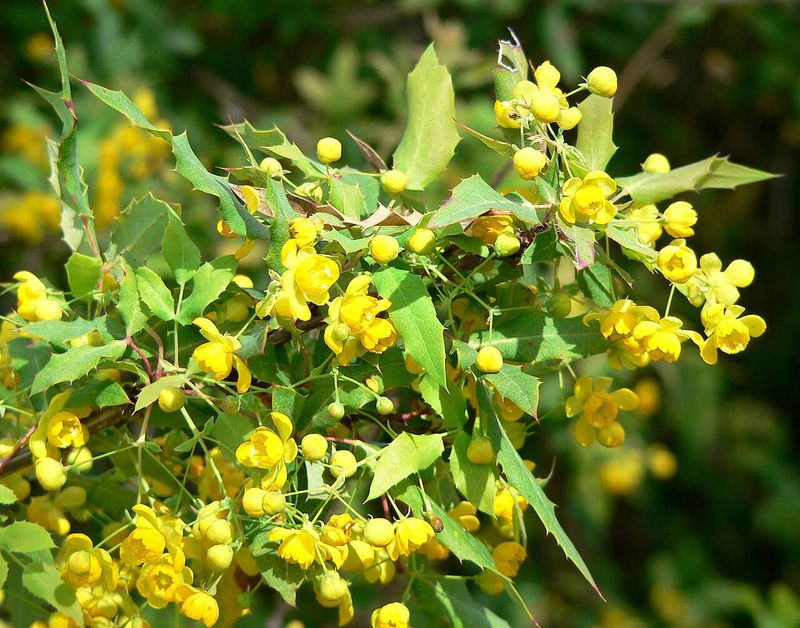
If you want a privacy screen that nobody and nothing can push through, Nevin’s Barberry is your answer. This rare Southern California native is armed with sharp spines and grows into an incredibly dense, thorny thicket that functions as both a privacy screen and a serious security barrier all in one tough plant.
Nevin’s Barberry is actually one of California’s rarest native shrubs, which makes growing it in your yard a small act of conservation. It reaches six to ten feet tall with a similar spread, producing holly-like leaves that stay green year-round.
Clusters of cheerful yellow flowers appear in spring, followed by small red berries that birds find irresistible throughout the season.
For dry, rocky slopes and poor soils in Southern California, this shrub is almost unbeatable. It needs very little water once established and handles full sun with ease.
Unlike arborvitae, which tends to look patchy and stressed in hot California summers, Nevin’s Barberry stays dense, healthy, and attractive all year long. Planting it also helps protect a species that is disappearing from its native California habitat, so your privacy screen does double duty as a conservation garden.
6. Desert Willow
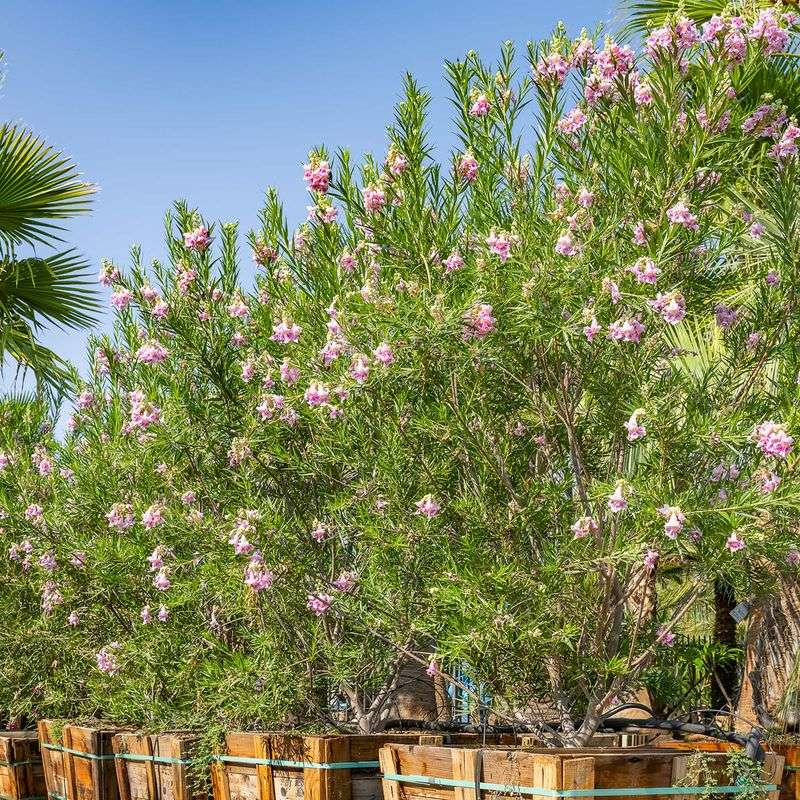
Long, graceful leaves and showy trumpet-shaped flowers make Desert Willow one of the most beautiful privacy screen plants available to California gardeners. Despite its name, it is not a true willow at all.
It belongs to the same family as catalpa trees, and its flowers prove it, bursting open in pink, purple, and white during summer when most plants look exhausted.
Desert Willow grows quickly to fifteen or even twenty feet tall, making it ideal for tall privacy screens in hot, dry California spots. It thrives in desert-adjacent areas of Southern and Central California where summer temperatures regularly top one hundred degrees.
Arborvitae would struggle badly in those conditions, but Desert Willow genuinely loves the heat.
The flowers attract hummingbirds from across the neighborhood, which is a delightful side effect of planting this tree-sized shrub along your property line. Once established, it needs very little supplemental water, surviving on rainfall alone in many California locations.
Its narrow, willow-like leaves move beautifully in the breeze, giving your privacy screen a soft, airy look that feels welcoming rather than like a solid wall. For hot, dry California yards, this plant is a genuine standout performer.
7. California Holly Grape
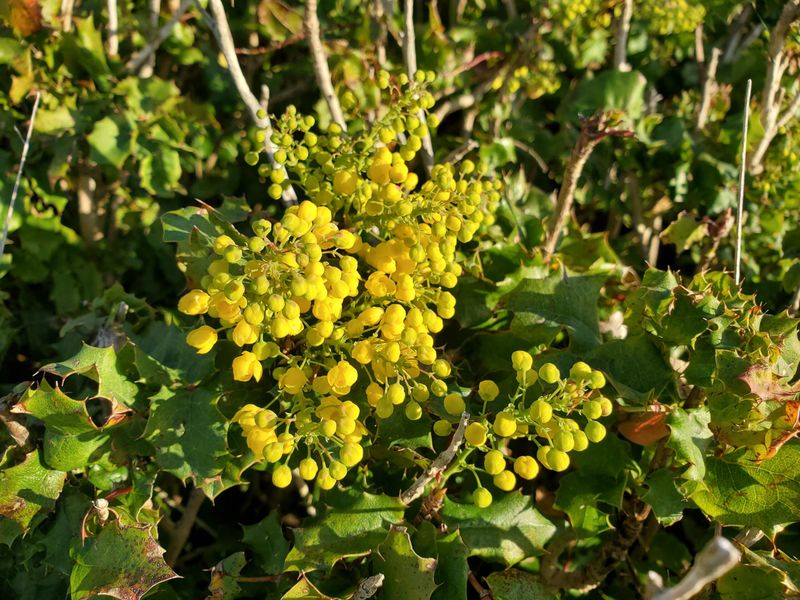
Spiny, bold, and absolutely stunning in every season, California Holly Grape is the kind of plant that makes neighbors stop and ask what it is. With its stiff, holly-like leaves and architectural form, this native shrub creates a privacy screen that looks intentional and polished year-round without much effort from you.
California Holly Grape grows four to six feet tall and spreads slowly into a dense, impenetrable mass. It performs beautifully in shady spots under oaks and along north-facing fences where arborvitae often turns brown and thin.
That shade tolerance is a huge advantage in California gardens where large trees already dominate the yard and limit what you can plant.
Bright yellow flower clusters appear in late winter or early spring, often when nothing else in the garden is blooming. Those flowers are followed by clusters of dusty blue-purple berries that birds eat enthusiastically.
The leaves turn bronze and red in cooler months, adding unexpected fall color to your privacy screen. For California homeowners who need a tough, attractive, low-water shrub that handles shade and poor soil, California Holly Grape is a plant that consistently delivers more than you expect.
8. Chaparral Mallow
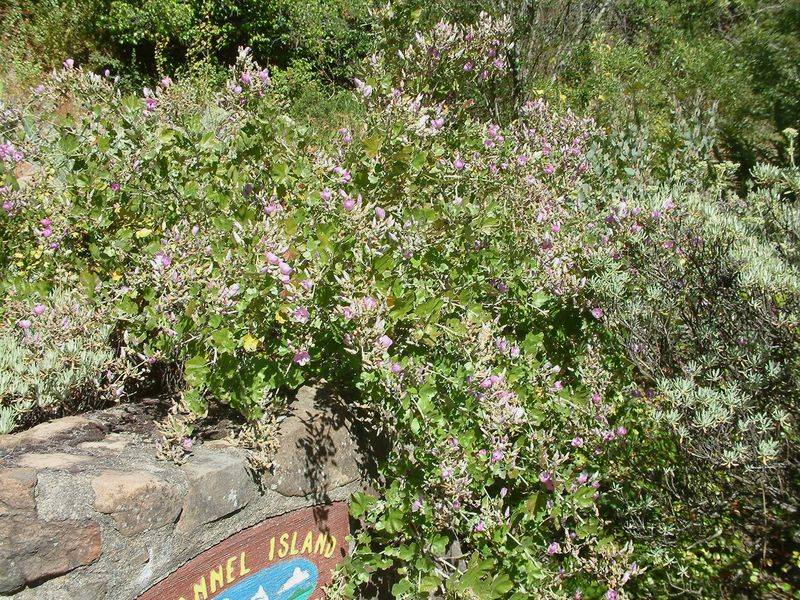
Soft pink flowers, silvery foliage, and a fast-growing habit make Chaparral Mallow one of the most charming privacy screen plants in the California native plant world. It grows tall and wide in a surprisingly short amount of time, filling in along fences and property lines with an easy, relaxed grace that feels very California.
Chaparral Mallow is native to dry slopes and chaparral habitats throughout California, which means it is perfectly built for the state’s tough summers. It reaches six to twelve feet tall and produces an abundance of small, delicate pink flowers from spring through summer.
Hummingbirds and native bees visit the flowers constantly, turning your privacy border into a lively garden feature.
One thing that sets Chaparral Mallow apart is its soft, velvety leaves covered in fine silver-gray hairs. They give the plant a luminous quality in afternoon light that makes the whole screen look warm and inviting.
Unlike arborvitae, which can look stiff and formal, Chaparral Mallow has a relaxed, natural appearance that blends beautifully into California’s landscape. It needs very little water once established and handles rocky, nutrient-poor soils without any trouble at all.
9. Western Spice Bush
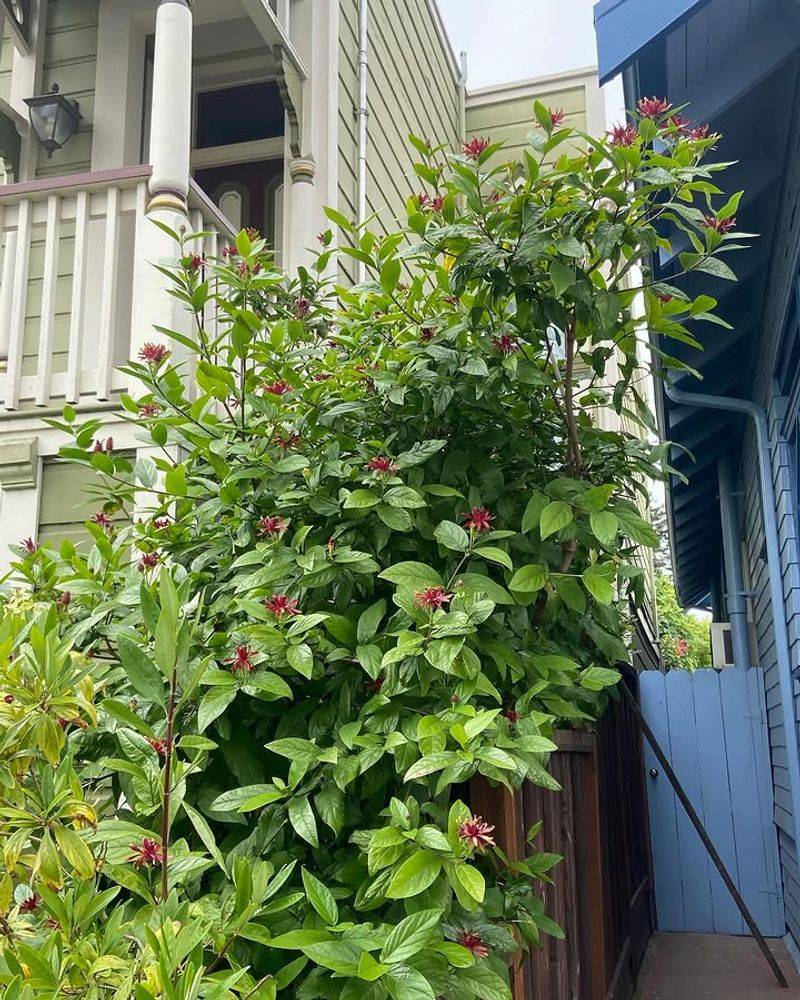
Few California native shrubs offer the combination of fragrance, bold foliage, and reliable density that Western Spice Bush brings to the garden. When you brush against its large, dark green leaves, a spicy, sweet scent fills the air instantly.
That alone makes it worth planting, but the privacy screening ability is what really earns it a spot on this list.
Western Spice Bush grows naturally along streams and moist canyons in California, so it handles wetter, shadier spots that would stress most other privacy shrubs. It reaches six to twelve feet tall and wide, forming a lush, full screen of big, tropical-looking leaves.
For California gardens near seasonal streams, rain gardens, or low-lying areas with poor drainage, this shrub is a perfect fit.
Deep burgundy-red flowers shaped like small magnolia blooms appear in summer and have a unique, spicy fragrance that draws in both people and pollinators. Unlike arborvitae, which needs consistent moisture but still struggles in wet feet, Western Spice Bush actually thrives in those conditions.
It is also surprisingly shade-tolerant, making it useful along north-facing fences and under California’s native oak canopy where few other tall shrubs will grow reliably.