The Native Michigan Perennial You Should Never Overwater No Matter How Wilted It Looks
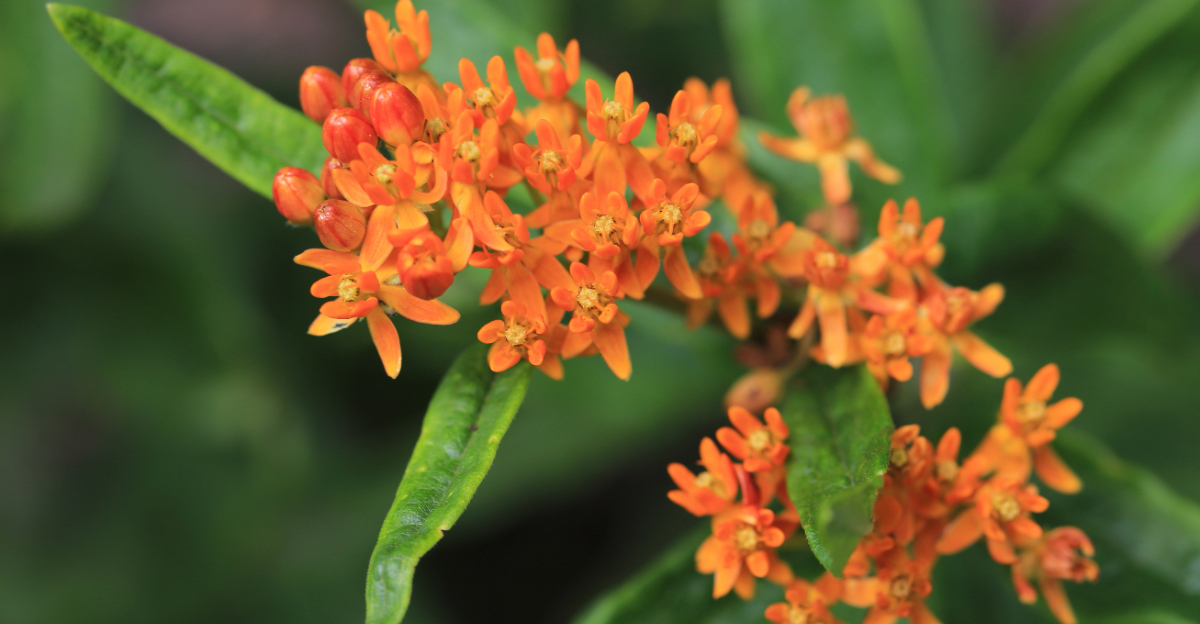
Butterfly weed has a talent for looking like it is in crisis when it is actually fine.
On a hot July afternoon in Michigan, a wilted butterfly weed can send even experienced gardeners reaching for the hose with genuine concern, and that reaction is often the beginning of a problem that the plant never asked for.
This native perennial evolved on dry prairies and open hillsides where well drained, lean soil and long stretches without rain are the standard rather than the exception.
Its root system is built to store what it needs and access moisture from deep in the soil during dry spells, which means the drooping that triggers worry is usually temporary and self correcting.
Adding water to soil that is already adequate tips the balance in the wrong direction fast, creating the waterlogged conditions that butterfly weed’s roots genuinely cannot tolerate.
Understanding how this plant actually works, and why its appearance on a hot afternoon is almost never a reliable indicator of what it needs, changes how you care for it entirely.
1. Butterfly Weed Is Built For Dry Michigan Summers
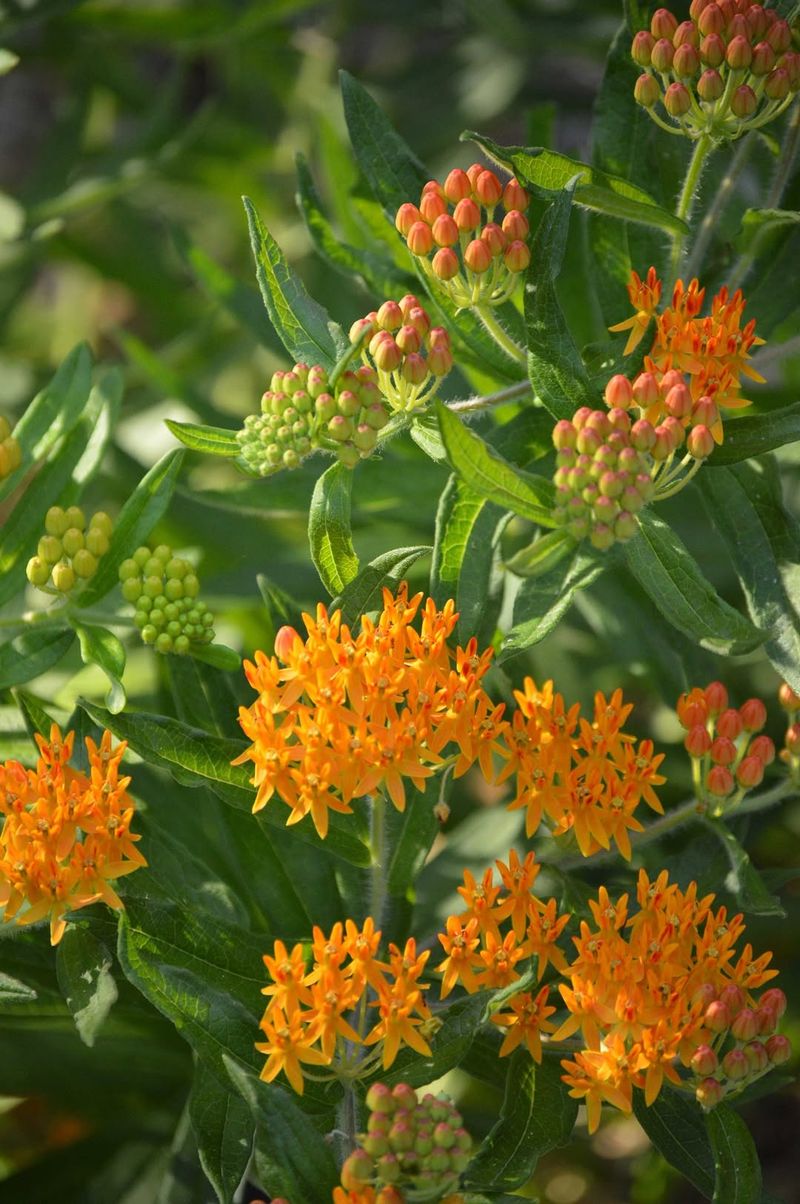
Most plants beg for water the moment summer heats up, but Butterfly Weed plays by completely different rules.
This native perennial evolved across Michigan’s open prairies and sandy fields long before garden hoses existed, and that history shows in every inch of how it grows.
Its secret weapon is a thick, deep taproot that pushes far below the soil surface, tapping into moisture that most other plants simply cannot reach during dry Michigan summers.
That taproot can grow surprisingly long, sometimes reaching depths of several feet in loose, well-drained soil.
Because of this, established Butterfly Weed plants stay hydrated even when the top few inches of soil feel completely dry to the touch.
Michigan gardeners who worry about summer dry spells will find this plant genuinely reassuring once they understand how it works underground.
Sandy soils in western and northern Michigan are especially ideal for this plant, since they mimic the natural prairie conditions where it thrives best.
Overwatering in those sandy spots can actually cause more harm than drought ever would, washing away nutrients and suffocating roots that prefer to breathe freely.
Once you accept that Butterfly Weed wants dry feet rather than wet ones, your garden relationship with this plant becomes much easier and far more rewarding overall.
2. Afternoon Wilting Does Not Always Mean Butterfly Weed Needs Water
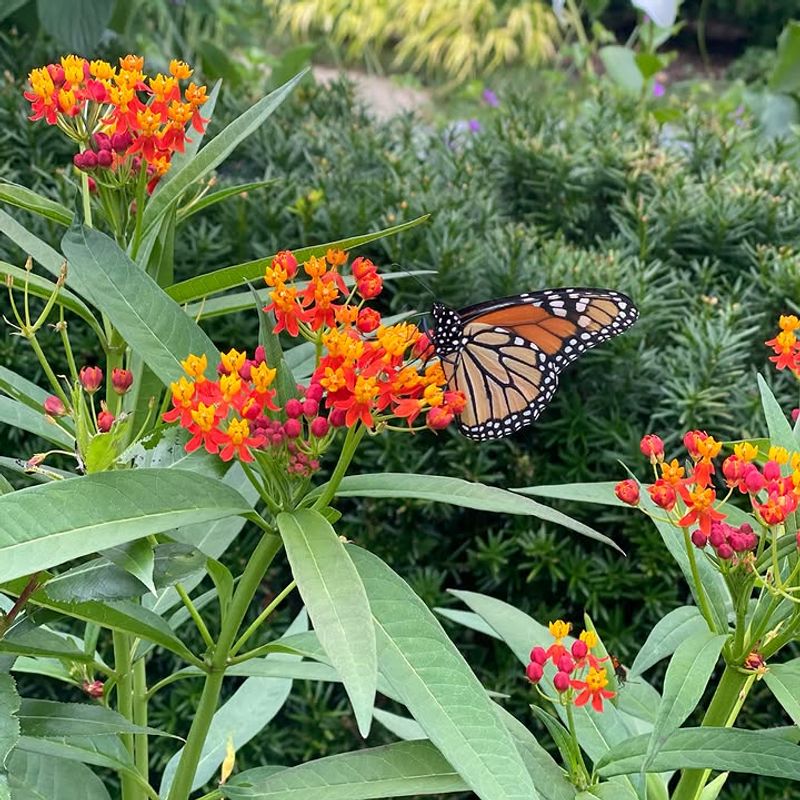
Seeing your Butterfly Weed droop on a blazing afternoon can send even experienced gardeners rushing for the hose.
Before you water, stop and take a breath, because what you are likely seeing is completely normal heat stress behavior, not a true sign of drought.
When temperatures climb above 85 degrees and the sun beats down hard, many plants temporarily reduce their leaf posture to limit water loss, and Butterfly Weed does this regularly throughout Michigan summers.
The most reliable way to check if your plant actually needs water is to push your finger about two inches into the soil near the base.
Your Michigan Garden Changes Every Week. Your Plan Should Too.
Gardening in Michigan changes quickly throughout the season. Every Friday you’ll receive a simple weekly plan showing exactly what to plant, prune, fertilize, harvest, and protect so you never miss the right timing.
If the soil still feels slightly cool or even a little damp at that depth, your plant is doing just fine on its own.
Wait until the evening hours and watch how quickly the leaves perk back up once the intense afternoon sun fades away.
True drought stress in Butterfly Weed looks noticeably different from afternoon heat wilting.
When a plant genuinely needs water, the wilting persists into the cooler evening hours, and the leaves may begin to feel dry and slightly crispy along the edges.
Michigan gardeners who learn to tell these two situations apart will avoid the trap of overwatering a plant that was never actually thirsty in the first place, saving both water and plant health in the long run.
3. Heavy Michigan Clay Soil Can Cause Trouble For Butterfly Weed
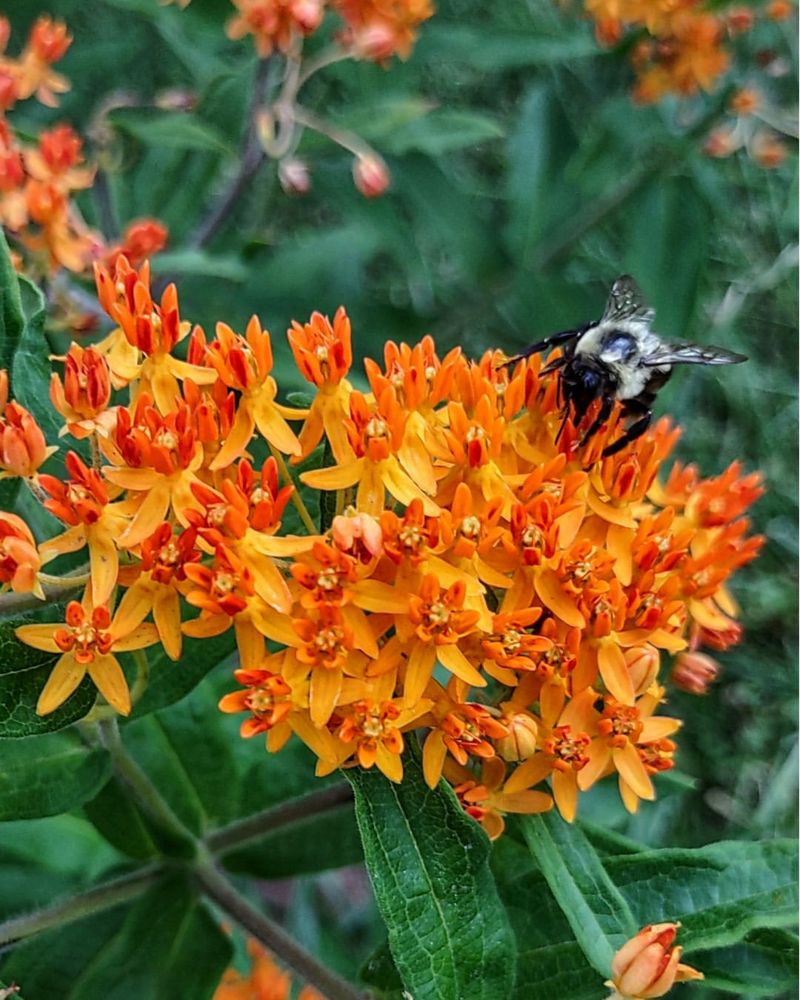
Clay soil is one of the most common challenges Michigan gardeners face, and Butterfly Weed has a particularly tough time in it.
Unlike plants that tolerate soggy roots, this native perennial evolved in well-drained sandy and rocky soils where water moves through quickly.
When heavy clay holds moisture around the roots for too long, the taproot struggles to develop properly, and the plant loses the vigor that makes it so impressive in natural landscapes.
Compacted clay also reduces the airflow that roots need to stay healthy. Waterlogged conditions around the crown of the plant, which is the point where the stem meets the root system, can lead to serious rot problems that weaken the plant dramatically over time.
Michigan gardeners dealing with clay-heavy yards should address drainage before planting rather than hoping the plant will simply adapt on its own.
Raising the planting area by just six to eight inches using a mix of native topsoil and coarse sand makes a significant difference in drainage quality.
Avoid adding too much rich compost, since overly fertile soil encourages leafy growth at the expense of flowering.
Selecting a naturally sloped or elevated spot in your yard is another smart move, since gravity helps move excess moisture away from the roots passively and keeps conditions closer to what this plant naturally prefers in the wild.
4. Butterfly Weed Needs Much Less Water After The First Year
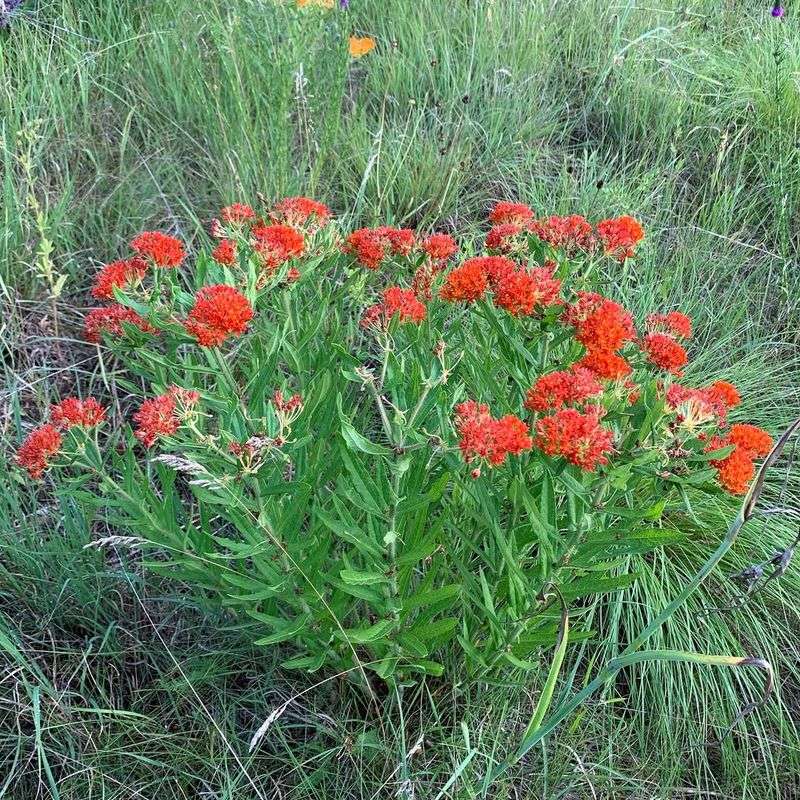
The first growing season is genuinely the most demanding time for Butterfly Weed in a Michigan garden.
Young plants are still developing their taproot system, which means they depend on occasional deep watering to get established before summer heat arrives in full force.
Giving a newly planted Butterfly Weed about one inch of water per week during its first summer, especially during dry stretches, helps the root system anchor itself deeply into the soil.
Once that first year passes and the plant enters its second season, the watering needs drop dramatically.
Established plants in Michigan landscapes typically thrive on natural rainfall alone, even during the dry July and August periods that challenge so many other garden plants.
Gardeners who continue watering established plants as frequently as they did in year one often do more harm than good by keeping the soil too moist for too long.
Frequent shallow watering is one habit worth breaking early. When water only reaches the top inch or two of soil, roots stay near the surface instead of growing downward toward deeper moisture reserves.
Deep but infrequent watering during the establishment phase trains roots to grow long and strong, which is exactly what makes mature Butterfly Weed so reliably tough through Michigan’s unpredictable summer weather patterns year after year.
5. Too Much Mulch Around Butterfly Weed Can Hold Excess Moisture
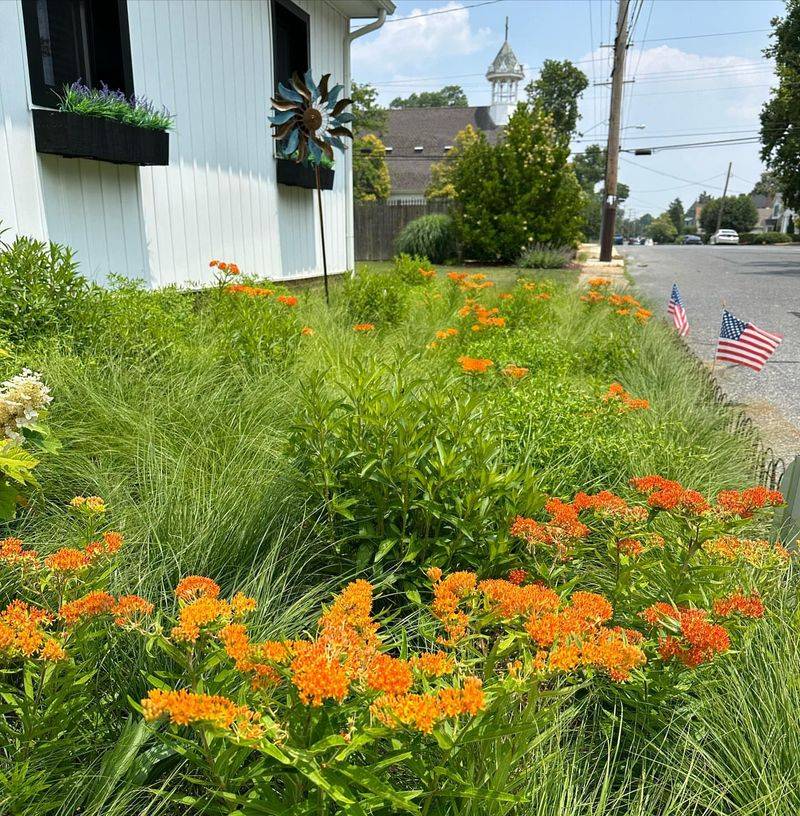
Mulch is usually a gardener’s best friend, but around Butterfly Weed it requires a careful touch.
Thick mulch layers, especially those made from dense wood chips or shredded bark piled several inches deep, trap moisture against the crown of the plant in ways that can cause real problems.
Michigan summers can swing between heavy rain and intense dry heat, and a thick mulch layer makes it harder for the soil to dry out naturally between those extremes.
The crown of Butterfly Weed, right at the soil line where the stems emerge, is particularly sensitive to excess moisture sitting against it for extended periods.
Keeping mulch pulled back at least two to three inches from the base of the plant allows air to circulate freely around that vulnerable area.
Good airflow at the base helps the soil dry more evenly and reduces the risk of crown-related issues that can weaken the plant over multiple seasons.
Light mulching with fine gravel or a thin one-inch layer of pine needles works well in sandy Michigan soils because it suppresses weeds without trapping too much moisture.
Gravel mulch is especially popular in native plant gardens across Michigan because it reflects heat, keeps the root zone slightly warmer, and drains instantly after rain.
Matching your mulch choice to your soil type makes a surprisingly large difference in how well Butterfly Weed performs season after season.
6. Butterfly Weed Thrives In Full Michigan Sun
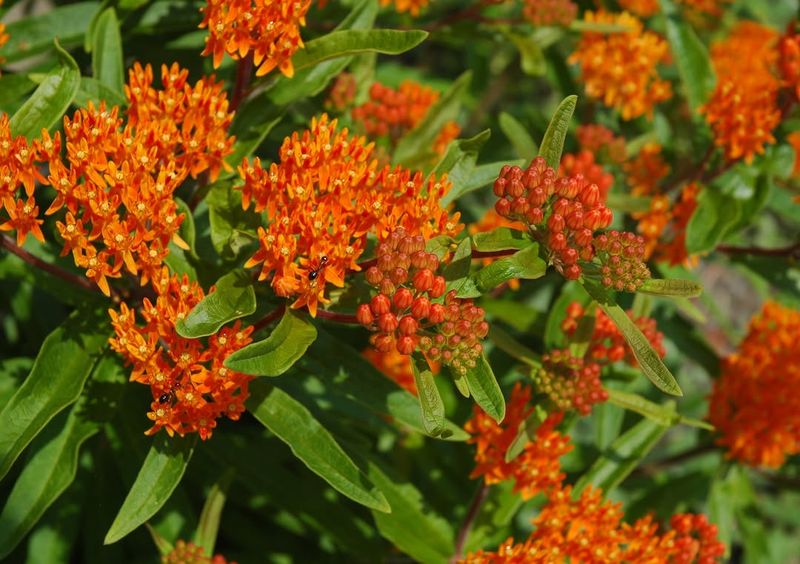
Full sun is not just a preference for Butterfly Weed, it is truly what this plant was designed for.
Across Michigan’s natural landscapes, you will find it growing in open fields, roadsides, and sandy clearings where sunlight hits without interruption from morning until evening.
In those conditions, Butterfly Weed blooms abundantly, holds its stems upright, and manages soil moisture exactly the way it prefers, by letting the surface dry out between any rain events.
Shade changes everything for this plant in ways that are not always obvious at first. Even partial shade from nearby trees or fences slows the rate at which the soil dries out, keeping moisture around the roots longer than the plant likes.
Over time, shaded Butterfly Weed plants tend to produce fewer flowers, develop weaker stems that flop over easily, and become far more vulnerable to the moisture-related problems that full sun naturally prevents.
Michigan gardeners planning pollinator gardens or native plant borders should choose the sunniest available spot in the yard without hesitation.
South-facing slopes and open lawn areas with no overhead canopy are ideal locations.
Placing Butterfly Weed near heat-absorbing structures like stone pathways or low garden walls can actually boost performance even further.
Since the extra warmth from reflected heat mimics the open prairie conditions this plant absolutely loves throughout the Michigan growing season.
7. Mature Butterfly Weed Plants Dislike Being Moved
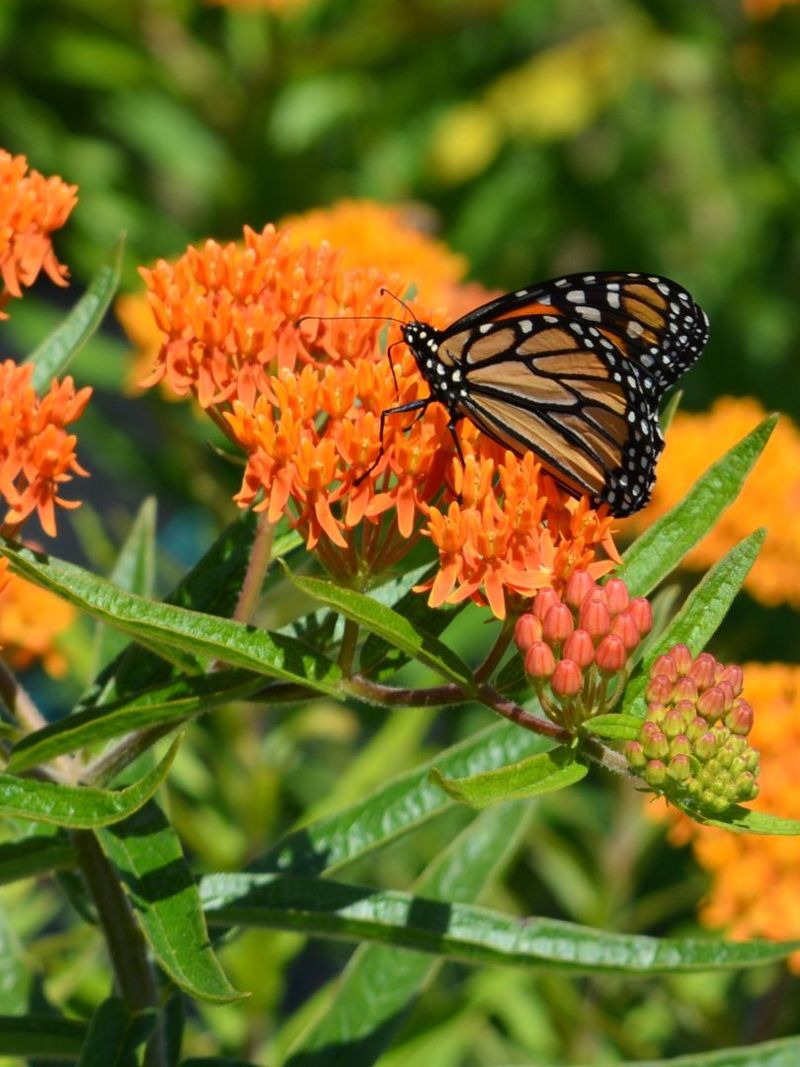
Butterfly Weed is the kind of plant that puts down roots and means it.
Once an established plant has spent two or more seasons growing in one spot, its taproot can extend remarkably deep into the soil, making successful transplanting extremely difficult without causing serious setbacks.
Michigan gardeners who try to dig up and move a mature clump often find that most of the root system stays behind in the ground, leaving the transplanted portion struggling to recover.
The best strategy is simple: choose the right location before you plant and commit to it from the start.
Walk your yard on a sunny afternoon and observe which spots receive uninterrupted sunlight, have naturally good drainage, and sit away from areas where water tends to pool after heavy Michigan spring rains.
Spending fifteen minutes on that decision upfront saves years of frustration later.
Young nursery plants, typically those sold in small containers during their first growing season, transplant successfully because their taproots are still short enough to move without major disruption.
Planting in spring after the last Michigan frost gives young plants the entire warm season to establish before facing their first summer dry spell.
Starting with properly placed young plants and leaving them undisturbed is genuinely the most effective long-term approach for growing beautiful, resilient Butterfly Weed in any Michigan garden setting.
8. Michigan Pollinators Depend On Butterfly Weed Through Summer
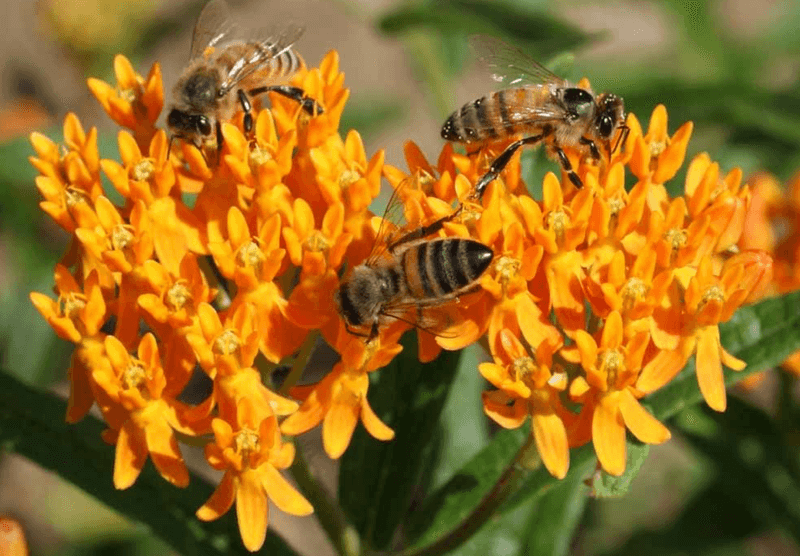
Few native plants pull their ecological weight in Michigan gardens quite like Butterfly Weed does during the summer months.
Its clusters of vivid orange flowers attract an impressive range of pollinators, including bumblebees, native bees, and several species of butterflies that rely on nectar-rich blooms during the hottest stretch of the Michigan growing season.
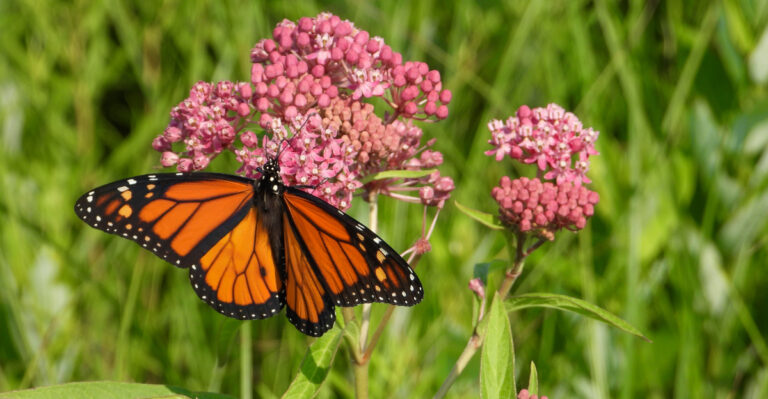
Monarch butterflies in particular seek out Butterfly Weed as part of the milkweed family, using its foliage as a host plant for their caterpillars.
Keeping this plant healthy for pollinators means resisting the urge to over-fertilize or overwater.
Too much nitrogen from fertilizer pushes the plant toward leafy growth rather than the abundant flowering that pollinators actually need.
Excess moisture weakens the root system and reduces the plant’s natural stress tolerance, which can shorten the bloom period and make the flowers less productive over the course of the season.
Butterfly Weed typically blooms in Michigan from late June through August, with peak flowering usually happening in July when pollinator activity is at its highest.
Leaving the seed pods on the plant after flowering benefits birds and provides visual interest in the fall garden.
Michigan gardeners who keep this plant in full sun, in well-drained soil, and with minimal intervention will be rewarded with one of the most ecologically valuable and visually striking native perennials available for any landscape setting.