8 Pennsylvania Flowers To Grow Instead Of Petunias For All-Summer Color
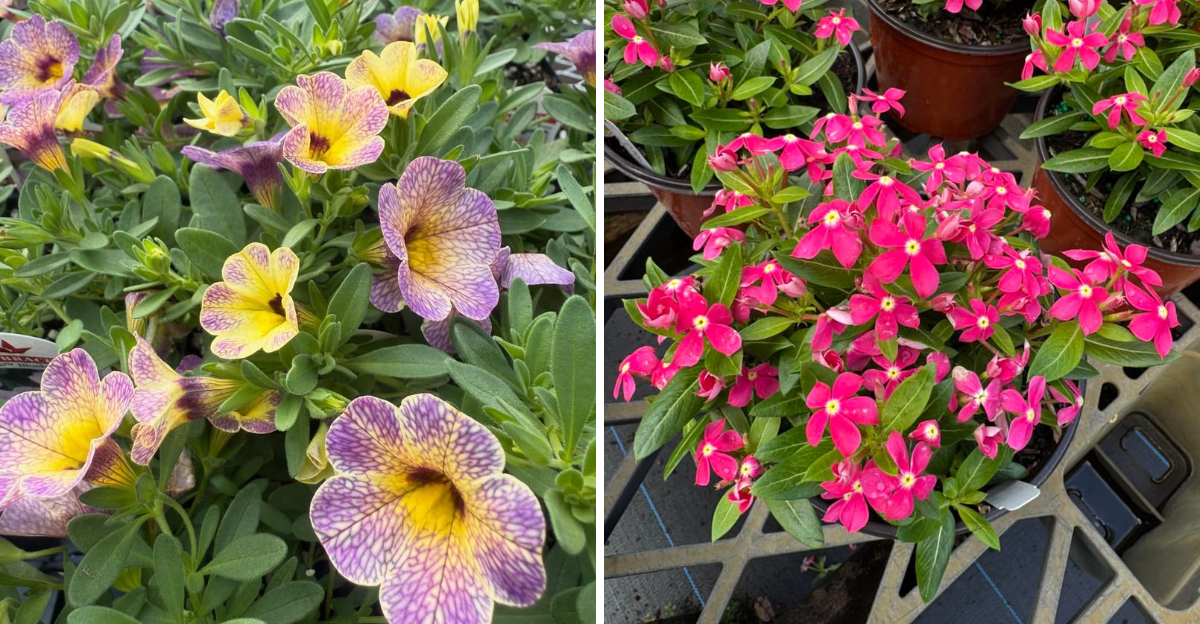
Petunias are everywhere in Pennsylvania every single summer, and it’s not hard to understand why.
They’re at every nursery and garden center from May onward, and they deliver that immediate visual payoff that most gardeners are looking for when they’re filling pots and beds in spring.
For a few weeks, they look great and everything feels right. Then the Pennsylvania summer humidity arrives and petunias start showing their limitations.
They get leggy, and they need deadheading to keep producing. By August a lot of them are looking more tired than impressive.
For a plant that requires regular attention and replanting, the return on investment starts feeling a little questionable.
Pennsylvania summers are long enough and warm enough to support flowers that outperform petunias in almost every category that matters – bloom duration, heat tolerance, disease resistance, and overall staying power from planting straight through to fall.
1. Zinnia
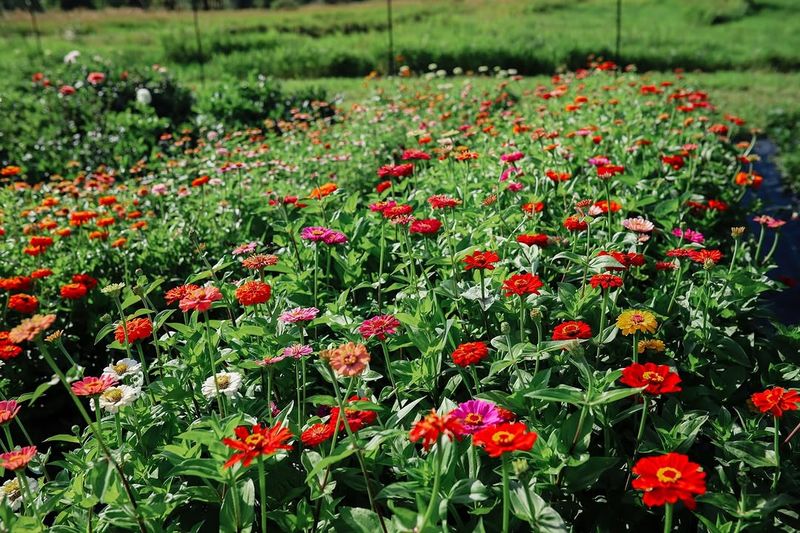
Few flowers bring as much joy to a Pennsylvania garden as zinnias. These cheerful bloomers are known for their bold, bright colors and their ability to keep going all summer long without much help from you.
Plant them in a sunny spot, give them some water, and they will reward you with flowers week after week.
Zinnias love the heat, which makes them a perfect fit for Pennsylvania summers. They do not slow down when temperatures climb in July and August.
Instead, they seem to get even more energetic, pushing out new blooms as fast as you can pick the old ones.
Deadheading, which means removing old flowers, is the secret to keeping zinnias blooming nonstop. When you snip off a spent bloom, the plant puts its energy into making a new one. You can do this once or twice a week to keep things looking fresh and full.
Zinnias come in almost every color you can imagine, from deep red and bright orange to soft pink and creamy white. They also come in different heights, so you can use tall varieties in the back of a bed and shorter ones up front.
Butterflies absolutely love them too, so you will have plenty of visitors all season. Zinnias are easy to grow from seed, which makes them a budget-friendly choice for Pennsylvania gardeners everywhere.
2. Calibrachoa
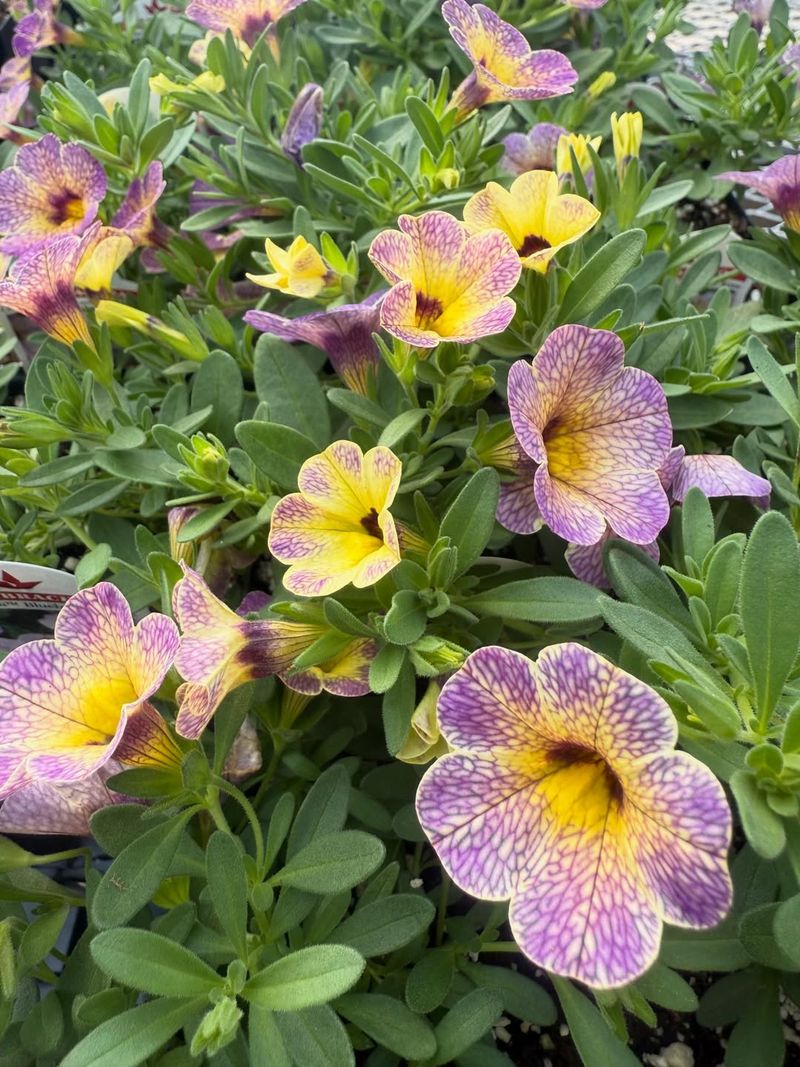
If you have ever wished for a flower that looks like a tiny petunia but works twice as hard, calibrachoa is exactly what you need.
Commonly called million bells, this plant earns its nickname by producing an almost unbelievable number of small, bell-shaped flowers all summer long. It is one of the most popular container plants in Pennsylvania for a very good reason.
Million bells thrive in containers, hanging baskets, and window boxes, making them ideal for Pennsylvania porches, patios, and balconies. They spill beautifully over the edges of pots and create a waterfall of color that catches everyone’s eye.
Unlike some flowers that slow down in midsummer heat, calibrachoa keeps right on blooming without missing a beat.
One of the best things about this plant is that it does not need deadheading. The old flowers simply drop off on their own, and new ones take their place almost immediately.
Your Pennsylvania Garden Changes Every Week. Your Plan Should Too.
Gardening in Pennsylvania changes quickly throughout the season. Every Friday you’ll receive a simple weekly plan showing exactly what to plant, prune, fertilize, harvest, and protect so you never miss the right timing.
That means less work for you and more color for your outdoor space throughout the entire Pennsylvania growing season.
Feed calibrachoa with a liquid fertilizer every week or two to keep it blooming at its best. It prefers well-draining soil and plenty of sunlight, at least six hours a day.
Colors range from soft lavender and bubblegum pink to bright yellow and deep burgundy. Mixing several colors together in one container creates a stunning, eye-catching display that will last from late spring all the way through fall.
3. Lantana
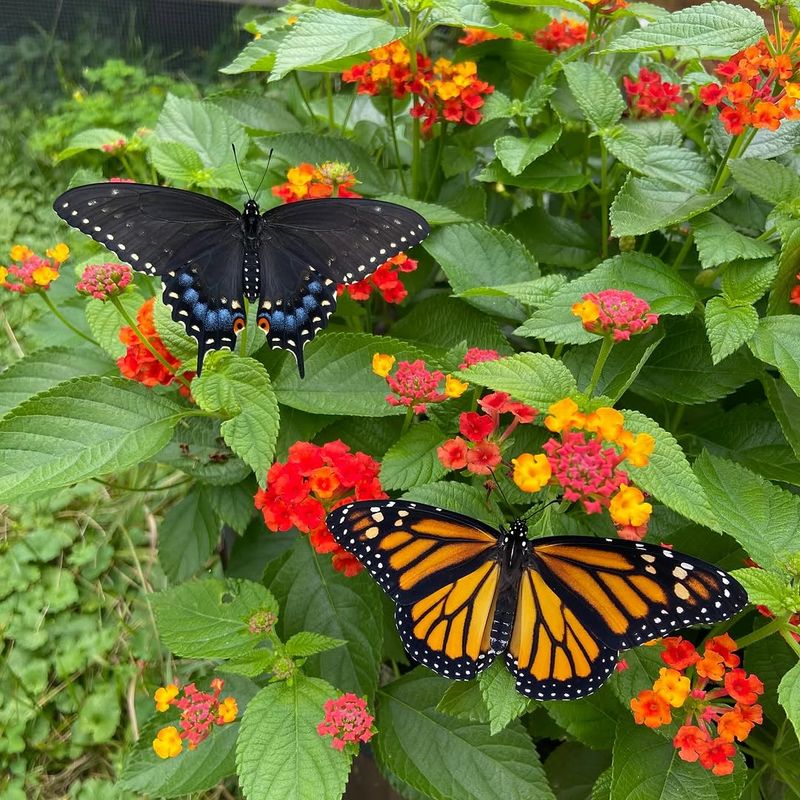
Lantana is basically the superhero of summer flowers. It laughs in the face of heat, shrugs off dry spells, and keeps on blooming no matter what the Pennsylvania summer throws at it.
If you have a hot, sunny spot in your garden where other flowers struggle, lantana will absolutely thrive there.
What makes lantana extra special is the way its flower clusters change color as they age. A single cluster might start out yellow in the center and fade to orange or pink around the edges.
The result is a bouquet of colors all on one plant, which gives your garden a lively, tropical feel even right here in Pennsylvania.
Butterflies are wild about lantana. Swallowtails, monarchs, and many other species will visit your garden regularly once this plant starts blooming.
Hummingbirds also stop by from time to time, making your backyard feel like a nature sanctuary. Planting lantana near a seating area lets you enjoy all that wildlife activity up close.
Lantana is drought-tolerant once it gets established, which is great news for busy gardeners who do not always have time to water. It grows well in containers or directly in the ground and can get quite large by midsummer.
Trim it back occasionally to encourage fresh new growth and even more blooms. Lantana is easy to find at garden centers across Pennsylvania and is well worth adding to your summer garden lineup.
4. Angelonia
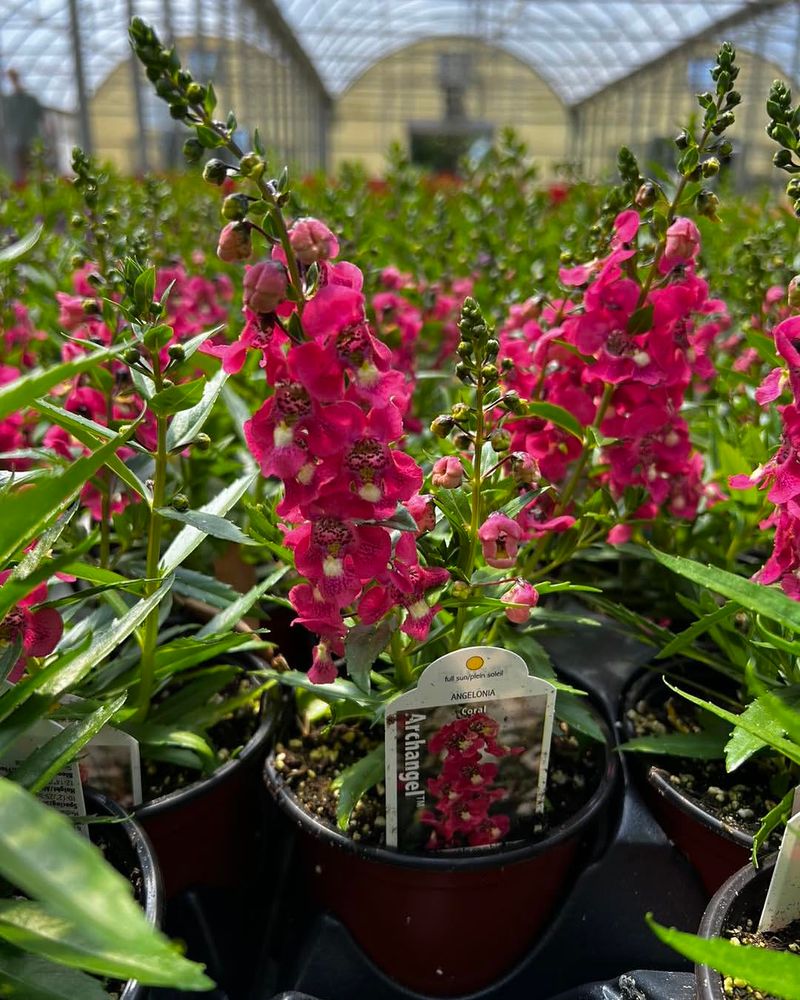
Angelonia goes by another name that tells you everything you need to know about it: summer snapdragon. It looks a little like a snapdragon but handles Pennsylvania’s hot, humid summers far better than its look-alike cousin.
The blooms are small and orchid-like, arranged along tall, elegant spikes that add vertical interest to any garden bed or container.
Humidity is something a lot of flowers struggle with in Pennsylvania, but angelonia handles it without any trouble. While other plants wilt or develop mildew in muggy conditions, angelonia just keeps on growing and flowering.
That toughness makes it one of the most reliable summer bloomers you can plant in this region.
Another fun detail about angelonia is its scent. Some varieties have a light, sweet fragrance that smells a little like grape or honey.
You might notice it most on warm afternoons when you walk past the garden. It is a subtle, pleasant surprise that makes this flower even more enjoyable to grow.
Angelonia does not need deadheading, which saves you time and effort throughout the busy summer season. It grows best in full sun with well-draining soil and regular watering during dry spells.
Heights range from about 12 to 24 inches, making it a great mid-border plant. Purple, pink, white, and bicolor varieties are all widely available at Pennsylvania garden centers.
Plant several together for a bold, colorful statement that lasts from late spring through the first frost.
5. Verbena
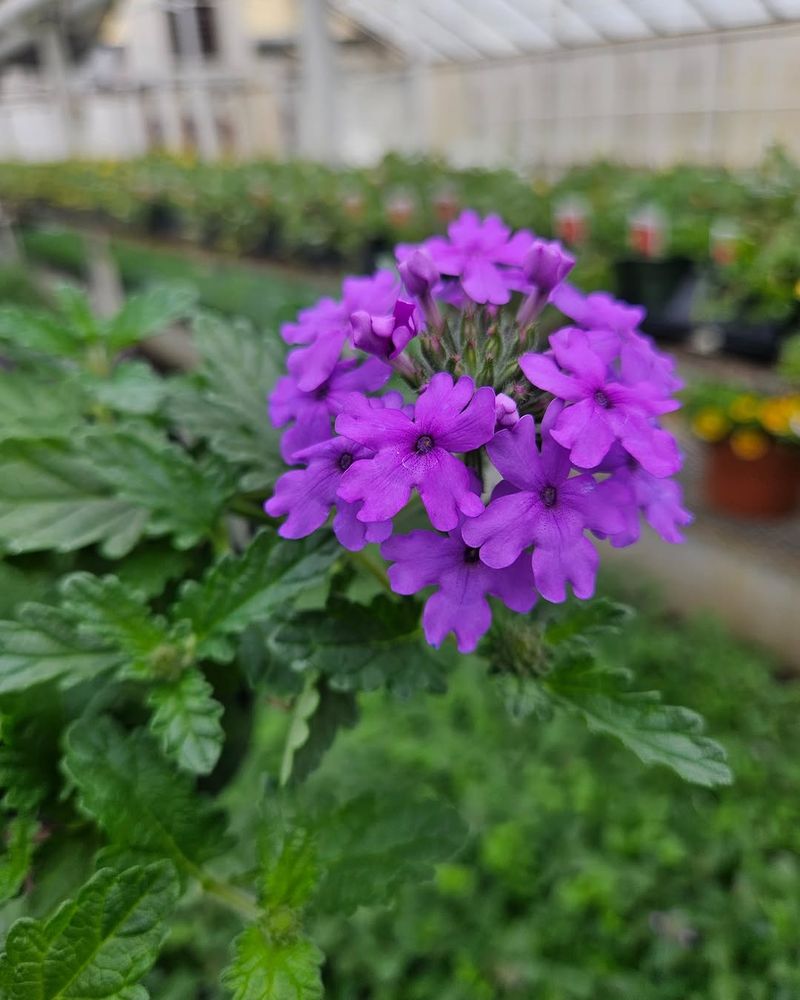
Verbena is one of those flowers that quietly does its job all season without asking for much attention. It produces tight, rounded clusters of tiny blooms in some of the most vivid colors you will find in any garden.
Red, purple, coral, pink, and white are all common, and many varieties show off two colors at once in a single cluster.
Growing verbena in Pennsylvania is a smart move because it handles both heat and dry conditions reasonably well once it is established. It works beautifully as a ground cover, spilling over the edges of raised beds and containers, or filling in gaps between taller plants.
Its low-growing habit makes it a natural choice for the front of any flower border. Pollinators go crazy for verbena. Bees and butterflies visit the flowers constantly throughout the summer, which helps support local Pennsylvania wildlife.
If you are trying to create a pollinator-friendly garden, verbena should definitely be on your planting list this season.
To keep verbena blooming heavily, trim it back by about one-third in midsummer if it starts to look scraggly or slows down on blooms. This light haircut encourages a fresh flush of flowers and keeps the plant looking tidy.
Give it full sun and well-draining soil for the best results. Verbena is available as transplants or seeds at most garden centers throughout Pennsylvania, and it is one of the easiest and most rewarding summer flowers you can grow.
6. Salvia
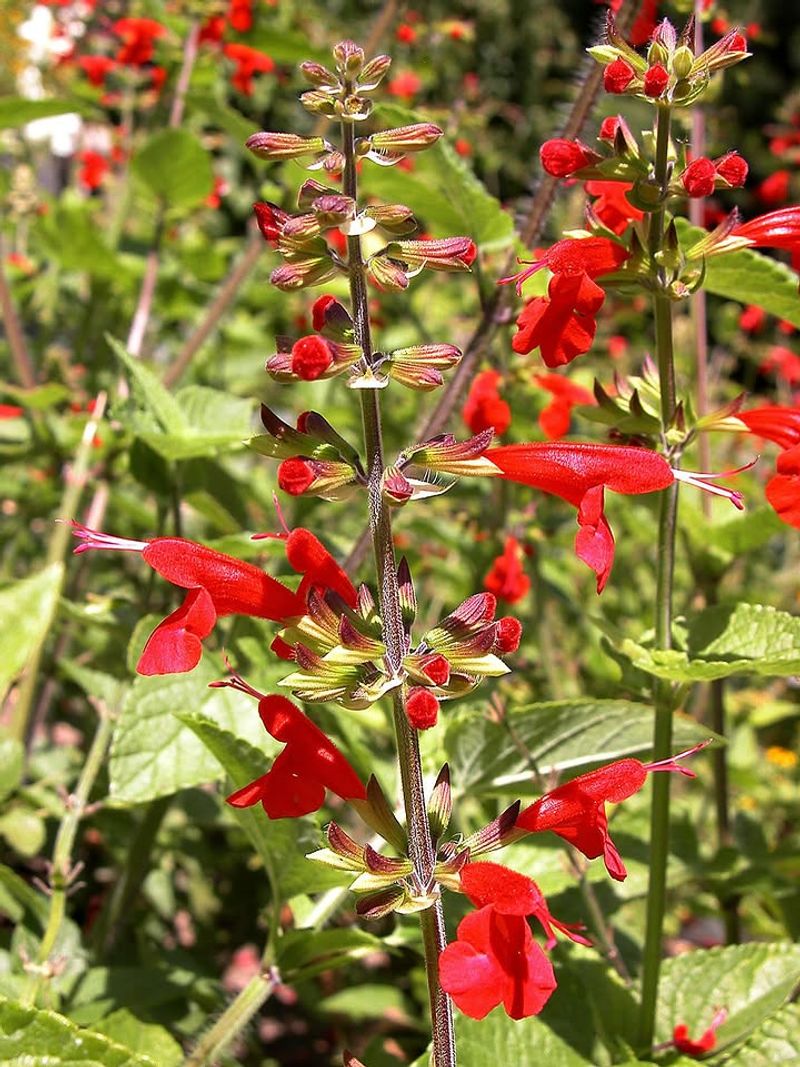
There is something almost magical about watching a hummingbird zoom into your garden and hover over a spike of salvia. These tubular flowers are perfectly shaped for hummingbirds, and the birds visit them again and again throughout the summer.
Bees love them just as much, so planting salvia is like putting out a welcome mat for all kinds of beneficial wildlife right in your Pennsylvania yard.
Salvias are incredibly tough plants that bloom heavily during the warmest months of the year. They thrive in full sun and handle Pennsylvania’s summer heat without breaking a sweat.
Once established, they are fairly drought-tolerant too, which means less watering on your part during those dry August stretches.
Red salvia is the classic choice, and it never goes out of style. But there are also beautiful blue, purple, coral, and bicolor varieties that look stunning when planted together.
Tall varieties can reach three feet or more, making them excellent background plants in a mixed flower bed. Shorter, more compact types work well in containers and along garden borders.
Deadheading spent salvia spikes encourages the plant to send up fresh new ones. You can also trim the whole plant back partway through summer to refresh its appearance and trigger another big wave of blooms.
Salvia is widely available at Pennsylvania nurseries and garden centers. It is an affordable, low-maintenance flower that delivers outstanding color and wildlife value from early summer all the way through fall.
7. Vinca
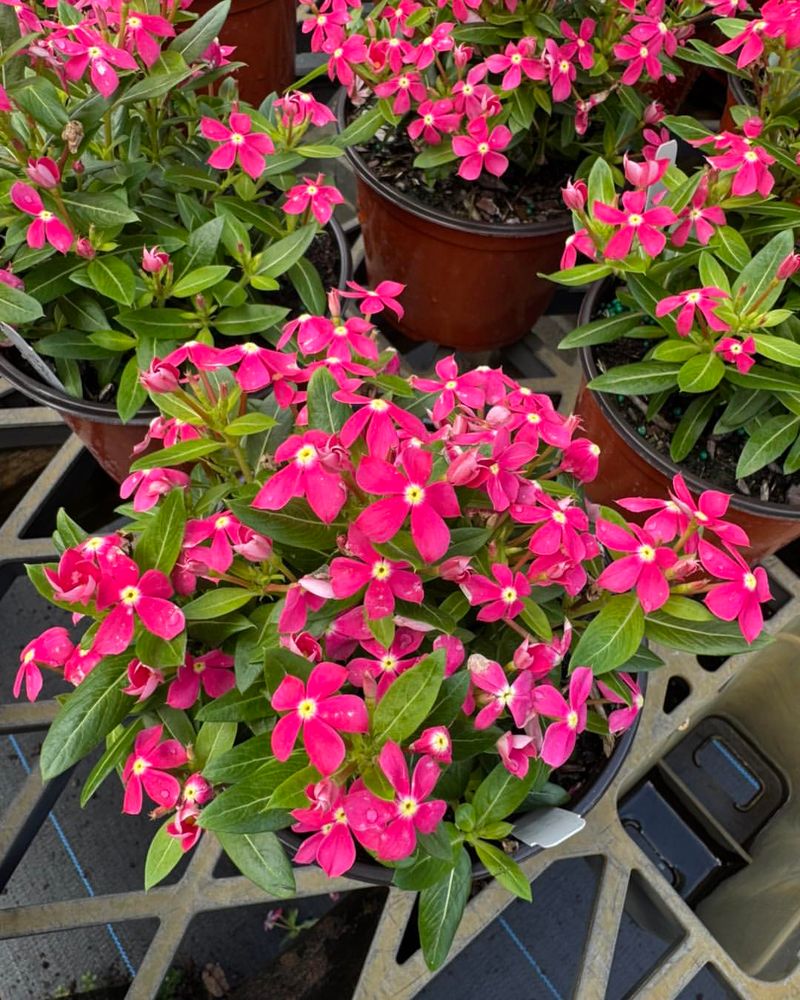
Vinca, also called annual vinca or periwinkle, is the flower you want when the Pennsylvania summer turns brutally hot and dry. While other plants beg for water and shade, vinca just keeps on going.
Its glossy, dark green leaves stay looking healthy even in tough conditions, and its pinwheel-shaped flowers keep opening one after another with almost no effort on your part.
Heat tolerance is truly where vinca shines. It actually performs better in hot weather than in cool weather, which makes it a standout choice for July and August in Pennsylvania when temperatures can really climb.
Plant it in a south-facing bed or a spot that gets full sun all day, and it will reward you with months of beautiful color.
Vinca does not need deadheading because the old blooms fall off cleanly on their own. New flowers replace them quickly, so the plant always looks full and neat.
This self-cleaning habit makes it one of the most low-maintenance flowers you can grow in Pennsylvania, which is great news for gardeners with busy schedules.
Colors include white, red, pink, coral, lavender, and bicolor combinations. Vinca grows about 6 to 18 inches tall depending on the variety and works well in beds, borders, and containers.
It prefers well-draining soil and does not like to sit in soggy ground. You can find transplants easily at garden centers across Pennsylvania starting in late spring. Plant it once and enjoy color all season long.
8. Cosmos
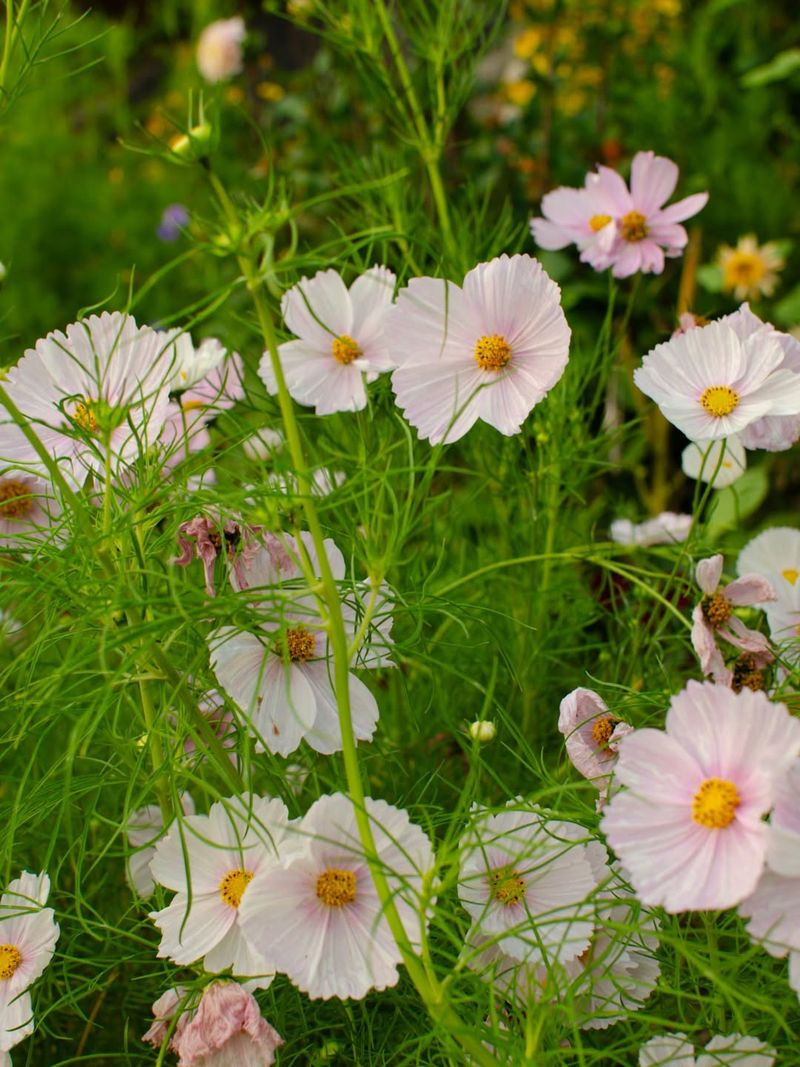
Cosmos bring a wild, free-spirited charm to any Pennsylvania garden. Their feathery, fern-like leaves and delicate, daisy-like flowers give them an airy, almost meadow-like look that feels relaxed and natural.
They sway gently in the breeze, which makes them look alive and graceful even on calm summer days.
One of the coolest things about cosmos is how easy they are to grow from seed. You can scatter the seeds directly in a sunny garden bed after the last frost, and they will sprout and bloom within a few weeks.
That makes them one of the most budget-friendly flowers you can add to your Pennsylvania garden this summer.
Cosmos bloom from summer all the way into early fall, which gives them one of the longest flowering seasons of any annual you can grow in Pennsylvania.
As other flowers start to fade when cooler temperatures arrive in September, cosmos keep right on producing their cheerful blooms. They actually seem to enjoy the slightly cooler nights of late summer and early fall.
Butterflies and bees are frequent visitors to cosmos flowers, adding even more life and movement to your garden. Pink, white, magenta, and bicolor varieties are the most common, though orange and yellow types are also available.
Tall varieties can reach four to five feet, so give them room and consider staking them in windy spots. Deadhead regularly to encourage continuous blooming, and you will have fresh flowers to cut and bring indoors all the way through October in many parts of Pennsylvania.