5 Spring Flowers That Thrive In Michigan And 5 That Always Disappoint Before June Ends
Spring planting in Michigan comes with real optimism and, if you have been gardening here for a few seasons, a growing list of hard earned lessons. Some flowers hit the ground running, establish fast, and reward you with everything the plant tag promised.
Others look promising through May and quietly fall apart before summer even settles in, leaving gaps in beds that were supposed to carry color through the season.
The difference between the two groups often comes down to how well a plant is actually matched to Michigan’s specific spring conditions.
Those include cold soil that warms unevenly, late frosts that show up without much warning, and a transition into summer that can feel almost abrupt some years.
Knowing in advance which flowers belong in the first group and which belong in the second is the kind of information that changes how you spend your planting budget and where you direct your energy each spring.
These five deliver, and the other five consistently disappoint before June runs out.
1. Daffodils (Narcissus spp.) Come Back Strong After Winters
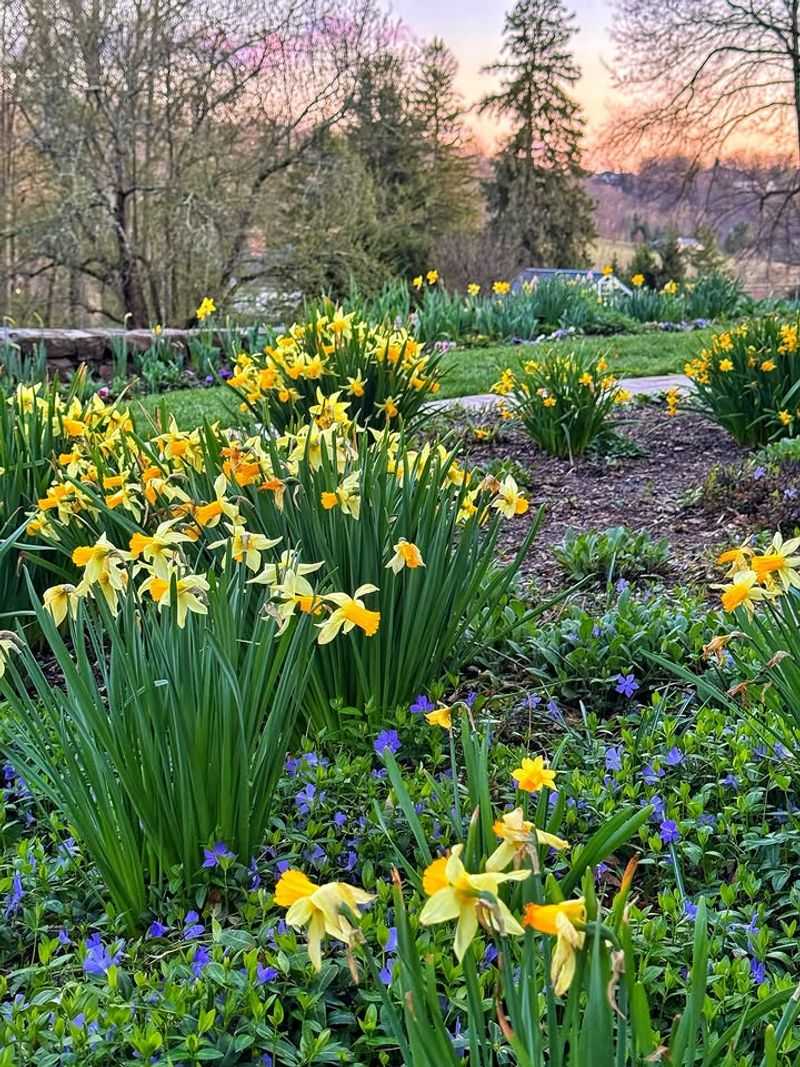
Few things feel more rewarding than watching daffodils push through cold Michigan soil every single spring without fail. These tough bulbs are planted in fall, usually between September and November, and they actually need that long cold winter to bloom properly.
Once soil temperatures drop and then rise again, daffodils wake up on their own schedule and rarely need reminding.
In Michigan, daffodils typically bloom from late March through April, depending on the variety and location. Full sun to light shade works well, though a spot with at least six hours of daily sun encourages the strongest stems and brightest blooms.
Well-drained soil is essential because bulbs sitting in soggy ground through a wet Michigan spring can rot before they ever get the chance to flower.
Before planting, loosen the soil about twelve inches deep and mix in some compost to improve drainage and nutrition. Plant bulbs about six inches deep with the pointed end facing up.
After flowering, resist the urge to cut or braid the foliage right away. Those leaves are busy soaking up sunlight and sending energy back into the bulb so it can bloom again next year.
Wait until the leaves turn yellow and flop over naturally before removing them. With just a little patience, daffodils in Michigan reward gardeners with decades of reliable color and almost zero maintenance.
2. Virginia Bluebells (Mertensia virginica) Shine In Cool Spring Shade
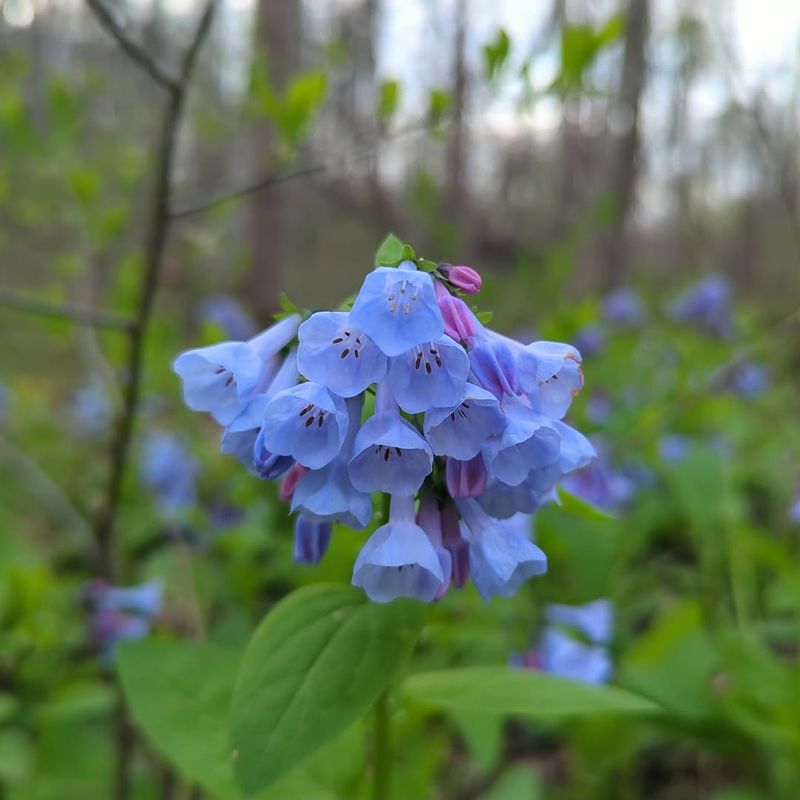
Walking through a woodland in April and spotting clusters of soft blue bell-shaped flowers is one of spring’s real treats.
Virginia Bluebells are native to the eastern United States, including Michigan, and they are perfectly tuned to the cool, moist conditions that define spring in the Great Lakes region.
They bloom in April and May, right when temperatures are still gentle and the soil holds plenty of moisture.
These plants thrive under deciduous trees where dappled light filters through branches that have not yet fully leafed out. Rich, moist woodland soil packed with organic matter is their ideal home.
Your Michigan Garden Changes Every Week. Your Plan Should Too.
Gardening in Michigan changes quickly throughout the season. Every Friday you’ll receive a simple weekly plan showing exactly what to plant, prune, fertilize, harvest, and protect so you never miss the right timing.
When planting, work leaf compost or aged organic material into the planting bed to mimic the forest floor conditions they naturally prefer. Water consistently during their first season to help roots establish, but avoid waterlogging the soil.
One thing worth knowing is that Virginia Bluebells go dormant by early summer. The foliage fades and disappears completely, which surprises gardeners who are not expecting it.
Planting them near hostas, ferns, or other shade perennials that fill in later in the season helps cover those gaps naturally. Mulching with shredded leaves keeps moisture in the soil and protects roots through Michigan winters.
Because they spread slowly by seed and rhizome, established clumps should be left undisturbed so the colony can grow and expand on its own timeline.
3. Bloodroot (Sanguinaria canadensis) Handles Michigan Woodland Conditions Beautifully
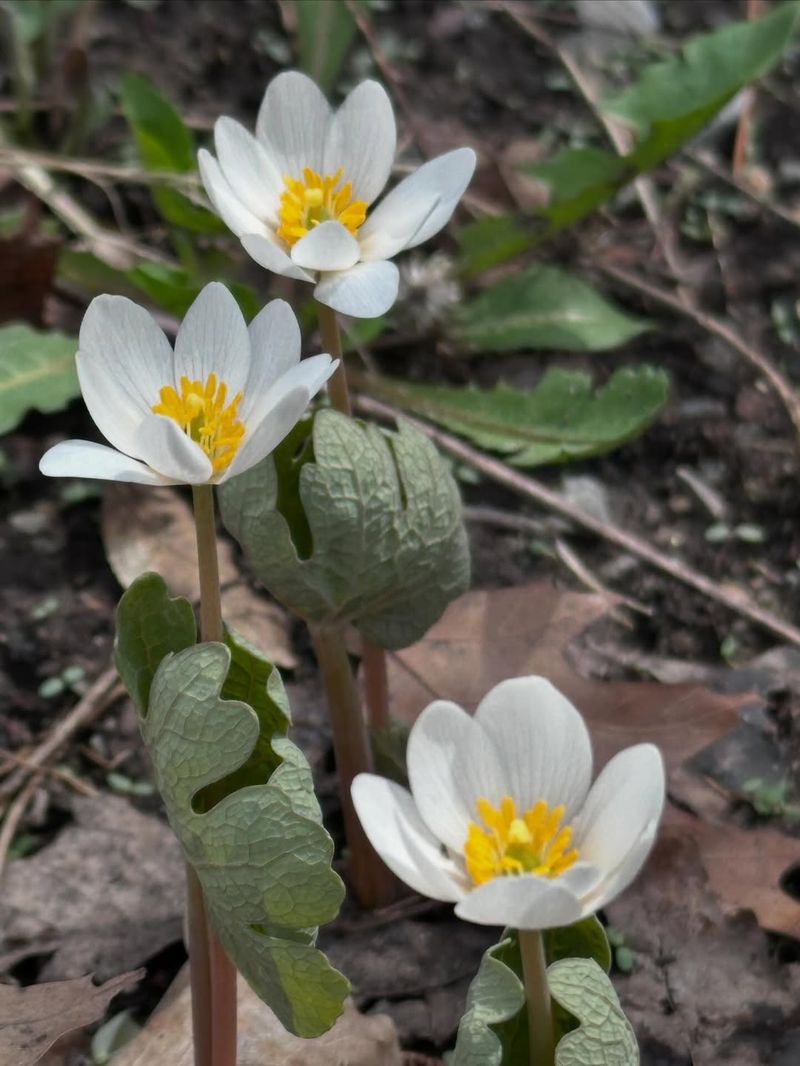
Bloodroot is one of Michigan’s earliest native wildflowers, and it has a quiet, dramatic charm that woodland gardeners absolutely love. The bright white flowers with golden centers emerge in March or early April, often before most other plants have even stirred.
Each bloom lasts only a few days, but the striking lobed leaves stick around through early summer, adding texture to shaded beds long after the flowers are gone.
This plant grows naturally in the rich, moist, deciduous forests found across Michigan, so recreating those conditions in a home garden is the key to success. Loose, well-drained soil with plenty of organic matter works best.
Work in leaf mold or compost before planting, and top-dress with shredded leaves each fall to keep the soil structure close to what Bloodroot finds in nature. Spring moisture from rain and snowmelt is usually enough to carry the plant through its active growing season.
Plant rhizomes about one inch deep in early fall, and choose a spot with dappled or full shade. Bloodroot does not do well in hot, dry, or sunny spots, so keep it away from south-facing open beds.
Once a clump is established and spreading, avoid disturbing the roots because Bloodroot resents being moved or divided unnecessarily.
In woodland-style gardens, it naturalizes slowly and reliably, creating a low-maintenance native groundcover that returns faithfully each spring with almost no help from the gardener.
4. Wild Geranium (Geranium maculatum) Gives Gardens Easy Late Spring Color
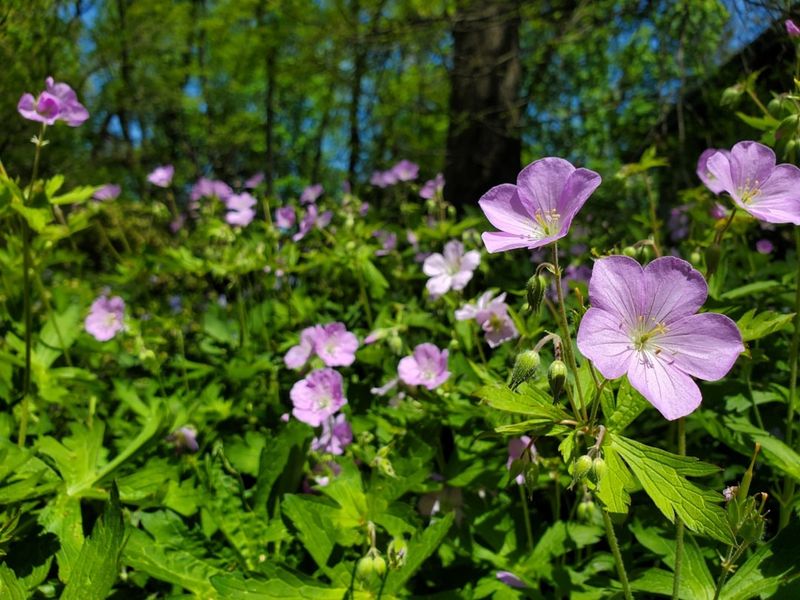
Wild Geranium is the kind of plant that makes gardening feel easy. Native to Michigan and much of the eastern United States, this tough perennial blooms in late April through June with cheerful pink to lavender flowers that pollinators cannot resist.
Bumblebees and native bees visit the blooms regularly, making it a smart choice for anyone building a pollinator-friendly garden.
Part shade and woodland edges are where Wild Geranium performs best, though it also handles average garden soil and moderate sun surprisingly well. Unlike many native plants that demand very specific conditions, this one adapts without much fuss.
Space plants about twelve to eighteen inches apart to give them room to spread naturally over time. Water regularly during the first season to help roots settle in, but once established, Wild Geranium handles dry spells with impressive resilience.
One of the best things about this plant is how little work it asks for after the first year. It forms tidy clumps that can be divided every few years in early spring if you want to spread it to other parts of the garden.
The deeply lobed foliage stays attractive even after blooming ends, adding structure to borders through summer.
In low-maintenance native plant beds across Michigan, Wild Geranium is a dependable workhorse that keeps coming back stronger each season without demanding much attention from the gardener at all.
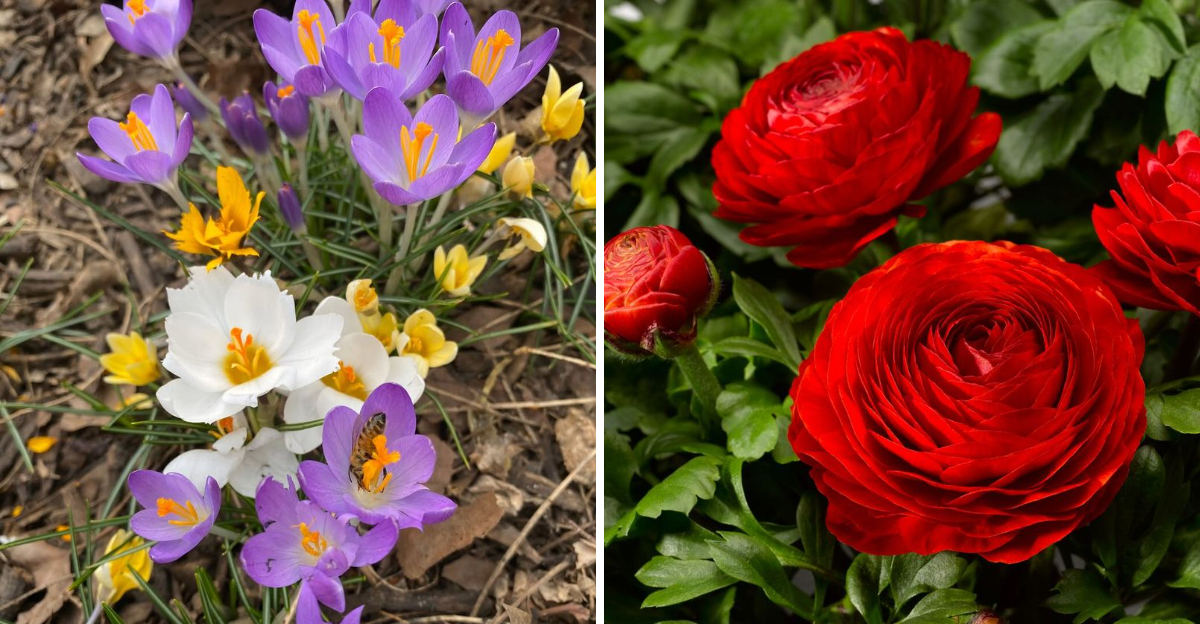
5. Crocus (Crocus spp.) Brings Color Before Spring Fully Wakes Up
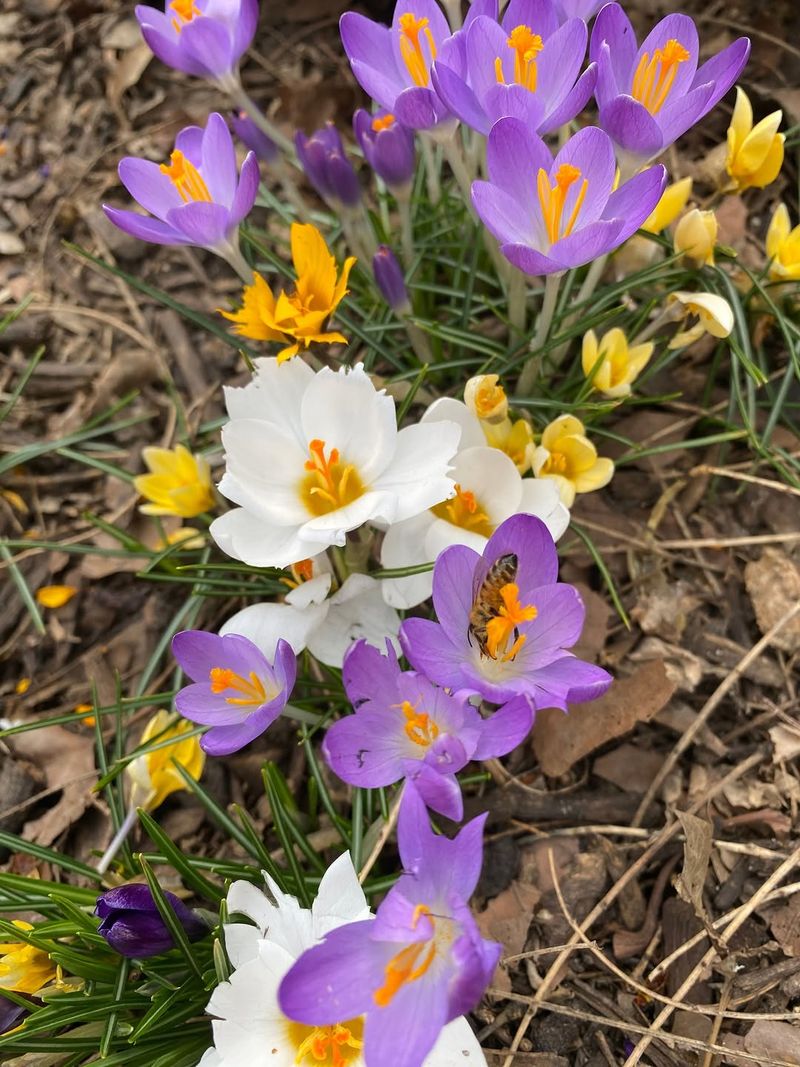
Crocus is the flower that proves spring is actually coming, even when skies are still gray and patches of snow linger on the ground.
These small but mighty bulbs bloom as early as late February or March, popping up through frozen soil with a confidence that feels almost defiant.
Seeing those first purple, yellow, and white cups open on a cold morning is one of the most satisfying moments in the gardening calendar.
Plant crocus corms in fall, about three to four inches deep, in a spot that gets full sun to light shade. Good drainage is critical because corms sitting in wet soil through winter will rot.
Sandy or loamy soil works well, and raised beds or slopes naturally improve drainage in heavier clay soils.
Crocus looks beautiful planted in drifts along borders, tucked under deciduous trees, or naturalized in lawns where mowing can be delayed until the foliage fades in late spring.
After the blooms pass, the grassy leaves continue feeding the corm for next year, so leaving them in place for several weeks matters more than most gardeners realize. Squirrels are a real challenge in Michigan because they love digging up freshly planted corms.
Covering planting areas with wire mesh just below the soil surface helps protect them through winter. Over time, crocus colonies spread and multiply, giving gardeners more color each year with almost no extra effort required.
6. Hybrid Tulips (Tulipa hybrids) Look Beautiful But Often Fade Fast
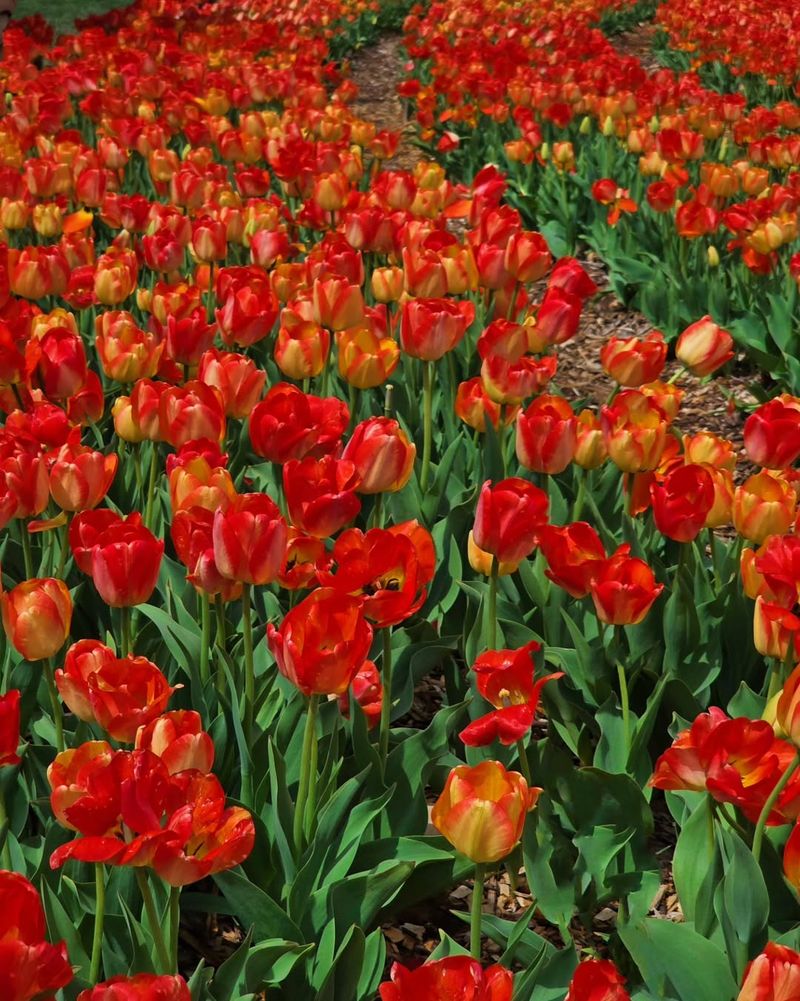
Hybrid tulips are hard to resist at the garden center every fall. The colors are stunning, the variety is endless, and the promise of a bold spring display feels worth every penny.
Michigan gardeners plant them by the thousands each October, and that first bloom season usually delivers exactly what the catalog promised. The trouble is that the second and third years rarely match that opening performance.
Modern hybrid tulips were bred for dramatic blooms rather than long-term perennial strength. Here heavy clay soil, wet spring conditions, and hungry deer and squirrels all work against them.
Many varieties produce smaller flowers in year two and barely show up by year three. Treating hybrid tulips as annual color rather than permanent perennials actually removes a lot of frustration and resets expectations to something realistic and manageable.
If long-term return matters to you, species tulips like Tulipa tarda or Tulipa turkestanica are far better bets for gardens. They naturalize reliably, come back stronger over time, and handle the freeze-thaw cycles of a Great Lakes spring without complaint.
For gardeners who love the big hybrid look, plant fresh bulbs each fall and enjoy the show without expecting a repeat performance.
Good drainage, full sun, and planting in well-amended soil all improve chances of a second bloom season, but managing expectations honestly is the smartest approach for these conditions.
7. Hyacinths (Hyacinthus orientalis) Often Lose Their Best Show After The First Spring
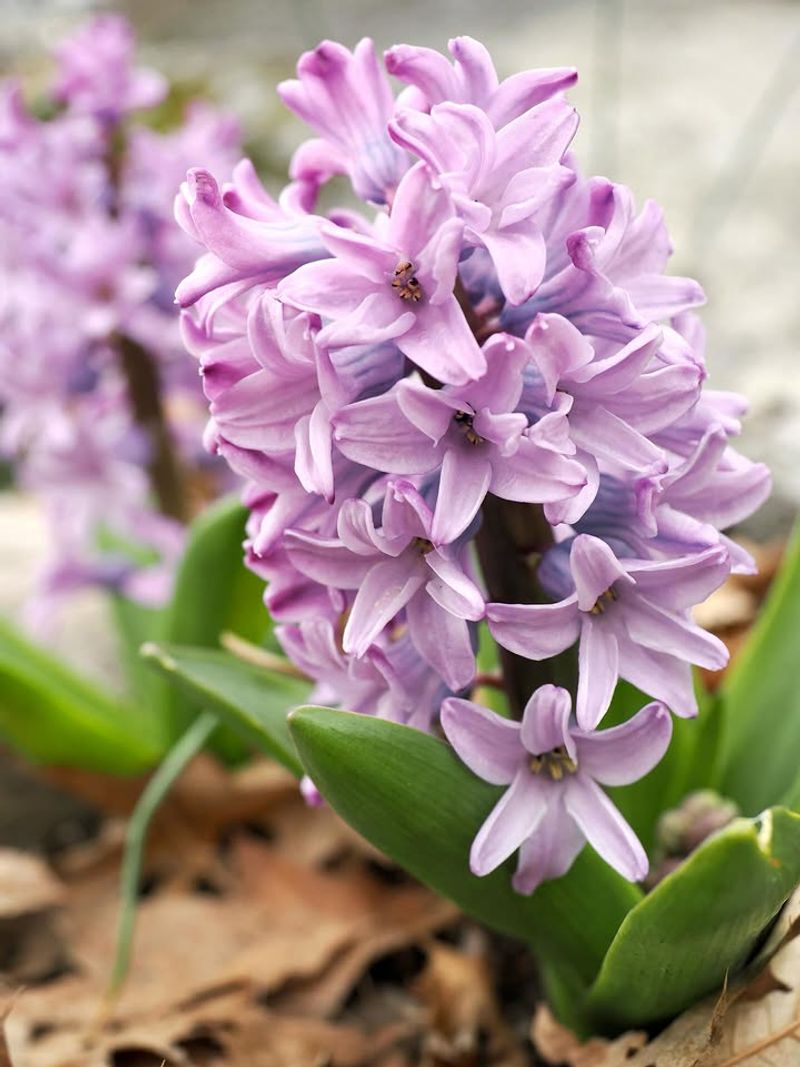
The first time hyacinths bloom in a Michigan garden, they are absolutely spectacular. The dense flower spikes packed with tiny blooms fill the air with a fragrance that stops people in their tracks.
That first-year performance is genuinely impressive, and it is easy to understand why gardeners plant them by the dozens every fall expecting the same show year after year.
The honest reality is that hyacinths are what gardeners call a declining bulb. After that magnificent first season, the flower spikes tend to get smaller and less dense with each passing year.
Michigan’s heavy soils and wet spring conditions accelerate this decline because hyacinth bulbs prefer sharp drainage that many garden beds simply do not provide naturally.
Bulbs sitting in soggy soil between freeze and thaw cycles lose vigor faster than those planted in well-drained raised beds or sandy spots.
Planting in slightly raised areas or mixing coarse sand into planting holes improves drainage and extends the bulbs’ useful life. After blooming, let the foliage yellow completely before removing it so the bulb can store energy for the following season.
Realistic expectations make hyacinths much more enjoyable in gardens. Think of them as a spectacular but short-lived fragrant treat rather than a backbone perennial.
Planting fresh bulbs every two or three years keeps the display looking full and fragrant without the disappointment of fading performance.
8. Pansies (Viola x wittrockiana) Struggle Once Heat Builds
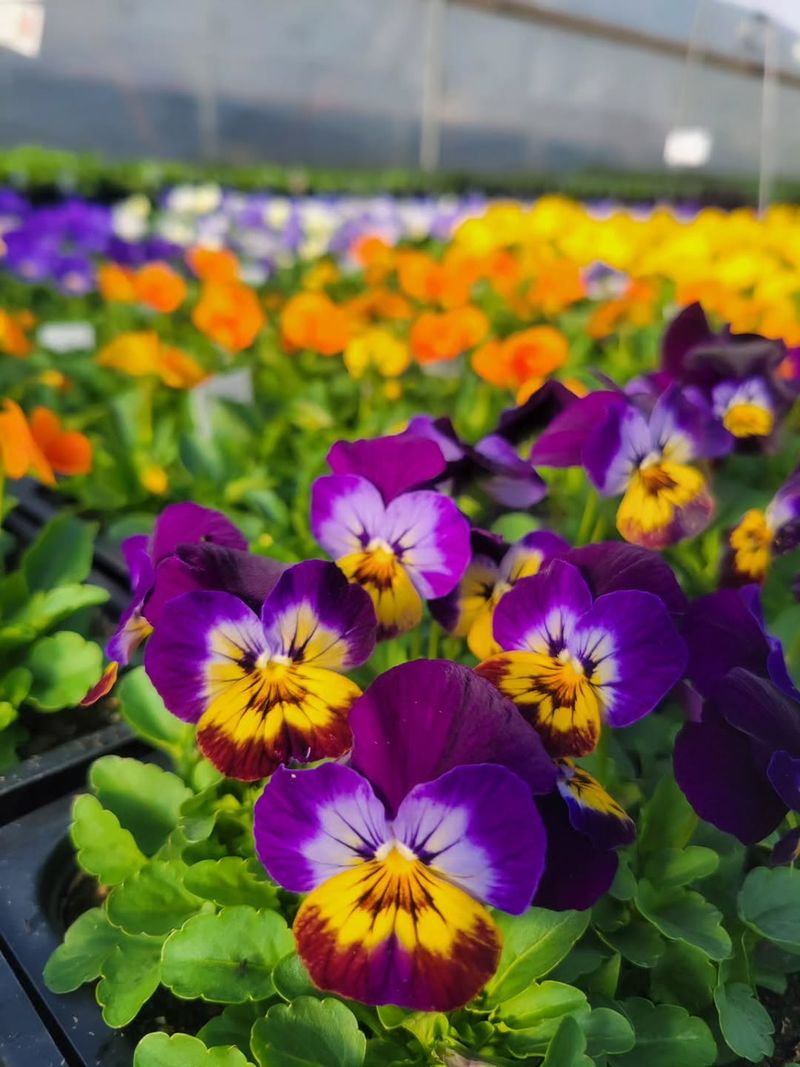
Pansies are cheerful, colorful, and one of the first plants garden centers in Michigan stock every spring.
They handle light frost surprisingly well, which makes them perfect for getting color into beds and containers in April when most other annuals would shiver and sulk.
For a few glorious weeks, pansies deliver exactly the bright, happy display that gardeners crave after a long winter indoors.
The challenge arrives with May and June. As temperatures climb and nights stay warmer, pansies start to stretch, get leggy, and produce fewer flowers.
Summer humidity compounds the problem, encouraging fungal issues and making the plants look ragged and tired well before the season hits its stride.
By late June in most parts of Michigan, pansies that were planted in full sun are often past their prime and struggling to keep up their early-season energy.
Getting the most from pansies means planting them early, around late March or early April in southern Michigan, and keeping them well-watered during dry spells. Containers work beautifully because they can be moved to cooler, shadier spots as temperatures rise.
Deadheading spent blooms regularly encourages more flowers and extends the season a little longer. Plan to swap pansies out for warm-season annuals like zinnias or marigolds once summer heat settles in.
Treating pansies as a seasonal opener rather than a long-haul performer is the mindset that keeps gardeners happy all season long.
9. English Primrose (Primula vulgaris) Needs Cooler Shade Than Many Gardens Provide
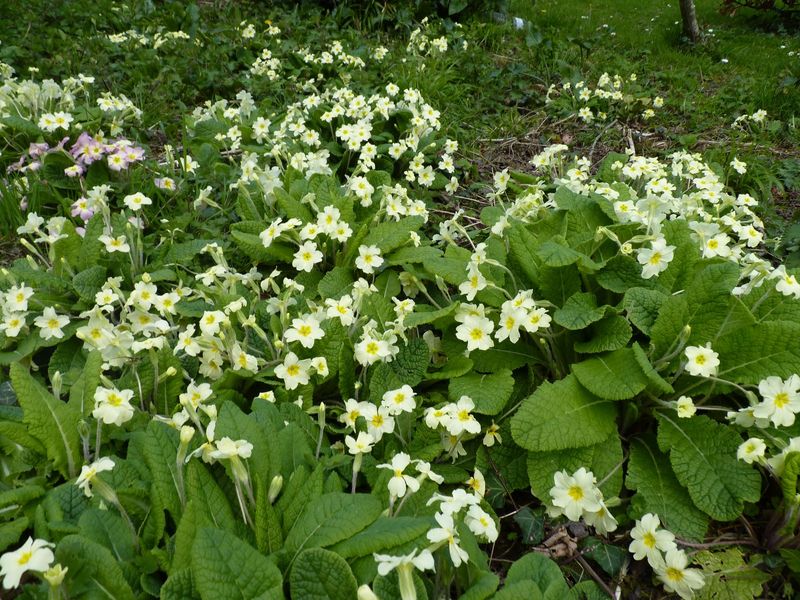
English Primrose looks absolutely magical in early spring catalogs and at garden centers, with its clusters of soft yellow, pink, and purple flowers sitting right at soil level like a little bouquet.
Michigan gardeners understandably grab them by the flat every April, drawn in by the color and the charm.
The problem usually shows up within a few weeks when the plants start to wilt, fade, and look nothing like those glossy catalog photos.
English Primrose is built for cool, moist, partly shaded conditions. It thrives in climates with mild springs and does not handle the transition to warm summers gracefully at all.
When planted in full sun or in soil that dries out quickly, primrose declines fast. Even in partly shaded spots, warm nights in late May and June push the plant well beyond its comfort zone in most locations.
For the best results, plant English Primrose in a north-facing bed or under the canopy of deciduous trees where it gets morning light and afternoon shade.
Keep the soil consistently moist with regular watering and a thick layer of mulch to hold moisture and moderate soil temperature.
Avoid planting near south-facing walls or in spots that collect afternoon heat. In the right microclimate with reliable moisture and cool shade, primrose performs beautifully through May.
Treat it as a cool-season accent rather than a summer staple and enjoy the show while it lasts.
10. Ranunculus (Ranunculus asiaticus) Is Too Fussy For Many Spring Beds
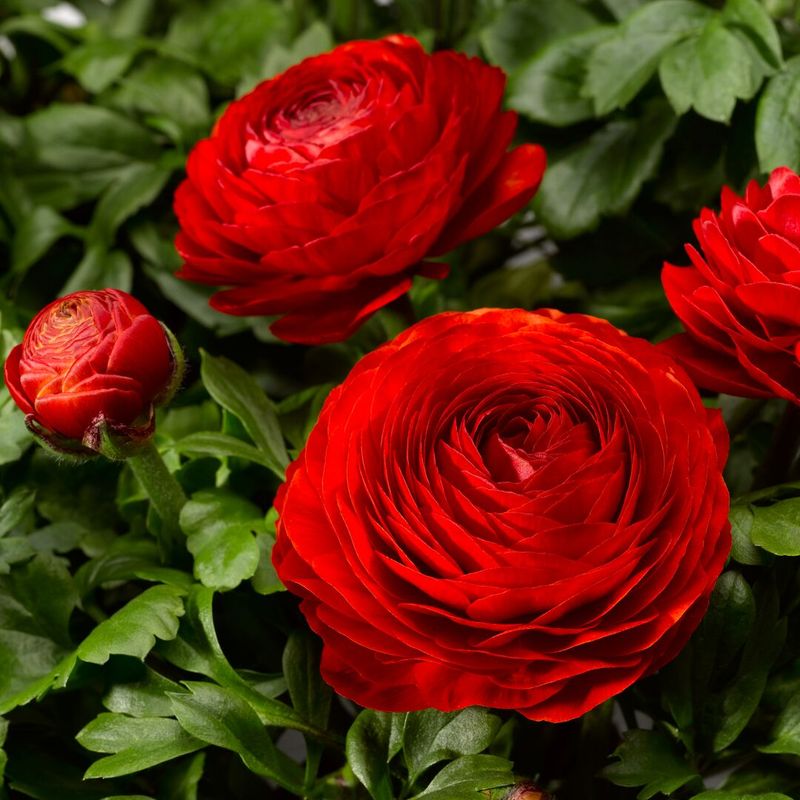
Ranunculus flowers look like something out of a florist’s dream, with layer after layer of silky petals stacked up into blooms that rival garden roses for sheer beauty.
Michigan gardeners who spot them at spring markets often bring home a pot or a bag of tubers with high hopes and genuine excitement.
The reality of growing Ranunculus in Michigan, however, is a lesson in patience, timing, and managing expectations with a sense of humor.
Ranunculus asiaticus is a Mediterranean plant that wants cool, bright conditions with excellent drainage and consistent but moderate moisture. Michigan’s spring throws several obstacles at it all at once.
Cold, wet soil in early spring can rot the tubers before they even sprout. Then, just as the plants hit their stride in May, Michigan temperatures often spike quickly, cutting the bloom season short before June is finished.
Heavy clay soil found in many gardens is another real problem because Ranunculus needs sharp drainage above almost everything else.
Growing them in containers with a quality potting mix and excellent drainage holes gives far better results than planting directly in the ground.
Soak tubers for a few hours before planting, claw-side down, and keep the container in a bright but cool spot. Expect blooms for a few wonderful weeks rather than a full season.
For gardeners who love the look, Ranunculus is best treated as a short-term luxury worth the effort and the extra attention it demands.