Simple Tips For Growing More Blueberries In Georgia Containers This Summer
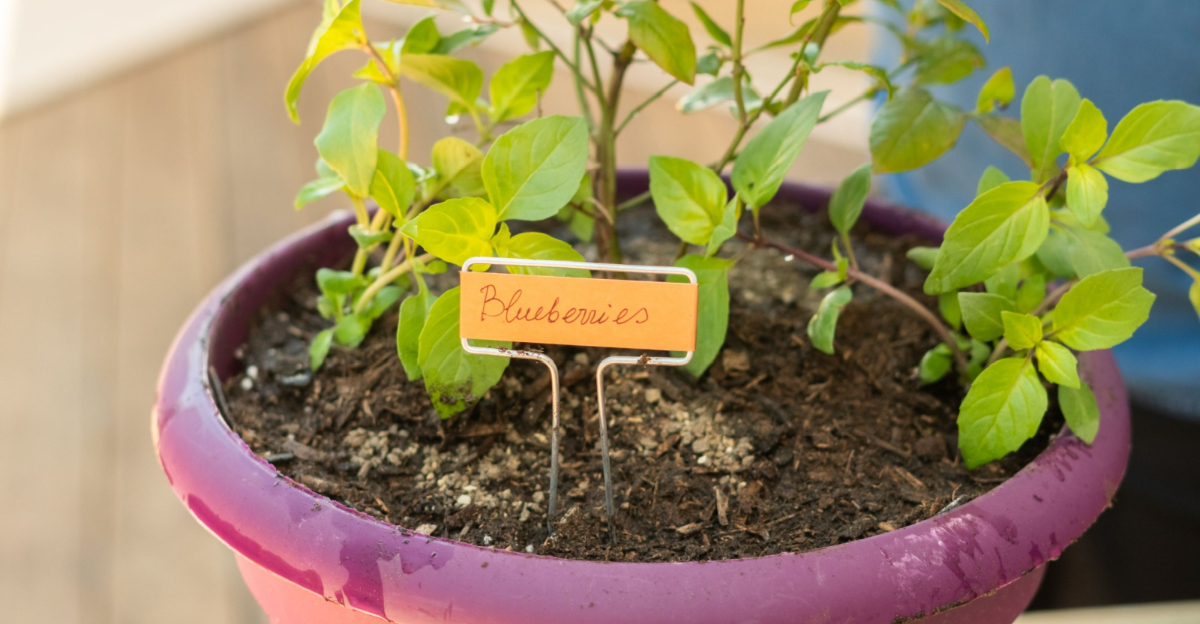
Homegrown blueberries straight from your own porch? In Georgia, that’s actually very doable, and you don’t even need a big yard to make it happen.
Container blueberries are one of the smartest setups a Georgia gardener can try, especially if heavy clay soil or limited outdoor space has been holding you back. The real advantage here is control.
Blueberries need acidic soil to produce well, and growing them in pots means you decide exactly what goes into the mix.
Georgia’s heat and humidity do add a layer of complexity, but get the container, soil, watering, and placement right and you might be genuinely surprised by how much fruit a single potted blueberry can put out.
A sunny porch, a decent sized pot, and the right setup is really all it takes to get started.
1. Choose A Large Container With Good Drainage
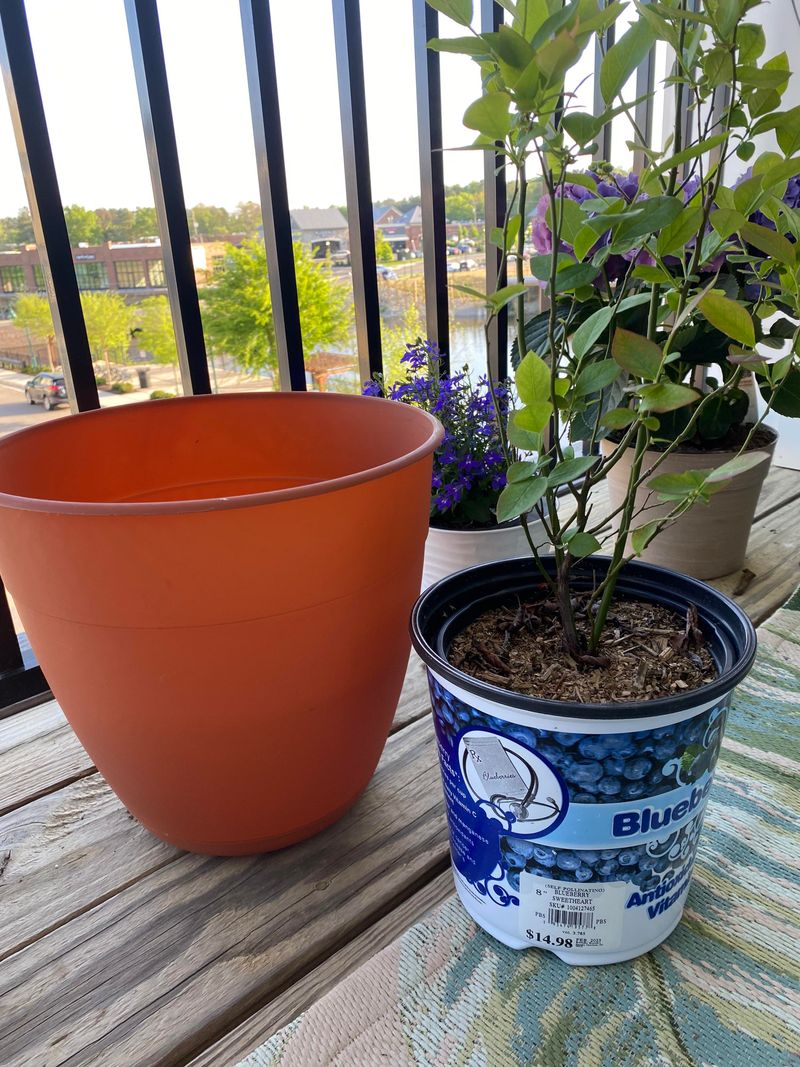
A sunny Georgia patio can become a productive little fruit garden when you start with the right container. For blueberries, size really does matter.
A pot that is too small will limit root growth and make it harder for the plant to take in water and nutrients during the hot summer months.
Most experienced container gardeners recommend using a pot that holds at least 15 to 20 gallons. That gives the roots enough room to spread out and keeps the soil from drying out too quickly on warm Georgia afternoons.
Fabric grow bags in that size range are popular because they allow air to reach the roots and tend to drain well.
Drainage holes are non-negotiable. Without them, water pools at the bottom of the container and the roots sit in soggy soil, which can cause serious problems over time.
Look for containers with multiple holes at the base, and consider elevating the pot slightly on small risers or pot feet so water flows out freely.
Terracotta pots look beautiful but dry out faster than plastic or resin, which can be a challenge in Georgia heat. Dark-colored containers absorb more heat, so placing them where they get some afternoon shade can help.
Whatever material you choose, starting with a large, well-draining container gives your blueberry plant the foundation it needs to grow well all season.
2. Use Acidic Potting Mix For Better Growth
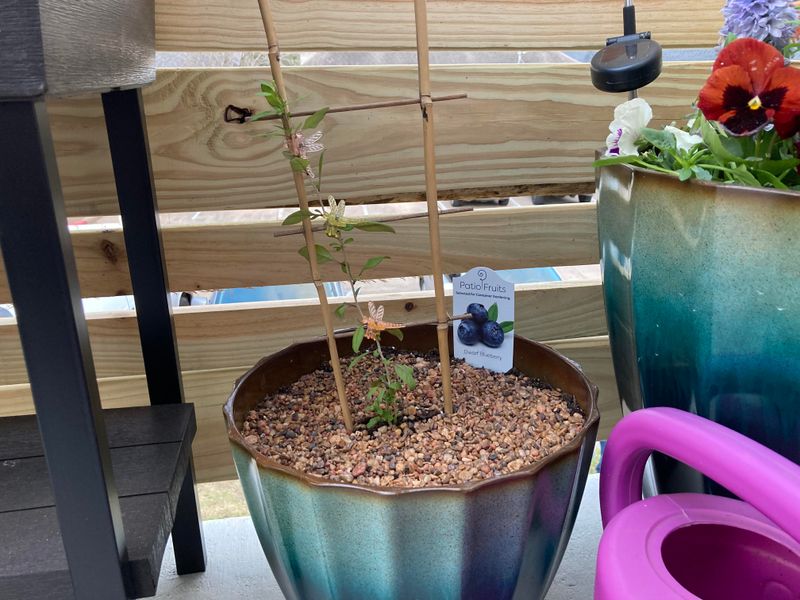
Walk through any Georgia nursery in spring and you will likely see bags of potting mix labeled specifically for acid-loving plants. That label matters more than most new gardeners realize.
Blueberries need a soil pH somewhere between 4.5 and 5.5 to absorb nutrients properly, and standard potting mixes are often too alkaline to support healthy growth.
A mix designed for azaleas, camellias, or blueberries is a solid starting point. These blends tend to include ingredients like peat moss or pine bark fines, which help lower pH and improve drainage at the same time.
Some gardeners in Georgia mix in a portion of aged pine bark mulch to create a looser, more acidic growing environment that blueberry roots tend to enjoy.
When the soil pH is off, blueberry leaves may turn yellow between the veins while the veins themselves stay green. That is a common sign that the plant cannot take up iron properly, which usually points to a pH that is too high.
Your Georgia Garden Changes Every Week. Your Plan Should Too.
Gardening in Georgia changes quickly throughout the season. Every Friday you’ll receive a simple weekly plan showing exactly what to plant, prune, fertilize, harvest, and protect so you never miss the right timing.
Catching this early and adjusting the mix can help the plant recover and continue growing through summer.
Avoid using garden soil from your yard in containers. It compacts quickly in pots and rarely provides the drainage or acidity that blueberries need.
Starting with a quality acidic potting mix gives your container blueberry the best possible growing environment from day one.
3. Plant More Than One Variety For Better Fruit Set
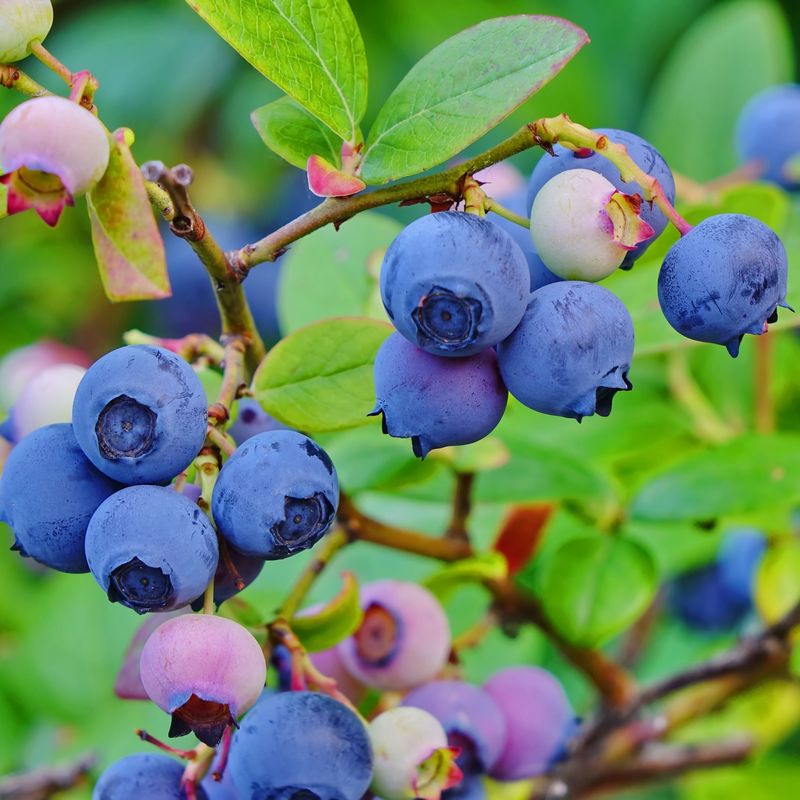
Blueberry flowers are delicate, bell-shaped, and easy to overlook until you realize they are the key to getting a good harvest. Most blueberry varieties produce more fruit when they are planted near at least one other variety that blooms at roughly the same time.
Cross-pollination between two different plants tends to result in larger berries and heavier yields than a single plant grown alone.
For Georgia container gardeners, this means keeping two or more pots on the same porch or patio so pollinators can move between the plants easily. Southern highbush varieties are well-suited to Georgia’s climate and tend to perform reliably in containers.
Pairing varieties like Emerald and Jewel, or Sunshine Blue with another low-chill option, can improve fruit set noticeably over a single-variety setup.
Rabbiteye blueberries are another option that does well in Georgia’s warmer regions. They are vigorous growers and also benefit from cross-pollination with a different rabbiteye variety nearby.
Placing two pots close together on a sunny deck makes it easy for bees and other pollinators to do their work.
Even if you have limited space, two modest containers side by side take up less room than most people expect. The payoff in berry production is usually worth the extra pot.
Starting with two compatible varieties is one of the more impactful decisions a Georgia container gardener can make before the season gets going.
4. Keep Soil Moist But Not Waterlogged
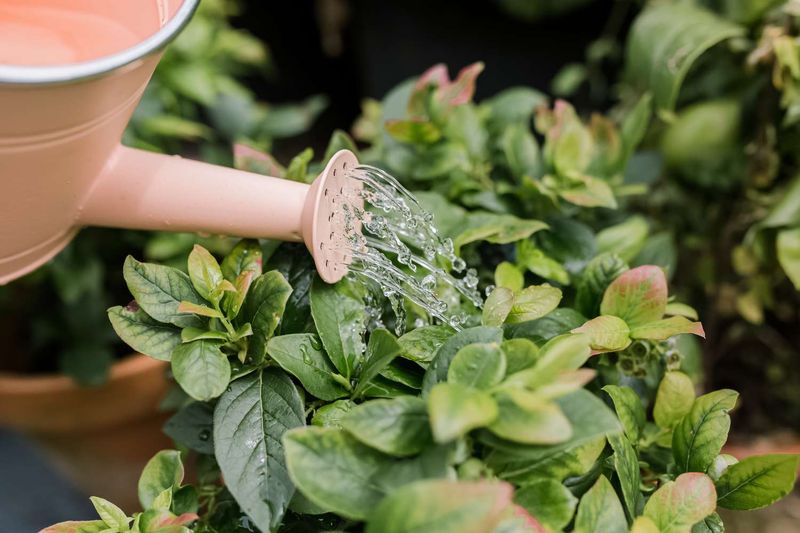
Watering container blueberries in Georgia during summer requires a bit of attention, especially when temperatures climb into the upper 80s and 90s.
Pots dry out much faster than in-ground beds, and blueberry plants are sensitive to both drought stress and soggy roots.
Finding that middle ground is one of the most useful skills a container gardener can develop.
A good rule of thumb is to check the soil moisture an inch or two below the surface before watering. If it still feels damp, holding off for another day is usually fine.
If it feels dry, watering thoroughly until it drains from the bottom of the pot helps ensure the entire root zone gets moisture, not just the top layer.
During Georgia’s hottest stretches, containers may need water every day or even twice a day, depending on the pot size, material, and how much direct sun the plant receives. Smaller pots and dark-colored containers tend to dry out faster.
Consistent watering helps prevent blossom drop during flowering and supports steady berry development later in the season.
Overwatering is just as problematic as underwatering. Roots sitting in standing water for extended periods can lead to root rot, which shows up as wilting leaves even when the soil is wet.
Using a container with good drainage and checking soil moisture regularly rather than watering on a fixed schedule helps keep your Georgia blueberry plants in better shape all summer long.
5. Place Containers In Plenty Of Sun
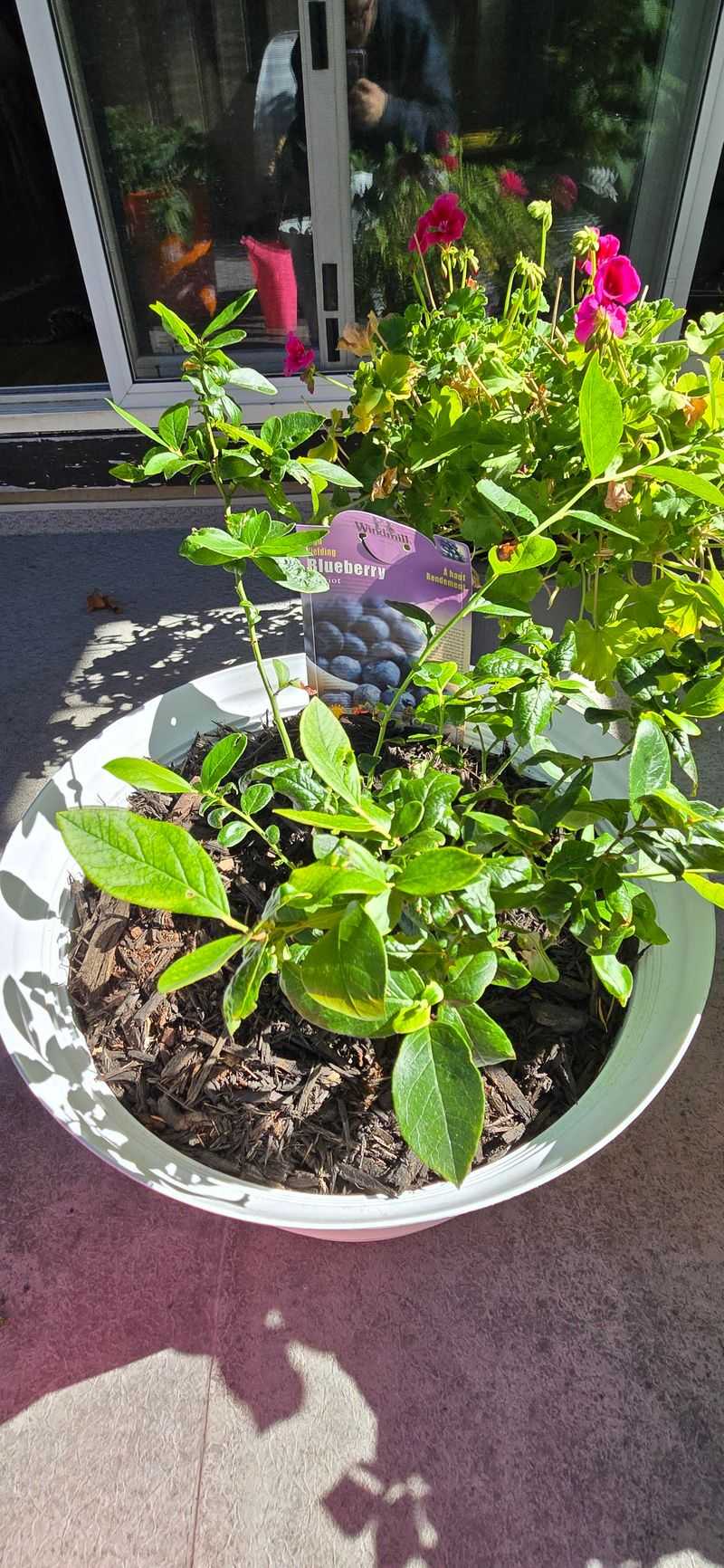
On a warm Georgia morning, a south-facing deck can feel like the perfect growing spot, and for blueberries, it often is. These plants need a solid amount of direct sunlight each day to produce well.
Most recommendations point to at least six hours of full sun as a reasonable minimum, with more being generally beneficial during the fruiting season.
Container blueberries have an advantage over in-ground plants because you can move them around to follow the sun or shift them away from harsh afternoon exposure during the most intense summer weeks.
In Georgia, afternoon sun can be especially strong from June through August, and some gardeners find that moving containers to a spot with morning sun and partial afternoon shade helps the plants stay productive without showing signs of heat stress.
Signs that a blueberry plant is not getting enough light include sparse flowering, slow growth, and fruit that takes a long time to ripen or stays small. Leggy stems reaching toward the light are another clue that the plant wants more sun.
Repositioning the container a few feet can sometimes make a noticeable difference within a couple of weeks.
Georgia gardeners with covered porches should check whether the overhang is blocking too much light during peak hours. Even a partially shaded porch can work if the plant gets strong morning sun.
Paying attention to where the light falls throughout the day helps you find the best spot for consistent blueberry production across the season.
6. Mulch The Surface To Hold Moisture
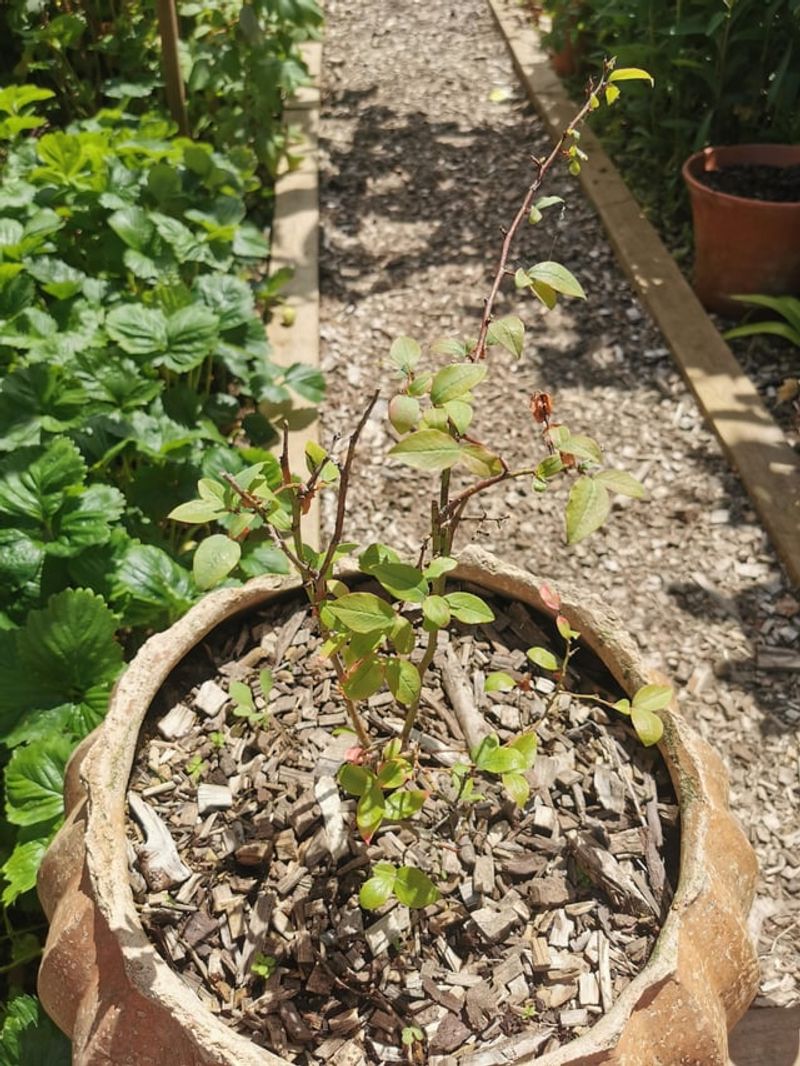
Pine straw and pine bark have a long history in Georgia gardening, and for good reason. Both materials break down slowly, add a touch of acidity to the soil as they decompose, and do a solid job of holding moisture in the root zone.
Spreading a layer of mulch across the surface of a container blueberry pot is a simple step that can reduce how often you need to water during the hottest parts of summer.
A layer of about two to three inches of pine bark fines or pine straw works well for most container setups. It keeps the soil surface from crusting over in the heat and slows evaporation noticeably.
On a Georgia patio in July, that kind of moisture retention can mean the difference between a plant that looks stressed by midday and one that stays green and healthy through the afternoon.
Mulching also helps moderate soil temperature. Container soil can heat up quickly when a pot sits in direct sun, and very warm root zones can slow growth or cause stress for the plant.
A mulch layer acts as a buffer, keeping things a bit cooler below the surface even on the hottest days.
Avoid piling mulch directly against the main stem of the plant, as that can trap moisture and lead to issues at the base.
Keeping the mulch an inch or so away from the stem while covering the rest of the soil surface is a simple habit that protects the plant while still delivering the moisture-holding benefits you are looking for.
7. Fertilize Lightly With Acid-Loving Plant Food
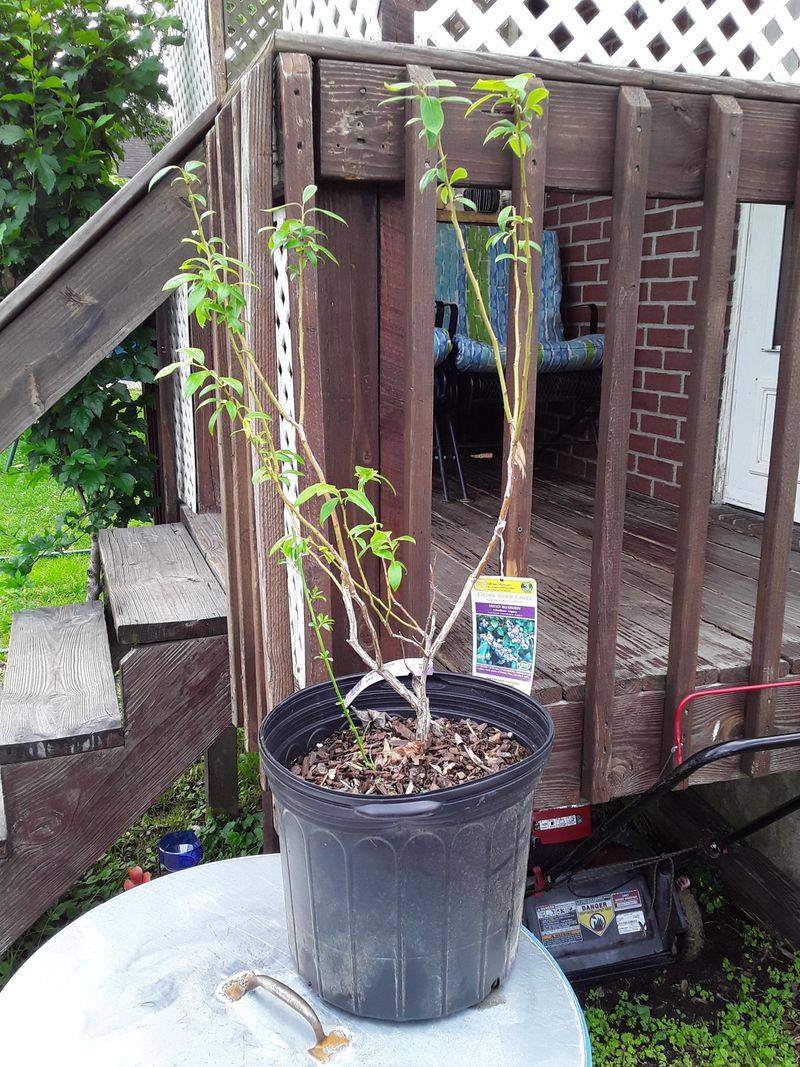
Feeding container blueberries takes a lighter touch than most gardeners expect. Because the roots are confined to a pot, nutrients can build up quickly and cause more harm than good if too much fertilizer is applied at once.
Starting with less and observing how the plant responds is a more reliable approach than loading on fertilizer from the beginning.
Fertilizers formulated for acid-loving plants, such as those labeled for azaleas or blueberries, are a reasonable choice for container use.
These products typically contain nitrogen in an ammonium form rather than a nitrate form, which is better suited to the acidic conditions blueberries prefer.
Following the label instructions and starting at the lower end of the recommended rate helps avoid over-feeding.
In Georgia, blueberries in containers tend to benefit from light applications in early spring as new growth begins and possibly a second light feeding in early summer.
Fertilizing too late in the season can push tender new growth that may not handle heat or fluctuating conditions well.
Watching the foliage color gives you useful clues about whether the plant is getting what it needs.
Healthy blueberry leaves are generally a medium to deep green. Pale or yellowish leaves, especially on newer growth, can sometimes point to a nutrient issue or a pH problem worth investigating.
Keeping a consistent but moderate fertilizing routine through the growing season supports steady growth without pushing the plant harder than it needs to go.
8. Protect Ripening Berries From Birds
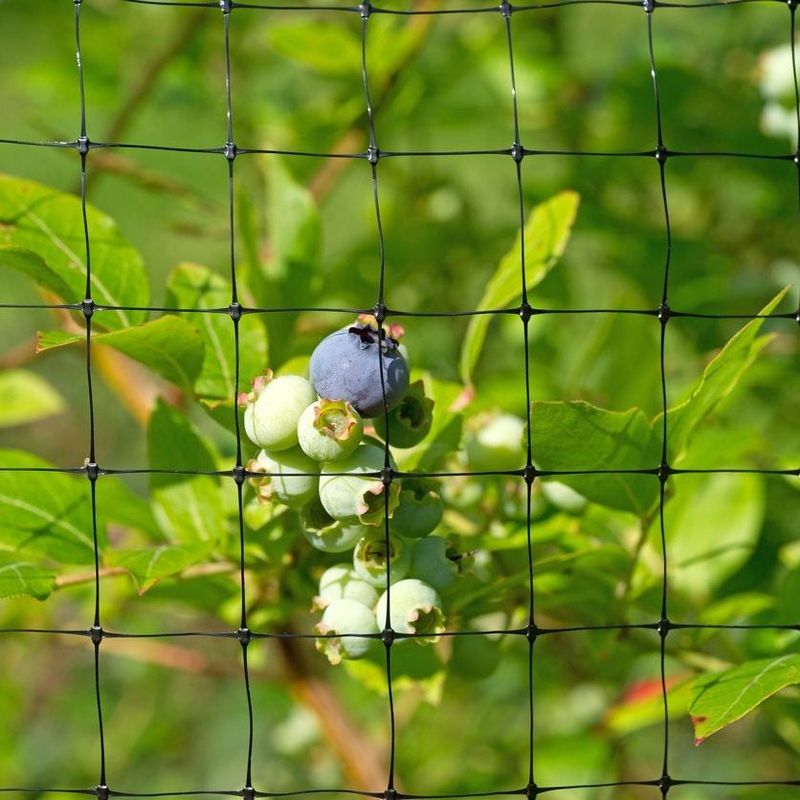
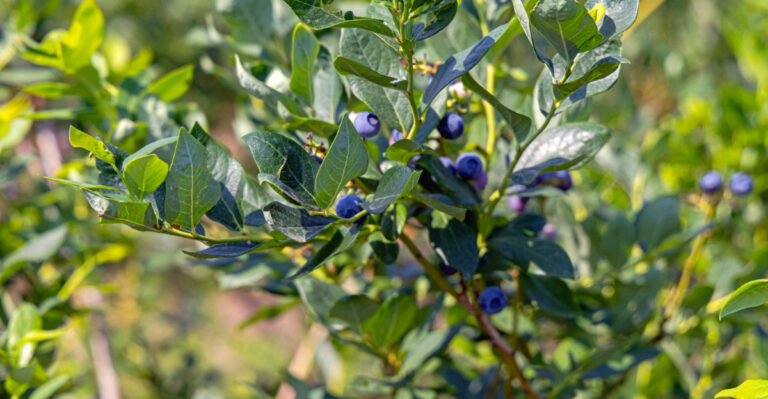
Ripening blueberries have a way of attracting every bird in the neighborhood, seemingly overnight. One day the clusters are just starting to turn blue, and the next morning a significant portion of them are gone.
For Georgia gardeners growing blueberries on a porch or patio, bird pressure can become one of the most frustrating parts of the harvest season.
Lightweight bird netting is one of the most practical solutions for container plants. Draping netting over the plant and securing it around the base of the pot keeps most birds from reaching the fruit without blocking sunlight or airflow.
Look for netting with a fine enough weave that small birds cannot push through it to reach the berries underneath.
Some gardeners use hanging reflective tape or small pinwheels near their containers as a deterrent, and these can help in the short term.
Birds do tend to get comfortable with these visual deterrents over time, though, so physical netting tends to offer more reliable protection once the berries start changing color in earnest.
Checking the plant daily as harvest approaches lets you pick berries at peak ripeness before birds notice them. Blueberries that have been fully blue for a few days and pull away from the stem easily are usually ready to eat.
Harvesting regularly, even every other day during peak season, reduces the window when ripe fruit is sitting exposed on a Georgia patio waiting to be discovered by hungry wildlife.