What To Fix In Your Georgia Garden Before Heat Starts Damaging Plants
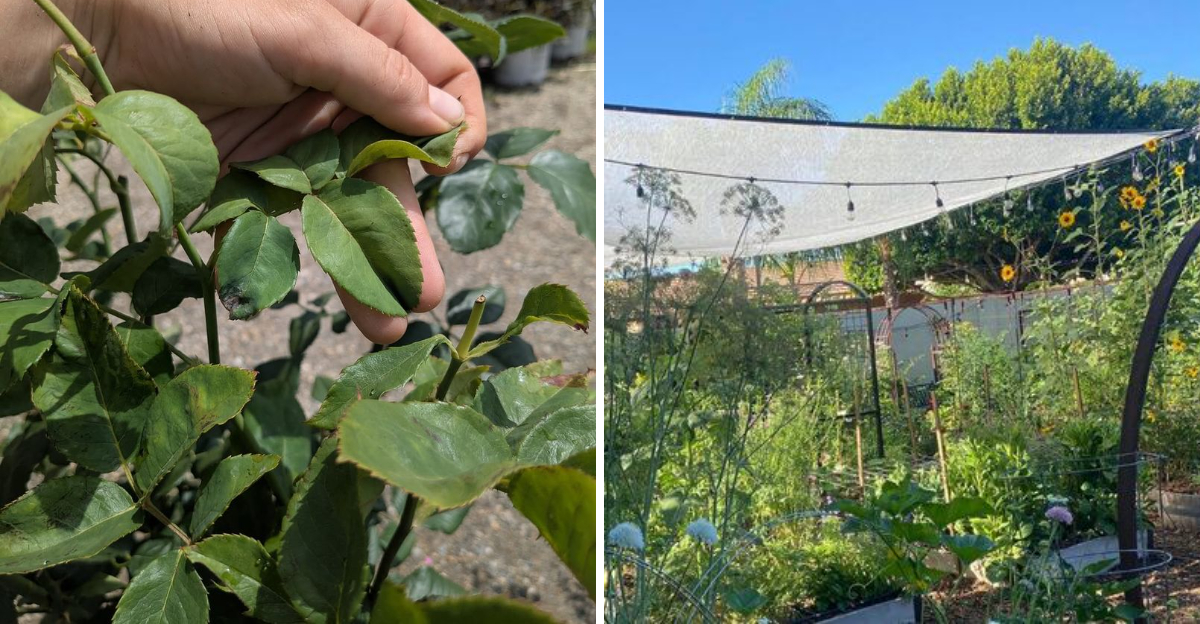
The garden looked fine just a week ago, with full leaves and steady color across most of the yard. Now a few spots feel off, even though nothing major has changed.
Some leaves look tired, a plant or two slows down, and certain areas do not respond the way they usually do.
It is easy to ignore at first because parts of the yard still look good. One section keeps growing, while another quietly slips behind.
Watering stays the same, care stays the same, but the results begin to shift in a way that is hard to explain.
That moment feels familiar in Georgia yards as the season starts to turn. Heat does not show up all at once, but plants react before it becomes obvious.
A few small fixes now can steady everything before stress builds and starts to spread.
1. Water Deeply Instead Of Watering Too Often
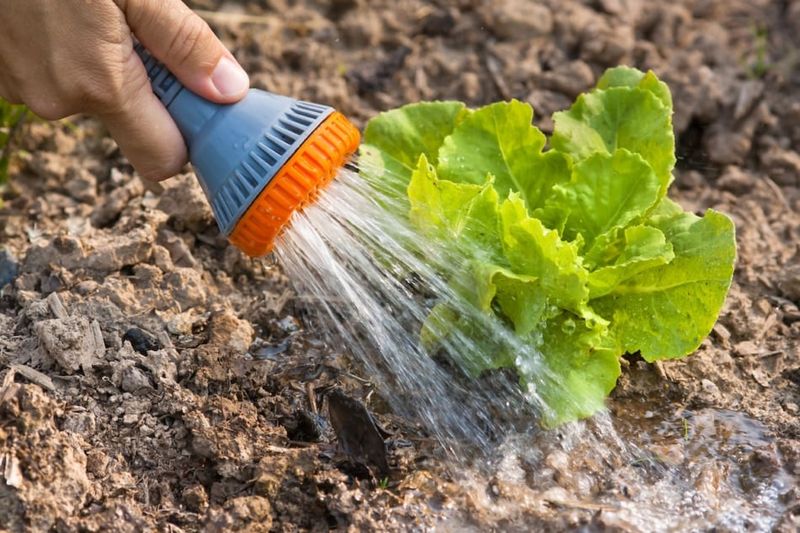
Shallow watering is one of the most common mistakes Georgia gardeners make heading into summer. When you water just a little every day, roots stay near the surface where the soil dries out quickest.
That puts plants in a tough spot the moment temperatures climb.
Watering deeply a few times a week encourages roots to grow further down into the soil, where moisture sticks around longer even during hot stretches. A good rule of thumb is to water until the soil is moist at least six to eight inches down.
You can check this by pushing a stick or your finger into the ground after watering.
Sandy soils common in parts of South Georgia drain faster, so you may need to water more frequently than gardeners in areas with heavier clay. Clay-heavy soils in North Georgia hold moisture longer but can become waterlogged if you overdo it.
Pay attention to your specific soil and adjust accordingly.
Drip irrigation or soaker hoses work really well for deep watering because they deliver water slowly right at the root zone. Overhead sprinklers lose a lot of water to evaporation, especially in Georgia’s heat.
2. Check Soil Moisture Before Adding More Water
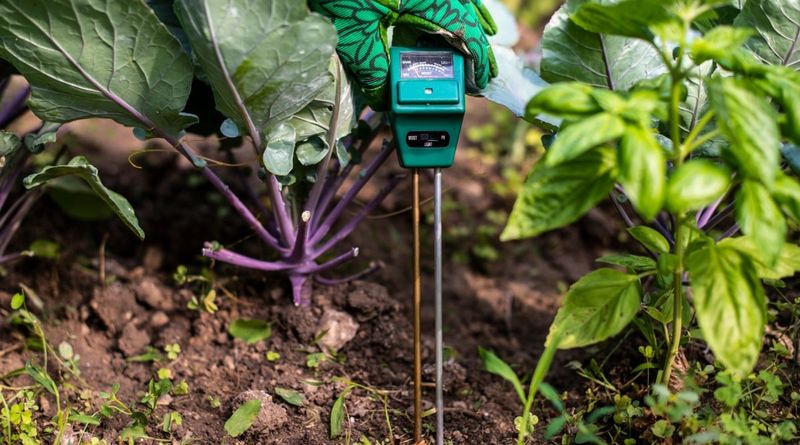
Overwatering is just as damaging as not watering enough, and in Georgia’s humid climate, it’s easier to do than most people think. Roots sitting in soggy soil can’t absorb oxygen properly, which weakens plants even when there’s plenty of water available.
Before you reach for the hose, take thirty seconds to actually check the soil. Push your finger about two inches down near the base of the plant.
If it still feels damp, skip watering that day. If it feels dry at that depth, go ahead and water thoroughly.
A basic soil moisture meter from any garden center costs around ten to fifteen dollars and takes the guesswork out completely. They’re especially useful in containers and raised beds where soil dries out faster than in-ground gardens.
You stick the probe in, read the dial, and know exactly what your plants need.
Clay soils across much of middle Georgia can fool you because the surface dries out fast while deeper layers stay wet for days. Watering on top of already-saturated soil just pushes out the air pockets roots depend on.
Your Georgia Garden Changes Every Week. Your Plan Should Too.
Gardening in Georgia changes quickly throughout the season. Every Friday you’ll receive a simple weekly plan showing exactly what to plant, prune, fertilize, harvest, and protect so you never miss the right timing.
Checking before watering prevents that cycle from starting.
Plants showing wilting during the hottest part of the afternoon don’t always need water right away.
3. Add Mulch To Keep Soil From Drying Out Too Fast
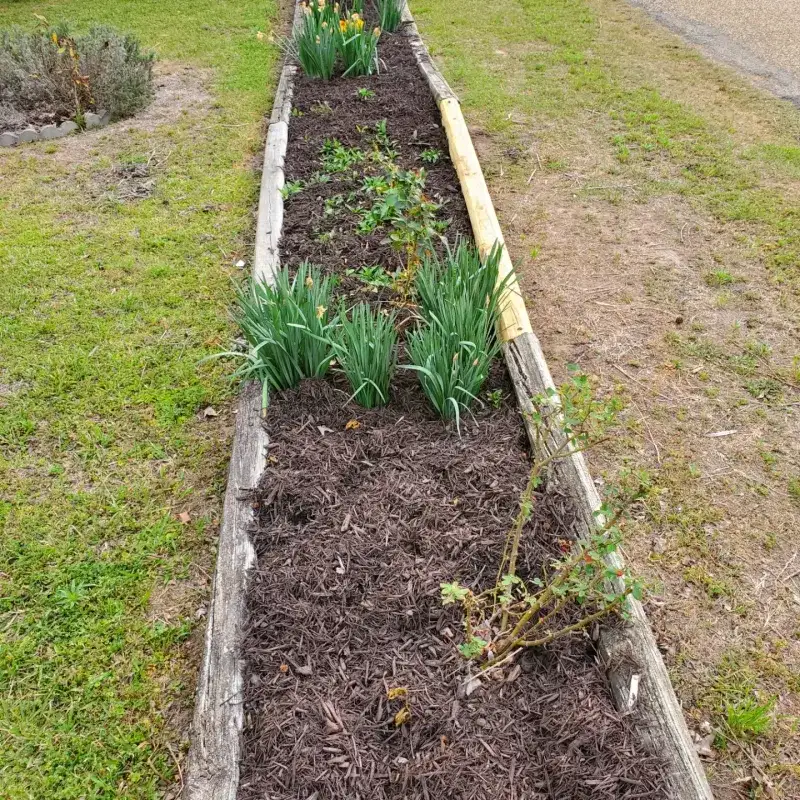
Bare soil in a Georgia summer garden is practically asking for trouble. Without any cover, the sun bakes the top layer of soil hard and dry within hours of watering.
Mulch changes that situation significantly by acting as a protective layer between the soil and the sun.
A two to three inch layer of organic mulch, like pine straw, wood chips, or shredded leaves, can help soil hold onto moisture much longer between waterings. It also keeps soil temperatures from spiking as high during the hottest parts of the day.
Roots stay in a more stable environment, which helps plants handle heat with less visible stress.
Pine straw is especially popular in Georgia because it’s cheap, widely available, and breaks down slowly. Wood chips work great around shrubs and trees.
For vegetable beds, shredded leaves or straw are good options since they break down faster and add organic matter to the soil over time.
Keep mulch a few inches away from plant stems and tree trunks. Piling it right up against stems traps moisture against the bark, which can lead to rot.
A little breathing room around the base of each plant goes a long way toward keeping things healthy.
4. Fix Compacted Soil So Water Reaches The Roots
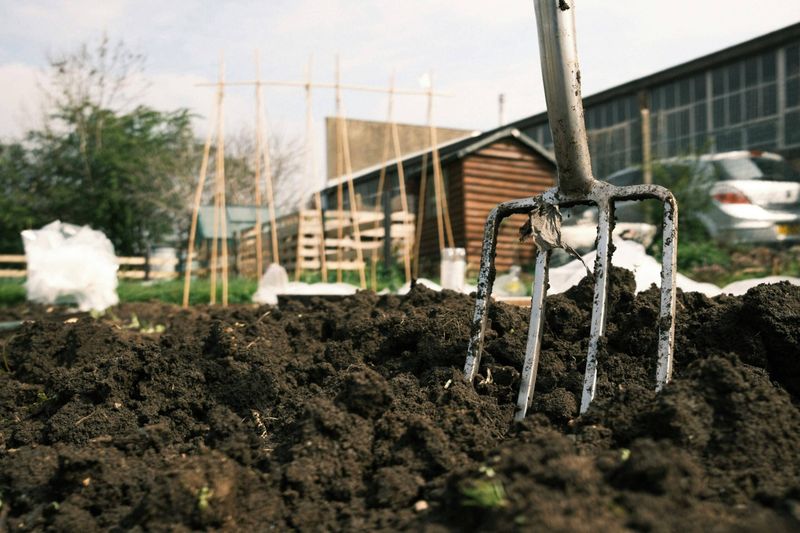
Water pooling on the surface instead of soaking in is a clear sign your soil has a compaction problem. Compacted soil has lost its structure, meaning water runs off or sits on top rather than moving down to where roots actually live.
Georgia clay is especially prone to this, particularly in yards with heavy foot traffic or in beds that haven’t been worked in a while.
Loosening compacted soil before summer heat arrives makes a real difference. A garden fork pushed eight to ten inches into the soil and rocked back and forth breaks up the hard layers without completely turning everything over.
You don’t have to till the whole bed, just work through the areas where drainage seems slow.
Adding compost is one of the most reliable ways to improve compacted soil over time. Working two to three inches of compost into the top layer improves both drainage and water retention.
That sounds contradictory, but healthy soil with good structure does both, draining excess water while holding onto what roots need.
Avoid working soil when it’s soaking wet. Digging or tilling wet clay makes compaction worse by destroying the natural structure you’re trying to restore.
Wait until the soil is damp but not muddy before you start loosening it.
5. Adjust Watering Times To Early Morning Only
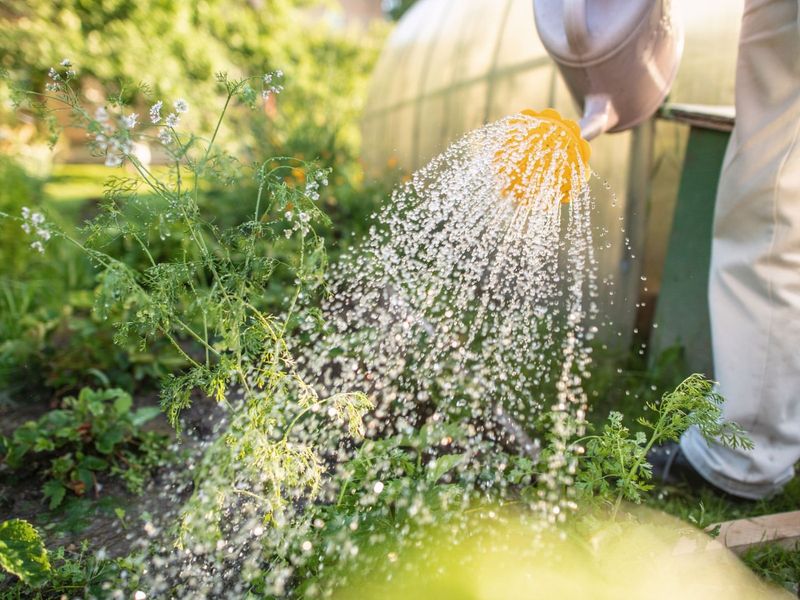
Watering at the wrong time of day wastes more water than most gardeners realize. When you water during the afternoon heat, a significant portion evaporates before it ever reaches the roots.
Georgia summers are brutal enough without throwing water away to the sun.
Early morning, somewhere between 5 and 9 a.m., is the best window for watering. Temperatures are lower, wind is usually calmer, and plants have time to absorb moisture before the heat of the day kicks in.
Foliage that gets wet in the morning also has time to dry out, which helps reduce fungal issues that thrive in Georgia’s humid conditions.
Evening watering might seem convenient, but it leaves foliage wet overnight. That creates ideal conditions for fungal diseases like powdery mildew and leaf spot, both of which are already common in Georgia’s warm, humid summers.
Morning watering sidesteps that problem pretty effectively.
If you use a sprinkler system with a timer, reprogramming it to run in the early morning hours is one of the easiest adjustments you can make before summer fully arrives. Most controllers take only a few minutes to update, and the difference in plant health can be noticeable within a few weeks.
Hand watering works fine too, as long as you’re consistent about timing.
6. Remove Weak Growth That Struggles In Heat
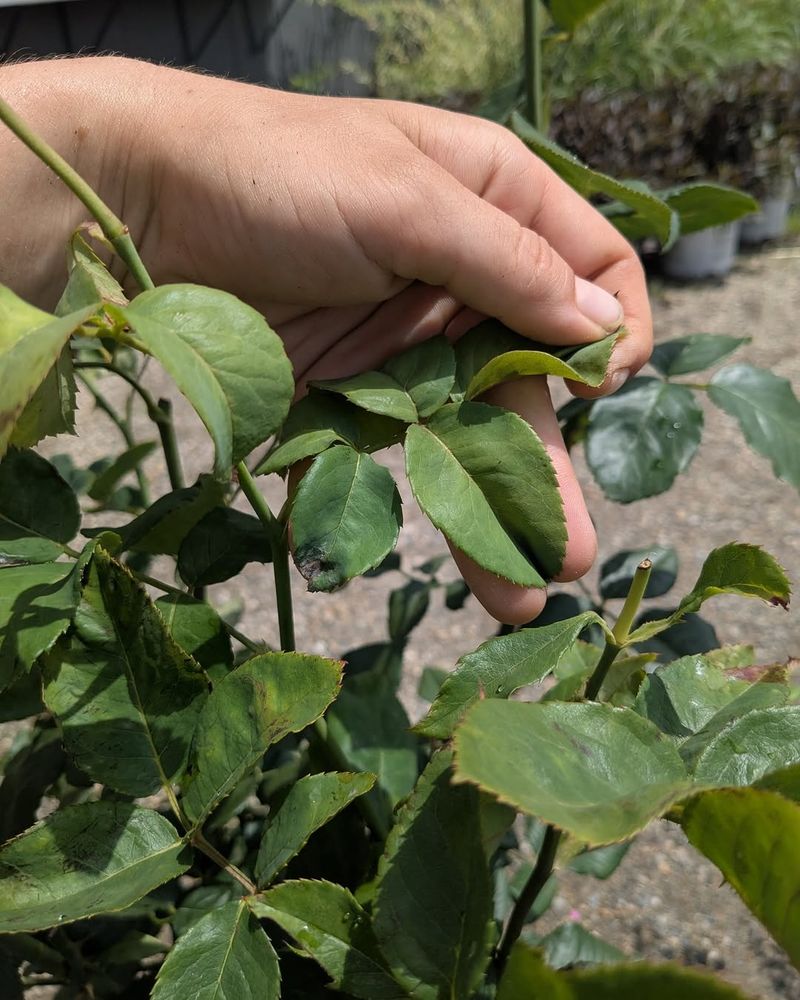
Leggy, pale, or yellowing growth heading into summer is not something that usually improves once the heat arrives.
Weak stems and struggling leaves become a burden on the plant, drawing energy away from the healthy parts that actually have a chance of surviving the season.
Cutting back weak growth before summer heat peaks gives the plant a better shot at directing its energy toward strong roots and productive stems. Use clean, sharp pruners and remove growth that looks stretched out, discolored, or visibly stressed.
A clean cut heals faster than a torn or ragged one.
Overcrowded plants also struggle more in heat because airflow between stems is reduced. Poor airflow traps humidity close to the plant, which encourages fungal problems.
Thinning out crowded growth improves circulation and helps the plant manage heat and humidity better overall.
Pinching back annuals like petunias or basil that have gotten leggy encourages bushier, more compact growth. Compact plants generally handle Georgia’s summer heat better than tall, floppy ones.
It feels counterintuitive to cut back a plant that’s already struggling, but it often leads to stronger regrowth.
Avoid doing heavy pruning during the hottest part of summer, especially on woody shrubs and trees.
7. Provide Temporary Shade For Sensitive Plants
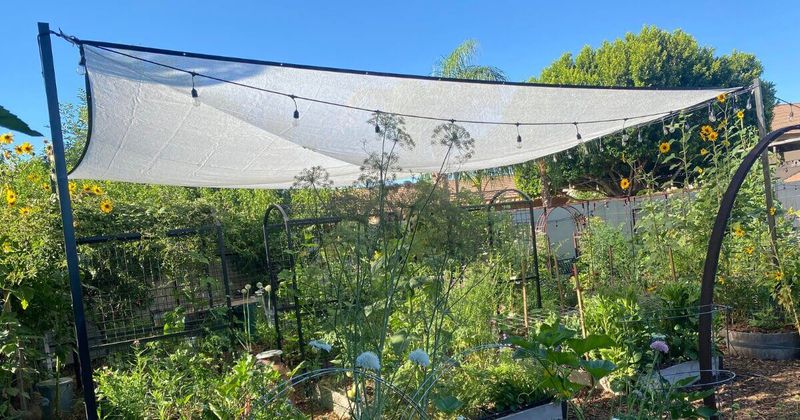
Some plants simply weren’t built for Georgia’s full summer sun, and no amount of watering changes that. Lettuce, spinach, cilantro, and certain herbs start to bolt or wilt fast once temperatures push into the upper 80s and beyond.
Giving them a little afternoon shade can extend their productive season by weeks.
Shade cloth is one of the most practical tools for this. A 30 to 40 percent shade cloth lets in plenty of light for most vegetables while blocking the harshest afternoon rays.
You can drape it over simple wire hoops or a basic wooden frame without much effort or expense. Garden centers in Georgia typically stock shade cloth by late spring.
Old bedsheets, burlap, or even lattice panels can work as temporary solutions if you don’t have shade cloth on hand. The goal is to block intense afternoon sun from roughly 1 to 5 p.m., when temperatures and UV intensity are at their highest.
Morning sun is fine and actually beneficial for most plants.
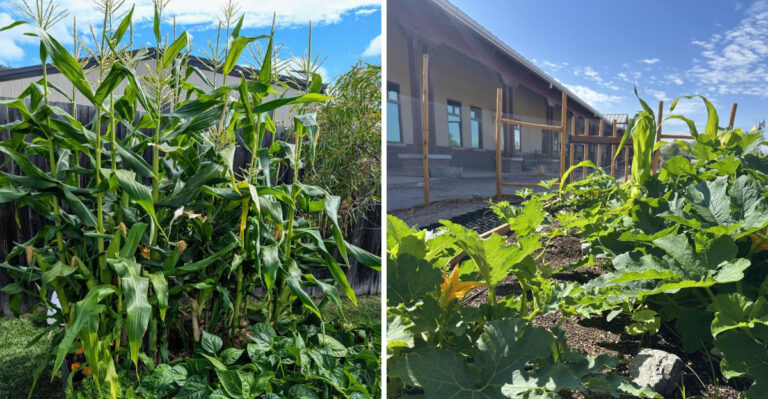
Positioning taller plants or trellised crops like pole beans on the south or west side of shorter, more sensitive plants is another approach. Sunflowers, corn, or staked tomatoes can cast useful shade over nearby beds without any extra materials required.