8 Arizona Plants That Thrive In Shallow Soil Without Deep Roots
Arizona gardens do not always come with deep soft soil ready for planting. Plenty of yards have stubborn ground that turns digging into a workout within minutes, especially in newer developments and rocky desert areas.
Fresh plants may look perfectly fine at first, then slowly struggle once roots run into compacted layers underneath the surface. Certain flowers and shrubs never really adapt, no matter how much extra soil gets added around them.
Choosing plants that naturally stay comfortable in shallow ground usually makes the entire yard easier to manage long term.
Quite a few desert friendly options stay healthy, colorful, and low maintenance without needing deep planting space to settle in properly.
1. Damianita Handles Thin Rocky Soil With Ease
Stubborn soil meets its match with Damianita. This small, shrubby plant from the Chihuahuan Desert region pushes right through gravelly, thin ground that would stop most other plants cold.
In Arizona, it is a favorite for rocky slopes and xeriscape designs where soil depth barely reaches six inches.
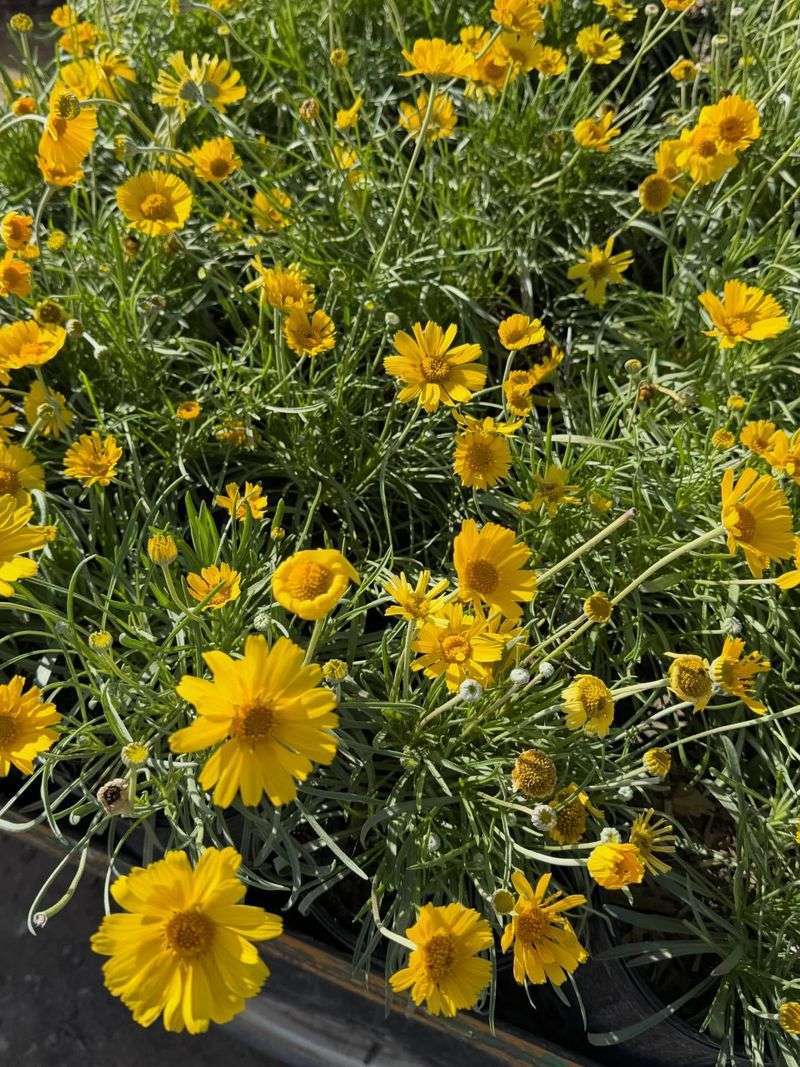
Damianita (Chrysactinia mexicana) stays compact, usually under two feet tall, and produces cheerful bright yellow flowers that bloom heavily in spring and again after summer rains.
The blooms are small but plentiful, covering the plant in a way that makes a big visual impact even in a tough landscape.
Bees and butterflies tend to visit regularly, which is a bonus for any pollinator-friendly yard.
One thing that stands out about Damianita is its strong, resinous scent. Brush against it and you will notice a sharp, herbal smell that some people find pleasant and others find intense.
Either way, it does not seem to bother the plant at all. Once established in an Arizona landscape, Damianita needs almost no supplemental water and handles full sun without complaint.
Planting in well-draining rocky soil rather than amended garden beds actually gives it the best chance to perform well long-term.
Heavy clay soil or spots that stay damp too long after irrigation can shorten its lifespan considerably, especially during cooler parts of the year when the soil dries more slowly.
2. Moss Verbena Spreads Across Shallow Gravel Areas
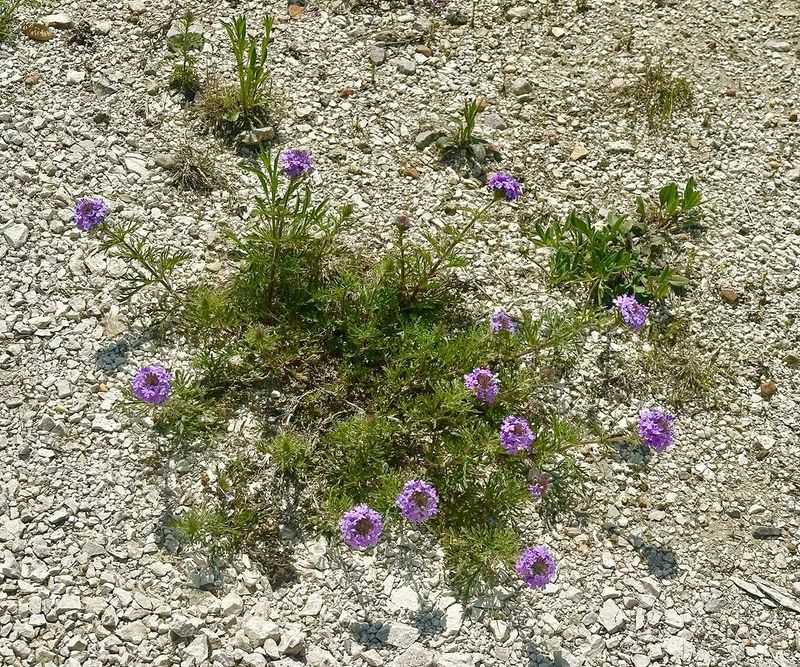
Few plants spread as willingly as Moss Verbena does across a gravel yard.
Its finely textured, almost feathery foliage creeps low to the ground, filling gaps between rocks and covering bare patches with a soft green mat that looks intentional even in the most casual landscape designs.
Verbena tenuisecta thrives in Arizona’s shallow, fast-draining soils where water moves quickly and nutrients stay limited. Rather than fighting those conditions, it uses them to its advantage.
The shallow root system anchors well in gravel and decomposed granite, which are two of the most common ground covers used in Arizona yards. Purple to lavender flowers appear consistently from late spring through fall, attracting pollinators in steady numbers.
Planting Moss Verbena along pathways or at the base of rocky slopes gives it room to spread naturally without crowding out taller plants nearby. It handles foot traffic poorly, so keep it away from high-traffic areas.
Your Arizona Garden Changes Every Week. Your Plan Should Too.
Gardening in Arizona changes quickly throughout the season. Every Friday you’ll receive a simple weekly plan showing exactly what to plant, prune, fertilize, harvest, and protect so you never miss the right timing.
In the Phoenix metro area and Tucson, it tends to stay semi-evergreen through mild winters, which keeps the landscape looking decent even in the cooler months.
Occasional deep watering during summer heat helps it stay lush, but overwatering in clay or compacted soil can cause root issues, so drainage always matters most with this plant.
Moss Verbena also works well spilling gently over the edges of low retaining walls or raised beds, where the trailing growth softens hard gravel lines without needing constant trimming.
3. Desert Marigolds Thrive In Fast Draining Ground
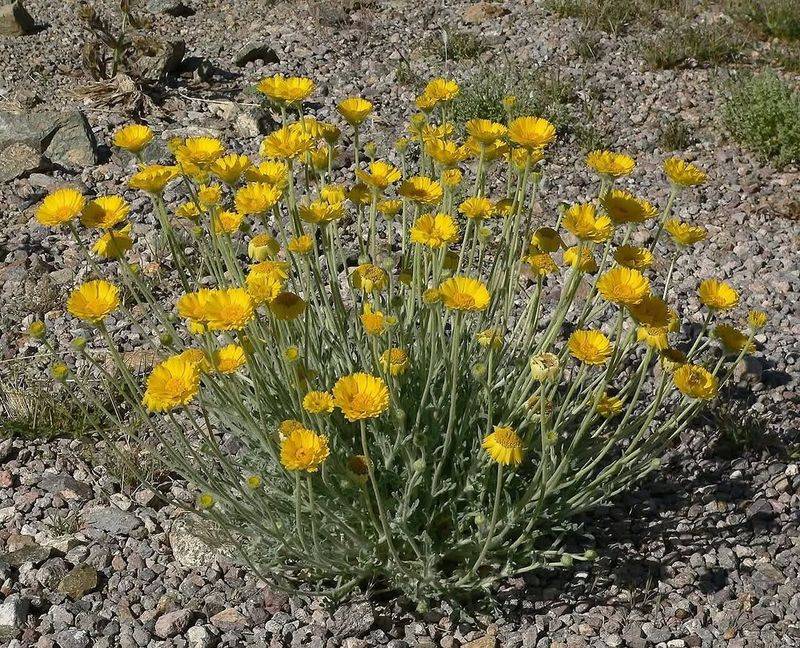
Bright gold flowers popping up from nearly bare ground is exactly what Desert Marigold does best. Baileya multiradiata is one of the most cheerful wildflowers you can grow in Arizona, and it asks for almost nothing in return.
Rocky, sandy, fast-draining soil is exactly where it wants to be.
What makes Desert Marigold stand out is its extended bloom season. In many Arizona locations, it flowers from spring all the way through late fall, with the right conditions pushing blooms nearly year-round in warmer zones.
The silvery-gray foliage adds texture even when the plant is not in full bloom, which helps it look attractive between flowering cycles rather than just disappearing into the background.
Planting Desert Marigold from seed directly in the ground works well in Arizona because it naturalizes easily and tends to reseed on its own once established. Avoid overwatering, especially in summer, because wet roots in warm soil can cause problems quickly.
Space plants about 18 inches apart to give them room to fill out without competing for the limited moisture available in shallow ground.
Along roadsides, in medians, and across open desert areas throughout the state, Desert Marigold proves every season that shallow soil is no obstacle when the plant is truly suited to the place it grows.
Cutting back spent flower stalks occasionally can encourage another strong flush of blooms and keep the plant looking tidier through the hotter parts of the season.
4. Angelita Daisy Blooms Well In Rocky Soil
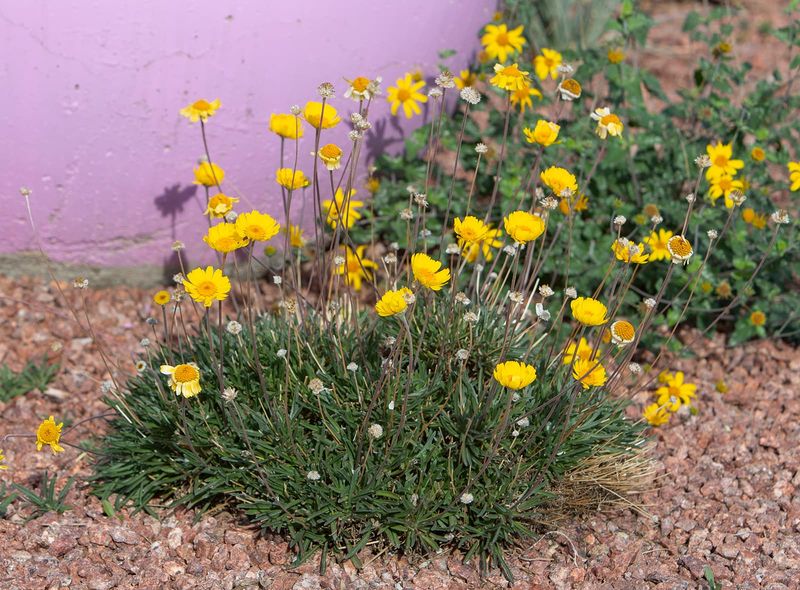
Rocky soil is not a problem for Angelita Daisy. It is practically a preference.
Tetraneuris acaulis, commonly called Angelita Daisy or Four-nerve Daisy, sits low to the ground and pushes up cheerful yellow flowers almost continuously in mild Arizona weather. It looks delicate but handles tough conditions without much fuss.
One of its most practical qualities is size. Angelita Daisy stays small, typically reaching only eight to twelve inches tall and wide, which makes it useful in spots where larger plants would crowd out the space.
Rock gardens, pathway edges, and container plantings in Arizona all work well for this plant. Its shallow roots anchor easily in decomposed granite and loose rocky soil without needing amended beds or added compost.
Bloom time in Arizona typically stretches from late winter through early summer and then picks up again in fall when temperatures cool down.
During peak summer heat in lower desert areas, the plant may slow down a bit, but it does not struggle the way many non-native plants do.
Full sun is non-negotiable for good flowering. Partial shade tends to reduce bloom production noticeably.
Watering every week or two during the growing season keeps it performing well, but established plants in Arizona’s rocky landscapes can often go longer between waterings once their root system is settled in.
Removing old flower stems every so often helps the plant stay fuller and encourages more consistent blooming instead of letting it become sparse and leggy over time.
5. Desert Zinnia Performs Well In Limited Soil Depth
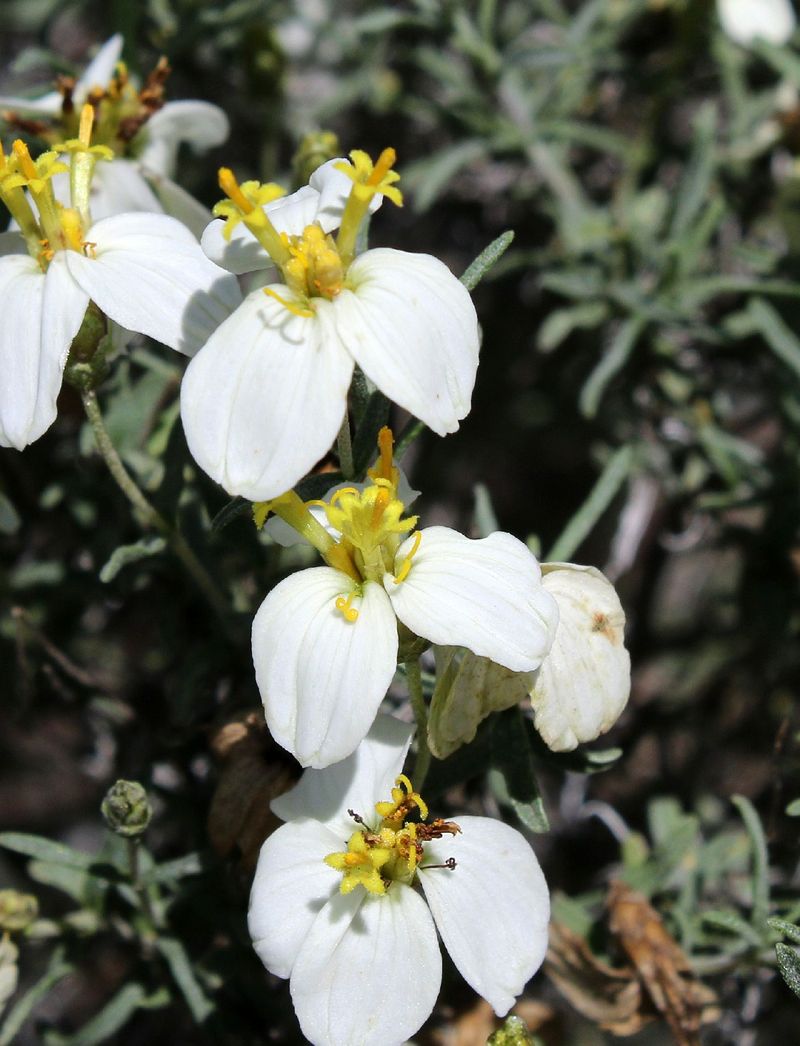
You would not expect a zinnia to grow in nearly bare rocky ground, but Desert Zinnia breaks that expectation completely.
Zinnia acerosa is a native Arizona wildflower that evolved specifically for thin, shallow, well-drained soils where water disappears fast and nutrients stay scarce.
It is built for exactly the kind of ground that frustrates most gardeners.
The flowers are small and white with yellow centers, blooming steadily from spring through fall across much of Arizona.
Plants stay low and mounding, usually under one foot tall, which makes them excellent for filling gaps in rock gardens or softening the edges of gravel pathways.
The silvery-green foliage holds up well even in intense summer heat, which is not something every small flowering plant can manage in Arizona’s lower desert zones.
Established Desert Zinnia plants are remarkably drought-tolerant. Once they have settled in, supplemental watering once or twice a month during summer is usually enough to keep them blooming.
Avoid planting in areas where water pools after rain because prolonged moisture around the roots causes more harm than dry conditions ever would.
Seeding directly into rocky ground in fall gives germination the best chance, since the plants emerge naturally with cooler temperatures.
Across Arizona’s Sonoran Desert landscape, Desert Zinnia earns its place as a reliable, low-effort native that genuinely thrives where others struggle.
6. Trailing Lantana Grows Nicely Along Shallow Slopes
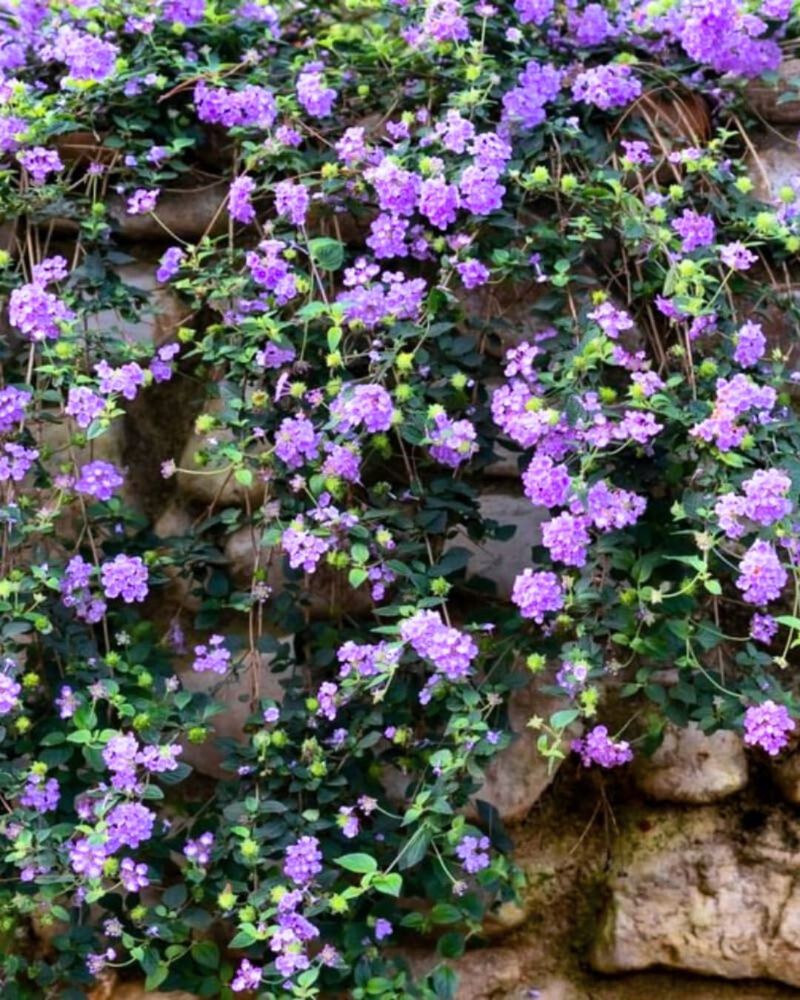
Slopes in Arizona yards can be brutal to plant. Thin soil, fast runoff, intense reflected heat, and almost no moisture retention make most plants struggle from day one.
Trailing Lantana handles all of that without looking stressed, which is why it shows up in so many Arizona landscapes along hillsides and embankments.
Lantana montevidensis spreads horizontally rather than growing tall, which makes it excellent for slope stabilization in areas where the soil is only a few inches deep.
Roots spread wide rather than deep, holding the surface soil in place during heavy monsoon rains.
Purple to lavender flowers appear from spring through fall and attract butterflies in noticeable numbers, especially during the monsoon season when insect activity peaks across Arizona.
Trailing Lantana handles full sun and reflected heat well, which puts it ahead of many other flowering ground covers in low-desert applications. Avoid planting it in areas with poor drainage or where water collects, since standing moisture encourages root problems.
In frost-prone areas of Arizona, including higher elevation zones, it may get knocked back in winter but typically recovers in spring from the root base. Spacing plants three to four feet apart gives them room to fill in naturally without overcrowding.
Once established, monthly watering during summer is often sufficient, making it one of the more water-efficient flowering ground covers available for shallow Arizona slopes.
7. Globe Mallow Tolerates Dry Rocky Conditions Easily
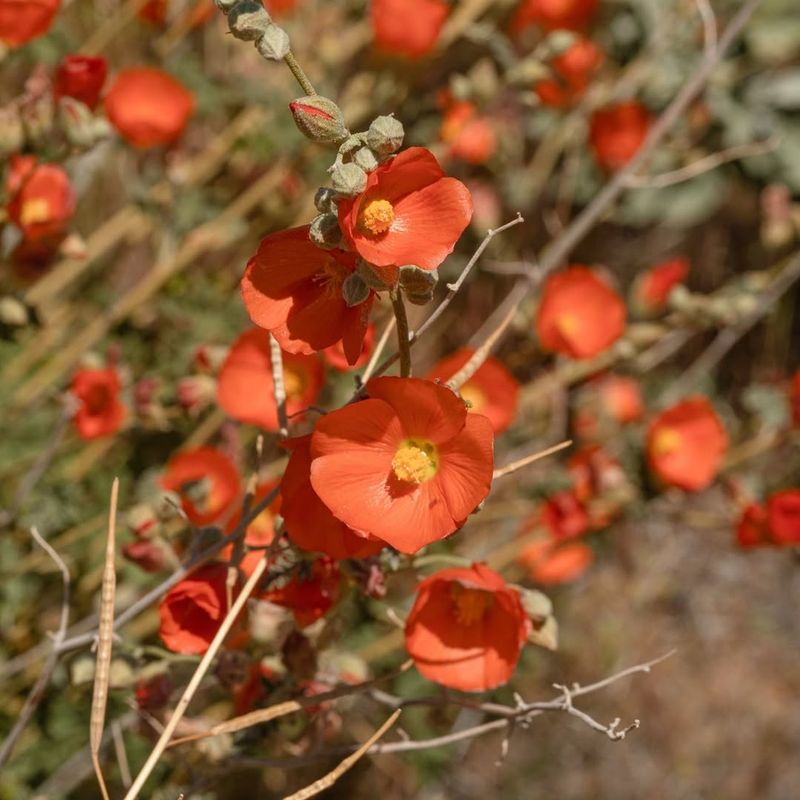
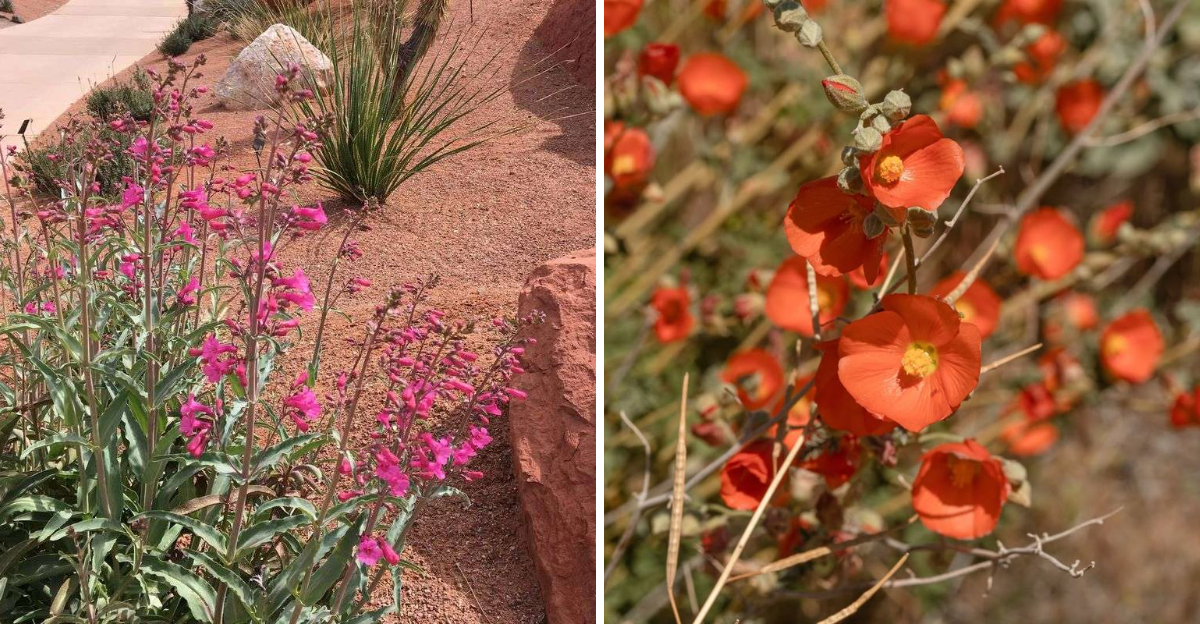
Bright orange flowers rising out of nearly bare rocky ground is a sight most Arizona hikers recognize immediately.
Globe Mallow, or Sphaeralcea ambigua, is one of the most adaptable native plants in the state, capable of establishing in shallow, rocky, dry soil that would challenge almost anything else you tried to grow there.
What makes Globe Mallow especially useful is its vertical presence without demanding deep soil. It grows two to four feet tall, adding height to a landscape without needing the kind of root depth that larger shrubs require.
The silvery, feltlike leaves reflect heat and reduce water loss, which helps the plant stay functional through Arizona’s most intense summer stretches.
Flowers come in orange, coral, pink, and occasionally white, depending on the variety, and bloom heaviest in spring with a second flush after monsoon rains.
Globe Mallow reseeds readily in Arizona’s rocky desert soils, which means one plant can eventually populate a larger area without any effort on your part. If you want to control spread, remove spent flower heads before seeds drop.
Hummingbirds and native bees both visit Globe Mallow regularly, making it a solid choice for wildlife-friendly landscaping.
Planting in full sun with no irrigation beyond establishment watering keeps it performing naturally and avoids the overly lush growth that can make it flop over in richer soils.
8. Parry’s Penstemon Adapts Well To Thin Desert Soil
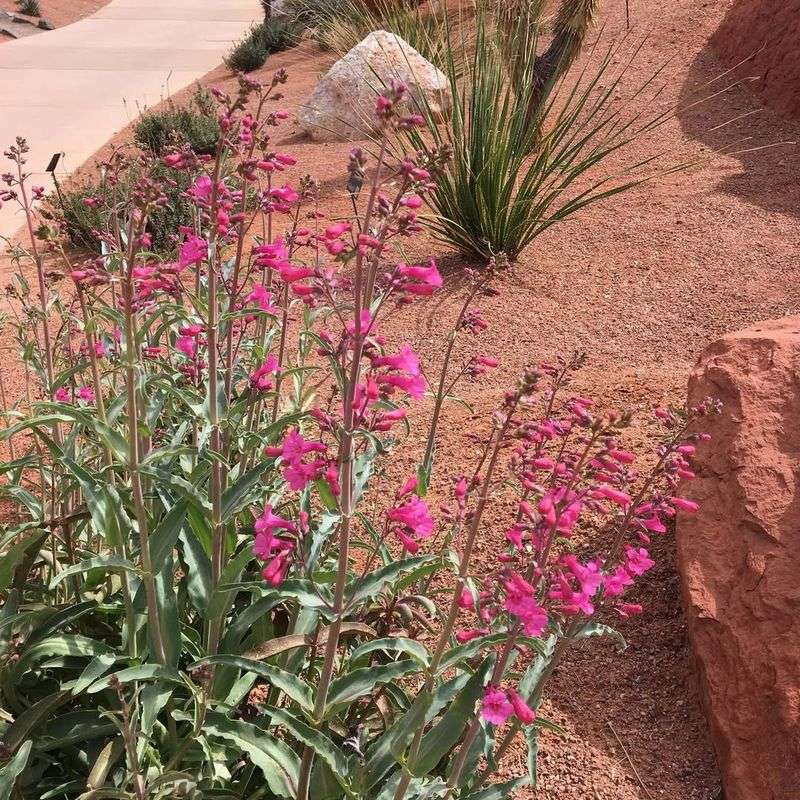
Tall, tubular pink flowers shooting up from rocky ground in early spring is one of the most striking sights in an Arizona native garden.
Parry’s Penstemon, or Penstemon parryi, pulls that off while growing in some of the thinnest, least-amended soil conditions in the state.
Hummingbirds flock to its blooms almost immediately after they open, which makes it a standout plant for wildlife-focused yards.
What surprises many gardeners is how well Parry’s Penstemon performs without any soil improvement.
Rocky decomposed granite, gravel mulch, and shallow caliche-influenced soils are all environments where this plant has been observed growing successfully across Arizona’s Sonoran Desert region.
Root systems stay relatively compact and shallow, which suits the rocky terrain where the plant naturally occurs in the wild.
Bloom time typically runs from February through April in lower elevation Arizona areas, making it one of the earliest reliable color sources in the native garden calendar.
After blooming, the plant goes semi-dormant in summer heat, which is completely normal behavior and not a sign of trouble.
Cutting back spent flower stalks after seed set keeps the plant tidy and can encourage a secondary flush of growth. Avoid planting in areas with poor drainage since wet summer roots are a real concern.
Spacing plants 18 to 24 inches apart gives each one enough room to develop properly without competition in thin desert soil.