7 Tricks To Get Your Snake Plant To Bloom In Arizona
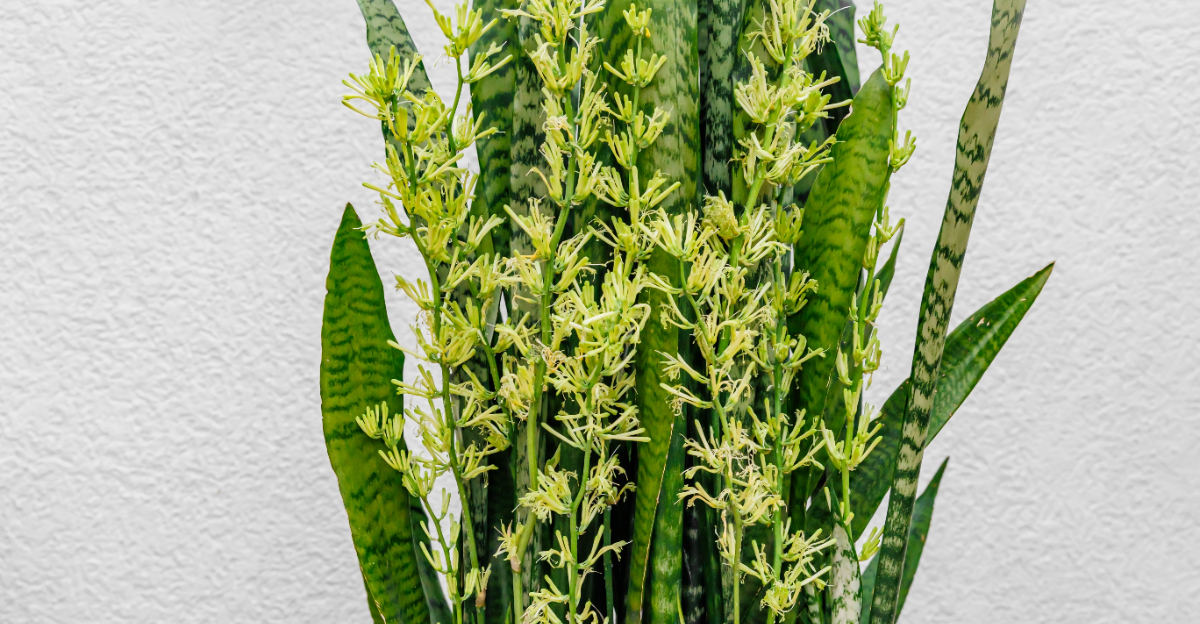
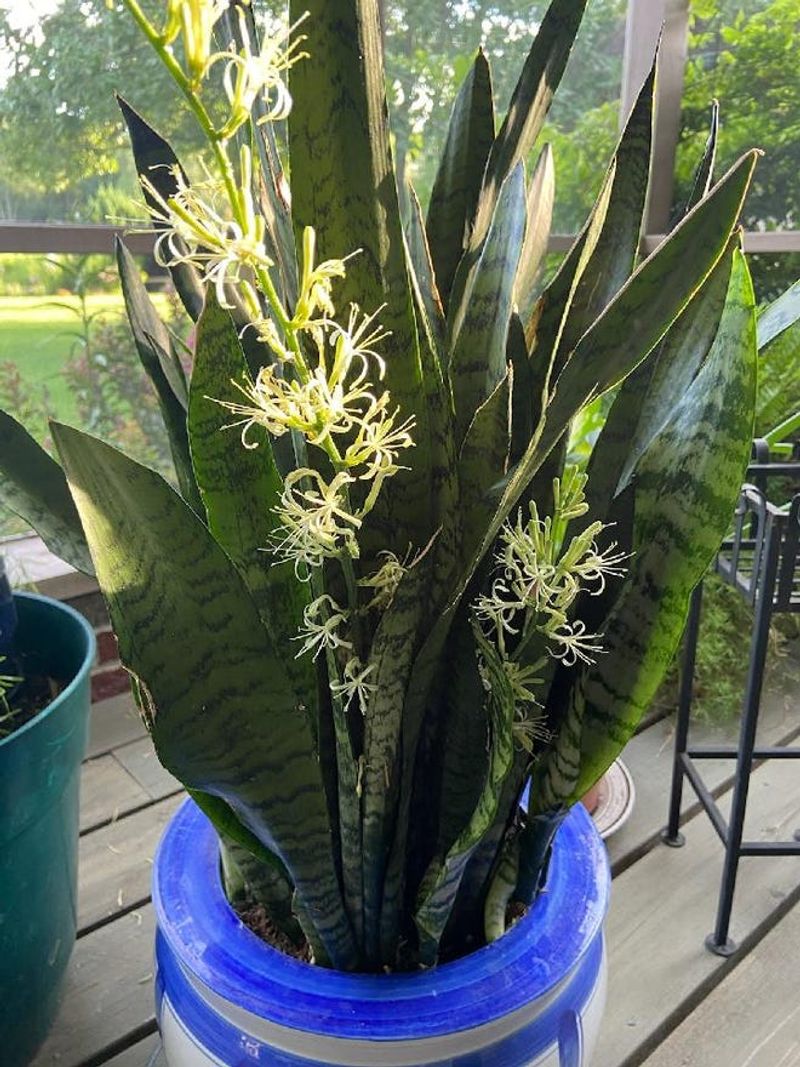
Snake plant blooms feel almost unreal the first time they appear indoors.
A plant that spent months quietly sitting in the corner suddenly sends up a tall stalk that looks completely different from the rest of the leaves, which catches attention fast in most homes.
That surprise becomes an even bigger conversation piece because many snake plants never bloom at all. Some stay unchanged for years while others suddenly bloom once conditions shift at the right time.
Arizona homes create a very different environment for indoor plants compared to cooler climates, especially during late spring and summer.
Small details around placement, light, and indoor conditions can end up mattering much more than expected with snake plants.
1. Bright Morning Sun Often Encourages More Flowering
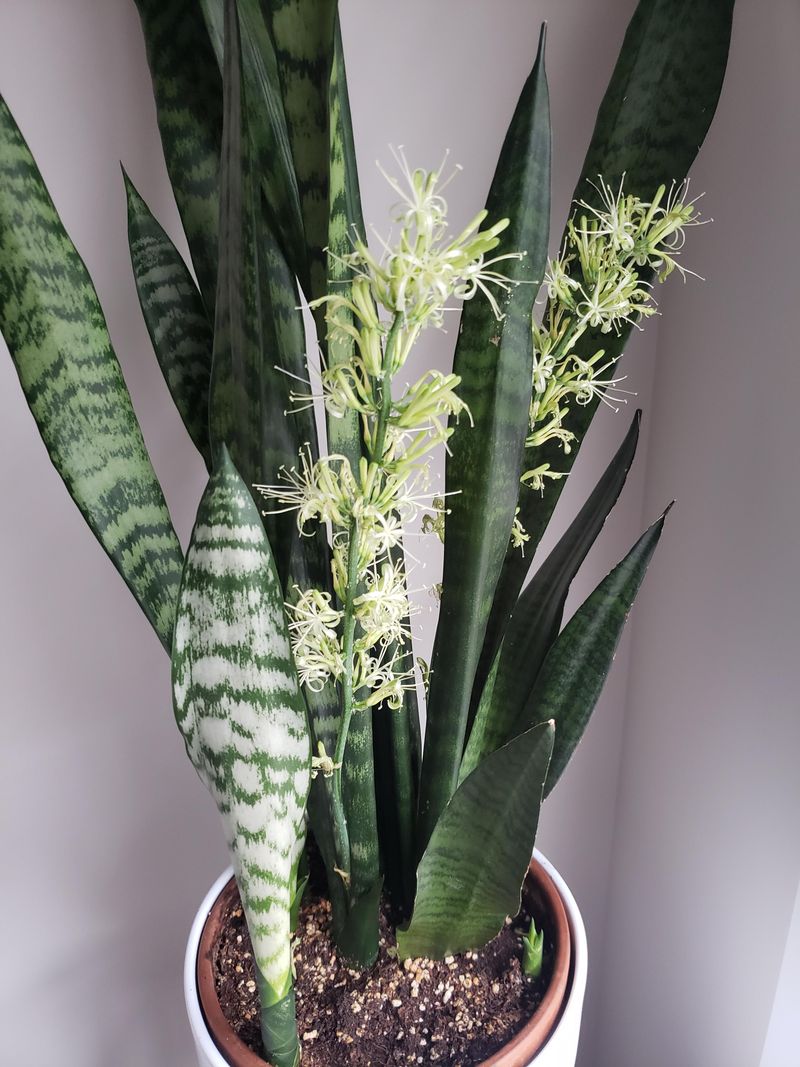
Sunlight is one of the biggest triggers for flowering in snake plants, and Arizona has plenty of it. Placing your plant where it catches direct morning light for two to four hours can push it toward blooming.
East-facing windows work especially well because the morning sun is bright but not harsh enough to scorch the leaves.
Arizona afternoons get intense, and full afternoon sun through a west or south window can stress the plant rather than help it. Morning exposure gives the energy boost the plant needs without the brutal heat that comes later in the day.
A spot near an east-facing window or a shaded patio that gets early sun is a solid choice here in the Sonoran Desert region.
Snake plants that sit in low light for years rarely bloom. Moving a plant from a dim corner to a brighter spot can change its behavior noticeably within a single growing season.
It may take a few months, but the shift in light often kicks the plant into a more active reproductive state.
Consistency matters just as much as intensity. A plant that gets reliable morning light day after day is more likely to bloom than one moved around frequently.
Once you find a good bright morning spot in your Arizona home, leave the plant there and let it settle in for the long haul.
2. Slightly Root Bound Plants Tend To Bloom More Easily
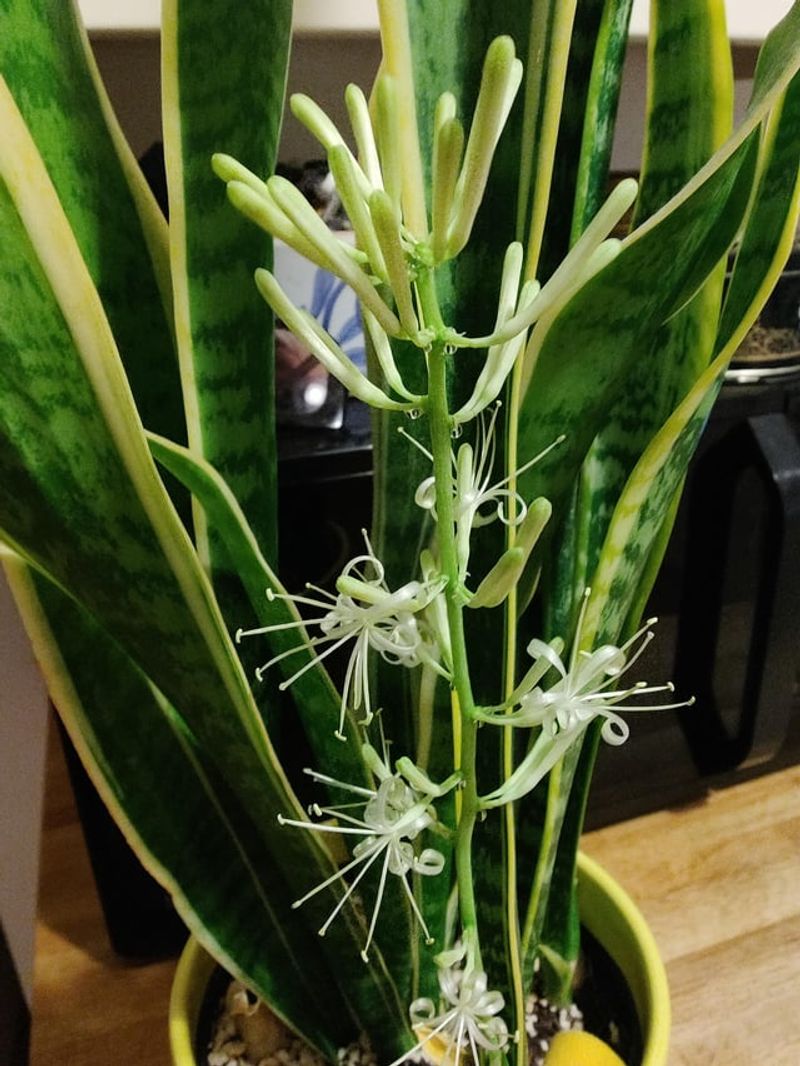
Crowded roots might sound like a problem, but for snake plants, a tight pot can actually be the push they need to flower. When roots fill the container and have nowhere else to grow, the plant shifts its energy away from producing more foliage and toward reproduction.
That reproductive drive is exactly what leads to a bloom spike.
Gardeners in Arizona often notice that snake plants left in the same pot for three or more years are far more likely to flower than those freshly repotted. Repotting resets the plant and gives the roots new space to explore, which delays flowering.
If your goal is blooms, hold off on moving the plant to a bigger container until after it has had a chance to flower.
Signs that your plant is root bound include roots poking out of the drainage holes or the plant pushing itself slightly upward out of the pot. Neither of these is an emergency.
Your Arizona Garden Changes Every Week. Your Plan Should Too.
Gardening in Arizona changes quickly throughout the season. Every Friday you’ll receive a simple weekly plan showing exactly what to plant, prune, fertilize, harvest, and protect so you never miss the right timing.
The plant is just letting you know it has filled its space, and that is actually good news for bloom potential.
Not every root bound plant will flower, since other factors like light and water also play a role. But keeping your snake plant slightly snug in its pot is one of the easiest, lowest-effort steps you can take toward getting a bloom in your Arizona home.
No special products or tools needed, just patience and restraint when the urge to repot strikes.
3. Heavy Watering Can Slow Flower Production
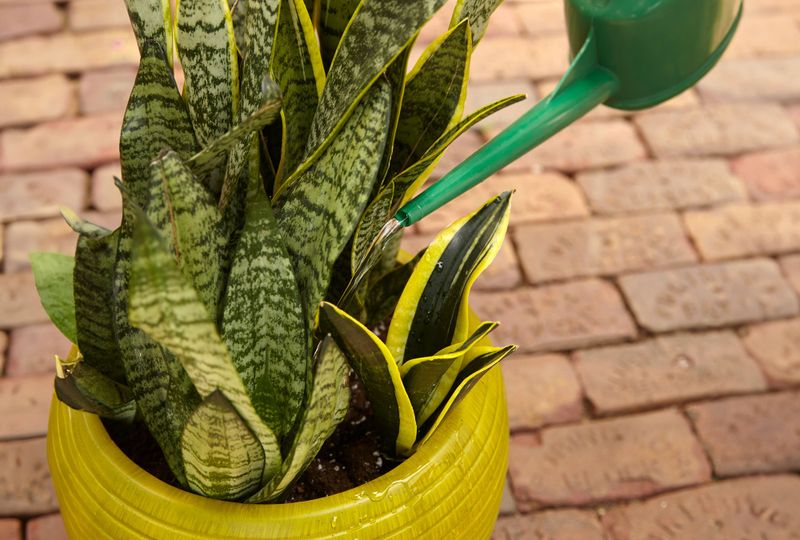
Overwatering is probably the most common mistake snake plant owners make, and in Arizona it can be especially damaging. The desert heat speeds up evaporation outdoors, but inside an air-conditioned home, soil stays wet much longer than people expect.
Wet roots sitting in soggy soil struggle to function properly, and a stressed root system rarely supports flowering.
Snake plants prefer to dry out almost completely between waterings. During the warmer months in Arizona, watering once every two to three weeks is usually enough.
In winter, once a month or even less is often plenty. Checking the soil with your finger before watering is the most reliable method, and if the top two inches still feel damp, wait a few more days.
A plant that is consistently overwatered puts its energy into surviving rather than reproducing. Root problems caused by excess moisture make it harder for the plant to absorb nutrients efficiently, which limits its ability to produce a flower stalk.
Cutting back on water and letting the soil go dry is sometimes all it takes to shift the plant into a more productive state.
Arizona summers can tempt gardeners to water more often because the air feels so dry. Resist that instinct indoors.
The plant does not experience the outdoor heat the same way inside a cooled space. Treat your indoor snake plant like a true desert survivor, water sparingly, and let it show you what it can do when its roots are healthy and happy.
4. Warm Indoor Temperatures Support Healthier Growth
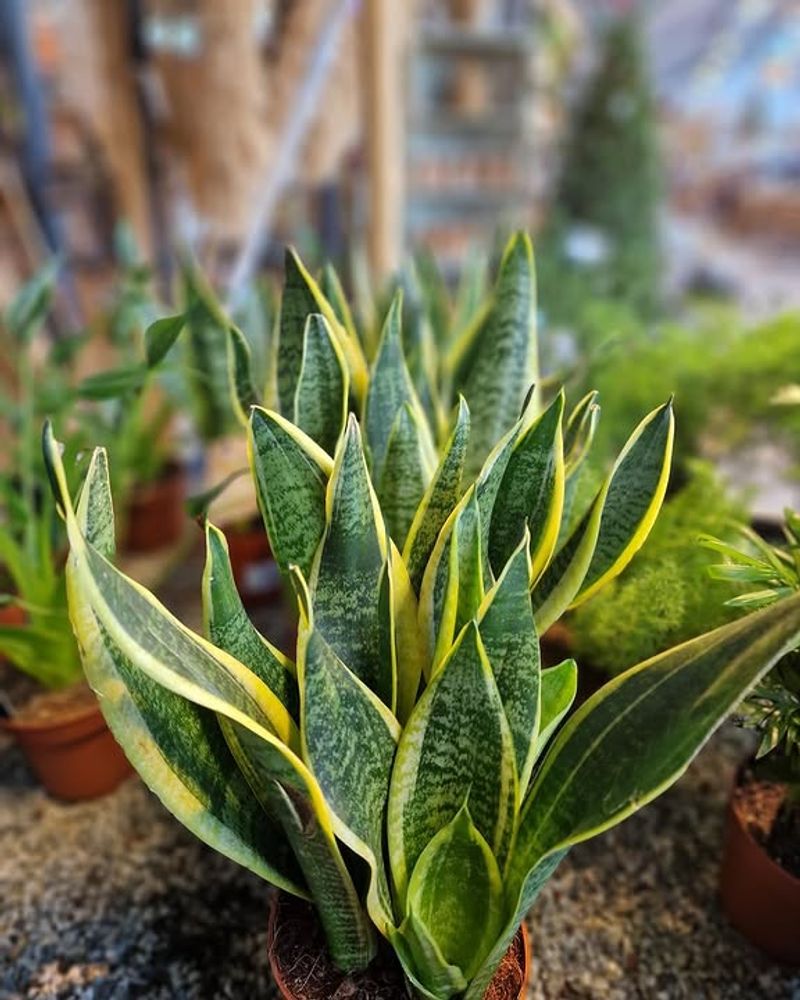
Snake plants come from tropical and subtropical regions of West Africa, so warm temperatures feel completely natural to them.
Arizona homes stay warm for most of the year, which gives local growers a real advantage when it comes to encouraging consistent growth and eventual flowering.
Temperatures between 60 and 85 degrees Fahrenheit are ideal, and most Arizona interiors fall right in that range without much effort.
Cold drafts are one of the hidden obstacles to healthy snake plant growth. Placing a plant near an air conditioning vent or in a room that gets very cold at night can slow its growth significantly.
Even in a warm climate like Arizona, night temperatures near vents or exterior walls can drop enough to cause the plant to go dormant or simply stall out.
Dormancy is not harmful on its own, but a plant that spends too much time in a cold or fluctuating environment will not have the steady energy reserves needed to produce a flower stalk.
Consistent warmth keeps the plant actively growing, and active growth is a prerequisite for blooming. Moving the plant away from cold spots in the home can make a surprisingly big difference.
Rooms that stay naturally warm throughout the day, like a sunroom or a south-facing living room in an Arizona home, tend to produce the most active snake plants.
Stable warmth paired with good light creates the kind of environment where flowering becomes a realistic possibility rather than a rare accident.
5. Older Plants Usually Bloom More Reliably Over Time
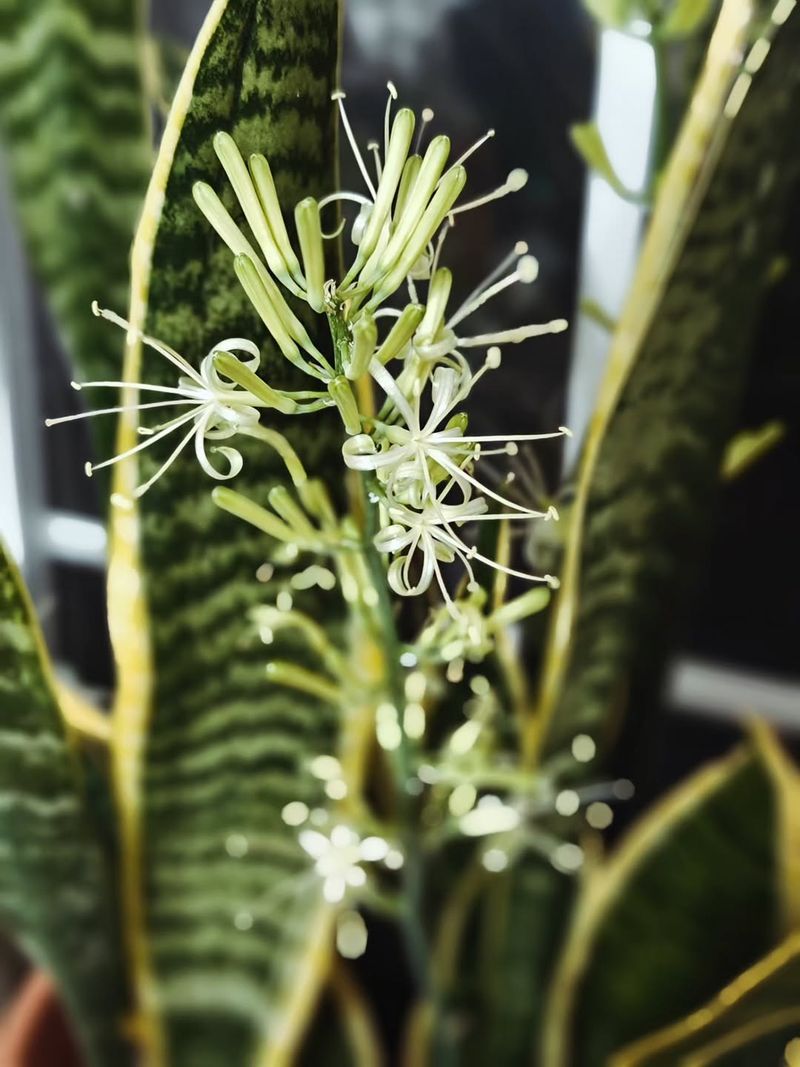
Patience pays off with snake plants. Young plants, especially those under three years old, rarely produce flowers no matter how well you care for them.
Blooming is something that tends to happen once the plant has had enough time to mature and build up a solid reserve of energy. In Arizona, where growing conditions are favorable for most of the year, maturity often comes faster than in cooler climates.
A plant that has been growing in the same pot for four or five years and has multiple leaf clusters, called rosettes, is in a much better position to bloom than a small single rosette.
Each rosette can potentially send up its own flower stalk, so a fuller, more established plant has more opportunities to flower in a given season.
Letting your plant grow and multiply without constantly dividing it gives it the best shot.
Some Arizona gardeners have reported their snake plants blooming for the first time after years of basic care with no special treatment at all.
The combination of age, accumulated root mass, and consistent warm temperatures eventually tips the plant into flowering mode on its own.
That does not mean you cannot speed things up with the other tips in this article, but age is something no shortcut can fully replace.
Keeping records of when you got your plant and how it has grown over the years helps you gauge where it is in its life cycle.
A plant you have had for six or seven years in your Arizona home is genuinely ready to bloom, and small tweaks to light or water may be all it needs to finally do so.
6. Fast Draining Soil Helps Prevent Root Problems
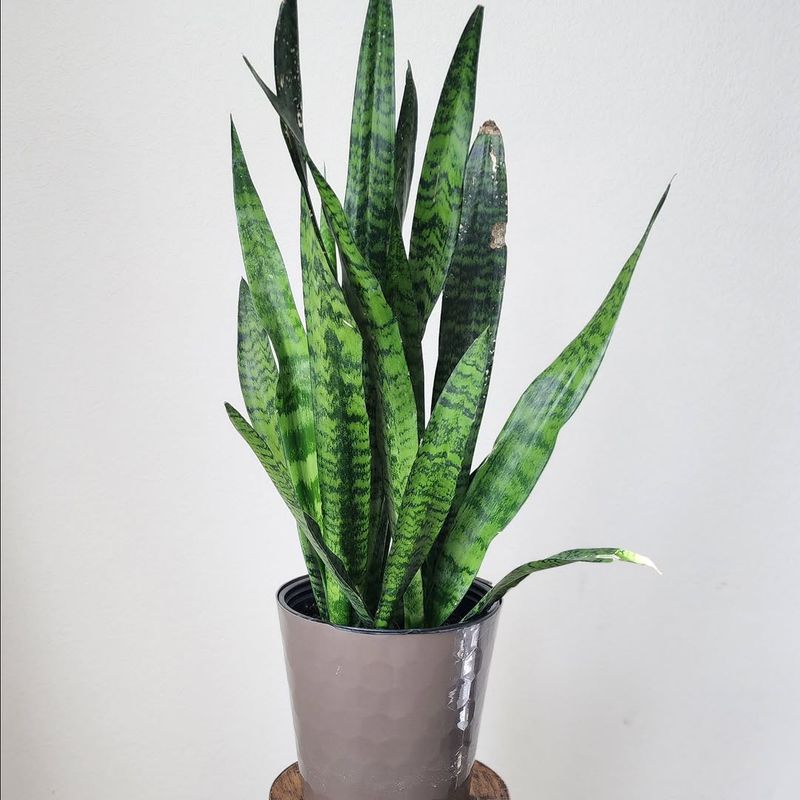
Soil quality is one of those things that quietly determines whether a snake plant thrives or just survives. Regular potting mix holds moisture for too long, especially in air-conditioned Arizona homes where evaporation is slower than outdoors.
A fast-draining mix allows excess water to pass through quickly, which keeps roots oxygenated and healthy enough to support flowering.
Cactus and succulent soil blends work extremely well for snake plants. Adding perlite or coarse sand to a standard potting mix is another option that improves drainage significantly.
A ratio of about half regular potting mix and half perlite gives you a blend that drains well but still holds just enough moisture for the roots to absorb what they need.
Root health is directly connected to bloom potential. Roots that sit in dense, wet soil are more vulnerable to rot and less efficient at absorbing nutrients.
A plant dealing with root stress spends its energy on basic survival rather than flowering. Switching to a grittier, faster-draining mix is one of the most practical things an Arizona gardener can do to set up a snake plant for long-term success.
Terracotta pots pair especially well with fast-draining soil because the clay walls absorb excess moisture and allow air exchange around the root zone.
Plastic pots retain more moisture, which can work against you if you are already dealing with a heavier soil mix.
Combining the right soil with the right container creates the kind of growing environment where roots stay healthy and blooms become far more likely.
7. Consistent Light Conditions Reduce Plant Stress
Constantly moving a snake plant from room to room is one of the quieter ways people accidentally prevent it from blooming. Plants respond to their environment over time, and every major change in light level forces the plant to readjust.
That readjustment takes energy, and energy spent on adapting is energy not spent on producing flowers.
Picking one good spot and keeping the plant there is genuinely underrated advice. Arizona homes tend to have strong, consistent natural light for much of the year, which is a huge advantage.
A spot near an east or north-facing window that gets reliable, predictable light day after day is far more valuable than a brighter spot the plant gets moved to and from.
Seasonal changes in sunlight angle are natural and unavoidable, but sudden moves from low light to high light or vice versa can cause the plant to drop leaves or stall its growth cycle.
If you want to move the plant to a brighter location, do it gradually over several weeks, shifting it closer to the light source a little at a time.
Stress-free plants have more resources available for reproduction.
A snake plant that has been sitting comfortably in the same Arizona corner for a year or two, receiving steady light without interruption, is much more likely to surprise you with a flower stalk than one that has been shuffled around the house.
Stability is a form of care that does not get enough credit, and for snake plants, it can make all the difference.