Why Citrus Trees In Arizona Start Dropping Fruit In April And How To Prevent It
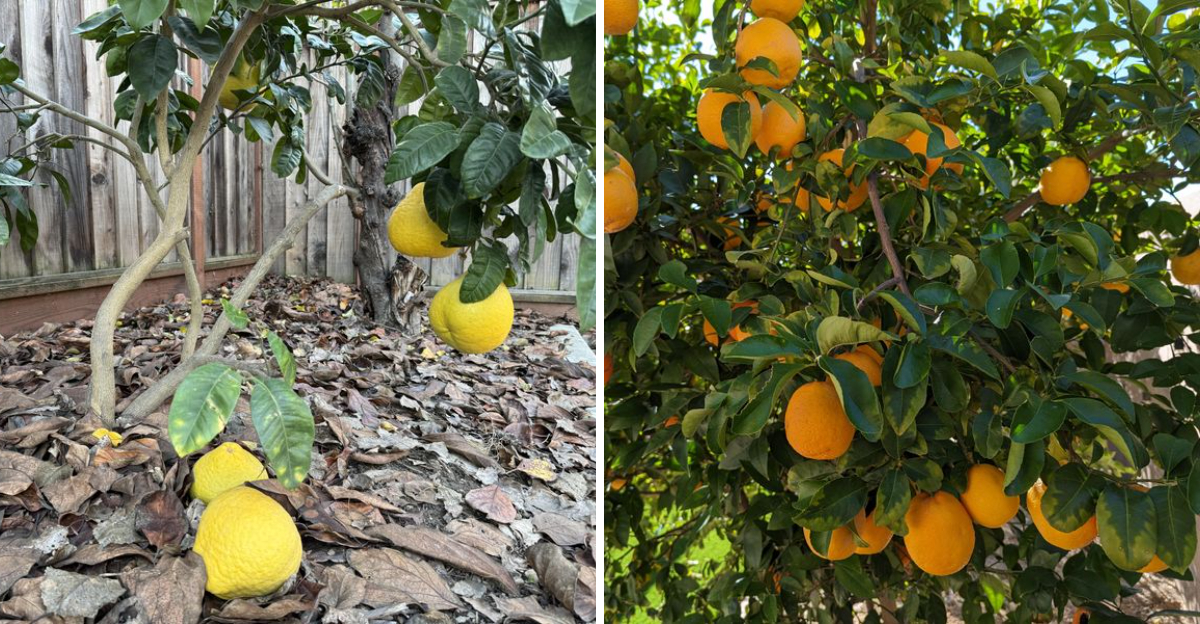
Fruit starts dropping from citrus trees in Arizona right when everything seems to be going well, which makes it feel sudden and frustrating.
Small lemons, oranges, or limes fall to the ground while the tree still looks full and healthy, so it is easy to assume something went wrong overnight. April is a turning point that does not get enough attention.
Temperatures begin to rise, the tree pushes energy into growth and fruit at the same time, and even slight imbalance can trigger early drop. What looks like a strong tree can shift quickly once that pressure builds.
Early fruit drop is not always a problem on its own, but it can turn into one when the tree struggles to keep up.
This short window decides how much fruit stays and how well the tree handles the heat that follows, and small changes made now can make a noticeable difference.
1. Natural Fruit Drop Happens As Trees Self-Thin In Spring
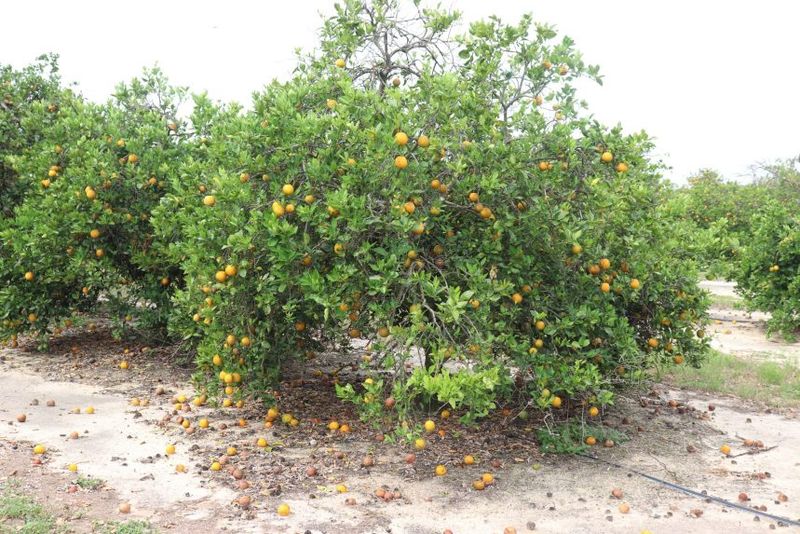
Citrus trees are smarter than most people give them credit for. Every spring, they go through a self-thinning process where they shed fruit they simply cannot support.
It’s not a malfunction — it’s the tree managing its own energy budget.
In Arizona, this natural thinning typically begins in late March and continues through April and into early summer. You’ll often see small, marble-sized fruit on the ground beneath the canopy.
That’s the tree deciding which fruit gets the nutrients and which ones get cut loose.
A single citrus tree can set hundreds or even thousands of flowers during bloom season. Carrying all of that fruit to maturity would exhaust the tree’s resources completely.
Shedding a portion is how the tree protects the fruit that remains.
Gardeners sometimes try to stop this drop by adding extra water or fertilizer, thinking the tree is struggling. That can actually backfire and create more stress rather than less.
Watching and waiting is usually the smarter move during this phase.
2. Sudden Heat And Dry Soil Trigger Early Fruit Drop
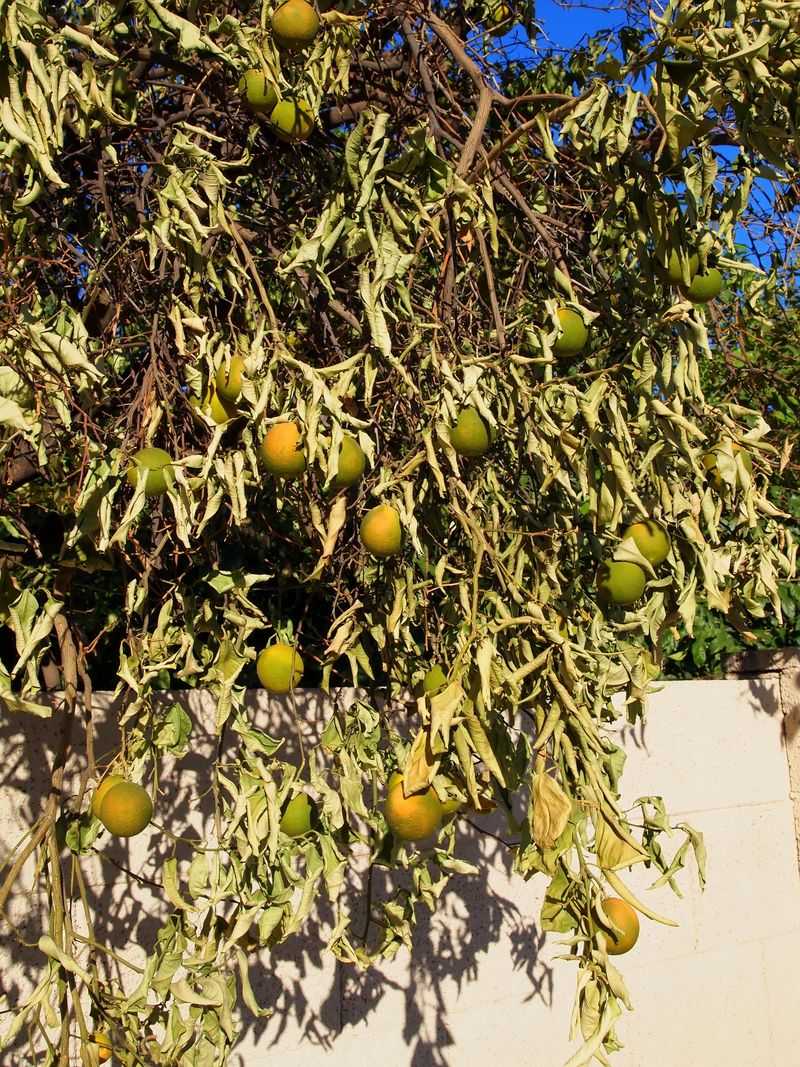
April in Arizona can flip from comfortable to brutally hot within a few days. When temperatures spike suddenly and the soil hasn’t had a recent deep watering, citrus trees respond by dropping fruit fast.
It’s a survival response, not a gardening failure.
When heat hits hard and soil moisture is low, the tree pulls water from wherever it can — including the developing fruit. Fruit that can’t get enough moisture simply detaches and falls.
You’ll often see this happen within a day or two of a significant temperature jump.
The tricky part about Arizona springs is how unpredictable they are. A week of mild weather followed by a 100-degree day is not unusual, especially in the Phoenix and Tucson areas.
Citrus trees don’t adjust quickly to those swings, and the fruit pays the price.
Dry, compacted soil makes the problem worse because water doesn’t penetrate deeply even when you do water. Shallow watering leads to shallow roots, and shallow roots can’t access the moisture reserves the tree needs during a heat event.
Your Arizona Garden Changes Every Week. Your Plan Should Too.
Gardening in Arizona changes quickly throughout the season. Every Friday you’ll receive a simple weekly plan showing exactly what to plant, prune, fertilize, harvest, and protect so you never miss the right timing.
3. Watering Inconsistency Causes Stress And Fruit Loss
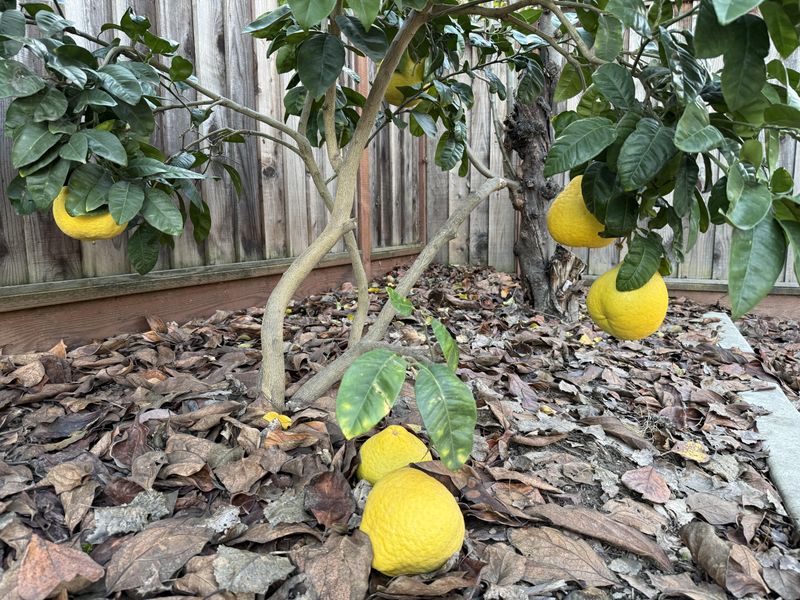
Erratic watering is one of the most common reasons citrus trees in Arizona drop fruit ahead of schedule. Going from bone dry to soaking wet and back again puts the tree in a constant state of stress, and stressed trees shed fruit to cope.
Citrus roots need a consistent moisture level to keep fruit development on track. When the soil dries out completely between waterings, the tree starts pulling water from the fruit.
When you then flood it with water, the tree can experience a kind of shock that also triggers drop. Neither extreme is good.
In Arizona’s desert climate, soil dries out much faster than in other parts of the country. What works as a weekly watering schedule in a humid state won’t cut it here, especially once April temperatures start climbing.
Most established citrus trees in the Phoenix and Tucson areas need deep watering every one to two weeks depending on heat and soil type.
Drip irrigation systems are popular here for a reason — they deliver water slowly and directly to the root zone, which reduces runoff and helps maintain more even moisture levels.
But even a drip system needs to run long enough to actually wet the soil two to three feet deep.
4. Deep, Consistent Watering Helps Reduce Stress Drop
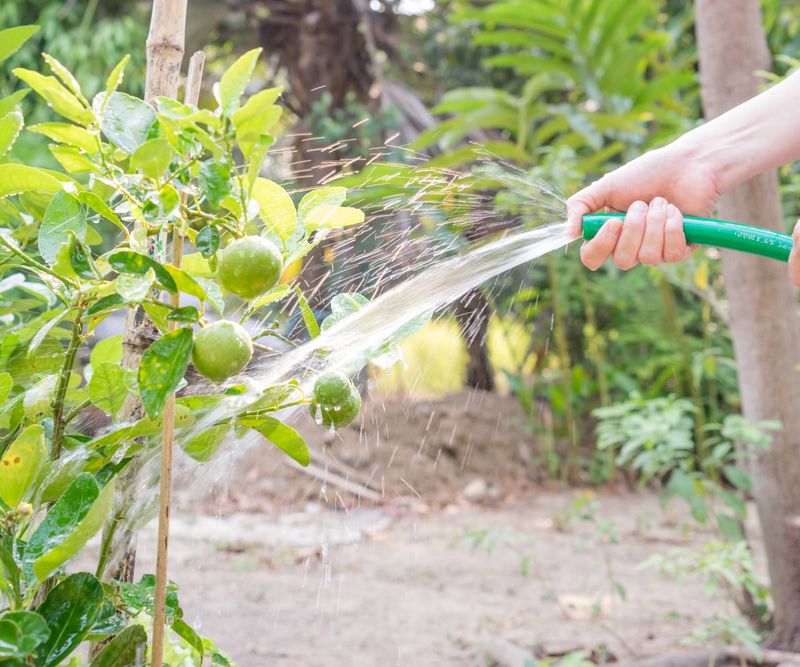
Switching from shallow, frequent watering to deep, less frequent watering is one of the most practical changes Arizona citrus growers can make in April.
Deep watering encourages roots to grow further down into the soil, where moisture stays more stable even during hot spells.
Shallow watering keeps roots close to the surface, which is the worst place to be when Arizona heat cranks up. Surface soil can dry out in a matter of hours on a hot April afternoon.
Roots sitting in that zone get stressed quickly, and the tree responds by dropping fruit.
Aiming to wet the soil at least two to three feet deep per watering session gives the root system access to a real moisture reserve.
For most drip systems in Arizona, that means running irrigation long enough for water to penetrate well below the top layer of soil — which often takes longer than people expect.
Spacing out waterings also matters. Letting the soil dry slightly between sessions encourages roots to reach deeper searching for moisture, which builds a stronger root system over time.
But “slightly dry” doesn’t mean cracked and parched — there’s a difference, and learning to read your specific soil type helps.
5. Mulch Keeps Roots Cooler And Moisture More Stable
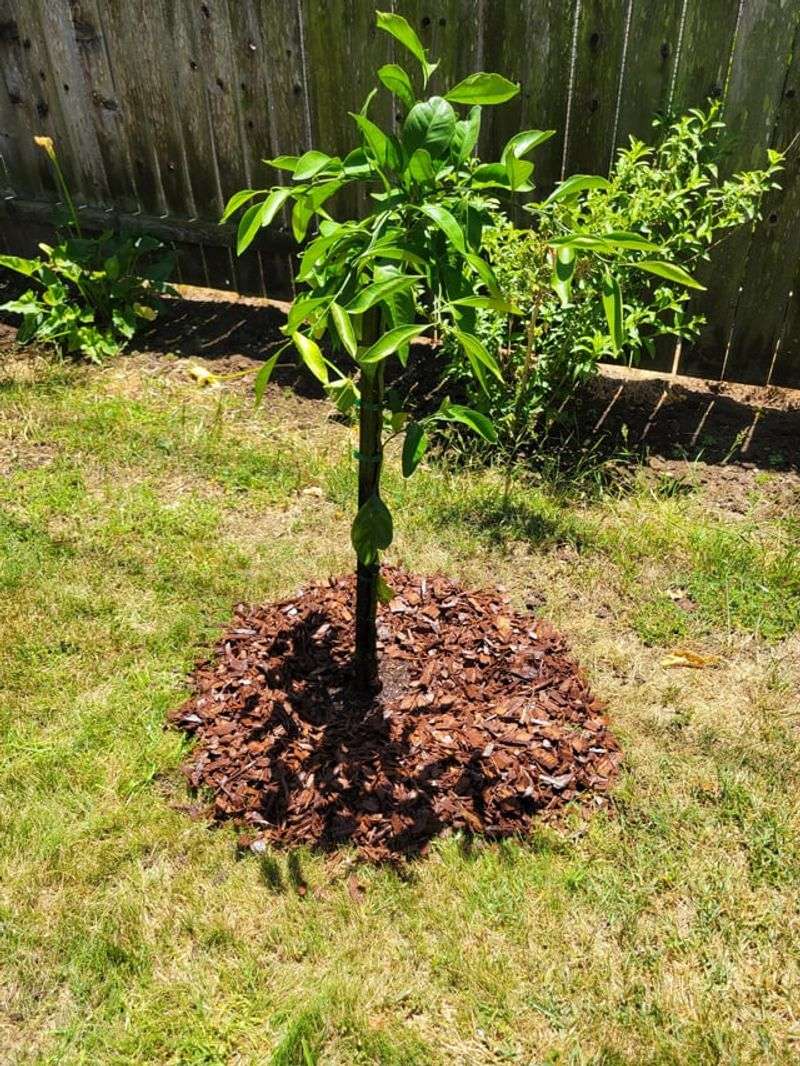
Bare soil around a citrus tree in an Arizona yard is basically an open invitation for moisture loss. Laying down a good layer of mulch around the base of the tree is a simple step that makes a noticeable difference in how the soil holds up during April heat.
Mulch acts as insulation. It slows evaporation, keeps soil temperatures from spiking, and reduces the wide temperature swings that stress citrus roots.
In a desert climate, where the sun beats down on exposed soil and can raise surface temperatures dramatically, that layer of protection matters more than most people realize.
Wood chips are a solid choice for Arizona citrus trees. Spread them about three to four inches deep in a ring around the tree, keeping the mulch a few inches away from the trunk itself.
Piling mulch directly against the bark can trap moisture against the wood and create problems over time.
The ring of mulch should extend out to roughly the drip line of the tree — that outer edge of the canopy where rain would naturally fall.
That’s also roughly where the feeder roots are concentrated, and those roots benefit most from the cooler, more stable soil conditions mulch creates.
6. Avoid Overfeeding Which Can Lead To Weak Fruit Set
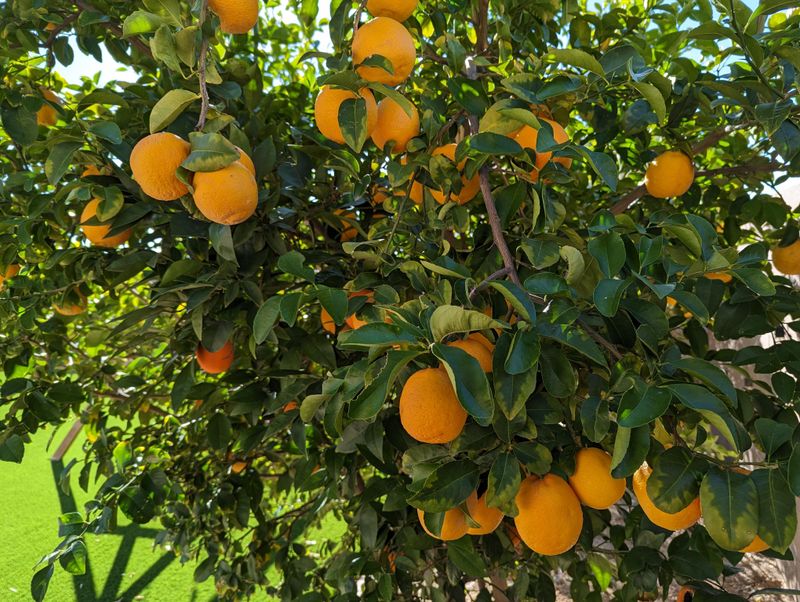
More fertilizer does not mean more fruit — and in April, over-fertilizing a citrus tree in Arizona can actually push the tree in the wrong direction.
Excess nitrogen at the wrong time encourages a flush of leafy green growth at the expense of fruit development and retention.
When a tree is pushing out a lot of new vegetative growth, it diverts energy away from holding onto developing fruit. You end up with a lush, leafy canopy and a lot of dropped fruit on the ground beneath it.
The timing and amount of fertilizer matters as much as the type.
A balanced, slow-release fertilizer formulated specifically for citrus is generally a safer choice than high-nitrogen general-purpose options.
Slow-release products feed the tree steadily rather than flooding it with nutrients all at once, which reduces the risk of triggering that unwanted vegetative surge.
Arizona’s spring fertilizing window for citrus is typically January through February, before bloom. Fertilizing in April, when fruit is already set and the tree is in active development, can disrupt the process if done too aggressively.
Light, careful feeding during this period is generally better than heavy application.
Reading the actual product label and following the recommended rates for your tree size is worth doing carefully.
7. Protect Trees From Heat Stress With Proper Care
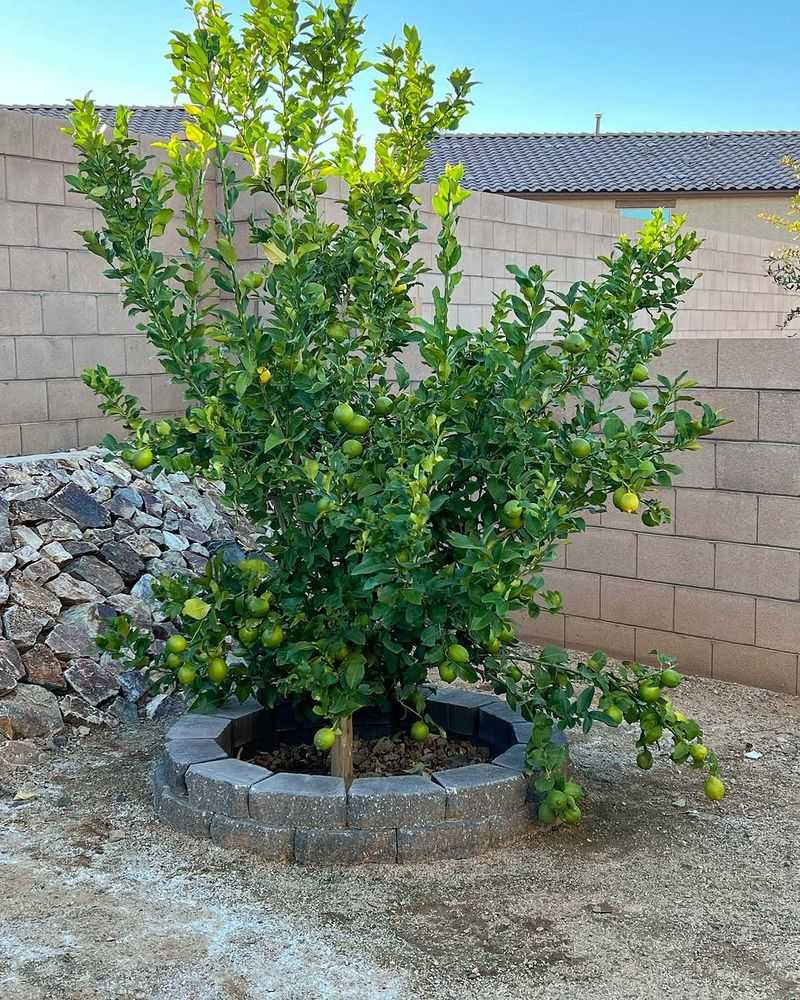
Heat stress in Arizona isn’t just an occasional inconvenience — it’s a real and recurring challenge for citrus trees, especially as spring temperatures climb quickly toward summer levels.
Taking a few targeted steps in April can help trees handle that heat without shedding a large portion of their fruit crop.
Trunk sunburn is a real issue for citrus in the desert Southwest. Exposed bark on young or recently pruned trees can crack and damage the vascular tissue that moves water and nutrients through the tree.
Painting exposed trunks with diluted white interior latex paint is a widely used method for reducing sunscald in Arizona.
Shade cloth can also help during extreme heat events, particularly for younger trees that haven’t developed a full canopy yet. A mature citrus with a dense canopy shades its own trunk and root zone naturally, but smaller trees don’t have that advantage.
Even a few hours of afternoon shade during peak heat can reduce overall stress.
Pruning should generally be done between February and April in Arizona, before the real heat sets in. Avoid heavy pruning once temperatures are consistently above 90 degrees, as fresh cuts are more vulnerable to sun damage at that point.